Activists Rallied at Jantar Mantar to Demand 8th Schedule Berth
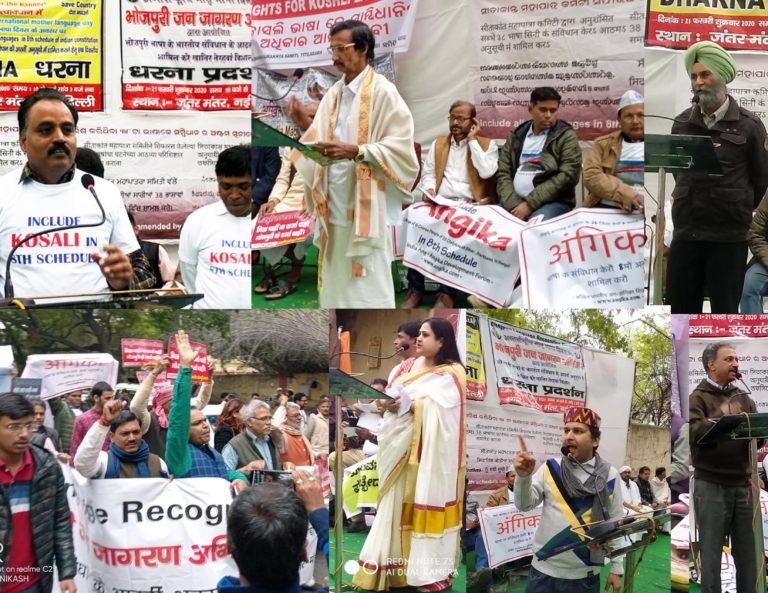
The language activists from around India gathered at Jantar Mantar in New Delhi to celebrate the International Mother Language Day and demanded about 40 languages to be included in the eighth schedule of the Constitution of India.
The activists representing the languages including Bhojpuri, Kosali, Rajasthani, Kodava, Magahi, Badugu, Angika and also the representatives Hindi, Kannada. Tamil, Punjabi and Bangla too participated in the dharma.
The program is organized by Campaign for Language Equality and Rights CLEAR, a pan-india organization representing language activists and organizations.
Hundreds of Bhojpuri and Kosali speakers were gathered. The case of Kosali is an example. The Kosali representative, Mr Saket Sreebhushan Sahu said, “In India, everyone is paying tak but all are not getting their language rights. The present government should address this language inequality and bring new language policy. He questioned, if language like Bodo can be included in 8th schedule why not Kosali ? if English can get all facilities of Kendra Shaitya Academy without included in 8th schedule then why not Kosali ? If Odisha can have Urdu Academy why not Kosali ? If Odisha can start primary education in more than 12 languages why not in Kosali ? If more than 15 states of the country can have more than 2 official languages then why not Odisha? For the people of western Odisha it is not just a language but a way of life that propel progresses and harmony in the region. The inclusion of Kosali language in the 8th schedule of the Indian constitution will have positive impacts on the people of western Odisha as they consider Kosali as their identity and insignia”. Kosali Kriyanusthan Committee is a member of CLEAR.
Mr.Santosh Patel, President, Bhojpuri Language Recognition Movement, criticises the Modi government for not honoring the promise he made in 2013 that if elected his government would include Bhojpuri in the 8th schedule. “This is happening ever since 1947”.
Kodava (Coorg) activist Mr Machimanda Cariappa Appaiah said,”Inclusion of Kodava language will reignite the bond of trust between our peoples, which is the spirit behind our constitution”.
Mr. Kundan Amitabh, national secretary of All India Ang Angika Development Forum demands Angika, a distinct language spoken by 6 crore people from 26 districts in Bihar, Jharkhand and West Bengal to be immediately included in the 8th schedule of the Constitution. “Unless education and employment are made available in Angika and other mother tongues, it is impossible to achieve the right objective of independence of the country”, he said, Resenting that Ankiga speakers are erroneously included as Maithili speakers, Mr. Amitabh noted imperialist political tendencies have increased the risk of the destruction of the very ancient and great mythological Angdesh culture.
Mr Mahavir Mood of Rajasthani language strongly posed questions. “Why my language has been locked, why Rajasthani is denied (its rightful place)”.
Renowned mother tongue activist and the President of CLEAR Dr. Joga Singh observed “Mother tongue is the key to a child’s psychological, cognitive, cultural and social development. Equal political status of India’s all mother tongues is essential for India’s harmonious growth”.
Mr. Aazhi Senthilnathan, noted political activist from Tamil Nadu representing Thannstchi Thamizhagam and Federal Coordinator of CLEAR demanded the Union government immediately start an initiative to recognise the non-scheduled languages without any delay, since their applications are already pending before it. He argued the central government’s language policies of obsolete and out of sync with time.
Reminding the origin of the International Mother Language Day, the day observed by commemorating the 1952 Martyrs of then East Pakistan (now Bangladesh) who fought against the imposition of Urdu over Bengali speaking people, Mr Anand G of Vice President of CLEAR and also from Banavasi Balaga, a Kannada language organisation, said India should learn from Pakistan’s mistake and treat all Indian languages equally.
Mr Yogeshraj (Badugu), Mr. Sudhir Hilsayan (Magahi), Dr. Arun Kumar (Bajjika), Mrs Rama Pandey (Awadhi), Ms Reema Banerjee (Bangla) and others addressed the gathering.
Cancer Causing Substances in the Environment
Few days ago I received a link to an article about large number of cancer cases in Bargarh district in Odisha. The article implied that it might be related to heavy pesticide use by the farmers. I did some digging on the subject and this is what I found.
What is cancer?
Cells are the smallest units of the body and they make up the body’s tissues and organs. Each cell contains genes that guide the way the body grows, develops, and repairs itself. Cancer is caused by changes to certain genes that alter the way our cells function. Some of these genetic changes occur naturally when DNA (genetic code) is replicated during the process of cell division. But others are the result of environmental exposures that damage DNA.
Changes (mutation) in genes can cause normal controls in cells to break down. When this happens, cells do not die when they should and new cells are produced when body does not need them. The buildup of extra cells may cause a mass (tumor) to form. Tumors can be benign or malignant. Malignant tumor cells invade nearby tissues and spread to other parts of the body. Benign tumor cells do not invade nearby tissues or spread.
Carcinogens (cancer causing agents)
The substances listed below are among the most likely carcinogens to affect human health, according to the National Toxicology Program’s 14th Report on Carcinogens , USA(2018). Simply because a substance has been designated as a carcinogen, however, does not mean that the substance will necessarily cause cancer. Many factors influence whether a person exposed to a carcinogen will develop cancer, including the amount and the duration of the exposure and the individual’s genetic background. The carcinogenic substances are:
. Aflatoxins
.Arsenic
.Asbestos
.Benzene
.Benzidine
.Beryllium
.1, 3-Butadiene
.Cadmium
.Coal Tar and Coal Tar Pitch
.Coke Oven Emission
.Crystalline Silica (breathable size sand)
.Erionite
.Ethylene Oxide
.Formaldehyde
.Hexavalent Chromium Compound
. Indoor Emission from Household Combustion of Coal
.Mineral Oils: Untreated or Mildly Treated
.Nickel Compounds
.Radon
Second hand Tobacco Smoke
. Soot
. Strong Inorganic Acid Mists Containing Sulfuric Acid
.Thorium
.Trichloroethylene
.Vinyl Chloride
.Wood Dust
Risk Factors for Cancer
Factors that are known to increase the risk of cancer
A -Cigarette Smoking and Tobacco Use
Tobacco is strongly linked to the following types of cancer.
.Mouth and throat cancer
.Esophageal (food pipe) cancer
.Stomach cancer
.Lung cancer
.Bladder cancer
.Kidney cancer
. Pancreatic cancer
.Cervical cancer
. Acute Myelogenous leukemia (AML- a form of blood cancer)
B – Infections
Certain viruses and bacteria are able to cause cancer. They are:
. Human Papilloma Virus (HPV) increases the risk for cancer of the cervix, vagina, penis, anus and mouth.
. Hepatitis B and Hepatitis C Viruses- Liver cancer
.Helicobacter pylori (cause of peptic ulcer) – Stomach cancer
C – Radiation
Being exposed to radiation is a known cause for cancer.
. Ultraviolet radiation (sunlight) – Skin cancer
.Medical radiation (Ionizing radiation) – from x-rays, CT – Scan, Fluoroscopy and nuclear medicines and radiation therapy can cause- leukemia, thyroid, breast, lung, stomach,colon, bladder and ovarian cancer.
D – Alcohol
Studies have shown that drinking alcohol is linked to an increase risk of the following types of cancer:
.Mouth cancer
.Esophageal cancer
.Colorectal cancer
. Breast cancer
Use of Herbicides and Cancer Risk
A California jury has awarded a couple more than 2 billion dollars in a verdict against Monsanto, a subsidiary of Bayer (2019). This is the third recent court decision involving claims that company’s Roundup weed killer caused cancer. The company insists there is no link between Roundup and cancer. EPA (Environmental Protection Agency, USA) reaffirmed that glyphosate (the common ingredient of Roundup and other herbicides) does not cause cancer (April 2019).
This may be the beginning of the story of whether commonly used, so called safe, pesticides and herbicides cause cancer or not. The final verdict is not in yet.
Conclusion
Cancer is not a single disease but a group of related diseases. Many things in our genes, our lifestyle, and the environment around us may increase or decrease our risk of getting cancer. Scientists are studying many different ways to help prevent cancer – but they don’t have a clear answer. In the meantime, to reduce your risk of getting cancer, do the followings:
.Do not use tobacco products of any kind (pan, bidi, cigarettes)
.Do not smoke or inhale smoky air
. Use mask when air pollution is high
. Do not drink alcohol
.Use face mask, goggles and other protective gears if you are working in a polluted environments (coal mines, sand pits, brick factories, spreading fertilizer, etc.)
. Get vaccinated against HPV, (Human Papilloma Virus) HepatitisB, and Hepatitis A.
Dr Saheb Sahu. MD, MPH
Source
Www. Cancer.gov/ about-cancer/causes-prevention
ନରୀୟା ବୁଢା
ସକାଲୁ ଉଠି ଗାଈଁ ଦାମୁର୍ ଢିଲି
ନରୀୟା ଚରାଇଁ ନେଲା
ବେଲ୍ ବୁଡି ଗଲେ ହେଟା ତାର୍
ଆଇବାର୍ ଘଢି ବେଲା ।।
ଶୀତ୍ ବରଷା ଖରା କାକର୍
ନାଇ ତାହାକେ ଡର୍
ଜେତେ ଜାଣା ହେଲେ ନରୀୟା ବୁଢା
ନାଇଁ ଆନେ କେଭେ ଜର୍ ।।
ସକାଲୁ ଉଠି ଗୋଟେ କାମ୍ କରି
ଭାବସି ନିଜର୍ କରମ୍
ଭାବି ନାଇ ଥିସି ନରୀୟା ବୁଢା ମୋର୍
ବଳଦ୍ ଚରା ହେଉଛେ ଧରମ୍ ।।
ଝାର୍ ଜଙ୍ଗଲ୍ ଯାଇ କେନ୍ଦୁ ଚାହାର୍
କୁର୍ଡୁ,କନ୍ଦା ,ଫଳ୍ ଖାଇ
କଟା ଅଫରା ହଂସି ହଂସି ବୁଢା
ଯାଇସି ନରୀୟା ସଇଁ ।।
ଜଙ୍ଗଲ ଝାର୍ ଗୀତ୍ ତାର୍
ସୁନ୍ ଥିସି କାନ୍ ଡେରୀ
ଦିନେ ନରୀୟା ଝାର୍ ନାଇଁ ଗଲେ
ଝାର୍ ନୁରୁ ଥିସି ଝୁରୀ ଝୁରୀ ।।
ନାଇଁ ପଢି ପାଟ୍ ନାଇଁ ଦେଖି ନାଟ୍
ଫେର୍ ବି ଗାଇସି ଗୀତ୍
ମଧୂର କନଟ୍ ଶୁନି ଗାଏ ବଲଦ
ହେଇଁ ଯାସନ୍ ତାର୍ ମିତ୍ ।।
ନରୀୟା ଜାନସି ବଳଦ୍ ର ଦୁଃଖ୍
କରସି ବଳଦ୍ ର ସେବା
ଜେନେ ଥିଲେ ସେ ନରୀୟା ବୁଢା
ଘଢି ଆଇଲେ ବଳଦ୍ ଡିଲ୍ବା ।।
ଛୋଟ୍ ଦିନେ ତାର୍ କିଛି ନାଇଁ ଥାଇର୍
କିଏ ନାଇଁ ହେଲେ ସାହା
ନିଜର୍ ଗୁଡେ ନିଜେ ଠିଆ ଉଠି ତାର୍
ପେଟ୍ ପୁଶୁଛେ ଦେଖାଇ ବାହା ।।
ନେପାଳ ଘିଭେଲା
ବାଗଯୋର ,ସଇଁନ୍ତଳା ,ବଲାଙ୍ଗୀର, ଓଡ଼ିଶା
ଦୂରଭାଷା.୭୯୭୮୪୯୩୨୧୮
ଡଙ୍ଗର୍
କାହାକେ ଯୁଗିଛୁ କାହିଁ କେତେଦିନୁ
ପଡିରହିଛୁ ଖାଲି ତୁଇ ,
ନେଇଁ ନା କେଁ ତୋର୍ ନିଜର୍ କିହେ
ଦେଖ୍ ବାର୍ ଲାଗି ତତେ ପଚ୍ ରେଇ ।।
ସକାଳେ ତୋର୍ କୁଲୁ ସୂରୁଜ୍ ଉଦ୍ ସି
ବେଲ୍ ବୁଡାକେ ଦେସି ଶୁଇ ,
ଖଲ୍ ଖଲେଇ ତୋର୍ ଛାତିନୁ
ଝର୍ ନା ଯାଏସି ବୁହି ।।
ତୋର୍ ଉପ୍ ରେ ମୟୂର୍ ନାଚ୍ ସି
କଲା ବାଦଲ୍ କେ ଦେଖି ,
ଇନ୍ଦର୍ ଧନୁ ରଙ୍ଗେ ସଜେଇ ହେସି
ତୋର୍ ପାଖେ ହେଇ ଜାଁକି ।।
ଗଛ୍ ଲତାଥି ସଜେଇ ଦେଇଛୁ
ଦିହିଁଟାକେ ତୋର୍ ତୁଇ ,
କେତେ ଜୀବ୍ ଜନ୍ତୁ ଗୁଡା କରିଛନ୍
ସାହାରା ଟିକେ ତୋର୍ ପାଇ ।।
ତୋର୍ ଲାଗି ବର୍ଷା ଝରି ପଡ୍ ସି
ନି ପାରେ ଉପ୍ ରେ ରହି ,
ଯନ୍ତ୍ରୀ ଆସି ନୂଆ ସଡକ୍ ବନାସି
ଦିହିଁକେ ତୋର୍ ଗା ଫଟେଇ ।।
କାଟ୍ ଖୁଟ୍ ଆଉ ମହୁଲ୍ ,ଚାଁହାର୍
ସବୁ ଦେସୁ ତୁଇ ଅଜାଡି ,
ଯିଏ ଗଲେ ସେ ସଁକ୍ ଲି ଆନ୍ ସି
ବଗ୍ ବଗା ଛତି ଆର୍ କର୍ଡି ।।
ତୋର୍ ଦିହିଁଥି ଲାଗ୍ ଲେ ଜୁଏ
କହେସନ୍ ଲୋକ୍ ମାକର୍ ବିହା ,
ଜୁଏ ଲାଗି କେତେ ଜୀବଜନ୍ତୁର୍
ଧ୍ୱଁସ ହେସି ବଂଶ୍ କୁରିଆ ।।
ଜିତେନ୍ଦ୍ର ପାଣ୍ଡେ ,ବାଗଉଡାର
ବେଲପଡା , ବଲାଙ୍ଗିର
ମୋ-୬୩୭୦୯୭୯୬୪୧
ଘାଏ ଦେଖତ
ଦେଖ୍ ତ ପରଭୁ ତର୍ ସଂସାର କେ
କାଁଣା ହେଲା ଆଏଜ୍ !
ଦିବ୍ ଗିଆନି ମୁନୁଷ ତର୍
ହେଲାନ ରାକ୍ଷାସ୍ !
ତାକେ ଆର୍ ଥରେ ଦେ ବୁଦ୍ଧି
ଧରବା ବନେ ବାଟ୍ !
ସୁଖର୍ ଜୀବନ ଜଅଁରା କେ ଦେଇ
କାଁଯେ କରୁଛେ ନାଁଟ୍ !
ଏନତା ଲୁଟଲେ ଇ ଦୁନିଆଁ ଆଘଥୁ
ଯିବା ନ ସରି !
ଅଂଟି ଯିବା ଇନର ପାଏନ୍ ପବନ୍
ସଭେ ଯିମା ମରି !
ସୂର୍ଯ୍ୟ ଅଛେ ଚନ୍ଦ୍ର ବି ଅଛେ ନାଇଁ
ବଦଲିବାର ଆକାଶ !
ମୁନୁଷ୍ ପନିଆ ତାର୍ ବଦଲିଛେ
ହେଇଛେ ବଦମାସ୍ !
ତର୍ ବନାଲା ଦୁନିଆଁ କେ ମୁନୁଷ୍
ଦେଇଛେ ବିଗଡେଇ !
ଦୁଷ୍ଟ କେ ଦଲନ କରି ସନ୍ତ କେ ପାଲି
ଆଘର୍ ରୂପ ଆନ୍ ଫିରେଇ !
କେନ୍ ଯୁଗେ କେନ୍ ରୂପ ଧରି
ସଜେଇ ଛୁ ପରଭୁ ତୁଇ !
ଆର୍ ଥରେ ତୁଇ ଆ ସଂସାର କେ ପରଭୁ
ମୁନୁଷ କେ ମୁନୁଷ ଦେ ବନେଇ !
ଆଶୁକବି-ଆଶୁତୋଷ ଠାକୁର
ମୋବା-୯୯୩୭୯୩୩୧୧୪
ମଣ୍ଡଲ
ତୁଇ ଅଉ କହ କିଏ…….?
ଜୀବ୍ ନେ ଯଦି ପର୍ହର୍ ଆଁଖି
ଝରି ପଡେ ଟିକେ ଲହ
ପାସ୍ କେ ଯେଇ ନେଇ କହୁଛୁ
କାଁଏଟା ହେଲାଯେ କହ
ପଢି ଥିଲେ ହେଲେ ବିଏ
ତୁଁଇ ଅଉ କହ କିଏ…….?
ମୁନୁଷର୍ ଦୁଖ୍ ଦେଖି ଯଦି
କେଁଭେ ନାଇ କରି ଆହା
ବିପଦ୍ ଆପଦ୍ ବେଲେ ତୁଇ
ନାଇ ହେଲୁ ଯଦି ସାହା
ତତେ ଚିହ୍ନେ ଅାର୍ କିଏ
ତୁଇ ଅଉ କହ କିଏ……..?
ଯାହାର୍ ମୁହୁକେ ଦେଖି କରି
ଭିତରର୍ କଥା ବୁଝି
ତାର୍ ଲାଗ୍ ଲା ଋଣ୍ କେ ତୁଇ
ନାଇ ପାର୍ଲୁ ଯଦି ସୁଝି
କିଏ ଆର୍ ସାତ୍ ଦିଏ
ତୁଇ ଅଉ କହ କିଏ……..?
କାହାରିର୍ କଥା ନାଇ ରଖି
ନାଇ ଚିହ୍ନୁ ଯଦି ମନ୍
ପଏସା ଟଁକାର୍ ଲୁଭେ ପଡି
କହୁ ଥିସୁ ଖାଲି ଧନ୍
କେନ୍ତା ତୁଇ କର୍ବୁ ନିଏ
ତୁଇ ଅଉ କହ କିଏ…
ତୁଇ ଅଉ କହ କିଏ……..?
ହ୍ରୁଷିକେଶ୍ ସାହୁ, ତାଣ୍ଡୋଲ୍ , ସୋହେଲା , ବରଗଡ଼, ୬୩୭୨୩୭୧୬୬୩
ପହଁତିଆ
ଦୁଃଖର ବେଲା ଟେ ତ ପଡିଛେ
ତାହାବଲି କରି ଜୀବନ କେ କେତେ ଛି କରୁଛୁ ?
ଟିକେ ଦମ୍ ଧରି କରି ,
ସହି ଲହି କରି
ଛାତି ନେ ପଥର୍ ଲଦି କରି
ଜିଇଁ ବାକେ ହେବା ।
ଦୁନିଆ ଭିତରେ ଘର କରିଥିଲେ
ପଥର୍ ପଡ଼ ଲେ ସହି ”
ଇ” କଥା କେ ଭର୍ସା କରି ସୁଖର ସମିଆ କେ ଜୁଗି ଥା ।
ତୋର କପାଲେ ସବୁଦିନେ
ଥିବାନ କେଁ ଦୁଃଖ ଟା ।
ଘୁଞ୍ଚବା
ଜରୁର ଘୁଞ୍ଚବା ଇ, ଅଂଧାର ରାଏ ତ୍
ଉଦି ଆସ ବା ସୁଖର ସୁରୁଜ
ଝିଟି ଦେବା ନୂଆ ସପନ ର୍ ମୁରୁଜ୍
ହାଦେ , ହେ ରାଏତ ତ ସରି ସରି ଅସୁଛେ ନ
ସକାଲ୍ ହେବା ର୍ ଝଲକ ଟିକେ
ଦିଶି ଦିଶି ଆସଲା ନ
ଶୁଭର୍ କୁକୁରା କ କଁ କଲା ନ
ପହଁତିଆ ହେଲା ନ
ପହଁ ତିଆ ହେଲାନ ।
ସତ୍ୟନାରାୟଣ ମିଶ୍ର
ସିଂଧେକେଲା
ଚାଷ କାମ ଯାହାର କେଡେ ସୁଖ ତାହାର
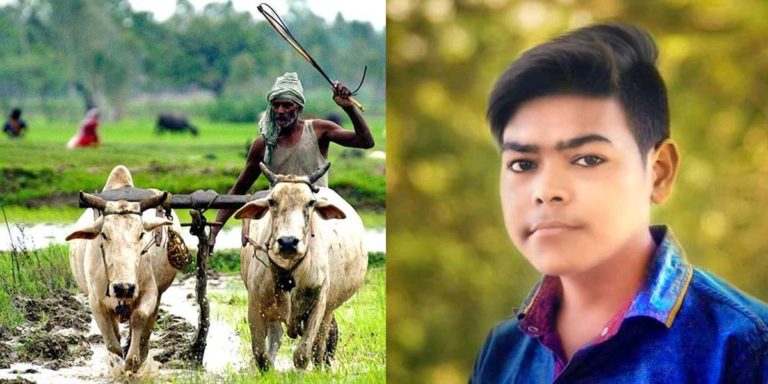
ପଶ୍ଚିମ ଓଡ଼ିଶାରେ ମର୍ଡି ପଡିଛେ
ନାଇ ହେବାର ନ ଚାଷ୍
ଚାଷୀ ଆଏଜ୍ ମୁଡେ ହାଥ୍ ଦେଇ
ବର୍ଷା କେ କରେ ଆସ୍
ମର୍ଡି ହେଲେ କି ବାତ୍ୟା ହେଲେ
କିଛି ନାଇ ଯାଏ କାହାର
ଚାଷ କାମ ଯାହାର କେଡେ ସୁଖ ତାହାର
କିଏ କହିଛେ ଦେଖ୍ମା ତ ଚାଷ କରି ଘାଏ ବାହାର ।
ଚାଷୀର୍ ଦୁଃଖକେ ନେତା ମନ୍ତ୍ରୀ
ନାଇ ସୁନ୍ ଲେ କିହେ
ଜଣା ହେଲେ ବି ଚାଷୀ ବୁପ୍ ରା
ସବୁ ଦୁଃଖ କେ ସହେ
ଆତ୍ମ ହତ୍ୟା କରି ଚାଷୀ ବୁପ ରା
ପିଉଛେ ଆଏଜ୍ ଜହର
ଚାଷ କାମ ଯାହାର କେଡେ ସୁଖ ତାହାର
କିଏ କହିଛେ ଦେଖ୍ମା ତ ଚାଷ କରି ଘାଏ ବାହାର ।
କହାକେ ସତେ ଦାନା ନାଇ ମିଳେ
ଚାଷୀ ନାଇ କଲେ ଚାଷ
ଚାଷୀ ର ନାଁ ଥି ସବୁବେଳେ ତୁମେ
କରୁଅଛ ବାକ୍ୱାସ୍
ଚାଷୀ ବୁପ୍ରା ଟା ଏକ୍ଳା ଏ ଭାଇ
ନାଇ ନ କିହେ ତାହାର
ଚାଷ କାମ ଯାହାର କେଡେ ସୁଖ ତାହାର
କିଏ କହିଛେ ଦେଖ୍ମା ତ ଚାଷ କରି ଘାଏ ବାହାର ।
ଭାଷଣ ଢିଲୁଛ ଚାଷୀର ନାଁ ଥି
କଥା କହି ମନ୍ ଭୂଲା
ତୁମର ଯୋଜନା ତ ଯେଡକି ବାଉଁଶ
ଭିତର ଟା ସେଡ଼କି ପୁଲା
ଭାଷଣ ଢିଲି କରି ଚାଷୀର ନାଁ ଥି
କରୁଛ ଆଏଜ ତୁମେ ବେପାର
ଚାଷ କାମ ଯାହାର କେଡେ ସୁଖ ତାହାର
କିଏ କହିଛେ ଦେଖ୍ମା ତ ଚାଷ କରି ଘାଏ ବାହାର ।
ଚାଷୀ ର ନାଁ ଥି ସବୁବେଳେ ତୁମେ
କରୁଅଛ ରାଜନୀତି
ଚାଷୀ ର ଉନ୍ନତି କର୍ମୁ ବୋଲି
କହୁଅଛ ଚାରିକୁତି
ଚାଷ କବାର ଯଦି ଛାଡି ଦେବା ଚାଷୀ
ଭୁସୁଲି ଯିବା ଇ ସରକାର
ଚାଷ କାମ ଯାହାର କେଡେ ସୁଖ ତାହାର
କିଏ କହିଛେ ଦେଖ୍ମା ତ ଚାଷ କରି ଘାଏ ବାହାର ।
ଚନ୍ଦନ ସାହୁ
ପଦ୍ମପୁର , ବରଗଡ଼
ନୁରା
ଗଲା ବଛରେ ଦୁଇ ବଛର ହେଇଗଲା
ମୁଇଁ ନୁରୁ ଥିଲି ,ସେ କାନଡେରୀ କାହିଁ ଗଲା
ଯେ ମୋର୍ କଥା ଶୁନବାରକେ
ଟାଏଟ କୁନେ ରୁପ ବାଗିର ଟାକି ରହୁଥିଲା
କାହିଁ ଗଲା ,କେନ ଜବଦି ଦେଲା ?
ଆଏଜ କେତେ ବଢ଼ିଆଁ ଛୁଟି ପଡ଼ିଛେ
ଶୀତ ସାଙ୍ଗେ ଖରା ବି କରୁଛେ
ଖରା ଚର୍ଚରେଇ ଯାଉଛେ
ପାଦ ଚାଏଁ କରୁଛେ
କବିତା ଗୁଟେ ତିଆର ଅଛେ
ଜେନ୍ତା ଫୁଲଚନ୍ଦନ କହଁରି ଯାଉଛେ;
କାହିଁ ଗଲା ସେ କଥାତି
ବେଲା ହେଇଗଲା ଫୁନ ନାଇଁ ଆସୁଛେ
କାଆଣା ହେଇ ଯାଇଛେ ?
କାହିଁଗଲା ସେ କଲକଲୀ ?
ଆଏଜ ଶୁନ୍ମି ତାର ଗାଲି
ଦିନ ଥିଲା,
ଚାଵରୀ ଚାଁଟି ଲେଖେ ଲଟକି ପଡ଼ୁଥିଲା
ଆଉ ରସୋ ରସୋ କାନ୍ଦି ଦେଉଥିଲା
ଯେଭେଁ ବି ତାର ଫୋନ କଲ ନାଇଁ ଉଠଉଥିଲି ।
ଯେତେ ପାରତା ଗାଲି ଦେତା
ଜୁଏ ହୁଲା ବାଗିର ରୁକିଦେତା
ମୁଇଁ ଇସ୍କୁଲ ଛୁଆ ବାଗିର ଶୁନ୍ତି
ଶେଷେ କବିତା ଗୁଟେ ଶୁନେଇ ଦେତି
ହୁରହୁରିଆ ଧୁକା ପଠେଇ ଦେତି
ମନ-ତନ ତାର ମହଁକେଇ ଦେତି
ଯାନ୍ତା ,ମୁଇଁ କେତେ ଭଲ ପାଏତି ।
ସେ ଇଂରାଜୀ ଥି କହେ ନାଇଁ
କି କୋସଲି ଥି ବି ନାଇଁ
ଓଡ଼ିଆ-ବଙ୍ଗଳା ବି ଜାନିଛେ
କମ କଥା ଶିଖି ନାଇଁ
ମୁଇଁ ତତେ ଭଲ ପାଏସି ବଏଲେ
ଝଟ କରି ଉଁ.. ଉଁ… ଉଁ.. କହେସି
ମୋର୍ ଛଡ଼ା ଅଲଗା କିଏ ବୁଝି ପାରେ ନାଇଁ ।
କାହିଁ ଗଲା ସେ ସୁନ୍ଦରୀ
ଅନାରକଲି-ବାଲଝାରୀ ?
ନୁରୁଛେଁ ତାକେ ମୁଇଁ ଇ କୁତି ସେ କୁତି
ଦେଖତି ଘାଏ ମନ ଭରି
କଥା ହେତି ହୁଁକାରି ହୁଁକାରି
ମନ ମଠିଆ ଯାଏତା ଭରି ।
–ନବୀନ
nabinsahu24@gmail.com