Preventing Dementia
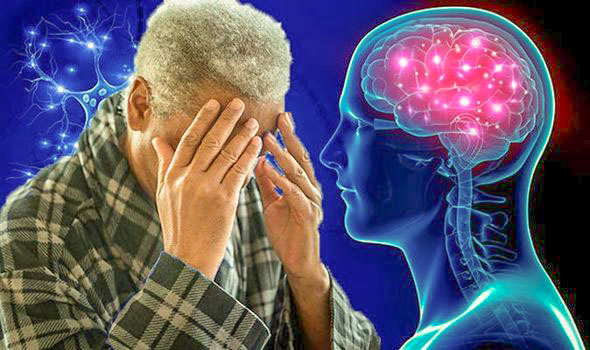
Definition of Dementia
Dementia describes a group of symptoms affecting memory, thinking, and social abilities severely enough to interfere with one’s daily life. There are several different diseases may cause dementia. Globally dementia affected more than 45 million people in 2015. Alzheimer’s disease is the most common cause of progressive dementia accounting for 50 to 70% of cases in older adults. The other common cause is vascular (related to blood vessels) dementia, accounting for to 20-25%.
Symptoms of Dementia
. Memory loss, which is noticed by a spouse or someone else
.Getting lost
.Difficulty in finding words
.Difficulty in reasoning, organizing and problem solving
. Confusion and disorientation
Causes of Dementia (memory loss)
There are many causes of memory loss:
.Aging
.Mild cognitive impairment (MCI)
.Medical conditions like Alzheimer, stroke, and head injuries
.Emotional problems like depression
Age Related Memory Loss
Forgetfulness can be a normal part of getting old. As people get older, changes occur in all parts of the body, including the brain. As a result, they do not remember information like names, place, as well as they did, or they lose things like their glasses or keys. These are usually signs of mild forgetfulness due to aging and not signs of serious dementia like Alzheimer’s disease.
Mild Cognitive Impairment (MCI)
The earliest stage of dementia is called mild cognitive impairment. 70% of those diagnosed with mild cognitive impairment, later progress to full dementia. It is the stage between the expected decline of normal aging and the serious decline of dementia.
Memory Loss Related to Medical Conditions
Medical conditions that may cause memory problems include:
.Alzheimer’s disease and vascular dementia
.Tumors, blood clots, or infections of the brain
.Head injuries such as concussion
. Drinking too much alcohol
.Some thyroid, kidney, or liver disorder
.Medications side effects
Alzheimer’s diseaseis the most common cause of dementia in older adults. It is a progressive brain disorder that slowly destroys memory and thinking skills. It is not a normal part of aging. It appears first in mid 60s. It is the most common cause of dementia in older people. Scientists do not yet fully understand what causes Alzheimer’s disease in most people. In early –onset Alzheimer which occurs in a person between 30s and mid-60s, there may be a genetic component.
Vascular dementia is the second most common form of dementia in older adults after Alzheimer’s disease. It results from injuries to vessels that supply blood to the brain, often after a stroke or series of strokes. Risk factors for vascular dementia are: high blood pressure, smoking, obesity, diabetes, high cholesterol, and sedentary life style. The symptoms of vascular dementia can be similar to those of Alzheimer’s and both conditions can occur at the same time (mixed dementia).
What science says about reducing the risks of dementia?
When it comes to dementia, the unfortunate news is this: medications so far have proven ineffective at curing or stopping the disease, and its most common form, Alzheimer’s disease. But according to a recent wave of scientific studies, we have more control over our cognitive health than commonly known. According to the Lancet, the British medical journal, around 35% of dementia might be prevented if people make certain life style changes. They are:
- Blood pressure control
In 2017 and 2018, researchers have found that lowering the high blood pressure to normal range can reduce dementia rate by 20%. A blood pressure of 120/80 is considered normal.
- Exercise
Exercise increases the flow of blood to the brain, improves the health of the blood vessels and raises the level of the good cholesterol (HDL) and protects against heart disease and dementia. It also lowers blood pressure and reduces the risk of diabetes and arthritis and depression. Exercise can also lead to the formation of new brain synapses (connection) and protects brain cells from dying. A minimum of 60 minutes of aerobic exercise (walking, running, playing games, bicycling, swimming etc.) a week will give you the benefits. 150 minutes a week is even better.
- Diet
Several population studies have shown that people with a Mediterranean diet, which is high in fish, fruits, nuts, and vegetables, have lower rates of dementia. Researchers found the Mind diet (Mediterranean diet + more berries and leafy vegetables) even more beneficial, leading to 30% reduction in Alzheimer’s disease. A diet consisting of whole grains, a variety of fruits and vegetables, some nuts, fish and poultry and unsaturated fat is appropriate for everyday consumption.
- Cognitive Training
Many population studies suggest that education increases cognitive reserve, a term for brain’s ability to compensate for neurological damage. People with high- School or higher education have lower dementia rate. Researchers have found that older people 65 and older, who engaged in more than six activities a month- including pursuing their hobbies, reading, visiting their friends, walking, volunteering and attending religious services- had a 38% lower rate of developing dementia, than people who did fewer activities.
- Sleep
No one knows for sure why we sleep. One theory is that sleep helps us remember important information. Another theory is that sleep washes “toxic substance out of our brains that should not be there,” including beta amyloid and tau proteins that are implicated in Alzheimer’s disease. Researchers believe that poor sleep may be a risk factor for dementia. Treating sleep problems may prevent dementia. Depending on the age, 7-8 hours of sleep a night is recommended for most people.
- Combination
There is a growing consensus that when it comes brain health, the more healthy habits you adopt, the better. Many points to a recent clinical trial in Finland of 1,250 adults ages 60-77 as proof that a multi–pronged approach can work in reducing the rate of dementia.
Conclusion
There is a growing consensus among scientists that when it comes to brain health, the more healthy habits you adopt, the better. Lowering your high blood pressure, exercising at least 60-150 minutes a week, eating a healthy diet, getting a good night sleep and staying engaged ( working on hobbies, reading, visiting friends, volunteering) will improve your brain health and lower your chance of getting dementia. GET STARTED!
Sources
1- National Institute of Aging- www. nia.nih.gov
2-The Wall Street Journal- Nov, 18, 2019, R-3
Dr Saheb Sahu, FA.A.P. MPH.
The Truth Will Set You Free, But First It Will Piss You Off! BY Gloria Steinem

Gloria Steinem is an American feminist, journalist, and social and political activist who became nationally recognized as a leader in the late 1960s and early 1970s. She was the co-founder of Ms. Magazine. She had lived in India for a couple of years after college. In 2013, President Obama awarded her the Presidential Medal of Freedom. The above mentioned book was just published in 2019. I liked the book very much.
In this article I have selected some of the quotes from her book. I am hoping it will inspire all us, especially women.
“The truth will set you free, but first it will piss you off!
Revolutions, like tress grow from bottom up.
Voting is not the most we can do, but it’s the least.
Democracy begins in the family.
If you don’t vote, you don’t count.
If you have more power than others, remember to listen as much as you talk. If you have less power than others, remember to talk as much as you listen. This is instant democracy.
Be sure you like whom you love.
Whether by dowry murder in India, honor killing in Egypt, or domestic violence in the United States, statistics show that women are most likely to be beaten or killed at home by men they know.
Don’t listen to any advice. Listen to the voice inside.
You are going to make mistakes, and you will learn from them. Say you are sorry, ask what you could have done better, learn –and move on.
Growth comes from saying yes to the unknown.
Don’t worry about what you can do, just do whatever you can.
There are not many jobs that require a penis or a vagina and all other occupations should be open to everyone.
People who are experiencing the problem are the most likely to know the solution.
All movements need few people who cannot be fired. If you’re dependent, it’s very hard not to be concerned about the approval of whomever and whatever you are dependent on.
Fear is asign of growth.
We learn from difference, not from sameness.
And remember that having some adversaries is a good thing.
The world is divided into two kinds of people. Those who divide everything into two, and those who don’t.
In many ways, “race” is an invention of colonialism.
We don’t learn while we are talking, we learn while we are listening.
If you want people to listen to you, you have to listen to them.
Elephants are nonviolent, they are matrilineal, vegetarian, and they have a sense of humor, long memories- If only we all be a little more like elephants.
Forget about approval. Go for respect.
The first resistance to social change is to say: It is necessary.
Beware of any motto that glorifies the past. It is code for restoring hierarchy. For example: ‘Make America great again’
Gender and race are fictions. Unique individuals are truth.
People invented race and gender. People can uninvent them.
A woman who aspires to be something will be called a bitch.
If they call you a bitch, say: Thank you!
Power can be taken, not given.
Only by taking power gives you the strength to use it.
Power does not have to be power over; it can be power to do.
It is easier to blame the person with less power.
Evil is obvious only in retrospect.
Trust your intuition.
It is an incredible con job when you think about it: Patriarchal religions get us to believe and behave now for a reward after death. Even corporations only promise to reward you after your retirement.
Never ever give up. And dance a little.
Hope is a form of planning.
When anybody asks me, ‘What should I do?’ I say, ‘Just do whatever you can’.
The clearest view is always from the bottom.
Sometimes we must put our bodies where our beliefs are.
A feminist is anyone who recognizes the equality and humanity of all people.
Law and justice are not always the same. When they aren’t, disobeying the law may be the first step toward justice.
The idea of freedom is contagious.
There is always one true inner voice: Trust it.”
Conclusion
Gloria Steinem has been a feminist, political organizer, writer and a change maker for more than fifty years. She has written this book based on her life experiences. This book has lot to teach those of us, who want to make a change in our lives and in our society.
Dr Saheb Sahu
କୋସଲିର ସାମ୍ବିଧାନିକ ସ୍ୱୀକୃତି ଓ କେନ୍ଦ୍ର ସାହିତ୍ୟ ଏକାଡେମି ସହ ଯୋଡିବା ନେଇ ସାସଦଂକୁ ସ୍ମାରକ ପତ୍ର
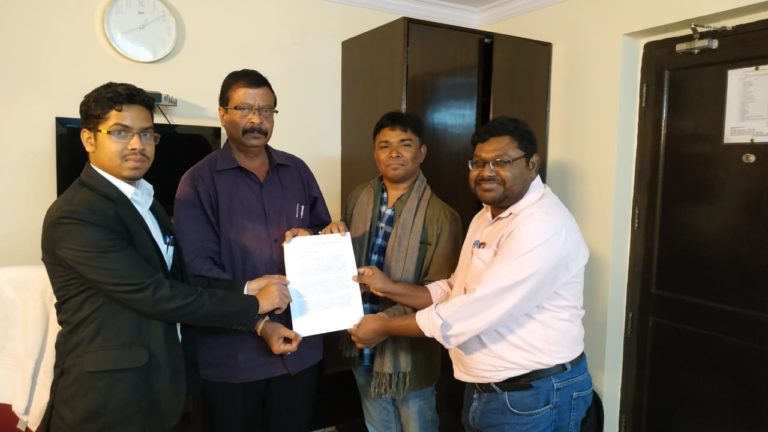
କୋସଲି ଭାଷାର ସାମ୍ବିଧାନିକ ସ୍ୱୀକୃତି ତଥା କେନ୍ଦ୍ର ସାହିତ୍ୟ ଏକାଡେମି ସହ ଯୋଡିବା ନେଇ ବରଗଡ ସାଂସଦ ସୁରେଶ ପୁଜାରୀଂକୁ କୋସଲି କ୍ରିୟାନିଷ୍ଠାନ କମିଟୀ ତରଫରୁ ଆବାହକ ସାକେତ ଶ୍ରୀଭୂଷଣ ସାହୁ, ଦିଲ୍ଲୀ ବିଶ୍ୱବିଦ୍ୟାଳୟର ଅଧ୍ୟାପକ ତିଲ କୁମାର, ତଥା ସୁପ୍ରିମ କୋର୍ଟ ଓକିଲ ଘନଶ୍ୟାମ ବାଂଜି ଓଡିଶା ନିବାସ ଠାରେ ତାଂକ ଅସ୍ଥାୟୀ କ୍ୱାଟରରେ ୨ଟି ପୃଥକ ସ୍ମାରକ ପତ୍ର ଦେଇଛନ୍ତି । ଏହି ସ୍ମାରକ ପତ୍ରରେ ଉଲ୍ଲେଖିତ ଅଛି ଯେ ବିଗତ ଦିନରେ କେନ୍ଦ୍ର ସରକାର ବିଭିନ୍ନ ଭାରତୀୟ ଭାଷାକୁ ଅଷ୍ଟମ ସୂଚୀରେ ସାମିଲ କରିସାରିଛି । ଏହା କେନ୍ଦ୍ର ସରକାରଂକର ଭାରତର ବିବିଧତା ପ୍ରତି ସମ୍ମାନ । ତଥା ଅନୁନ୍ନତ ଭାଷାମାନକୁ ମୂଖ୍ୟଧାରାରେ ଯୋଡିବାର ଏକ ଅନ୍ୟାନ ପ୍ରୟାସ । ଜାତିସଂଘର ସାଂସ୍କୃତିକ ଶାଖା ମଧ୍ୟ ଭାଷା ସମାନତା ଅଧିକାରକୁ ସମ୍ମାନ ଜଣାଏ । କୋସଲି ଓଡିଶାର ୧୦ଟି ଜିଲ୍ଲା ତଥା ଛତିଶଗଡର ଭତରି, ବସ୍ତର, ଦେଭୋଗ, ଫୁଲଝର, ରାଏଗଡ, ସାରଂଗଗଡ, ତଥା ଜସପୁର ପର୍ଯ୍ୟନ୍ତ ଏକ ବ୍ୟାପକ ଅଂଚଳରେ ପ୍ରତିଦିନ ବ୍ୟବହୃତ । ସ୍ୱାଧୀନତା ପୂର୍ବରୁ ଏହାର ପ୍ରକାଶନ କାର୍ଯ୍ୟ ଜାରି ରହିଛି ତଥା ଏହାର ଲିଖିତ ସାହିତ୍ୟ ଅଷ୍ଟମ ଶତାଦ୍ଦିରୁ ପ୍ରଚଳିତ । ଜିଏମ ୟନିଭର୍ସିଟି, ସମ୍ବଲପୁର ୟୁନିଭର୍ସିଟି, ତଥା ଆବାସିକ ବନବିଦ୍ୟାଳୟ କୁଦୋପାଲିରେ ଏହାର ପାଠ୍ୟକ୍ରମ ଚାଲିଛି । କୋସଲି ଭାଷା ଅଷ୍ଟମ ସୂଚୀରେ ସାମିଳ ହେଲେ ଆଦିବାସୀ ବହୁଳ ତଥା ଅନଗ୍ରସର ପଶ୍ଚିମ ଓଡିଶାରେ ମାତୃଭାଷା ଶିକ୍ଷାର ପ୍ରଚଳନ ଦ୍ୱାରା ବିକାଶର ମୂଖ୍ୟଧାରା ସହ ଜୋଡିବା ପାଇଁ ସହଜ ହେବ । କୋସଲିର ଲୁକ୍କାୟିତ ତଥା ଅନାଲୋଚିତ ଇତିହାସ ଗବେଷଣା ଦ୍ୱାରା ଉନ୍ମୋଚିତ ହୋଇପାରିବ ଓ ଭାଷା-ସାହିତ୍ୟର ବିକାଶ, ପ୍ରଚାର, ପ୍ରସାର ଓ ସୁରକ୍ଷା ପାଇଁ ସହାୟକ ହେବ । କୋସଲି ଅଷ୍ଟମ ସୂଚୀରେ ସାମିଲ ହେଲେ ଅଂଚଳରେ ସରକାରଂକୁ ଅଂଚଳରେ ଶାସନ କାର୍ଯ୍ୟରେ ସହାୟକ ହେବ ।
ଏହା ବ୍ୟତୀତ କେନ୍ଦ୍ର ସାହିତ୍ୟ ଏକାଡେମୀ ସହିତ ଜୋଡିବା ପାଇଁ ସ୍ମାରକ ପତ୍ରରେ ଉଲ୍ଲେଖିତ ଅଛି ଯେ ରାଜସ୍ଥାନୀ ଓ ଇଂରାଜୀ ଅଷ୍ଟମ ସୂଚୀରେ ସାମିଲ ନ ହୋଇ ମଧ୍ୟ ଅଷ୍ଟମ ସୂଚୀରେ ସ୍ଥାନ ପାଇଥିବା ଅନ୍ୟ ୨୨ ଭାରତୀୟ ଭାଷାଂକ ସହ ସମାନ ସୁବିଧା ଉପଲବ୍ଧ କରୁଛନ୍ତି, ଏବଂ ଉଭୟେ ରାଜସ୍ଥାନୀ ଓ ଇଂରାଜୀ, କୋସଲି ସହ ମହାପାତ୍ର କମିଟୀ ସିଫାରିଶ କରିଥିବା ୩୮ ଭାଷାମାନଂକ ସହ ବିଚାରଧୀନ ଅଛନ୍ତି ତେଣୁ ସେହି ସୂତ୍ରରେ କୋସଲିକୁ କେନ୍ଦ୍ର ସାହିତ୍ୟ ଏକାଡେମୀର ସମସ୍ତ ସୁବିଧା ଦେବା ଉଚିତ ।
ଶ୍ରୀ ପୁଜାରୀ ଶୀଘ୍ର ଏନେଇ ସଂସଦରେ ପ୍ରଶ୍ନ କରିବା ସହ ସରକାରଂକୁ ଚିଠି ଲେଖିବେ ଓ ପଶ୍ଚିମ ଓଡିଶାର ଜନମାନସର ଭାଷାର ମାନ୍ୟତା ପାଇଁ ଆବଶ୍ୟକ ପଦକ୍ଷେପ ନେବେ ବୋଲି ଏକ ବିସ୍ତୃତ ଆଲୋଚନାରେ ଜଣାଇଥିବା ଆବାହକ ଶ୍ରୀ ସାହୁ ଜଣାଇଛନ୍ତି ।
Language Right Conference demands to Include all 38 Languages Recommended by Sitakanta Mohapatra Committee
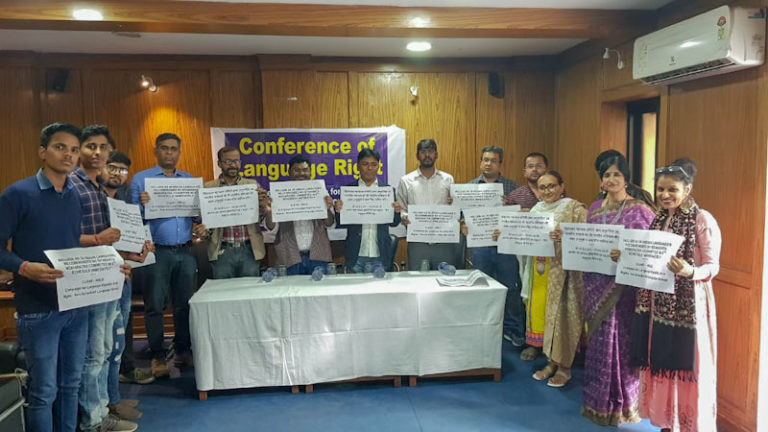
Representatives of various Indian languages assembled at Press Club of India, New Delhi on 20th November and demand to include all the 38 languages recommended by Sitakant Mahapatra Committee in 2004. The activists also urged to set up Akademi for 38 recommended languages and provide offices in New Delhi.
A five-member National Coordination Committee was also constituted to run the organization and channelize the movement of non-scheduled languages under the banner of CLEAR – NSLG (Campaign for Language Equity And Right – Non Scheduled Language Group). Saket Sreebhushan Sahu, Kundan Amitabh, Sudhir Hilsayan, Mahavir Mund have been given the responsibilities as National Coordinators. Also a student wing was also formed with Dr. Tila Kumar as its co-ordinator.
The current list of 38 languages recommended by the Sitakanta Mohapatra committee includes: Angika, Banjara, Bajjika, Bhojpuri, Bhoti, Bhotia, Bundelkhandi, Chhattisgarhi, Dhatki, English, Garhwali (Pahari), Gondi, Gujjar or Gujjari, Ho, Kaachachhi, Kamtapuri, Karbi, Khasi, Kodava (Coorg), Kok Barak, Kumaoni (Pahari), Kurak, Kosali,Lepcha, Limbu, Mizo (Lushai), Magahi, Mundari, Nagpuri, Nicobarese, Pahari (Himachali), Pali, Rajasthani, Shaurseni (Prakrit), Siraiki, Tenyidi and Tulu.
Those who addressed the meeting were, Anil Chamadia, Saket Sreebhushan Sahu, Kundan Amitabh, Dr. (Prof.) Arun Kumar, Sudhir Hilsayan, Sandhya Rani, Mahavir Mund, M. Cariappa, Sunita Sinha, Dr. Tila Kumar, Rajeshwar Jaiswal, Umesh Chandra Sahu, Shekhar Pawar, Saikat Poddar etc.
Other important people present in this meeting were Archana Sharma, Anoop Sharma, Dr. Praveen Kumar Bharti, Praveen Singh Chauhan, Raghuveer Sai, Dipesh Bhadu, Ganesh Siyag, Daharushi Sahu, Dharmendra Kumar, Dr. Naveen Gupta, Ghanshyam Banji, Sunil Kumar etc.



What is Hypertension (High Blood Pressure)?
What is Hypertension?
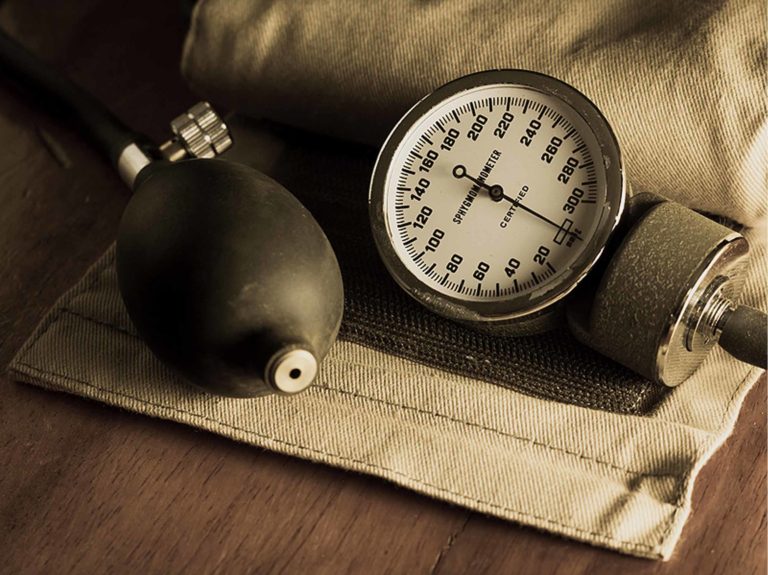
With each heartbeat, blood is pumped through the body, creating pressure against the inside walls of arteries. When blood pressure is high, the pressure inside the arteries is too strong and causes damage to arteries throughout the body. This can significantly increase your risk for:
. heart attack
.stroke
.dementia (memory failure)
.chronic kidney disease
. blindness
The normal blood pressure is 120/80 mm Hg, the first number stands for systolic and the second number for diastolic. A systolic blood pressure of above 140 and a diastolic blood pressure of 90 are considered to be hypertensive (140/90).
What is Pre-hypertension?
A systolic blood pressure between 121-139 and diastolic blood pressure of 80-89(121-139/81-89) is considered to be pre-hypertensive. If your blood pressure is in the pre-hypertensive range, your chance developing hypertension is quite high and you should take steps to control it.
Risk Factors for Developing Pre-hypertension and Hypertension:
.age-your blood pressure rises as you get older
.diabetes –about 60% of people who have diabetes have also hypertension
.family history
.smoking
.obesity
.physical inactivity
.too much alcohol use
. stress
Top Five Ways to Lower Blood Pressure:
1-.Lose weight
If you are overweight, losing weight is the most effective way to help lower your blood pressure. You can lose weight by eating less and moving more.
2- DASH (Dietary Approaches to Stop Hypertension) Eating Plan.
DASH eating plan include whole grains, lots of fruits and vegetables, sea food, poultry, lean meat, low fat milk products, less sugar and less salt.
3-Increase your physical activity
When you get 30 minutes of physical activity, at least five days a week, you can significantly decrease your blood pressure.
4-Reduce sodium and increase potassium
You should aim for 1,500 mg or less per day of sodium (salt), which is less than a teaspoon of salt per day. Fruits and vegetables rich in potassium, such as banana, almond, sweet potatoes, oranges and certain vegetables may help to lower your blood pressure.
5- Do not drink or smoke.
Conclusion
High blood pressure is called the “silent killer” because it often has no warning signs or symptoms and most people do not know that they have it. There is only one way to know whether you have high blood pressure, have your doctor or nurse measure it. Measuring is quick and painless. You can learn how to do it yourself. If you fit the risk profile, get your blood pressure check and take appropriate steps to control it. Do not procrastinate.
ଆପାତି
ମୁଇଁ ତ ତୁମର୍ ପାଦର ଧୁଇଲ ବି ହେଇ ଯାଇଥିତି
ଯଦି ତୁମେ ଆଉ ଥରେ ଫିରି ଆସିଥିତ
ତୁମେ ଆଉ ଥରେ ଫିରି ଆସିଥିତ
ଦେଖିଥିତ,
ମୁଇଁ ତୁମର୍ ଅହଁକାର କେ ଆଏଜ
ମୋର ମନ ମହଲର ଉପରେ ଉଡେଇଥିତି
ତୁମର୍ ଗୁରୁର୍ କେ ଗଙ୍ଗାର ପାଏନ ଭାବିଥିତି
ଜେନଥିର ଲାଗି ଆଏଜ ମୁଇଁ ବଦନାମ ହେଇଗଲି ।
କେତେ ଥର ଡାକଲି ଡହକ ବିକଳ ହେଇ
ଡାଲ ଲେଖେ ଜୀବନ ହଲୁଥିଲା ବେଳେ
ଜଚେଇ ହେଲି ଜୀବନକେ ପାଏନ ଛଡ଼େଇ କରି
ହେଲେ ଶସ୍ତା ଦରବ ଭାବି
ଖାଲି ଆଏଖ ବୁଲେଇ ଦେଲ
ତୁମର୍ ହାତ ପୁରି ଥିଲା ବଲି ।
ଭୁକାଶୁସା ଜୀବନକେ ତଡ଼ପାଲି
ଖାଲି ତୁମର୍ ହାତୁ ନିର୍ମେଲ ପାଏନ ପାଏବାର ଆଶେ
ହେଲେ ପାଶେ ଥାଇକରି ବି
ପାଏନ ବୁନ୍ଦେ ଦେଇ ନାଇଁ ପାରଲ
ପଛ କରି ମୋର ପହେଚାନ ପାଶରି ଦେଲ ।
ଝୁର୍ମୁରାଲା ଗଛେ ପାଏନ ଦେଲେ ଜୀବନ ଜୀଇଁସି
ଫୁଲ ଫୁଟସି ଫଲ ଫଲସି
ସତ ତ ଇଟା ଆଏ-
ଯେ ଗଛକେ ଭଲ ପାଏସି ସେ ବୁଝସି
ଫଲ-ଫୁଲକେ ସେ କାଏଁଆଶ କରସି ?
ପହପହର ସପନ ସତ ହେସି
ଆଉ ସତ ହେସି, ଶୁଇ ନାଇଁ ଦେଲା ସପନ ବି ।
ସପନ ତ ଡଙ୍ଗା ଗୁଟେ ଲେଖେ
ଅଡ଼ା ମାରଲେ ତ ଆଉ ମାରି ଜାନଲେ ତ ।
ତୁମର୍ ଆପାତି ଠାନ ଆଏଜ ବି ଅଛେ
ଆଉ ତୁମେ ରୁନ୍ଧଲା ବାଟ ବି
ସବୁ ରହେଲା ତୁମର୍ ଉପରେ
ଡେଗି ଆସି ପାରବ ତ?
What is Prediabetes?
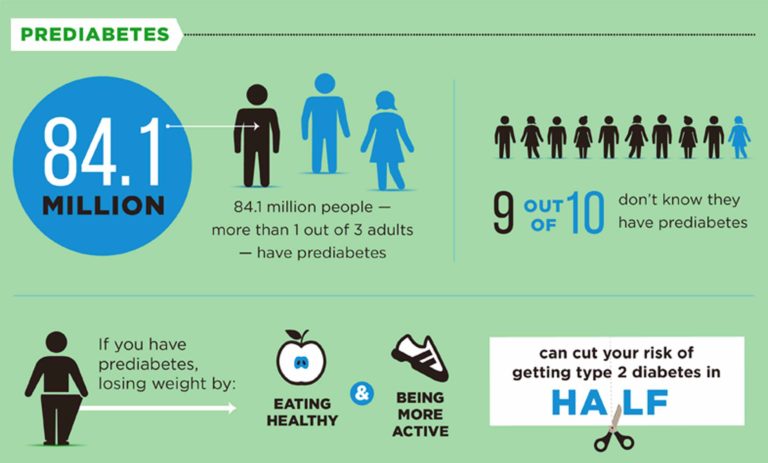
There are two types of diabetes: Type-1 and Type-2. Type-1 diabetes is seen mostly in children. Type – 2 usually develops in adults after the age of forty. The prevalence of diabetes among Indians is very high, 8.8 %( International Diabetes Federation, 2019). More than half the people with diabetes are undiagnosed. The complications of diabetes includes: heart disease, high blood pressure, stroke, kidney failure, blindness, nerve damage and sexual dysfunction.
Prediabetes
The diagnosis of diabetes is made when the fasting blood sugar is more than 126mg/dl or the Hemoglobin A1c is more than 6.5%. A person is diagnosed to have prediabetes when his/her fasting blood sugar is between 100-125mg/dl or Hemoglobin A1c is 5.7 to 6.4%. A diagnosis prediabetes does not guarantee that you will develop diabetes but it is an indicator that you are at a much higher risk. One of the scary things about prediabetes is that it often has no symptoms.
Who is at risk of prediabetes?
. People with family history of diabetes (parents, brothers, sisters with diabetes)
. Being over 45 years of age
.Being over weight
.Being Asian
.Having history of gestational diabetes (high blood sugar during pregnancy)
.Having high blood pressure (over 140/.90)
How can I prevent prediabetes?
Even if there is a history of diabetes in your family, you can help lower your risk by making healthy lifestyle choices. A prediabetes diagnosis should serve you as a wakeup call for you to make life style choices. This starts with diet and exercise. According to Center of Disease Control (CDC) USA, losing 5-7 % of your body weight and exercising for 30 minutes five days a week can lower your risk of Type 2 diabetes by 58 % and 71% if you are over age 60. Eat a healthy diet consisting of whole grain, beans, fruits and vegetables,fish, poultry, low sugar and low fat (especially trans-fat). Do not smoke and do not drink too much alcohol. It is also important that if you are over 40 and have family history of diabetes see your doctor and get a fasting blood sugar done. If it shows that it is in the prediabetes range, take it seriously and make life style changes as mentioned earlier.
Dr Saheb Sahu, F.A.AP, MPH.
Escaping Cycle of Poverty in One Generation
“Indeed, there is no such thing as freedom for a man who is starving or for a country who is poor”. Jawaharlal Nehru, 1950
Poverty is not having enough material possessions or income for a person’s needs. Poverty may include social, economic and political elements.
Absolute poverty is the complete lack of the means to meet basic personal needs, such as food, clothing and shelter.
What is the cycle of poverty?
The cycle of poverty begins when a child is born into a poor family. These families have limited or no resources to create opportunities to advance themselves, which leaves them stuck in poverty. The cycle of poverty has been defined as a phenomenon where poor families become impoverished for at least three generations.
How does the poverty cycle affect children?
Children are most affected by the cycle of poverty. Children are dependent on their parents and guardians and can’t pull themselves out of poverty because of their young age.
Children living in poverty are more likely to experience:
1- Illness due to unsafe water and poor sanitation.
2- Malnutrition and stunted growth.
3- Lack of access to proper education.
4- Inadequate healthcare.
How the cycle of poverty be broken in one generation?
Poverty tends to be intergenerational, and there is no easy solution for its elimination. However there are two measures one can take to lift oneself out of poverty in one generation: education and migration.
A ) Education
Most developmental experts agree that one of the biggest contributions to ending poverty is ensuring that children have education. For any child, education can open doors to the future that would otherwise be locked tight. Children who are not at school are at greater risk of exploitation (child labor) and early marriage. They are on track for lower income once they grow up. This limits the future of their children, thus repeating the cycle of poverty generation after generation.
Adults even with basic education are better equipped to run a business-for example, to keep accurate records and secure loans to expand their business. If they can read and write, they can take advantage of government poverty reduction programs like – subsidized food, subsidized loans, healthcare, crop insurance and scholarship for their children.
All developmental experts agree that the potential benefits for girls’ education is even greater than that of boys. The benefits of girls’ education are many: delaying marriage, decrease pregnancy rate, spacing of children, and reduction of under five child mortality, increase productivity, gender equality in family, decision making and many more. Women who are educated are more likely to work outside the home. Women who have independent income have higher social standing and more likely to run for political office. With political power women can create more opportunities for other women.
B) Migration
Migration is one of the oldest actions against poverty. It selects those who want to help themselves. Poor people who are desperate and bold enough to leave their villages, and move to a nearby or far-off town or city for work, escape the grinding poverty of their villages. As economy Professor Galbraith (Harvard University) said many years ago-“there is nothing great about blue sky and clean air when you are starving”.
When people migrate to a town or city, they usually make a better living, even washing dishes, or cleaning houses or driving an auto rickshaw, than they would have stayed in their villages without enough work. But more importantly their children get a better education and escape the poverty of their parents and grandparents.
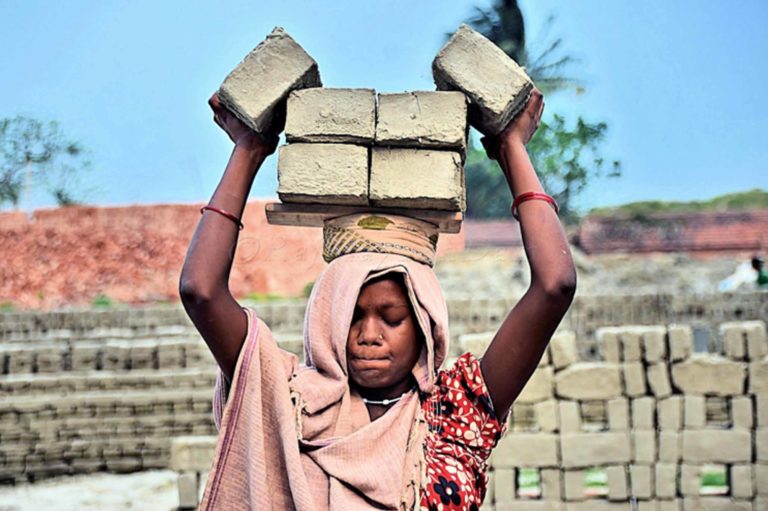
In the early 1940s, people of coastal Odisha migrated to Kolkata for work- mostly as domestic help. Their children got an education and many of them moved into the middle class. Many people from Western and Northern Odisha migrated to Jamshedpur for work. These days large number (1.5 lakhs in 2015) of poor Oriyas are migrating to Andhra Pradesh, Tamil Nadu, Kerala, Gujrat for work. They are working in brick factories and construction industries mostly as manual laborers. They do so for work and better wages. At the same time educated Oriyas are migrating to Bengaluru, Hyderabad, Chennai, Pune, and Delhi and other cities and overseas. These migrants are sending money to their families in Odisha and lifting them out of poverty. Large numbers of Oriyas have migrated to Surat, Gujrat. According one estimate they send more than 2,000 crores rupees every year to their families in Odisha.
Studies have shown that international migrants often triple their wages after moving to a new country. Their remittances help their relatives escape poverty. The migration of people from the state of Kerala in large numbers to the Gulf States is a prime example.
Conclusion
Over seventy years ago I was born in the village Mulbar, in the district of Bargarh (previously Sambalpur dist.), with no electricity, running water or all- weather road. Our parents (we were three brothers) farmed four acres of non–irrigated land. Fortunately for us, our village had an elementary school and our parents decided to educate all three of their children. I was educated at Kamgaon Middle School, C. S. Zila School and G.M. College Sambalpur. I was admitted to All India Institute of Medical Sciences, New Delhi, strictly on the basis of an entrance examination. After graduation with my M.B.B.S. degree, I migrated to America for better opportunities. As a doctor, I have prospered in America.
I got an excellent education because of the foresight of our parents, help from my elder brothers and some excellent teachers. I also received merit scholarships and loans from the government of Odisha. After coming to USA, we (my wife and I) have been able to help our families and our communities. All the Sahus of the next generation are well educated and are doing well.
In one generation, our family moved out of rural poverty because of education and migration. Hence, my advice to young people is, get the maximum amount of education you can get. There is strong correlation between education and life time income- more education more income. Migrate to a better place, another town, city or country, where there are better opportunities for you and your family. Odisha or India is not going to miss you, but you will be doing yourself a great favor. Get the best education you can and get out!
Dr Saheb Sahu