Sunday, April 26, 2026
Home Blog

What It Would Cost To End Extreme Poverty? : Very Little

0

Dr Saheb Sahu

The 189 member states of the United Nations set a target to bring the share of the people living on less than $1.25 a day (definition of extreme poverty) to half its 1990 level by 2015. Surprisingly, given the size of the task, it was met and then some: 1.2 billion people from around the world, escaped extreme poverty in those 25 years, bringing the global poverty rate down from 43% to 13%. A booming China accounted for two-third of the decline; India and Indonesia did much of the rest.

 Since 2015 the rate of poverty reduction has slowed sharply, to quarter of its previous pace. Roughly one in ten of the world’s population, or 830 million are still destitute today. The no is one in six in India (about 234 million).

 One problem is no one knows exactly who is below the poverty line and by how much. One solution would be a universal basic income (UBI) meaning payment to everyone, no matter how much they earn. Applied to the poor world at the level of $2.15 (new definition of extreme poverty) per day, this would cost 2-3% of global GDP (gross domestic products) each year. Most of the 130 countries with cash-transfer programmes rely on “proxy- mean tests”, using crude indicators. But the programmes are flawed.

 Ending extreme poverty therefore comes down to identifying who needs what. A recent paper by Roshni Sahoo of Stanford University and co-authors proposes a newer way to do so. Using data from 23 countries, they simulated a setting with limited information and asked how cash transfer should be allocated to drive poverty as low as possible. Rather than trying to predict who is poor, their method uses a machine-learning algorithm to assign cash-transfer amounts-different for each person-so as to minimize the chance that anyone remains in poverty after receiving the transfer. In other words, it targets the poverty gap, and not the poverty line. In principle, this means giving poor people enough cash to push them over the poverty line. For example- if someone earns $2 a day and the poverty threshold is $3 a day, they will receive $1 more per day in cash-transfer and not $3 a day.

 The result is surprisingly a small bill. The paper’s estimates suggest it would cost $318 billion dollars a year to reduce global poverty rate to 1% at the rate of $2.15- a day line (present definition of extreme poverty) – roughly 0.3% of global GDP. That is less than a third of what the world spends on alcohol. (The Economist)

Indian Context

According to the World Bank’s estimates (2025 data), the extreme poverty rate in India is 5.3%. This is the first time that India’s poverty rate is lower than the global average of 10.8%. Bangladesh’s poverty rate is 5.9%, similar to India. China and Vietnam are reported to have eliminated extreme poverty.

 However, Multidimensional Poverty Index (MPI) shows that roughly 11.28% of Indians are considered poor. The Global MPI goes beyond income to identify how people experience poverty. It measures ten criteria of deprivation, in health, education and living standard. Based on MPI the poverty rate of Kerala is 0.48%.

Odisha Context

MPI in 2023, for Kerala was 0.48%, Tamil Nadu 1.43%, West Bengal 8.6%, Odisha 11.07%, UP 17.4% and Bihar 26.59%.

 The problem with Odisha’s poverty statistic is its wide diversity. The district of Puri has a poverty rate of 3.29%, Nabarangpur 68.7%, and Rayagada 48%.  The Coastal districts are doing relatively well but the multidimensional poverty indices for the rest of Odisha are totally unacceptable, especially for the tribal districts.

What should government of Odisha do to reduce its poverty rate to below 1%?

The GDP of Odisha for 2025-26, is estimated to be 210, 186 crores rupees, an increase of 8.8% over 2024-25. The projected budget surplus is 3.0% of the GDP. Based on the recent published study of Roshni Sahoo and her colleagues of Stanford University, it will take 0.3% of Odisha’s GDP to eliminate extreme poverty. The government of Odisha has projected budget surplus of 3% for 2026. The government of Odisha’s developmental officials should read her published paper and convince the government to allocate at least 1% of Odisha’s GDP to a cash-transfer program for the poor, irrespective of their caste, religion, sex and place of residence. The Government should utilize the current method of Direct Benefit Transfer (DBT) and continue it for next few years until Odisha’s poverty rate falls below 1%.

 Conclusion

It is absolutely possible to eliminate extreme poverty in Odisha. The state of Kerala close to Odisha’s population, with minimal industries or minerals has done it. It is not a question of money. The money is there. It is a question of will. I am hoping, the present government will have the WILL!! I will conclude with a brief quote from a man from Kenya talking to a reporter:

“Don’t ask me what poverty is because you have met it outside my house. Look at the house and count the number of holes. Look at my utensils and the clothes I am wearing. Look at everything and write what you see. What you see is poverty”

                                                                                                    -A poor man, Kenya, 1997

References

1- What it would cost to end extreme poverty? The Economist, April 11, 2026, p-67

2-Roshni Sahoo ET all- What it would cost to end extreme poverty. The National Bureau of Economic Research (NBER). Www. nber.org

3-NITI Aayog National Multidimensional Poverty Index (MPI) Progress Review 2023.

www.niti.gov.in

PS- Dr Saheb Sahu is a farmer son and a village boy from district Bargarh, Odisha. He is a graduate of AIIMS (New Delhi). He has been settled in US since 1970. He was an expert member of WODC for six yearsand a promotor and MD of Kalinga Hospital, Bhubaneswar, for 4 years. He has visited most of the districts in Odisha. He has been writing about Odisha’s poverty since 2002. His last book “What Can Be Done for Odisha’s Abject Poverty” was published in 2009. His other writings about education, health and fitness, poverty, religion, and reading of books, can be found in Odishawatch.in

The End

Under 40? You Should Be Getting Cholesterol   Screening

0

Dr Saheb Sahu, MD, MPH.

What Is Cholesterol?

Cholesterol is a waxy, fat-like substance produced by the liver which the body uses to build cell membranes and hormones. Our body needs some cholesterol but having too much increases the risk of high blood pressure, heart disease and stroke.

There are two kinds of cholesterols: 1- LDL (Low Density Lipoprotein), 2- HDL (High Density Lipoprotein). HDL is considered the good cholesterol. It protects our arteries and lowers the risk of high blood pressure, heart disease and stroke. LDL is considered the bad cholesterol. It causes atherosclerosis (building of plaque) by infiltrating the artery wall and triggering an immune response that forms plaque. Plaque inside the artery leads to the thickening of artery and lead to high blood pressure, heart disease and stroke.

 New guidelines for screening of cholesterol were published by the American College of Cardiology (ACC) and American Heart Association (AHA) on March 13, 2026. This new guidelines replaces the guidelines of 2018.

 2026 Guidelines

1- Start Screening Early

.Initial Lipid Screening:

.Begin around age 19-21

.Repeat Screening:

. About every 5 years in healthy adults if results are normal

2- Heart Disease Risk Assessment Begins at Age 30

The guidelines recommend using the new PREVENT-ASCD risk calculator to estimate

. 10- Year cardiovascular risk.

. 30- Year risk cardiovascular risk for adults 30-79 years old.

3- Additional Screening Tests Recommended

Beyond the traditional lipid panel (HDL, LDL cholesterol and Triglycerides), physicians should consider measuring:

.Lipoprotein (a)-Lp (a)

.Apolipoprotein B (APO B)

.Coronary Artery calcium score in selected patients.

 These above tests help detect hidden cardiovascular risk not seen in standard cholesterol tests.

4- Screening Children and Young Adults

.Children: one cholesterol screening age 9-11.

.Young adult- by age 19-21.

5- Who Needs More Frequent Screening?

Earlier screening is advised for people with:

.LDL more than 160 mg / dl

.Family history of cardiovascular disease

.Diabetes

.Genetic lipid disorder

.High life-time risk by PREVENT- Calculator

Key Message for Individuals

1-Eat a diet full of vegetables, fruits, whole grains, beans, nuts, seeds, unsaturated fats and lean proteins as part of an overall healthy eating plan. Limit ultra-processed foods that are high in saturated fats, added sugar and salt.

2-Make Life-style changes:

. Get regular physical activities

. Maintain a healthy weight

. Avoid tobacco products and minimized alcohol intake

. Manage your high blood pressure, cholesterol and blood sugar

. Get 7- 9 hours of sleep 

3- Children should be screened for cholesterol once between age 9-11 and young adult at 19.

Sources

  1. 2026 Guidelines on the Management of Dyslipidemia
  2. American Heart Association PREVENT Online Calculator
  3. Professional.heart.org

The Book of Ecclesiastes: A Meditation on Life’s     Meaning          

0

Dr Saheb Sahu

The Ecclesiastes is one of the most philosophical books in the Hebrew Bible (The Old Testament). The word “Ecclesiastes” is derived from the Greek word ekklesia. It is the Greek translation of the Hebrew title Qoheleth, meaning “assembler”, “collector”, or “preacher”. It is believed to have been composed between 480-80BCE. The exact name of the author is unknown. Traditionally it is attributed to King Solomon. It stands apart from other biblical writings due to its reflective, almost skeptical tone. Rather than offering straightforward moral instructions, Ecclesiastes wrestles with life’s deepest questions: What is the purpose of human existence? Does anything truly matters? How should one live in a world marked by uncertainty and impermanence?

 At the heart of Ecclesiastes lies it’s most famous refrain: “Vanity of vanities; all is vanity”. The word “vanity”, often translated from the Hebrew word “hevel”, literally meaning something fleeting, elusive, vapor like or vanity. The King James Version of the Bible has translated it as “vanity”. The author – observes that human achievements, wisdom, wealth, and even righteousness seem ultimately temporary (not unlike the Buddha). No matter how much one accumulates or accomplishes, time erases all distinctions. The wise and the foolish, the rich and the poor, all share the same fate: death.

 One of the striking features of Ecclesiastes is its realism. The author does not shy away from life’s injustices. He notes that good people sometimes suffer while the wicked prosper. Hard work does not always lead to success, and chance often governs outcomes. It forces readers to confront the unpredictability of life.

Yet, despite its somber tone, it is not a work of despair. Instead, it offers a subtle and profound form of wisdom. Since life is uncertain, the author encourages a humble acceptance of one’s limitations. Rather than striving endlessly, individuals should appreciate the simple, immediate joys of life- eating, drinking, companionship, and meaningful work.

Another important theme in Ecclesiastes is the limitation of human wisdom. The author concludes that wisdom cannot fully explain the mysteries of existence. The wisdom involves recognizing what cannot be known.

Ecclesiastes continues to resonate across cultures and beliefs. Its themes echo the theme of Carvaka philosophers of India and some of the teachings of the Buddha. Carvaka (also known as Lokayata) philosophy of India goes back to first millennium BCE. Carvaka philosophy goes even further than Ecclesiastes, by rejecting religious authority altogether-denying the validity of the Vedas, the afterlife, karma and unseen spiritual realms. According to them, the only reality is the material world. Consciousness ends with death; there is no soul that survives. Its main idea: “as long as you live, live happily”. Gautama Buddha grapples with suffering, impermanence and the limits of human understanding. While Ecclesiastes does not provide a solution, Buddha diagnoses the cause of suffering (Craving) and provides a treatment (the Eightfold Paths).

 Greek philosopher Epicurus (341-270 BCE) also recognized the instability of fortune and the inevitability of death, urging individuals to free themselves from fear of divine punishment and afterlife.

How to interpret the symbols in the Bibles quotes – For example – ECC: 1-4. Ecc – means Book of Ecclesiastes, 1- means-chapter I, 1-4 means line 1 to 4.

Some quotations from the Book of Ecclesiastes:

Reflection of a Royal Philosopher

Vanity of vanities, says the Teacher,

vanity of vanities! All is vanity.

What do people gain from all the toll

at which they toll under the sun?

 A generation goes, and a generation comes,

but the earth remains forever. (1; 2-4)

 What has been is what will be,

and what has been done is what will be done;

there is nothing new under the sun. (1:9)

 For in much wisdom is much vexation,

and those who increase knowledge increase sorrow. (1:18)

Everything Has Its Time

For everything there is a season, and a time for every matter under the heaven:

a time to be born and a time to die;

a time to plant, and a time to pluck up what is planted;

 a time to kill, and a time to heal,

 a time to break down and a time to build up;

a time to weep and a time to laugh;

a time to mourn and a time to dance. (3; 1-4)

  a time to love, and a time to hate;

a time for war, and a time for peace. (3; 8)

..

All go to one place;

all are from the dust, and all turn to dust again. (3:20)

  Humility and Contentment

The lover of money will not be satisfied with money; nor the lover of wealth, with gain. This also is vanity. (5:10)

A Disillusioned View of Life

A good name is better than precious ointment,

and the day of death, than the day of birth.

 It is better to go to the house of mourning,

than to go to the hose of feasting;

 for this is the end of everyone,

and the living will lay it to heart. (7; 1-2)

 Do not be quick to anger,

for anger lodges in the bosom of fools. (7:9)

The Riddle of Life

Do not be too righteous, and do not act too wise; why should you destroy yourself?

Do not be too wicked, and do not be a fool; why should you die before your time? (7; 16-17)

Miscellaneous Observations

Whoever digs a pit will fall into it;

and whoever breaks through a wall will be bitten by a snake.(10:8)

Feasts are made for laughter;

wine gladdens life,

and money meets every need. (10:19)

The Value of Diligence

In the morning sow your seed and at evening do not let your hands be idle; for you do not know which will prosper, this or that, or whether both alike will be good. (11:6)

Youth and Old Age

Light is sweet and it is pleasant for the eyes to see the sun.

Even those who live many years should rejoice in them all; yet let them remember that the days of darkness will be many. All that comes is vanity.

Rejoice Young man while you are young, and let your heart cheer you in the days of your youth. Follow the inclination of your heart and the desire of your eyes, but know that for all these things God will bring you into judgment.

Vanish anxiety from your mind, and put away pain from your body; for youth and the dawn of life are vanity. (11-:8-9)

Conclusion

As you can see from the above description, the reflective skepticism expressed in the Ecclesiastes is not necessarily new. It has been done by the Indian, Greek and Roman Philosophers. The Book of Ecclesiastes is only seven and half pages-long. I strongly urge all of you to read it. You will love its beautiful language and learn something from it.

 References

1- The Holy Bible. New Revised Standard Version. Holman Bible Publishers, Nashville, Tennessee. 1989. Pages- 536-543

2-ChatGpt

When the Heart Stops: Understanding the Benefits and Risks of CPR

0

Dr Saheb Sahu, FAAP

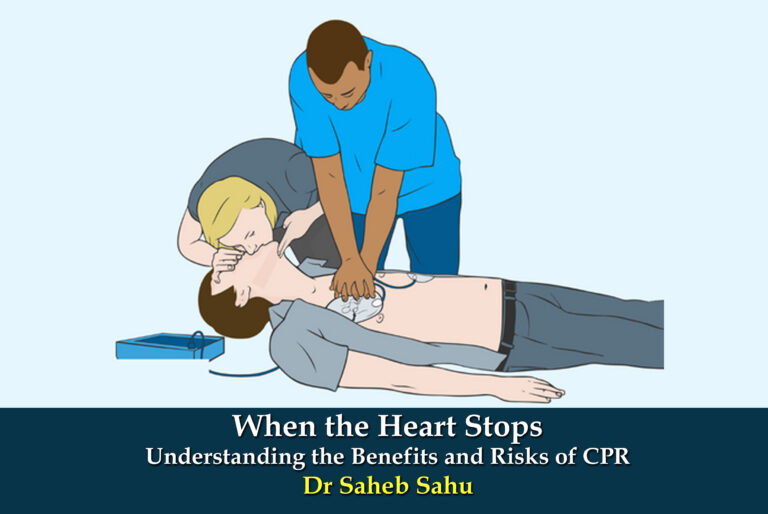
CPR stands for cardiopulmonary resuscitation.

Death Has Two Stages

The first stage of death is clinical death, when the heart stops beating and breathing stops entirely. 4-6 minutes later, brain cells begin to die due to lack of oxygen, leading to biological death, which is when the brain dies and with it, the person. It’s important to understand this, because during the first stage and shortly after, it is still possible to save the person through CPR. However, if the brain has already entered the second stage of death, it is unlikely that CPR will succeed, as dead brain cells cannot be revived.

Cardiopulmonary Resuscitation (CPR)

CPR is one of the most widely recognized emergency medical interventions in the world. It is endorsed by organizations such as the American Heart Association. CPR combines chest compressions and rescue breathing (or compression only technique) to maintain blood circulation and oxygen delivery when the heart stops beating. While CPR has saved countless lives, it also raises complex medical, ethical, and practical concerns- particularly in elderly or terminally ill patients. Understanding both the benefits and limitations of CPR is essential for informed decision making.

Pros of CPR

The most compelling advantage of CPR is the ability to save lives. When the heart stops beating (cardiac arrest), brain cells begin to die within 4-6 minutes because of lack of oxygen. Prompt CPR can maintain partial blood flow to the brain and other vital organs until advanced care (such as defibrillation) arrives.

In public settings where trained bystanders can provide CPR, survival rates are higher. This has led to widespread CPR training programs in schools, workplaces, and communities. CPR is relatively simple to learn. Even hands-only CPR (chest compression without rescue breathing) can be effective in adult cardiac arrest. It does not require sophisticated equipment, and can be performed anywhere. CPR does not usually “restart’ the heart. Rather it buys time.

Cons of CPR

1-Low success rates in certain populations

Public perception- often shaped by television dramas-overestimates CPR success rate.  In reality, overall survival to hospital discharge after in-hospital cardiac arrest ranges roughly between 15-25%. The success rate is only 10-15% when CPR is performed outside the hospital. The rate is even lower in frail elderly individuals or those with advanced chronic illness. For patients with metastatic cancer, end-stage organ failure (heart failure, liver failure, kidney failure), or dementia (memory failure), successful resuscitation is uncommon and often short-lived.

2- Risk of Physical Injuries

CPR is forceful. Effective chest compressions require significant pressure; often leading to rib fractures, fracture of sternum bone (the bone middle of the chest), lung contusion and internal bleeding. There can also be complications like injuries to the mouth, teeth, throat, vocal cord, and respiratory infections (like pneumonia) when breathing tube has to be inserted as a part of CPR. Additionally, depending on how long the brain was deprived of oxygen, the brain may not function as well as it did before.

 In younger and healthier patients, these injuries are acceptable risks. In frail elderly individuals, however, such injuries may result in prolonged suffering if the patient survives.

3-Possible Poor Quality of Life After Survival

Not all survivors regain meaningful brain functions after CPR. If CPR is delayed or prolonged, the brain may suffer hypoxic (lack of oxygen) injury. Some survivors remain in persistent vegetative states or live with severe mental impairment. For some individuals who value independence and mental clarity, this outcome may be worse than death.

4- Emotional and Ethical Burden

In terminal illness, aggressive resuscitation may prolong the dying process rather than restore meaningful life. This has led to the development of “Do Not Resuscitate” (DNR) orders and advance directives, allowing patients to decline CPR in advance.

 For elderly adults in otherwise stable but fragile health- the question becomes deeply personal: Is the goal longevity at any cost, or quality of life?

5- Financial and Social Consideration

In hospital setting, CPR often triggers admission to the Intensive Care Unit (ICU) leading to

mechanical ventilation, use of antibiotics, blood transfusion and prolonged hospitalization. These interventions impose significant financial and emotional burden on the family.

Conclusion

CPR can save lives, and offer second chance after sudden cardiac arrest, especially in younger individuals. But it has its limitations- low success rate, especially outside hospital setting, physical injuries to many body parts, and potential cognitive impairment. In frail and elderly, and individuals with multiple medical conditions, its benefits are questionable.

 The decision about CPR should be individualized. Advance care planning and honest conversations with physicians and family members are essential. If you do not want CPR done, convey your wishes to your treating doctors. An order will be written in your medical record so that CPR will not be attempted if your heart stops beating. The order is called DNR order. The hospital and doctors are obligated to follow your wish. The choice is yours.

Sources

1- American Heart Association- CPR.heart.org 2- Mayo Clinic- Mayoclinic.org/cpr

Your Brain Ages in Distinct Stages Research Shows

0

Dr Saheb Sahu

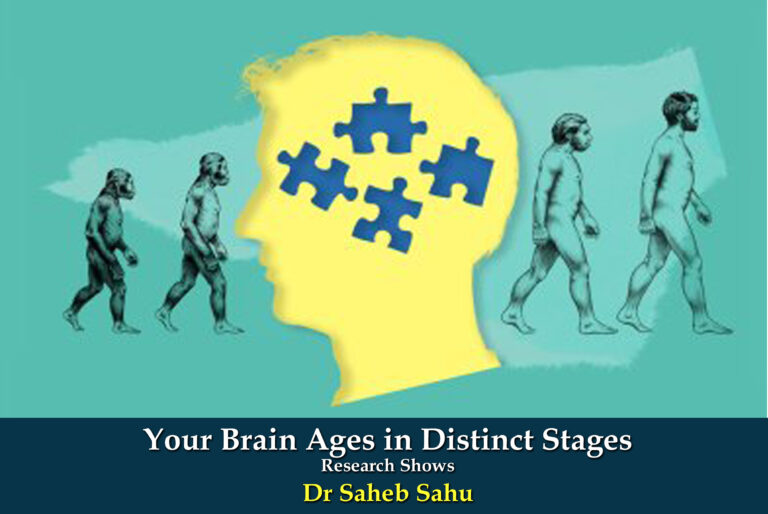
The Brain goes through five distinct stages between birth and death, a new study shows. Scientists identified the average ages -9, 32, 66 and 83- when the pattern of connections inside our brains shift. The adolescence phase, they discovered lasts until age 32. The brain then enters a period of stability until early aging begins at 66. The study was published in November (2025) issue of Nature Communications.

 The study’s authors examined results from about 4,000 brain scans taken from people in the U.S., and U. K., ranging from a newborn baby to a nonagenarian (a person 90 to 99 years old).

1-Childhood (Birth to 9 years)

During the childhood period of development, from birth to age 9, the brain grows in size, but- because we are born with excessive wiring- it prunes connections that are not used efficiently.

2- Adolescence (9 to 32years)

During this stage the brain’s wiring becomes more efficient, with rapid communication between and within different regions of the brain.

3- Adulthood (32 to 66 years)

 At 32, our brains enter the “adult phase”, a period of relative structural stability and consistency that lasts until 66. This period aligns with a plateau in our intelligence and personality. In this stage the regions of the brain becomes more segregated.

4-Early Aging (66 to 83 years)

Early aging begins around 66. Between 66 and 83, some brain regions form stronger groups, known as modules, but they are less connected to other modules. Past age 65 or so, there is brain shrinkage and decreases in the integrity of the white matter. At this stage for some of us, though not all, there is some decline in cognitive functions.

5- Late Aging (83+)

Beyond 83, in the late-aging phase, our brains increasingly rely on individual regions with a small number of highly integrated pathways.

There is a pattern between five stages and certain mental conditions. Most autism diagnoses are made in young children. Up to 75% of mental health conditions like depression, substance abuse begin by a person’s early 20s. Alzheimer’s disease typically manifest during the early aging phase.

New Findings

The brain reaches full structural adulthood in the early 30s, not early 20s as once believed. During the adulthood (33 to 65) the brain function peaks with emotional regulation, complex decision-making, improve pattern recognition, and cognitive efficiency. Between 66 to 83, memory retrieval slows (not memory loss), judgment and emotional control remains strong. Verbal intelligence often improves. In advanced age (80+), slower multitasking, wisdom, moral reasoning and emotional balance often stay intact.

What can you do to improve your brain functions?

Improving brain function is possible at any age, including later in life.  The most effective approach combines physical, mental, nutritional, and emotional strategies.

1- Physical exercise – exercise (aerobic, strength training and balance) is the strongest brain booster.  Exercise improves blood flow, reduces inflammation and increases BDNF (brain derived neuropathic factor).

2Learning new skills- a new language, musical instrument, new technology, studying philosophy and science.

3-Adequate amount of sleep- deep sleep cleans toxic proteins, including beta-amyloid-thought to be a cause of Alzheimer’s disease. Get 7- 8 hours of good quality sleep every night.

4-Blood pressure and vascular health- keep your blood pressure, cholesterol, blood sugar in normal range. Do not smoke. What is good for the heart is good for the brain.

5-Nutrition- eat a heart- healthy diet- whole grains, lots of colorful fruits and vegetables, nuts and seeds, fish and eggs, legumes and beans, fermented food including yogurt . Avoid ultra- processed foods, alcohol and excess sugar.

6- Social and emotional connection-social connection protects brain functions. Loneliness shrinks the hippocampus, the part of the brain which essential for memory and learning. Stay connected with your friends and family. Mentor and volunteer.

7-Control stress- meditation, breathing exercises, yoga, tai-chi, spiritual and contemplative practices, reduce stress and improve brain functions.

Sources

1-Duncan E. Astle et al. Topological turning points across the human lifespan. Nature Communications, November, 2025.

2- The Wall Street Journal, Dec 27-28, 2025, pc-5. 3- Chat Gpt

The Difficult Conversations About Death And Dying

0

Dr Saheb Sahu

Death is certain for the born;

For the dead rebirth is certain.

Since both cannot be avoided,

You have no reason for your sorrow.

                                  Bhagavad Gita, 2-27

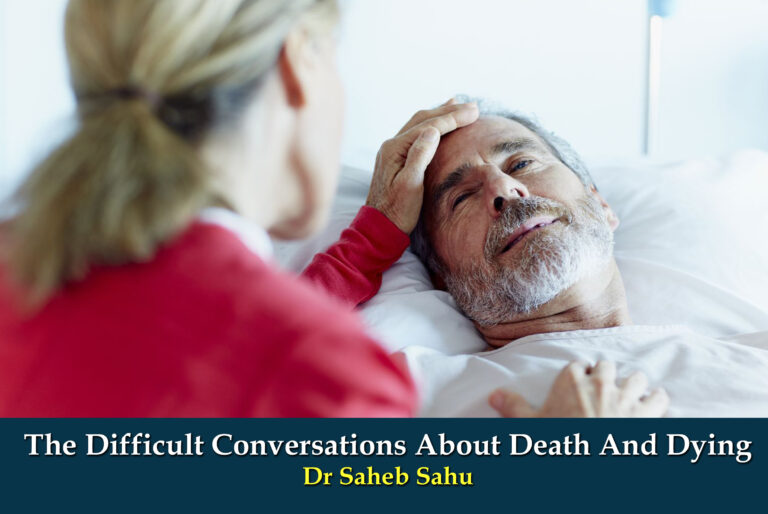
Death is the one certainty of life. Yet it remains one of the most avoided subjects in personal, social and even medical conversation. Discussions about death and dying are often postponed, softened or entirely avoided until a crisis forces them into the open. These conversations are difficult because they touch the deepest human fears-loss, pain, uncertainty, and the finality of separation. Still, engaging in honest conversations about death and dying is not only necessary, it can be profoundly humane, clarifying and even life-affirming.

 One major reason these conversations are difficult is emotional discomfort. Fear of causing distress leads many to believe that silence is kindness. Families may avoid the topic to “stay positive”, while patients may suppress questions to avoid burdening others. The mutual protection, though well intended, does not help either party.

 Cultural and religious beliefs complicate conversations about death. In some cultures, open discussion of death is considered taboo. In others, death is accepted as natural transition.

 Medical settings present their own challenges. Physicians are trained to treat disease, not always talk about dying. As a result, conversations about limits of treatments, palliative and hospice care may be delayed or framed in technical language that obscures meaning and understanding. Patients and families may misinterpret continued treatment as a promise of recovery when in fact it may only prolong suffering.

Despite their difficulties, conversations about death and dying carry many benefits. They allow individuals to express their values, fears, and wishes. More importantly, these conversations can deepen relationships. Such conversations can bring emotional closure and peace of mind, even in the face of physical decline.

Approaching these conversations require sensitivity rather than certainty. There is no perfect script. Listening is often more important than speaking. Asking open-ended questions- What worries you most? What gives you comfort? What does a good day looks like now? – Can open space for meaningful dialogue. Silence too has its value.

What kind of Conversations?

1-Conversations about fears and worries

. What worries you most about your future?

. Are you afraid of pain, dependence, or being a burden?

2- Conversations about hopes

.What are you hoping for now?

. What would be a good day look like?

.What do you want to hold on to?

3-Conversations about values

. What makes life meaningful to you right now?

.What are you most proud of in your life?

.What gives you peace and strength?

4-Conversations about control and autonomy

. What decisions you want to make yourself?

. Who would speak for you to the doctors if you cannot? (Medical power of attorney).

5- Conversations about medical wishes

These are practical but deeply personal. Topics to discuss:

.Their preference about life-prolonging treatments- respirator (breathing machine), feeding tube, CPR (cardio pulmonary resuscitation).

.Where they would prefer to be cared for home, hospital, and hospice center.

.Their views on comfort care (palliative and hospice care).

. Their desire for organs and dead body donation.

. Their funeral and memorial service wishes.

6-Conversations about legacy

.How would you like to be remembered?

.Is there something you want to leave behind-letters, pictures, recording and anything else?

Some medical concepts you should understand

A- Advance Directive

Advance directive is a generic umbrella term that includes various documents and designations that ensure you get the type medical care that you want when you are not able to speak for yourself. Types of Advance directives include:

. A living will

. A medical durable power of attorney/ medical proxy.

. Code status documents.

.Organs and body donation

The living will is designed to alert medical professionals and your family to the medical treatments that you would or wouldn’t want to receive. It often includes whether or not you would want life – prolonging treatments such as breathing machine (respirator), CPR, feeding tube, ICU (intensive care unit) care, blood transfusions etc.

A medical durable power of attorney/ medical proxy – allows someone you have chosen to make medical decisions on your behalf when you are unable to do so.

Code status documents – refers to what you would like medical professionals to do when your heart stops.Would you like them to give you CPR or not?

Organs and dead body donation- sign the necessary paper works for organ and body donation.

B- Palliative care and hospice care

Palliative care is defined by World Health Organization (WHO) as: An approach that improves the quality of life of patients and their families, who are facing problems associated with life-threatening illnesses. It addresses the issues of physical, emotional, social, and spiritual suffering. Palliative care is provided by a team of professionals consisting of doctors, nurses, and social works, alongside curative or life-prolonging treatments. Unlike palliative care,hospice care is generally understood internationally as a type or a model of palliative care focused on the end-of-life stage. It emphasizes comfort, symptom control, and psychosocial support without trying to cure the disease or prolonging life.  

C- Voluntarily Stopping Eating and Drinking (VSED)

In VSED, an adult makes a conscious decision to refuse food and drink, in order to hasten the time of one’s death.  It is difficult to predict exactly when the end will come. It depends on the person’s illness, nutritional status, and age. It is important that the person does not drink any fluid including water as death comes from dehydration and not from lack of food. The most frequently reported adverse effects are – thirst, dry mouth, occasional hunger and general weakness. These symptoms can be controlled with ice-chip, lip balm and a humidifier in the room. Hunger pain usually subsides within 1-3 days on its own. Death can occur in 5-14 days. VSED is legal everywhere.

 The concept of starving to death is not new. It goes back to more than 3000 years. In Hinduism, it is called Pyopavesa, meaning “the act of sitting down to death”, signifying a voluntary, gradual process of fasting until death. Jainism approves suicide at old age, especially by slow starvation, known as Sallekhana or Samadhimaran.

D – Medical Aid in Dying

Terminally ill adults, where it is legal, may request a prescription from their doctor for medication that will bring about a peaceful death. There is specific process to ensure that the patient requesting medical aid in dying is mentally capable, has a prognosis of six months or less to live and is sure about his/her decision. Currently medical aid in dying is legal in Netherlands, Belgium, Switzerland, Luxembourg, Germany, Spain, Italy, Canada, Colombia, Uruguay, Australia, New Zealand and few states in the USA. It is not legal in India.

E- Withdrawing Versus Withholding Treatments

Withdrawing treatment refers to stopping treatment, such as IV fluids, artificial nutrition or respirator, while withholding treatment means never starting it in the first place. Withdrawing treatment is infinitely more difficult for the family members than to neverhave started in the first place. No one wants to have to guess what their loved one would want under the pressure of an emergency situation. Please do your power of medical attorney a favor and give him/her guidance so that he/she can follow your wishes with less internal conflict among family members.

 Withholding or withdrawing life-sustaining medical treatment is legal in India under the guidelines laid down by the Supreme Court since 2018.

Conclusion

Why don’t we die the way we want to die? Advances in medical care have eased the line between saving life and prolonging dying. Everybody wants to have a good death. A “good death” is a deeply personal concept, based on individual values, beliefs, and cultural practices. For most people, a good death means dying at home surrounded by loved ones, free from pain and suffering. But a good death is rare. In real life, “dying is painful, messy and imperfect” wrote Dr Sherwin Nuland (late Professor of Surgery at Yale University) and the bestselling author of the book “How We Die”.

 We have no control or very limited control on when we will die but we do have some control over where and how we will die. For the sake of people we love, we should take steps to plan for the end stage of our life and have “the difficult conversations” now. It will bring peace of mind in the future.

PS – Dr Sahu is a 1970 graduate of AIIMS (New Delhi) and a retired premature bay specialist, settled in USA. He has written about ‘Death and Dying” for 45 years. His articles on “Health and Fitness” are published in Odishawatch.in.

Sources:

1- The conversation project- www.theconversationproject.org

2-Compassion and choices- compassionchoices.org

3-Death with dignity- deathwithdignity.org

4- Chat GPT

5-Jeannette Guerrasio, MD. Embracing Aging. Rowman and Littlefield, Lanham; 2022

6- Sherwin Nuland. How We Die: Reflection on Life’s Final Chapter. Alfred A. Knopf, New York; 1993

7- Saheb Sahu. Death, A Necessary End Will Come When It Will Come. S.B. Trust, Sambalpur, Odisha: 2014

The Myth of Meritocracy in India

0

Dr Saheb Sahu

Myth- a widely held but false belief or idea.

Meritocracy is a system or social order in which position of power, success, and advancement are awarded based on individual merit, typically measured by factors like talent, ability, intelligence, and effort, rather than by birth, wealth, social class, or personal connection. In simple terms: A meritocracy believes that most qualified and hardworking individuals should rise to the top, regardless of their background.

The term was coined by British sociologist Michael Young in his 1958 satirical book “The Rise of the  Meritocracy”, where he warned that such a system could become just unfair as aristocracy- if it ignored structural inequalities.

The first Indian Civil Service Exam as conducted in U.K. in 1855. After India’s independence, in 1950, it became the Indian Administrative Service (IAS). All the present competitive exams in India follow the IAS format with various modifications. The entire competitive exams like the IIT-JEE, AIIMS-NEET, UPSCs, to corporate recruitment, the assumption is that the “best” rise to the top. However, this ideal often masks the deep social and economic inequalities that influence opportunities in India. In reality, the idea of a level playing field is a myth. Merit, as it is commonly understood in India, is not just about individual ability; it is deeply shaped by caste, economic class, gender, and access to resources. The booming coaching industry in India is accessible only to the urban rich. In these centers students spend lakhs of rupees on coaching, while the rural poor have no access to them. The ability to perform well in all the Indian competitive exams is thus more reflective of socioeconomic privilege than raw talent.

Historical and Structural Inequalities in India

The Caste System

India’s social fabric is deeply intertwined with its caste system. It is a legacy that historically denied lower caste communities access to education, wealth, and opportunists. Even after decades of reservation and quota, people from SC, ST, and OBC continue to face discrimination.  For example, a student from a rural and poor background competing with someone who has had access to elite English Medium School, private coaching, and supportive environment is hardly on a level playing field.

Gender Discrimination

Women in India, particularly from conservative or rural backgrounds, face additional hurdles. Patriarchal norms restrict their educational and professional choices, and their social mobility. In 2024, less than 20% of IITs students were female.  In medical colleges, they are about 45% of admitting class. Even highly qualified women often struggle in male-dominated fields, facing both open and subtle discrimination.

Economic, Rural and Urban, and Language Biases

Meritocracy in India is also complicated by language and economic inequalities. English medium education is a gateway to better opportunity, sidelining students educated in regional language only. Similarly, students from urban areas have better access to infrastructures like internet, computer labs, better schools and colleges giving them an advantage over rural students. Poor students from rural areas have no accessor limited access to them.

The Role of Nepotism and Cronyism

In both private and public sectors, in India (like everywhere else), connections and influence frequently trumps competence. Government contracts are awarded to politically connected people. Political tickets are often given to sons and daughters of older politicians. Corporate hiring often relies on connections. From Bollywood to corporate houses and civil service, who you know can matter more than what you know.

What Real Merit Should Mean?

Meritocracy should not just be about exam scores and degrees. It should also include someone’s background, how hard has someone worked, what difficulties they have overcome, and what potential they have. But for that to happen, Indian society needs to create equal opportunities first.

 That means:

. Better public schools and colleges for all, especially for rural students

.More scholarships and other support for poor students

. More support for women, minorities groups and economically disadvantage students.

 Conclusion

I will conclude this article with a brief personal story. I am the youngest of three brothers whose parents farmed about 5 acres of non-irrigated land in Bargarh district of Odisha, India. They grew one crop of paddy, sugarcane, jute, potato, onion and some seasonal vegetables. In those days, because of lack of water, there were no double crops. We always had enough food to eat, mostly rice, lentils, some seasonal vegetables and occasional fish or goat meat. Our village of about 800 people had no electricity, running water but had an elementary school (up to 3rd grade).Somehow to our good fortune, our parents decided to educate all three of their children. My eldest brother was a good student and graduated at the top in his class at George High School, Bargarh. Because lake of money, he could not attend college and joined the Indian Postal Department as a clerk. By passing many departmental exams, he got multiple promotions and retired as Postal Superintendent. My middle brother could not even attend high school as my parents did not have the money to keep two of their sons at hostel at the same time. He became a vaccinator, health inspector, tea agent, drug agent and later on opened drug stores at Sambalpur and Rourkela. Later on,he also became a drug whole seller. Both of my brothers financed my education from middle school to all the way to medical college.

 I attended our village Elementary School, Kamgaon Government Middle School, C. S. Zila School, and G. M. College at Sambalpur. I was a good student and got merit scholarship from 5th grade through my medical college days. During my premedin 1964, I was admitted to Burla Medical College (now VSS Medical College) based on my good grades. No entrance exam was required. I heard about AIIMS (New Delhi- there was only one AIIMS then) from one of my class mates and applied for it. I had to go to Kolkata to appear for the entrance exam. Fortunately for me, I was admitted to AIIMS, solely based on my entrance exam result. There was no interview. I had no connection of any kind. After graduating from AIIMS with a MBBS degree I migrated to USA in June, 1970 for higher studies but stayed. I had a successful teaching and private practice career and did well in USA.  My family has prospered in America. My wife and I have been able to help our extended families. We have also promoted girls education and tree planting in Bargarh District of Odisha.

 Let us analyze my career trajectory.  It is true that I was a meritorious student and attended good schools and colleges. I was able to migrate to America and have lived a successful life. But did I do it just because I was a meritorious student? Did I not attend government funded schools and the top medical college in India? Did I not get financial help from my brothers and the government of Odisha in the form of merit scholarship and student loan? Did I not get help from my parents, brothers, and my teachers? To assume that we are successful in life because of our merit is outright wrong! There is a well-known African Proverb that says: “It takes a village to raise a child”. It is quite true. Here the village means; parents, relatives, communities and sometimes the government.

The idea meritocracy in India is comforting, especially for those who are already doing well. It lets them believe that they succeeded purely on their own, and blame those who did not for not being smart enough.  But the truth is lot more complicated. Until we fix the unfair systems that hold people back, we cannot truly call ourselves a merit-based society. To be fair, no country in the world is 100% merit –based. Contrives who come close are Singapore, Finland, Sweden, Norway, Denmark and Canada.

PS- Dr Saheb Sahu is a 1969 graduate of AIIMS (New Delhi) and retired pediatrician settled in USA.

Source

1-Chat GPT

2- Wikipedia.org

How Can You Increase Your Healthspan

0

Dr Saheb Sahu, FAAP, MPH.

“Nothing surpasses regular exercise for promotion of healthy aging. It is the single most effective medical intervention”.   Dr Eric Topol, Director, Scripp Research Institute, San Diego

Lifespan vs. Healthspan

Lifespan is the total length of time an individual lives, from birth to death. It measures quantity of life. Healthspan is the period of life during which a person remains healthy, functional, and free from serious disease or disability. It measures the quality of life.

Modern medicine has greatly extended lifespan, but many people spend their final years with chronic diseases and disability. By December 2023, the lifespan in USA was 79 years, but the healthspan was 66 years, a difference of 13 years (cdc.gov).

 In this article I will describe how you will increase your healthspan.

How long will you live?

What researchers are discovering is that your genes interact with several other factors that influence your life and health. Your lifestyle and environment in which you live are more influential in determining your lifespan.

Genetics: Research suggests that only about 15% to 25% of your aging is dependent on your genes.

Lifestyle: Unhealthy habits-a poor diet, inactivity, obesity, high level of stress, smoking, alcohol use and lack of social support, lack of timely healthcare, generally results in poorer health and premature death.

Environment: Exposure to air pollution, chemicals and toxins can reduce your lifespan.

Life circumstances: Lack of social support, socioeconomic status and educational levels can influence your longevity.

Sex: In every country in the world, there is a general observation that female outlive male.

How to increase healthspan?

A- Regular exercise

Nothing surpasses regular exercise for promotion of healthy aging, says Dr Topol. Many of our bodily functions start to decline at a rate of about 1% to 2% a year after the age of 30. This is an undeniable fact of the aging process. But with exercise, we can slow this rate to about half a percent a year.

Good old-fashioned sweat-inducing exercise (fast walking, running, bicycling, and swimming, playing sports or other physical activities) is probably the single most important thing you can do to live better and longer.

How much exercise? – Most healthy adults need at least 150 minutes of moderate aerobic activity or 75 minutes of vigorous aerobic activity a week or combination of both. It is also important to add muscle strengthening exercises at least twice a week.

Any amount of exercise is better than none. You are never too old, or too young, or too busy to exercise. Older adults should do muscle strengthening exercises to combat the problems of bone thinning (osteoporosis) and age-related loss of muscle mass (sarcopenia). For older adults balance training (Tai chi, standing on one foot, heel-to-toe walk) is also important to reduce the chances of fall.

B-Healthy eating

Diet is the top risk factor for disease and early death. Heart disease is the No 1 killer in the world, close behind is cancer. At least a dozen of cancers are linked to obesity. A poor diet increases the risk of diabetes, which is quite common around the world. Diabetes leads to heart disease, high blood pressure, and stroke and kidney failure.

 Key components of an ideal diet are:

. Whole grains – brown rice, whole wheat, millet. Oats, quinoa

. Wide variety of fruits and vegetables of multiple colors

. Healthy fat – olive oil, minimally processed vegetable oils, nuts and seeds. Avoid trans fats,

. Dairy products – low fat milk, yogurt, kefir

.Hydration- mostly water. Limit sugary drinks.

. Do not smoke, don’t drink alcohol. No amount of alcohol is good for health and well being (not even red wine).

Keep in mind that healthy eating is much more than what you eat and how much you eat. It is also about how you eat, whom you eat with and how fast and slow you eat. Eating healthy doesn’t have to be drudgery. It can, and should be an enjoyable experience. The key is moderation.

C- Good night’s sleep – (7-9 hours)

 A good night’s sleep is one of the pillars of good health. It plays a direct role in physical, mental and emotional well-being.

. Sleep helps to regulate blood pressure, heart rate and reduces risk of heart disease and stroke.

. Deep sleep supports tissue repair, muscle-recovery and growth hormone release.

. Sleep consolidates memories, and improves problem solving. Poor sleep is strongly linked to irritability, anxiety and depression.

. A good night’s sleep boosts energy and productivity. It lowers the risk of falls especially in older adults.

 For most adults, 7-9 hours of quality sleep per night is ideal. There is no good data supporting popular fixes such as melatonin, magnesium, or beds that modulate temperature.

D- Social relationship

Multiple long-term studies have shown that people with good social – support; strong relationship with family, friends and partners; not only enjoy better health but live longer. The Harvard Study of Adults Development (it includes the Grant Study), one of the longest running study in the world, was started in 1938 and is still continuing. The clearest message of this study is that strong social connections with families, friends, and community are among the most important factors for happiness and health.

E- Vaccinations and Health screening

As you get older, your need for seeing your doctor will be more frequent. Your doctor will advise you what kind of vaccinations and blood tests and other screening tests you will need. Visit him at least once a year even if you feel healthy.

Vaccinations: Most vaccinations are given in childhood. But there are some recommended for adults. They are: Covid-19, Influenza, Hepatitis A, Hepatitis B, Herpes zoster (shingles), Pneumonia, Tetanus and Diphtheria. Some countries have started vaccinations for malaria and vaccination for HIV-Aids.

Screening tests for people over 50

. Hearing test

. Vision test

. Blood pressure

.Dental checkup at least once a year

. Diabetic screening- Blood sugar or A1 c

. Mammogram for breast cancer

. Pap smear for cervical cancer

. Blood cholesterol

.PSA test for prostate cancer

.Colon cancer screening- Colonoscopy, Cologuard (stool DNA), blood in the stool.

 Depending on your health history, your physician may order other screening tests like- Stress test, ECG, CT scan, MRI and many other tests.

Fall risk assessment- Older adults are at much higher risk of falling and breaking their bones. I in 4 adults over the age 65 will fall.  Some of the causes of fall are; hearing impairment, vision impairment, loss of muscle mass and lack of balance and coordination. The best fall prevention measure are muscle strengthening and balance exercises.

Summary

As pointed out by Dr Topol, regular exercise (aerobic, muscle strengthening and flexibility) is the single most proven way to extend your healthspan. Exercise reduces the risk of heart disease, diabetes, cancer, dementia and fall. You need to eat nutritious diet-mostly whole grains, lots of fruits and vegetables of multiple colors, fish, lean meat, legumes and beans. The diet should be low in sugar and ultra- processed foods. You should try to get 7-9 hours of quality sleep per night.  Strong social-relationships promote longer, healthier and happier life. As you get older, see your family physician at least once a year and get the necessary vaccinations and screening tests done. Early detection of many diseases will lead to better treatments and better outcome. Longevity research suggests that slowing biological aging is possible, but we are not there yet. Life-style changes remain the most proven approach for now. Most important life-style change you can make is to start exercising.

Sources

1-Eric Topol. Super Agers. Simon and Schuster, New York; 2025.

2- Mayo Clinic on Healthy Aging. Mayo Clinic Press, Rochester, 2024

Proto-Indo-European: The Mother of Many Tongues

0

Dr Saheb Sahu

The word “proto”comes from the Greek word protos, meaning “first” or “earliest”. In modern usage “proto” is prefix used to indicate something that is original, primitive, or an early form of something else.

Proto-Indo-European (PIE) is hypothetical, reconstructed ancestor of the Indo-European language family, which includes languages spoken by nearly half of the world’s population today. They include:

1- Indo-Iranian (Indo-Aryan):

. Ancient: Sanskrit and Prakrits

.Modern: Hindi, Bengali, Urdu, Punjabi, Marathi, Gujarati, Odia, Nepali, Sinhala, etc.

.Iranian

.Ancient: Avestan, Old Persian

.Modern: Persian (Farsi), Kurdish, Pasto, Balochi, Tajik

2- Hellenic

Greek

Ancient and Modern Greek

3- Italic

Latin- Modern descendants: Italian, French, Spanish, Portuguese, Romanian, Catalan, etc.

4- Celtic

.Ancient: Gaulish, Old Irish

.Modern: Irish, Scottish, Gaelic, Welsh, Breton, Cornish, Manx

5- Germanic

.Ancient: Gothic, Old Norse, Old English, Old High German

. Modern: English, German, Dutch, Danish, Swedish, Norwegian, Icelandic, Faroese

6- Balto-Slavic

Baltic: Lithuanian, Latvian,

Slavic: Russian, Ukrainian, Belarusian, Polish, Czech, Slovak, Bulgarian, Macedonian

No written record of PIE exists. Scholars believe that PIE was likely spoken between 4500 BCE, and 2500 BCE on the Eurasian steppes, possibly near present-day Ukraine or Southern Russia.

While it is not clear precisely why PIE was able to establish such a wide domain, Ms.Spinney, the author of “Proto”suggests that commerce likely played a role. By 4500 BCE, commodities such as gold, copper and salt were moving among the vast track of network centered on the Black Sea. PIE may have spread thanks to its association with these valuable luxuries.

By 3500 BCE, however, cooler temperature, long periods of draughts and endemic warfare, led to large scale migration. PIE evolved and fragmented into 12 interrelated branches across Europe, Central Asia and India. The study of ancient DNA has confirmed this migration pattern.

Thinkers from Dante (1265-1321) to Leibniz (1646 -1716) had long noticed peculiar similarities among languages from far flung places. But it was not until 1786, when William Jones, a British judge stationed in India, proposed the link among Latin, Greek and Sanskrit that the idea of a common lingual ancestor was taken seriously. Since then, researchers have developed a hypothetical vocabulary for PIE that consists of 1,600 word stems, which form the basis of our most common words. For example, the English word “father”, the Latin “pater” and the Sanskrit “pitr”, all reflect a common PIE root “pater”.

Some other examples of PIE roots

.PIE- mehter (mother)

.English – mother

. Sanskrit-matr

. Greek – meter

PIE root: dekmt (ten)

.English: ten

. Latin: decem

.Greek: deka

. Sanskrit: dasa

. Russian: desya

PIE root: word (water)

.English; water

.German: wasser

. Sanskrit: udaka, jala, nira

. Russian: voda

In conclusion, Proto-Indo European is not just a language but a key to understanding a significant portion of the world’s linguistic and cultural heritage. Scholars continue to uncover the story of PIE and its enduring legacy in the modern world. We are all inter-connected.

Sources

1- Laura Spinney. Proto. Bloomsbury, New York; 2025

2- Chat GPT

“Race” Is Not A Valid Scientific Concept

0

Dr Saheb Sahu

                                 I find the term “race” pretty useless.

                                                             Luca Cavalli-Sforza, Population Genetist at Stanford University

Introduction

The concept of “race” has long been a powerful and controversial concept in human society. Often used to categorize people based on physical characteristics such as skin color, facial features, or hair texture, race has historically been treated as a scientific reality. However, contemporary research in genetics, anthropology, and sociology has made it increasingly clear that race is not a biological or scientific concept but rather a social construct with no firm basis in science. Biologically the use of race is no longer a valid scientific concept, according to University of Pennsylvania physical anthropologist Soloman Katz (1996). “Pure races” do not exist now and probably never did.”- American Association of Physical Anthropologists.

Scientific Understanding of Human Variation

Modern genetic has demonstrated that all human beings share more than 99.9% of their genetic materials (DNA). The slight variations that do exist are not significant enough to divide humanity into distinct biological races. Genetic differences among individuals of the so called “race” can be greater than those between individual of different “races”. For instance, two people from Africa may be more genetically different from each other than either is from someone in Europe or Asia.

Race is Only Skin Deep

Evidence from multiple studies has shown that “race” is only skin-deep. Below the surface liesa range of genetic variability that shows no link to skin color or other superficial physical traits.

 For example, the sickle cell anemia trait, long viewed (In America) as something found in black people has also been found among some southern Europeans but not found in some South African tribes. The Rh- negative blood type is found most often in the Basque people of France and Spain, also surfaces among North Africans but not among South Africans.

 There are some superficial traits like skin color and body builds, they are striking, and we notice them. That is what misleads us. It makes us thinks races are different. They are not when we look under the skin. For example, scientists have found biggest differences between African and Australian aboriginal people. Yet most Australian aboriginal people have skin color as black as Africans.

 Skin color or facial features of Asian people, for example, have developed overtime as a response to climate.  Darker skin protects against the harmful effects (like skin cancer) of strong sunlight. A flat nose and eyelid skin fold seen in people of Mongolian descends (Mongolia, China, Korea, and Japan) are adaptations to freezing weather of Siberian populations. But none of these superficial adaptations show a link to other underlying genetic traits.

Historical Origins of the Concept of Race

The concept of race emerged during the colonial era as a tool for justifying slavery, imperialism, and social hierarchy. European colonizers used pseudo-scientific theories to argue that non –European people were inherently inferior, have low IQ, uncivilized, non-Christians and thus suited to be conquered, ruled, converted and enslaved.

 Notably such ideas were used to support eugenics movement. The eugenics movement was a social and pseudo-scientific movement, most influential in the late 19th and early 20th centuries that aimed to improve the genetic quality of the human population. It had two key factors: Positive Eugenic and Negative Eugenics. Positive Eugenics promoted reproduction of people considered intelligent, healthy, or morally upright. Negative Eugenics – promoted sterilizations or even euthanasia for those with disabilities, mental illness, or criminal records. Hitler’s concept of superior Aryan race was based on the Eugenics Movement, then prevalent in Europe and America. The Nazis used this idea to justify anti-Semitism, and racism and ultimately the Holocaust. The total number of people killed during the Holocaust is estimated to be between 11 and 17 million.

Ironically, actual linguistic and DNA evidence shows that ancient Indo- Aryan came from regions in Central and Southern part of Asia- not from Northern Europe and had no connection to modern Germans. The word “Aryan” comes from the ancient Indo-Iranian root. In Sanskrit it means “noble” or “respectable”. In Old Persian “ariya” refers to the people of the Iranian plateau. In the 19th century, European linguists used “Aryan” to describe the group of people who spoke the early Indo-European languages. The Nazis further distorted the term to promote the idea of a superior race, typically identified with Northern Europeans.  This usage has no linguistic, historical, or scientific basis and is widely discredited today.

Aryan vs. Dravidian

Modern genetic and archeology studies have shown that the Aryan invasion of North India, theory is completely false. It is true that people from southern steppe migrated to India as pastoralists (animal herders). They were not invaders. They were mostly men. Genetic studies show that all Indians, whether from the north or south, share a complex ancestry with both Ancestral North Indians (ANI) and Ancestral South Indians (ASI) genes. Despite being discredited scientifically, the Aryan-Dravidian theory still influences Indian politics, identity, and caste debates.

Race as a Social Construct

Although the concept of race lakes scientific legitimacy, it remains as powerful social reality. Society continues to treat people differently based on perceived racial categories. These categories are deeply embedded in institutions, culture, and law. As a result, racial identities shape people’s experiences, opportunities, and treatment in the world.

 Sociologists and anthropologists emphasize that while race is not a biological fact, it has real consequences. Racial discrimination, systemic inequality, and cultural identity are all influenced by how race is socially constructed and maintained.

Conclusion

Race is not a scientific concept grounded in biology or genetics, but a social construct, propagated by the colonizers. Scientific research has shown conclusively that human genetic diversity does not support the classification of people into biologically distinct races. Yet the idea of race continues to shape societies in powerful ways. Understanding race as a social, rather than scientific, phenomenon is essential to addressing the injustices and inequalities that stem from the present thinking about race. We are all African-Asian-European and American!

P.S. If you substitute the word “caste” in place of “race”, all the points made in the article for race will apply to caste. There is no genetic basis for caste.

Sources

1- Chat-Gpt May, 26, 2025

2- ‘Race’ Is Not A Valid Scientific Concept by Donna Alvarado in Genetic And Influence. Greenhaven Press: San Diego, 1996, p- 148

                                                                       The End