Sunday, April 26, 2026
Home Blog Page 6

Language Activists Demands Constitutional Rights

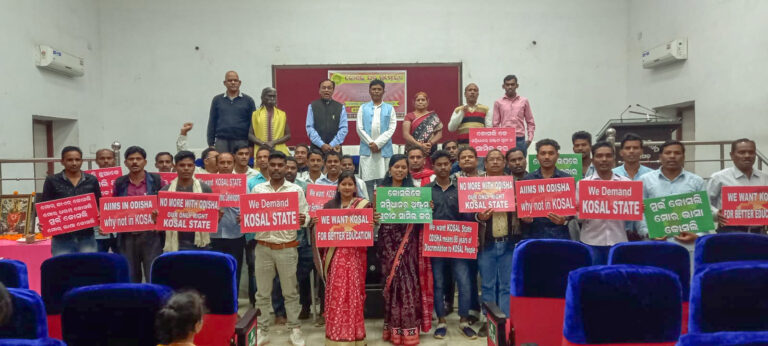
Language activists demands constitutional rights of the ‘non-scheduled’ languages at National Kosali Language Conference, Titilagarh. In a press release collectively issued by Campaign for Language Equality and Rights (CLEAR), Kosali Bhasa Surakhya Samiti, Titilagarh, & Kosali Sanskrutik Mahajot, Titilagarh collectively uphold the demands of various language communities in India to provide their languages the much-needed constitutional status.

Language activists from around India today, on International Mother Language Day, at National Kosali Language Conference, Titilagarh demand the Union government to recognize Indian languages recommended by various Committee by including them in the 8th Schedule of the Constitution of India without any further delay.

In the past few years the central government has included different Indian languages in the 8th Schedule of the Constitution by the recommendation of various committees. However, it isn’t following any yardstick in doing so.It shows prudence on the part of Indian government in being flexible in recognizing the complexity of linguistic diversity in India.
The language activists from CLEAR (Campaign for Language Equality and Rights), Kosali Bhasa Surakhya Samiti, Kosali Sanskrutik Mahajot and others, today expressed their hope that:
1) All the Indian languages recommended by various committees, pending under active consideration of the Union Government to be included in the 8thSchedule of the Constitution. 
2) Initiate medium of teaching in mother tongue of the children at least in primary levels.
3) Make official language of the state and allow all official work in the language of the region in government offices. 
4) Form literary academy for the promotion of literature of non-scheduled Indian languages in their respective states and affiliate with Kendra Sahitya Akademy.   

The activists also emphasized the need of updating the recommended list for any new demands from any language community since the submitting of the report.

It is said that the right of a mother tongue is a basic cultural right of the people which link them with their economy, socio-cultural system, and political right. UNESCO has recognized that the concept of language equality among all languages is important irrespective of whether the languages have a script or not. Furthermore, the union government claimed that it would promote the mother tongue based multilingual education to reduce the school drop-out rates. In this regard, we appeal it to include all the Indian languages demanding to be included in the 8th schedule of the Constitution of India to make that initiative to succeed uniformly for all language communities.

The language activists under CLEAR, a pan-Indian organization comprising the representatives of more than 40 languages in India, are engaging with various Union and state governments to sensitize them on language issues and express the demands of various language communities.

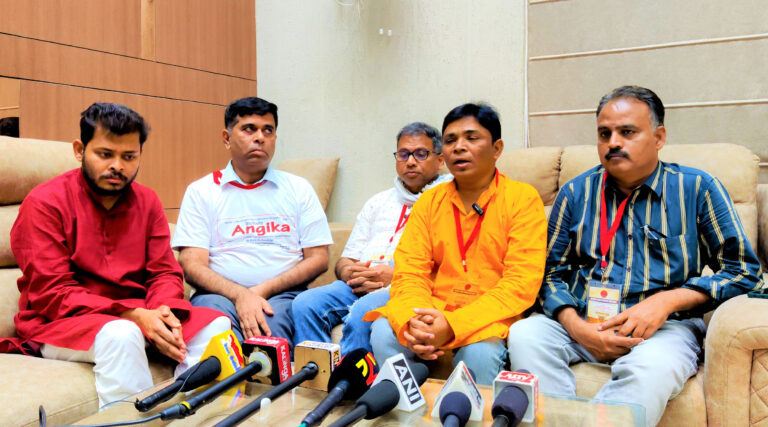
The press meet was attended by Aazhi Senthil Nathan (Secretary, CLEAR), Saket Sreebhushan Sahu (Coordinator Non-Schedule Group, CLEAR), Kundan Amitabh (Member, CLEAR & Angika Language representative) Dr Deepak Pawar ( Founder member CLEAR & representative of Marathi language) Kousik Maiti, (Representative of Bangla language).

The Good Life: A Book Review

0

    Dr Saheb Sahu

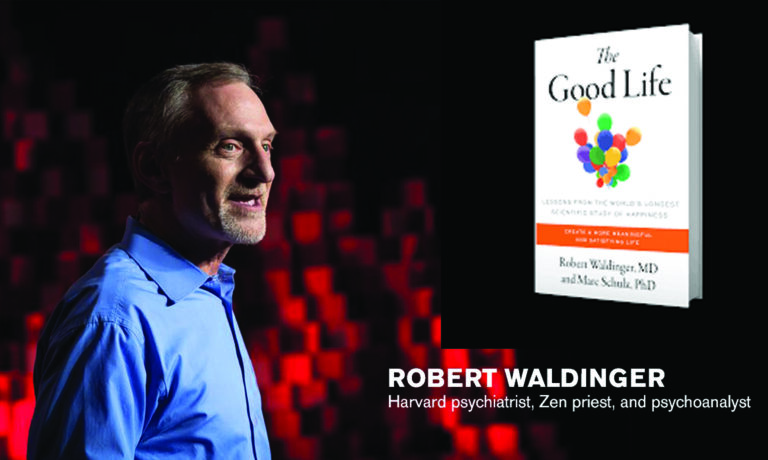
What constitute a life well lived? What are the ingredients for lasting happiness? In their book “The Good Life: Lessons from the World’s Longest Scientific Study of Happiness,” the Harvard Psychiatrist Robert Waldinger and psychologist Marc Schulz, convey key lessons from the data collected from the Harvard Study of Adult Development(HSAD). The goal of the study is to find answers to what makes a happy and meaningful life. The study was started in 1938 in Boston and is continuing.  For 85 years the HSAD has tracked an original 724 men and more than 1,300 of their male and female descendants over three generations and taking hundreds of measurements to find out what really keeps people healthy and happy. The book is based on 85th year of data collection and analysis.

 Through all the years of studying these lives, one crucial factor stands out for the consistency and power of its ties to physical health, mental health and longevity. 85 years of follow up study boils down to a single principle for living: Good relationship.

 Recent research has shown that chronic loneliness increases a person’s odds of death in any given year by 26%. There is also growing evidence (from multiple other studies) that      loneliness is associated with greater sensitivity to pain, suppression of the immune system, diminished brain function and less effective sleep. In older people, loneliness is twice as unhealthy as obesity.

The Harvard study (HSAD)-supported by many other studies- shows that strong relationships make for a good life. Good relationship, keeps us healthier and happier.  They are as important as proper nutrition, physical exercise and adequate sleep. What kind of relationship? All kinds.  Marriage and long term relationships. Families, friends, and work colleagues. Friendship made in the place of worship, or play ground or the tennis court, in a book club; at a community gathering. Good relationship can be made anywhere and at any time in our lives.

The final paragraph from the book:

“Think about someone, just one person, who is important to you. It could be your spouse, your significant other, a friend, a coworker, a sibling, a parent, a child, even a coach or a teacher from your younger days…. Think about where they stand in their lives. What are they struggling with? Think about what they mean to you, what they have done for you in your life. Where would be without them? Who would you be? Now think about what you would thank them for if you thought you would never see them again. And at this moment – right now-turn to them. Call them. Tell them.”

Sources

1- Robert Waldinger, MD and Marc Schulz, PhD. The Good Life:  Lessons from the World’s Longest Scientific Study of Happiness. Simon and Schuster, New Yok: 2023

2-www.lifespanreserch.org


How Our Brains Convince Us That We Are Always Right

0

Dr Saheb Sahu

Cognitive Bias vs Heuristic

A cognitive bias is a systemic pattern of deviation from norm or rationality in judgment. A heuristic is a mental method of solving a problem through intuition, trial and error, or informal methods when there is no formal means or formula for solving it ( and often even when there is ). These heuristics are sometimes called rules of thumb, although they are better known as cognitive biases.  Common causes of our biases are: our personal experience and upbringing, experiences of others like our parents, teachers and friends, the culture we live in and the information we process (news, social media). No matter what belief system is in place— religious, political, economic, or social— these cognitive biases shape how we interpret information to fit the way we want the world to be and not necessarily how it really is.

 Some of these biases are: confirmation bias, hindsight bias, self justification bias, sunk cost bias, anchoring bias, endowment effect (status quo bias) and many others.

The Confirmation Bias

It is the mother of all cognitive biases. Confirmation bias is the tendency to interpret new evidence as confirmation of one’s existing beliefs or theories. Confirmation bias has also been termed “my side bias”. One example is how we seek out or interpret news stories. We are more likely to believe a story if it confirms our pre-existing views, even if the evidence presented is shaky or inconclusive. The confirmation bias is particularly potent in political and religious beliefs.

Hindsight Bias (knew it all along phenomenon)

The hindsight bias is the tendency to reconstruct the past to fit with the present knowledge. Once an event has occurred, we look back and reconstruct how it happened, why it had to happen that way, and why we should have seen it coming all along. The hindsight bias is usually on prominent display after a major disaster. Example: NASA’s Challenger disaster or after a major flood or a cyclone. Hindsight bias can be seen in the writings of histories describing outcome of battles.

Self Justification Bias

 The self justification bias is the tendency to rationalize decisions after the fact to convince ourselves that what we did was the best thing we could have done. This bias applies to everything from career and job choices to mundane purchases. Many smart people believe weird things because they are better at rationalizing their beliefs than others. Politics is filled with self-justifying rationalizations.

Attribution Bias

Attribution bias is our tendency to attribute different causes for our own beliefs and actions than that of others. People constantly make attributions judgments and assumptions about why people behave in certain ways. For example, you are driving along the road and another car cuts in front of you in an erratic way. Based on that one observation you may think that the driver is drunk or rude or aggressive. None of that may be true.

Sunk Cost Bias

The sunk cost bias (fallacy) describes our tendency to follow through an endeavor if we have already invested time, effort, or money into it, whether or not the current costs outweigh the benefits. Examples, we hang on to losing stocks, unprofitable investments, failing businesses, and unsuccessful relationships. This bias leads to a basic fallacy: that past investment should influence future decisions.

Anchoring Bias

Psychologists call it “the status quo bias” and economists call it “the endowment effect”. It is the tendency to value what we own more than what we don’t own. Beliefs are like private property and therefore the endowment effect applies to our belief system. The longer we hold a belief, the more we endow with value and the less we are likely to give it up. This is one of the reasons why there are religious zealots in all religions. It is also the reason why it is hard for us to sell a stock which has gone down in price.

Other Biases and Beliefs

Our beliefs are buffeted by a host of the above biases and some additional biases listed below:

Authority Bias: the tendency to value the opinion of an authority, religious leader, a guru or a baba or a politician.

Halo effect: the tendency for people to generalize one positive trait of a person to all the other traits of that person.

In group bias: the tendency for people to value the beliefs and attitudes of those whom they perceive to be fellow members of their groups.

Stereotyping or generalization bias: the tendency to assume that a member of a group will have certain characteristics believed to represent the group without having actual information about the particular member.

 There are many other biases like, bandwagon effect, consistency bias, expectation bias, negativity bias, self fulfilling prophecy and many more.

Thinking, Fast and Slow

Daniel Kahneman, an Israeli-American psychologist, who won the Nobel Prize in economics in 2002, has written a wise book (Thinking, Fast and Slow, 2013) for everyone who makes personal and business decisions. Our emotional and intuitive responses (what Mr. Kahneman calls our “fast thinking”) often lead us to make serious mistakes, especially in the field of investing. People tend to be over confident and over optimistic in their predictions. They systematically make biased judgments and too often follow the herd. They suffer from pride and regret and have asymmetric responses to gains and losses.  Slow thinking is more deliberative, logical and analytical. It avoids snap judgments and emotional instincts and allocates mental effort to the complexity of decisions. When decisions have to be made based on forecasts, it recognizes uncertainty and employs wide range of probability for the future events. The book is a masterpiece of insight into human mind.

Conclusion

The study of cognitive biases has revealed that humans are anything but rational individuals. We all have biases. And these biases influence our day to day judgments. A judge or jury assessing the evidence against a defendant, a CEO evaluating information about a company, a doctor making a medical diagnosis, or a scientist weighing data in favor of a theory or an investor buying or selling a stock will undergo the same cognitive temptations to confirm what is already believed. Having a bias does not make us a bad person. It’s not recognizing our biases that can lead to bad decision at work, in life, and in relationship. If we are aware of our biases and take time to make more deliberative (thinking slow) decisions, we are more likely to make better decisions.

Sources

1- Michael Shermer, The Believing Brain.  New York: Times Books, 2011

2-Daniel Kahneman, Thinking, Fast and Slow. New York: Farrar, Straus and Giroux, 2013

3- Wikepedia.org/biases

କୋସଲ ରାଜ୍ୟ ଓ କୋସଲି ଭାଷାର ହକ ପାଇଁ ସଂଗଠିତ ହୁଅ

0

କୋସଲବ୍ୟାସ ଡ. ନୀଲମାଧବ ପାଣିଗ୍ରାହୀଂକ ଜୟନ୍ତି ଅବସରରେ କୋସଲ ଯୁବଶକ୍ତି ଓ କୋସଲ ସାହିତ୍ୟ ସଂସ୍କୃତି ଏକାଡେମିର ମିଳିତ ଉଦ୍ୟମରେ ବରଗଡ ବିଜୁ ପଟ୍ଟନାୟକ ଟାଉନ ହଲ ଠାରେ କୋସଲ ଯୁବ ସମ୍ମେଲନ ଆୟୋଜିତ ହୋଇଯାଇଛି । ଏହି ସମ୍ମିଲନିରେ ବିଶେଷକରି ଯୁବାମାନେ କିପରି କୋସଲ ଉଲଗୁଲାନକୁ ଆଗକୁ ନେବେ ସେ ବିଷୟରେ ଚର୍ଚା ହୋଇଥିଲା । ଅତିଥିମାନଂକ ସହ ବିଭିନ୍ନ କୋସଲବାଦୀ ଅନୁଷ୍ଠାନ ଏଥିରେ ଭାଗନେଇଥିଲେ । କୋସଲ ଅଂଚଲ ପ୍ରତି ହେଉଥିବା ଅର୍ଥନୈତିକ, ରାଜନୈତିକ, ସାମାଜିକ, ଶୋଷଣ ତଥା ଭାଷାର ଅଧିକାର, ସାହିତ୍ୟର ପ୍ରଚାର, ସଂସ୍କୃତିର ସୁରକ୍ଷା, ବିଷୟରେ ବିଷେଶକରି ଆଲୋଚନା ହୋଇଥିଲା । ପଦ୍ମଶ୍ରୀ ହଲଧର ନାଗ, ଅଧ୍ୟାପକ ମୋହନ ସାହୁ, ଗୋରେଖନାଥ ସାହୁ, ଡ ସାକେତ ଶ୍ରୀଭୁଷଣ ସାହୁ ଅତିଥି ଭାବେ ଯୋଗଦେଇଥିଲେ । ଅତିଥି ମାନେ ଏହା ମଧ୍ୟ ଆଲୋଚନା କରିଥିଲେ ଯେ ଯେତେ ସଂଖ୍ୟାରେ କୋସଲବାଦୀ ଅନୁଷ୍ଠାନ ତିଆରି ହେଉ ଅସୁବିଧା ନାହିଁ ମାତ୍ର ପରସ୍ପର ସମନ୍ମୟ ରକ୍ଷା କରି କାମ କରିବାକୁ ପଡିବ । କୋସଲବାଦୀ ଅନୁଷ୍ଠାନମାନଂକୁ ସଂଗଠିତ ହୋଇ ନିଜର କ୍ଷମତା ବଢାଇବା ସହ କୋସଲ ରାଜ୍ୟ ଓ କୋସଲ ସଂସ୍କୃତିର ପ୍ରଚାର ପ୍ରସାର ଓ ସଚେତନ ସୃଷ୍ଟି କରିବା ନିହାତି ଜରୁରି । ସ୍ୱତଂତ୍ର କୋସଲ ରାଜ୍ୟ ପାଇଁ ଯୁବସଂଗ୍ରାମି ମାନଂକୁ ନିଷ୍ଠାବାନ, ଧୈର୍ଯ୍ୟବାନ ହେବା ଜରୁରି । ଲକ୍ଷ ପାଇଁ ଲଢିବା ଜରୁରି ଏବଂ ପରସ୍ଫର କୋସଲବାଦୀ ସଂଗଠନ ସୋସିଆଲ ମିଡିଆରେ ଲଢେଇ ଲଜ୍ଜାଜନକ; ସେଥିରୁ କ୍ଷାନ୍ତ ରହିବା ଉଚିତ । ପରସ୍ପରକୁ ସହଜୋଗରେ ହିଁ କୋସଲ ସମ୍ଭବ । କୋସଲ ରାଜ୍ୟ ଏତେ ସହଜରେ ସୋସିଆଲ ମିଡିଆ ଲଢେଇ ବା ବାକଯୁଦ୍ଧରେ ହେବ ନାହିଁ । ବର୍ତମାନର ରାଜନୈତିକ ପରିସ୍ଥିତିରେ ଏଥି ପାଇଁ ଗାଁ ଗାଁ ସହର ସହରରେ ଲକ୍ଷ ସଂଖ୍ୟାରେ ଲୋକଂକୁ ଯୋଡିବା ଆବଶ୍ୟକ । କିପରି ଭାବରେ ଡ ନୀଲମାଧବ ପାଣିଗ୍ରାହି, ପ୍ରୟାଗଦତ ଜୋଷୀ ଓ ପିଆର ଦୁବେ କୋସଲ ରାଜ୍ୟର ସ୍ୱପ୍ନ ନେଇ କୋସଲ ସମ୍ମେଲନ କରିଥିଲେ ଠିକ ସେପରି ଆଜି ଯୁବକ ମାନକୁ ତାଂକର ମାର୍ଗକୁ ଅନୁସରଣ କରିବା ନିହାତି ଜରୁରି ବୋଲି ମତ ପାଇଥିଲା । ଶେଷରେ ଲାଲଚନ ବଗର୍ତି ଧନ୍ୟବାଦ ଦେଇଥିଲେ ।

25 Influential Books You Should Read

0

Dr Saheb Sahu

“A room without books is like a body without a soul”. Cicero

Introduction

What are the most influential books ever written? It is tough question to answer. In my humble opinion, books that have radically altered the course of human civilization should qualify. Some books have influenced the religious practice of millions and billions of people (the Bible, the Koran), some have achieved the pinnacle of literary expression (The Iliad and The Odyssey, Shakespeare’s First Folio), and some have pointed the way to scientific discovery (Darwin’s On the Origin of Species) and some have forever changed the global political landscape (Plato’s Republic, Thomas Paine’s Common Sense). The following 25 books I have selected are based on my life –long reading (I am over 75). You make your own list but read.

1- The I Ching (Book of Changes) C.1500 B.C.E.

 It is the most influential book in China.   Its true origins remain shrouded in mystery. The book generated the theory of Yang and Yin. Yang originally meant sunshine, whereas yin implied the absence of light. The two antithetical principles came to be regarded as cosmic forces: masculinity/femininity, heat/cold, brightness/ darkness, hardness/softness and so forth. The Chinese saw the tension set up by the two phenomena as having brought forth the universe itself. The main message, while we cannot control our fates, we can decide how we should live: We can choose to go along with prevailing cosmic condition.

2 – The Bible C. 1500 B.C.E.

The word Bible is derived by way of Latin and French, from the Greek biblia.It consists of two books, The Old Testament and The New Testament. The Old Testament is the scripture for the Jews.  The New Testament is the scripture for the Christians. Most of the ideas of the New Testament have come from the Old Testament. The Bible is an anthology- a compilation of texts of variety of forms- originally written in Hebrew, Aramaic and Konic Greek.These texts include instructions, stories, poetry, and prophecies, among other genres. To the believers, the Bible is generally considered to be a product of divine inspiration. It is by far the best known book in the Western world. It has influenced western literature, art, music, philosophy and dance. There are many version of the translation; the best known is the Authorized Version of 1611, AD.

3 – The Iliad and the Odyssey by Homer C- 9th Century, B.C.E.

The Iliad sometimes referred to as the Song of Ilion or Song of Ilium is an ancient Greek Epic poem in dactylic hexameter traditionally attributed to Homer. Usually considered to have been written down circa the 8th century BCE, the Iliad is among the oldest extant works of Western literature, along with the Odyssey, another epic poem attributed to Homer, which tells of Odysseus’s experiences after the events of the Iliad. In the modern vulgate (the standard accepted version), the Iliad contains 15,693 lines, divided into 24 books; it is written in Homeric Greek. The Greek built up their culture on these poems, and the western literature, too, was built upon it.

4 – The Upanishads C 700B.C.E- 400 B.C.E.

The Upanishads are late Vedic Sanskrit texts of Hindu philosophy. They are the most recent part of the Vedas, the oldest scriptures of Hinduism, and deals with meditation, philosophy, consciousness and ontological knowledge. The earlier parts of the Vedas deal with mantras, benedictions, rituals, ceremonies, and sacrifices. While among the most important literature in the history of Indian religions and culture, the Upanishads document a wide variety of rites, incarnations, and esoteric knowledge. There are over one hundred Upanishads, but many of these are after thoughts. The really vital ones are fewer than twenty in number. Some of them are: Katha, Isha, Kena, Mundaka, Mandukya, Chandogya, Brihadaranyaka, Kaivalya and Svetasvatara.

 The essence of the Upanishads is that Brahman and Atman is one and the same thing. According to Swami Prabhavananda Brahman represents God and Atman represents the self or the soul.

 The Bhagavad Gita is the most famous of Hindu texts, and has a unique pan-Hindu influence.The Gita presents a synthesis of Hindu ideas about dharma, bhakti and the yogic ideals of moksha.

 Two Indian epics, The Ramayana and The Mahabharata have had significant influence in the religion and, culture of Indian subcontinent.

5 – Tao Te Ching (The Way and Its Power) by Lao-Tzu,

The Tao Te Ching is a Chinese Classical text written around 400 BCE, and traditionally credited to the sage Lao-TzuThe text’s authorship, date of composition and date of compilation are debated. The Tao Te Ching, along with the Zhuangzi, is a fundamental text for both philosophical and religious Taoism. It also strongly influenced other schools of Chinese Philosophy and religion including Legalism, Confucianism, and Chinese Buddhism.

6 – The Avesta C.500 B.C.E.

The Avesta is the primary collection of religious texts of Zoroastrianism, composed in the Avestan language. The Avesta texts fall into several different categories, arranged either by dialect or by usage. The principal text in the liturgical group is the Yasna, which takes its name from the Yasna ceremony, Zoroastrianism’s primary act of worship. The most important portion of the Yasna texts are the five Gathas, consisting of seventeen hymns attributed to Zoroaster himself.

 Majority of scholars believe that, the Iranian religion of Zoroastrianism is the oldest of the monotheistic religions. It deeply influenced Judaism, Christianity and Islam, Buddhism and Manicheanism.

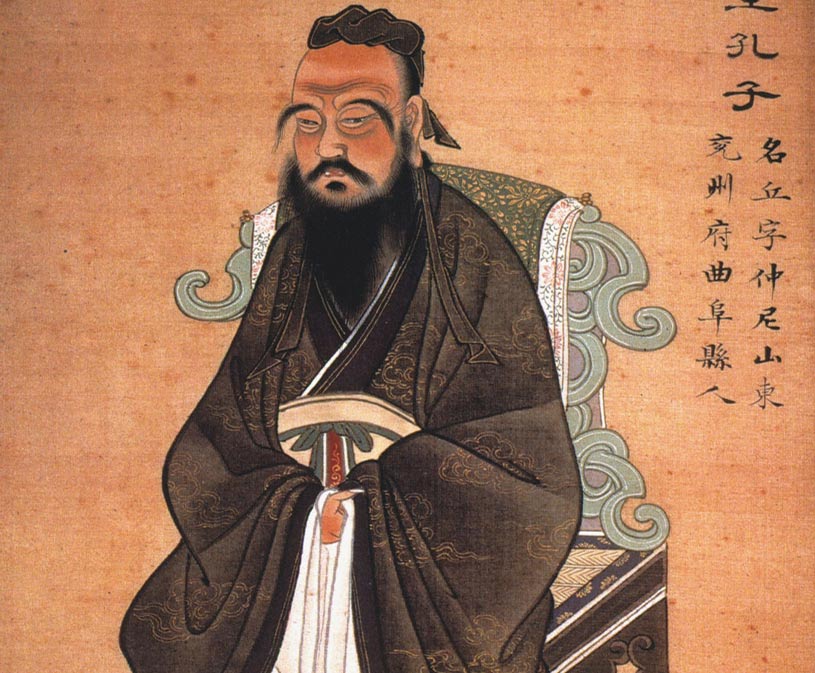
7 – Analects by Confucius (5th to 4th Century BCE).

The Analects,  meaning “Selected Sayings’, also known as the Analects of Confucius, the Sayings of Confucius,  is an ancient Chinese book composed of a large collection of sayings and ideas attributed to the Chinese philosopher Confucius(Master Kung) and his contemporaries. It is believed to have been compiled and written by Confucius’s followers.

Even today, Confucian beliefs strongly influence the government and society of the People’s Republic of China. The terms Renand Ligive different sides of this cultural tradition. Elements of Ren are the obliteration of the individual, the spirit of sacrifice, self-restraint, lack of privacy and ideological control. Elements of Li are a social order based on the work unit, residence and subordination to the elite.

The Analects has been one of the most widely-read and studied books in China for the last 2,000 years, and continues to have a substantial influence on Chinese and East Asian thought and values today.

8 – The Republic by Plato (429-347B.C.E)

The Republic (Latin: De Republica) is a Socratic dialogue, authored by Plato around 375 BCE, concerning justice, the order and character of the just city-state, and the just man. It is Plato’s best-known work, and has proven to be one of the world’s most influential works of philosophy and political theory, both intellectually and historically.

In the dialogue, Socrates talks with various Athenians and foreigners about the meaning of justice and whether the just man is happier than the unjust man. They consider the natures of existing regimes and then propose a series of different, hypothetical cities in comparison, culminating in Kallipolis, a utopian city-state ruled by aphilosopher-king. They also discuss the theory of forms, the immortality of the soul, and the role of the philosopher and of poetry in society.

9 – The Elements by Euclid (280B.C.E.)

The Elements is a mathematical treatise consisting of 13 books attributed to the ancient Greek mathematician Euclid of Alexandria, Egypt C 300BCE. It is a collection of definitions, postulates, propositions (theorems and constructions)), and mathematical proofs of the propositions. The books cover plane and solid Euclidian geometry number theory and incommensurable lines. The Elements is the oldest extant large-scale deductive treatment of mathematics. It has proven instrumental in the development of logic and modern science. Its logical rigor was not surpassed until the 19th century.

Euclid’s Elements has been referred to as the most successful and influential text book ever written. It was one of the very earliest mathematical works to be printed after the invention of the printing press. It has been estimated to be second only to the Bible in the number of editions published since the first printing in 1482.

10 – The Dhammapada C- 252B.C.E.

The Dhammapada is a collection of sayings of the Buddha in verse form and one of the most widely read and best known Buddhist scriptures. The original version of the Dhammapada is in the Khuddaka Nikaya, a division of the Pali Canon of Theravada Buddhism.

The Buddhist scholar and commentator Buddhaghosa explains that each saying recorded in the collection was made on a different occasion in response to a unique situation that had arisen in the life of the Buddha and his monastic community. His translation of the commentary, the Dhammapada Atthakatha, presents the details of these events and is a rich source of legend for the life and times of the Buddha.

11 – The Koran (610-632C.E.)

The Quran, also romanized Qur’an or Koran, is the central religious text of Islam, believed by Muslims to be a revelation from God. It is organized in 114 chapters (ة surah), which consist of verses. In addition to its religious significance, it is widely regarded as the finest work in Arabic literature.

Muslims believe that the Quran was orally revealed by God to the final prophet, Muhammad, through the archangel Gabriel, incrementally over a period of some 23 years, beginning in the month of Ramadan, when Muhammad was 40; and concluding in 632, the year of his death.

The Quran assumes familiarity with major narratives of the Bible. It summarizes some, dwells at length on others and, in some cases, presents alternative accounts and interpretations of events. The Quran describes itself as a book of guidance for mankind..

The Hadith are transmitted reports about what Muhammad said and did.  They have been called “the backbone” of Islamic civilization. Within Islam the authority of hadith as a source for religious law and moral guidance ranks second only to that of the Quran.

12 – The First Folio by William Shakespeare, 1623

 Shakespeare’s Comedies, Histories, & Tragedies is a collection of plays by  William Shakespeare, commonly referred to by modern scholars as the First Folio, published in 1623, about seven years after Shakespeare’s death. It is considered one of the most influential books ever published, printed in folio format and containing 36 plays.

The Bible and the Koran, as well as other religious texts, have influenced mankind in two opposite directions. On the one hand they inspired virtuous behavior; on the other they have inspired wars, torture, and lives of misery for billions of people.. But has any nation gone to war over Shakespeare? If you can’t read all his plays, read atleast his most famous play-‘King Lear”.

13 – Don Quixote by Miguel de Cervantes 1605 &1615

Don Quixote  is a Spanish epic novel by Miguel de Cervantes. Originally published in two parts, in 1605 and 1615, its full title is The Ingenious Gentleman Don Quixote of La Mancha. A founding work of Western literature, it is often labeled as the first modern novel and one of the greatest works ever written. Don Quixote is also one of the most translated books in the world.

The plot revolves around the adventures of a member of the lowest nobility, an hidalgo from La Mancha named Alonso Quijano, who reads so many chivalric romances, that he either loses or pretends to have lost his mind in order to become a knight errant, and serve his nation, under the name Don Quixote de la Mancha.. He recruits a simple farmer, Sancho Panza, as his squire, who often employs a unique, earthy wit in dealing with Don Quixote’s rhetorical monologues on knighthood. The book had a major influence on the literary community of the world, especially of Spanish language.

 The Tale of Genji is a classic work of Japanese literature, written in the early 11th century by the noblewoman Murasaki Shikibu. The tale concentrates on Genji’s romantic life and describes the customs of the aristocratic society of the time. It may be the world’s first novel, the first psychological novel and the first novel still to be considered a classic particularly in the context of Japanese literature.

14 – A Treatise of Human Nature by David Hume 1739

A Treatise of Human Nature: Being an Attempt to Introduce the Experimental Method of Reasoning into Moral Subjects (1739–40) is a book by Scottish philosopher David Hume, considered by many to be Hume’s most important work and one of the most influential works in the history of philosophy. The Treatise is a classic statement of philosophical empiricism, skepticism, and naturalism. In the introduction Hume presents the idea of placing all science and philosophy on a novel foundation: namely, an empirical investigation into human nature. Impressed by Isaac Newton’s achievements in the physical sciences, Hume sought to introduce the same experimental method of reasoning into the study of human psychology.

15 – Common Sense by Thomas Paine

Common Sense is a 47-page pamphlet written by Thomas Paine in 1775–1776 advocating independence from Great Britain to people in the Thirteen American Colonies. Writing in clear and persuasive prose, Paine marshaled moral and political arguments to encourage common people in the Colonies to fight for egalitarian government. It was published anonymously on January 10, 1776, at the beginning of the American Revolution and became an immediate sensation.

It was sold and distributed widely and read aloud at taverns and meeting places. In proportion to the population of the colonies at that time (2.5 million), it had the largest sale and circulation of any book published in American history. Historian Gordon S. Wood described Common Sense as “the most incendiary and popular pamphlet of the entire revolutionary era”.

Rights of Men and The Age of Reason are two other great books by Paine.

16 – The wealth of Nations by Adam Smith 1776

An Inquiry into the Nature and Causes of the Wealth of Nations, generally referred to by its shortened title The Wealth of Nations, is the magnum opus of the Scottish economist and moral philosopher Adam Smith. First published in 1776, the book offers one of the world’s first collected descriptions of what builds nations’ wealth, and is today a fundamental work in classical economics. By reflecting upon the economics at the beginning of the Industrial Revolution, the book touches upon such broad topics as the division of labor, productivity, and free markets. It provided the foundation for economists, politicians, mathematicians, and thinkers of all fields to build upon. Irrespective of historical influence The Wealth of Nations represented a clear paradigm shift in the field of economics.

17 – A Vindication of the Rights of Women by Mary Wollstonecraft

A Vindication of the Rights of Woman: with Strictures on Political and Moral Subjects (1792), written by British Mary Wollstonecraft (1759–1797), is one of the earliest works of feminist philosophy. In it, Wollstonecraft responds to those educational and political theorists of the eighteenth century who did not believe women should receive a rational education. She argues that women ought to have an education commensurate with their position in society, claiming that women are essential to the nation because they educate its children and because they could be “companions” to their husbands, rather than mere wives. Instead of viewing women as ornaments to society or property to be traded in marriage, Wollstonecraft maintains that they are human beings deserving of the same fundamental rights as men.

Wollstonecraft’s work had significant impact on advocates for women’s rights in the nineteenth century, particularly the 1848 Seneca Falls Convention, which produced the Declaration of Sentiments laying out the aims of the suffragette movement in the United States.

18 – The Communist Manifesto 1848

The Communist Manifesto, originally the Manifesto of the Communist Party, is an 1848 pamphlet by German philosophers Karl Marx and Friedrich Engels commissioned by the Communist League, and originally published in London, just as the Revolution of 1848, began to erupt. The Manifesto was later recognized as one of the world’s most influential political documents. It presents an analytical approach to the class (historical and then present) and the conflicts of capitalism and the capitalist mode of production, rather than a prediction of communism’s potential future forms.

The Communist Manifesto summarizes Marx and Engels’ theories concerning the nature of society and politics, namely that in their own words “the history of all hitherto existing society is the history of class struggles”. It also briefly features their ideas for how the capitalist society of the time would eventually be replaced by socialism. In the last paragraph of the Manifesto, the authors call for a “forcible overthrow of all existing social conditions”, this served as a call for communist revolutions around the world.

19 – Civil Disobedience by Henry David Thoreau 1849

Resistance to Civil Government, also called On the Duty of Civil Disobedience or Civil Disobedience for short, is an essay by American transcendentalist Henry David Thoreau that was first published in 1849. In it, Thoreau argues that individuals should not permit governments to overrule or atrophy their consciences, and that they have a duty to avoid allowing such acquiescence to enable the government to make them the agents of injustice. Thoreau was motivated in part by his disgust with slavery and the Mexican- American War (1846–1848).

Indian independence leader Mahatma Gandhi was impressed by Thoreau’s arguments. In 1907, about one year into his first satyagraha campaign in South Africa, Gandhi wrote a translated synopsis of Thoreau’s argument for Indian Opinion. He credited Thoreau’s essay with being “the chief cause of the abolition of slavery in America”, and wrote that “Both his example and writings are at present exactly applicable to the Indians in the Transvaal”. Martin Luther King, Jr and Nelson Mandela were influenced by Gandhi.

20 – The Origin of Species by Means of Natural Selection by Charles Darwin 1859

On the Origin of Species (or, more completely, On the Origin of Species by Means of Natural Selection, or the Preservation of Favored Races in the Struggle for Life), published on 24 November 1859, is a work of scientific literature by Charles Darwin, that is considered to be the foundation of evolutionary biology. Darwin’s book introduced the scientific theory that populations evolved over the course of generations through a process of natural selection. The book presented a body of evidence that the diversity of life arose by common descent through a branching pattern of evolution. Darwin included evidence that he had collected on the Beagle expedition in the 1830s and his subsequent findings from research, correspondence, and experimentation.

With the development of the modern evolutionary synthesis in the 1930s and 1940s, Darwin’s concept of evolutionary adaptation through natural selection became central to modern evolutionary theory, and it has now become the unifying concept of the life sciences.

21 – Crime and Punishment by Fyodor Dostoevsky 1866

Crime and Punishment is a novel by the Russian writer Fyodor Dostoevsky. It was first published in the literary journal The Russian Messenger in twelve monthly installments during 1866.  It was later published in a single volume. It is the second of Dostoevsky’s full-length novels following his return from ten years of exile in Siberia. Crime and Punishment is considered the first great novel of his mature period of writing. The novel is often cited as one of the supreme achievements in world literature.

Crime and Punishment follows the mental anguish and moral dilemmas of Rodin Raskolnikov, an impoverished ex-student in Saint Petersburg who plans to kill an unscrupulous pawnbroker, an old woman who stores money and valuable objects in her flat. He theorizes that with the money he could liberate himself from poverty and goes on to perform great deeds, and seeks to convince himself that certain crimes are justifiable if they are committed in order to remove obstacles to the higher goals of ‘extraordinary’ men. Once the deed is done, however, he finds himself racked with confusion, paranoia, and disgust. His theoretical justifications lose all their power as he struggles with guilt and horror and confronts both the internal and external consequences of his deed.

22 – War and Peace by Leo Tolstoy 1869

War and Peace is a literary work mixed with chapters on history and philosophy by the Russian author Leo Tolstoy. It was first published serially in a magazine, and then published in its entirety as a book in 1869. It is regarded as one of Tolstoy’s finest literary achievements and remains an internationally praised classic of world literature.

The novel chronicles the French invasion of Russia and the impact of the Napoleonic era on Tsarist society through the stories of five Russian aristocratic families.This vast work has the spirit of an epic, where the life of Russia of the beginning of our century in general and in details has been recreated by the hand of a true master.

John Galsworthy called War and Peace “the best novel that had ever been written”. 

23 – The Second Sex by Simone de Beauvoir 1949

The Second Sex is a 1949 book by the French existentialist philosopher Simone deBeauvoir, in which the author discusses the treatment of women throughout history. Beauvoir researched and wrote the book in 14 months between 1946 and 1949.  She published the work in two volumes: Facts and Myths and Lived Experience. One of Beauvoir’s best-known books, The Second Sex is often regarded as a major work of feminist philosophy, and as the starting inspiration point of second- wave feminism.

According to Beauvoir, two factors explain the evolution of women’s condition: participation in production, and freedom from reproductive slavery. Beauvoir writes that men oppress women when they seek to perpetuate the family and keep patrimony intact.

The book has since been translated into more than 40 languages. The Vatican placed the book on its List of Prohibited Books.

24 – Nineteen Eighty Four by George Orwell 1949

Nineteen Eighty-Four (also stylized as 1984) is a dystopian social science fiction. The novel is a cautionary tale written by the English writer George Orwell. Thematically, it centers on the consequences of totalitarianism, mass surveillance and repressive regimentation of people and behaviors within society. Orwell, a democratic socialist, modelled the totalitarian government in the novel after Stalinist Russia and Nazi Germany. More broadly, the novel examines the role of truth and facts within politics and the ways in which they are manipulated.

The story takes place in an imagined future, the year 1984, when much of the world has fallen victim to perpetual war, omnipresent government surveillance, historical negations and propaganda. Nineteen Eighty-Four has become a classic literary example of political and dystopian fiction. It also popularized the term “Orwellian” as an adjective.

25 – The Feminine Mystique by Betty Friedan 1963

The Feminine Mystique is a book by Betty Friedan, widely credited with sparking second –wave feminism in the United States. First published on February 19, 1963, The Feminine Mystique became a bestseller, initially selling over a million copies. Friedan used the book to challenge the widely shared belief that “fulfillment as a woman had only one definition for American women after 1949—the housewife-mother.

The prevailing belief was that women who were truly feminine should not want to work, get an education, or have political opinions. Friedan interviewed hundreds of her college graduates and proved that women were unsatisfied with that idea but could not voice their feelings.

 Friedan has been criticized for focusing solely on the plight of middle-class white women, and not giving enough attention to the differing situations encountered by women in less stable economic situations, or women of other races or trans-women.

Conclusion

 Reading has multiple benefits for our health. Reading has been shown to put our brains into a pleasurable trance like state, similar to meditation. Reading brings the same health benefits of deep relaxation and inner calm. Regular readers sleep better, have lower stress levels, higher self-esteem and lower rates of depression than non- readers. You do not have to read books recommended by others but usually they are helpful. Read what you like and enjoy. If don’t like a book, don’t waste your time and move on to the next one. Get a library card and visit your local library. Visit book stores with old books. You will be rewarded. Take your children to your local libraries and book stores. Read to them regularly. It will benefit both of you. Happy Reading!

Sources

1- Martin Seymour-Smith. 100 Most Influential Books Ever Written. Citadel Press: Secaucus, N.J. 1998

2- Wikipedia.org July 26th 2022

Why You Must Be Physically Active?

0

 Saheb Sahu, FAAP, MPH.

   Reading is to the mind what exercise is to the body. – Joseph Addison

The evidence is clear—physical activity (exercise) can make you feel better, function better, and sleep better. Even one session of moderate-to-vigorous physical activity reduces anxiety, and even short bouts of physical activity are beneficial. We know without a doubt, for instance, that exercise lowers the risk of heart disease, some cancers, premature mortality, and even overall cause of mortality. We know it lowers blood pressure and reduces dangerous blood clots. We know it prevents diabetes, improves brain function, and spurs muscles to make hormones that dampen chronic inflammation and much more. Being physically active also fosters normal growth and development, improves overall health, and can reduce the risk of various chronic diseases.

Types of Exercise

There are two main types of exercises- Aerobic Activity, and Muscle Strengthening. Aerobic exercise uses the large muscle of the legs and arms in a continuous fashion. Aerobic fitness is also called cardiovascular fitness because it improves the ability of the heart, blood vessels and lungs to supply oxygen and fuel to the body. Aerobic exercises are: Walking, running, bicycling, swimming, dancing, skipping ropes, stair climbing, rowing and cross country skinning.

 Muscle strengthening exercises build muscles and go by a variety of names, including strength training, resistance training, and weight training. These exercises increase muscle strength, and flexibility, build bone strength, improve balance and reduce the risk of breaking bones. They also improve cardiovascular health, help in weight loss and prevent diabetes.

Exercise: How Little, How Much?

 Even very little exercise is better than nothing. If you’re a runner, just 5-10 minutes a day at relatively slow speeds (less than six miles an hour) is linked to a markedly reduced risk from all cause and cardiovascular (heart and blood vessels) mortality. Interestingly, a 5 minute run is as good as a 15-minute walk. But even a brisk walk for 15 minutes a day reduces all cause mortality and provides an extra three years of life expectancy. Astonishingly, just one hour of running can add seven hours to your life.

 All you have really to do for better health and increased longevity is meet the US Government’s CDC and the World Health Organization’s minimum activity guidelines: 150 minutes a week of moderate exercise or 75 minutes a week of vigorous activity.

Sitting Kills

To put bluntly, sitting kills. Indeed, physical inactivity causes as many deaths a year globally as smoking. A sedentary life style not only raises the risk of getting many chronic diseases, but increases the severity of these diseases and the risk of dying from them as well. It gets worse. A sedentary life style is also linked to  metabolic syndrome( high blood pressure, high blood sugar, excess body fat around the waist, and abnormal cholesterol) gallstones, asthma, chronic obstructive pulmonary disease (COPD),some cancers, cognitive dysfunction, dementia, osteoarthritis (joint pain), low back pain, fragility, constipation and muscle weakness and decreased functional independence.

 Physical inactivity, including sitting, is lethal and so common that it now accounts for an estimated 6 million deaths worldwide.

Exercise and Heart Disease

Exercise produces its beneficial cardiovascular (heart and blood vessels) effects through a variety of mechanism. Exercise improves the size of the heart (stronger heart muscles), lowers blood pressure, regulates heart rate variability, and improves the lining of the blood vessels, decreases clogging of the arteries by lowering cholesterol and inflammation. Diabetes significantly raises the risk of heart disease, stroke and kidney failure. Exercise reduces the risk of developing diabetes as well as helps in controlling its multiple complications.

Multiple studies have shown that exercise may actually be better for people with clogged arteries than surgically implanted stents. People with chronic heart failure also benefit from regular exercise. A large study of heart failure risk, Swedish researchers followed 34,000 men and 31,000 women aged 45-83 for 13 years. Being physically active for more than 150 minutes per week, along with not smoking, having normal weight and eating modified Mediterranean diet, dramatically reduced the risk of heart failure.

 The best way to increase cardiovascular fitness is aerobic exercise that involves major muscle group’s things like jogging, cycling, swimming, and dancing. Ideally, exercise should be of moderate to vigorous intensity and should be done at least five times a week for 30-60 minutes each time. The good news is that even, 15 minutes a day of moderate intensity exercise yields significant heart and longevity benefits.

Diabetes

Why is diabetes so bad? Unlike heart disease or kidney disease, in diabetes, it is your whole body that is involved. Diabetes is basically a failure of the body to control blood sugar. Diabetes harms your blood vessels, heart, kidney, brain, and nerves. At least 68 percent of older people with diabetes die from some form of heart disease, and 16 percent die of stroke.

 Both aerobic and resistance training can increase glucose uptake in muscle cells and making muscles more sensitive to insulin (the hormone which controls blood sugar). Not surprisingly, highly fit people have better blood sugar control than less fit people. And ponder this: Sitting around after a meal triggers a spike in blood sugar. But getting up after a meal can cut such spike in half. In other words, it pays to get up and wash the dishes or walk the dog.

Obesity

 Obesity is defined as a body mass index (BMI) of 30 or more. Overweight is defined as a BMI between 25 and 30. Obesity is now the fifth leading risk factor for mortality worldwide.

 The exact physiological causes of obesity are complex. But the basic culprit is no brainer: too much food and too little exercise= energy imbalance. You cannot lose weight just by exercising. You have to do both, eat less and exercise more.

 Obesity increases the risk of heart disease directly. It is a significant risk factor for diabetes. Obesity, especially abdominal fat, is a major hallmark of metabolic syndrome, a cluster of problems including hypertension, poor lipid profile, and insulin resistance. Exercise improves all the components of the syndrome. Vigorous exercise suppresses the hunger hormone, ghrelin, and increases the appetite-suppressing hormone, peptide YY.

Blood pressure

More than 70 percent of older people have age related stiffening of the larger arteries, which leads to hypertension (high blood pressure). Hypertension is a powerful risk factor for stroke (bleeding in the brain), heart disease and heart failure, and kidney disease. In fact hypertension is a leading risk factor for death, accounting for almost 13percent of total deaths in the world. In 2017, the American College of Cardiology announced a new definition of hypertension-130/80 –instead of 140/90.

 The good news is that regular aerobic exercise, in older as well as younger people, decreases the stiffness in blood vessels and triggers nitric oxide, which leads to better blood flow and lower blood pressure. Even low intensity exercise such as walking can reduce blood pressure somewhat. Large prospective studies have shown that fitness is strongly linked to lower blood pressure, regardless of body weight.

Reduce Inflammation

One of the most important things that exercise does is reduce inflammation all over the body, including in the cardiovascular system. Doctors measure inflammation with a blood test called CRP(C- reactive protein), which goes up with inflammation. Elevated CRP is associated with a higher risk of heart attack, stroke and death in both healthy people and those with heart disease. Exercise can lower CRP significantly, often by as much as 20-30 percent. In one study, people in the most- fit group had 80 percent lower levels of CRP. In a study of 14,000 most active people had a CRP levels almost 50 percent lower than sedentary people.

Sarcopenia

Sarcopenia, which means loss of muscle mass, is an all-too common feature of aging, though it’s really caused by disuse, not the sheer passage of time per se. Muscle weakness and loss of muscle mass is a set up for many of the sad events of later life-falls, broken hips, disability, loss of independence, and, in many cases, the need for a nursing home. People over 50 lose on average one pound of muscle every year.

 But that is what happens without strength training, also called resistance exercise or weightlifting. With strength training, older people can significantly offset sarcopenia running won’t do it. In addition to boosting muscle mass, resistance exercise can be effective antidepressant in older people. It can also help in blood sugar control in diabetic people.

 And perhaps most important, strength training can improve older people’s ability to  get out of a chair or off the toilet, climb stairs, bathe, prepare meals, and generally take care of themselves.

Osteoporosis

Osteoporosis means “porous bone”. It is a disorder in which bone mass is decreased, causing the bones to become fragile and leading to fracture. It affects both male and female over the age of 50. It is more common in women.

 Exercise in later life can slow the rate of bone loss, but it can’t really rebuild bone. Exercise does have a small effect on strengthening the bones, but these effects are modest. In a study of 61,200 postmenopausal women, researchers found that the risk of a hip fractures was lowered by 6 percent for each increase of one hour per week of walking. Walking for at least four hours a week was linked to a 41 percent lower risk of hip fracture.

 In fact, many old people without osteoporosis fall and get fracture because of weak muscles, poor balance, poor physical functioning, and general frailty. Hip fractures are particularly common and deadly in women, but men get them, too.

 Some medications, including blood pressure pills, heart drugs, diuretics, tranquilizers, and opioid pain medicines, can make you dizzy and more prone to falls.

To prevent fall install handrails on stairways and toilets, and make sure there is good lighting. Don’t leave objects and rugs in areas where you walk. Get up slowly from sitting or lying- getting up quickly temporarily lowers blood pressure and raises the risk of falls. Use cane or walker if need be.

Exercise and Cognition

The ability to remember, learn, think, and reason are skills referred to collectively as cognition.

It is not news that the brain begins to decline as we age, starting, sad to say, in midlife, and sometimes earlier. Cognitive tasks that demand fluidity, such as reasoning, as well as tasks that can’t be solved on the basis of personal experience, decline. It takes longer to process information. The volume of gray matter shrinks. The hippocampus (the memory center) gets smaller, too. Blood flow to the brain decreases. On the other hand verbal knowledge and comprehension stay fairly strong throughout life.

 But the good news is that, there is overwhelming evidence that regular exercise, especially the aerobic kind, can slow cognitive decline. Exercise helps keep the brain healthy well into later life, helping maintain brain volume and brain functions in specific regions. To improve cognitive functions, one way is to exercise at moderate intensity for 45- 60 minutes per session on as many days a week as possible. Aerobic exercise seems to have its biggest benefits in protecting executive function (working memory, flexible thinking, and self control) the very function most sensitive to aging.

The bottom line, exercise is the best thing going to protect the brain.

Exercise and Mood

There is no question that exercise improves mood and reduces depression, especially if you exercise outdoors in nature. In 2013 the Cochrane Collaboration, international researchers, examined 35 studies and concluded that physical activity was comparable to psychotherapy and medicine(antidepressants) at relieving depression. In 2016 meta-analysis of 25 randomized controlled trials, researchers concluded that the data showing the effectiveness of exercise for treatment for depression is extremely strong.

 Exercise seems to be somewhat but not dazzlingly effective at reducing anxiety.

Exercise and Cancer

It is estimated that, worldwide, 25 percent of all cancers are caused by being overweight or obese and having sedentary life style.

Overall, the link between exercise and reduced cancer risk seems to be dose dependent the more exercise you do, the better your chances of escaping cancer. There is strong evidence for the protective effects of exercise for breast and colorectal cancer, for instance, but less strong evidence for prostate, endometrial (uterine), and lung cancer. There is also strong evidence that exercise may help in survival and better quality of life for people withcancer.

Determining Your “Fitness Age”

VO2max is a commonly used measure of aerobic fitness that basically shows the highest rate at which your body can supply oxygen to your contracting muscles.

Short of having a cardiac stress test on a treadmill at a medical facility, you can make some reasonable estimates with a few simple measurements at home. One way is to use the online methodology developed by researchers at the Norwegian University of Science and Technology. Visit web site www. ntnu.edu/cerg/vo2max or visit the Mayo Clinic website: www.mayoclinic.org/healthy-lifestyle/fitness/in-depth/fitness/art-20046433

Conclusion

There is an old saying that exercise won’t necessarily help you live longer but it will help you live younger longer.  Research has shown that increased level of fitness can boost longevity and reduce mortality rates from many causes of death: Heart disease, stroke, diabetes, some cancer and even all- cause mortality. Regular exercise helps youfrom becoming frail and losing your independence. It also improves your brain functions.

 There is no doubt that sedentary life style is very harmful for overall health and wellbeing. Even very moderate exercise is better than nothing. Even a brisk walk for 15 minutes a day reduces all cause mortality and provides an extra three years of life expectancy.All you have to do is to meet the World Health Organization’s minimum activity guidelines: 150 minutes a week of moderate exercise or 75 minutes a week of vigorous activity.  A 2011 analysis of 80 studies involving more than 1.3 million adults nailed the case: Higher levels of physical activity were linked to lower all-cause mortality, with the biggest benefit linked to the most vigorous activity.

Sources

  1. Judy Foreman. Exercise Is Medicine- How Physical Activity Boosts Health and Slows Aging. Oxford University Press; New York, 2020
  2. Center for Disease Control and Prevention. www.cdc. Gov/physical activity
  3.  World Health Organization- www.who.int

Why You Should Migrate?

0

Saheb Sahu, FAAP, MPH

 I just finished a book titled “Streets of Gold” by two professors of economics, Ran Abramitzky (Stanford University) and Leah Boustan (Princeton University). The authors are referring to the streets of America. Mining a treasure trove of big data over more than a century, they show the surprising continuity between past and present pattern of immigrant integration in the United States. Their data show that most immigrants, even across widely different backgrounds, achieve success over one to two generations, much as in the past.

 I will quote here some of their important findings:

“In the pace of their economic progress, immigrants of the past were very similar to immigrants of today. Immigrants in the past did not rise from poverty to comfort as quickly as we believe nor are today’s immigrants climbing the economic ladder any more slowly than past immigrants.”

“The true ascent for immigrant families happens in the next generation. The children of immigrants achieve incredible economic success, a pattern that has held in the United States for more than a century.”

“The story that emerges when we let the data speak is a happy one, a tale of economic prosperity and cultural integration.”

 “In 2020, forty-five million people in the United States were born in another country- about one in seven residents, or 14 percent of the population”.

“The dream that propels many immigrants to American’s shores is the possibility of offering a better future for themselves and their children. Using millions of records of immigrant families, we find that the children of immigrants surpass their parents and move up the economic ladder both in the past and today. If this is the American Dream, then children of immigrants achieve it- big time.”

 “The mobility advantage shows up in every historical period and from nearly every country of origin, and is particularly strong for the poorest families.”

“Around 30 percent of immigrants in the United States have a college degree (2018). These highly educated immigrants originally come to the United States on temporary student visas. After graduation, they can work for a few years for a US company on a program called Optional Practical Training (OPT). Another route to the country is the temporary H-1B visa program, available for occupations with “highly specialized knowledge”, often in science and technology fields; after sponsoring workers on this temporary visa, employers help some of these workers enter the green card lottery for legal permanent residence.”

 “We believe that immigrants contribute to our economy through science, innovation and vital services; that children of immigrants from nearly every poor country move up to the middle in the next generation.”

Migration in Indian Context

 Non-Resident Indians (NRI) are Indian citizens who are not residents of India.  Overseas Citizen of India (OCI)) are people of Indian birth or ancestry who live outside and also are not the citizens of Republic Of India. According to a Ministry of External Affairs report, there are 32 million NRIs and OCIs residing outside India.Overseas Indians comprise the world’s largest overseas diaspora. Every year 2.5 million (25 lakhs) Indians migrate overseas, which is the highest annual number of migrants in the world.

Indian migrants have settled in most of the countries around the world. The top ten countries with people of Indian descents are-

1- USA-4.6 million

2-United Arab Emirate-3.4 million

3-Malaysia-3million

4-SaudiArabia-2.6 million

5-Myanmar-2million

6-United Kingdom-1.9 million

7-Canada-1.7million

8- Sri Lanka- 1.5 million

9- South Africa-1.5 million

10- Kuwait- 1 million

 The United States has the largest Indian population in the world outside India. In contrast to the earliest groups of Indians who entered the US workforce as taxi drivers, laborers, farmers, or small business owners, the later arrivals often came as professionals or completed graduate studies in the US and moved into professional occupations. They have become very successful financially, thanks to their education, and are thus the best-off community of immigrants in US. They are well represented in all walks of life, but particularly so in academia, information technology, and medicine and even in politics.

Persian Gulf

Indians command a dominant majority of the population in Persian Gulf countries. After the 1970s oil boom in the Middle East, numerous Indians from Kerala migrated to these countries, taking advantage of close historical ties as well as the lack of ample skilled labor. Major urban centers such as DubaiAbu DhabiDoha and Manama were experiencing a development boom and thousands of Indians worked there in construction industries.

This work was done on a contractual basis rather than permanently, and working age men continued to return home every few years. This has remained the dominant pattern as the countries in the Persian Gulf, especially United Arab Emirate, Bahrain Qatar and Kuwait has a common policy of not giving citizenship to non-Arabs, even if they are born there.

The Persian Gulf region has provided incomes many times over for the same type of job in India, and these incomes are free of taxation.  NRI population in these Gulf countries is estimated to be around 20 million.

The states of Uttar Pradesh, Bihar, Tamil Nadu, and Kerala are the major sources of Indian migration to the Gulf countries. Migrants from the northern and highly populated Uttar Pradesh and Bihar are largely made up of semi-skilled and unskilled laborers, whereas migrants from Kerala and Tamil Nadu tend to have higher levels of education.

Internal Migration in India

There are an estimated 139 million migrants with in India, according to the World Economic Forum.

In India, the inter-state migration pattern reflects the inequality in the regional development. Some states which have higher investment and resources for development experience high in- migration. At the same time, the backward states like U.P, Bihar, M.P, etc. are experiencing heavy out-migration. 

In some of the more developed states like Haryana, Gujarat, Maharashtra, Punjab, Delhi, etc. there is significant in-migration as well as out-migration. People from these developed states are able to migrate out of the country; hence there is a shortage of workers in these states.

Migration from Odisha

According to Census 2011, around 1.3 million people from Odisha migrated to different parts of the country to escape poverty. The number is definitely much higher in 2022. Of them, the majority are in Andhra Pradesh (14.6 per cent), followed by Gujarat (13.6 per cent), West Bengal (11 per cent) and Maharashtra (nine percent). Most of these migrants are from rural areas, going for manual labor with better pay.

Why you should migrate?

 Education and migration are two of the oldest actions against poverty. Poor people, who are desperate and bold enough to leave their villages and move to a nearby town or city or to another state or country, usually earn a better living. They themselves may not escape poverty during their lifetimes but their children do. Their children get a better education, get a better job than their parents and move into middle class. The two economist professors (Abramitzky and Boustan) have analyzed one hundred years of big data about immigrants to the United States and have come to the following conclusion: We find overwhelming evidence that the children of immigrants move up the ladder, regardless of which country immigrants come from-including Mexico and other parts of Latin America.We can come to very similar conclusions about Indian migrants, even though we don’t have such robust data. Most Indians who migrated to towns or cities or to another state or to another country have improved their economic status.This was true during the colonial times, when the Britishers recruited Indian laborers for overseas plantations and it is true now for people going to Gulf States for work.

Conclusion

Poverty, all over the world, predominantly is a rural phenomenon. In 2021, the percentage of the people living in Rural India was 64 percent compare to 42 percent for China and 14 percent for USA. In 2021, the per capita income in India was projected to be $2200.0(US dollars), compare to $5200.0 for China and $ 68,000.0 for US. The Human Development Index (HDI) is a better index to measure overall poverty of a country. The HDI in 2021, for India was 0.645 (131 in the world), 0.761 for China (85 in the world) and 0.926 for USA (17 in the world).

The HDI index for the state of Odisha was 0.606, 32 out of 36 states and union territories. The best HDI among the Indian states is that of Kerala with 0.790. Large numbers of people from Kerala have migrated to the Gulf countries since early 1970s. The poverty rate in Kerala is less than one percent, compare to national average of 26.5 percent, and 29.3 percent for Odisha. Kerala has achieved this feat, because of education and migration, both inside India and out of India. India is a poor country (the polite term is developing country) and likely to stay poor for quite some times. For Oriyas things are even worse.

My personal advice to the young people of India, especially to the college students, is   get the maximum education you can get, especially in STEM (science, technology, engineering and mathematics) fields, delay marriage, if married delay having children and think of migrating to a better city in India or outside India. Australia, New Zealand, Germany, Netherlands and Canada are the top choices for educated Indians for finding jobs outside India. You will make more money in the United States but getting a work visa is very difficult. If you can manage to come to US for post graduate studies, your chance of getting a work visa will be much easier. But the cost of studying in USA is very high. However 40,000 Indian students are coming to US on student visa each year.If you are not well educated, try to migrate to one of the Gulf Countries for work and better pay.

Bottom line, if you are unhappy with your present situation, be bold, take the risk and migrate to a better place for a better life for yourself and your children. GOOD LUCK!

PS- Dr Saheb Sahu is a retired pediatrician settled in USA. His parents were small scale farmers in rural Odisha (5 acres). He is a graduate of Kamgaon Middle School, C.S. Zila School, G.M. College (Sambalpur) and AIIMS (New Delhi).

Source

  1. Ran Abramitzky and Leah Boustan. Streets of Gold; America’s Untold Story of Immigrant Success. PublicAffairs, New York, 2022
  2. Wikipedia.org 8-18-22

Understanding Diabetes

0

Dr Saheb Sahu, FAAP    

What is diabetes?

The term diabetes refers to a group of diseases that affect the way your body uses blood glucose, commonly called blood sugar. Glucose is the body’s main source of fuel. If you have diabetes–no matter which type–it means you have too much glucose in your blood. And too much glucose can lead to serious problems. Around the world, 537 million adults (1 in 10)are living with diabetes (2021). The number will increase to 643 million by 2030. Diabetes is a national epidemic in India and 1 in 2 is undiagnosed.

The different types

Type1 diabetes

Type1 diabetes develops when your pancreas makes little if any insulin. Insulin is a hormone which metabolizes your blood sugar. Without insulin circulating in your bloodstream, glucose can’t get into your cells, so it remains in your blood. Type1 diabetes, also called juvenile diabetes, most often develops in children. Adults can also develop type1 diabetes, although it is less common.

Type 2 diabetes

Type 2 diabetes is by far the most common form of diabetes. It is also called the adult- onset diabetes. In type 2 diabetes, your pancreas still produces insulin, but the ‘lock and key’ interaction between insulin and the cell’s insulin receptor no longer works properly. This causes glucose to build up in your blood stream (high blood sugar).

Gestational diabetes

Gestational diabetes is the name for diabetes that develops only during pregnancy. This happens in about 5% of pregnant women. About half of the women who experience gestational diabetes develop type 2 diabetes later in life.

Pre-diabetes

A person with pre-diabetes has a blood sugar level higher than normal, but not high enough for a diagnosis of type 2 diabetes.  Without lifestyle changes 15% to 30% of people with pre-diabetes will develop type 2 diabetes within five years. Research shows that by losing 5% to 10% of your body weight and getting 150 minutes of physical activity per week, you will be able to prevent or delay developing type 2 diabetes.

Diabetes warning signs

Whether you have type 1 or type 2 diabetes, the classic signs and symptoms are:

  •  Excessive thirst
  • Increased urination
  • Other signs and symptoms may include:
  •  Constant hunger
  • Weakness and fatigue
  • Unexplained weight loss
  • Blurred vision
  • Slow –healing wounds
  •  Tingling or loss of feeling in hands and feet
  • Recurring bladder or vaginal infections
  • Recurring infections of the gums or skin

Are you at risk of type 2 diabetes?

Researchers don’t fully understand why some people develop diabetes and others don’t. Recent studies are showing that multiple genes may be involved but not one particular gene. Certain risk factors do appear to increase a person’s risk of type 2 diabetes. They are:

  •  Parent, brother or sister with type 2 diabetes (mother or father, relative risk 5% to 20%, parents 25% to 50%, brother/sister 25% to 50%, identical twin 60% to 75%).
  •  Over weight
  • Carry excessive weight around the waist or upper body (apple shape) rather than hips and thighs (pear shape)
  •  Older than age 45
  •  Being Asians, African American, Latinos and Pacific Islanders
  • Given birth to a baby who weighed more than 9 pounds (more than 4 kg)
  •  Developed diabetes when pregnant (gestational diabetes)

Tests to detect diabetes

Many people learn they have diabetes through blood tests done for another condition or part of a physical exam. The international Diabetes Federation recommends that type 1 and type 2 testing include four tests.

A1C test

This blood test indicates your average blood sugar level for the past 2 to 3 months. It is the best among the tests. An A1C level of 6.5% or higher on two separate tests indicates you have diabetes. Result of less than 5.7% is normal and between 5.7% and 6.4% is prediabetes.

Fasting blood sugar

The preferred way to test your blood sugar is after you have fasted overnight or at least for eight hours. A fasting blood sugar level between 70 and 99 mg/dl. is within the standard range.  If the result of two separate tests shows a level between 100 and 125 mg/dl, you have what is known as prediabetes. Prediabetes should not be taken lightly. It is a sign that you are at high risk of developing diabetes. You should see your doctor and make life-style changes as early as possible. Reading of 126mg or higher on two separate tests indicate diabetes.

Random blood glucose test

This test may be a part of the routine blood work done during a physical exam. Even if you’ve recently eaten before the test, your blood sugar level should not be above 200mgs per deciliter. If it is higher than most likely you have diabetes.

Oral glucose tolerance test

This test is rarely used today because other tests are easier and less expensive.

Low blood sugar (hypoglycemia) – a medical emergency

Blood sugar that is too low or too high can quickly become a medical emergency that requires immediate attention. Low blood sugar- a level below 70mg /dl- is called hypoglycemia. This condition basically results from too much insulin and too little glucose in your blood. If your blood sugar drops too low- for example below 50mg/dl- this could result in confusion, seizures or loss of consciousness, a condition sometimes called insulin shock or diabetic coma. It can also occur in people taking oral diabetic medications that enhance the release of insulin. The reason for hypoglycemia may include: too much diabetic medications, not eating enough or postponing or skipping meal, too much exercise or drinking too much alcohol. If you think you are having hypoglycemic attack, check your blood sugar if you can and drink four ounces of fruit juice or one tablespoon of regular sugar, jelly or honey or four glucose tablets (you should have it in your purse). Your friends and family members should know that you have diabetes and you are on medications.

Metabolic syndrome and diabetes

Metabolic syndrome is a cluster of metabolic disorders that makes you more likely to develop type 2 diabetes, heart disease and stroke. You may have metabolic syndrome if you have three or more of the following risk factors:

  • Large waist (for Asian more than 31 inches (78cm) for women and more than 35-inches (88cm) for men)
  • High triglyceride- a level more than 150mg/dl
  • Reduced “good” (HDL) cholesterol. Lower than 50mg/dl for women and lower than 40mg/dl for men
  • Increased blood pressure. Top number (systolic)130mmHg or above or bottom number (diastolic) of 85 mm Hg or above, or drug treatment for high blood pressure
  • Elevated fasting blood glucose. A level 100 mg/dl or higher, or drug treatment for high blood glucose

Medical treatment

A healthy diet and regular exercise are an essential part of diabetes treatment. And for many living with type 2 diabetes, they may be the only measures needed-at least early on. Managing blood sugar (glucose) is the key. Very high glucose levels – higher than 300mg per deciliter (mg/dl) can cause dehydration and life –threatening complications. Diabetes increases the risk of serious long-term complications, such as kidney failure, blindness and amputations. It almost doubles the risk of heart attack and stroke. All these complications are largely preventable through optimal management of diabetes. These include not only glucose management but also the management of cholesterol, blood pressure and body weight as well as regular exercise, healthy eating and not using tobacco. When diet and exercise aren’t enough, oral or injectable medication may be prescribed. Many times, people need a combination of oral medication and injections. Talk with your doctor about the pros and cons of each drug. Have regular medical checkup with your physicians.

Long- term complications of diabetes

  • Heart and blood vessel disease (cardiovascular disease)
  • Stroke
  • Kidney disease
  • Nerve damage (neuropathy)
  • Eye damage (retinopathy).
  • Sexual dysfunction (erectile dysfunction)
  • Other complications- high blood sugar impairs the ability of your immune cells to fight infections. Your mouth, gums, lungs, skin, feet, bladder and genital area are the common infection sites.

 The good news is that you can prevent most of these complications or at least minimize them by keeping your blood sugar, blood pressure, blood cholesterol, triglyceride under control.

Preventing diabetes

Research has shown that moderate weight loss (5%to 10%), and exercise can prevent or delay type 2 diabetes among adults at high risk of diabetes. Steps you can take are:

  • Keep your weight under control-Body Mass Index of 24 or less. Lose your belly fat.
  • Increase your physical activity-at least 30 minutes of moderate-intensity physical activity on most or all days.

There is no “diabetic diet”. Consume a heart-healthy diet- more fruits, vegetables, whole grains, beans, fish, poultry, less fat, low in sugar and salt. Eat in moderation, three meals a day. Limit your intake of alcohol, sweets and sweetened beverages.

  • Do not smoke.
  • If you have risk factor or factors get your blood sugar checked.

Conclusion

Diabetes is a chronic and a progressive disease. It can affect many parts of your body: blood vessels, heart, kidneys, brain, nerves, eyes and your immune system. It is a major cause of disease, disability and death around the world. You can prevent or at least minimize it’s complications by controlling your blood sugar, eating a heart-healthy diet, being physically active, maintaining an ideal body weight, not using tobacco and following your doctor’s(s) advice. Diabetes itself may not kill you but many of its complications will.Please take your diabetes diagnosis seriously and get it under control.

Source

  1. M.Regina Castro, M.D. Mayo Clinic The Essential Diabetes Book. The Mayo Clinic Press: Rochester, 2022.
  2. Centers for Disease Control and Prevention. www.cdc.gov/diabetes/index.html
  3. International Diabetes Federation. www.idf.org

କାଣା କୋସଲି ମରିଜିବା ?

ଭାସା ମାନେ ମରିଜାଏସନ ବି …? ହଁ, ଆଝିର ଚଲଲା ଫିରଲା, ବେଭାର ହେଲା ଭାସା କାଲକେ ମରି ବି ଜେଇପାରେ । ହେନ୍ତା କେତନି ଭାସା ଚଲିଛନ ଆର ମରିଜେଇଛନ । ଜାତିସଂଘ ସିଖ୍ୟା, ବିଗ୍ୟାନ, ଆର ସଂସ୍କୃତି ସଂଗଠନ (UNESCO) ର ୨୦୦୩ ରେ ପ୍ରକାସିତ “ଲାଂଗୁଏଜ ଭାଇଟାଲିଟି ଏଣ୍ଡ ଏନଡେଂଜରମେନ୍ଟ” (ଭାସା ସକ୍ତି ଆର ବିପଦ ଥି) ବୁକଲେଟ ପଢଲା ଉତାରୁ ମନ ଥିର ନି ରହୁଥେଇ । କୋସଲି ଭାସା କେ ତାର ବତାଲା ନାପକାଠି ଥି ପରଖି ଦେଖୁଥିଲିଁ । ଆର କୋସଲି ଇହାଦେ ଜେନ ଥିତି ରେ ଜଉଛେ, ନିଘା କରୁଥିଲିଁ । ତାର ଆଏସ ଜହ ନୁହେ ବାଗିର ଲାଗୁଛେ । କଥାଟା ବିସ୍ୱାସ ନି ଲାଗଲେ ବି ସତ ଏ ।

ମୋର ଗୁଟେ ଆଲେଖ “ଖପେ ନି ଖପେ ବିଂଝାଲ ଭାସା” ଥି ବତେଇସାରିଛେଁ ବରଗଡ ଜିଲ୍ଲା ର ବିଂଝାଲ ଭାସା କେନ୍ତା ମରବାର ଉପରେ ଅଛେ ଆର ଆଣ୍ଡାମାନ ନିକୋବର ର ‘ବୋ’ ଭାସା ୨୦୧୦ରେ ମରିଗଲା । (https://kosalexpress.in/%e0%ac%96%e0%ac%aa%e0%ad%87-%e0%ac%a8%e0%ac%bf-%e0%ac%96%e0%ac%aa%e0%ad%87-%e0%ac%ac%e0%ac%bf%e0%ac%82%e0%ac%9d%e0%ac%be%e0%ac%b2-%e0%ac%ad%e0%ac%be%e0%ac%b8%e0%ac%be/)

ଗୁଟେ ଭାସା ଗୁଟେ ଲୋକର ସାଂସ୍କୃତିକ ବୁଦ୍ଧିର ପ୍ରତିକ ଏ । ଇହାଦେ ଦୁନିଆଁ ଥି ପ୍ରାୟ ୬୦୦୦ ଭାସା ବଁଚିଛନ । ଇହାଦେ ଦୁନିଆଁ ଥି ୯୭% ଲୋକ ଦୁନିଆଁର ମାତ୍ର ୪% ଭାସା କହେସନ ଆର ୯୬% ଭାସା ୩% ଲୋକ ବେଭାର କରସନ ।

ଗୁଟେ ଭାସା ମରସି କେନ୍ତା କରି ? ଗୁଟେ ଭାସା ସେତେବେଲେ ମରି ବସସି ଜେତେବେଲେ ସେ ଭାସି କହୁଥିବାର ଲୋକ ତାହାକେ ବେଭାର କରବାର ଛାଡିଦେସନ । ଭିନେ ଭିନେ ନୁଆଁ ଠାନେ ସେ ଭାସାର ବେଭାର ନି ହେଇପାରେ, ସେ ଭାସି ର ଲୋକମାନେ ତାକର ନୁଆଁ ପିଢି କେ ସେ ଭାସା ସିଖାବାର ଛାଡିଦେସନ । ସେତକି ବେଲକେ ଆର ଛୁଆ କି ପୁରଖା କିହେ କହେବାର କେ ନି ଥାନ । ଗୁଟେ ଗବେସଣା ନୁ ଜନା ପଡିଛେ ଏକୁସ ସଦି ର ସେସ ଆଡକେ ଦୁନିଆଁର ୯୦% ଭାସା ଆର ନି ଥାଏ ନ ।

କେନସି ବି ଭାସା ର ମରନ ଥି ଭିନେ ସାଂସ୍କୃତିକ, ଐତିହାସିକ, ପରିବେସ ବାବଦେ ଗ୍ୟାନ ର ଅପୁରା ନକସାନ ହେସି । ହରେକ ଭାସା ହଉଛେ ମାନବିକ ଅଭିଗ୍ୟଁତା ର ଅନୋଖା ପରିପ୍ରକାସନ । ଜେଭେ ବି ଗୁଟେ ଭାସା ମରିଜାଏସି ମୁନୁସର ଭାସା ର ଢାଁଚା ଆର ତାର କବାର ର ନମୁନା ବୁଝବାର ଲାଗି ଆମର ନୁ ପ୍ରମାଣ କମିଜାଏସି ମୁନୁସର ପ୍ରାକଐତିହାସିକ ଆର ଦୁନିଆଁର ବିବିଧ ପରିବେସ ତଂତ୍ର ର ଦେଖରେଖ । ଇ ସମକିରର ନୁ ଉପରେ, ସେ ଭାସି କହୁଥିବା ଲୋକମାନେ ତାକର ଭାସାର ନୁକସାନ ଥି ତାକର ମୁଲ ସଜାତିୟ ଆର ସାଂସ୍କୃତିକ ପରିଚୟ ର ନୁକସାନର ଅନୁଭବ କରିପାରବେ ।

ଜାତିସଂଘ ସିଖ୍ୟା, ବିଗ୍ୟାନ, ଆର ସଂସ୍କୃତି ସଂଗଠନ (UNESCO) ର ୨୦୦୩ ରେ ପ୍ରକାସିତ “ଲାଂଗୁଏଜ ଭାଇଟାଲିଟି ଏଣ୍ଡ ଏନଡେଂଜରମେନ୍ଟ” ଥି ୯ ଟା କାରକ ବତେଇଛେ ଆର ତାର ପାହ୍ୟ ମାନେ ଦେଇଛେ । ଭାସା କେନ କାରକ ର କେନ ପାହ୍ୟ ଥି ଅଛେ ଆର ସେ ପାହ୍ୟ ଅନସାରେ ଆପଣକର ଭାସା ର ଥିତି କାଣା । ଆସୁନ ପରଖି ଦେଖମାଁ କୋସଲି କେନ ଠାନେ ଅଛେ ।
୧)ପିଢି ନୁ ପିଢି ଭାସା ସଁପବାର – ୟୁନେସ୍କୋ ହିସାବେ କୋସଲି ପାହ୍ୟା ୪ ଥି ରହୁଛେ ଅସୁରଖିତ ବଖରା ଥି । କାଏଁଜେ କି କିଛି ଛୁଆ ସବୁ ଠାନେ ବେଭାର କରୁଥିବାର ବେଲକେ ସବୁ ଛୁଆ ମାତ୍ର କେତେଟା ଠାନେ ବେଭାର କରସନ ।
୨) ଭାସା ବେଭାର କରୁୁଥିବା ପୁରାପୁରି ସଂଖ୍ୟା – କୋସଲି କହୁଥିବା ଲୋକ ପ୍ରାୟ ୧.୮ କୋଟି ହେଲେ ବି କୋସଲି କଲେ କଲେ ଅଜାନ୍ତକେ ଉଡିଆ ଥି ମିସି ଜଉଛେ
୩)ମୋଟ ଜନସଂଖ୍ୟା ଭିତରେ ଭାସା ବେଭାର କରୁଥିବାର ଭାଗ – ପ୍ରାୟ ସବେ କହେସନ/ବେଭାର କରସନ ହେଲେ ବି ଅସୁରଖିତ (୪) ଏ ।
୪) ଖେତ୍ର ବଦଲାବାର ଥି ଭାସା ବେଭାର – ବହୁଭାସି ସମାନତା (୪), ଦୁଇ ନୁ ଅଏତକା ଭାସା ପ୍ରାୟ ସବୁ ସାମାଜିକ ଖେତ୍ର ଆର କାର୍ଜ୍ୟକ୍ରମ ଥି ବେଭାର ହେସି ।
୫) ନୁଆଁ ଖେତ୍ର ଆର ମିଡିଆକେ ପ୍ରତିକ୍ରିୟା – କୋସଲି କେତନି ନୁଆଁ ଖେତ୍ର ଥି ବେଭାର ହଉଛେ । ସେ ହିସାବେ ଗ୍ରହଣସିଲ (୩) ଥିତି ନ ଅଛେ ।
୬) ଭାସା ଥି ଗ୍ୟାନ ଆର ସିଖ୍ୟା ଦେବାର ଲାଗି ଥିବାର ସାମାନ – ଲେଖବାର ତରିକା ଲୋକକୁ ଜନା ଅଛେ, ଆର କିଛି ସାମାନ ଲେଖା ହେଇଛେ । କୋସଲି ର ଥିତି ୫ ନୁ ୧ ।
୭) ଭାସା ପ୍ରତି ସରକାରି ଆର ଅନୁସ୍ଠାନିକ ମନୋବୃତି ଆର ନିତି, ସରକାରି ଥିତି ଆର ବେଭାର କେ ମିସେଇ – କୋସଲି ଭାସା ପାହ୍ୟା ୩ ଥି ରହେବା ଜେନ ନ କି କୋସଲି କେ ତୁମ ପଡି ଉଡିଆ ଥି ମିସେଇ ଦିଆହଉଛେ ।
୮) ନିଜର ଭାସା ପ୍ରତି ଲୋକର ମନୋବୃତି – ସବେ ନିଜର ଭାସାକେ ମାଏନ ଦେସନ ଆର ଆଗକେ ଫଏଲାବାର ଚାହୁଁଛନ (୫)
୯) ଦସ୍ତାବେଜ କିସମ ଆର ଗୁଣବତା – ଠିକଠାକ (୩) । ଦରକାରି ବ୍ୟାକରଣ, ଅଭିଧାନ, କିଛି ଫି ଦିନିଆଁ ମିଡିଆ, ଅଡିଓ ଆର ଭିଡିଓ ଅଛେ ।

କୋସଲି ର ଥିତି ପରଖିଲା ଉତାରୁ ତାହାକେ ଗୁଟେ ମଜବୁତ ଭାସା ବନାବାର ଲାଗି କାଣା କରା ପଡବା:
୧) ଗୁଟେ ପିଢି ନୁ ଆର ଗୁଟେ ପିଢି କେ ଭାସା କେ ବିନା ବାଧା ରେ ଆଗକେ ବଢାବାର କେ ପଡବା ।
୨) ଛୁଆ ନୁ ବୁଢା ତକ ସମକୁ କୋସଲି ବେଭାର କରବାରକେ ପଡବା ।
୩) ଉଁଝ୍ୟା ଭାସା (ଓଡିଆ, ହିନ୍ଦି, ଇଂରାଜି ଆଦି ବିଦେସି ଭାସା) କେ ଇଲାକା ନ ଠାନ ନି ଦେଇକରି ସବୁ ଖେତ୍ର ନ କୋସଲି ଚଲାବାର କେ ପଡବା ।
୪) ନୁଆଁ ଖେତ୍ର ମାନକୁ ଜହ ନୁ ଜହ ବେଭାର କରବାର ପଡବା ।
୫) ସରକାର ଭାସା କେ ସ୍ୱିକୃତି ଦେଇକରି ଆଇନ ହିସାବେ ସୁରଖିତ ରଖବା ଆର ତାର ବିକାସ କରବା ସେଥିର ଲାଗି ଲଢେଇ ଜରୁରି ।

ସାକେତ

The Worst of Crimes Is Poverty

Dr Saheb Sahu

“The greatest evils and the worst of crimes is poverty; our first duty, a duty to which every other consideration should be sacrificed, is not to be poor.”  George Bernard Shaw, Major Barbara (1907)

Definition of Poverty

Poverty is more than just lack of income. Poor people themselves describe their experience of poverty as multidimensional-lack of money, lack of food, bad housing and sanitation, low education, poor health, social exclusion and much more. The best present definition of poverty by developmental experts is called Multidimensional Poverty Index (MPI). The MPI comprises of three dimensions-education, health and living standards. It has totalof 10 indicators -2 for education, 2 for healthcare and 6 for living standards.

 India’s national MPI index in 2021 was 25.01%, for Odisha it was 29.35% and for Kerala it was 0.71%.

Poverty in Odisha

One in every three persons in Odisha is poor; seventy five years after the Independence! Despite multiple poverty reduction schemes, welfare programs, and some cash grants by state and central government 29.35 percentof the state’s population is multi-dimensionally poor. (NITI Ayog’s National Multidimensional Poverty Index, 2021).

 Odisha is among the top-10 states with a significant share of the population living under poverty. The MPI poverty index in almost half of the districts is alarming. The MPI poverty index of district of Puri is 11.65%, the lowest in the state. But the MPI poverty index for Nabarangpur is 59.32%, Malkangiri 58.71%, Koraput 51.14%, Rayagada 48.14%, Kalahandi 44.75%, Mayurbhanj 44.9%, Kanddhamal 44.75%, and the mineral rich Kenduhar 41.78%. These are also among the 50 poorest districts in India. Only five districts have a poverty index below 20.

 According to NITI Aayog, 37.26% of the state’s population is undernourished, 19.5% has no access to maternal health and 5% of population has no access to education. Almost half of Odisha’s rural populations are poor. On the whole the coastal districts are doing relatively well, the southern and some of the districts in Western Odisha are doing badly and rest of the districts are in between.

 Addressing the 25th foundation day celebration of the BJD party, the Honorable Chief Minister of Odisha said, “Odisha will create history in bringing down the poverty rate to 10 percent. To achieve this goal, the government will take every step required” (The Hindu, Dec, 27, 2021). However, he did not specify what step or steps his government will take.

 Based on my specific interest in poverty reduction in Odisha and knowledge of developmental economics over the last 25 years, I have the following recommendations for the Honorable C.M. to reach his target of 10 percent.

1- Direct Cash Transfer

The government of Odisha should directly transfer Rs, 1000.0 to Rs, 1500.0 each month to each poor person’s bank account, or to his/her debit card or postal saving account. This will give poor women some money of their own and give them a voice in decision making at home, which is important for many other reasons. Based on Odisha’s population of 4.7 crores (2011Census) and poverty rate of 29.5%, there are 1.38crores (13.8million)people in Odisha are poor. If each of them receives an annual amount of Rs 12,000, it will cost the state about 16,525 crores rupees a year (4.78*0.295*12000= 16525). The 2021-22 budgets for the state are Rs 1, 70,000 crores.It will cost the state about 10.5% percent of 2021-22 budget (1, 70,000/16525=10.28). The money can be found by eliminating many of the less effective poverty reduction schemes (Yojanas) and persuading the central government to take part in the poverty reduction experiment. The direct cash grant will eliminate all the middle men (politicians, babus, contractors and many others) who are siphoning off certain percentage of the money at various stages of the implementation of various schemes. They are all playing the percentage game. According to multiple studies, only 10 to 15 percent of the development money reaches the poor. This is a worldwide phenomenon and not unique to Odisha.

 The direct cash grant concept is not a radical or new idea. It has been implemented in some form or other in more than 52 countries around the world including Brazil, Iran and China. The Brazilian program Bolsa –Familia reduced the poverty rate in Brazil by 28% in six years. During the last general election, the BJP government at the center was floating with the idea of the direct cash grant to the poor but did not come around to implement it. The Congress party openly advocated the plan but did not win the election to work on it.

 Developmental economists from around the world are now moving towards the concept of direct cash grant (no question asked) as a quicker and more efficient way to reduce poverty. Studies after studies have shown that poor people do not use the money to drink or gamble (as widely perceived), they spend it on food, children’s education and healthcare.  Economists Abhijit Banerjee and his wife Esther Duflo (Nobel Laureates) are in favor of the direct cash grant scheme.

2- Education

Quality public education is a core strategy in fighting poverty everywhere. Education is the key to higher wages. Girls’ education is even more important. All developmental experts agree that the potential benefits of girls’ education are many: decrease pregnancy rate, delaying marriage age, increase productivity, reduction of under-5 mortality rate, gender equality in family decision making and many more. Women who are educated are more likely to work outside the home. Women who have independent income have higher social standing and more likely to run for public office. With power comes development.

The government of Odisha should see that all children, both boys and girls attend schools and stay in schools until they finish high school. The dropout rate for girls should be drastically reduced. In rural areas there should be adequate numbers of hostels. All primary and secondary schools should have adequate infrastructures- toilets, electricity, safe drinking water and sanitation and internet connection. The schools should provide adequate nutrition and preventive healthcare.

 Students who do not want to or cannot attend college should be able to get vocational education at very low cost. The whole idea is to make them employable.

3- Facilitate Migration

 Poverty in Odisha and India is mainly a rural phenomenon. Eighty percent of people in Odisha live in villages. Odisha has 53,135 villages compare to 1670 in Kerala with close to similar population (4.7crores vs 3.5crores). Tribal people of Odisha live in inaccessible areas of the state. It is expensive and difficult to bring roads, electricity, internet, clean drinking water, good education and healthcare to rural and remote areas. There are no jobs in rural areas except some seasonal labor works. Odisha will not be able to reduce its high poverty rate unless the government makes it a policy to help rural population to migrate to small towns, cities, to other states and even to other countries where they will likely to find job. Government should also promote small scale industries in rural areas and create more jobs. No country in the world has become a developed country where majority of its population reside in the rural areas. China’s population like that of India in 1970s was predominately rural. Now only 38 percent of the population in China lives in rural areas compare to 65% in India. In the Unites States, it is 19 percent.

 Out of the total population of 3.4 crores, 40 Lakhs Keralites are working outside India and 14 lakhs are working in other Indian states, a total of 54 lakhs. Odisha has a population of 4.7 crores but only about 15 lakhs Oriyas are working outside the state and most of them as seasonal migrant workers. A farmer in Odisha makes about Rs 6000 to Rs 7000 a month. A migrant worker from Odisha working in brick factory makes around RS 10,000 to RS 20,000 a month. Instead of denying that large scale migration is happening, Odisha government should do everything in its power to help people migrate from the state for better job opportunities outside. Educated Oriyas in large number have already migrated to Delhi, Bengaluru, Hyderabad, Chennai and Pune. Migration is good for the workers and their families. In towns and cities their children get a better education and more employment opportunitiesand move out of poverty.

Conclusion

Odisha is making progress in poverty reduction but the pace is slow 1% to 1.5% a year.  There is no easy or quick solution to poverty eradication. However, education and migration are two of the oldest actions against poverty. People, who get an education, usually get a better paying job and move their family out of poverty. Government of Odisha should see that all children attend school and stay in school until they finish high school. Make college education accessible and affordable. Provide low cost or no cost vocational education to those who cannot attend college. With proper education, Oriyas can get a job within or outside the state.

Poor people who are desperate enough or bold enough to leave their villages and move to a nearby town or city, escape the grinding poverty of their village. Late Harvard economist professor John Galbraith observed decades ago, “There is nothing great about blue sky and clean air when you are starving”.

 In 1940s and 1950s people from coastal Odisha migrated to Calcutta and from Western and Northern Odisha migrated to Jamshedpur.Large number of poor Oriyas especially from Western and Southern Odisha are now migrating to other states for seasonal works. Instead of denying that large scale migration is happening, Odisha government should facilitate their migration. Odisha should follow the example of Kerala on education and migration policies.

If the Honorable CM of Odisha wants to achieve his goal of reducing the poverty rate of Odisha to 10 percent in next five years he has only one choice. He should direct his government to transfer Rs1, 000 to Rs 1,500 per month to each poor Oriya’s bank accountor postal account or debit card.  It will cost about 10 percent of the state budget per year for next few years and will bring down the poverty rate to below ten percent.

Honorable CM, you have lot of political capital. Please use it. People of Odisha trust you. Take a bold step and implement the program of direct cash grant to all the poor people of Odisha without any delay. You will get some push back from other politicians, bureaucrats and other vested interest groups, please ignore them. You will achieve your target of reducing the poverty rate of Odisha to 10% in five years. This will be your lasting legacy!

PS: Dr Saheb Sahu is a son of small scale farmer parents, who grew up in a village in Bargarh district, Odisha. He is a graduate of AIIMS (New Delhi), settled in USA. He is a former Managing Director of Kalinga Hospital (BBSR) and an expert member of Western Odisha Development Council. He has published few articles, one booklet and one book on Odisha’s Poverty.