Wednesday, April 29, 2026
Home Blog Page 39

Child Mortality in Odisha and India

Authored by Dr Saheb Sahu, FAAP, MPH.

Definition of Terms

Neonatal Mortality Rate – Number of deaths of children under 28 days of life per 1,000 live births.

Infant Mortality Rate – Number of deaths of children under one year of age per 1,000 live births.

Under-Five Mortality Rate – Refers to death of children under the age of five per 1,000 live births.

According to the World Health Organization (WHO), 5.6 million children under the age of five years died worldwide, in 2016. This translates into 15,000 children deaths per day. More than half of these deaths are due to conditions that could be prevented or treated with access to simple affordable interventions. The leading causes of death of children under five include:

  • Pneumonia
  • Preterm (premature) birth
  • Diarrhea
  • Malaria
  • Malnutrition

Pneumonia, diarrhea and malaria together are the cause of 3 out of every 10 child deaths before the age of five.

A child’s risk of dying is highest in the first 28 days of life (the neonatal period). Globally 2.6 million children died in the first month of life in 2016, accounting for 46% of under-five deaths. Improving the quality of care before birth (antenatal care), care at the time of birth and care after birth (post natal care) are essential to prevent these deaths.

Malnourished children have a much higher risk of death from common childhood illness such as diarrhea, pneumonia and malaria. Nutrition related factors contribute to about 45% of under-five deaths in children (who.in/media Centre/factsheet).

India and Odisha Child Mortality

1-Neonatal mortality (per 1000 live births)

2011                        2013

India                             31                            28

Kerala                           7                               6

Jharkhand                  29                             26

Odisha                        40                             37

2- Infant Mortality (IMR) (per 1000 live births)

India                       53                              40

Kerala                     12                               12

Jharkhand              46                               37

Odisha                     69                               51

3- Under 5 Mortality (U-5MR) (per 1000 live births) for 2013

India                        52        Male – 49, Female – 56, Rural – 58

Kerala                     13         Male – 12, Female – 14, Rural – 13

Jharkhand              50         Male – 47, Female – 54, Rural – 53

Odisha                    68         Male – 67, Female – 70, Rural – 72s

*niti.gov.in

According to UNICEF, there has been a consistent decline in Infant Mortality Rate (IMR) and Under –Five Mortality Rate (U-5MR) in India. The rate of decline in current decade is higher than the previous decade. The IMR and the U5MR rates have also declined in Odisha in recent years, but the rates are still very high. If we take the example of IMR, the 2008 rate for Odisha was 69 per 1000 live births (India was 53) and 2013 rate was 51. It is a decrease of 20% in five years, not bad but not good either. Jharkhand is a poor state like Odisha. It has high tribal population, but its IMR in 2013, was 37 compare to 51 for Odisha. The IMR for the state of Kerala with similar population as Odisha was 12. Odisha still has a long way to go.

What Determines Child Survival in India?

Maternal and Demographic Factors:

  • Education: Children born to mothers with at least 8 years of schooling have more chances to survive.
  • Age of the mother: children born to adolescent mothers are at higher risk of dying. This is true even in developed countries.
  • Spacing between childbirths: Children born less than two years after the first delivery are less likely to survive.
  • Maternal Nutrition Status: Mortality among children born to malnourished, anemic, as well as obese mothers is higher.
  • Attendance at childbirth: Deliveries attended by health professional have a lower risk of death for both the mother and her baby.

Social Economic Factors:

  • Social Group: Children born to SC and ST families have higher risk of dying than other groups.
  • Economic Status: Mortality among poor people as measured by standard of living index (SLI) is higher.
  • Environmental Factors: Child mortality rates are higher among children living in households without safe-drinking water or access to toilets.

What Government of Odisha should do to reduce the high child mortality rate?

“Infant Mortality Rate continues to be high in Orissa. It is recognized that about 60% of infant deaths occur during neonatal period (first four weeks of life). Most of these deaths are due to pre-maturity, low birth weight, respiratory infections, diarrhea and malnutrition. It is also acknowledged that infant mortality is higher in lower socioeconomic groups residing in backward tribal districts of Orissa. Notwithstanding the fact that several strategic interventions are being implemented to reduce MMR (Maternal Mortality Rate) and IMR, the decline has been marginal.”

Department of Health & Family Welfare, Government of Odisha (health.odisha.gov.in/IMR-Mission) Nov. 6th 2017

It is at least hopeful that Odisha government is acknowledging that all its programs to reduce Infant and maternal mortality rates are not working that well. The government has diagnosed the problems but the treatment it is providing is not working. What the government of Odisha can and should do to correct the situation?

  • Educate all girls up to 10th Educated girls marry later, have fewer children and space them better. Multiple studies from around the world have shown that, overall mortality of their children is lower.
  • Provide Water (safe drinking water), Sanitation (toilets) and Hygiene (Wash) at schools, colleges and household level.
  • Provide adequate nutrition (calories, protein, vitamins (folic acid), minerals (iron) to all school going boys and girls and pregnant mothers.
  • Child mortality rate in rural areas and among the tribal people is unacceptably high. More healthcare resources should be directed towards the rural and tribal areas.
  • Direct cash grant to the poor- Poverty, illiteracy, lack of awareness of various welfare programs and high child mortality rates are interconnected. The very poor do not have the knowledge or the means to take advantage of many government programs with wonderful names like Janani Surakhya Yojana (JSY), NRHM (National Rural Health Mission), to reduce the death rate among their children. The government of Odisha should provide a direct cash grant of fifteen to twenty thousand rupees per poor household per year. The money should be directly deposited in their bank account or distributed via debit card. It is important to eliminate the middle men. It will cost the government 8%to 10% of the state’s budget (2017 budget) and will reduce the high poverty rate of Odisha below the national average in 4-5 years. With money in hand the poor will be able to buy more food, send their children to school (reduce child labor) and keep them at school.

This direct money grant program is not as radical as it seems. There are multiple studies to show that the poor use their money more wisely than most people think. They know their priorities better than the government officials. Conditional cash grant programs have been quite successful in Brazil, Mexico, Turkey and many more countries around the world (bolsafamilia.org).The government of Odisha, should be the first state in India to try this direct cash grant program. The downside risk is very low but the upside potential is quite high. Odisha will be no longer one of poorest state in India in 3-4 years.

Conclusion

Illiteracy, poverty, malnutrition and high child mortality rate are interrelated. The child mortality rate of Odisha is unacceptably high. It is even higher than that of Jharkhand which has a high tribal population like Odisha. There is also a large discrepancy in child mortality rate among the 30 districts. The department of Health & Family Welfare admits on its own web site that the rate of decline in recent years has been marginal. There are resources available from UNICEF, USAID, Bill &Melinda Gates Foundation, World Bank, Government of U.K. and Norway and the central government at Delhi to reduce the child death rate in Odisha. But no amount of external aid will help unless the government of Odisha executes its own programs to reduce its high poverty rate and high child mortality rate.The government of Odisha should significantly increase its health budget and spend most of the money in preventive care (water, sanitation, hygiene, nutrition,and health education). Acute care should be covered by health insurance for all Oriyas as has been done in Andhra Pradesh and Chhattisgarh.

Sources:

  • Niti Aayog. Niti.gov.in/content/under-5-mortality-rate
  • Niti.gov.in/content/infant-mortality-rate
  • Unicef-India.www. Unicef.in/fact sheet
  • Dept of Health & Family Welfare, Government of Odisha, health.odisha.gov.in/imr-mission

Dr. Saheb Sahu is a pediatrician and neonatal specialist. He was the managing director of Kalinga Hospital, Bhubaneswar, for 4 years.


Business Tips For Rural Entrepreneur

0

Today villages of India are rapidly growing with population and so demands of consumption are also increasing. Villages are well connected with roads. Slowly villages are turning into semi urban habitation. The rural areas are in a constant transition.

Today, you will not find kids playing those games on the village roads which were existed some 20 years ago. Today mobile phones, TV, and laptops etc have substituted those. Slowly many rural industries have also extinct like the oil seed processing unit, making murhi, etc. New machines of oil seed processor and murhi maker have substituted them. Many more machines will be introduced in rural area in coming days. And many rural and agro based industries will be remodeled. Nowadays, in rural area women are not crushing rice and other stuff to make cakes rather people are making good business keeping a big grinder for the village women. Such is the scene of the village today.

In this changing surrounding let me suggest few good business idea for the rural entrepreneur:

  • Tea Stall on road point
  • Betel shop
  • Stationary shop
  • Grocery shop
  • Small Hotel
  • Meat shop
  • Vegetable shop
  • Milk supplier
  • Pesticides shop
  • Hardware store
  • Internet café
  • Certified Seed Production
  • Tents Material on rent
  • Fish Farming
  • Mushroom Farming
  • Poultry Farm
  • Goat Farming
  • Organic Farm
  • Tailor Shop
  • Medical Store
  • Computer Training Centre
  • Photo/ Video/ Flex printing studio
  • Saloon
  • Laundry
  • Papad Making
  • Mobile Repairing Shop
  • Vehicle on rent for travelling and for agricultural need

Apart from the above mentioned business, there are many new ideas like setting up rural banks, micro financing company, etc. Before initiating any business first study about the area and its demand.

Natural Wonders of the World_Dr Saheb Sahu

0

Here are some interesting facts about our Earth

  • Planet Earth was formed around 4.55 billion years ago.
  • Life on Earth probably originated 4.25 billion years ago from precursor chemicals.
  • The Great Lakes-between Canada and United States-are Earth’s largest system of fresh water lakes.
  • The Amazon is the world’s largest river. It carries more water than next seven largest rivers combined.
  • Iguacu Falls is one of the world’s greatest waterfall systems in South America-three times wider than the Nigra Falls (between US and Canada).
  • The Amazon Rain forest- is Earth’s largest tropical rain forest, home to 390 billion trees and 2.5 million insect species.
  • The Alps are the highest mountain range in Europe. In 1991, a 5,000-year –old mummy was found in the Otztal Alps.
  • Vesuvius- Europe’s most dangerous volcano erupted in 79CE and buried the town of Pompeii.
  • The Nile is the longest river on Earth, 6650km.
  • The local name for the Victoria Fall is Mosi-oa-Tumya, translated to “the smoke that thunders”.
  • The largest numbers of grazing animals in African continent are found in Serengeti.
  • Violent volcanic eruption in India 66.5 million years ago probably contributed to the extinction of the dinosaurs.
  • Following the separation from the Africa, India moved north, 20cm a year and rammed into the southern edge of Asia, creating the Himalayas (50million years ago).
  • There is 66% less oxygen at Everest’s summit than at sea level.
  • In China Everest is called Chomolungma meaning ‘Holy Mother”.
  • Lake Baikal is Earth’s deepest fresh water lake. The water is so clean that it is possible to see objects 40m (130ft) below the surface.
  • Only 5% of Gobi desert (out of 500,000sqm) is sand.
  • The Great Barrier Reef (Australia) is the world’s most extensive coral reef system ever built by living organisms.
  • The Antarctic Ice Sheet is the world’s largest glacier, holding over 60% of Earth’s freshwater.
  • The intensity and scale of cyclones makes them the most destructive phenomenon in Earth’s atmosphere. A large tropical cyclone releases as much energy as half of Earth’s electrical generating capacity.
  • Thunderstorms are rain showers that produce powerful electrical discharges called lightening.
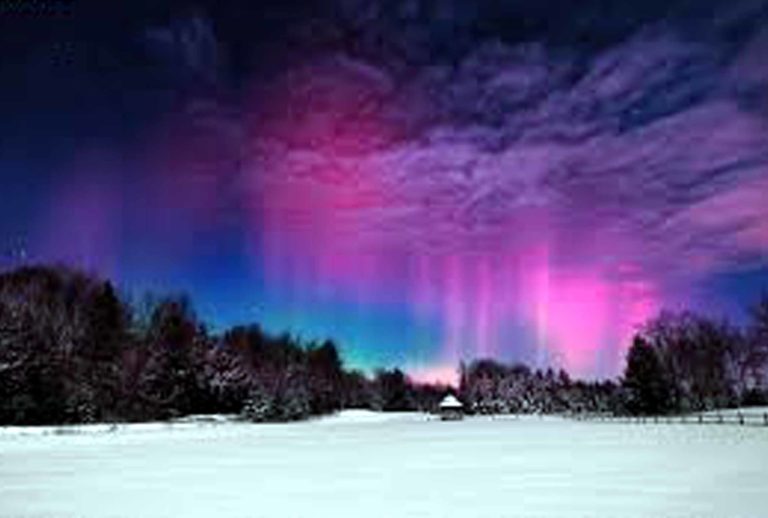
  • Aurora is spectacular display of colorful shimmering lights in the night sky. The aurora borealis (northern lights) and aurora Australia, or the southern light.


Source:

Natural Wonders of the World, DK/Smithsonian:Penguin Random House, New York, 2017

How to Create a Successful Market for Kosali Book

0

Today book business all over the world has declined due to many reasons. Only educational books like books related to different competitive exams etc are on sale.

Book reading is perceived as a source of entertainment and to acquire knowledge. Now smart phones and gazettes with internet have substituted the job.

When we discuss about Kosali book or magazine, there is a viable market but one need to explore the viability with an entrepreneur mind. In my close association with book and magazine productions over few years, I have experienced that the market is virgin and one need to toil hard to make it viable.

Today, all the book or magazines published in Kosali are almost self publication. There is hardly any publisher or marketing network for it. Though there are many names as publication house which are publishing and marketing the books but they charge the cost of the publication to the author. All publications are amateur and not professional. No book is published for sell rather authors commission somebody to coordinate the publication work for their book and they pay for it. Generally such publications are limited to mere 200-300 copies for distribution amongst the writer circle.

But there is a viable market for Kosali books and magazines. One has to believe it and work hard on it. Let me help giving few suggestions to create a niche market for your publication. Publishing stage is a romantic stage but marketing the book or magazine is the real testing stage of your entrepreneur skill where you need to do hard work. In metro cities, kids and disable people are found selling books and magazine at the red lights. When a vehicle stops they push the magazine or book to them. Another best marketing is of Bhagbat Gita. This book has been translated into almost all languages of the world and it has been reprinted many editions because of its never ending demand. Bhagbat Gita is sold by the Bhagbat lovers by travelling cities and villages door to door. The religious scripture is marketed by push.

Now come to Kosali magazines and books. Kosali magazine and book has a limited readers. Let us find out which are the viable places to sell it:

  • Book & magazine stall in Odisha
  • Inside the train and at the railway stations
  • At the bus stop
  • Push it at educational institutions
  • Socio-cultural group / organization residing outside the state and inside the state
  • Create an e-platform to book orders for different publications
  • It can be sell visiting door to door moving in a vehicle to village and towns

Hard work, hard work and hard work are the only mantra for success! Best of luck !

Kosali in Post Colonial Era

0

In the post independence era, the socio-political scenario of the country was changing rapidly. Printing presses were available in western Odisha. Writers were trying new theme. The naked reality of the society was flowing from their fountain pen. At that juncture “Paercha Sati” by Khageswar Seth appeared in 1949.

In 1950 Kurephul by Indramani Sahu was published. It is considered as the first Kosali poetry collection. Indramani Sahu is known as Kosal Balmiki as he is the author of Kosali Ramayan.

Sri Panchami by Satyanarayan Bohidar published in 1953. In 1959 Sashibhushan Mishra Sharma’s Rakh Ma Palsa Gucha appeared.

In 1974 Kosali magazine Jharan was released which was edited by Nrupati Dehury. In between 1961 to 1970, 10 poetry collections were published. From 1971 to 1980 18 collections, 1981-1990 40 collections and 1991 to 2000 66 Kosali poetry collections were published.

Modernity in Kosali poetry was introduced in around 1970. Prof Jayadev Dansana’s Ulysis Aur Salegram published in 1978 is considered as the first modern Kosali poetry collection.

Slowly Kosali language and its other aspects were discussed around this time. In 1987 an article of Pt. Prayagdutta Joshi titling “Swatantra Kosali Bhasa” published in Saptarshi created a huge uproar in literary and intellectual circle of western Odisha. Pt Joshi coined the name Kosali for the language of western Odisha. And it was opposed by Sambalpur based writer Dr Nilamadhab Panigrahi. The battle of Sambalpuri vs Kosali began.  Dr Dolagobind Bishi wrote “Kosali Bhasa Sundari”(1984) and supported the name Kosali. He further edited a quarterly Kosali magazine “Kosal Sree” from 1988.  Kosali Bhasa Sahitya Parishad the organization of Pt Joshi started publishing “Kosal Bharati”. But Dr Nilamadhab Panigrahi of Gulunda who is also famous for his epic “Mahabharat Katha” published Nishan magazine and its 4th issue was titled as “Paschim Odishar Bhasar Na Sambalpuri” and wrote an article “Samaleswari Banam Kosaleswari”. Finally to diffuse the conflict a meeting was held in Sambalpur on January 2nd and 3rd in 1993.

Around 1991 Haldhar Nag was introduced into Kosali literature. Hailing from a humble background and having schooling up to 3rd standard the gifted Kosali poet is dictating Kosali literature almost for 2 decades now.

Today Kosali language is enriched with many great literatures like Ramayan, Mahabharata, Srimad Bhagabat Gita, Meghduta etc. About 5 thousands authors are regularly writing in different genre like Architecture, Astrology, Mantra-Tantra-Yantra science, Medicine, Yoga, Music, Arts, Dance, Drama, Yoga, Philosophy, and Grammar. Every day, regional radio stations and private television channels are broadcasting different Kosali programmees. From 2012 the Registrar of Newspapers for India also included Kosali in its language list (earlier it was Ori-Koshli). Around 80 unregistered and 6 registered magazines and periodicals have been published in last 3 decades in Kosali. Sambalpur University is providing a PG Diploma Course in Sambalpuri and Haldhar Avasik Vanabidyalaya, Kudopali has included 2 Kosali primers since 2012, authored by Saket Sreebhushan Sahu, in its curriculum.


Saket Sreebhushan Sahu comments on politics and culture

Mission 120 Falling Down From Bijepur

0

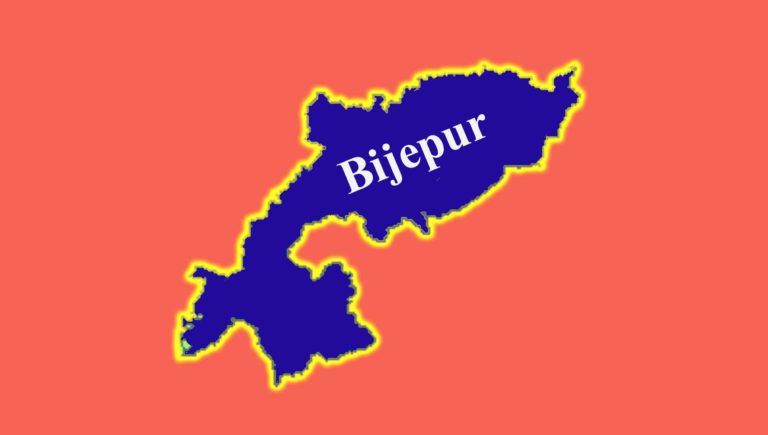
The by-poll bound Bijepur constituency is getting warm day-by-day.  BJD has already declared its candidate as Ritarani Sahu and BJP is projecting discarded former MLA from BJD Ashok Panigrahi. Folks are waiting for the press meet of PCC. Most probably PCC will declare the name of its candidate on 26th after collecting report from the ground on 25th.

Though names have not been declared from BJP and Congress but campaigning from all party have started for the by-poll. The situation so far is positive for BJD and Congress but BJP camp is down with conflicts.  Strong protest was staged on the joining of Panigrahi in BJP by party’s senior members.

There is discontent amongst the workers in the constituency in BJP after the joining of former discarded MLA from BJD, Ashok Panigrahi. The workers have now distracted and opting for other options as they have not accepted someone like Panigrahi as their candidate and BJP has loosed almost 35000 to 40000 votes till now. As per the sources when Panigrahi was the standing MLA from BJD in 2000-2004, he had exhibited colonial behaviours with the local people. And many say he loosed the next election due to his bad behaviours though he was the candidate of BJP-BJD alliance in 2004.

Another upsurge which is going against Panigrahi and BJP is the upsurge of Kuilta caste. Kuilta caste holds the majority with a 52% population while ST and SC are 35%, General 5% and Other OBC 8%. Now BJP is in back foot, the Hindutwa agenda of the saffron party is non functional here. No influential Kuilta leader is with BJP.

Further, sources say, a group of high level delegation met and approached the influential BJD leader of Kuilta caste of Bijepur to join BJP but he denied instantly. He said, “When we were in BJP in 2004 and Panigrahi was in BJD, the former MLA used to see us in an inferior eye and literarily spit on us. So, it is not possible to support such a person on any ground.”

The media hype projecting Ashok Panigrahi as the hero with a pocket vote of 18000 now costing badly to BJP. Discussions are also on about the candidature of Ashok that he has been finalized from Delhi with a lobby by BJD MP Baijayanta Panda who is likely to join BJP.  Baijayanta is eyeing for Bargarh parliament seat. Sources added, Baijayanta is going to join with few MLAs and MPs and he may fund the party in next general election that’s why BJP’s higher level authority is silent on Ashok and trying to douse the anguish of the grass root workers.

Saket Sreebhushan Sahu comments on politics and culture.

Kosali in Pre-Independence Era

0

Printing press came to Odisha in 1838 and publications of magazine and periodicals started in 1861. In 1891 a Kosali poem by poet Madhusudan appeared in Sambalpur Hiteishani edited by Pt Nilamani Bidyaratna and patronized Bamanda King Sir Basudev Sudhal Dev. This poem is considered as the first published Kosali poem.  Like Madhusudan many authors have been found writing Kosali in the pre-independence era. Some significant names are; Jatan, Chaitan Das, Balaji Meher, Lakhman Pati, Ganga Prasad Panda, Moulana Mustakim Khan, Kapil Mahapatra, Parikshit Khandual, Dhaneswar Mahapatra, Mayadhar Seth, Sridhar Udgata, Bidhubhushan Guru, Indramani Sahu, Chintamani Sahu, Danei, Baidyanath, Nakphudi Panda, Satyanarayan Bohidar etc.

In the pre independence era, so many Odia Magazines like Jijnansu, Paarijaat, Patna Deepika, Sankha etc have published Kosali writings.

The early writings like ‘Bhulamana Chautisha by Jatan’, ‘Gundia Pasra’ by Balaji Meher, ‘Bhulia Pasra’, ‘Kanra Pasra’, ‘Teli Pasra’, ‘Munus Baran’, ‘Maheji Baran’ by Lakhman Pati and ‘Turi Pasra’ by ‘Moulana Mustakim Khan’ were written to sing and perform in Samparda. All these poems start with “sun sun re paaliaa bhaai”.

Jatan with his partner Ratan used to travel in Patna-Borasambar region and perform Kirtan while Balaji Meher, Lakhmana Pati and Moulana Mustakim Khan were cotemporary of noted Odia poet Gangadhar Meher. It may be noted that Gundia Pasra was recited by Balaji Meher in 1912 at Fraser Club Sambalpur to welcome Prince George Sixth while he was visiting Sambalpur.

Ganlia Ramayan written in between 1920 to 1930 by Kapil Mahapatra is considered as the first published Kosali book. Sri Mahapatra was the court poet of Sarangarh.

In 1942 Kosal Sahitya Sammilani was organized at Balangir and in the written poetry competition Parikshit Khandual won the Gold for the poem ‘Mor Ghar’.

Some more poems like Bhim Charit by Chaitanya Purohit, Bastar Haran by Dhaneswar Mahapatra, Bhakua by Mayadhar Seth, Chere Biha by Parshuram Jhara, Chadhei Chautisha by Chaitan Dash etc were written in pre independence era.

Saket Sreebhushan Sahu comments on Politics and Culture

US Visa for Study and Work_Dr Saheb Sahu

0

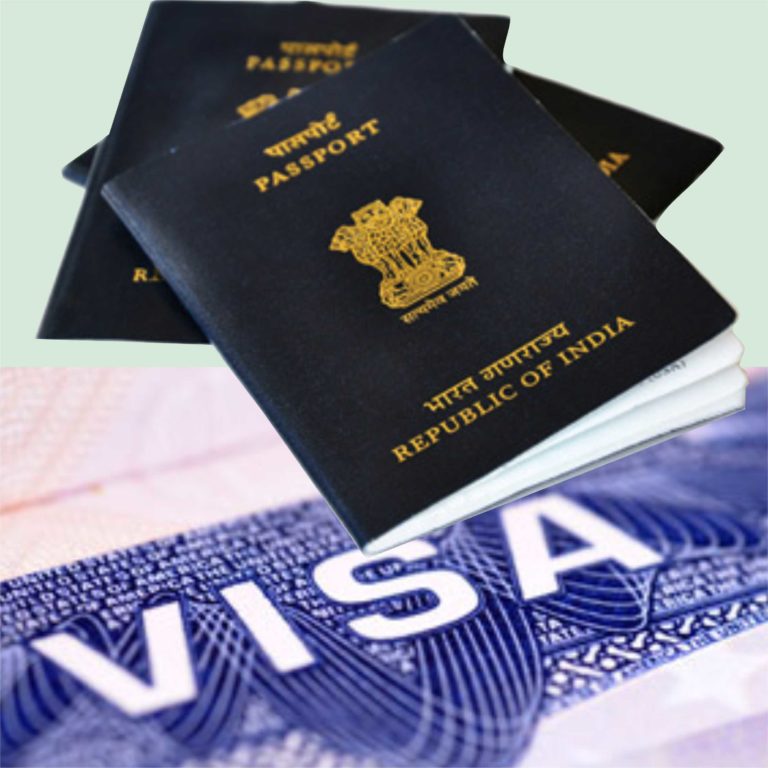
Passport

A passport is a travel document usually issued by a country’s government that certifies the identity and nationality of its holder, primarily for international travel.

Visa

A visa is conditional authorization granted by a country to a foreigner, allowing him/her to enter, remain within, or to leave that country. A visa most commonly takes the form of a sticker endorsed in the applicant passport or other travel document.

All visitors to the United States must obtain a visa from one of the United States diplomatic missions (embassy or consulate) unless they come from one of the visa exempt countries or one of the Visa Waiver Countries. India is not either of these countries; hence all Indians citizens will need a visa to enter the United States.

There are two main types of visas- immigrant and non-immigrant. The immigrant visa is also called a permanent visa. An immigrant visa holder (green card holder) can apply for US citizenship after certain years of waiting, usually five years. A non-immigrant visa holder cannot apply for citizenship without first changing his status to an immigrant visa.

Immigrant Visa

Immigrating to the United States is a complex process. To be eligible to apply for an immigrant visa, a foreign (alien) citizen must be sponsored by a U.S. citizen relative or a permanent resident relative (green card holder), or a prospective U.S .employer. A U.S. citizen can file an immigrant visa petition for- spouse, son or daughter under 21, parent and brother and sister. A green card holder can file an immigrant visa petition for- spouse and unmarried son or daughter.

Non-immigrant Visas (Temporary Visa)

There are several different categories of non-immigrant visas. I will discuss the ones most commonly obtained by people coming to the United States.

B-1and B-2

The most common non-immigrant visa is the multipurpose B-1/ B-2 Visa, also known as the visa for temporary visitors for business or pleasure. B visas are issued based on applicant interviews with a U.S. consulate official. Certain demographics, such as young adults, those who are single and /or unemployed, almost never receive visas.  In 2016, only 26% of Indians who applied for B visa , received one.

F-Visa

These visas are used by foreign students enrolled at accredited U.S. colleges and universities. F-1 visa holders have limited work opportunity with in the college or university. I have discussed these visas in an earlier article published in http://odishawatch.in/

H Visa

H visas are issued to temporary workers in the United States. The H-1B visa category allows US organization with a Federal Identification No/IRS Tax number to employ foreign professional to work in US for up to six years. Dependents of the H1B visa holders can stay with him/her as long as the H1B visa status is maintained. They can also attend school.

H1B

The H1B visa is for professional- level jobs that require a minimum of bachelor’s degree in a specific academic field. Most Indians IT professionals enter US under H1B visa. Foreign medical doctors who have completed the FLEX can also get H1B visa. H1B visa holder can apply for permanent status or green card. After being a green card holder for five years one can apply for US citizenship. Spouse and children of H1B visa holder can also get temporary visa to enter USA. Candidates who are eligible for H1B visa are:

  • Scientist
  • Engineers
  • IT professionals
  • Research analysts
  • Accountants and architects
  • Professional nurses
  • Ministers (priests)

The current US law limits H1B visa to 65,000 per year from all the countries of the world. Additional 20,000 per year H1B visas are available to foreign nationals with master or higher degrees from an US university.

J-1 Visa (Exchange Visitor)

J-1 Visa is issued to participants of work-and study- based excahnge programs. Spouse and children of J-1 visitors are issued J-2 Visa. Exchange visitor visa candidates are:

  • College and university students
  • Interns
  • Physicians coming to US for further training.
  • Professors and research scholars
  • Specialists in some fields
  • Teachers

Grounds for Denial of Visa

Grounds for denial of visa may include, but not limited to:

  • Health ground
  • Criminal history
  • Security fears
  • Failure to produce required documents
  • Previously removed from US
  • Illegal entrants or immigration violation
  • Ineligible for citizenship

Contrary to popular misconception, a US visa does not authorize the alien’s (foreigner) entry to the United States. A US visa only serves as a preliminary permission given to a foreigner to travel to the United States. The final admission is given at the designated port of entry, by a U.S. Custom and Border Protection (CBP) officer.


Conclusion

Coming to the USA legally is not easy. If you can get a job with Tata Consulting, Infosys, Wipro or other IT companies in India and they send you to US that is the easiest way. When you are working for them on some project in US, you may   be able to find a job with a US company who may be willing to sponsor you for a permanent visa. There is along waiting period, several years, to change your temporary visa status to that of permanent status. Once you get a green card (immigrant visa) you can switch job, make more money, sponsor your family members and later on if you want, become a US citizen. The other way is for you to come to US for post graduate study (Master, PH.D). Once you complete your study, your job prospect in US is quite good. Most likely some company will hire you for your expertise and they will sponsor you for a green card.  You will also be eligible for the 20,000 H1B visas available evry year for foreigners with Master or higher degree from an US university.

The US embassy is located in New-Delhi. There are US Consulate offices in Kolkata, Mumbai, Chennai, Hyderabad and a virtual consulate at Bangalore. Visit their web sites for more information (in.usembassy.gov). The best source of reliable information is the Web site of the US State Department (travel.state.gov/content/visa).

I was born in village Mullbar in Bargarh district. I attended my village elementary school, Kamgaon Middle School, C.S.Zila School, G.M. College and A.I.I.M.S (NewDelhi). I came to US on a J-1 visa to further my medical training. I got a teaching job in a medical college, changed my visa status to permanent, became a US citizen and raised a family in USA. I did it in 1970, with eighty dollars (50 rupees at that time), no connection and no internet. I have written this article with the hope that some of you will come to US for higher study and hopefully you will be able to stay. Even if you cannot stay, you will get a great education and get a good job when you return home.

Study hard. Do well in college. Dream big dreams. Once in awhile dream comes true. Good Luck and Best wishes!

Education in the United States_Dr Saheb Sahu

0

Brief History

Government supported and free public schools for all began to be established in America after the American revolution of 1776.  Between 1852 and 1917 many states in USA passed laws to make schooling compulsory for all children.  By 1970, 72 percent of all children attended school. Between 1910 and 1940 high school movement resulted in increasing public high school enrollment and graduation. By 1930, 100 percent of children attended school (excluding the disable children). In 1946 National School Lunch Act,( which is still in operation) provided low cost lunch to low-income students. In 1975, the Education for All Handicapped Children Act provided funding for special education for all handicapped children.

Educational Stages

Formal education in the US is divided into a number of distinct educational stages. Most children enter the public school system around age five or six. Children are assigned into year groups known as grades (class in India).

General level                                   Level                                     Starting age

Preschool                             Pre-kindergarten                                3-5

Elementary school             Kindergarten to 5th grade                 5-11

Junior High School              6th, 7th, 8th grade                           10-14

(Middle School)

High School                     9th, 10th, 11th, 12th                               14-18

Junior College or

Community College      2-year Associate degree                      Any Age

College/University      Bachelor, Master, Ph.D.                        18- 22 and older

Education up to high school is free for all students if they attend public schools. Public schools are funded by property tax (house tax), grants from the state and very little federal grant. As a result, schools in the richer neighborhood are usually better than schools in the poorer neighborhood. Public schools up to high school are managed by the local school boards elected by the people. If parents choose a private school for their children they have to pay for it.

Higher Education

Higher education in the United States is optional. Students can attend one of the 4,495 colleges or universities and junior colleges in the country. Like high school, the four undergraduate years are commonly called as freshman (1st year), sophomore (2nd year), junior (3rd year) and senior (4th year). Upon completion, students get a bachelor degree –Bachelor of Arts (B.A), a Bachelor of Science (B.S), a Bachelor of Fine Arts (B.F.A), Bachelor of Social Work (B.S.W) or Bachelor of Engineering (B.Eng.).  Professional degrees such as law, medicine, dentistry, pharmacy, veterinary medicine are offered as graduate study after earning a bachelor’s degree depending upon the programme.

Graduate Study

After getting a bachelor degree, a student can obtain a master’s degree in many fields like-Master of Arts(M.A), Master of Science(MS), Master of Business Administration(MBA) or Master of Education(M.Ed) or Master of Fine Arts(MFA).

After additional years of study and sometimes in conjunction with the completion of a master degree, students may earn a Doctor of Philosophy (Ph.D.).

Entrance into graduate programs usually depends upon a student’s undergraduate academic performance -GPA (Grade Point Average), professional work experience as well as their score on a standardized entrance exam like- the Graduate Record Examination (GRE), the Medical College admission Test (MCAT), or the Law School Admission Test (LSAT).

Cost  

In general, private colleges and universities charge higher tuition than state universities. As each state supports its own university system with state taxes, they charge higher fees for the out of state and foreign students. The tuition for the private university like Harvard, Yale, and Stanford can be much higher than a good state university like University of Michigan or California. The best way to find the total cost (tuition, room and board and other expenses) is to visit the web site of the particular college or university. For example, for Harvard University, the undergraduate tuition for 2017 was $45000.0+ $15000.0 for room and board+ $3000.0 for other expenses, a total of $63000.0 a year.  Based on the current conversion rate for 1 dollar to 65 rupees it comes to 40 lakhs and ninty five thoudands rupees. The total cost for attending a state or public university for foreign student may be little less but not much less. For example -the total cost to attend University of Texas at Austin (tuition $36000.0+ room and board $12,000.0 + other expenses$4000.0) is $52000.0 or close to 34 lakh rupees a year.

Education up to high-school level is free to all students. However the cost of higher education is quite high for all students in America. Many poor students can get federal and state grants and scholarship. Limited numbers of merit scholarships are available to all students. However most students work part time or take low interest student loans to finance their higher education. Foreign students are not eligible for student loan. Many of them do get scholarship from the college or university if they have good academic records. But it is not easy to get these scholarships.

Unless your parents are quite rich, you should not come to USA for undergraduate study. Post graduate study like MA, MS and Ph.D is a different matter. If you can get admission and have some financial resources, do attend a US university. In the long run you will do much better in your career. A post graduate or a doctoral degree from an US university will increase your chance of getting a work visa. With a work visa you will be able to earn more and stay in US.

Eligibility for Admission for a Graduate Programme in US

Each university has its own admission criteria for foreign students. You should visit their websites for details. Here are the minimum requirements (just for example) for admission for the Graduate School, to the University of Texas, at Austin (graduateschool.utexas.edu/admission).

1-You must have a bachelor degree from US or a comparable degree from a foreign institution.

2- GPA-3.0

A grade-point average of at least 3.0(on scale of 4.0).

3 – Officila Test Scores(GRE,GMAT, TOFEL,IELTS)

Check with the programme to which you are applying to see which test you should take. Foreign students must take either TOFEL or the Academic Examination of the International English Language Testing System (IELTS).

4 – Adequate preparation

Your academic records must reflect your adequate preparation for your proposed graduation major.

The Status Ladder

American college and university, faculty, students and applicants monitor ranking produced by magazine such as U.S. News and World Report, The Princeton Review, Washington Monthly and The Wall Street Journal and few more. These ranking is based on factors like brand recognition, selectivity in admissions, faculty research, student grants and graduation rate etc. In the Times Higher Education World University Ranking, 27 of the top 50 Universities in the world are in USA.

Ranking of the US Universities

The top 10-overall (The Wall Street Journal Sept, 27, 2017)

1-Harvard University

2-Columbia University

3-Massachusetts Institute of Technology (MIT)

4-Stanford University

5-Duke University

6-Yale University

7-California Institute of Technology (CALTEC)

8-University of Pennsylvania

9-Princeton University

10-Cornell University

The top -10 Engineering Colleges (US News and World report 2018 education edition)

1-MIT

2-Stanford

3-U.C. Berkeley

4- CALTEC

5-Carnegie -Mellon

6- University of Michigan, Ann Arbor

7- Georgia Institute of Technology

8-Purdue University

9-University of Illinois- Urbana

10-Texas A&M, College Park

Student Visas for USA

There are three different kinds of student visas for international students coming to US: F1 Visa, J1 Visa or M1 Visa. The F1 and J1 visas allow for the possibility of employment in the US during your stay, while the M1 visa does not. You need to be familiar with the types of visas, how they impact your financing while in the USA and how to go through the application and arrival process.

F-1 Visa (Academic Study)

The “F” visa is for academic studies. An F1 visa is issued to students who are attending an academic program or English Language Program. F1 students must maintain the minimum course load for full-time student status. F-1 status allows for part-time, on-campus employment, fewer than 20 hours per week. Additionally, students can work on optional practical training (OPT) for up to one year after completion of their academic program. Students are expected to complete their studies by the expiration date on the I-20 form(Certificate of Eligibility for Nonimmigrant Status).The I-20 form is issued by the admitting university or college.

J-1 Visa (Practical Training)

A J1 visa is issued to students who need practical training that is not available in their home country to complete their academic training. J-1 student status allows for similar employment as for F-1 visa with similar restriction, as long as permission is given by the exchange visitor program sponsor.

M-1 Visa (Non-academic/Vocational)

An M1 visa is issued to a student who is going to attend a non-academic or vocational training. M1 visa holders are not permitted to work during the course of their training. They must have the evidence that sufficient funds are available for tuition and living expenses for the entire period of intended stay. (www.internationalstudent.com/study_usa/preparation/student-visa/)

Conclusion

In the year 2015-2016, 167,000 Indian students were attending US colleges and universities. Out of 2.4 million Indians in US, approximately 1 million are scientists and engineers. My advices to prospective Indian students are as follows:

1-do well in your study as an under graduate

2-apply to an US university for Master or Ph.D program preferably Ph.D.  Most Ph.D students are from China and India. Your chance of getting financial aid will be more for Ph.D than for Master. If you cannot continue your Ph.D( it may take 3-5 years) you will still get a Master degree in 2 years as part of the Ph.D program.

First you have to make up your mind whether you want to do Ph.D or not.  Doing Ph.D is a long term commitment.  However with a Ph.D degree your chance of getting into research in US, both in universities and private industries or being a professor will be higher. With a job in hand your chance of obtaining a permanent US visa also will be much better.

* Dr. Sahu is a graduate of AIIMS (New Delhi) and has been settled in US since 1970.

Sources:

wikipedia.org/wiki/college-admission-in-the-united-states

usnews&worldreport 2018 edt -usnews.com/education

usnewsglobaleducation.com

BJP slip down its position in Bijepur

0

BJP National President Amit Shah to the grass root BJP workers all wants to see BJP wins the Bijepur bypoll. Many a time the senior leaders have quoted that BJP is a democratic party but there was hardly any democratic procedure was adopted to select the candidate for Bijepur bypoll. Party insiders are saying it looks like a deal.

The Karyakartas were upbeat and charged and gearing for the coming poll. But all of a sudden Karyakartas of Bijepur were unhappy and level of enthusiasm dipped. Name of a candidate unacceptable to the Karyakartas was projected via media. And a protest was demonstrated by many office bearers of District and State level.

Party insiders say, BJP is a cadre based party and layers of Committee and formalities and office bearer are there. But for the Bijepur bypoll some 4-5 influential people decided themselves and projected in the media in such a way that the highest decision makers of BJP bow down their head. Dharmendra Pradhan is dreaming of becoming the next CM of Odisha but perhaps he is unaware that people appointed by him are enjoying the benefits of his faith and taking decisions for their personal benefit. They are enjoying the power vested on them by the party. And the unhappy worker says they are betraying our faith. The worker added, these grey shade leaders have nothing to do with party’s wining or loosing, they are businessman. The party lost the battle before fighting it.

Now the Karyakartas are raising many questions like, why the proper procedure was not followed by the party for selecting the candidate. Why a BJD discarded has been projected in the media as the BJP candidate though many eligible people are there in the party for the job. Whereas the discarded former MLA lost the election as he was incompetent and due to his unsocial behavior with people. Workers are also stating in complaining tone that we love Prime Minister Narendra Modi and his governance; we want Dharmendra Pradhan for Odisha but BJP cannot materialize the dream with such biased decisions which are working against the party. Zeal and enthusiasm of workers has dip down and BJP has slip to third position compared to charged and upbeat BJD and Congress.


Saket Sreebhushan Sahu comments on politics and culture