Monday, April 27, 2026
Home Blog Page 13

School Days: Sivadasan Thirumangalath, the House Master_Saket Sahu

0

Shri Sivadasan Thirumangalath, our Mathematics teacher was the house master of Mahanadi House. When he used to visit the house in the evening for the routine check-up, first he would queried about Arabinda Mishra and Bikash Pandey ( it was like this: where is Arabinda Mishra and Bikash Pandey ? It was so typical that some time Bikash himself was mimicking in the evening and used to make us frightened.

In his visit he used to ask about our problems. There were some mischievous boys. They were not harmful but for the sake of fun they planned certain things. Sivadasan Sir is basically a Keralites. He does not understand Kosali. He was interested to learn Kosali. And so he told to boys that you talk in your language with me.

So, few seniors, planned to replace English name of a things with vulgar words of Kosali. For example, Sir we need a BULB for this room. BULB would be substituted with a vulgar Kosali word ( I cannot write the exact word which was in use those day). You just imagine how funny that would have been while someone would be saying to his house master in a serious note, or just in a grievance tone surrounded by other juniors who were just mute spectators. Later on he learned about this joke played with him.

He was a very student friendly house master. Sometime he used to sit with us and he was exhibiting his knowledge of palmistry (donot know that was for fun or he was serious). I remember one day while he entered the room, my drawing copy was opened on the table. He started sketching some ladies figures with wax crayon.

As a teacher, he was the best. What you can say about someone who can spell log table just scraping his beard.

Lessons from the Bhagavad Gita_Dr Saheb Sahu

0

The Bhagavad Gita (The Song of God), often referred to as the Gita, is a Sanskrit scripture that is part of the Hindu epic Mahabharata. It presents a synthesis of Hindu ideas about dharma, theistic bhakti, and the yogic ideas of moksha. It is the best known and the most famous of the Hindu scriptures. Some scholars give it the status of an Upanishad. No one knows when it was composed and by whom, even though sage Vyasa is given the credit. Some scholars date it as early as the fifth century B.C.E., others as late as the first century C.E. But there is general scholarly consensus that in its original form it was an independent poem, which was later inserted into its present context, Book Six of the Mahabharata.

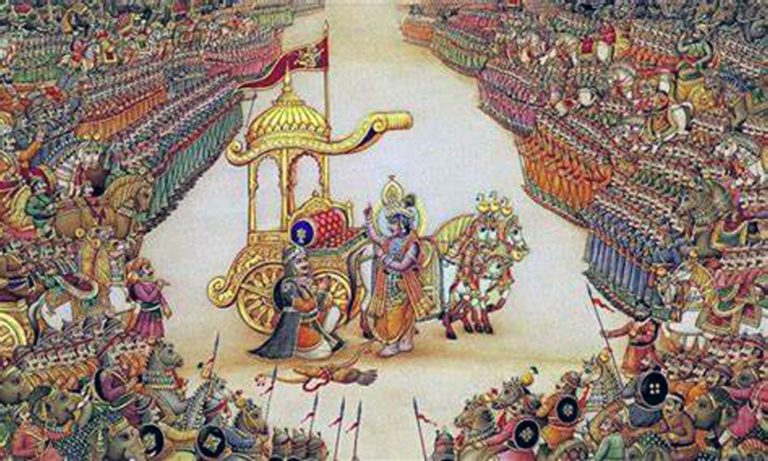
The Gita takes place on the battle field of Kurukshetra (near Delhi), at the beginning of the war between the Pandavas and Kauravas cousins. Pandava brother Arjuna has his charioteer, Krishna (who turns out to be God incarnate) drive him into the open space between the two armies, where he surveys the combatants. Overwhelmed with dread and pity at the imminent death of so many brave warriors- brothers, cousins, and kinsmen- Arjuna drops his weapons and refuses to fight. This is the cue for Krishna to begin his teaching about life and deathlessness, duty, non-attachment, the self, love, spiritual practice and the inconceivable depth of reality (Mitchell).

The Gita has total of 700 verses in 18 chapters.

Chapter-1
Lesson No-1: Question the authority if the advice is contrary to your conscience

Krishna (divine incarnate in the form of a human being) insists that Arjuna’s duty is to fight, irrespective of his evaluation of the consequences. Arjuna questions Krishna whether it is right to be concerned only with one’s duty and be indifferent to the consequences of one’s action- in Arjuna’s case the slaughter of his friends and cousins.
Arjuna – “As I see my kinsmen gathered here, eager to fight, my legs weaken, my mouth dries, my body trembles, my hair stands on end, my skin burns, the bow Gandiva drops from my hand, and I am beside myself, my mind reels. I see evil omens, Krishna; no good come from killing my own kinsmen in battle. I have no desire for victory.
Though they want to kill me, I have no desire to kill them… What joy would we have killing Dhritarastra’s (father of the Kaurvas) men?
Having spoken thus to Krishna, Arjuna said: “I will not fight”, and fell silent”.

Chapter-2
Lesson No -2: Wise men do not grieve for the dead or for the living

“The Blessed Lord said:
Although you men well, Arjuna,
your sorrow is sheer delusion.
Wise men do not grieve
for the dead or for the living.
. . . Death is certain for the born;
for the dead, rebirth is certain,
Since both cannot be avoided,
You have no reason for your sorrow.”

Chapter-3
Lesson No-3: Do your duty- the yoga of action

“The Blessed Lord said:
In this world there are two main paths:
The yoga of understanding,
for contemplative men; and for men
who are active, the yoga of action.
…The superior man is he
whose mind can control his senses,
with no attachment to results,
he engages in the yoga of action”.
Lesson No-4: Questionable advice?
Krishna-
‘‘It is better do your own duty
badly, than to perfectly do
another’s; you are safe from harm
when you do what you should be doing”.

In my humble opinion, this is one of the worst lessons of the Gita. India had a caste system long before the Gita was composed. But Gita gave a justification for the so called upper- castes Indians to discriminate against the lower castes people in all spheres of their lives. Lower caste people were not even allowed to read the scriptures, be a priest or enter the places of worships. The persistence of the caste system even in the 21st century is a disgrace to all sensible Indians. For that the teachings of Gita is partly responsible.

Lesson No- 5: Wisdom is better than ritual

“Better than any ritual
is the worship achieved through wisdom,
wisdom is the final goal
of every action, Arjuna.
Find a wise teacher, honor him,
ask him your questions, serve him;
someone who has seen the truth
will guide you on the path to wisdom.”

Chapter-5
Lesson No -6- Treat everybody as equal

“Wise men regard all beings
as equal: a learned priest,
a cow, an elephant, a rat,
or a filthy, rat –eating outcaste”.

Chapter-6
Lesson-7-Perform your duty with no concern for result

“The Blessed Lord said:
he who performs his duty
with no concern for results
is the true man of yoga-not
he who refrains from action.”

In my opinion this is a questionable advice. It is very hard to work on something and not care for the outcome of the work. If everybody has the attitude that result does not matter than there will be no progress in the society. If you are a student and going to school every day and you are satisfied with passing in third division, you are not going to succeed in life. If you want to succeed in life, you have to aspire for higher goals and work hard to succeed.

Lesson No- 8: Moderation in everything

“For the man who is moderate in food
and pleasure, moderate in action,
moderate in sleep and waking,
yoga destroys all sorrow.”
In the sixth century BC.E. , Buddha taught similar doctrine.

Chapter-9
Lesson No -9: All Gods are one. God loves everybody equally

“Arjuna, all those who worship
other gods, with deep faith,
are really worshipping me,
even if they don’t know it.
. . . Any offering- a leaf,
a flower or fruit, a cup
of water- I will accept it
if given with loving heart.
. . . I am the same to all beings;
I favor none and reject none.”

Chapter-11
Lesson-10- Benevolence to all beings will lead to salvation or moksha

“He who acts for my sake,
loving me, free of attachment,
with benevolence toward all beings,
will come to me in the end.”

Chapter-12
Lesson No -11- Treat all beings with kindness and compassion

“He who has let goes of hatred,
who treats all beings with kindness
and compassion, who is always serene,
unmoved by pain and pleasure,
free of “I” and “mine”,
self- controlled,firm and patient,
his whole mind focused on me-
that manis the one I love the best.”

Chapter-16
Lesson No-12: Divine traits and demonic traits

“The Blessed Lord said:
fearless, purity of heart,
persistence in the yoga of knowledge,
generosity, self-control,
nonviolence,gentleness,candor,
integrity,disengagement,
joy in the study of scriptures,
compassion for all beings,modesty,
patience, a tranquil mind,
dignity, kindness, courage,
a benevolent, loving heart-
these are the qualities of men
born with divine traits, Arjuna.

Hypocrisy, insolence, anger,
cruelty, ignorance, conceit-
these, Arjuna, are the qualities
of men with demonic traits.

The divine traits lead to freedom;
the demonic, to suffering and bondage.”

Chapter- 17
Lesson No -13: Different kinds of charity

Charity given to the worthy,
without any expectations,
for the sake of the act itself-
this kind of charity is sattvic.

Rajasic charity is given
halfheartedly, with the thought
of securing some favor in return
or to gain some spiritual merit.

Charity is called tamasic
when given to the underserving,
at the wrong time and wrong place,
grudgingly, without respect.”

Conclusion

The Gita is not an integral part of the Mahabharata. It is essentially an Upanishad. The Upanishads (800-500 BCE) are commonly referred to as Vedanta, later parts of the Vedas.The Gita is concerned with the struggle for self-mastery. Arjuna represents everyman. It places human destiny entirely in human hands. It is one of the best philosophical scriptures in the world. Every student should be familiar with its teachings.
P.S – All the quotes are from Stephen Mitchell.

Sources:
1- Stephen Mitchell (translator). Bhagavad Gita, Anew Translation: New York: Three River Press, 2000.


School Days: Taking Alcohol _Saket Sahu

[Statuary Warning: Taking Alcohol is Injurious to Health]

Bipada was the vegetable supplier of JNV Goshala those days. I donot know the real name but as everyone were calling him as Bipada so I’m mentioning here as Bipada only. He used to address me as “makara” and so I too used to reply him as “makara”. So we were “makara”.

After the school periods, in the evening, usually we used to roam around the Goshala chowk. One day I was roaming with Triding Dungdung and we met Bipada there. He started pleading us to visit him. His house was just situated near the canal. My makara (Bipada) had a reputation of having fully loaded with bottles of “Blue Levels” in his underwear (knicker type) pockets 24 X7.

As we entered his house, he ordered his wife for couple of glasses and water to dilute. His wife came with one stainless steel tea cup and a glass of water. Triding was getting happier ( I think he used to visit makara very often) and both were insisting me and they were citing all kind of good words in favour of drinking alcohols. Finally I agreed for a tea cup sized peg with heavy dilution of water. Triding took it in glass and makara used the bottle.
We returned to the hostel. I was not in control. I was feeling like as if my head was spinning. I saw David Pradhan (just junior) in front of me inside the hostel. He was staring at me. I too kept watching for a while and slapped him strongly on his cheeks. He was startled.

Thereafter I have never touched alcohol in my life.

Bahi Dunguchan_Gulzar/Saket

0

Gute Junha Ritu Firla_Gulzar/ Saket

0

Kourab Kie Kie Pandab_Atal Bihari Vajpayee /Saket Sahu

0

Jebhe Kebhe_Gulzar/Saket

0

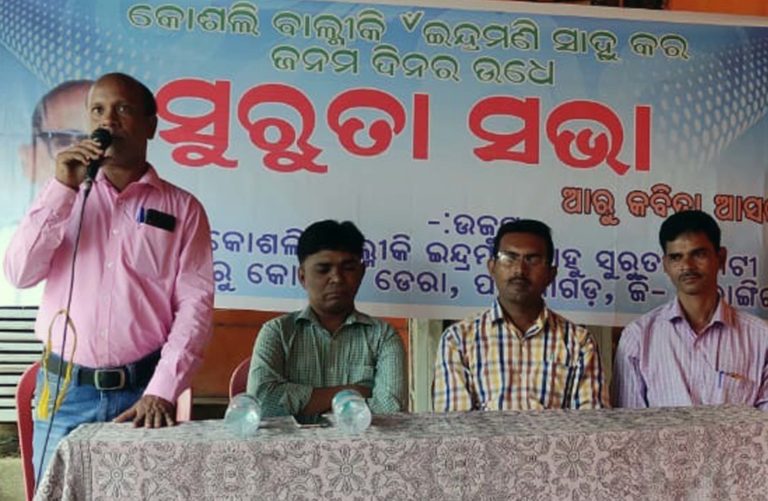
କୋସଲି ବାଲ୍ମିକି ଇନ୍ଦ୍ରମଣି ସାହୁ ଜୟନ୍ତି

କୋସଲି ବାଲ୍ମିକି ଇନ୍ଦ୍ରମଣି ସାହୁ ସୁରତା କମିଟି ଆର କୋସଲି ଡେରା ପାଟନାଗଡ ତରଫ ନୁ ବଲାଂଗିର ଜିଲ୍ଲା ଘସିଏନ ଠାନେ କୋସଲିି ବାଲ୍ମିକି ଇନ୍ଦ୍ରମଣି ସାହୁଂକର ଜୟନ୍ତି ଉଜୁକ ହେଇଜେଇଛେ । ଉଛବ କେ ମୁଖିଆ କୁନୁଆଁ ହିସାବେ ସାକେତ ସାହୁ ଜୋଗ ଦେଇ କହେଲେ, “ଆମର ପୁରଖାପାତି ଜେନ ପରଂପରା ଆମକେ ଦେଇକରି ଜେଇଛନ ସେତାକେ ବଁଚେଇକରି ରଖବାର ଟା ଆମର ଦାଇତ୍ୱ ଏ ।” ଦେସ ସ୍ୱାଧିନ ହେବାର ଆଘୋନୁ ଜେତେବେଲେ କିହେ କଲ୍ପନା ନି କରିଥାଇ କୋସଲି ଭାସା ର ସ୍ୱିକୃତି ଲାଗି ଦିନେ ଲଢେଇ ହେବା ବଲି ସେ ସମିଆଁ କେ ରାମାୟଣ ବାଗିର ମହାନ ଗ୍ରନ୍ଥ ଲେଖିକରି କୋସଲି ସାହିତ୍ୟ ର ନିହି ପାଟିଥିଲେ । ଇନ୍ଦ୍ରମଣି ସାହୁ ଖାଲି ଲେଖନି ଥି ଆନ୍ଦୋଲନ ନି କରି ସେ ନିଜର ସରକାରି ଚାକରି ଛାଡି ଦେସର ସ୍ୱାଧିନତା ସଂଗ୍ରାମ ଥି ଝାସ ଦେଇଥିଲେ । ଗାଁ ଗାଁ ବୁଲି ଅନିଏ ଅତ୍ୟାଚାର ବିରୋଧରେ ଗାଂଧି ପାଲା କରୁଥିଲେ ବଲି କୁନୁଆଁ ମାନେ କହିଥିଲେ । ସଭା କେ କୋସଲି ଡେରା ର ସଭାପତି ଲାଲଚନ ବଗର୍ତି ସଭାପତି ହେଇଥିଲା ବେଲକେ ସନ୍ତୋଷ କୁମାର ଦାଶ ମୁଖିଆ କହନକାର ହିସାବେ ମଚାନେ ବସିଥିଲେ । କବି ଭକ୍ତବନ୍ଧୁ ବିଶ୍ୱାଲ ମଚାନ ଚଲେଇଥିଲା ବେଲକେ କ୍ଷୀରୋଦ୍ର କୁମାର ସାହୁ ଧନ୍ୟବାଦ ଦେଇଥିଲେ । ସଭା ର ଦୁସରା ଅଧିବେସନ ଥି କବି ଶାନ୍ତନୁ ବୁଧିଆକର ସଂଜୋଜନାରେ କୋସଲି କବିତା ପାଠ ହେଇଥିଲା ।

Let the Children Play: Dr Saheb Sahu

0

‘The importance of playful learning for children cannot be overemphasized.”
The American Academy of Pediatrics, 2018.

I have been a children doctor and medical educator in the United States of America since the early 1970s. I have kept up with the children health and development literature. A few days ago I read a book titled “Let the Children Play” (Oxford University Press, 2019) by two education experts from Harvard University, professors Sahlberg and Doyle. The book is superbly documented. Out of total of 445 pages 75 pages are the appendix. The book has been written for parents, educators and policy makers. I was very impressed by the ideas expressed in the book. The present article is my brief take-away lessons from the book.
“Extensive scientific evidence demonstrates that regular physical activity promotes growth and development in youth and has multiple benefits for physical, mental, and cognitive health. Physical activity is related to lower body fat, greater muscular strength, stronger bones, and improvements in mental health by reducing and preventing conditions such as anxiety and depression and enhancing self-esteem.”
– National Academy of Medicine( USA), 2013
“Children who are more active show greater attention, have faster cognitive processing speed, and perform better on standardized academic tests than children who are less active”
– National Academy of Medicine(USA),2013
Play is the ultimate 21st century skills booster
What does your child need to succeed in life?
No one knows for sure.
There is no question that children need to learn the basics of subjects like math, language, science, and the arts. According the World Economic Forum(2016), the top 10 skills they need to learn are: complex problem solving, critical thinking, creativity, people management, coordinating with others, emotional intelligence, judgment and decision making, service orientation, negotiation, and cognitive flexibility.
The idea that play is essential in school can seem like a startling counterintuitive concept. But it is essential. We all want our children to be smart and successful. It is reasonable to think that you can set children up to succeed by minimizing play and working them real hard. But lots of studies show that free play conducted largely by the children themselves-must be an important part of learning.
Doctor’s orders: The children must play
The American Academy of Pediatrics (AAP) is the leading professional organization of children doctors in the Unites States. It is the group that establishes pediatric policy on wide range of critical children’s health issues like, immunizations, screen time, car safety, and breast feeding.
In a series of land mark research based clinical reports issued from 2007 to 2018, the AAP strongly recommends that in order to learn, children must have plenty of play- in school, at home and in the community.
This is what America’s pediatricians say about learning and play.
1. Play is integral to a child’s education. The importance of playtime cannot be overephasized to parents, schools, and community organizations.
2. The benefits of play are extensive and well documented and include improvements in executive functioning, language, early math skills, social development, peer relations, physical development and health, and self-esteem.
3.The most effective ways for parents to prepare children for a happy, successful adulthood are not shuttling them between numerous activities or scheduling multiple extracurricular or academic commitments but showing unconditional love; spending pleasurable time together; playing with children; listening, talking, and reading to children even at very early ages; and guiding them through effective and developmentally appropriate discipline.
4. The most effective way of developing children’s academic preparedness may be low-cost time spent reading with parents.
5. Free play is essential part of childhood. Much play should be child driven instead of adult directed, and active play rather than passive entertainment like TV and computer games.
6. Unstructured play outdoor in nature- among dirt, trees, grass, rocks, flowers, and insects – offers children creative inspiration and physical and emotional benefits.
7. Recess is necessary break in the day for optimizing a child’s social, emotional, physical, and cognitive development. Recess should never be withheld as a punishment.
8. All children should get at least 60 minutes per day of recess time, outdoor when possible, and at least 30 minutes of physical education per day in elementary school and 45 minutes per day in middle and high school.
9. Schools should be safe and enjoyable for children. All children including lower-income children should receive a healthy meal, recess, physical education and the arts so that they can achieve their highest potential for cognitive, physical, and social development.
10. Parents should read to their children from very early age.
Conclusion
A strong scientific and medical consensus confirms that children at home, in school and in the community need to play. Free play and guided play, will help a child in learning and develop her/his social, emotional and cognitive development. Every school should be well funded by the government to provide healthy meals, manageable small class sizes, physical activity, a full curriculum including the arts, and regular assessments by fully qualified professional teachers.
(Source: Pasi Sahlberg and William Doyle, Let Children Play. New York: Oxford University Press, 2019.)

ପଦମ କହଁଡ଼ୋର ସପନ : ଅନୁରାଧା ମିଶ୍ର

0

ପଦମ ର ଗଠନ

ଇଟା ଗୁଟେ ଏକଲିଆ କବିତା ନୁହେ, ଜେନ୍ଟା କି ଥରକେ ଗୁଟେ ମୁଡେ (mood) ଲେଖା ହେଇଥିବା । ଜେନଟାକେ ନିଜେ କବି ଭିଲ କବିତା ର ମୁହୁଡା ଥି ଲେଖିଛନ ଜେ ଇ କବିତା ଟା ଗୁଟେ କବିତା ଗୁଛା ଟେ ଆଏ । ଭିନ ଭିନ ସମିଆ ଥି ଭିନ ଭିନ ମୁଡେ ଲେଖା ଜେଇଛେ । ୨୦୦୩ ନୁ ଏବତକ କବି ଗୁରଦୁ ଟେ କବିତା ଲେଖିଥିଲେ ସେଥିର ଭିତରୁ କେତେଟା ଛପା ହେଇଥିଲା ଆର କେତେଟା ଅଛପା ହେଇଥିଲା । ତାର ସାଂଗେ କେତେ ବଛରୁ ଇନୁ ସେନୁ ପଡିଥିବାର ଛୋଟ ଛୋଟ ନୋଟମାନକୁ ମିସେଇ କରି ପଦମ ର ଜନମ ହେଲା । ପଦମ ର ତିଆର କରବାର ସମିଆଁ ଥି କବି ବନିହାନ ଥର ଇତାକେ ଭାଂଗିଛନ ଭି ଆର ନୁଆଁଟି ଜିନିସ ଜୁରିଛନ ଭି । ଇତାକେ ଭାଗ ଭାଗ କରି ଅଲଗା ପଢଲେ ବି ସବୁ ଖଁଡ ର ନିଜର ପେହଚାନ ଆର ଅର୍ଥ ଅଛେ । ହେଲେ ଲେଖକ ର ବାହାଦୁରି ଇଟା ଆଏ କି ଇ ସବୁ କେ ଜୁରି କରି ଗୁଟେ କରି ପାରିଛନ । ଏତକି ସବୁ ଅଲଗ ଅଲଗ ଭାବ କେ ଏତକି ପତଲା ସୁତା ଥି ଗଁଥିଛନ ଜେ ଫରକ ଟା ଜାନବାର ଟା ମୁସକିଲ ହେସି । ହେଲେ ଇ କବିତା କେ ବୁଝବାର କେ ହେଲେ ଏକଠାନିଆ ଥର କେ ଗୁଟାକରି ପଢବାର କେ ହେବା । ଇଟା କୋସଲି ସାହିତ୍ୟ ର ସବୁ ନୁ ଲମା କବିତା ଆଏ ଜେନୁ କି ଏତେ ସବଦ ବେଭାର ହେଇଛେ । ଇଟା ତାର ନିଜର ଭିତରେ ଗୁଟେ ବଢେ କଥା ଆଏ ।

ପଦମ ଗୁଟେ ବ୍ୟକ୍ତିଗତ କବିତା

କେନସି ବି କବିତା କେ କବି ର ଜିବନ ର କଥାନି କହେବାର ଟା କି ପୁରାପୁରି ବ୍ୟକ୍ତିଗତ କହେବାର ଟା ଠିକ ନି ହୁଏ । T.S. Eliot ତାକର Essay Traditiön And Individuality ରେ Theory of Impersonality କଥା କହିଛନ । ଇତାର ମାନେ ହେଲା ଗୁଟେ ସଫଲ କବି ସେ ଆଏ ଜେ ତାର ବ୍ୟକ୍ତିଗତ ଭାବନା କେ ଗୁଟେ ଜାଗତିକ ଭାବ universal appeal ଦେଇପାରସି । ଇ କବିତା କେ ପୁରାପୁରି ଭାବେ autobiographical ବଲି କୁହାଜେଇ ନି ପାରେ । ହେଲେ ସବୁ କବିତା କବି ର ନିଜର ଥିସି, ତାର ନିଜର ଛାପ, ନିଜର ଭାବ ନିସଚେ ରହେସି । ଜେତେ impersonal ହେବାର ଚେସ୍ଟା କଲେ ବି କିଛିଟା ବ୍ୟକ୍ତିଗତ ଭାବ ରହି ହିଁ ଜାଏସି । Eliot ନିଜେ ବି ତାକର କବିତା The Wasteland ଥି ବ୍ୟକ୍ତିଗତ ଭାବ ନୁ ବାହାରି ନେଇଁ ପାରି ।

ଗୁଟେ ଫାଲେ ଜଦି କବିତା ପ୍ରମେ ଥି ବୁଡିଛେ ବଏଲେ ଆର ଗୁଟେ ଫାଲେ ସହରି ଜିବନ ର ସମାଲୋଚନା ଭି କରୁଛେ ହେଲେ କଡା ଭାସା ଥି ନେଇଁ । କବି ଇନୁ ସିଖାବାର କେ ନାଇଁ ଚାହେଁବାର କି ସମାଜର ଚେହେରା କେ ସୁଧରାବାର କେ ଚେସ୍ଟା ନାଇଁ କରବାର । ବରମ ଖାଲି ଗୁଟେ ଚିତ୍ର ଟେ ବନେଇଛନ ଆଝିର ଦୁନିଆ ର । ଇଟା କବି ନିଜର disillusionment ଲାଗି ଆଏ । ହେଲେ ପଢଲା ଲୋକ ଇ ଭାବ ସାଂଗେ ଏକାକାର ହେଇପାରସି, ବୁଝିପାରସି ଜେନ୍ତା କବି ର disillusionment କେ mass disillusionment about the modern life ବନେଇଦେଇଛେ । ତାର ମାନେ ହେଲା ଆମେ ସବୁ ପାଠକ ଇ ଭାବ କେ ବୁଝି ପାରୁଛୁଁ, କାରଣ ଆମେ ଇଟାକେ କମ-ବେସି ସବେ ଜିଇଛୁଁ । ଜୁଗେ ଜୁଗେ କବି ର ପ୍ରକୃତି ଆଏ ଜେ ସିଖାବାର କେ ଚେସ୍ଟା କରସି, ସପନ ବିକସି । ହେଲେ ପହେଲା ବିସ୍ୱ ଜୁଦ୍ଧଜେନ୍ତା ୧୯୧୪ ରେ ହେଇଥିଲା ତାର ପରେ ଇଂରାଜି ସାହିତ୍ୟ ଥି ଗୁଟେ ପରିବର୍ତନ ଆସିଥିଲା । କବିମାନେ ଆଉ ସପନ କେ ନାଇଁ ଲେଖିକରି ଜିବନ କେ ଲେଖଲେ, ଜିବନ ର ଅସଲ ଚେହେରା naked thruth କେ ଅଭିବ୍ୟକ୍ତ କରବାର କେ ଚେସ୍ଟା କରଲେ । ଜେନ୍ତା ୧୯୨୨ ରେ ଇଲିଅଟ ର ଦି ୱେସ୍ଟଲେଣ୍ଡ (The Wasteland ) କବିତା ଥିନ ସାଫ ସାଫ ବା’ରି ହେସି । ଇଲିଅଟ କେ ଛାଡିଦେଲେ ଭି ଦୁସରା ବିସ୍ୱଜୁଦ୍ଧ ଜେନଟା ୧୯୩୯ ରେ ହେଇଥିଲା ତାର ପରେ ଜିବନ ର ଇ disillusioned picture ଟା ଆଉ ବେସି ବେଭାର ହେଲା । W.H.Auden, Philip Larkin ଲେଖେ କବିମାନେ ଇ ଧାରାକେ ଆଉର ଆଗକେ ବଢାଲେ । ହେଲେ ଇ ପ୍ରକାର ର ଧାରାଟା ଆମର ଭାରତ କେ ବହୁତ ପଛେ ପହଁଚିଲା । ପହେଲା ହିନ୍ଦି ସାହିତ୍ୟ ଥି ମାହାଦେବି ବର୍ମା ଲେଖେ କବିମାନକର ଲେଖା ଥି ଜନାପଡଲା । ତାର ନୁ ଆଉ ପଛେ ଇଟା ଉଡିଆ ସାହିତ୍ୟ କେ ଆଏଲା । ହେଲେ ଉଡିଆ ସାହିତ୍ୟ ଥି ଭି ଇଟା ସପନ ଆର ସତ ଭିତ୍ରେ, ମୁନୁସ ସଂପର୍କ ଭିତ୍ରେ, ଜିବନ ମରନ ଭିତ୍ରେ ଇ realistic poetry ର ଧାରା ଟା କେନୁ ଗୁଂଦଲେଇ ହେଲା ଲେଖେନ ଲାଗସି । ହେଲେ କବି ର ଇ କବିତା ଥି ସେ ରିଏଲିସ୍ଟିକ ଭାବ ଟା ସାଫ ଉଭରି କରି ଆଇଛେ । ଇ କବିତା କେ ଇଲିଅଟ ର ମାସ୍ଟର ପିସ ଦି ୱେସ୍ଟଲେଣ୍ଡ ସାଂଗେ ତୁଲନା କରାଜେଇପାରେ । ପହେଲା ତ ୱେସ୍ଟଲେଣ୍ଡ ତାର ନିଜର ରକମ ରସେ ସମିଆ ର ଏକଲା କବିତା ଥିଲା ହେନ୍ତା ଇଟା ଭି ତାର ପ୍ରକାର ଏକଲା କବିତା ଆଏ କୋସଲି ଥି । ଦୁସରା କଥା ହେଲା, ଇ କବିତା ଥି କବି ଜେନ ସତ କେ ଦେଖିଛନ ସେଟା ଇଲିଅଟ ପ୍ରାଏ ୯୦ ବଛର ଆଗରୁ କହିଥିଲେ । ତାର ମାନେ ହେଲା ପସଚିମ ର କବି ମାନେ ଇ ଖାପଛଡା ଭାବକେ, ଜିବନ ର ଇ naked truth କେ ୯୦ ବଛର ଆଗୋରୁ ଅନୁଭବ କରି ସାରିଥିଲେ, ଜେନ୍ଟା ଆଏଜ ଆମେ ଅନୁଭବ କରୁଛୁଁ ।

କବି ର “ଧସକେ ନି ଧସକେ ତମର ପାଣ୍ଡୁ କିଲା” ଇଲିଅଟ ର ଦି ୱେସ୍ଟଲେଣ୍ଡ ର କ୍ଲାଇମେକ୍ସ ରେ ବେଭାର ହେଇଥିବାର London Bridge is falling down (୧୯ସ ସଦି ରେ ଲେଖା ବେନାମି କବି ର ଛୁଆମାନକର ଗିତ) କେ ସୋର କରାସି । ଦି ୱେସ୍ଟଲେଣ୍ଡ ଜେନ୍ତା ଇଂଗଲିସ ସାହିତ୍ୟ ଲାଗି ଗୁଟେ ଲେଣ୍ଡମାର୍କ ଆଏ ଆଉ ନୁଆଁ ଧାରା ଆର ପରଂପରା କେ ଜନମ ଦେଇଥିଲା ହେନ୍ତା ଇ କବିତା ବି କୋସଲି ସାହିତ୍ୟ ଥି ଗୁଟେ ନୁଆଁ ଧାରା କେ ଜନମ ଦେଇଛେ ଜରୁର ।

ଗାଁ ଗହଲି ର ବଦଲୁଥିବାର ଚେହେରା ବି ପଦମ ର ଗୁଟେ ବିସୟ ଆଏ । କବି ନସ୍ଟାଲଜିକ (nostalgic) ହେଇଜାଇଛନ ଇନୁ । ଇ ନସ୍ଟାଲଜିଆ କି ବେକ ଟୁ ଦ ଅରିଜିନ (back to the origin) ଟା ଇହାଦେ ର ମାନେ ୨୧ ସଦି ପଛର (post 21st century) ର କବିତା ଲେଖା ର ଗୁଟେ ମୁଖିଆ ଧାରା ଆଏ । ଇହାଦେ ର କବି ମାନକୁ ପଢଲେ ଜନା ପଡସି ଜେ ସଭେ ଗୁଟେ ସହରି ଜିବନ ସାଂଗେ ଖାପଛଡା ଭାବ ଅନୁଭବ କରସନ ଆର ପଛକେ ଫିରିଜିବାର କେ ଚେସ୍ଟା କରସନ । କବି ବି ଇ ଧାରା ନୁ ହଟି ନେଇଁ ଜେଇ ଆର ସେ ଗାଁ ର ଜିବନ କେ ଫିରି ଜିବାର କେ ବୋଲ ବୋଲ ଚେସ୍ଟା କରିଛନ । ପଢଲେ ଜନା ଜାଏସି ଜେ ଆଝିର ଜିବନ ସାଂଗେ, ସହରି ଜିବନ ସାଂଗେ ମନ ମିସେଇକରି ରହି ନି ପାରବାର ବାର ବାର ପଲାବାର କେ ଚେସ୍ଟା କରୁଛନ । ବାର ବାର ଗାଁ କେ ଫିରି ଜିବାର ଇଚ୍ଛା, ଫିରି ଜଉଛନ ଭିଲ ଗାଁ ଖୁଲି ର ଗୁନ୍ଦାଲ ପାନି, ମାସ୍ଟ୍ରେକର କଂଜେର ଝାଁଟ ପାଖକେ ।

ଉପର ଠାଉରିଆ କିଛି ନାଇଁ ବୁଝଲା ପାଠକ ଟେ ବି ଜଦି ପଢବା ବେଲେ ଇ କବିତା ଥିନ ପ୍ରେମ ର ସବୁ ରଂଗ କେ ସାଫ ସାଫ ବାରି ପାରବା । ହେଲେ ଇ କବିତା କେ ଖାଲି ପ୍ରେମ କବିତା ବଲବାର ଟା ଇ କବିତା ର ଠିକ ଦାମ ନାଇଁ ହାକଲା ଲେଖେନ ହେବା । ଇ ରସିଆ-ରସିଏନ ର ପ୍ରେମ ଭିତରେ ଜିବନ ର ଗହିର ଭାବ କେ ପ୍ରକାସ କରିଛନ । ସୁରତା ର ନଏଦ ଟା ରସିଏନ ନୁ ରସିଆ ର ମନ ତକ ବୁହି ଜେଇଛେ ଆର ତାର ସାଂଗେ ସାଂଗେ ବୁହି ଜେଇଛେ ସମିଆ ବର୍ତମାନ ନୁ ଅତିତ ତକ ଆର ଫେର ଅତିତ ନୁ ବର୍ତମାନ ତକ । ଇ କବିତା ର ଟେକନିକ ଟା ସ୍ଟ୍ରକଚର ମାନେ ଗଠନ ସାଂଗେ ଜୁରି ହେଇ ଜେଇଛେ । ଇଟା ଗୁଟେ ଗୁଲେଇ ମିତାର ଆଏ । ସପନ ନୁ ମୁଲ ହେଇଛେ ଆର ସପନ ଥି ସରି ଜେଇଛେ ।

ସମିଆ କେ ନେଇକରି କବି ବହୁତ ସୁନ୍ଦର ଫ୍ଲାସବେକ ଟେକନିକ ବେଭାର କରିଛନ । କବି ଅତିତ ନୁ ବର୍ତମାନ କେ ବାରବାର ଜାଉଛନ ଆଉଛନ । ସପନ ଆଉ ସତ ଭିତରେ ଏତେ କମ ଦୁରିଆ ଥିସି, ଏତକି ପତଲା ଗାର ଟେ ଥିସି ଦେଖି ନେଇଁ ହୁଏ ହେଲେ ଠିକ ଜାନି ହେସି ଇଟା ଦୁଇଟା ଅଲଗା ଦୁନିଆ ବଲି । ଦୁଇଟା ଦୁନିଆ, ଗୁଟେ ସପନ ର ଦୁନିଆ ଜେନ ନ ରସିଏନ ରହେସି ଆର ଗୁଟେ ରସିଆ ପିଲା ର ସତ ର ଦୁନିଆ । ରସିଏନ ର ଦରଦ ପ୍ରେମ ର ଦରଦ ଥିସି ହେଲେ ରସିଆ ର ଦରଦ ପ୍ରେମ ଥି ସିମିତ ନାଇଁ ନ । ସେଟା ଜାଗତିକ ସତ ହେଇଜାଇଛେ universal truth of the present day life ଇଠାନକେ ଆସିକରି କବିତା ଟା autobiographical ଲେଖେନ ଲାଗସି । ଜେନୁ ରସିଆ କବି ର spokesperson ତାର ମାନେ କବି ର ଆୱାଜ ହେଇ ଜାଇଛେ କବିତା ଥି । ରସିଆ ର ଟୁଣେଁ କବି ତାକର କଥା କହୁଛନ । ହେତିର ଲାଗି ପିଲା ସବୁବେଲେ ସତ କେ କହୁଛେ କାରଣ ସେଟା କବି ଜିଁ ଛନ, ଦେଖିଛନ । ଇଠାନେ ପ୍ରସ୍ନ ଉଠସି କବି ଦୁଇଟା ମୁଖିଆ ଚରିତ୍ର ନେଲେ କାଏଁ କରି ? ସେଟା ଫେର ଗୁଟେ ମାହେଜି ଆର ଗୁଟେ ମୁନୁସ ଚରିତ୍ର କାଁ କରି ବାଛଲେ? କବି ଚାହିଁଥିଲେ ତାକର ଭାବ କେ ରସିଆ ର ଟୁଣେଁ ବି କହିପାରିଥିତେ । ତାର ଉତର ମୋର ହିସାବେ, ଜଦି ହେନ୍ତା ହେଇଥିତା ବେଲେ ଏକତରଫା ହେଇଜେଇଥିତା । ପଢବାକେ ବନେ ନାଇଁ ଲାଗିଥିତା । ଝନେ କହେଲେ ଆର ଝନେ ହୁଁକାର ଦଉଛେ ଆର ଇଟା କବିତା କେ ଗୁଟେ ଫ୍ଲୋ ଦେଇଛେ । ଅଉର ଭିଲ ସପନ ଆର ସତ ଭିତରେ ଜେନ ଦୁରିଆ ଟା ଅଛେ ସେଟା ଭିଲ ଜନା ନାଇଁ ପଡିଥିତା ଜଦି ଖାଲି ଝନେ କହି ଥିତା ବଏଲେ । ଦୁଇ ଝନ କହୁଛନ ବଲି ଜନା ଜଉଛେ ଜେ ଅତିତ ଆର ବର୍ତମାନ ଭିତରର ଗାର ଗୁଟେ କଟା ହେଇଛେ ବଲି । ଆଉ ଜେହେତୁ କବିତା ଥି ପ୍ରେମ ର ଗୁଟେ ଗୁହେର ଭାବ ଦେଖବା କେ ମିଲସି ହେତିର ଲାଗି ବୋଧେ କବି ମାହେଜି ଆର ମୁନୁସ ର ଚରିତ୍ର କେ ମୁହାଁମୁହିଁ ବେଭାର କରବାର କେ ଚାହେଁଲେ । ଇ କବିତା ଥି ଜେନ୍ତା ଆଗରୁ ମୁଇଁ କହିଛେଁ ଆଜିର ଦୁନିଆ ର ଜାଗତିକ ସତ universal truth କେ କବି ଦେଖେଇଦେଇଛନ ଜେନଟା କି ଅମର ସତ ଆଏ ଆର କବିତା ର ନାୟକ ବି ସତ ଆଏ । ହେଲେ ଇ ନିରାସା ଆର disillusionment ଭିତରେ ଭି ଗୁଟେ ସତ ଅଛେ ଜେନଟା ନାଇକା ର ସତ ଆଏ ସେଟା ହଉଛେ, ଆସା । ଇ ଆସ ଟା କେଭେ ଏକଲା ଗୁଟେ ନାୟକ କେ ନେଇଥିଲେ ନାଇଁ ଦିସିଥିତା ସେଥିର ଲାଗି ଭି ନାଇକା ର ଚରିତ୍ର କେ ବେଭାର କରବାର ଟା ବହୁତ ଭଲ ହେଇଛେ । ପସଚିମି ଲେଖା ନେ ଇ ଆସ କି ଉସତେ ସେସ (happy ending ) ଟା ନେଇଁ ଥାଏ ଜହ ବଏଲେ ଭାରତ ର ପୁରାଣ ମାନକୁ ସେସ ସବୁ ଠିକ ହେସି । ଜେନ୍ତା ଦୁସ୍ମନ୍ତ ସକୁନ୍ତାଲା ଥି ଏତେ ଉପର ତଲ ହେଇକରି ଭି ସେସେ ଦୁହେ ଭେଟ ପଦସନ ଆର ସୁଖେ ରହେସନ । ଇ କବିତା ଥି ବି ଆସ ର ସେ ଉକିଆ ଟେ ଦିସସି । ଇ ଆସ ର ଭାବ କେ
ତ ମାହେଜି ଚରିତ୍ର ଧରିଛେ । ସେ ଆସ ଆର ପ୍ରେମ ର ପ୍ରତିକ ଆଏ ଜେନଟାକି ମାହେଜି ଜାତି ର ପେହଚାନ ଆଏ ।

ନାୟକ, ନାଇକା କେ ଦେଖି ନାଇଁ କି ଜାନି ନାଇଁ । ନାଇକା ତ ତାର ବିନମୁହଁ ରସିଆ ର ବାଟ ଟାଖିଛେ । ସେ ତାର ସପନ ଥି ଗୁଟେ ଚେହେରା ଧରିକରି ବସିଛେ ଆର ନାୟକ ତାର ନିଜେର କଥେନ, ଡଂଗର ର କଥେନ ବଡବଡେଇ ହଉଛେ । ହେଲେ ଲେଖବାର ସୈଲି ଟା ଏନ୍ତା ହେଇଛେ ଜେ ଦୁହେ କଥା ହେଲା ଲେଖେଁ ଲାଗୁଛେ । ଇ କବିତା ସେଥିର ଲାଗି କବିତା ନୁହେସେ ବରମ କବିତା ଥି ଗୁଟେ କଥାନି ଆଏ (a story in muse ) । ଦୁଇଟା ରେ ଦୁଇଟା ଚରିତ୍ର ବେଭାର କରିଛନ ଜେନଟାକି conversational ରୁପ ଦେଇଛେ । କବିତା କେ ଖଁଡ ଖଁଡ କରି ନେଇଁ ପଢିକରି ଏକ ମୁଖିଆ ପଢଲେ ନିସଚିତ ଭାବେ କବି ର ଇ ଦୁଇଟା ଚରିତ୍ର ବେଭର କଥା ବୁଝି ପାରବେ । କାରଣ କବିତା ଥି ସାଧାରଣ ଭାବେ ଗୁଟେ କହନକାର ((speaker/voice) ଥିସି ହେଲେ ଇନୁ ଦୁଇଟା ଅଛନ । ଆର ଦୁଇଟା ଚରିତ୍ର ର ସାଂଗେ କବିତା ଥି ସମାନ ବେଭାର କରବାର ଟା ନିହାତି ଭାବେ ବହୁତ ମୁସକିଲ ଆଏ ।

କବି ଇଥିଁ alliteration ଗୁର୍ଦୁ ବେଭାର କରିଛନ । ଜେନ୍ତା କି ଆଲଟି-ମୁର୍କୁଟି, ଉଟୁସ-ପୁଟୁସ, ହେଲୁଟି-ବେଲୁଟି, ଅଲଝଟେ ଅଲଝିଗଲା, ଅମାନ୍ତୁ ଆଁଖଲ, କନେ-କର୍ପନେ, ଅସକଟ-ମସକଟ, ଚେରେ ଚିରଗୁନ, ଦରପୁଡା ଦରଭିଜା, ପାଂଗନ ନାସନ, ପେସେନ ଦୁସେନ, ଆଦି । ଇଟା ପଢଲା ବେଲକେ କାନକେ ସୁରୁତ ଲାଗସି । ଇମେଜ (Image ) ବା ପ୍ରତିକ ମାନକର ସୁନ୍ଦର ବେଭାର ହେଇଛେ ଜେନ୍ତା ପାଂଡୁକିଲା- ଆମର ସଂସ୍କୃତି ଆର ପରଂପରା ର ପ୍ରତିକ ଆଏ । ଧୋବ-ଚିକନ-କଁଲ ପରତ ପରତ ବରଫ – ସହରି ଜିବନ ର ମିସିନ ବାଗିର ଖଟଲା ଜିବନ ଥି ଆର ଜିବନ ନେଇଁ ଥାଏ ଆର ବରଫ ବାଗିର ଥଣ୍ଡା ହେଇ ଜେଇଛେ । ଇ ବରଫ ର ପ୍ରତିକ ମରବାର ଟା କେ ସୁଚଉଛେ । ମଲା ପରେ ଜେନ୍ତା ହାତ ଗୋଡ ଥଣ୍ଡା ପଡିଜାଏସି, ଦିହଁ ସେତୁଆ ହେଇ ଜାଏସି । ଇ ସବୁ ଇମେଜ ସହରି ଜିବନ ର ଜଟିଲତା କେ ଚିତ୍ରାବାର ଲାଗି ବେଭାର କଲା ବେଲକେ ସମସାମଇକ ଗାଁ ଲାଗି ବେଭାର କରିଛନ, ନିଲିଆ ଆକାସେ କଲିଆ କୁହୁଁଲା – ପ୍ରାକୃତିକ ସୁନ୍ଦର ଥି ଜଜବଜ ଗାଁ ମାନେ ଧସକି ବସୁଛେ ଦିନୁ ଦିନ ।

ଇ କବିତା ଥି ଜେନ ଭାସା ସୈଲି ବେଭାର ହେଇଛେ ସେଟା କୋସଲି କବିତା ଥିନ ନୁଆ ଆଏ । ଆଘୋର ପାରଂପାରିକ କୋସଲି ଭାସା ନୁ କବି ଭାସା ଉପରେ ଗୁଟେ ନୁଆ ପରିଖ୍ୟା କରିଛନ । ଇ ଭାସା ଟା ପାରଂପାରିକ କୋସଲି ନେଇଁ ହେଇକରି ଗୁଟେ ଆଧୁନିକତାର ଛାପଟେ ଛାଡିଦେସି । Geoffrey Chaucer ଜେନ୍ତା ୧୪ ସଦି ର ଇଂରାଜି କେ ଗୁଟେ ନୁଆଁ ରୁପ ଦେଇଥିଲେ ହେନ୍ତା ଇ ଭାସା ଟା କୋସଲି ଭାସା କେ ଗୁଟେ ନୁଆଁ ଆକାର ଦେଇଛେ ଆଉ possibilities ବି ଦେଇଛେ ଜେ ଇ ଭାସା ର ବେଭାର ଥି ଆହୁରି ପରିଖ୍ୟା ହେଇପାରବା ଜେନ୍ଟା ଇ ନୁଆ ବଢୁଥିବାର ଭାସା ଲାଗି ଗୁଟେ ଉସତ ର କଥା ଆଏ ।

ଇନୁ ଗୁର୍ଦୁଟେ ନୁଆଁ ନୁଆଁ phrase ର ବେଭାର ହେଇଛେ ଜେନଟା ଆଗରୁ ଇ ଭାସା ରେ ଦେଖବାର କେ ନାଇଁ ମିଲେ । ଜେନ୍ତା ଜୁନହା ଫଫସାଲା ସପନ, ଫେପଲେଇ ଜଉଛେ ସମିଆ, ଥପଥପ ଥିୁଛେ ସୁରତା, ଅମାନ୍ତୁ ଆଁଖଲ ଆଦି । ଇ ପ୍ରକାର ର ସଦ୍ଦ ମାନେ କୋସଲି ଥି ବହୁତ କମ ବେଭାର ହେଇଛେ ।

Santiago, Cybil, ହିଂଗୁଲ ଦେଇ, ଅଇବନ, ଆଦି ଇଂରାଜି ସାହିତ୍ୟ ର ଚରିତ୍ର ଆର କୋସଲି ଲୋକକଥା ର ଚରିତ୍ର ମାନକର ବେଭାର ହେଇଛେ ।

ମୁଟାମୁଟି ଭାବେ ଦେଖଲେ ଇଟା ଗୁଟେ ପରିଖ୍ୟାମୁଲକ (experimental ) କବିତା ଆଏ । ଇ କବିତା ଥି absurdity of human life ସାଂଗେ ସାଂଗେ hope ର ଗୁଟେ ବହୁତ ବଢିଆ ମିସ୍ରଣ ହେଇଛେ । ମୋର ଆସା ପଦମ କହଁଡୋ ର ସପନ କୋସଲି ସାହିତ୍ୟ କେ ଗୁଟେ ନୁଆଁ ଦିସା ଦେବା ।