Tuesday, April 28, 2026
Home Blog Page 41

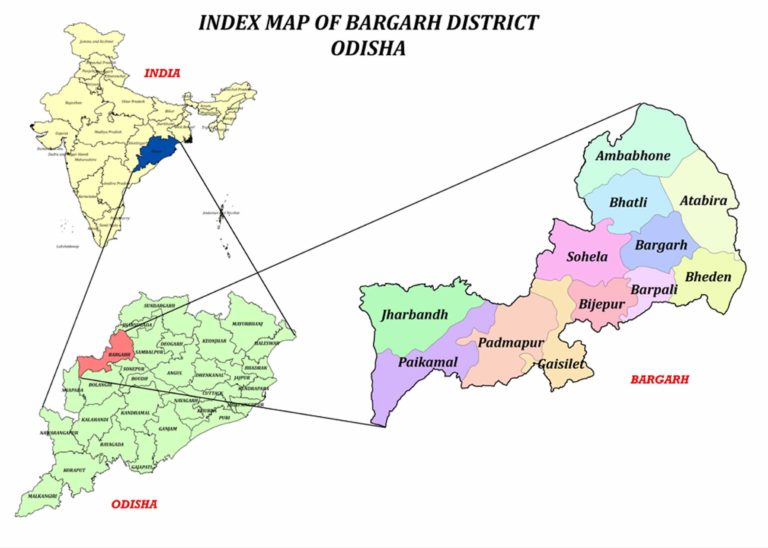
Letter Submitted to Speed up Proposed Irrigation Projects in Bargarh District

Noted social activist and youth leader Saket Sreebhushan Sahu urges the Chief Minister of Odisha Shri Naveen Patnaik in a letter to speed up the scheme / programme which will help to improve the irrigation potential of all the blocks in Bargarh district. The letter explain detail as below:

Government of Odisha has a strategy to have an action plan for short-term, medium-term and long term for irrigation development and efficient as well as productive utilisation of irrigation water. The DPRs for 3 medium projects are prepared. Clearance of TAC, Environmental clearances, forest clearances are almost at final stage for these medium projects. There is vast scope for construction of minor irrigation schemes both surface and lift from rivers and ground water aquifer. Inputs are obtained from different Divisions of Irrigation Department, Minor Irrigation, Lift Irrigation etc.

The Plan is prepared taking in to account the irrigation requirement with a goal of enhancing agricultural productivity, production and thereby increase per capita farmer’s income. Hon’ble prime minister has set a target of doubling the national average income of farmers by 2022. Bargarh district has 1,15,520 hectares of area which is sown more than once. Main contributing factor for this scenario of development of double cropped area in this district is availability of assured irrigation. The strategic plan has taken into consideration to provide assured irrigation facilities wherever sources are available to convert mono-crop area of 238531 hectares to double or multi-crop area.

Further, about 51% percent of the total cultivable area of the district is irrigated through different sources which vary from block to block with minimum of 26% in Bijepur and maximum of 104% in Attabira and Bheden. It is planned to create additional potential of 28077 hectares under PMKSY and 52141Ha. under state planned schemes of irrigation over a period of 5 years. The irrigation potential will be created using both surface and ground water. Plan to create additional irrigation potential under AIBP is 10937, HKKP component is 15915 ha., PMKSY (Watershed) is 1225 ha. and 51880 from State Planned Scheme of Irrigation.

Under HKKP component, it is planned to create 16125 new irrigation structures through lift irrigation, covering both surface and ground water. These new structure will have the potential to irrigate additional 15915 hectares of land. About 1246 irrigation structure (lift & borewell) will be repaired and renovated which will revive irrigation potential of 7874 hectares. About 271 Lift irrigation structure covering 3024 ha. ayacut area will be stabilized. Budget amounting Rs. 2107 lakh has been proposed for stabilization of Ayacut. 15620 nos. of sprinkler set has been proposed for better irrigation management of 31240 ha. command area. Budget proposed for sprinkler set is Rs. 8290 lakh. Budget of Rs. 27790 lakh has been proposed for RRR work of about 279 nos. water bodies covering 5022 ha. irrigable command area. Under this component, new distribution channels will be created along with strengthening existing channels and construction of lift irrigation points. A total of Rs. 58522 lakh fund has been proposed for construction of field channels like lined, unlined and check dam in total 55009 ha. command area. Total 164 nos. check dam will be constructed during entire five year plan period. Proposed irrigation structure will also help to increase the ground water recharge. Total irrigation potential to be created under this component is 15915 hectares with an estimated budget of Rs. 167028 lakh under PMKSY.

In order to improve water use efficiency, different activities are planned like promotion of micro irrigation systems, construction of micro irrigation structures, secondary storage structures, using water lifting devices and its promotion at farmer’s end, strengthening extension activities through capacity building measures, organizing awareness camps at village and GP level for sensitizing farmers and establishment of ICT for monitoring.

About 637 micro watersheds have been identified in the district and under PMKSY, 6403 new water bodies will be taken up for Run-off management, soil water conservation and improving soil-moisture regime. Total budget estimated for implementation of new as well as renovation of existing water bodies is Rs. 18323 lakh for a period of 5 years. Implementation of water bodies will help to improve the soil-moisture regime and would be able to manage run-off in 20968 hectares of land.

Creation of irrigation canals, field bunding and land development work shall be taken up in convergence with MGNREGA. Total budget estimated is Rs. 2540. lakh For a period of 5 years. Implementation of the same will help to create irrigation facility in 261 ha. of cultivated command area of Bargarh district.

Various state run irrigation projects will simultaneously be implemented during the plan period of 5 years. Govt. departments like Irrigation, Agriculture of state will implement various irrigation projects. After successful implementation of state planned projects, an additional 51880 ha. Irrigation potentiality will be created. Block wise abstract of state runned irrigation projects is tabulated here under.

Presently installed irrigation structure is using 0.88294 BCM surface water during kharif & 0.79130 BCM surface water during rabi. Total surface water requirement for 100 % utilization of presently installed irrigation structure is about 1.67424 BCM.

Presently, installed irrigation facilities uses only 0.001452 BCM ground water during kharif and 0.0010948 BCM ground water during rabi season. Total ground water requirement for 100% utilization of presently installed irrigation structure is about 0.0025468 BCM. However, all irrigation structures are not operating at their full potential throughout the year, hence actual water utilization for irrigation purpose during Kharif & Rabi seasons is much less than design calculation.

Caste Discriminations in India_Dr Saheb Sahu

0

Yaksha asked Yudhishtira, “Who is a Brahman? One who studies the Vedas, or one who is born a Brahman?

Yudhishtira answered, “Neither. The true Brahmana is he whose life is pure.”

The Mahabharata


In a society, discrimination is treatment or consideration of, or making a distinction in favor or against, a person based on the group, class or category to which the person is perceived to belong rather than on individual attributes. An individual need not be actually harmed in order to be discriminated against. They need to be treated worse than others for some arbitrary reason. Some form of discriminatory practices and laws exist in every part of the world –developed or developing, rich or poor.

United Nations Resolutions against Discrimination

The Universal Declaration of Human Rights

This document was adopted by the United Nations General Assembly in December 1948. It states that: ‘Everyone is entitled to all the rights and freedom set forth in this Declaration, without distinction of any kind, such as race, colour, sex, language, religion, political or other opinion, national and social origin, property, birth or other status.”

The Convention on the Elimination of All Forms Discrimination Against Women (CEDAW)

Described as an international bill of rights for women, it was adopted in 1979 by the UN General Assembly, and came into force on September 1981.

The Convention on the Rights of Person with Disability

This text was adopted by the UN General Assembly in 2007, and came into force in May 2008. Parties to the convention are required to promote, protect, and ensure full enjoyment of human rights by persons with disabilities and ensure that they enjoy equality under the law.

India is a party to all the above resolutions.

Types of Discrimination

Age

Ageism or age discrimination is based on a person’s age. Ageism is most often directed towards old people or adolescents and children. For example-not hiring them or paying them less.

Disability

Discrimination against disable persons is common all over the world: in private and public services, education, and employment.

Nationality

Discrimination based on nationality is common in many countries. In Gulf States, for instance, citizenship is not given to foreign nationals working in these countries.

Ethnicity (Race)

There is no biological basis for race. Race is a cultural construction. The appropriate word is ethnicity.Ethnic discrimination is common in many parts of the world. It has or had been official government policy in several countries such as South Africa (apartheid) to discriminate against colored people, against Indians and Chinese in Malaysia, against Blacks and the Native Americans in the United States and South American countries, against Aborigines in Australia, against Indians, Pakistanis, Bangladeshi, Africans and people of Caribbean’s in United Kingdom, against Algerians and Moroccans In France, and against Turkish people in Germany etc.

Religious Beliefs

Discrimination against an individual because of her /his religious belief is common all over the world: Christian’s vs Jews and Muslims, Muslims vs Jews, Hindus vs Muslims, Muslims vs Hindus (Pakistan and Bangladesh), Buddhists vs Hindus (Sri Lanka), Buddhists vs Muslims (Myanmar). One of the worst cases of religious discrimination and killing was at the time of India-Pakistan partition. Millions of people (Hindus, Muslims, and Sikhs) were murdered because of their religious affiliation.

Sex and Gender Identities

Women are discriminated in one form or the other all over the world. The United Nations has concluded that women often experience a ‘glass ceiling’ and that there are no societies in which women enjoy the same opportunities as men.

Homosexuals, lesbians and transgender individuals face all kind of discrimination all over the world. In 2011, The United Nations passed its first resolution recognizing LGBT (Lesbian, Gay, Bisexual, and Transgender) rights.

Caste Discrimination in India

According to UNICEF and Human Rights Watch, caste discrimination affects an estimated 250 million people worldwide. While identified with India and Hinduism, caste system are found in India, Pakistan, Bangladesh, Sri Lanka, China, Japan and some African countries. Caste discrimination is found among Buddhists, Christians, and Muslims in Indian subcontinent.

The term caste is derived from Portuguese “casta” meaning “race, lineage, and breed”. But the caste system in India has its origin in ancient India. It has been transformed by various ruling elites in medieval, early-modern, and especially the Mughal Empire and the British Raj. It consists of two different concepts, Varna and Jati. Varna literally means olden caste system. Ancient Indian texts describe four classes: the Brahmins (priestly people), the Kshatriyas (rulers, warriors) the Vaishyas (artisans, merchants, farmers), and Shudras. The Varna categorization had a fifth element, being outside the four groups-such as the tribal, people and the untouchable.

Jati, meaning birth is mentioned much less often in ancient Indian texts, where it is distinguished from varna. There are four varnas but thousands of jatis. Jatis have existed in India among Hindus, Muslims, Christians and Tribal people.

Untouchable and the Varna System

The varna originated in the Vedic society (1500-500 BCE).  However the Vedic texts neither mention the concept of untouchable people nor the practice of untouchability. The rituals in the Vedas ask the noble or king to eat with the commoner from the same utensil. The post Vedic texts, particularly Manusmriti (Law of Manu 3rd to 2nd century BCE) mentioned outcastes and suggests that they be ostracized. Dr B.R Ambedkar, the main writer of the Indian Constitution held that Manusmriti was responsible for the caste system in India.

There are at least two prospective for the origins of the caste system in ancient and medieval India. The first school holds that Indian caste system is rooted in the four varnas. This school justifies its theory primarily by citing Manusmriti and disregards economic, political and historical evidence. The second school of thought focuses on socio-economic, political and history of India (Wikipedia.org/caste).

Caste System Since Independence

India’s founding fathers of Independence, Gandhi, Nehru, Ambedkar and others thought it necessary to make caste discrimination unconstitutional and illegal. Article 15 of the Constitution of India prohibits discrimination based on caste. Article 17, declares the practice of untouchability illegal. They also put in a reservation system (quota system) in the Indian Constitution for people classified as Scheduled Castes and Scheduled Tribes. Based on Mandal Commission’s recommendation (1990) Government of India has reserved additional 27% of the central jobs for Socially and Educationally Backwards Classes (SEBCs) in addition to 22.5% set aside  earlier for Dalits and Tribals.

Have all the reservations and quotas systems benefited the lower class and the Tribals ? The answer is “yes’ and “no”. The economic reforms since 1990 have reduced poverty and increased per capita income for all segment of Indian society. A 2011 survey by Aiyar found that among Dalits, television ownership was  up from zero to 45 percent; cell phone ownership up from zero to 36 percent; children eating yesterday leftover down from 96 percent to 16 percent…. Dalits running their own businesses up from 6 percent to 37 percent; and proportion working as agricultural labourers down from 46 percent to 20 percent. Experts believe that India’s overall economic growth has benefited the lower castes more than the reservation system. A 2010 study of 16 of India’s biggest state by Aimee Chin showed that political reservation system has led to small drop in poverty among the ‘Scheduled Tribes’ but made no difference at all for the ‘Scheduled Castes’. Other experts also believe that further advancement are likely to come from better schools in rural and urban areas and better overall economic growth.

70 years after independence and 67 years after the adoption of the Indian Constitution (Article 15 and 17) caste –based discriminations continue to dominate in housing, marriage, employment and general social interaction in India. It is a real shame. The International Human Rights Watch calls it ‘India’s hidden apartheid” (Apartheid was a system of institutionalized racial segregation and discrimination in South Africa by the white minority against the colored people from 1948-1991). The discrimination in India against the Dalits may not be that bad but it is close enough. The past and present generations of Indians have made progress but failed to eradicate it. Hopefully the younger generation of Indians will succeed soon where their forefathers have failed. If India wants to be a member of the world community it cannot afford to wait few more centuries to eliminate this shameful legacy.


Saket urges CM to establish nursing school in Bargarh

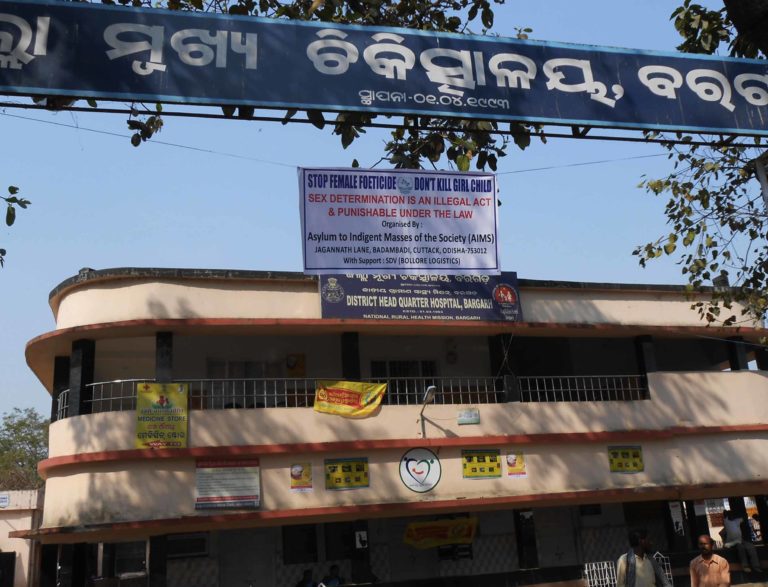
Youth leader Saket Sreebhushan Sahu in a letter to Chief Minister Sri Naven Pattnaik has demanded to establish nursing school in Bargarh. The noted social activist from Bargarh has explained in his letter that at present Bargarh District Headquarter Hospital fulfill the criteria and a nursing school should be opened for the students belonging to financially backward family.

Further, according to the Indian Nursing Council rule any hospital with 100 or more beds can apply for the permission to open a nursing school. The District Headquarter Government Hospital Bargarh facilitated with 100 beds and fulfills the criteria. In this ground the state government should start a nursing school attached to the mentioned district hospital.

This aforementioned proposed Nursing School will be extremely beneficial to students belonging to backward region and financially poor family.

A few philanthropists are willing to donate the seed amount to initiate the infrastructure if the govt. considers their donation.

The youth leader has urged the CM to consider the proposal and start the above mentioned nursing school in the interest of the benefit of the common man of the region.

Smartcards for smarter payments: Improving state capacity in Andhra Pradesh

0

Across the world, developing country governments spend millions on anti-poverty programs and subsidies, yet this money often does not reach the poor. Funds can be diverted by corrupt officials, and funds that are not lost may reach the wrong recipients. For instance, in India, leakages from the country’s largest social welfare program have been estimated to be as high as 51 percent (Imbert and Papp 2016, unpublished).

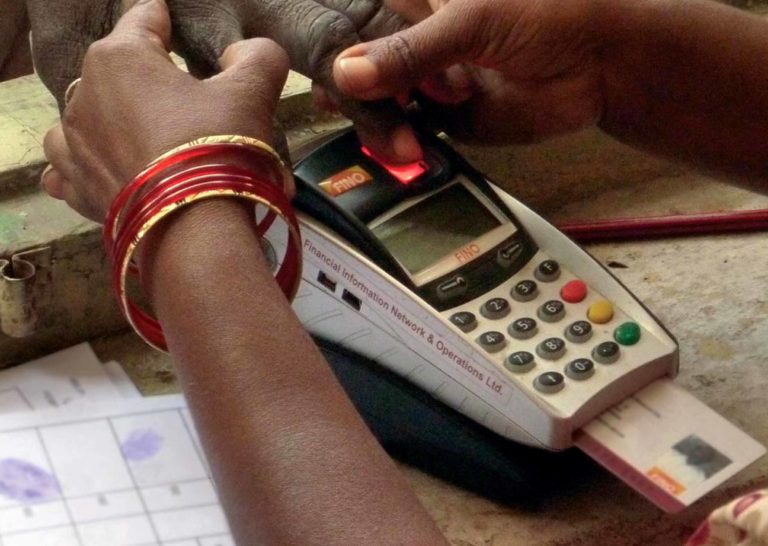
An increasingly popular solution to these problems of corruption and exclusion are electronic payments systems with biometric authentication. These systems allow governments to deposit payments for subsidies or welfare programs directly into beneficiary bank accounts after verifying recipients’ identities through biometric authentication—in other words, using the unique biological characteristics of an individual, like her fingerprint, to verify that she is who she says she is. Streamlining fund-flows can prevent unexplained losses, and biometric authentication can help payments reach the right beneficiaries. But these systems can be costly, complex, difficult to implement, and prone to exclusion errors themselves (for instance, beneficiaries may find it difficult to enroll in the new payments system).

To shed light on the effectiveness of biometrically-authenticated payments systems, J-PAL affiliates Karthik Muralidharan (University of California, San Diego), Paul Niehaus (University of California, San Diego), and Sandip Sukhtankar (University of Virginia) partnered with the Government of Andhra Pradesh (GoAP), India to conduct a randomized evaluation of a new system targeting pension and public employment payments covering more than nineteen million people in the state.

To improve program delivery, GoAP introduced a new large-scale biometric payments system to deliver payments for a public employment program and a pensions program. In the previous system, beneficiaries would give paper identity documents to local officials to collect money on their behalf from branch post offices—a process prone to payment delays and corruption. In the new system, enrolled beneficiaries received biometrically-authenticated cards linked to bank accounts, known in the program as Smartcards, through which payments were deposited directly into the accounts. Payment logistics were contracted to private banks and customer service providers in each village, who were provided incentives to complete successful on-time payments.

In addition, GoAP agreed to phase the roll-out of the new system across 296 randomly assigned sub-districts, giving researchers the opportunity to measure the impact of the Smartcards on payment logistics, losses due to corruption and inefficiencies, and program access in one of the largest randomized evaluations on social programs ever conducted.

Researchers found that the new payments system had a large impact on reducing corruption and inefficiencies. While government spending on both programs did not change, beneficiaries reported receiving higher payments—implying a reduction of program losses by more than 40 percent. There was also a significant improvement in payment logistics: payments were released faster and took less time for beneficiaries to collect. Finally, there was no adverse impact on program access—actually, participation in the public employment program increased because of the smoother payment experience delivered through Smartcards.

Perhaps unsurprisingly, an overwhelming majority (more than 90 percent) of beneficiaries preferred the Smartcard system to the previous status quo. Researchers estimated that the economic gains for citizens from time-savings alone exceeded the cost of the new system. Adding in the savings from improved efficiency and reduced corruption, researchers estimated that Smartcards generated savings greater than US$40 million annually in eight districts.

Taken together, these results suggest that electronic payments systems with biometric authentication for recipients can improve the effectiveness of program delivery and reduce corruption—and do so without excluding beneficiaries.

More broadly, this experience highlights the importance of investing in state capacity and rigorously evaluating the rollout of large-scale government-run programs. Smartcards generated substantial cost savings, showing that there can be significant short-term returns to investments in improving program delivery. By evaluating the program, the government was able to generate and cite rigorous evidence clearly demonstrating the program’s effectiveness, enabling the program’s continued operation and expansion.

Since then, the results have informed a national policy on biometrically authenticated identification cards, further demonstrating the policy value of rigorous, large-scale evaluations.

Source: https://www.povertyactionlab.org/news/smartcards-smarter-payments-improving-state-capacity-andhra-pradesh?utm_source=newsletter&utm_medium=email&utm_campaign=september17

What You Should Know About Sickle Cell Disease

0

What Is Sickle Cell Disease?

Sickle cell disease (SCD) is a group of inherited red blood cell disorders.

  • Healthy red blood cells are round and they move through small blood vessels carrying oxygen to all parts of the body.
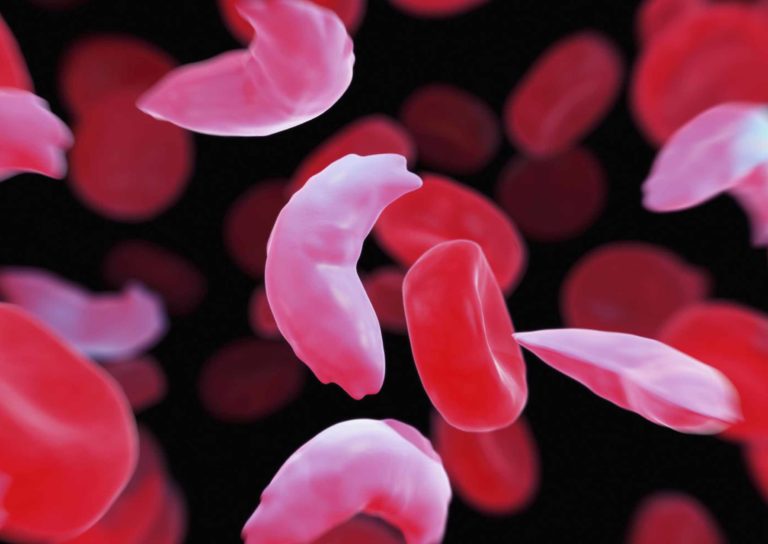
  • In SCD, the red blood cells become hard and sticky and look like a C-shaped farm tool called a “sickle”.
  • Sickle cells die early, which causes a constant shortage of red blood cells.
  • Sickle cells can get stuck in small blood vessels and block the flow of blood and oxygen to organs in the body. These blockages cause repeated episodes of severe pain, organ damage, serious infections, or even stroke.

What Causes Sickle Cell Disease?

SCD is inherited in the same way that people get the color of their eyes, skin, and hair.

  • A person with SCD is born with it.
  • People cannot catch SCD from being around a person who has it.

Who Is Affected By Sickle Cell Disease?

  • It is estimated that SCD affects 90,000 to 100,000 people in the United States, mainly Blacks or African Americans.
  • The disease occurs among about 1 of every 500 Black or African-American births and among about 1 out of every 36,000 Hispanic-American births.
  • SCD affects millions of people throughout the world and is particularly common among those whose ancestors come from sub-Saharan Africa; regions in the Western Hemisphere (South America, the Caribbean, and Central America); Saudi Arabia; India; and Mediterranean countries such as Turkey, Greece, and Italy.

What Health Problems Does Sickle Cell Disease Cause?

Following are some of the most common complications of SCD:

“Pain Episode” or “Crisis”: Sickle cells don’t move easily through small blood vessels and can get stuck and clog blood flow. This causes pain that can start suddenly, be mild to severe, and last for any length of time.

Infection: People with SCD, especially infants and children, are more likely to experience harmful infections such as flu, meningitis, and hepatitis.

Hand-Foot Syndrome: Swelling in the hands and feet, often along with a fever, is caused by the sickle cells getting stuck in the blood vessels and blocking the blood from flowing freely through the hands and feet.

Eye Disease: SCD can affect the blood vessels in the eye and lead to long term damage.

Acute Chest Syndrome (ACS): Blockage of the flow of blood to the lungs can cause acute chest syndrome. ACS is similar to pneumonia; symptoms include chest pain, coughing, difficulty breathing, and fever. It can be life threatening and should be treated in a hospital.

Stroke: Sickle cells can clog blood flow to the brain and cause a stroke. A stroke can result in lifelong disabilities and learning problems.

How Is Sickle Cell Disease Treated?

The goals of treating SCD are to relieve pain and to prevent infections, eye damage, and strokes.

  • There is no single best treatment for all people with SCD. Treatment options are different for each person depending on the symptoms. Treatments can include receiving blood transfusions, maintaining a high fluid intake (drinking 8 to 10 glasses of water each day), receiving IV (intravenous) therapy (fluids given into a vein) and medications to help with pain.
  • For severe SCD, a medicine call hydroxyurea might be recommended. Research suggests that hydroxyurea can reduce the number of painful episodes and the recurrence of ACS. It also can reduce hospital stays and the need for blood transfusions among adults who have SCD.

Is There A Cure For Sickle Cell Disease?

To date, the only cure for SCD is a bone marrow or stem cell transplant.

  • A bone marrow or stem cell transplant is a procedure that takes healthy stem cells from a donor and puts them into someone whose bone marrow is not working properly. These healthy stem cells cause the bone marrow to make new healthy cells.
  • Bone marrow or stem cell transplants are very risky, and can have serious side effects, including death. For the transplant to work, the bone marrow must be a close match.

For more information visit: www.cdc.gov/sicklecell

Child and healthcare need to develop a new perspective to tackle malnutrition

It is good to know that the national nutrition week is being celebrated all over the country. It is all the more important for Odisha as the state is grappling with the problem of malnutrition for a long time. It is time to intensify awareness generation on the importance of nutrition on health and its role in building a healthy nation. Of late, incidences like Nagada have brought to limelight the deficiencies in the delivery mechanism of nutrition to the people of the state, especially to the children. This has necessitated identification of the loopholes in the system and addressing those on an emergency basis. There is an urgent need for sensitization and capacity building of state and district level officers on the importance of nutrition for better health. People should be apprised of low-cost nutritious diets for different age groups by grassroots level functionaries like school teachers and Anganwadi workers. The message should go that nutrition is an issue of survival, health, and development of current and succeeding generations. Malnutrition is not to be viewed merely as an offshoot of poverty having adverse effects on health and development of individuals but as a national problem that results in loss of productivity and economic backwardness.

Let’s hope government and all other stakeholders engaged in child and healthcare sector will be able to develop a new perspective to tackle malnutrition and the menace is dealt more effectively.

Government should adopt a uniform approach towards compensating employees

0

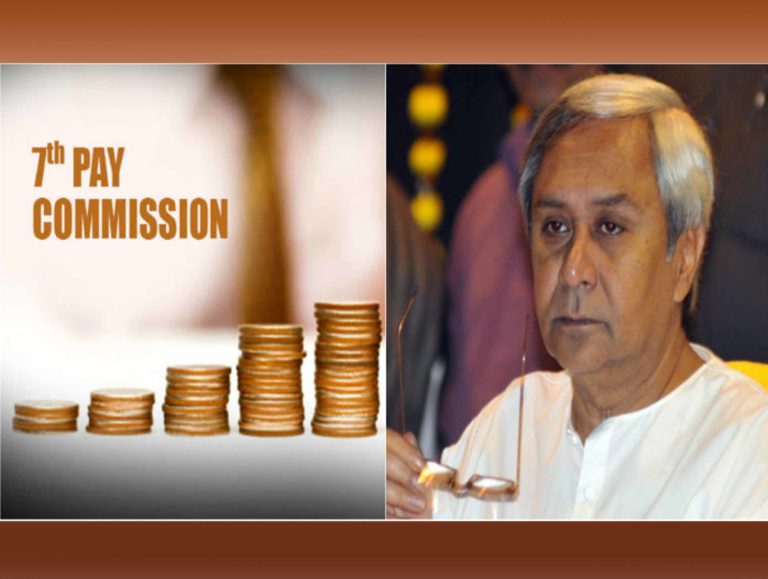
Recently the state government decided to implement the recommendations of the 7th pay commission in the state which will benefit nearly 8 lakh employees and pension holders of the state. It is definitely a good step to enhance the income of employees as it will deliver more purchasing power to them and subsequently trigger an upsurge in demand which in return will tick up production. However, the growth in purchasing power should not be asymmetric and there should be no discrimination against workers of other categories. Programs of the government are implemented through a vast network of workers like Anganwadi workers, ASHA workers, Krushak sathis, Gramrakshis and many others in the revenue department. Besides, there are employees in PSUs as well as local self-government bodies who work for the public and whose concerns must be taken into account. Teachers are agitating demanding fair remuneration for their work and the government is yet to take up a concrete stand over their demand. Besides, the government has also to take into account the possible inflationary pressure likely to be triggered by the pay hike of the government servants.

The government should adopt a uniform approach towards compensating employees who work for the people. Besides, it has also to ensure reasonable wages to all categories of workers through policy and regulatory interventions. Rise in income across all strata of the working population can ensure distributive justice for the people.

Government has to ensure educational and healthcare infrastructure in tribal society

0

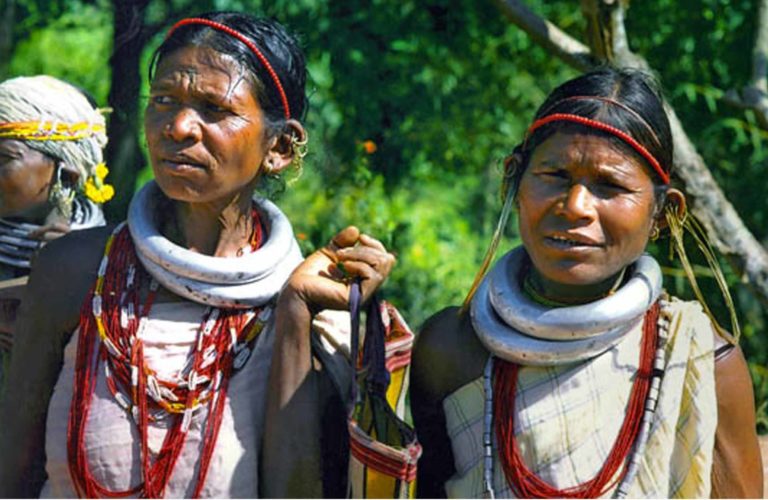
Having remained at the margins of development due to lopsided development models and an insensitive administration, a section of tribals in Odisha of late have started to become economically empowered following some innovative initiatives were taken by the government. The Forest Rights Act which was fundamental to ensure the rights of tribals over their traditional habitats and secure for them a sustainable livelihood- is now being implemented effectively in conjunction with other poverty alleviation schemes, which has resulted in diversification of livelihood options. In fact, Odisha has emerged as the no 1 state in the country in the distribution of title rights for which the state government must be complimented. The focus on vulnerable tribal groups amongst which malnutrition and infant mortality was high has resulted in more tribals accessing the benefits of social security and food security.

Along with the present initiatives which are ameliorative and palliative in nature, the government has to ensure that educational and healthcare infrastructure is improved in those areas which can provide an effective antidote to illiteracy and diseases which are the bane of the tribal society. We are optimistic that the lot of tribals will improve in coming days and the government has to be vigilant that no human error becomes a constraint towards it.

Be Kind to All_Dr Saheb Sahu

0

No act of kindness, however small, is ever wasted.

-Aesop (620-564BCE)

The best portion of a good man’s life,

His little, nameless, unremembered acts

Of kindness and love.

-William Wordsworth

Kindness is an ethical virtue, and recognized as a value in many cultures and most religions. Aristotle (384-322 BC) defines it as being “helpfulness towards someone in need, not in return for anything, nor for the advantage of the helper himself, but for that of the person helped”.

Kindness, love, altruism, caring, generosity, and compassion, are considered “pro-social” behaviors. These behaviors are carried out to benefit another without anticipation of rewards from outside sources. Most experts believe that “real kindness” changes people in the doing of it, often in unpredictable ways.

The Christian apostle Paul lists kindness as one of the nine traits considered to be the ‘fruit of the spirit”.

“But the fruit of the Spirit is love, joy, peace, patience, kindness, goodness, faithfulness, gentleness, and self-control.”    -Galatians 5:22

The Tirukkural (4th to 2nd century BC) Indian-Tamil works dedicates a separate chapter on kindness, along with hospitality, compassion, non-violence, non-killing, and vegetarianism. The Tirukkural is considered one of the greatest non-religious, secular works ever written on ethics and morality. It has been translated into more than 80 languages.

“Call them Brahmins who are virtuous

And kind to all that live”.

The Tirukkural

Dacher Keltner, Director of the Berkeley Social Interaction Laboratory and author of the book “Born to Be Good” (2017) writes that mammalian and hominid (all great apes including humans), have evolved the tendencies toward kindness, play, generosity, reverence, and self-sacrifice. He believes that these traits are vital to the tasks of evolution-survival, gene replication and the smooth functioning of the group (Scientific American, January, 2017).

Scientists have discovered that doing good promotes the feeling of good and the feeling of good makes us want to do more good. When we feel good about ourselves, we are more likely to reach out and help others. When we do good, we feel better emotionally and physically, as well. Research shows that there is a connection between loving, kind, and compassionate action and one’s physical and emotional well-being. Kindness heals. It heals the mind, the body and the spirit. The American author Ralph Waldo Emmerson summed this up: “It is one of the beautiful compensations of life that no man can sincerely try to help another without helping himself”.

I am over seventy now. I have had some life experiences. I have read the works of philosophers from Epicurus to Bertrand Russell.  I am familiar with the teachings of all the major religions of the world. I have read most of their scriptures, including the Vedas (some of them), the Ramayana, the Mahabharata, the Bhagavad Gita, the Dhammapada, the Analects, the Old and the New Testaments and the Koran. If we compare all the world’s major religions, it is clear that they vary in certain ways. They differ, for instance, in traditions, rituals, belief in after life, reincarnation, heaven and hell etc.  At the same time, there are aspects of religions which are strikingly similar: ethics and morality. One example is the Golden Rule:

Deal with others as you would be dealt with.

                                                                              The Mahabharata

What I do not want others to do to me; I do not want to do to them.

                                                                           The Analects (Confucius)

You shall treat your neighbor as yourself.

                                                                             The Old Testaments

Treat others the way you would have them treat you; this sumps up the law and the prophets.

                                                                                                                                           The New Testaments

In my view it is not that important whether one believes in a religion or not. But one should lead an ethical life. To be kind to all is the best among all the ethical behaviors.

The English writer, humanist, philosopher Aldous Huxley (1894-1963) said towards the end of his life: “It is a bit embarrassing to have been concerned with human problems all one’s life and find at the end that one has no more to offer by way of advice than try to be a little kinder.”

In the end probably is this simple and this difficult; kindness is the greatest thing we can offer to those around us and to ourselves.

Please be kind to all and be good !

Review the performance of local bodies in the state

As the state celebrates the Local self-government day, it is time to review the performance of local bodies in the state and how the government has succeeded in making the bodies catalysts for better governance in the state. Local bodies have been given more autonomy and financial discretion in recent days to enable them to take prompt decisions and deal with emerging problems. However, the performance of the local bodies doesn’t seem to be satisfactory as serious flaws are noticed in the condition of the local urban infrastructure. Apart from major cities, the condition of public infrastructure maintained by local bodies doesn’t match the expectations of the people. Scarcity of fund is one factor to be blamed for the underperformance of the public bodies, but in most cases, it is the indifferent attitude and inefficiency of the office bearers which are responsible for the poor quality of public infrastructure.

While ensuring that the local bodies get enough funds to carry out their functions and broadening their scope for raising funds, the government should also focus on capacity building of these bodies by up skilling the human resource that manages these bodies. I hope the government to take necessary steps in this regard to make the local bodies more efficient and their services helpful for the people.