Tuesday, May 19, 2026
Home Blog Page 51

Nonviolent Protest Works _Dr Saheb Sahu

0

Nonviolent protest is the practice of achieving goal such as social change through symbolic protest, civil disobedience, economic and political non-cooperation, Satyagraha or other methods without using violence. According to Albert Einstein Institution, so far, there are at least 198 methods of nonviolent actions.

The modern form of non-violent protest was popularized by Mahatma Gandhi. Gandhi learned through philosophy of non-violence from American Henry David Thoreau (who spent a night in jail for refusing to pay tax for war) Russian writer, Leo Tolstoy and Hindu scriptures. Recent followers of Gandhi have been Marti Luther King Jr, Vaclav Havel, Andrei Sakharov, Lech Walesa, Gene Sharp, Anna Hazare, Otpor and protestor in Tahrir Square, Egypt.

From 1966 to 1999, nonviolent protest played critical role in 50 of 67 transitions from authoritarianism to non-authoritarianism government (sharp). Recently nonviolent protest led to the Rose Revolution in Georgia, the Orange Revolution in Ukaraine, Jeans Revolution in Belarus, Jasmine Revolution in Tunisia, The Tahrir Square Movement in Egypt and 2012Anti-Corruption Movement by Anna Hazare in India.

Erica Chenoweth and Maria Stephan in their book “Why Civil Resistance Works (2011)” analyzed the success rate of 323 violent and non-violent resistance campaigns around the world between 1900 and 2006.  Out of 323 campaigns 100 were violent campaign. Examining the first data set of 323 campaigns they found that non-violent movements worldwide were twice as likely to succeed as violent ones. Further Chenoweth and Stephan observed that over the previous fifty years, non-violent campaign had grown both more numerous and more successful, even under brutal authoritarian rule. Violent insurgencies, meanwhile, had grown increasingly rare and unsuccessful. In 2013, Foreign policy named Chenoweth, one of the year’s “top 100 Global thinkers” for as the magazine put it “Proving Gandhi Right”.

The 3.5% Rule

In their book they found a direct correlation between the success of a campaign and the popular involvement it managed to invite. Among the movement they studied the victorious one uniformly fostered broad based public sympathy. And yet Chenoweth found that the number of supporters who were actively engaged in successful movements could be quite small.

No campaign failed once they achieved the active and sustained participation of just 3.5 per cent of the population and lots of them succeeded with far less than that. Earlier researcher had shown that no government could survive if 5 per cent of its population mobilized against it. Chenoweth proved the earlier researchers wrong and found it to be less than 3.5 per cent rule. However spurring 3.5 per cent of a population to engage in any kind of campaign is not easy.

In a country of 100 million, it will take the active involvement of around 3 million people.

Active public support consists of several components. The first is showing up. A movement’s active supporters are people who take to the streets for marches. Attend teach-ins and staff phone bank. Without them, a movement’s rallies would be empty. Second, in societies that holds elections, active supporters vote with the movement. Third, active supporter persuade others to join. They express their opinion on social media and argue with friends and relatives and persuade them to join. Finally active supporters are the type of people who are moved to act independently to advance on issue with their social and professional spheres influence. This might mean lawyer taking on pro bono work (without payment) for a cause they believe in doctors providing free medical care, musicians holding free concerts.

Methods of non-violent Action

There are three general classes of nonviolent action:

Protest and persuasion: These methods include vigils, petitions, picketing, and walkout. They are largely symbolic in their effect and produce an awareness of the existence of dissent.

Non Cooperation: These methods include social boycotts, economic boycott, labour strikes, and many forms of political noncooperation, including boycotts of government positions, civil disobedience and mutiny.

Intervention: These methods include hunger strikes, sittings nonviolent obstruction, creation or strengthening of alternative institutions and parallel government. They posses some of the qualities of both previous groups.

198 METHODS OF NONVIOLENT ACTION

Practitioners of nonviolent struggle have an entire arsenal of “nonviolent weapons” at their disposal. Listed below are 198 of them, classified into three broad categories: nonviolent protest and persuasion, noncooperation (social, economic, and political), and nonviolent intervention. A description and historical examples of each can be found in volume two of The Politics of Nonviolent Action, by Gene Sharp.


THE METHODS OF NONVIOLENT PROTEST AND PERSUASION
Formal Statements
                    1. Public Speeches
                    2. Letters of opposition or support
                    3. Declarations by organizations and institutions
                    4. Signed public statements
                    5. Declarations of indictment and intention
                    6. Group or mass petitions

Communications with a Wider Audience
                    7. Slogans, caricatures, and symbols
                    8. Banners, posters, and displayed communications
                    9. Leaflets, pamphlets, and books
                    10. Newspapers and journals
                    11. Records, radio, and television
                    12. Skywriting and earthwriting

Group Representations
                    13. Deputations
                    14. Mock awards
                    15. Group lobbying
                    16. Picketing
                    17. Mock elections

Symbolic Public Acts
                    18. Displays of flags and symbolic colors
                    19. Wearing of symbols
                    20. Prayer and worship
                    21. Delivering symbolic objects
                    22. Protest disrobings
                    23. Destruction of own property
                    24. Symbolic lights
                    25. Displays of portraits
                    26. Paint as protest
                    27. New signs and names
                    28. Symbolic sounds
                    29. Symbolic reclamations
                    30. Rude gestures

Pressures on Individuals
                    31. “Haunting” officials
                    32. Taunting officials
                    33. Fraternization
                    34. Vigils

Drama and Music
                    35. Humorous skits and pranks
                    36. Performances of plays and music
                    37. Singing

Processions
                    38. Marches
                    39. Parades
                    40. Religious processions
                    41. Pilgrimages
                    42. Motorcades

Honoring the Dead
                    43. Political mourning
                    44. Mock funerals
                    45. Demonstrative funerals
                    46. Homage at burial places

Public Assemblies
                    47. Assemblies of protest or support
                    48. Protest meetings
                    49. Camouflaged meetings of protest
                    50. Teach-ins

Withdrawal and Renunciation
                    51. Walk-outs
                    52. Silence
                    53. Renouncing honors
                    54. Turning one’s back


THE METHODS OF SOCIAL NONCOOPERATION


Ostracism of Persons
                    55. Social boycott
                    56. Selective social boycott
                    57. Lysistratic nonaction
                    58. Excommunication
                    59. Interdict

Noncooperation with Social Events, Customs, and Institutions
                    60. Suspension of social and sports activities
                    61. Boycott of social affairs
                    62. Student strike
                    63. Social disobedience
                    64. Withdrawal from social institutions

Withdrawal from the Social System
                    65. Stay-at-home
                    66. Total personal noncooperation
                    67. “Flight” of workers
                    68. Sanctuary
                    69. Collective disappearance
                    70. Protest emigration (hijrat)


THE METHODS OF ECONOMIC NONCOOPERATION: ECONOMIC BOYCOTTS

 
Actions by Consumers
                    71. Consumers’ boycott
                    72. Nonconsumption of boycotted goods
                    73. Policy of austerity
                    74. Rent withholding
                    75. Refusal to rent
                    76. National consumers’ boycott
                    77. International consumers’ boycott

Action by Workers and Producers
                    78. Workmen’s boycott
                    79. Producers’ boycott

Action by Middlemen
                    80. Suppliers’ and handlers’ boycott

Action by Owners and Management
                    81. Traders’ boycott
                    82. Refusal to let or sell property
                    83. Lockout
                    84. Refusal of industrial assistance
                    85. Merchants’ “general strike”

Action by Holders of Financial Resources
                    86. Withdrawal of bank deposits
                    87. Refusal to pay fees, dues, and assessments
                    88. Refusal to pay debts or interest
                    89. Severance of funds and credit
                    90. Revenue refusal
                    91. Refusal of a government’s money

Action by Governments
                    92. Domestic embargo
                    93. Blacklisting of traders
                    94. International sellers’ embargo
                    95. International buyers’ embargo
                    96. International trade embargo


THE METHODS OF ECONOMIC NONCOOPERATION: THE STRIKE

 
Symbolic Strikes
                    97. Protest strike
                    98. Quickie walkout (lightning strike)

Agricultural Strikes
                    99. Peasant strike
                    100. Farm Workers’ strike

Strikes by Special Groups
                    101. Refusal of impressed labor
                    102. Prisoners’ strike
                    103. Craft strike
                    104. Professional strike

Ordinary Industrial Strikes
                    105. Establishment strike
                    106. Industry strike
                    107. Sympathetic strike

Restricted Strikes
                    108. Detailed strike
                    109. Bumper strike
                    110. Slowdown strike
                    111. Working-to-rule strike
                    112. Reporting “sick” (sick-in)
                    113. Strike by resignation
                    114. Limited strike
                    115. Selective strike

Multi-Industry Strikes

  1.                    Generalized strike
  2.                    General strike

Combination of Strikes and Economic Closures

  1.                    Hartal
  2.                    Economic shutdown


THE METHODS OF POLITICAL NONCOOPERATION

 
Rejection of Authority
                    120. Withholding or withdrawal of allegiance
                    121. Refusal of public support
                    122. Literature and speeches advocating resistance

Citizens’ Noncooperation with Government
                    123. Boycott of legislative bodies
                    124. Boycott of elections
                    125. Boycott of government employment and positions
                    126. Boycott of government depts., agencies, and other bodies
                    127. Withdrawal from government educational institutions
                    128. Boycott of government-supported organizations
                    129. Refusal of assistance to enforcement agents
                    130. Removal of own signs and placemarks
                    131. Refusal to accept appointed officials
                    132. Refusal to dissolve existing institutions

Citizens’ Alternatives to Obedience
                    133. Reluctant and slow compliance
                    134. Nonobedience in absence of direct supervision
                    135. Popular nonobedience
                    136. Disguised disobedience
                    137. Refusal of an assemblage or meeting to disperse
                    138. Sitdown
                    139. Noncooperation with conscription and deportation
                    140. Hiding, escape, and false identities
                    141. Civil disobedience of “illegitimate” laws

Action by Government Personnel
                    142. Selective refusal of assistance by government aides
                    143. Blocking of lines of command and information
                    144. Stalling and obstruction
                    145. General administrative noncooperation

  1.                    Judicial noncooperation
                      147. Deliberate inefficiency and selective noncooperation by enforcement agents
                        148. Mutiny
    Domestic Governmental Action
                        149. Quasi-legal evasions and delays
                        150. Noncooperation by constituent governmental units

International Governmental Action
                    151. Changes in diplomatic and other representations
                    152. Delay and cancellation of diplomatic events
                    153. Withholding of diplomatic recognition
                    154. Severance of diplomatic relations
                    155. Withdrawal from international organizations
                    156. Refusal of membership in international bodies
                    157. Expulsion from international organizations


THE METHODS OF NONVIOLENT INTERVENTION

 
Psychological Intervention
                    158. Self-exposure to the elements
                    159. The fast
                                        a) Fast of moral pressure
                                        b) Hunger strike
                                        c) Satyagrahic fast
                    160. Reverse trial
                    161. Nonviolent harassment

Physical Intervention
                    162. Sit-in
                    163. Stand-in
                    164. Ride-in
                    165. Wade-in
                    166. Mill-in
                    167. Pray-in
                    168. Nonviolent raids
                    169. Nonviolent air raids
                    170. Nonviolent invasion
                    171. Nonviolent interjection
                    172. Nonviolent obstruction
                    173. Nonviolent occupation

Social Intervention
                    174. Establishing new social patterns
                    175. Overloading of facilities
                    176. Stall-in
                    177. Speak-in
                    178. Guerrilla theater
                    179. Alternative social institutions
                    180. Alternative communication system

Economic Intervention
                    181. Reverse strike
                    182. Stay-in strike
                    183. Nonviolent land seizure
                    184. Defiance of blockades
                    185. Politically motivated counterfeiting
                    186. Preclusive purchasing
                    187. Seizure of assets
                    188. Dumping
                    189. Selective patronage
                    190. Alternative markets
                    191. Alternative transportation systems
                    192. Alternative economic institutions

Political Intervention
                    193. Overloading of administrative systems
                    194. Disclosing identities of secret agents
                    195. Seeking imprisonment
                    196. Civil disobedience of “neutral” laws
                    197. Work-on without collaboration
                    198. Dual sovereignty and parallel government

Gene Sharp, stressed that to sustain a long struggle activists cannot display just one tactic rather, they need to create a sequence of actions that builds over time. The goal is to “escalation of disorder without violence.” The track record of what escalation can accomplish is impressive and still is rarely attempted. When confronted with the possibility to escalate, groups (organizers) find too many reasons to play it safe.
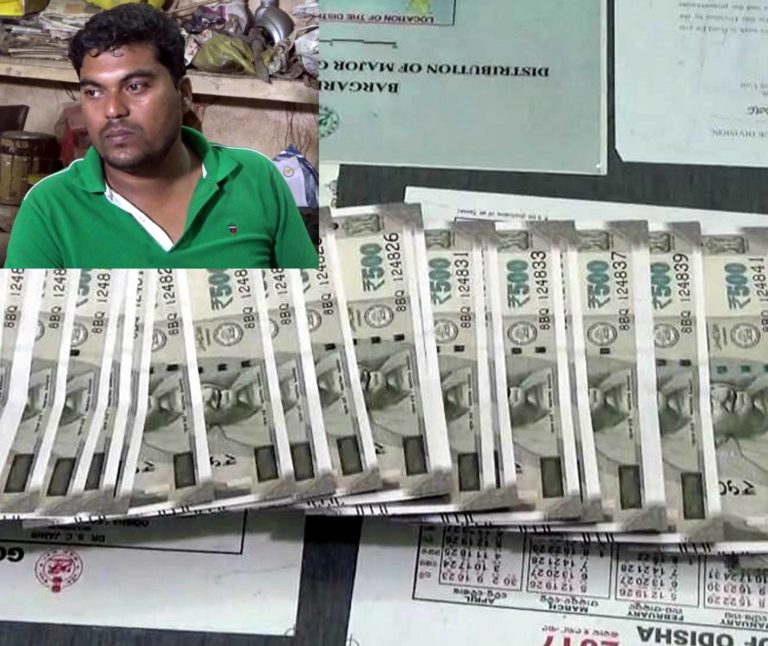
Vigilance caught electricity JE

0

Kunjabihari Nayak of electricity department Barpali was caught red handed while taking bribe of Rs15000/- by the vigilance Bargarh on 3 /2/2017

Strong determination can lead you to your destiny_Youth Fest 2017

0

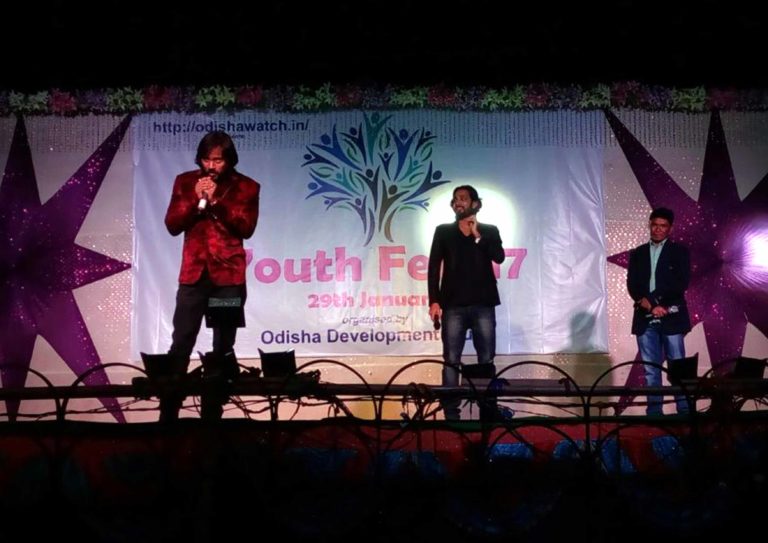
Odisha Development Trust in association with http://odishawatch.in/ organized its annual function as “Youth Fest 2017” on 29th January 2017. The function started with the welcome speech of the Managing Trustee of the organization Saket Sreebhushan Sahu.

He said, this particular function is meant for the motivation of the youths. And he further invited nationally acclaimed actor Manoj Mishra to the stage. Sri Mishra elaborated his journey from Sambalpur to Hollywood and how he is dictating the contemporary Odia cinema in negative shades.

He said, Strong will power and determination can lead you to your destiny. Youth Fest was also attended by serial and film actor Chinmay Mishra.

He explained his dramatic career and said how he acted as a static tree role in school days and now doing Bollywood film.

Poor beneficiaries draw attention to avail artist pension

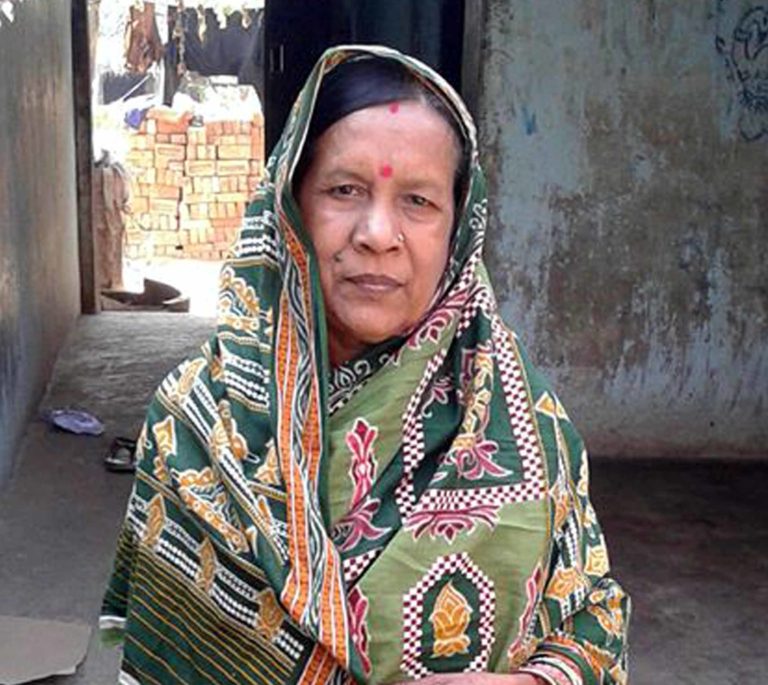
Smt. Parbarti Jena W/o-Narayana Jena, R/o-Vill-Kapasira, Po-Tamamura, Block-Dunguripali, Dist-Subarnapur who is a female indigent artist .She has proved her solid worth in the field of  art as an Akashvani singer having certificate of appreciations in dozens . She has gained reputation far and wide for her extraordinary performance. We are quite aware that Department of Culture, Government of Odisha is facilitating pension to indigent artist subject to eligibility criteria. But regret in expressing that she has not yet been considered for artist pension under Artist Pension Scheme and Welfare Fund although she has several times applied for the pension through the District Culture Office, Subarnapur. We have visited the district culture office, Subarnapur many times. But the concerned authority explained us that no communication in this context has yet been received from Department of Culture. During my last visit they assured me to send a letter of reminder to concerned Department in this matter.

Mrs Jena belongs to a BPL category. She lives with her husband having no son with them. They are living a miserable life. A necessary initiative may kindly be taken in this regards so that a needy one will be benefited under this scheme.

National Girl Child Day observed by Berhampur Children’s Federation

0

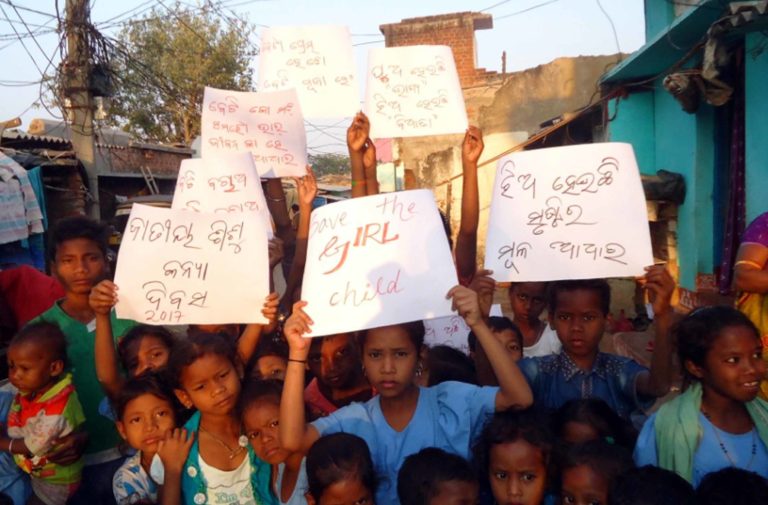
Berhampur Children’s Federation today celebrated the ‘National Girl Child Day’on 24 January, 2017. On this occasion the members of children’s federation organized meetings and awareness rallies in slums such as Raghupati Nagar and Lanjipalli Goudabandh Street.

Children conveyed the importance and need of girl child to their parents and communities. Girls touch the heights with success in many sectors like science, technology, politics, defence and social work by innovating ideas that change human lives. But the irony is that our society still believes boys are better than girls. As per census 2011, the child sex ratio in Ganjam district remains 908 as the state and national average remains 941 and 914. This shows a dismal picture of just and equal society and also creates gender disparity. This discrimination creates many social problems like child marriage, child trafficking and violence against children and women.

On the other hand girl’s education also not that encouraging in our society which is due to the gender differences, poor infrastructure for girls in various institutions (e.g. unavailability of separate toilets for girls in schools), violence against girls as per National Crime Record Bureau in Odisha during 2015, there are 2562 cases reported as crime against children similarly during 2014, there are 2196 cases and during 2013 there are 1123 cases reported as crime against children. Among of these, during 2013 there are 509, during 2014 there are 753 and during 2015 there are 1052 cases reported as rape. Among of these, there are also many cases reported as sexual harassment, insult to modesty of women (girls children), kidnapping & abduction of women to compel her marriage and procuration of minor girls etc.

Keeping all this in mind the children not just celebrated the girl child day but created a sense among the communities, parents that girl child are equally important, they have equal rights and powerful for complete society. They also highlighted issues of female foeticide, poor enrolment of girl child in schools, early girl child marriage, poor mensuration hygiene practice among girls, early pregnancy, maternal death, infant death and other issues related to children and adolescents.

Children urged elected representatives, government and communities to equally take the responsibilities to protect the rights of the girl children and adolescent. They particularly highlighted the role of citizen and various committees like slum committees, youth clubs, mother’s committees and self-helpgroups and citizen committees like Gaon Kalyan Samiti, School Management Committee, Standing Committees of local self-governments to highlight the issues, monitor public programmes and prioritise the needs and aspirations of the girl children.

In this occasion child leaders and children’s federation members such as Smruti Kumari Sahu, Ankita Sahu , Amit Kumar Das, Pooja Das, Kalia Das  and from Youth for Social Development Chandan Sahu, Abhiram Kanhar, Bala Das, Archana Sahu facilitated children’s federation members.

Youth Fest on 29th January

0

Odisha Development Trust in association with http://odishawatch.in/ is going to organize its annual function as “Youth Fest 2017” on 29th January 2017. In a press meet The Managing Trustee of the organization Saket Sreebhushan Sahu said, the function will be staged at the bus stand field. Further he added nationally acclaimed actor Manoj Mishra will grace the event as Chief Guest while celebrities from Odia movie industry like actress Riya Dey, actress Shraddha Panigrahi, actor Gaurav Jha, Smuti Swain and Aryan Dance Group will join with their performance in the evening.

The Managing Trustee informed that Buromunda is all set to host the mega event and rural folks are eagerly waiting to enthrall in the star night.

An adivasi village vanishing from Ganjam

0

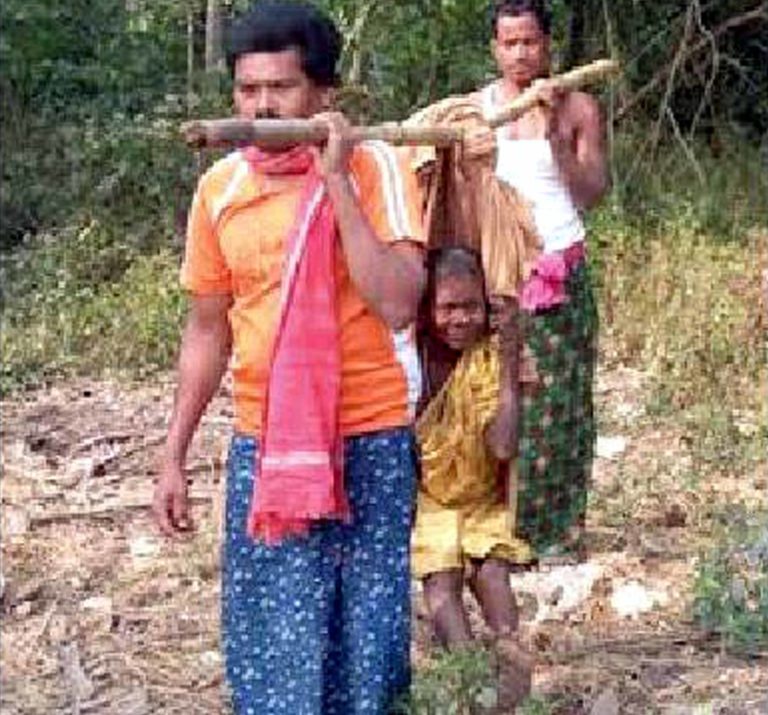
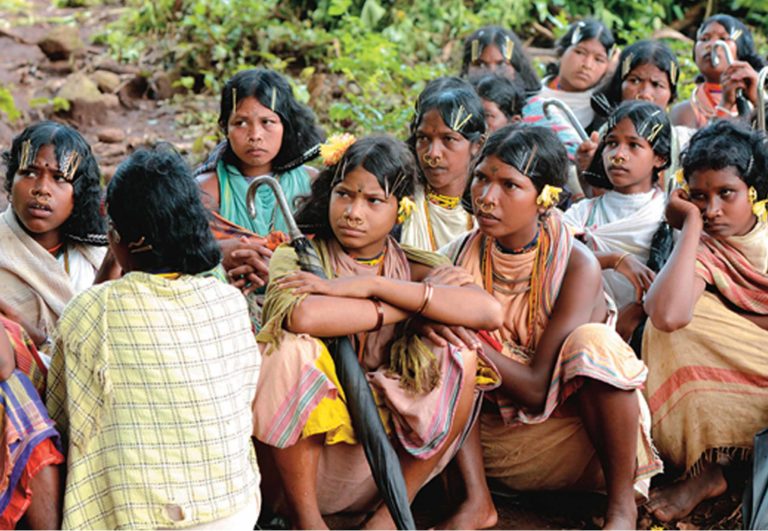
Hundreads of adivasi villages in Patrapur block of Ganjam districts like Tumba, Ankuli, Buratal, Surangi, Khariaguda are not facilitated with road, electricity, and basic amenities like drinking water.

People of Karadabadi are leaving and migrating from the village.

In Karadabadi, population of the village is 55 consisting of 15 families. The village located at 15 KM from the panchayat. To reach the village one need to climb the Pusput Mountain and walk for one hour. As there is no road to the village, no government facilities have been reached to the folks. For medical purpose they walk Jadimahul Mountain from 3 KM.

At the time of election, a temporary camp is installed. A well was dug in 1985 in the village and that is used by animal and human both. It become dirty in rainy while get dried in summer season. The people of Karadabadi walk Khariaguda, 15 KM regularly to collect ration and other necessary things.

Youth joined hands to lead development of Berhampur

0

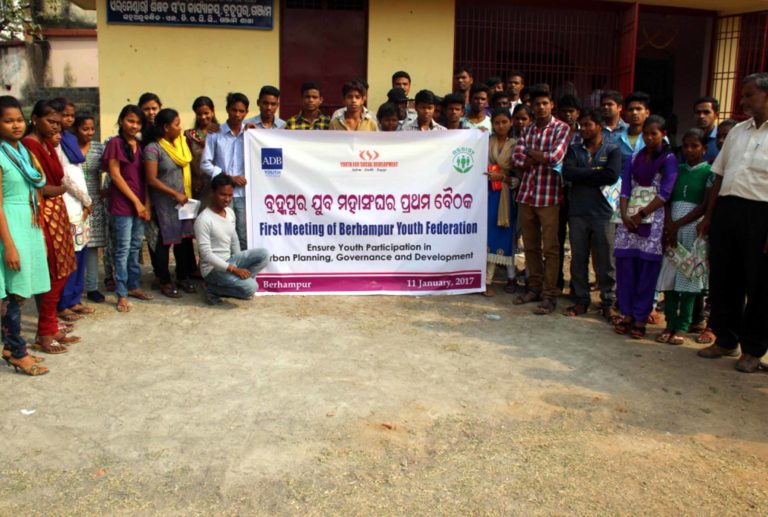
Youth consists a majority in the demographic dividend in Odisha with 65% of the population are young (below 35 years). Govt of Odisha has formulated Odisha State Youth Policy, 2013 in Odisha. Slum in Berhampur Municipal Corporation have also dominated by the young people with many issues related young men and women. To address these issues young people formed “Berhampur Youth Federation”. More than 70 youth joined hands to address their problems like poor quality of basic services, housing situation and their participation in urban planning, governance and development of the city.

This platform will create opportunity for the youth to discuss their issues, make solution of their own problems by engaging with the elected representatives, service providers. Today the members of youth club and youth federation prepared an action plan “Youth Charter” to improve the basic services in slums and ensure their participation in local urban governance.

Youth formed 11 youth clubs in 11 slums and they are networked with them to address their problems and challenges. Youth people also trained on various themes of leadership and social accountability like right to information, youth report card etc. They have been also trained on tools techniques to advocate with government and address media. In addition to this they are also trained on life skills and active citizenship. More than 600 young people are involved in this process.

Youth also taken action to address the issues of gender inequality, crime and anti social activities in slums and also created awareness on child labour, early child marriage and youth trafficking and also made future plan to make slums liquor free.

Youth for Social Development (YSD), a local non government organisation working with children and youth to improve local governance and people’s participation and climate action since 2007. YSD has been working in 40 slums in Berhampur with children and youth to improve basic service delivery and local governance.

Among the youth club members Bala Das, Archana Sahu, Kanya Kumari Das, Lipi Das and Pinki Das are presented in the first meeting. YSD coordinator Chandan Kumar Sahu, Abhiram Kanhar, Bijaylaxmi Pradhan and Birajini Devi facilitated this programme.

Tribal Sub-Plan Project in disarray

0

Since the independence of India, Odisha in these 8 Five Years Plan has never cross more than 30% in getting sanctioned funds regarding Tribal Sub Plan.

Since 1974 the Union government allotted huge amount of funds in Tribal Sub-Plan project for the development of the adivasis.

According to the report, in 1980-85, the expenditure increased to 0.96%. The worst report is coming in the 11th Five Years Plan (2007-2012). In this period only 23% of the total sanctioned has been utilized.

Likewise in the current 12th Five Years Plan (2012-2017), till date 27% of the sanctioned funds have been utilized.

The Regional Disparity Committee constituted in the Secretary level Sub Committee reports that the funds utilized for Tribal Sub Project in between 5th to 11th Five Years Plan are disappointing. We learned from a reliable source that in this report the disparities in development in different region of the state are crystal clear.

Kids walk rocky road to reach school in Jeypore

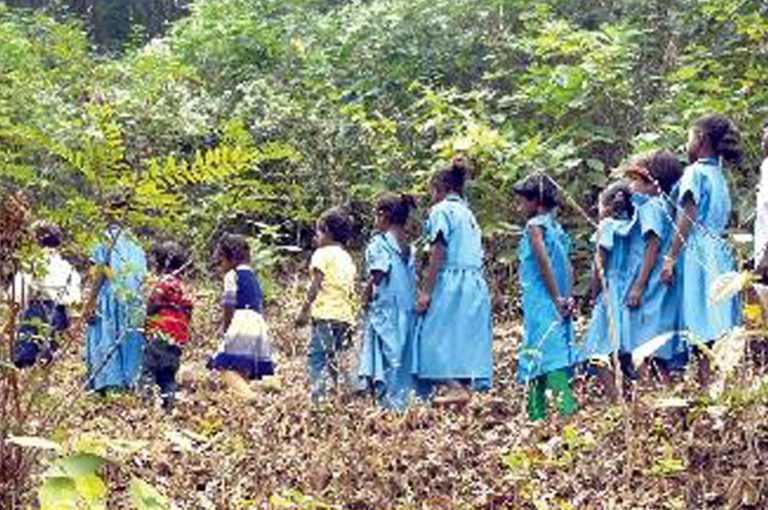
The children of Gadlabadi village of Bareniputa Panchayat under Jayapur block are climbing 2 KM mountain to reach their school.

Gadalabadi village is situated at 7 KM from the block headquarter Jaypore.  The village folks live on the top of the mountain. The villagers are living a life in misery and unspeakable pathos.  Government aids are returning back before reaching to the folks.

The population of the village is about 150.  There is no Angawanwadi. Around 15 village kids walk the Jungle road and reach Angawanwadi and school situated at Ghatkumar. These kids have no chappals. They walk barefoot to reach their school.  They wait till 4 O’ clock in the school. When they reach their village crossing the rocky road, it becomes evening. Titu, Babuli, Lakhman, Malati, Shasi, Sushanta, Dhanmati, Manima, Sabita, Daimati, Chanchala, Sadan, ramchandra, Shanti are the students who cross the rocky road in daily basis to reach the school.

Apart from this, the village have drinking water problem. They donot have any bore-well. And the two solar light provided to the village are defunct since many years.