Tuesday, May 19, 2026
Home Blog Page 29

GUIDE TO NUTRITION EXERCISE AND HEALTH

0

Part Three

Health

Health is a state of complete physical, mental and social well – being and not merely the absence of disease or infirmity.

-World Health Organization

Chapter – 4

Preventing Infections 

Infections are caused by microorganisms – including bacteria, viruses, and protozoa (worms) – that can invade the body and multiply inside.  Out immune system attacks them with white blood cells and antibodies.  The symptoms we have from infections – such as fever, pain and redness, swelling – are the result of immune – system response.

The steps you need to take to prevent an infection depend on how the infection is spread.

Food borne illnesses

Unsafe food, (containing harmful bacteria, viruses, parasites or chemical substances), causes more than 200 diseases (WHO) – ranging from diarrhea to cancer.  It is estimated that one in ten people in the world – fall ill after eating contaminated food. Diarrheal diseases are the most common illnesses resulting from consumption of contaminated food.

  • Bacteria
  • Salmonella, Campylobacter and E-coli are the moist common bacteria that infect millions of people. They cause nausea, vomiting, diarrhea, abdominal pain and fever.  Salmonella comes from raw egg, poultry and other products of animal origin.  Campylobacter infections are mainly caused by raw milk, raw or under cooked poultry and contaminated drinking water. E.coli is associated with unpasteurized milk, contaminated water, under cooked meat and fresh fruits and vegetables.  coliis found in human and animal feces and urine.
  • Listeria

Listeria is found in unpasteurized dairy products.  Listeria infection leads to abortion in pregnant women or death of new born babies.

  • Vibrio Cholera

Cholera bacteria infect people through contaminated water or food.  Symptoms include abdominal pain, vomiting and profuse watery diarrhea, which may lead to severe dehydration and death.

  • Viruses

Norovirus, Rotavirus, Norwalk virus and other viruses can cause nausea, explosive vomiting, watery diarrhea and abdominal pain.  Hepatitis A can cause jaundice and liver disease.  These viruses typically spread through raw or under cooked food.  Infected food handlers are often the source of food contamination.

  • Parasites

Some parasites such as Entamoeba histolytica (amoeba) or Giardia enter the food chain via water or soil and can contaminate fresh produce.  Tape worm, round worm may infect through water, or fresh produce or direct contact.

Rotavirus and E-coli are the two most common agents of diarrhea in developing countries.

Prevention

  • Safe drinking water.
  • Improved sanitation – no outdoor defecation.
  • Hand washing with soap and water – before handling food.
  • Drinking and eating only pasteurized milk products.
  • Eating well cooked food – especial meat and poultry.
  • Washing fruits thoroughly before eating.
  • Washing vegetables well and cooking them well.
  • Refrigerating leftover food promptly. Bacteria can grow quickly at room temperature.

 Common Cold and Flu 

The Common Cold

Sneezing, a scratchy throat, a running nose – everyone is familiar with the first signs of a cold.  Most colds are mild, lasting from one to two weeks.  Children have six to ten cold a year on average.  One reason colds are so common in children is that they are often in close contact with other children in a day care centers and schools.  On average, people older than 60 have fewer cold a year, because of their immunity.  In most countries, most colds occur during the fall and winter.

More than 200 different viruses are known to cause common cold.  Colds always spread from one person to another.  You cannot get cold from exposure to cold weather or from bathing in cold water.  Some research suggests that psychological stress and allergy of the nose and throat can increase the risk for cold.

There is no treatment for cold.  If you treat it will last 7 days and if you do not it will last for a week (it is a common saying among doctors).

Prevention:

Here are some steps you can take to avoid getting cold or passing a cold to others.

  • Wash your hands often with soap and water. When water is not available, use an alcohol based hand sanitizer.
  • Keep your hands away from your eyes, mouth and nose.
  • If you have cold, avoid getting close to people.
  • If you sneeze or cough, cover your nose and mouth, and then wash your hands.

Influenza (Flu)

Influenza or flu for short is a very contagious infection that causes high fever, chills, a dry cough, sore throat, running or stuffy nose, headache, muscle aches, and extreme fatigue.  The flu is more severe and long-lasting than a cold.  It can belife-threatening in infants, older adults and people with respiratory problems such as asthma or chronic bronchitis (COPD).

Flu Types

There are two main types of influenza (flu) virus: Type A and B.  The influenza A and B viruses that routinely spread in people are responsible for seasonal flu epidemics each year.  There are also many subtypes of A and B viruses causing flu.  The viruses also change from year to year – hence some year flu shots are not as effective as they should be.

Influenza Symptoms

The flu is different from cold.  The flu usually comes on suddenly. People who have the flu often feel some or all of these symptoms.

  • Fever or feverish / chills
  • Cough
  • Sore throat
  • Runny or stuffy nose
  • Muscle or body aches
  • Headache
  • Fatigue (tiredness)
  • Some people may have vomiting and diarrhea, though this is more common in children than adults.

It is important to note that not everyone with flu will have a fever.

Flu Complications

Most people with flu will recover in a few days to less than two weeks.  Some people can develop complications (such as pneumonia), and some of which can be life – threatening and result in death.  Pneumonia, bronchitis, sinus and ear infections are examples of complications from flu.  The flu can make chronic health problems worse.  For example, people with asthma may experience asthma attacks while they have flu.  People with chronic congestive heart failure may experience worsening of this condition that is triggered by the flu.  Older people, infants and people with certain chronic medical conditions (such as asthma, diabetes, or heart disease) can develop serious flu – related complication and can die from it.

Prevention

Flu viruses are spread mainly by droplets made when people with flu cough, sneeze or talk.  The droplets can go up to 6 feet.  To avoid flu:

  • Stay away from sick people and stay home if sick.
  • Wash your hands often with soap and water or sanitizer.
  • Keep your hands away from your nose, mouth and eyes if you have flu.
  • If you sneeze or cough, cover your mouth and wash your hands.

Vaccination

Flu viruses change from year to year, which is why you need to take your flu shot every year.  To give your body time to build up immunity, take your flu shot between September and mid-November, before flu season starts.  Side effects from flu shots are mild – soreness, redness, or swelling of the site of the shot.  You should not get the vaccination if you are highly allergic to egg or latex (components of the vaccine).

Pneumonia

Pneumonia is an infection of the lungs that can cause mild to severe illness in people of all ages.  It is the leading cause of death in children younger than 5 years of age worldwide.  However, these infections can be prevented with vaccines and can usually be treated with drugs.  Common signs of pneumonia include cough, fever, and difficulty in breathing.  You are more likely to become ill with pneumonia if you smoke or have underlying medical conditions, such as diabetes or heart disease.

Common Causes of Pneumonia

Pneumonia can be caused by viruses, bacteria, and fungi. Common causes of viral pneumonia are influenza and respiratory syncytial virus (RSV).Common cause of bacterial pneumonia is streptococcus pneumoniae.  Pneumonia can also be caused as a result of being on ventilator (respirator – or breathing machine).  This is known as ventilator – associated pneumonia.  Whooping cough, measles, hemophilus, and chickenpox can cause pneumonia in children and lead to death especially among under nourished children.

Prevention

There are several vaccines that prevent infection by bacteria or viruses that may cause pneumonia.  These are:

  • Pneumococcal
  • HemophilusInfluenza types type-b (Hib)
  • Pertussis (whooping cough)
  • Varicella (Chicken pox)
  • Measles
  • Influenza (Flu)

People older than 65 should get pneumococcal vaccine (once only) and yearly flu shots.  All children should be vaccinated against Hemophilus Influenza (Hib), whooping cough, chickenpox and measles. 

Malaria

Malaria is a life-threatening disease that is transmitted to people through the bites of infected female mosquitoes.  About 3.2 billion people-almost half of the world’s population – are at risk of malaria.  Young children, pregnant women and non-immune travelers from malaria free areas are particularly vulnerable to the disease.  Malaria is preventable and curable.

Causative Agent

Malaria is caused by Plasmodium parasites.  The parasites are spread to people though the bites of infected female Anopheles mosquitoes, called “malaria vectors”.  There are five parasites species that cause malaria in humans.  Two of these species – P. falciparum and P. Vivax – pose the greatest threat.  P. falciparum is the most prevalent in African continent.  It is responsible for most malaria – related death globally.

  1. Vivax has a wider distribution and predominates in many countries outside of Africa – Asia. SE. Asia, South America.

Symptoms

Malaria is an acute febrile illness.  Symptoms appear 7-15 days after the infective mosquito bite.  The first symptoms – fever, headache, chills and vomiting – may be mild and difficult to recognize as malaria.  If not treated within 24 hours, P. falciparum malaria can progress to severe illness, often leading to death.  Children with severe malaria frequently develop severe anemia and / or breathing difficulty.  In adults, multi-organ involvement is also frequent.  Multi-organs failure from malaria can lead to death.

Who is at risk?

In 2015, approximately 3-2 billion people – nearly half of the world’s population – were at risk of malaria.  Most malaria cases and deaths occur in sub-Saharan Africa.  However, people inAsia, Latin America, and to a lesser extent the Middle East and parts of Europe are also at risk (WHO).

Prevention

Mosquitoes control is the way to prevent and reduce malaria transmission.

Insecticide – treated mosquito nets (ITNs).  Long-lasting insecticidal nets (LLIN) are the preferred form of mosquito nets that should be used by all at risk.

Indoor spraying

Indoor residual spraying with insecticides is powerful way to rapidly reduce malaria transmission.  Its full potential is realized when at least 80% of houses in targeted areas are sprayed.  Indoor spraying is effective for 3-6 months.

Antimalarial Medicines

Antimalarial medicines can be used to prevent malaria.  For travelers, malaria can be prevented through chemoprophylaxis (medicine), which suppresses the blood stage of malaria infections, thereby preventing disease.

Many parts of the world, sub-Sahara Africa and India, mosquitoes are being resistance to insecticides.  The use of 2 different insecticides in treating mosquito net is being recommended for these areas.

Diagnosis and Treatment

Early diagnosis and treatment of malaria reduces disease and prevents death.  It also contributes to reducing malaria transmission.  Resistance to anti-malarial medicines is a recurring problem.

Vaccine against malaria

There are currently no licensed vaccines against malaria or any other human parasite.  One research vaccine against P. falciparum is being evaluated in a large clinical trial in 7 African countries.  It seems to be working.

Tuberculosis

Tuberculosis (TB) is a top infectious disease killer worldwide.  In 2014, close to 10 million people fell ill with TB and 1.5 million died from the disease.  Over 95% of TB deaths occur in low – and middle – income countries.  TB is the leading killer of HIV – positive people.

Tuberculosis (TB) is caused by bacteria (Mycobacterium tuberculosis) that most often affect the lungs.  TB is curable and preventable.

How does TB spread?

TB is spread from person to person though the air.  When people with lung TB cough, sneeze or spit, they propel the TB germs into the air.  A person needs to inhale only a few of these germs to become infected.  People infected with TB bacteria have a 10% life time risk of falling ill.  However, persons with compromised immune systems, such as HIV/AIDS, malnutrition or diabetes, or smokers, have much higher risk of falling ill.  People with active TB can infect 10-15 other people though close contact over the course of a year.

About one-third of the world’s population has latent TB, which means; they have the TB bacteria but are not (yet) ill.  They cannot transmit the disease.

Who is most at risk?

  • People who are immune compromised like HIV/AIDS.
  • All households’ members and co-workers of a TB patient.
  • Children, especially malnourished one.
  • Tobacco smokers
  • People with diabetes.

Symptoms and diagnosis

  • Cough with sputum and blood at times.
  • Chest pains
  • Weakness
  • Weight loss
  • Fever and night sweats

A trained laboratory technician can look at the sputum samples under a microscope to see TB bacteria and can make the diagnosis.  Chest x-ray can also help in the diagnosis.  The diagnosis can be made within 24 hours, but this test does not detect numerous cases of less infectious forms of TB.  Tuberculosis is particularly difficult to diagnose in children.

Treatment

TB is a treatable and curable disease.  Active non drug resistant TB is treated with a standard 6 months course of 4 drugs.  The vast majority of TB cases can be cured when medicines are provided freely and taken properly.  Disease caused by standard drug resistance TB bacteria (MDR-TB) is treatable and curable by using a second line of drug.

Sexually Transmitted Disease (STDS)

Sexually transmitted diseases or infections (STD or STI) are contagious infections that can be passed from person to person through sexual intercourse or other sexual contact, including oral and anal sex.  Many of the organisms that transmit STDs can live on the penis, vagina, anus, mouth, and nearby skin surfaces.  Some STDs can also be transmitted through non sexual contact with infected tissues or fluids, such as infected blood.  For example, intravenous drug users can acquire HIV or hepatitis B from sharing needles.  HIV and hepatitis B can also be transmitted from the mother to a fetus during pregnancy.

Causative Agents

More than 30 different bacteria, viruses and parasites are known to be transmitted through sexual contact.  Of these 8 infections, 4 are curable: syphilis, gonorrhea, chlamydia and trichomoniasis.  The other 4 are viral infections and are not curable: hepatitis B, herpes simplex virus (HSV or herpes), human papilloma virus (HPV) and HIV. Symptoms or disease due to the incurable viral infections can be reduced or modified through treatment.

Symptoms

A person can have STDS without having obvious symptoms of disease.  Common symptoms of STDS are:

  • Vaginal discharge.
  • Urethral discharge or burning in men
  • Genital ulcers
  • Abdominal pain

Complications

STDs can have serious consequences beyond the immediate impact of the infection itself.

  • Mother to child transmission can result in still birth, premature birth, new born death, infection and congenital deformities.
  • STDs can increase the risk of HIV infections.
  • STDs such gonorrhea and chlamydia are major causes of pelvic inflammatory disease (PID) and infertility in women.
  • Human papilloma virus (HPV) infection causes cervical cancer – and death in women and mouth and throat cancer in both men and women.

Prevention

  • Don’t have multiple sex partners. Having multiple sex partners exponentially raises your risk of STDs.
  • Use condom (male or female) from start to finish of sexual activity.
  • Don’t have sex with intravenous drug users – risk of hepatitis B and HIV are very high.
  • Be in a committed relationship and know the STD status of your partner.
  • Take precaution during pregnancy.
  • Tests for STDs are inexpensive and are easily available. Effective treatment is currently available for several STDs. If in doubt get tested.

You cannot avoid STDs by washing your genital area, urinating, or douching after sex.  Keep in mind that you can still acquire and transmit STDs, even if you use a condom, because a condom does not cover the surrounding skin areas.

HIV / AIDS

Human Immunodeficiency Virus (HIV) causes AIDS (Acquired Immuno Deficiency Syndrome). HIV virus attacks the cells of the immune system, leaving a person vulnerable to life-threatening infections and cancers.  Without treatment, AIDS is usually fatal.  HIV continues to be a major global public health issue, having claimed 1.6 million lives in 2014.

Transmission

HIV can be transmitted via the exchange of a variety of body fluids from infected individuals, such as blood, semen and vaginal secretions and breast milk. Individuals cannot become infected though ordinary day to day contact such as kissing, hugging or shaking hands. 

Risk Factors

Behaviors and conditions that put individuals at greater risk of contracting HIV include:

  • Having unprotected oral or vaginal or anal sex.
  • Having STDs such as syphilis, herpes, gonorrhea, and chlamydia.
  • Sharing contaminated needles, syringes.
  • Receiving unsafe injections, blood transfusions, medical procedures that involve unsterile cutting or piercing.
  • Experiencing accidental needle stick injuries – including among health workers.

Diagnosis

Most individuals develop antibodies to HIV within 28 days but antibodies may not be detectable early after infection.  HIV infections can be detected with great accuracy after 28 days.

Prevention

Individuals can reduce the risk of HIV infection by limiting exposure to risk factors.

  • Male and Female Condom use. Male latex condoms have 85% or greater protective effect against HIV and other STDs.
  • Testing and counseling for HIV and STDs.

Testing for HIV and other STDs is strongly advised for all people exposed to any of the risk factors.  By getting tested people learn their own status and seek necessary treatments.  TB is the most common presenting illness among people with HIV.  Early detection of TB and prompt treatment for both (TB + HIV) will save life.

  • Male Circumcision

Medical male circumcision, when safely done, reduces the risk HIV infection in men by 60%.

  • Antiretroviral treatments(ART) use for prevention

Pre-exposure prophylaxis (PREP) is the use of ART drugs within 72 hours of exposure to HIV in order to prevent infection.  It works.

  • Elimination of mother-to-child transmission of HIV

The transmission of HIV from an HIV-positive mother to her child during pregnancy, labor, delivery or breastfeeding is called vertical transmission or mother-to-child transmission (MTCT).  Mother to child transmissioncan be prevented if both the mother and the child are treated with ART.

  • Safe needle use

People who inject drugs (addicted drug users) can take precautions against becoming infected with HIV by using sterile needles and syringes.

Between 2000 and 2015, new HIV infections have fallen by 35% and AIDS – related death have fallen by 24%.

Hepatitis

A number of viruses can cause hepatitis.  Hepatitis is an inflammation of the liver. 

Hepatitis – B

Hepatitis B is a viral infection that attacks the liver and can cause both acute and chronic liver disease.  The virus is transmitted through contact with the blood or other body fluids of an infected person.  It is a major global health problem.  It can cause chronic infection and puts people at high risk of death from liver failure and liver cancer.  An effective vaccine against hepatitis B has been available since 1982.

Transmission

The hepatitis B virus can survive outside the body for at least 7 days.  The incubation period of hepatitis B virus is 75 days on average, but can vary from 30 to 180 days.  The virus may be detected within 30 to 60 days after infection.  Hepatitis B is transmitted the following ways:

  • Mother to child at birth.
  • Expose to infected blood – blood transfusion.
  • Various body fluids – blood, saliva, menstrual, vaginal, and semen (sexual).
  • Use of infected needles, syringes and unsterilized medical instruments.
  • Infection can occur during medical, surgical, dental procedures, tattooing or razors.

Symptoms

In many cases, a hepatitis B infection produces no symptom.  However, some people have acute illness with symptoms that last several weeks.  They can include jaundice (yellow discoloration of skin and eyes), feeling tired, loss of appetite, nausea, abdominal discomfort, dark urine, gray – colored stools, and joint pain.  More than 90% of healthy adults who are infected with the hepatitis B virus will recover naturally from the virus within the first year.

Diagnosis

It is not possible to differentiate hepatitis B infection from other forms of hepatitis.  However a number of blood tests are available to diagnose and monitor people with hepatitis B.  They can be used to distinguish between acute and chronic infections.

Treatment

There is no specific treatment for acute hepatitis B.  Chronic hepatitis B infection can be treated with antiviral drugs.  Treatment can slow the progression of liver damage (cirrhosis), reduce incidence of liver cancer and improve survival.  However, in most people, the treatment does not cure hepatitis B infection.  The treatment is life-long and very expensive.

Prevention – Vaccination

The most effective way to prevent hepatitis B is to have the hepatitis B vaccination.  The three-dose vaccine is 95% effective in preventing infection and the development of chronic liver disease and liver cancer due to hepatitis B.  The vaccination is recommended for all infants and children, and adults who are at risk (such as health care workers) for hepatitis B infection. Using latex condoms correctly and consistently may help reduce the risk of transmission during sexual activity.

Hepatitis A

Hepatitis A is viral liver disease that can cause mild to severe liver disease.   The hepatitis A virus is transmitted through ingestion of contaminated food and water or through direct contact with an infected person.  Most people recover fully from hepatitis A.  Unlike hepatitis B and C, hepatitis A infection does not cause chronic liver disease and rarely fatal.  The disease is common in all the developing countries.

Transmission

The hepatitis A virus is transmitted primarily by the fecal-oral route; that is when an uninfected person ingests food or water that has been contaminated with the faces of an infected person.  Water borne out breaks, though frequent, are usually associated with sewage – contaminated or inadequately treated water.  The virus can also be transmitted through close physical contact with an infectious person.  Casual contact among people does not spread the virus.

Symptoms

The incubation period (that is the time between the infection and the start of the symptom) of hepatitis A is usually 14-28 days.  Symptoms of hepatitis A range from mild to severe, and can include fever, malaise, loss of appetite, nausea, abdominal discomfort, jaundice (a yellowing of the skin and whites of the eyes and dark – colored urine.  Not everyone who is infected will have all of the symptoms.  Infected children under 6 years of age do not usually experience noticeable symptoms, and only 10% develop jaundice. 

Who is at risk?

Anyone who has not been vaccinated or previously infected can contract hepatitis A.  Risk factors include:

  • Poor sanitation;
  • Lack of safe water;
  • Living in a household with an infected person;
  • Being sexual partner of someone with acute hepatitis A infection;
  • Travelling to areas where hepatitis A is common;
  • Being a child or worker in a day care center.

Diagnosis

Cases of hepatitis A are not medically distinguishable from other types of acute viral hepatitis.  Diagnosis can be made by detection of hepatitis antibodies in the blood.

Prevention

The spread of hepatitis A can be reduced by:

  • Adequate supply of safe drinking water.
  • Proper disposal of sewage within communities and
  • Personal hygiene such as regular hand-washing with uncontaminated water.

Vaccination

Several hepatitis A vaccines are available.  The two-shot vaccination against hepatitis A is quite effective.  All people at risk or all people travelling to countries where hepatitis A is common should get the vaccine.

Hepatitis C, D and E

Hepatitis C is spread through blood and blood products and contaminated needles.  The majority of people with acute hepatitis C are without symptoms.  The hepatitis D virus survives and multiplies by attaching itself to the hepatitis B virus. It is common in drug users. Hepatitis E is a food – borne virus similar to hepatitis A.  It is common in Asia and South America.


Saheb Sahu, M.D., F.A.A.P., MPH.


GUIDE TO NUTRITION EXERCISE AND HEALTH

0

Chapter 3

Body Weight 

I want to weigh less, not through diet and exercise, but by acquiring a faulty scale.

  • Jarod Kintz

Body Mass Index (BMI) 

Body Mass Index is used by doctors to define normal, over weight and obesity.  BMI does not directly measure the percent of body fat, but it is a better indicator of obesity than weight alone.  BMI is calculated by dividing a person’s weight in kilograms by the square of his/her height in meters (Wt. in Kg/ht. in (m2).  Just look up your BMI on the table below or go to a website like CDC.gov or bmisite.net.  It is important that you know your present BMI.


BMI                                                    Status

Below 18.5                                        Underweight

18.5 – 24.9                                        Normal weight

25 – 29.9                                            Overweight

30 or higher                                      Obese


Newer studies show that normal BMI for Asian is up to 23 instead 24.9.

Rule of Thumb for Ideal Body Weight 

Ideal Bodyweight in Kilogram (IBW) for male = I Height in Centimeter – 100

For Female = Ht. in Centimeter – 105

For example a 168 cm. tall male weighs 77 Kg. His ideal body wt. should be = 168 – 100 = 66 Kg.

Another rule of thumb is, your adult weight should be the same as your high school graduation weight.

Waist Circumference (WC)

It is important to know not only how much fat you have on your body, but also where the fat is located.  Women typically collect fat in their hips and buttocks; men tend to collect in their bellies (abdomen).  Excessive abdominal fat places you at greater risk for developing obesity – related conditions like – type-2 diabetes, high blood pressure, heart disease and stroke.  For Indian men the waist circumference should be less than 78 cm. and for women less than 72 cm. (International Journal for obesity 2005).  If you have a bulging stomach (belly), it means you have too much abdominal fat and you are at risk for obesity – related diseases.

The Health Effects of Overweight and Obesity

People who are obese, compared to those with a normal weight, are at increased risk for many serious diseases and health conditions, including the followings:

  • All – causes of death (mortality)
  • High blood pressure (Hypertension)
  • Type 2 diabetes
  • High LDL (Bad) cholesterol, low HDL (good) cholesterol, or high levels of triglycerides (Dyslipidemia).
  • Coronary heart disease (heart disease)
  • Stroke
  • Gall bladder disease
  • Osteoarthritis (a breakdown of Cartilage and bone within a joint) (Arthritis).
  • Some Cancers – endometrial, breast, colon, kidney, gallbladder and liver.
  • Body pain and difficulty with physical activity.
  • Mental illness such as depression, anxiety and other mental disorders.
  • Low quality of life. *(CDC).

Losing Weight

It’s natural for anyone trying to lose weight to want to lose it very quickly.  But evidence shows that people who lose weight gradually and steadily (about 1 to 2 pounds (0.45 to 0.9 kg) per week are more successful at keeping weight off.  Healthy weight loss is not just about a “diet” or “program”.  It is about an ongoing life style that includes long – term changes in daily eating and exercise habits.

To lose weight, you must use up more calories than you take.  Since one pound (0.45 kg) equals, 3,50 calories you need to reduce our caloric intake by 600 -1000 calories per day to lose about 1to 2 pounds (0.45 – 9 kg) per week.

Once you have reached a healthy weight, do physical activity of moderate intensity, 60 to 90 minutes most of the days of the week.  By eating a reasonable lower caloric healthy diet and daily exercise, you are more likely to be successful at keeping the weight off over the long run.

Losing weight is not easy, and it takes commitment.  But keeping off is much harder.

Even Modest Weight Loss Can Mean Big Benefits

The god news is that no matter what your weight loss goal is, even a modest weight loss (5 to 10 lbs. – 2 to 4 kg), is likely to produce health benefits, such as lowering of blood pressure, blood cholesterol, and blood sugars. 

Tips for Healthy Weight Loss

  • Set goals.
  • Eat slowly.
  • Use smaller plates.
  • Donot skip meal – eat 3 – 4 small meals a day and eat low caloric snacks.
  • Eat a diet with whole grains, lots of fruits and vegetables, low fat dairy products, less processed foods, less sugar and trans fats and some nuts.
  • Get at least 30 minutes of moderate – intensity physical activity daily.

The Downside of Dieting

Dieting can increase your risk of developing gall stones.  People who lose a large amount of weight quickly (more than 3 lbs. – 1.5 kg) a week, are at greater risk of gallstones than those who lose weight more slowly.  Quitting smoking becomes more difficult when you have to contend with possible weight gain that happens to many people who quit.  Yo – yo dieting (losing and gaining weight ) also can pose some health risks like – gall stones, high blood pressure, abnormal blood cholesterol and possible damage to the immune system.

The key to achieving and maintaining a healthy weight is not about short – term dietary changes.  It is about a lifestyle that includes healthy eating, regular physical activity, and balancing the number of calories you consume with the number of calories your body uses.  Staying in control of your weight contributes to good health now and as you age.

Saheb Sahu, M.D., F.A.A.P., MPH.

On new Minimum Support Price

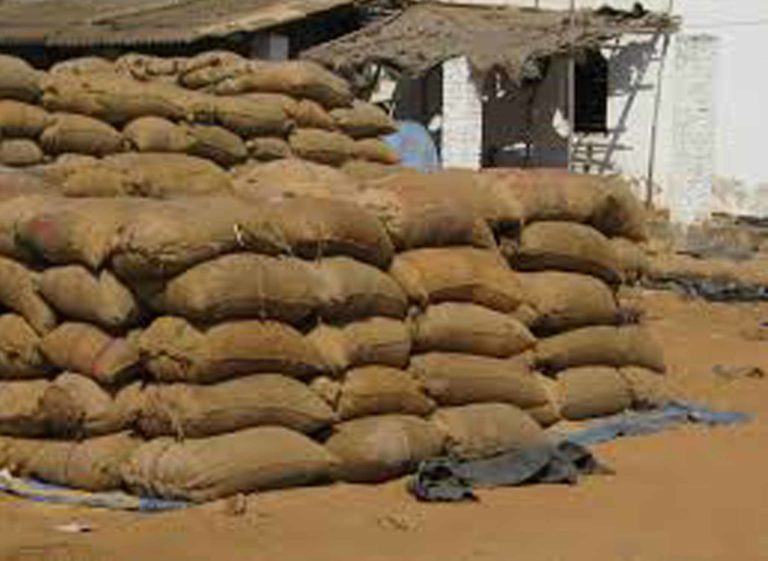
One of the prime reasons for the agricultural distress in our country is that the farmers fail to get fair remunerative prices on their agricultural produce. The Central Government announced an increase of Rs 200 in the MSP of paddy (common variety) which now would be Rs 1,750/quintal. The decision to increase Rs 200 is a welcome one but that is not commensurate with the rising costs of inputs.

Taking into account the suggestions of Commission for Agriculture Costs and Prices (CACP) regarding the cost of production of paddy for the year 2017-18, if it is computed according to the C2 formula(Swaminathan Commission) it comes to Rs 1,484 per quintal and hence the MSP should have been Rs 2,226 per quintal(1.5 times the cost of production).

However, given the vast size of our country with enormous geographical variations, one size will not fit all and a State-specific approach has to be taken. Same applies to the issue of MSP too. According to the Odisha’s Agriculture and Farmers’ Welfare Department, the average production cost of a quintal of the paddy comes to Rs 2,344. Going by the Swaminathan Commission recommendation that the MSP should be at par with 1.5 times the cost of production, it should have been fixed at least Rs 2930 per quintal as was unanimously passed by the State Assembly. A decision to that effect would have ensured that the farmers of the State get a fair remunerative price on their agricultural produce.

GUIDE TO NUTRITION EXERCISE AND HEALTH

0

Part Two

Exercise 

The only bad work out is the one that did not happen.

Unknown

Exercise should be regarded as a tribute to the heart.

  • Unknown

Chapter -2

EXERCISE 

Reading is to the mind what exercise is to the body

  • Joseph Addison


There is an old saying that exercise won’t necessarily help you live longer but it will help you to live younger longer.  In some cases it will help you even to live longer.  Research has shown that increased level of fitness can boost longevity and reduce mortality rates from all causes of deaths.

Any form of physical activity can improve health, including daily activities that would not necessarily be called exercise.  Adding a regular exercise program to the mix would benefit your health even more.  Put simply, leading an active life enables you to keep on being active, putting off (or avoiding altogether) the time when you have to depend on other people to perform your daily tasks.

How exercise keeps you healthy

If exercise could be packed into a pill, it would be the most commonly prescribed medicine in the world.  Physical activity provides health benefits for every part of the body.  Regular physical activity improves your health in the following ways:

  • Reduces the risk of developing heart disease – and the risk of dying from it.
  • Cuts your risk for stroke
  • Lessons your risk of developing high-blood pressure
  • Lowers your risk for type-2 diabetes and if you have diabetes if helps to control your blood sugar better
  • Reduces the risk of Colon Cancer
  • Helps you achieve and maintain a healthy body weight
  • Reduces the feelings of depression and anxiety
  • Reduces stress
  • Improves your sleep
  • Reduces the risk of falling and breaking bones in older people
  • Delays the development of age-related dementia and Alzheimer disease
  • Relieves arthritis pain
  • Results in fewer doctor visits, fewer hospitalization and medications

Types of exercise

There are 3 main types of exercises – Aerobic – Activity, Muscle – Strengthening and Bone-Strengthening.

Aerobic – Activity (Exercise)

Aerobic exercise is only type of activity that uses the large muscles of the arms and legs in a continuous fashion. Aerobic fitness is also called cardiovascular fitness because it improves the ability of the heart, blood vessels, and lungs to supply oxygen and fuel to the body.

Aerobic activities make your cardiovascular system stronger, lowering your risk of heart disease and high blood pressure.  Regular aerobic exercise also increases your endurance – hence also called endurance activity.  The following exercises provide Aerobic Activity:

  • Walking
  • Running
  • Jogging
  • Swimming
  • Bicycling
  • Stair Climbing
  • Dancing
  • Skipping rope
  • Rowing
  • Cross Country Skiing.

Muscle – Strengthening 

Exercises that build muscles go by a variety of names, including strength training, resistance training, weight training or weight lifting.  Strengthening exercises are safe and effective ways of building muscle mass for people of all ages, including those who are not in perfect health.  In fact, people with health conditions – including heart disease, arthritis – often benefit the most from weight lifting.

Benefits of Muscle Strengthening Exercises Are:

  • Increases muscle strength, flexibility and balance and lowers the chances of falling and breaking bones.
  • Increases bone density and reduce the risk for fractures, especially in older people.
  • It helps in weight control, because people with more muscle mass have a higher metabolic rate. An increased metabolic rate is helpful for both weight loss and long-term weight control.
  • Strength training is also beneficial for prevention and control of type-2 diabetes.
  • Strength training is vital for heart health because heart disease risk is lower when your body is leaner.

Getting Started With Weights

When you are starting out on muscle strengthening exercise, use a low-weight dumbbell or machine weight to determine what weight you can handle comfortably and safely.  You can also use tubing and elastic bands for strength training.  You can also work against your body to build muscle mass by doing pull-ups and push-ups.  It is recommended that you warm-up for 5-10 minutes of aerobic exercise before starting strengthening exercises.

Beginner State:

  • Select one exercise from each of the following body areas: hips and legs, chest, back, shoulders, low back and abdomen.
  • Do 1-2 sets of 8-10 repetition with enough weight to be comfortable.
  • Try to breaths out as you lift or press against resistance, and breathe in as you lower the weight.

Intermediate to Established Stage:

  • Do total of 10 exercises. Select one from each of the following body areas: hips and legs, quadriceps, hamstrings, chest, back shoulders, biceps, triceps, low back, and abdominal.
  • Do 2 sets of 8-12 repetitions.
  • Breathe out as you lift and breathe in as you lower the weight.

Warm-up Rest Periods and Cool-Down

It is recommended that your warm-up for resistance training should include 5 to 10 minutes of aerobic activities.  The length of rest period (1-2 minutes) between sets will depend upon the weight used.  Heavier the weight, longer the in between rest period.  The cool-down phase brings the body to resting levels.

Bone-Strengthening

Bone-strengthening activities produce a force on the bones that promote bone growth and strength.  The force is commonly produced by impact with the ground.  The good news: bone strengthening activities can also be aerobic and muscle-strengthening like running, jumping rope, tennis, basketball, football and hopscotch.

The Benefits of Cross-Training

Cross-training is a technique that enables you to fight boredom while gaining extra benefits from your fitness program.  Cross-training is performing two or more different types of exercise – either with one workout or alternately in consecutive sessions.  If you walk or jog, for example, you could lift weights twice a week or take a yoga class.  You can engage in more than one type of aerobic exercise – bicycling, walking or swimming or playing sport, for example to vary your workouts even more.  Bringing variety to your exercise sessions can help keep you motivated.

No single type of physical activity can provide all the health benefits gained from exercise.  For example, aerobic exercise enhances heart health because of sustained used of large – muscle group.  But aerobic activity does not necessarily help developing muscle mass, especially in upper body.  On the other hand weight – training builds muscle mass, but does not necessarily improve joint flexibility.  Only a combination of the different types of exercise can give you the optimal, all – round fitness your body needs.

Cross-training helps make your entire body stronger and lowers your risk of injury.  It also wards off the monotony of everyday exercise.

When to stop exercising

  • If you develop dizziness or faintness
  • Chest pain or pressure
  • Irregular, rapid heart beat
  • Develop injury

Physical Activity Guidelines (President’s Council for Physical Fitness, USA)

Children and Adolescents (6-17 years old) 

Children and adolescents should get 60 minutes or more of physical activity daily.  That includes:

  • Aerobic Activity: Most of the 60 or more minutes a day should be either moderate – or Vigorous – intensity physical activity (such as running, biking, dancing) at least 3 days a week.
  • Muscle – Strengthening: As a part of 60 or more minutes of daily physical activity, include muscle – strengthening – physical activity (such as using playground equipment, climbing trees, or lifting weight) on at least 3 days a week.
  • Bone-Strengthening: As a part of the 60 or more minutes of daily physical activity, include bone-strengthening physical activity (such as running or jumping rope) on at least 3 days a week.

It is important that young people try a variety of physical activity and do something they enjoy.  The activity should be appropriate for their age. 

Adults (18-64 years old) 

Aerobic Activities:

For substantial health benefit, adults should do one of the following:

  • 150 minutes (2 ½ hours) each week of moderate-intensity aerobic physical activity (such as brisk walking, or tennis).
  • 75 minutes each week of vigorous – intensity aerobic physical activity (such as jugging or swimming laps, Soccer, basket balls.)
  • An equivalent combination of moderate – and vigorous – intensity aerobic physical activity.

Do aerobic physical activities in episodes of at least 10 minutes if possible, spread it out through the week.

For even greater health benefits, do one of the following:

  • Increase moderate – intensity aerobic physical activity to 300 minutes (5 hours) each week.
  • Increase vigorous – intensity aerobic physical activity for 150 minutes (2 ½ hours) each week.

Doing more physical activity will lead to even greater health benefits.  Not sure whether you are at a moderate or vigorous activity level? Try the talk test.  If you can talk while you are active, then you are participating at a moderate level.  If you can say only few words without stopping to catch your breath, then you are engaging in vigorous activity.

Muscle-Strengthening Activities:

  • Do muscle – strengthening activities (such as lifting weight, using resistance bands, push-ups, sit ups, using machines) that are moderate to high intensity and involve all major muscle groups (-legs, hips, back, chest stomach, shoulders, and arms) on 2 or more days a week.

Bone-Strengthening Activities

Bone-strengthening activities can be both aerobic and muscle-strengthening like running, jumping rope, basketball, tennis, soccer.

Older Adults (Age 65 and Older)

Regular physical activity is essential for healthy aging.  Adults over 65 gain substantial health benefits from regular physical activity.  These benefits continue to occur throughout their lives.

  • For older adults who are fit and have no limiting chronic conditions, the guidelines are the same as those for all adults (18-64 ages).

Guidelines Just for Older Adults

  • Be as active as possible.
  • Do some activities to improve your balance – Good balance is important to help prevent falls. Some balance activities are:
  • Climb stairs.
  • Do tai-chi
  • Walk on uneven side walk.
  • Walk on heels and toes.
  • Walk forward and backward.
  • Lean your body forward, backward.
  • Lean your body forward, backward or to the side.

Improve Your Flexibility

  • Make the bed
  • Bend over to tie your shoes
  • Pull a sweater over your head
  • Reach for a food item on a kitchen self.

Exercise and physical activity can have a positive effect on your everyday life.  Even if you think you are too old or too out of shape to exercise, start now.  It is never too late to start. Being inactive can be risky. 

How long, how often, and how hard?

Once you take the exercise challenge, consider three factors that make up the backbone of any god exercise program: frequency, duration, and intensity.  The bottom line is: If you are doing nothing, do something.  If you are already exercising, do more – exercise for a longer period and at greater intensity.

If you have been inactive or if you are overweight, start out slowly. The best approach is to start with light or moderate activity – such as walking, biking or swimming.  Gradually increase the duration of the activity first.  Once you are exercising more than 30 minutes a day, gradually increase the intensity of the activity.  Mixing in some light weights add value once your heart and lungs are fit.  The key is to get moving and be more physically active than you already are.

Who next after Naveen in BJD

BJD is continuing its 4th term in Odisha. After the death of Biju Patnaik, Biju Janata Dal was formed after his name in last part of 1997. It has traveled a lot since its foundation.

What BJD was in its early day is not today. Many of its founder members are not in the party. Name it, Srikant Jena, Dillip Ray, Bijoy Mahapatra and many more. Time to time Naven Patnaik, the party chief has discarded many founder members in the name of discipline; Damodar Rout and Baijayanta Panda are recent examples.

In the last election 80% of the MLAs of BJD were new to the party and the assembly. Why BJD has adopted this tactic is not surprising, rather it is a well planned political strategy.

First, he has seen May 29 scoop. Naveen Patnaik don’t want to keep his rivals inside his own party. Secondly, he is getting old and having some health problems. He may have to vacate the chair at any time. And any of these were capable of hacking the throne if in power.

If none of these experienced leaders are not the heirs to the throne then who is the successor of Naveen and BJD? It is his nephew, Arun Patnaik.

The preparation in BJD is going on for Arun indeed. When Naveen came to Odisha politics and took over BJD he too struggled a lot handling all the ambitious senior leaders. When Arun will take over BJD, perhaps the same problem may arise if there will be seniors. So the curtailing down process is on for all ambitious one. Baijayanta Panda was one of those, once he had stated, “Biju Babu was a pilot and I’m also a pilot my height and Biju babu’s height matches”. Now Baijayanta Panda is not in BJD. Only old folk survived in the party is Prasanna Acharya, who too had stated that if Naveen Patnaik wouldn’t have been the son of Biju babu then he would have been the CM of Odisha. Let’s see whether Prasanna Acharya survived in BJD till the arrival of Arun Patnaik or not.

Saket Sreebhushan Sahu comments on culture and politics

GUIDE TO NUTRITION EXERCISE AND HEALTH

0

Part one
Nutrition

Every human being is the author of his own health or disease
– Buddha
He who cures a disease may be skill fullest, but he that prevents it is the safest physician.
– Thomas Fuller, (1608-61)

Don’t eat less. Eat right.
– Unknown

Anyone can work out for an hour, but to control
What goes on your plate the other 23 hours …….
That is hard work.
– Unknown

Chapter -1
Nutrition

Eat food. Not too much. Mostly plants.
– Michael Pallin

Of all the steps you can take to stay healthy and prevent disease, eating a nutritious diet and physical activity is most important. Healthy eating and exercise can help you maintain proper weight and lower the risk of many diseases like – heart disease, high blood pressure, stroke, type-2 diabetes, cancers, dementia and depression. Healthy eating during pregnancy leads to healthier babies.

Poor nutrition and under nourishment is major problem in developing countries. They contribute too much to disease, disability and death especially among mothers and children. Obesity is a major problem in developed countries and becoming one in developing countries.

Building a healthy diet
The food we eat is made up of three main nutrients: Carbohydrates, protein, and fat.
Carbohydrates 1 Gram = 4 Kcal

Carbohydrates or carbs come in two types: simple and complex. Simple carbs are sugars, including the sugar found in fruits (fructose), the milk sugar (lactose), and the white sugar in your sugar bowl (sucrose). Simple carbs taste sweet and are easy to digest. They can cause a sudden rise in blood sugar (glucose) levels – which a person with pre-diabetes and diabetes has to avoid.

Foods containing complex carbs – such as brown rice, whole-grain breads, cooked dried beans (dals of all kinds), and sweet potatoes – take longer to digest and raise the blood sugar slowly. Complex carbs also contain a lot more vitamins, minerals, and other nutrients than simple carbs. Each gram of Carb – simple or complex has 4 calories.

Fiber
Fiber is a type of carbohydrate that is found in the cell walls of plants. Fiber is not digested by the body. Dietary fiber has been found to help reduce the risk for type 2 diabetes. Fiber – rich food can also help reduce the absorption of cholesterol into the blood stream. Fiber also helps keep the intestinal tract functioning well and reduce constipation. It also reduces the risk for diverticulitis (a condition in which small pouches develop in the walls of large intestine).
Fiber comes in two forms: soluble and insoluble. Soluble fiber can help control blood sugar levels and improve blood cholesterol. Insoluble fiber softens and adds bulk to the stool, and reduces constipation. Good sources of soluble fiber are cereal grains (such as barely, oat meal, and oat bran), fruit (including citrus fruits, prunes, pears, apple, and bananas), legumes (lima beans, kidney beans and navy beans), peas (such as chickpeas and black-eyed peas) and vegetables (such as carrots, broccoli and Brussels sprouts). Good sources of insoluble fiber include whole grains (brown rice, barely, whole wheat) flaxseed, carrots, cucumbers, zucchini, celery, tomatoes, and the edible skins of many fruits (guava, apple etc.).

How much fiber do we need?
A good rule of thumb is to eat about 28 grams of fiber a day for a 2,000 – caloric diet. Drink plenty of water to avoid bloating and gas.

Protein 1 Gram = 4 Calories

The protein food is made up of a chain of compounds called amino acids. The human body needs roughly 20 amino acids to make all of its protein, which are the main components of muscles. Our body can manufacture 10 of the 20 amino acids it needs. These are called the non-essential amino acids because we do not have to get it from our food. There are 10 other amino acids – the essential amino acids – which we can get only from our diet.

Food derived from animals – including meat, poultry, fish, shellfish, eggs and dairy products – supply all the essential amino acids. Plant foods – including grains, fruits, and vegetables – do not provide all the essential amino acids.

The quantity of protein an adult needs per day is 0.8 grams per kilogram of body weight. Children and adolescents need more – close to 1.5 grams/kilogram of body weight per day to provide for their growth and development.

Eating too much protein can lead to gout (a form of rich man’s arthritis). A high-protein diet can also place a heavy burden on the kidneys, which excrete in the urine excess waste from protein.

Fats I Gram -9 Calories

Fat is an essential nutrients – meaning our body needs certain amount of fat to make various things. Fat helps our body to absorb Vitamin A, D, E, and K (fat soluble vitamins). We also need fat for proper growth, development, and general good health. Fat also gives taste to the food we eat. It is the type of fat and the amount you consume that is important.

There are two main types of fat that are found in our food – saturated and unsaturated.

Healthy Fats
Healthy fat – including monounsaturated and polyunsaturated and plant sterols – are beneficial when consumed in moderation. These healthy fats can improve our blood cholesterol and reduce the risk for heart disease. Monosaturated fats, found mostly in olive, canola and peanut oils are the healthiest fats you can eat. They decrease the level of harmful cholesterol (LDL) and increase the level of beneficial cholesterol (HDL) in the blood. Mono saturated fats are usually liquid at room temperature

Polyunsaturated fats

Polyunsaturated fats are found in corn, sunflower, flaxseed, and soya bean oils, and in the oils of fatty fish such as salmon mackerel, and tuna. Rich in Omega – 3 fatty acids and Omega – 6 fatty acids, poly unsaturated fats lower total cholesterol in the blood (both – bad kind LDL and good kind HDL). They are usually liquid at room temperature.

Plant sterols and stanols

Substances called plant sterols or stanols are fat found in nuts, seeds, and many other plant foods. When eaten regularly plant sterols and stanols can slow the absorption of dietary cholesterol and lower the level of harmful cholesterol in the blood. Some studies have found that regularly eating 4-6 nuts a day can reduce the risk of heart disease by about 25 percent. Nuts are also rich in protein, fiber and minerals. Just avoid the salted nuts.

Unhealthy Fats
Fats we need to watch out for include saturated fats,trans fats, and dietary cholesterol. These fats can raise the total and the bad cholesterol (LDL) in the blood.

Saturated fats
Saturated fats is found mostly in food that come from animals, including fatty cuts of meat, poultry with skin, whole and 2-per cent milk, butter, ghee, cheese and lard (Pig fat). But high amount of saturated fat can also be found in some foods that come from plants, such as palm kernel oil, palm oil, coconut oil and cocoa butter. Eating saturated fat increases the risk of heart disease and high blood pressure. There is some evidence that eating large amount of animal fat and saturated fat may raise the risk of prostate cancer in men and cancer of the uterus (endometrial) in women.

Trans fats
Unlike other fats, most trans fats are formed when food manufacturers turn liquid oils into solid fats. To do this, manufacturers add hydrogen to vegetable oils in a process called hydrogenation. Hydrogenation increases the self-life and stabilizes the flavor of many popular foods.Trans fats are the reason French fries and deep fried chickens and fish taste so good. Trans fats are found in many dry snack foods like crackers, cookies, pies. They are in vegetable shortening and margarine.

Trans fats elevate total and bad cholesterol (LDL) and lower the level of good cholesterol (HDL). In addition, trans fats seem to trigger the immune system to increase inflammation in the body. Inflammation has been linked to an increased risk for heart disease.

What can you do to avoid trans fats? Read the food nutrition label. When eating out avoid deep – fried foods or do not cook at home with hydrogenated oil.

Dietary Cholesterol

Cholesterol is a fat that the body needs in small amount. Blood cholesterol is a substance made by our liver to help the body manufacture hormones, vitamin D and bile acids that help the body digest fat and repair cells. Problems arise when the liver makes too much bad LDL Cholesterol. HDL Cholesterol is beneficial because it removes cholesterol from the arteries.

Dietary cholesterol refers to the cholesterol that is present in some food of animal origin.
Plant based food do not have cholesterol.

. Common food sources of cholesterol include egg yolk, shrimp, lobster, red meat, full-fat dairy products and organ meats (liver, kidney and brains). Dietary cholesterol does not raise blood cholesterol as much as saturated fats and trans fats do. But limit your intake of cholesterol to less than 300 mg a day. For example – the yolk of one large egg contains 214 mg of cholesterol. It is recommended that healthy people should not consume more than 4 eggs a week. People with heart disease should limit to one or none.

Using Fats Wisely

You can help lower your blood cholesterol by replacing saturated fats with unsaturated fats. But also keep in mind that limiting the total amount of fat and oils helps keep your calorie intake moderate, which in turn helps you control your weight. Choose liquid vegetables oils like – canola, peanut, olive, sesame, soy bean and sun-flowers. Avoid saturated and trans fats like – butter, ghee and solid shortenings (hydrogenated oils).

Vitamins

Vitamins and minerals are considered micro nutrients. Even though they do not provide energy like macro nutrients – carbohydrate, protein and fat, they have other functions to keep us healthy. Vitamin D makes our bones and teeth stronger. Vitamin Ahelps us in our vision. Vitamin E boosts our immune system. Vitamin K helps to clot our blood. Vitamins B1 helps to convert food into energy. Vitamin B12 helps in blood formation. Vitamin C prevents a disease called scurvy.

Minerals

Minerals are inorganic chemical compounds, not made by plant or animals. Minerals work in the body to regulate hormones and support the activities of enzymes. Some of the major minerals needed by the body are calcium, iron, fluoride, magnesium, phosphorus, chromium, iodine and copper.

Antioxidants

Oxidation is an essential activity of all life system, but in excess it can damage cells and can contribute to disease like arthritis, heart disease and Alzheimer. Antioxidants – such as Vitamins A, C, and E, and beta carotene – may be antidote to excessive oxidation protecting cells against damage. The minerals selenium, magnesium, copper and zinc also have antioxidant properties.

Phytochemicals

Phytochemicals are naturally occurring substances in plant foods that can help us keep healthy. Fruits, vegetables, and legumes (dried beans and peas) contain hundreds of phytochemicals. Phytochemicals work together with vitamins and minerals to protect us against cancer, heart disease, and other disorders. Eating a variety of fruits, vegetables and legumes gives us all of these nutrients together.

Water

Water is a required nutrient for all living beings. Water is required for digestion of foods and hydration of the body. Researchers have found a relationship between water intake and reduction of gallstone and kidney stones.

With respect tophysical activity, water is important to prevent dehydration. Besides plain water, other sources of water are food, tea, coffee, milk, juice and other beverages.

To supplement or not to supplement?

While vitamin and mineral supplements are heavily advertised and widely used, their overall benefits are questionable. Some supplements can have unwanted side-effects. Some of them can have adverse reactions when taken with some prescription medicines. While our body needs essential nutrients, taking mega dose of some nutrients can be harmful.

In developing countries Vita A and iron-deficiencies especially among children are common. Vitamin-A deficiency leads to poor vision. Iron deficiency leads to anemia (low hemoglobin). Children in developing countries should receive supplemental Vitamin-A, iron and Vitamin-D. Pregnant mothers everywhere should take supplemental folic acid (to reduce birth defects) and iron. Older adults should take extra Vitamin-D and Calcium to prevent thinning of the bones.

Bottom-line: try to get most of your micronutrients from a well-balanced diet. Pregnant mothers, children and older people need some supplement as mentioned above. But avoid mega dose of anything.

Vegetarian diet

There are three main types of vegetarians. Ovolacto vegetarians arethose,who shun meat and fish but consume eggs and dairy products. Lacto vegetarianswho consume dairy products but not eggs.Vegans –who consume only plant food.

Generally a vegetarian diet can be very healthy. Vegetarians tend to have lower risk of developing heart disease, high blood pressure, and certain types of cancer. They are also less likely tobe overweight. But pure vegetarians (Vegans)can develop iron deficiency anemia and vitamin B deficiencies if they are not careful about what they eat. Some of them compensate by eating too much fatty foods.

Even if you are not a vegetarian, it is good idea to eat vegetarian foods few times a week.

Food Safety

Food-borne illnesses are common in developing countries but also occur in developed countries. The most common food-borne illnesses are caused by bacteria and few viruses. The most common bacteria are – Campylobacter, Salmonella and E. coli. The viruses are Rota virus, Norwalk and Norwalk – like viruses.

The foods most likely to be contaminated with bacterium or virus are raw food of animal origin, including raw meat and poultry, raw eggs, unpasteurized milk (raw milk), and raw shellfish (shrimps, crabs, lobsters). Eating raw fruits and vegetable can also be chancy. Washing produce can lower the risk of contamination but won’t eliminate it. The following precautions can help reduce the risk of food poisoning:
• Wash your hands.
• Wash all produce. Remove the outermost leaves of lettuce or cabbage.
• Cook meat, poultry and eggs thoroughly.
• Don’t drink raw milk.
• Don’t contaminate one food with another. To avoid cross-contaminating foods, always wash your hands, utensils, and cutting boards in warm soapy after.
• Refrigerate leftovers right away at 340 F to 400 F.

2015, USDA Guidelines (United States Dept. of Agriculture Expert Committee)
• Follow a healthy eating pattern across the lifespan.
• Focus on variety, nutrient density and amount.
• Limit calories from added sugar and saturated fats and reduce sodium intake.

Key Recommendations

A healthy eating pattern includes:
• A variety of vegetables – dark green, red, orange, legumes (beans and peas), starchy and other.
• Fruits especially whole fruits.
• Grains, at least half of which are whole grains (brown rice, whole wheat etc.)
• Fat-free or low-fat dairy, including milk, yogurt, cheese, and / or fortified soy drinks.
• A variety of protein foods including sea food, lean meats and poultry, eggs, legumes (beans and peas) and nuts, seeds and soy products.
• Oils (Olive, Canola, Peanut, Sunflower, Soybean, Corn)

Limit
• Saturated fats, trans fats, added sugar, and salt, alcohol and sugar – sweetened drinks.
Bottom line – Eat in moderation. Eat a variety of foods, mostly fruits and vegetables, legumes, whole grains, low fat dairy products, sea foods (fish and shrimp), lean meat, some nuts and soy products. Stay active. If you are gaining weight, it means you are eating too much! Reduce your portion size.

BJP may rule another state, not Odisha but Kosal

BJP is trying hard to capture Odisha in the coming general election. All efforts are in to dislodge the Naveen Patnaik led BJD government.  At present, BJD is having 118 MLAs out of 147 members’ assembly and in solid position. BJP is having just 10 MLAs and in 3rd position, even not the opposition party in the assembly.

BJD is continuing its 4th term and the electoral moods looks in favour of BJD for another term in Odisha. No doubt the upbeat BJP is campaigning vigorously in Odisha and their central leaders like Amit Shah and even PM Narendra Modi are visiting regularly to charge the BJP cadre. BJP has gain overall vote percentage but could not materialize in to winning elections in recent past after the panchayat election.

Let’s check the exact status of BJP after little recent political development. Baijayanta Panda, former BJD MP and a businessman has left BJD and likely to join BJP. Daughter of Lulu Mohapatra joined BJP leaving Congress and Shisir Gomango son of former CM Giridhar Gomango join BJP. These 3 people may benefit BJP. How many seats, 5 each? It becomes 15 in total. And let’s assume that all the standing MLAs of BJP are winning again though the result may differ. Let’s add 5-10 more seats from other parts of Odisha. Then it becomes 35 seats in total. The mission 120 + of BJP and dream of Dharmendra Pradhan to become the CM of Odisha gets shattered down.

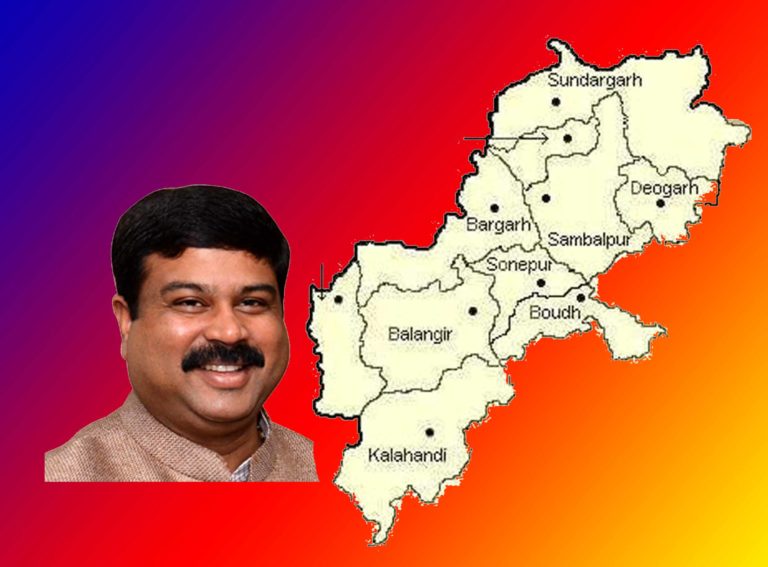
Hold on, politics is store-house of all possibility. If Dharmendra Pradhan wish he can become the CM and BJP may rule another state, not Odisha but Kosal. Yes, the western part of Odisha popularly known as Kosal region is demanding for a separate state since last few decades due to its backwardness and different identity than coastal Odisha. It consist of 36 MLAs seats. BJP has better response in Kosal than coastal. Maximum MLAs of present Odisha BJP are from Kosal and the only MP is also from Kosal region.

As a state, Kosal is economically viable. It is rich with mineral mines and forest product like Tendu leaves which is the major source of revenue generation in today’s Odisha. Kosal is also the highest producer of paddy and other agricultural products like pulses etc. Again Kosal is known for producing ikat clothes like saree etc which is world famous. Kosal can become a self sustainable unit economically and there will be development and all round progress if it is separated from Odisha.

It is a practical win-win situation for BJP and Kosal.


Saket Sreebhushan Sahu comments on politics and culture

GUIDE TO NUTRITION EXERCISE AND HEALTH

0

Introduction

Health, disease and disability are dynamic processes which begin before an individual realizes that she/he is sick.  Each year millions of people die of preventable diseases like – diarrhea, malaria, tuberculosis, HIV/AIDS, heart disease, stroke, cancer and diabetes.  Many of these deaths can be prevented or greatly reduced by public health measures like provision of safe-drinking water and food, immunization, safe child-birth and lifestyle changes.  Lifestyle changes include-proper nutrition, physical activity and exercise, not smoking or drinking and watching one’s body weight.

There are multiple sources for health information.  Many of them are sponsored by food or drug or marketing companies.  Many of their information are biased.

This is a book about preventive health – that is how to keep you healthy.  This is not a book about disease and treatment.  It is a book meant for non-medical people.  The guidelines provided in this book are not mine.  They are from non-biased, reputable sources like World Health Organization (Geneva), Center for Disease Control and Prevention (CDC-USA) and American Medical Association.

Medical research is constantly advancing and recommendations are also changing.  All the information presented here was collected in January-February 2017.  Some of them may be outdated by the time you read them, but the basic ideas presented in the book will still be relevant. The best way to get the latest information on any topic is for you to visit the web-sites listed at the end of the book under “sources”.

It has been said that – information is not Knowledge and knowledge is not wisdom.  To get wisdom, you have to act on your Knowledge.  Changing one’s lifestyle is not easy but it can be done.  Many people are doing it every day.  Be the one who changed.

Dr Saheb Sahu, M.D., F.A.A.P., MPH.

Kosal, Kosali and BJP, BJD

Out of the total 147 assembly seats, 36 seats belong to western part of Odisha or Kosal region. The lion share of assembly seats of Odisha legislative assembly are from coastal and other parts. Till date Rajendra Narayan Singh Deo from Swatantra Party (8th March 1967 – 9th January 1971) and Hemananda Biswal from INC (7th December 1989 – 5th March 1990 and 6 Dec 99 – 5th March 2000) from western Odisha have become Chief Minister of Odisha.

Western Odisha or Kosal region is no doubt lagging in development. That’s why Western Odisha Development Council (WODC) and Kalahandi-Balangir-Koraput (KBK) region has been constituted. The backwardness and difference of culture and identity of this region has led to demand of separate state; Kosal.

Now, many of the young Kosal activists in social media are found to a bit incline towards the propagation of BJP.  They attend meetings of Prime Minister Modi, Amit Shah and even cabinet minister Dharmendra Pradhan demanding separate Kosal state.  But BJP has never shown any sign for Kosal. Whereas The Kosal activists are never found demanding separate state to Chief Minister Naveen Patnaik or any cabinet minister of Odisha. The Kosal activists think that if BJP came to power they may get the Kosal. But why a BJP in majority will provide you the Kosal ? Never.

No doubt BJD is an Odisha based regional party. Its stronghold lies in coastal region than western part. BJD plays electoral cards appeasing both Odia and Kosali sentiments. Whereas BJP has done nothing for Kosali till date, if BJP wish it can enlist Kosali with Kendra Sahitya Academy and even include in 8th Schedule but BJP has not shown any sign. Only 2 sessions of parliament left, monsoon and winter and election is in 2019; it may dissolve at anytime. Whereas BJD is certainly going to do something, like establish the declared Haldhar Nag Kosali Research Centre or create an academy.

BJP is a bit good in Kosal region, trying greener pastures in coastal region. That’s why time to time they play cards like Jaye Rajguru etc evoking Odia heroic sentiment. All the 7 MLAs and 1 Lok Sabha MP of BJP are from Kosal region. Even in last Zilla Parishad election BJP did better in Kosal part than coastal part.

Now politically, Kosalis are in helpless situations.  If they will vote to BJP and get maximum numbers in legislative assembly then it will be around 40 seats. This will never help Dharmendra Pradhan to become CM or BJP to gain Odisha. Kosal will not be materialized.

What if BJD voted to power again in the state and BJP voted to power in centre? The mission 120+ and wish of Dharmendra Pradhan will fail. Dharmendra Pradhan will never be interested to seat in Odisha assembly as the leader of opposition. Then BJP will be desperate to create Kosal like Jharkhand and Chattisgarh. And Dharmendra Pradhan may become the first CM of Kosal.


Saket Sreebhushan Sahu comments on culture & politics

Report Card of 21 MPs of Odisha (2014-2018)

Report Card on performance of Members of Parliament (MPs) released by the members of civil society and Youth for Social Development (YSD) here in Hotel Radha, Berhampur Odisha today.

Performance of Members of Parliament is prime important because of their role as a legislature and at the same time execution of projects under the MPLAD. The performance analysis process is one of the instruments and testimony of our parliament members (MPs) that also stands as a key indicator of the healthy democracy and its legislative process. We are in an era of greater transparency and accountability. Power corridors where interest groups once operated behind an opaque maze of rules have to adjust to a new atmosphere of public scrutiny. In this context Youth for Social Development (YSD), an independent non-profit organization based in Odisha has been working towards promoting transparency, and accountability in governance through participatory approach. YSD started analyzing MP’s performance and utilization of MPLAD funds during the end of 15th Lok Sabha.

The 16th Lok Sabha has completed its 4th year and there will be election for the 17th Lok Sabha in 2019. Citizens in general and voters in particular would like to vote in 2019 elections based on the past performance of their representatives. In this context, it is essential for the voters to be aware of their representative’s performance. This analysis has been limited to 21 MPs in Odisha in Lok Sabha (Lower House of the Parliament) for a period of four years i.e. 2014 to 2018. The performance audit of the MPs of Odisha on the basis of three key parameters (parliamentary affairs) like attendance in parliament sessions, participation in debate, questions asked and the utilisation of MPLAD funds. In addition to this aggregated report we have also prepared individual ‘Performance Report Card’ by segregating with a detailed profile, performance rank and score, parliamentary performance and MPLAD fund utilisation for demystifying individual performance of the elected officials.

The major findings of the report card are as follows;

  • Bhartuhari Mahatab, Cuttack is ranked 1 (topped) with a score of 54.9 and Shri Rama Chandra Hansdah, Mayurbhanj, is ranked 21st (lowest) with 18.3 score among 21 MPs in Odisha.
  • Only three MPs of Odisha Shri. Bhartuhari Mahatab, Cuttack (1st rank), Dr. Kulamani Samal, Jagatsinghpur (2nd rank), Shri. Rabindra Kumar Jena, Balasore (3rd rank) are able to cross 50 overall performance score out of total 100 score.
  • All most all the MPs of Odisha have spent more than 69% of the MPLADS funds except Smt. Rita Tarai, Jajpur (BJD) who only spent 57% of her quota of MPLADS and is a poor performer in this category and Tathagata Satapathy, Dhenkanal (BJD) utilised the highest 116%.
  • Sector-wise, railways, roads, pathways and bridges top the list, with nearly 43% of the MPLADs fund being spent on this sector.
  • Overall performance of the female MPs (score 39.9) have scored all most equal to the male MPs (score 40.37).
  • MPs with political family background have utilised the highest percentage of MPLAD funds (79%).
  • Members of Parliament from central region have performed well in terms of ‘overall performance’ and ‘MPLAD fund utilisation’ but MPS from southern and northern region have shown poor utilisation of MPLAD funds and scored average in overall performance.
  • Performance score of the MPs with graduation and above is 41.6. This is similar to the performance of MPs that have just passed matriculation (41.7)
  • In case of Odisha MPs only 11 members have introduced a private member’s bill.
  • In Odisha a total number of 33 villages have been selected for Adarsh Gram out of total target 63.

Despite the findings we have come up with few policy implications to bring greater transparency and accountability of the public funds as well as the responsiveness of the elected officials.

  • Steps need to be taken in order to ensure that the members adhere to the rules and guidelines of the scheme.
  • The Union Government or the Speaker of the Lok Sabha may be vested with powers to stop the fund flow in case of any violation of guidelines.
  • Citizens need to pro-actively send proposals for various works under MPLAD funds. This in turn may create pressure on the concerned members to utilise the fund in a meaningful manner.
  • It is observed that members accumulate and spend the entire fund towards the last year of their tenure. This only result in increased costs, hence timely utilisation of funds may be ensured.
  • It is necessary to include social audit of assets created under MPLAD funds by the people. This may be designed on the similar lines MGNREGS social audit. This would ensure greater accountability on the part of the elected representatives.
  • Political parties and candidates should publicly disclose MPLAD fund utilization in their election manifesto and should give in writing to the voters for 100% efficient and better utilization.
  • The Union Government or the Speaker of the Lok Sabha should disclose the numbers of visits of the MPs to their respective constituencies during their tenure. On the other hand they should also disclose the number of criminal cases, financial background, assets details of the MPs in the Lok Sabha website.

In this release event civil society organisations like Coalition Against Corruption, Coalition of Active Citizens,  Manav Adhikar Surakshya Mancha, Forum for Ganjam, Ganjam Zilla Vikas Mancha and other members of civil society, social activists, farmer associations and cultural organisations were present and  shared their views to make the elected representatives accountable and the public funds transparent and open to public scrutiny. Sri. Guru Charan Patro of CAC, Sri. Abani Gaya of MASM, Sri. Sudarshan Chhotaray, Senior Journalist, Sri. Kishore Chandra Patra of MASM, Sri. Saroj Ranjan Patnaik, Journalist participated and shared their views on MPs performance and LAD fund utilisation, Sri Bibhu Prasad Sahu of Youth for Social Development presented the report and coordinated the release event.

The detail report in pdf format:

Report of the Performance of MPs in Odisha_09062018-final

For more details contact

Bibhu Prasad Sahu

Youth for Social Development

E-mail: bibhu@ysdindia.org

Mobile: +91-9937190060