Tuesday, May 19, 2026
Home Blog Page 28

GUIDE TO NUTRITION EXERCISE AND HEALTH

0

Chapter-9

Preventing Adult Illnesses and Deaths


The Top 10 Causes of Death


Ischemic heart disease, stroke, lower respiratory infections and chronic obstructive pulmonary (lung) disease (COPD) have remained the top major killers during the past decade (2005-2015).

Heart attack, Stroke and High Blood Pressure

Coronary Artery Disease (CAD) or heart attack, stroke and high blood pressure are interrelated.  Many of the risk factors and the preventive measures are common to all three of them. 

Coronary Artery Disease (CAD) (Heart Attack)

Heart attack (CAD) is the most common type of heart disease.  It is the most common cause of death in both developed and developing countries.  CAD is caused by a plaque buildup in the wall of the arteries (blood vessels) that supply blood to the heart, is made up of cholesterol deposits.  Plaque buildup causes the inside of the arteries to narrow over time.  The process is called atherosclerosis and it starts in our childhood.  And it progresses until we die.

Narrowed artery walls can make it harder for blood to flow through your body.  When your heart muscle doesn’t get enough blood, you may have chest pain or discomfort, called angina.  Angina is the most common symptom of heart attack.

Over time, CAD can weaken the heart muscle.  This may lead to heart failure, a serious condition where the heart can’t pump blood the way that it should.  An irregular heartbeat, or arrhythmia, also can develop.

A heart attack, also called the myocardial infection (MI), occurs when a section of the heart muscle dies or gets damaged because of reduced blood supply.  CAD is the main cause of heart attack.  A less common cause is a severe spasm of an artery that supplies blood to the heart (coronary artery).  Sudden cardiac arrest – the sudden stopping of the heart – occurs when the heart stops working completely –unless treated, the person will die within minutes.

Inflammation appears to play an important role in altering the cholesterol and promoting the process of atherosclerosis.  Complications resulting from atherosclerosis – hypertension, heart attack and stoke are the leading cause of illness, disability and death, worldwide. 

Risk Factors for Heart Attack

Factors which you have no control:

  • Age 45        for man

                  55        for women

  • Family History

If your father or brother was diagnosed with heart disease before age 55 or mother or sister before 65.

Following are the risk factors you can do something about:

  • Unfavorable cholesterol profile. High bad cholesterol (LDL) 100, and Low HDL (good cholesterol)
  • High blood pressure (Normal 120/80)
  • Smoking, including second hand smoke.
  • Obesity
  • Lack of physical activity
  • Excess alcohol consumption – leads to high blood pressure and bad cholesterol.

Symptoms of Heart Attack

  • Discomfort in the center of the chest lasting more than few minutes or that goes away but comes back. Many people confuse it with indigestion.
  • Pain or discomfort in one or both arms, the back, neck, jaw or stomach.
  • Shortness of breath with or without discomfort.
  • Breaking out in cold sweat.
  • Sensation of vomiting (nausea).
  • Light headedness

If in doubt, do not procrastinate; get it checked by a doctor or hospital.  It may save our life. 

Diagnosing CAD

To find out your risk for CAD, your health care team may measure your blood pressure, cholesterol and sugar levels.  Being overweight, physical inactivity, unhealthy eating, and smoking tobacco are risk factors for CAD.  A family history of heart disease also increases your risk for CAD.  If you’re at high risk for heart disease or already have symptoms, your doctor can use several tests to diagnose CAD.

Test                                        What it does

ECD or EKG

(electrocardiogram)

Measures the electrical activity, rate, and regularity of your heartbeat.


Echocardiogram Uses ultrasound (special sound wave) to create a picture of the heart


Exercise stress test Measures your heart rate while you walk on a treadmill.  This helps to determine how well your heart is working when it has to pump more blood.


Chest X-ray Uses x-rays to create a picture of the heart, lungs, and other organs in the chest.


Cardiac catheterization Checks the inside of our arteries for blockage by inserting a thin, flexible tube through an artery in the groin, arm, or neck to reach the heart.  Health care professionals can measure blood pressure within the heart and the strength of blood flow through the heart’s chambers as well as collect blood samples from the heart or inject dye into the arteries of the heart (coronary arteries).


Coronary angiogram Monitors blockage and flow of blood through the coronary arteries.  Uses X-rays to detect dye injected via cardiac catheterization.

 Prevention

You cannot do anything about your family history or genetic, but you can take the following steps to prevent heart attack.

  • Stop smoking if you smoke.
  • Lose weight if you are overweight.
  • Control your blood sugar (if diabetic) and cholesterol levels.
  • Control your blood pressure.
  • Consume a heart-healthy diet.
  • Get regular exercise.
  • Eat oily fish (mackerel, salmon) at least twice a week or take fish oil.
  • Take an aspirin (81 mg) everyday if recommended by your doctor. Aspirin can cause stomach bleed.
  • If you already have angina (chest pain) carry a fresh batch of Nitroglycerine tablets with you all the times.

Warning

If your chest pain lasts longer than few minutes and cannot be relieved by rest or by taking angina medicine, you may be having or about to have a heart attack.  Call an ambulance; chew a 325 mg. aspirin tablet (adult aspirin). 

STROKE

Stroke is the second leading cause of death.   To understand stroke, it helps to understand something about the brain.  The brain controls our movements; stores our memories; and is the source of our thoughts, emotions, and language.  The brain also controls many functions of the body – movements, breathing and digestion.  To work properly, our brain needs oxygen.  Although our brain makes up only 2% of our body weight, it uses 20% of the oxygen we breathe.  Our arteries (Cerebral arteries) deliver oxygen-rich blood to all parts of our brain.

What happens during at stroke?

If something happens to interrupt the flow of blood, brain cells start to die within minutes because they can’t get oxygen.  This is called a stroke.  Sudden bleeding in the brain also can cause stroke if it damages brain cells.  A stroke can cause lasting brain damage, long-term disability or even death.

If brain cells die or damaged because of a stroke, symptoms of that damage start to show in parts of the body controlled by those brain cells.

Three Main Types of Stroke Are:

  • Ischemic (ii) Hemorrhagic (iii) Transient ischemic or mini-stroke

Ischemic Stroke: (lack of blood supply) 85% of the strokes are ischemic strokes.  In ischemic stroke, the artery that supplies oxygen-rich blood to the brain becomes blocked.  Blood clots often cause the blockages that lead to ischemic strokes.

Hemorrhagic Stroke:

A hemorrhagic stroke occurs when an artery in the brain leaks blood or ruptures (breaks open).  The leaked blood puts too much pressure on brain cells, which damages them.  High blood pressure and aneurysm (-balloon like bulges in an artery) can lead to the rupture of the artery and the bleeding into the brain.  About 15% of the major strokes are hemorrhagic.

Transient Ischemic Attack (TIA):

A transient ischemic attack (TIA) is sometimes called a “mini-stroke”.  It is different from the major types of stroke because blood flow to the brain is blocked only a short time-usually no more than 5 minutes.

Risk Factors for Stroke:

  • History of previous strokes, major or “mini-stroke”.
  • High blood pressure. There are often no symptoms.
  • Cigarette smoking.
  • Heart disease.
  • High cholesterol – Atherosclerosis
  • Sickle cell disease.

Know The Symptoms of a Stroke

  • Sudden numbness or weakness on one side of the body-especially in the face, or in an arm or leg.
  • Sudden severe headache (probably the worst you ever had).
  • Sudden confusion or trouble speaking or understanding speech.
  • Sudden vision problem one or both eyes.
  • Abrupt difficulty in walking, dizziness, or balance or coordination.

If in doubt, (1) ask the person to smile.  Both sides of the face should move equally.  In stroke one side of the face does not move. (2) Ask the person to close his/her eyes and hold both arms out straight for 10 seconds.  If one has a stroke, one arm drifts down. (3) Ask the person to say a common phrase.  A person with stroke, slurs the words, or cannot speak at all.

If in doubt call medical emergency number or your doctor or hospital.  Earlier the treatment for stroke, better the outcome.  Time is of essence.

Prevention:

You can help prevent stroke by making healthy lifestyle choices.  A healthy life style includes the following:

  • Eating a healthy diet.
  • Maintaining a healthy weight.
  • Getting enough exercise.
  • Not smoking.
  • Limiting alcohol use
  • Keeping your blood pressure within recommended range.

If you have already had a stroke or transient ischemic attack (TIA), also known as “mini-stroke”, your chances of having other strokes is higher.

During a stroke, every minute counts! Fast treatment can reduce the brain damage that stroke can cause.

High Blood Pressure

Blood pressure is the force of blood pushing against the walls of your arteries, which carry blood from your heart to other parts of your body.  Blood Pressure normally rises and falls throughout the day.  But if it stays high for a long time, it can damage your heart and lead to many health problems. High blood pressure raises your risk for heart disease and stroke.  The only way to know if you have it is to measure your blood pressure.  Then you can take steps to control it if it is too high.  Some medical conditions can raise your risk for high blood pressure (like diabetes, kidney disease).  If you have one of these conditions, you can take steps to control it and lower your risk.

Blood Pressure Levels

Normal         –         Systolic: Less than 120 mm Hg

Diastolic less than 80 mm Hg

At Risk (Pre-hypertension):

Systolic: 120-139 mm Hg

Diastolic: 80 – 89 mm Hg

High                        Systolic: 140 mm Hg

Diastolic: 90 mm Hg or higher

In pre-hypertension your blood pressure is slightly higher than normal, but it increases your risk of developing chronic or long-lasting high blood pressure.  You should take steps to control it in the pre-hypertensive stage.

Effects of High Blood Pressure

High blood pressure can damage your health in many ways.  It can seriously hurt important organs like your heart, brain and kidneys.

Heart: High blood pressure can harden your arteries, which decreases blood and oxygen to your heart and lead to heart disease.  It can lead to angina, heart attack and heart failure.

The Brain

High blood pressure can burst or block arteries that supply blood and oxygen to the brain causing a stroke.

The Kidneys

Adults with diabetes, high blood pressure, or both have a higher risk of developing chronic kidney disease.  Approximately 1 of 3 adults with diabetes and 1 of 5 adults with high blood pressure have chronic kidney disease. Chronic kidney disease ultimately leads to kidney failure, disability and death.


Risk Factors

  • Diabetes: About 60% of the people who have diabetes also have high blood pressure.
  • Age: your blood pressure rises as you get older.
  • Family history.
  • Unhealthy diet – Eating too much salt can increase blood pressure.
  • Obesity –Obese people have higher bad cholesterol and triglyceride – leading to atherosclerosis.
  • Physical InactivityObesity – High B.P.
  • Too much alcohol: Too much alcohol can raise blood pressure.

Signs and Symptoms:

High blood pressure is called the “silent killer” because it often has no warning signs and symptoms, and many people do not know that they have it.

Rarely, high blood pressure can cause symptoms like headaches or vomiting (late stage).  There is only one way to know whether you have high blood pressure – have your doctor or nurse measure it.  Measuring is quick and painless.  Once you are taught how to do it, you can measure it at home.

Preventing High Blood Pressure:

By living a healthy lifestyle, you can keep your blood pressure in a healthy range and lower your risk for heart disease and stroke.  A healthy lifestyle includes:

  • Eating a healthy diet.
  • Maintaining a healthy weight.
  • Getting enough physical activity.
  • Not smoking.
  • Limiting alcohol use.
  • Keeping your blood sugar under control.

Saheb Sahu, M.D., F.A.A.P., MPH.
GUIDE TO NUTRITION EXERCISE AND HEALTH

0

Chapter – 8

Adolescents Health 

Adolescence is a period of rapid changes.  Between the ages of 12 and 17, for example, a parent ages as much as 20 years. – Author Unknown

Adolescence is a time of rapid change.  Not only the body is changing physically, the mind is also changing.  The teen years can often be a time of stress.  Teenagers feel pressure to conform to social trends as well as higher expectations from parents and teachers.

Adolescents can experience intense feelings of anxiety, self-doubt, pressure to conform, and demands to succeed.  This is the stage, when they experiment with smoking, alcohol, drugs and sex.  In 2014, according to WHO an estimated 1.3 million adolescents died, mostly from preventable and treatable causes.  Other causes of adolescent death include HIV/AIDS, suicide, lower respiratory infections and violence.

Main health problems include – teen pregnancy and child birth, HIV, mental health, violence, alcohol and drugs, injuries and malnutrition and obesity.

Teen Pregnancy and Child Birth

Complications linked to pregnancy and child birth are the second cause of death for 15 – 19 years – old girls globally.

Better access to contraceptive information and services, delaying marriage age and keeping them in school can reduce the number of girls becoming pregnant.  Minimum age for marriage should be 18.

Girls who do become pregnant need access to quality antenatal care.  Where permitted by law, adolescents who opt to terminate their pregnancies should have access to safe abortion, including the morning after pill.

HIV (Human Immune Deficiency Virus)

More than 2 million adolescents are living with HIV.  Although the overall number of HIV – related death is down, HIV related deaths among adolescents are still significant.  Most HIV infected adolescents do not get tested and do not know that, they are infected.

HIV, STD, pregnancy education and counseling be available in all schools.  Young people need to know how to protect themselves and have the means to do so.  This includes being able to obtain condoms and the knowledge to use it.  Better access to HIV, STD, pregnancy testing and counseling are also needed.

Mental Health

Depression is the top cause of illness and disability among adolescents and suicide is the third cause of death.  Violence, poverty, humiliation, sexual orientation, (gay or lesbian or transgender) can increase the risk of developing mental health problems.

Building life skill in children and adolescents and providing them with psychological support in schools can promote good mental health.  If problems arise, they should be detected and managed by competent and caring health workers.  However, it is more said than done, even in developed countries.

Suicide Warming Signs or Signs of Depression

  • Feeling of sad and hopeless for no reason, and these feelings do not go away.
  • Feeling very angry most of the time.
  • Crying a lot or over reacting to things.
  • Feeling worthless or guilty often.
  • Feeling anxious or worried often.
  • Performing less well in school.
  • Losing interest in things he or she once enjoyed.
  • Experiencing unexplained changes in sleeping or eating patterns.
  • Avoiding friends or family and wanting to be alone all the time.
  • Feeling life is too hard to handle.

Prevention

If your child ever talks about suicide, even in joking way, take him/her seriously and get help immediately. Signs of depression and risk of suicide can be subtle.  If you have any questions, concerns, or instinct about your child that something could be wrong, seek help immediately.  You could be saving our child’s life.

Listen carefully to your child.  Tell him/her that you care about what happens to him/her and that help is available. Find a doctor, counselor, psychologist, social worker, youth worker to work with your child.  Most cases depression can be successfully treated.

Violence and Injuries 

Violence is a leading cause of death in young people.  Globally some 30% of girls aged 15 to 19 experience violence by a partner.

Unintentional injuries are another leading cause of death and disability among adolescent. Road accident is the most common cause.  Many times alcohol and drugs use contribute to the cause of accident.  There should be zero tolerance for drunk driving by adults as well as by the adolescents.

Drowning is also a major cause of death among adolescents.  All children should learn swimming.  Swimming is an excellent exercise.  It will also save lives.

Malnutrition and Obesity

Many boys and girls in developing countries enter adolescence undernourished, making them more vulnerable to disease and early death.  The number of adolescents who are overweight or obese is increasing in both low-and high-income countries.  Adequate nutrition, healthy eating habits and physical activity and exercise, at this age are foundations for good health in adulthood.  Children and adolescents who are overweight and obese are at higher risk of developing type-2 diabetes, high-blood pressure and heart disease and stroke as an adult.

Tobacco Use

The vast majority of tobacco users worldwide began when they were adolescents.  Today an estimated 150 million young people use tobacco.  This number is increasing globally, particularly among young women.  Half of those users will die prematurely (long cancer, heart disease, stroke, pancreatic and kidney and bladder cancer) as a result of tobacco use.

Banning tobacco advertising, raising the price of tobacco products, and laws prohibiting smoking in public places can reduce the number of people who start using tobacco products.  They also lower the amounts of tobacco products use and increase the number of young people who quit smoking.

Alcohol and Drugs

Alcohol, like tobacco is addictive. Many adults start drinking when they are teenagers.  Harmful drinking (excessive drinking) among adolescent is a major concern in most countries.  Alcohol use reduces self-control and increases risky behavior.  It is a primary cause of injuries (road traffic accidents), violence (especially by a partner) and premature death.  It can also lead to health problem in later life and increase disability and death.

Setting a minimum age for buying and consuming alcohol and banning alcohol advertising in all forms can reduce the use of alcohol by young people as well as adults.  Taxing alcohol heavily and making it pricey also will help.

Binge Drinking – having five or more drinks in a row in one session – is particularly dangerous but common feature of adolescent drinking.  Binge drinking can cause alcohol poisoning, which can lead to coma and even death.  Alcohol poisoning is more common among preteens and teens than any other age group.

Alcohol can be harmful even to teens that are not drinking.  If your teenager is around people who are drinking, he or she has an increased risk of being seriously injured, involve in vehicle accident, or affected by violence.

Remind your child that most teens do not drink alcohol.  He/she should politely decline if offered by his friends.  He/she can say –“my parents will ground me for a month if I drink”.  If you suspect that your child may be drinking (like vomiting in the sink or toilet, alcohol breath, incoherent talk, unbelievable excuses), confront him/her.  Don’t ignore.

Marijuana (Cannabis)

After alcohol, marijuana (cannabis, ganja) is a major drug of choice of adolescents.  Long-term marijuana use can damage the airways and lungs and lead to chronic bronchitis.  Marijuana smoke also contains cancer causing agents that can increase the risk for lung cancer.

Some of the telltale signs of marijuana use include the distinctive odor on your child’s clothing, the use of incense or other room deodorizers to hide the odor.

Teenagers can also get addicted to prescription drugs including pain killers, tranquilizers, stimulants and sedatives.  Adolescents are more likely than young adults to become dependent on prescription drugs.  Opium in all form is quite addictive.

How to Prevent Drug and Alcohol Use

Some children are abusing drugs and alcohol by age 12 or 13.  Building a strong and protective relationship with your children from infancy will help reduce their risk of abusing tobacco, alcohol and other drugs.  Here are some steps you can take:

  • Provide emotional, intellectual, and financial support to your children.
  • Keep tabs on his/her friends.
  • Set clear limits and enforce them.
  • Voice strong disapproval of the use of alcohol and other drugs.
  • Make yourself an example –

Do not drink, smoke or do drugs.

  • Establish and enforce a curfew.
  • Promote involvement in extracurricular activities.
  • Teach them to say “no” to smoking, alcohol, drug and sex.


Saheb Sahu, M.D., F.A.A.P., MPH.

 

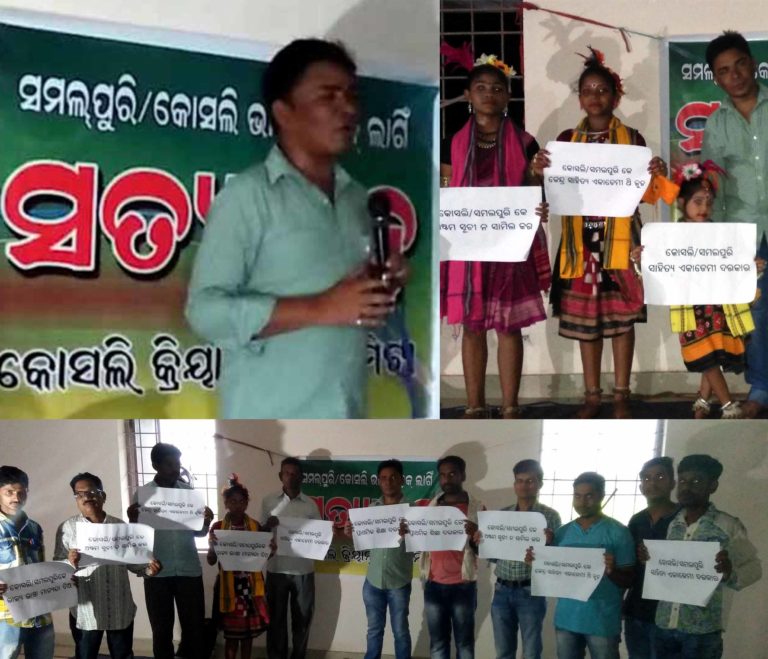
‘Make Kosali as state language of Odisha to avoid bifurcation’

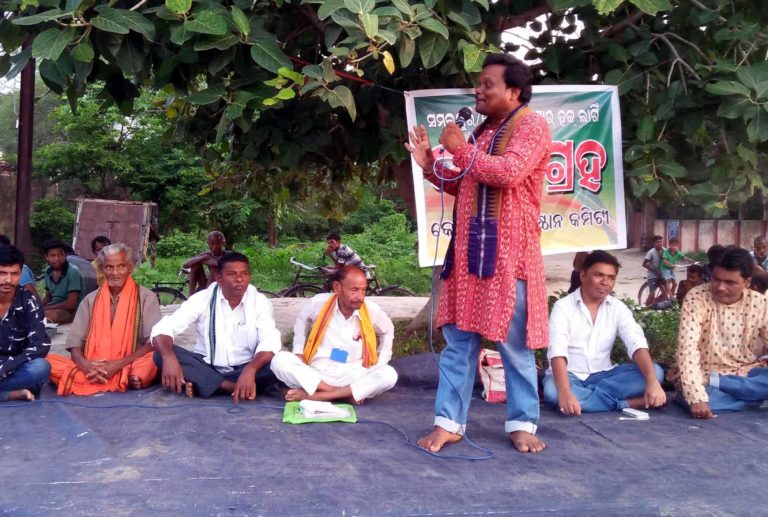
The Satyagraha for rights of Kosali reached in its 5th day. All the Satyagrahi assembled at Buromunda firmly demand for Kosali as the state language of Odisha. If the government wants to avoid bifurcation of the state then immediately it should recognize Kosali as its official language, says Saket Sreebhushan Sahu at Satyagraha.

Currently, notices are given in the villages of western Odisha in Odia. Not very literates understand the full implications of these notices. Civil servants from other areas who do not even have rudimentary knowledge of Kosali language cannot communicate with citizens, thus resulting in miscommunication. Out of 29 states, 15 have more than one official language. Out of 7 union territories, 6 have more than one recognized language. In a democracy, freedom of expression is a fundamental right of the citizen. Good governance requires efficient communication between the citizens and the government. In this context, Kosali language should be recognized as the official language of Odisha along with Odia. This will facilitate governance in western Odisha which is educationally backward and affluent with adivasis.

The Satyagraha was attended by comic poet Debendra Sahu, Rajesh Karia, Nabin Bag, Adhikari  Sa, Jadumani Sahu, Kedarnath Sahu, Gajpati Sahu etc.

‘we are also paying tax’ resonates Satyagrahis for the rights of Kosali

Kosali Kriyanusthan Committee launched indefinite Satyagraha demanding rights of Kosali language. The committee is demanding inclusion of Kosali in 8th Schedule, affiliation of Kosali with Kendra Sahitya Academy, primary education in Kosali, and official language of the state.

In his speech, Saket says, the people of western Odisha are also paying tax like the people of costal Odisha but only the language and culture of costal Odisha is patronized by the Odisha government.

The Satyagraha is spearheaded by the Coordinator of KKC, Saket Sreebhushan Sahu. On the first day of the satyagraha many cultural organizations like Aasa Sachetan Hema led by Rajkumar Sahu, Budasambar Sanskrutiki Anusthan led by Rajendra Kumar Mohanty, etc participated in the satyagraha. Apart from many poets and writer like Kailasha Kumbhar, Bhagbana Mallick, Dillip Sarap, Ballaba Sahu, Debashis Meher, Seshadeb Meher etc from the region joined to support the move.

GUIDE TO NUTRITION EXERCISE AND HEALTH

0

Chapter – 7 

Children Health

Childhood vaccines are one of the great triumphs of modern medicine.  Dr. Ezekiel Emanuel

Infant and childhood death has fallen worldwide thanks to better public health measures – clean water, sewage, immunization, better nutrition and better medical care.  However, in most developing countries, lots of children are still dying from preventable and treatable diseases.  In developed countries childhood obesity is becoming a big problem.

Some of the steps you can take to keep your children healthy are:

  • Healthy eating habits

Like adults children should eat a variety of nutritious foods.  Their diet should include plenty of vegetables and fruits, whole-grain cereals, low-fat dairy products, eggs, fish, poultry and lean meats.  Sugar and salt added snacks and drinks should be avoided.  All the newborns and infants should be breast-fed.

  • Physical activity

Children should get 60 – 90 minutes physical activity most of the days of the week. The activity can include house hold chores, playing sports, running, and bicycling or otherplayground activities.

  • Limiting screen time

Watching too much television, or lap-top or cell-phone, contributes to obesity.  Pediatricians recommend no more than 2 hours of screen time for children over age 2 and none for children under 2.

  • Getting enough sleep

All children should get a good night sleep otherwise they end up being drowsy and irritable the following day.  Here are some ways you can cope with bed-time resistance.

  • Set a regular time for sleep and stick to it.
  • Avoid active play right before bed time.
  • Establish a relaxing bed time routine-like reading a story.
  • Avoid drinks with caffeine.
  • Do not keep the room too warm or too cold.
  • Don’t put a T.V,computer, or other electronic media in your child’s bedroom.

Preventing Common Childhood Infections

A child’s immune system constantly encounters, fights, and develops resistance to microorganism that causes disease.  By adulthood the immune system has built up a defense against a wide range of infections.  Most childhood infections are caused by viruses and bacteria that infect the airways or the digestive system.

  • Childhood Immunization

Many once-common childhood infections can now be prevented by routine vaccinations.  A vaccination is usually a shot or oral drop, that helps prevent the development of specific disease.  Some vaccinations require a single shot; others require a series of shots or oral drops over time.  Your child’s doctor can suggest the exact timing that is best for each vaccination.  New vaccines are always being developed.  Your child’s doctor will have the latest recommendations.  Follow his/’her advice and get your child vaccinated.  Vaccines available at present are:

For Children

  • Diphtheria
  • Hepatitis B
  • Hemophilus influenza type-b (Hib)
  • Human papillomavirus (for cancer)
  • H1N1flu
  • Human papilloma virus for cervical cancer
  • Influenza
  • Measles
  • Meningococcal bacteria (for meningitis)
  • Mumps
  • Pertussis (Whooping cough)
  • Pneumococcal bacteria (for pneumonia)
  • Rabies ( mad dog bite)
  • Rotavirus (for diarrhea)
  • Rubella (German measles)
  • Tetanus
  • Tuberculosis
  • Typhoid fever
  • Varicella (Chicken pox)

For Adults-

  • All above plus the followings:
  • Anthrax
  • Shingles (Herpes Zoster)
  • Yellow fever
  • A malaria vaccine is under trial.

Preventing Common Cold and Flu

The common cold and flu are respiratory disorders that are caused by different viruses.  The two types of illnesses have similar symptoms.  In general, the flu is worse than common cold.  There is a vaccine for flu but not for common cold.  The primary way in which the cold and flu viruses are spread is in air borne droplets from an infected person’s cough or sneeze.  When your child is sick, keep him/her home from school to avoid spreading the infection.  To reduce the risk of your children getting a cold or flu, teach them the following precautions and habits:

  • Cover your nose and mouth when you cough or sneeze.
  • Wash your hands often with soap and water or alcohol sanitizer.
  • Avoid touching your eyes, nose, or mouth.
  • Avoid contact with people who are sick.

Preventing Diarrhea and Dehydration

Diarrheal disease is a leading cause of childhood death in the world-especially in the developing countries.  Diarrhea is also a major cause of malnutrition among the children of these countries.  The major causes of diarrhea are contaminated food and water.  Rotavirus and E.coli are the two main causative agents of diarrhea are developing countries.

The most severe threat posed by diarrhea is dehydration.  During a diarrheal episode, water and electrolytes (sodium, chloride, potassium and bicarbonate) are lost.  Dehydration occurs when these losses are not replaced.

The degree of dehydration is rated on a scale of 3.

  1. Early dehydration – no sign or symptoms.
  2. Moderate dehydration:
  • Thirst
  • Restlessness or irritable behavior
  • Decreased skin elasticity
  • Sunken eyes.
  1. Severe dehydration
  • All the above symptoms become more severe.
  • Shock, with diminished consciousness, lack of urine output, cool, moist extremities, a rapid feeble pulse, low or undetectable blood pressure and pale skin.

Death can follow severe dehydration if body fluids and electrolytes are not replenished(ORS or IV fluids)in time. 

Treatment

You have to replace water and electrolytes with Oral Rehydration Salts (ORS or ORT) or through an intravenous drip.

Prevention:

  • Continue breast feeding as long as possible = 9-12 months or longer.
  • When mixing baby formula used boiled water.
  • Wash fruits, vegetables thoroughly before cooking.
  • Cook all the fish, poultry and meat well.
  • Give only pasteurized milk and drink to children. No raw milk.
  • Children should wash their hands after going to toilets and before eating.
  • People who handle food should frequently wash their hands with soap and water.
  • Refrigerate leftover food promptly.
  • Avoid street food.

Vaccine

Rotavirus is the main cause of diarrhea and dehydration among children 6 -24 months. Vaccines against rotaviruses are available.  The vaccine is effective.  Get your children vaccinated for rotaviruses.  Currently, two oral, rotavirus vaccines are available.

Parasitic diseases

Approximately 2 billion people are infected with soil-transmitted parasitic diseases worldwide.  It is a common infection in children in developing countries.  Safe and effective medicines are available to control the infection.

The main species of parasites that infect children and adults are roundworm, the hook worm, the pin worm, and the whip worm.

Transmission

Eggs of these parasites are passed in the feces of the infected people.  Adult worms live in the intestine where they produce thousands of eggs each day.  In areas that lack adequate sanitation (like outdoor defecation), these eggs which are passed in the stools, infect the soil.  These eggs can be ingested by children and adults in following ways:

  • Eggs that are attached to vegetables (growing close to the soil) are ingested when the vegetables are not washed, peeled and fully cooked.
  • Eggs are ingested from contaminated water sources.
  • Eggs are ingested by children who play in the contaminated soil and then put their hands in their mouth without washing them.

In addition, hook worm eggs hatch in the soil, releasing larvae that mature into a form that can actively penetrate the skin.  People become infected with hook worm primarily by walking barefoot.  There is no person-to-person transmission of hook worm infection.

Symptoms

The symptoms depend on the number of worms in the body of the infected person.  People with light infections usually have no symptoms.  Heavier infections can cause a range of symptoms including diarrhea, abdominal pain, general malaise and weakness and impaired mental and physical development.  Hook worms which is quite common, cause chronic intestinal blood loss that can result in anemia (low hemoglobin).  One of the most common causes of anemia in children and adults in developing countries is hook worm infection.

Nutritional effects

Soil transmitted parasites impair the nutritional status of the people in multiple ways.

  • The worms feed on the tissues of the infected person (host), including blood, which leads to loss of Iron and protein.
  • The worms increase malabsorption of nutrients like Vitamin A.
  • They cause loss of appetite, diarrhea and dysentery, leading poor nutritional intake and physical fitness.

The nutritional impairment caused by soil-transmitted parasites has a significant impact on the mental and physical development of children. 

Prevention and treatment

  • WHO (World Health Organization) recommends periodic medicinal treatment (deworming) of all at risk individuals, especially children in all endemic areas (where infection is common). All the individuals in the area should be treated with deworming medicine once a year and twice a year if the infection rate is more than 50%.
  • Health and hygiene education of all the individuals – including children (wearing shoes, washing hands, washing vegetables, cooking them well, drinking safe water etc.)
  • Provision of adequate sanitation (toilet) so that people do not defecate outside.

Deworming medicine

The WHO recommended medicines – albendazole (400 mg) and mebendazole (500 mg) – are effective.  They have been extensively used and are safe with no side effects.  It is important that all school children in endemic areas should be dewormed once a year.  They should be also taught the hygiene to avoid getting the infection.

Malaria

Malaria is a life-threatening disease caused by mosquito-borne parasite.  Half of the world’s population (3.2 billion people) is at risk of malaria.  The topic has been discussed in previous chapter.  All children, in endemic area should sleep under a drug-treated mosquito net.  Prevention is better than cure.

The classic symptoms are high fever with chills, rigor, sweats and headache.  They may come and go. Fever may appear every other or every third day.  Pallor and jaundice caused by destruction of the red blood cells may be also present.  Pregnant mother with malaria can pass it on to the baby.

Malaria can be fatal in children.  Every year millions of children die from malaria.  If in doubt seek prompt treatment.

Saheb Sahu, M.D., F.A.A.P., MPH.

GUIDE TO NUTRITION EXERCISE AND HEALTH

0

Chapter – 6 

A Healthy Pregnancy 

Warning! Drinking alcohol before pregnancy can cause pregnancy.

  • Unknown author

You should start taking care of yourself long before you start trying to get pregnant.  For some women, getting their body ready for pregnancy takes a few months.  For other women, it might take longer.

Every day, according to World Health Organization, 800 women die from preventable causes related to pregnancy and childbirth.  99% of these deaths occur in developing countries.  Maternal death is higher in women living in rural areas and poor communities.  Young adolescents (under 15) face a higher risk of complications and death as a result of pregnancy than other women.  Most of these deaths are preventable.

Why do women die?

Women die as a result of complications during pregnancy and following child birth.  The major complications that account for nearly 75% of all maternal deaths are:

  • Severe bleeding (mostly bleeding after “childbirth”).
  • Infection (usually after childbirth)
  • High blood pressure during pregnancy (pre-eclampsia and eclampsia).
  • Complications from delivery.
  • Unsafe abortion.

The remainders are caused by associated with diseases such as malaria and AIDS during pregnancy (WHO).

Whether this is your first, second or third baby, it is important to take certain steps, before, during and after pregnancy.  Here are some steps you can take.

  • Eat a healthy diet – including plenty of vegetables (green- for iron), fruits, whole grain and protein.
  • Exercise regularly – at least 30 minutes / day, most of the days of the week.
  • Consume 400 micrograms of folic acid (it prevents birth defect) or take a prenatal vitamin daily that contains folic acid and iron.
  • Stop smoking if you smoke. Smoking leads to smaller size baby.
  • Stop drinking alcohol. Drinking during pregnancy can cause fetal alcohol syndrome (growth retardation, heart defect, cleft palate, abnormal facial features).
  • Do not do illegal drugs – they can cause miscarriage, low birth weight and premature birth.
  • Make sure you have taken all your vaccinations – like rubella, chicken pox, tetanus.

Regular prenatal care

Prenatal care refers to the regular medical checkups that a women has throughout the nine months of pregnancy.  With regular prenatal care, you can reduce your baby’s risk for potentially serious health problems.  During prenatal visits, your doctor will monitor the status of your pregnancy (how far along), how the fetus is growing, your blood pressure and weight, presence of protein and sugar in your urine (for pre-eclampsia and diabetes) and will prescribe your prenatal vitamins.  It is important that you see your doctor or nurse regularly until you deliver.

Screening tests

Screening tests evaluate the risk of having a baby with certain birth defects.  Women over age of 35 have a higher risk of having high blood pressure, diabetes (gestational diabetes), and miscarriage, still birth and birth defect like Down syndrome.  The common screening tests used in pregnancy include ultrasound and certain blood tests to detect birth defect.

Healthy eating for a healthy pregnancy

While you are pregnant, you will need additional nutrients to keep you and your baby healthy.  But this does not mean you need to eat twice as much.  You should eat only about an extra 300 calories per day (1 cup of cooked rice = 200 calories). Don’t go on a diet during pregnancy, because your fetus might not get enough of the essential nutrients such as protein, vitamins, and minerals.  To help ensure that you are getting enough nutrients, you should take a prenatal vitamin and eat a wide variety of healthy foods every day.

  • Fruits and Vegetables

Try to eat 7 serving of fruits and vegetables (3 fruits + 4 vegetables every day).

  • Whole grains

Try to eat 6-9 serving of whole-grain or enriched bread and cereals every day.

  • Dairy products

Try to eat 3-4 serving of milk and milk products each day (milk, yogurt, cheese).  Dairy products are good sources of Vitamin A and D, protein and vitamin B.

  • Protein

Pregnant women should get enough protein – 50 grams per day.  Protein – rich foods have vitamins and irons.  Eggs, milk products, nuts, beans, peas, fish and meats are good sources of protein.

  • Folic acid

Pregnant woman need 400 micrograms of folic acid every day to help prevent birth defects such as spina bifida, cleft lip, and congenital heart disease.  Orange juice, spinach, and legumes are good sources of folic acid.

  • Iron

Pregnant women need twice as much iron as other women.  The fetus needs iron from the mother to make blood cells.  Too little iron can cause anemia – which is quite common among pregnant women in developing countries.  Good sources of iron are – meat, fish, poultry, dried fruits and iron – fortified cereals.

  • Calcium

Pregnant women should get 1,000 milligrams of calcium a day.  Milk and milk products (cheese, yogurt), green leafy vegetables and calcium fortified milk and cereals are good sources of calcium.  Calcium is needed for the bone growth of the fetus.

Most of the time, it is easier to take a prenatal tablet or capsule containing enough of folic acid, iron, and multi vitamins.

How much weight should you gain during pregnancy?

The amount of weight you should gain depends on your weight before you became pregnant and your height.  Most doctors recommend an average weight gain of 20 to 25 lbs. (9 to 12 Kg.) during pregnancy.  If you were underweight before becoming pregnant, you can gain little more.

Exercise and Pregnancy

When you are pregnant, exercise is one of the best things you can do for your physical, emotional and the health during your pregnancy.

  • Exercise can help ease and prevent the aches and pains of pregnancy including backaches and exhaustion.
  • Active women seem to be better prepared for labor and delivery. The recover more quickly.
  • Exercise may lower the risk of high blood pressure and diabetes during pregnancy.
  • Fit women have an easier time getting back to a healthy weight after delivery.
  • Regular exercise improves sleep during pregnancy.

Low-impact exercise that produces moderate exertion is the best type of physical activity while you are pregnant.

For the best pregnancy out-come, get regular pre-natal care, eat a healthy diet, take prenatal vitamins and Iron, do moderate intensity exercise, and deliver your baby in a hospital.  Even normal pregnancy can go wrong at the last moments, especially at the time of the delivery.  A baby who is deprived of oxygen even for few minutes can die or develop long-term neurological problems. There should be skilled personnel available to take care of the baby, immediately after birth (like resuscitation – oxygen, intubation, and breathing).  Time is critical.  Don’t take chance.  Deliver your baby where skilled personnel are available – both for the pregnant mother and the new born baby.

Saheb Sahu, M.D., F.A.A.P., MPH.

GUIDE TO NUTRITION EXERCISE AND HEALTH

0

Chapter – 5 

Preventing Children’s Death and Sickness

Too many innocent children are victims of preventable diseases.

  • Art Buck

According World Health Organization 5.9 million children under the age of 5 died in 2015, worldwide.  More than half of these deaths are due to conditions that could be prevented or treated with access to simple, affordable interventions.  Leading causes of death in under-5 children are premature birth complications, pneumonia, birth asphyxia (lack of oxygen), diarrhea and malaria.  About 45% of all child deaths are linked to malnutrition.

Neonatal Death

A child’s risk of dying is highest in the neonatal period – the first 28 days of life.  Safe child birth and effective neonatal care are essential to prevent these deaths.  Upto one half of all neonatal deaths occur within 24 hours of life. 75% occur in the first week.  The 48 hours immediately following birth is most crucial period for new born survival.

What can be done to reduce neonatal mortality?  The followings:

  • Mothers should receive antenatal care (prior to birth) form a skilled health worker.
  • Mothers should be immunized against tetanus.
  • Mothers should not smoke and drink during pregnancy.
  • All births (if possible) should be attended by a skilled health worker at home or in a hospital.
  • Washing hands before touching the baby to reduce infection.
  • Cutting the umbilical cord with sterile equipment.
  • Keeping the baby warm (skin to skin contact between mother and baby).
  • Ensuring that the baby is breathing.
  • Starting the new born on exclusive breast feeding right away (no formula).
  • Early transfer of premature and sick babies to an appropriate center for further care.

Under – 5 Child Deaths 

More than half of under – 5 (under 5 years of age) child deaths in developing countries are due to diseases that are preventable and treatable through simple, affordable interventions.  Malnourished children, particularly those with severe acute malnutrition have a higher risk of death from common child hood illness such as diarrhea, pneumonia and malaria.  Nutrition – related factors contribute to about 45% of deaths in children below 5 years of age.  Following steps can be taken to reduce under – 5 child deaths.

  • Breast feeding of all children as long as possible.Breast feeding children have less diarrhea and infections.
  • Provide adequate nutrition to all children.
  • Provide safe – drinking water.
  • Provide adequate sanitation and hygiene.
  • Provide mosquito nets to all families.
  • Provide vaccinations to all children.
  • Provide oral rehydration solutions for diarrhea (ORT).

Vaccination

Some of the most deadly childhood diseases, such as measles, polio, diphtheria, tetanus, whooping cough, pneumonia (due to Hemophilus, influenza andStrept pneumonia), hepatitis A, hepatitis B, TB (BCG), rotavirus (for diarrhea) can be prevented by vaccination.  All the children should be immunized against these diseases.  Vaccinations for malaria, HIV/AIDS are being developed.More and more vaccines for other diseases are also being developed.

Other Preventable Deaths 

Injuries (road traffic, drowning burns, and falls) rank among the top 3 causes of death and lifelong disability among children 5-15 years.

Similarly, the world wide number of overweight children increased from 32 million in 2000 to 42 million in 2013.  Even in developing countries like – India, the childhood obesity rate is increasing.  It is estimated that by 2025, the overweight rate of under – 5 years of age will rise to estimate 11% from present 7% worldwide.

Causes of childhood obesity are very similar to adults – more total caloric consumption compared to total caloric use.   Young children who are overweight are likely to be overweight and obese as adults.  The health risk is very similar – type 2 diabetes, heart disease, high blood pressure, sleep apnea and lack of stamina to play and have a good time.  Incidence of depression is also higher.

Saheb Sahu, M.D., F.A.A.P., MPH.


Tug of war for recognition of Kosali

Views of Dr Arjun Purohit (Non-Resident-Kosali):  

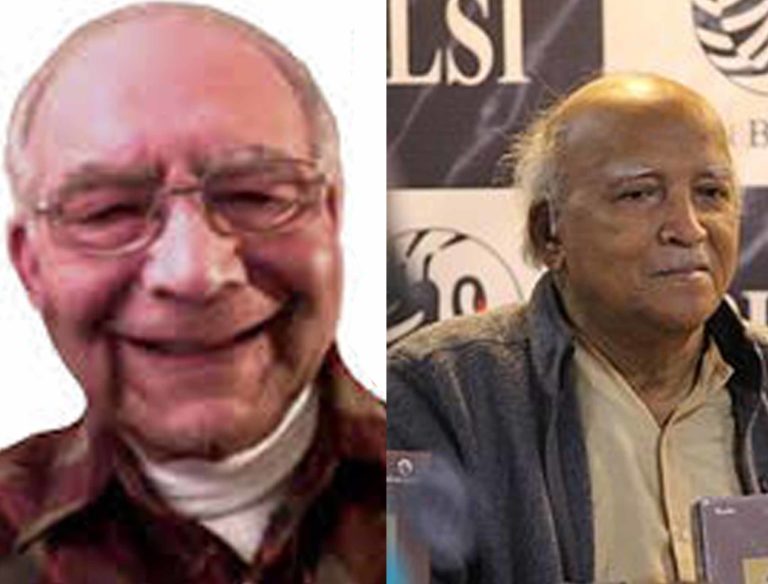
What could have been a joyous celebration throughout Odisha on the occasion of recognition of Odia as a classical language and recommendation of Odisha CM to the Central government to include Koshali/Sambalpuri in the eighth schedule has been turned into a disaster. We in Odisha do not know what is good for us. When an occasion of great opportunity for unity/healing stares you in the face, you do not recognise it. We do not know that welfare depends on wholesome enrichment, be it educational, cultural, linguistic, economic and what not, of whole Odisha rather than just a small zone. We specialise in leg pulling; if ever you want an example of it, this is it. No wonder we are at the bottom of the heap in spite of the great bounty of nature. We quarrel when there is no need to quarrel, and we tend to push the real problems under the carpet. I am still puzzled and dismayed why Debi Babu is so hostile to the idea of inclusion of Koshali/Sambalpuri in the eighth schedule when languages in similar situation are already recognised. He demands that his stripe of being a linguist must envisage the sole criterion of deciding language issues in the country. Was it Bertrand Russell (?), who said that war is too serious a business to be left to generals?  Language commission in 2003/4 was given the task to delineate the criteria of inclusion of languages into eighth schedule, and recommend some to be recognised right away. Four (Bodo, Dongri, Santhali and Maithili ) were included and 38(including Koshali/Sambalpuri) were declared competent to be eligible. The commission made their recommendation taking into consideration of views from scholars from many fields, including linguistics. Debi Babu cannot accept it. He boldly claims: “As per my knowledge goes, the Union cabinet has no intention to consider new demands for new languages in the Eighth Schedule and perhaps the decision of the cabinet was not in the mind of the bureaucrats of the Odisha government and the home ministry.” Really! Just click this to see what Mr. Maken the Central Minister says in the parliament:

http://kddfonline.com/2009/12/03/koshli-language-waits-for-the-govt-%e2%80%99s-approval-for-inclusion-in-indian-constitution/

“A number of representations or requests from different organisations and State governments have been received in this (Home) Ministry for inclusion of more languages in the Eighth Schedule to the Constitution, including Tulu. At present demand for 38 languages are pending inclusion in the Eight Schedule to the Constitution,” the Minister of State for Home Affairs, Ajay Maken, told Lok Sabha in reply to a written question.

The languages pending approval are Angika, Banjara, Bazika, Bhojpuri, Bhoti, Bhotia, Bundelkhandi, Chhattisgarhi, Dhatki, English, Garhwali (Pahari), Gondi, Gujjar or Gujjari, Ho, Kaachachhi, Kamtapuri, Karbi, Khasi, Kodava (Coorg), Kok Barak, Kumaoni (Pahari) and Kurak.

The other languages are, Lepcha, Limbu, Mizo (Lushai), Magahi, Mundari, Nagpuri, Nicobarese, Pahari (Himachali), Pali, Rajasthani, Sambalpuri or Kosali, Shaurseni (Prakrit), Siraiki, Tenyidi and Tulu, the Minister said.

“A decision on pending demands for inclusion of more languages in the Eighth Schedule, including Tulu, will be taken in the light of the recommendations of the Sitakant Mohapatra Committee and the decision of the government thereon…..”.

Debi Babu wants to unmake an omlette and is trying to put the toothpaste into the tube. On the other side of the equation, a) Koshalis are unanimous in this demand, ;b)according to our poll, ALL sitting MLAs and MPs irrespective of party affiliation are behind it, c.) Sambalpur University just passed a resolution demanding it, and, note it, d) Utkala Sammilani, which is not known to be sympathetic  to Koshali issues just endorsed it. Just click it to see Utkal Sammilani’s statement:

http://sambadepaper.com/Details.aspx?id=83201&boxid=25252296

We are just inches away from inclusion in the 8th schedule. It is going to be transformative in many ways, particularly in the sphere of education in the rural and Adivashi areas. Koshalis can also demand provision of essential services in Koshali, and equal opportunities in employment. In short, if for whatever reason, Debi Babu and his cohorts become successful after reaching the present stage, the consequences may be unpleasant.

Since Debi Babu was involved with Bodo group during their struggle for inclusion of their language in the 8th schedule, probably he knows what the deciding factor behind the inclusion was. When Sitakanta Mohapatra commission was struck to examine the issue of languages, they were asked to exclude Bodo language from their scrutiny because the central government had already given the assurance to Bodo militant students’ group about inclusion of their language in the 8 th schedule in lieu of peace. Does Debi Babu really want the Koshalis go the route of Bodos to press their demand for similar status? As of now, though there is a great deal of bitterness between Koshalis and coastalees at the institutional level, the relationship between the groups at the individual and social level is good. Whatever may be the outcome of the language issue, it will be a sad day if the friendly relations between the groups are put at risk.

There are many points I would have loved to debate with Debi Babu, but I am reluctant because Debi Babu chose to use ad hominem style of debate. The language is abusive, condescending and paternalistic. Many of the “facts” presented in his piece are glaringly inaccurate and/or exaggerations.. For instance, he asserts that Utkal Hitaishini was published in Bamra; actually it is Sambalpur Hitaishini under the editorship of one Nilamoni Vidyaratna imported by Bamra king Sudhal Dev. And it was no Hitaisini or well wisher of Sambalpur either. Mr. Vidyaratna was a Koshali hater. According to his own statement Koshali was a “kadarya Odia”   needed to be cleaned up. (see Sambalpur Hitaishini,1891,3rd Part,Sankhya 15, page 277). He published a single Sambalpuri poem by one Madhusudan just to illustrate how bad the language was! Is it not reminiscent of Kantilal’s “Odia swatantra bhAshA noy”?  He blocked writings of Sambalpuri articles, which drove many literary aspirants writing in Odia to get published.  Debi Babu praises the misplaced enthusiasm of Nilamoni Vidyaratna ! Well those days are gone. New generation of Koshalis would not tolerate such malevolent attitude just as coastalees would not tolerate Kantilal type insolent attitude in their midst either. Read the almost weekly column on Odia identity by Hara Prasad Das in Samaj. For the past fifty years or so Koshalis have been writing profusely in all kind of subjects. Major classics, such as Ramayana,Mahabharat, Gita etc. are being published. Books on Sambalpuri/Koshali grammar and dictionary are already available. Movies are produced; recently a Koshali movie “SalA BudhA” got an international award in Indonesia Film Festival. I  am especially fond of emerging Koshali poets who are writing relatively untouched by outside influences.(I notice that Debi Babu received Kalinga Sahitya Samman . Congratulations. On our side we honoured dramatist Atal Bihari Panda (Life time achievement ) (http://youtu.be/Y9bBjcnsnfw) from Kalahandi through Koshal Sahitya Academy  for his contribution to Koshali literature. Congratulations) Koshali plays are getting India wide acclaim because of their originality. So Koshali is no more just a spoken language. People of ten districts of Odisha conduct their day to day business in Koshali. They work with it, sing and dance with it, fight with it, love with it. It is a robust living language. So far it has been deliberately excluded as a medium of teaching even in the primary grades. This also is changing. We have started a Koshali language primary school and are  launching projects to improve children’s literature………..So what does it take to be a language like Santhali, Bodo, Dongri or Maithili ? Don’t we have it in profusion?

Debi Babu wants to revive Kalinga Empire. Empires are like amoeba, changing their boundaries,shrinking,expanding,and even disappearing once in a while. When one studies history of India, one finds many empires similar to Kalinga. So which Kalinga empire Debi Babu refers to, what is relevant today? For most of known history, coastal Odisha (Kalinga, Udra, Kongoda, Utkal) have been ruled by successive chain of invaders, which include, Nandas and Maurjas of Magadha, Chetis from Dakshin Koshala, Bhaumas from Assam, Sailodbhabas from Bastar, Somabanshis from Dakshin Koshala, Gangas from Gangawadi, not to speak of invasion of Sasanka of Vanga/Gauda, Harshabardhan of Kanauj. Through much of history, Koshala has identifiably different from “Kalinga”, though “Kalinga” and Koshala have been having skirmishes between them, often occupying each other occasionally. There were also occasional conjugal relationships. Being contiguous, these two entities shared lot of common features as any two contiguous neighbours. There are also significant differences between the two regions: Koshala avoided two of the most traumatic spans of occupation/administrations of Nanda/Maurya(Ashok) invasion of Kalinga, and Afgan/Mogul occupation. Perhaps many friends in coastal area do not know that the infamous KalApAhar who brought down the last independent king of coastal Odisha was defeated and killed in Sambalpur.  But is it really relevant to dwell on such stuff now? I have a friend, Dr.Singh from Bihar( an internationally known for his work in psychopharmacology) who insists that the entire Indian    civilisation has footprints of Maurya empire even now, particularly Odisha !

Knowing history is ok but dwelling on it completely neglecting present day reality is absurd. Today Odisha is one of the poorest, most illiterate, scoring highest score in corruption, having the distinction of a place called Sukinda (one of the ten most toxically polluted on earth), and Angul, ranking fifth among  most polluted in the country with Belpahar-Jharsuguda-Sambalpur corridor closely following Angul. Worst possible government in the sense that twenty out of thirty districts are under the sway of Naxalites. Political murders are almost weekly event. Fifty percent of posts of teachers (primary, secondary and tertiary) go unfilled. Horrendous inter-regional imbalance. Overconcentration of ALL resources, which make life bearable, concentrated in a narrow zone. We have nearly one fourth of population as Adivashis who largely marginalised/ignored unless we find minerals under their feet, in which case we kick them out without proper rehabilitation. We have distinction of going to the Supreme Court against Adivashis siding with folks who were going to kick them out of their habitat. Even after more than half a century, we have not settled the bill towards Hirakud oustees.  These issues should occupy us, not the language debate by which a lively language of nearly 15 million people has to be marginalised so that supremacy of another language is protected. Koshalis want their language to be under 8th schedule because it will help human resource development. When Cuttack-Puri-Balesore from Bengal Presidency, Sambalpur Tract from Central Presidency and Ganjam tract from Madras Presidency were put together, there was explicit and implicit understanding that each part will share alike in all matter of development. This is contrary to present de facto policy of  top=down development. Overconcentration of all resources just in capital region and surround is also contradictory to the vision of our founders. Odisha could have been the jewel in the crown of India had we pursued a spirit of equivalence among the regions. In spite of all the bounty we have been reduced to the status of beggar constantly complaining that Central government is not giving us enough money, while we squander a king’s ransom of our own. We do not even know how to spend the money given to us ! Addressing these issues successfully will unite the populace, not a uniform language. Having a uniform language did not prevent Telengana formation. So my earnest request to whoever is reading this, is to find ways and means to accommodate the diversity among us in all matters and learn to celebrate it rather than calling it as an impediment.We cannot afford to keep Adivashis marginalised for ever. No matter how stratospheric improvement we do in BBSR and surround, overall poverty of Odisha will not be reduced unless we tackle the hard work of KBK like areas. We must accept the traditionally marginalised groups as equal to us in all respects. That way we can draw from each other’s strength, and not destroy each other. Actually, we have no other way; na anya panthA vidyate ayanAya. And can’t we be civil to each other when we debate issues? If we cannot, I am afraid, this will be my last dialogue with Debi Babu. If he chooses to respond in the same manner as did to my last posting, he will have the last word. Bye.

Views of Dr Deviprasanna Patnaik (Odia Linguist)

A friend forwarded the “My rebuttal to Dr. Debi. P. Patnaik’s comment on Koshali language” by Arjun Purohit. I had regard for Sri Purohit as an academic, but after seeing the rebuttal steeped in political phraseology and anything but academic, I have begun to question my own judgement. I dwelt on it a long time as to whether it even deemed a response, but eventually decided to do so, lest more such poorly interpreted and worded essays were to follow.

His opening paragraph pleads for early mothertongue education for which I have been fighting for the last fifty years. This has been acknowledged in ToveSkutnabb-Kangas, Robert Phillipson, AjitMohanty and Minati Panda edited Social Justice through Multilingual Education (Multilingual Matters, London 2010).

His second paragraph has many flaws. First, there is no language as Koshali in the Indian Census 2001. Even speakers of Sambalpuri account for 5.5 lakhs and all India figures are 8.5 lakhs. One conclusion is that Sambalpuri people are not only creative and innovative, but are skilled enough to go out in search of new pastures. A Sambalpuri is the Chief Secretary of the State and many occupy pivotal positions in administration, Education and Communication Media. I am proud for it.

Dr. Purohit’s unacademic character is expressed in his abusive language, ‘irresponsible, abusive and incendiary’, ‘unvarnished colonial attitude’ and ‘really Dr. Patnaik has become a nineteenth century pan Bengali nationalist (such as Dr.Rajendra Lal Mitra and Kantilal Bhattacharya) this time in Odia garb’. I have, in my Telegraph presentation, given how Sambalpuri had taken a leadership in the anti-Odia agitation, whether it was pan-Bengali or pan-Hindi. Dr. Purohit has accepted my statement that foremost Sambalpuri writers from Gangadhar Meher to Bhima Bhoi have written in Odia. I have emphasised that “As a linguist I have nothing against any particular language group, but I am against the proposal to include any language into the Eighth Schedule”. This is a statement I have made many times even when I was looking after languages in the Govt of India. I had advised that the Eighth Schedule should be abolished and a list of Indian languages should be appended instead. If Dr.Purohit had rebutted my statement discussing the pros and cons of the Eighth Schedule, then he could have scored a point.

I do not know why Dr.Purohit wants to portray me as ‘hostile’ to Koshali. As against Grierson’s Linguistic Survey, we conducted a Peoples Linguistic Survey of India. Our assumption was that nobody call their language as dialect and call whatever variety they speak as language. We made a distinction between Pundit’s language and Peoples language, although we admit that dialect is a convenient linguistic category. Hindi is the name given by Pundits; Bhojpuri, Maithili, Braj, Avadhi, etc are people’s languages. The same is true of Odia. Purohit is neither uptodate about linguistic literature nor literature in his own field, Psychology.

Regarding the classical status to Odia, Purohit has written that he has great respect for me ‘for the way he stickhandled the acceptance of Odia as a classical language’. He further writes that ‘recognition of Koshali is far more profound than recognition of Odia as a classical language’. Purohit neither knows anything about the difference between a language with classical status and a classical language. He does not have the faintest idea about the selection procedure nor about the benefit that may accrue. The Committee which recommended to the Chief Minister inclusion of Koshali/ Sambalpuri into the Eighth Schedule had a Sambalpuri IAS Officer as Chairman, who like Purohit was neither a linguist nor a language planner.

The duplicity and the threat in Purohit’s rebuttal is the reflection of the mental attitude of all those educated and rich Koshali intellectuals and bureaucrats who swear in the name of the people but are really after the privileges for themselves and their progeny. By using expressions like ‘fratricidal battle cry’, ‘suppressing the development of Koshali’, he wants to break the unity of the Odias and Koshalis who want to resist the temptation of mixing up development with caste, religion and regionalism and fight for good governance.

Sri Purohit knows nothing about the Bodo movement. I do not know which of my recent essay he refers. I was never an Advisor to the Bodos. I had nothing to do about the inclusion of their language in the Eighth Schedule. On the recommendation of the Governor of the seven states, the Prime Minister directed me to find a solution to some issues relating to their demand. I did it to the best of my ability. Both the Bodos and the Assam Govt were happy and I earned many friends among the Bodos.

Sri Purohit being an academic should not write about things he does not know. Reference to Bodo is one such thing. His reference to my getting a Padmashree for my efforts is another. I received Padmashree in 1987, twelve years after I worked for the Bodo project. The citation for my award says, “VyaktigatgunomkeliyeaapkasammannaarthPadmashreepradaankartaa hum”.

Purohit’s reference to the Odia Biswabidyalaya is another such thing. He does not know a thing about the six language based universities established so far. I do not know where from he got the information that I have been ‘demanding five hundred crores from the Government to create an Odia University’. From the beginning I have been pleading that such a university should be created in Public Private Participation mode. From statements like a language university ‘is a colourful dream of a linguist’ and ‘being very costly without much of tangible benefits’, it should be clear that Purohit has no idea of a university much less of education. Sri. Naveen Patnaik has since announced that Odia University has priority in his next term and most political parties have included it in their election manifesto.

Purohit has raised a very important question “Does he want to recreate a pan-Odia empire (it was called Kalingan empire in his submission for classical language status for Odia) from Ganga to Godavari erasing all the cultural and linguistic heritage of all people within his field of dream?”. History cannot be erased by denying the existence of Kalingan empire. History might repeat itself but it cannot be recreated. Similarly, history cannot be distorted by saying that it erased the linguistic heritage of all people of the empire. Even in the Kalingan empire people of different ethnicity, castes and communities speaking different language, professing different religions were living together. In a multi-ethnic, pluri-cultural, multilingual state each of the elements are complimentary. Whenever the complementarity is sought to be made hierarchical, conflict arises. When we formed states on linguistic basis, we did not recognise that each state was multilingual and multicultural. If we accepted that, then there would have been concentration on good governance, which would have ensured that there is no exploitation on the basis of language, religion and region, and focused fairplay in the development of the state. There would then be no need for an Eighth Schedule in the Indian Constitution. Even now states can recognise languages within their territories for purposes of official use and provide funds for publication of good literature. There is and will be no need for recommending languages to be included in the Eighth Schedule.

How to save a dying language

On January 26, 2010, when 85-year-old Boa Sr passed away at Port Blair, Andaman and Nicobar Islands, many things died with her. The most important of the cultural heritage that faded into oblivion with her passing away was her language – Bo, of the Great Andamanese family of which she was the last speaker . And with that an endangered language had met its end.

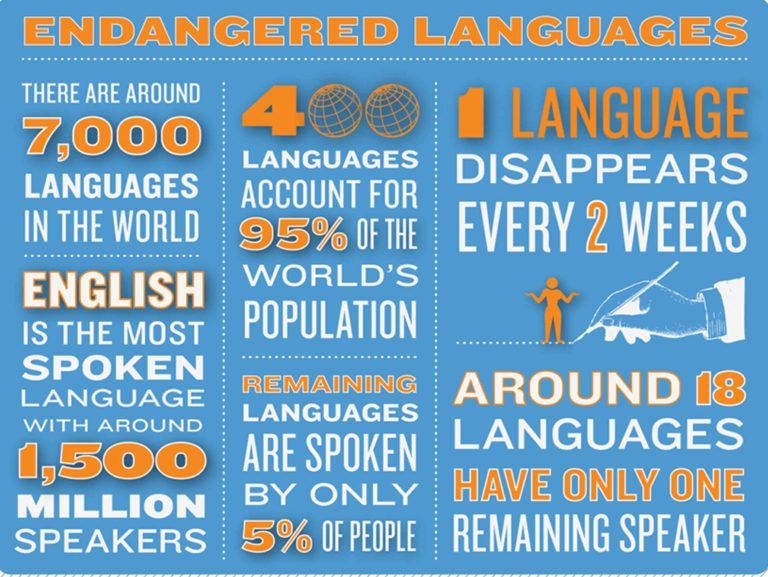
Just a few months before the passing away of Boa Sr and Bo, the Unesco had released an atlas of the world’s endangered languages, which India had topped with 196 languages in the category (Tulu was added to take the number to 197). The figure had set the alarm bells ringing in a linguistically wellendowed country like India. Though work has been going on to save the country’s languages, the issue has come under the spotlight with Google announcing its Endangered Languages Project recently (its website, www.endangeredlanguages .com, lists 53 languages in India’s account).

What after all is a dying language and how can it be saved? An endangered language is one that is likely to become extinct in near future. These are languages that are falling out of use with newer generations switching to other languages for various reasons.

S N Barman, director of the Central Institute of Indian Languages (CIIL), Mysore, says, “A language’s survival becomes threatened primarily if it is abandoned by its speakers. People may give up their language for various reasons -for better social identity, upward mobility or for economic reasons. Often, political reasons too play a part though no Indian language has become extinct due to imposition of a state policy.”

As for saving these languages, the community’s interest in safeguarding its linguistic heritage – which implies the language and other cultural symbols of the community enumerated through its language – is cited as the most vital factor by most scholars. A Krishna Murthy, secretary, Sahitya Akademi, says: “The primary issue is not that of the language but of its speakers. If a community and its way of life are preserved, its language will automatically survive. Sindhi, for instance, is a stateless language yet it thrives due to its speakers.”

The Sahitya Akademi supports 24 Indian languages – 2 more than the number recognized by the Constitution – and Murthy adds that support is always available for work being done in any language even if it is unrecognized, or is only a dialect.

The CIIL’s role in saving a language involves surveys to measure its state of endangerment. “If a language’s extinction is imminent, then detailed documentation is undertaken. But if there is scope to save it, then after the documentation , efforts are made to introduce it at the primary level of education ,” says Barman.
The CIIL is soon going to submit a new project to the government on saving endangered languages . Author/poet Ashok Vajpeyi had also suggested the institution of an independent national commission for languages to former prime Minister Atal Bihari Vajpeyee with the latter announcing the same on September 14, 1999 but the idea was later shot down. Vajpeyi says that much more is needed to preserve India’s rich linguistic diversity. “As languages are the repositories of the entire racial memory, the communities as well as the state will have to jointly save the languages. Unfortunately, language is not a top political or social issue in India today,” he says.
A new stakeholder on the subject has taken birth with the Google project. Gregory D S Anderson, director of the Living Tongues Institute for Endangered Languages, Oregon, USA, who has been working in India on tribal languages of the Munda and Tibeto-Burman families for two decades, says, “The internet develops an online presence and allows various communities a level playing field which was inconceivable until recently.” Anderson adds that his organization has been working on various language projects with Indian communities such as the Bonda (Remo), Didey and Sora of Odisha , the Mundas of Jharkhand, the Khasis of Meghalaya and the Koro-Aka of Arunachal Pradesh among others.

According to Endangered languages .com, only 50% of the languages alive today would be spoken by the year 2100 – which means that despite efforts, some languages will eventually die. This also means that the threat of extinction for languages like the Great Andamanese , which has only 5 speakers, is real. After all, except for Hebrew in Israel, no other language in the world has made the enviable transition from being a dead entity to the first language of a large community. But with the world coming together both online and offline, there is hope that the languages would remain with us even when their speakers are gone.

Struggling for survival

The Great Andamanese, spoken in Middle and North Andaman has only 5 speakers while Jarawa in the South Andaman Island has 31 A few languages spoken in northeast India, like Ruga, Tai Nora, Tai Rong and Tangam – have just 100 speakers each.

Archana Khare Ghose (With inputs by Arushi Malhotra)

To cure poverty give people money

To The Chief Minister, Odisha

Dear Sir,

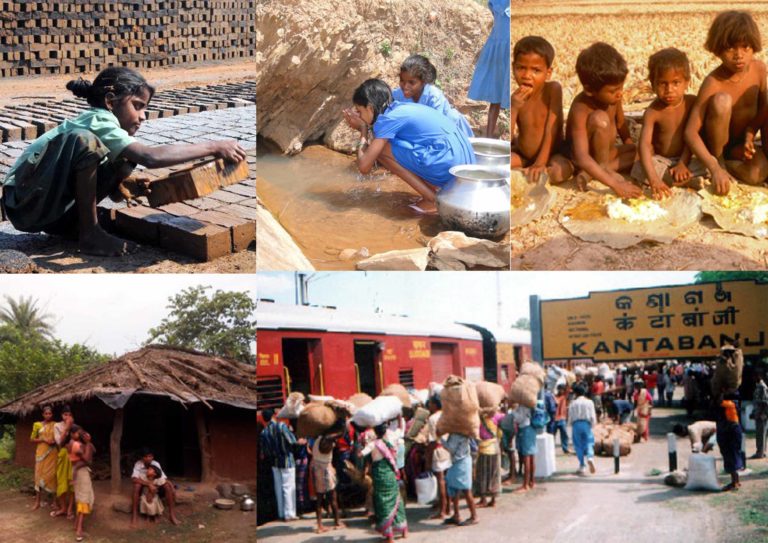
Poverty is the defining problem in Odisha and in India and cash is the direct weapon against poverty. To cure poverty, give money to people.

The concept of a universal basic income (UBI) is a hot topic among the developmental economist as well as Silicon Valley moguls. Providing cash, rather than, say rice or subsidized house, or a free bicycle has the virtues of “universality, simplicity and unconditionality”. Universality is important as the Indian government struggles to determine who is poor and who is not. Simplicity is important because complexity invites corruption and inefficiency. Unconditionality is important because many programs create perverse incentives. For example, urbanization (migration to cities) provides best path from poverty to prosperity, yet rural-employment schemes keep workers home at their villages.  They continue to stay poor.

The evidence from cash-transfer experiments abroad, like Give Directly in Africa (www.givedirectly.org) and Brazil’s Bolsa Familia, is quite positive. In 10 years Brazil has reduced extreme poverty by 50 %. 50 million of its citizen get direct cash grant every month from the government (World Bank report). Direct cash grant has empowered women, reduced domestic violence, improved nutrition of the families, and kept their children at school at a higher rate. The poor have also started more small businesses.

Sir, you have been a progressive Chief Minister for Odisha. You have been working hard to reduce Odisha’s abject poverty especially in Southern and Western districts of Odisha. You have started many poverty alleviation schemes with partial success. Odisha’s poverty rate is still unacceptably high, one of the worst In India. The Central Government is thinking about implementing Universal Basic Income in India. Please be the first CM. in India to implement it in Odisha. It will be your lasting legacy.


With Best Wishes,

Dr Saheb Sahu