Monday, April 27, 2026
Home Blog Page 59

No education in mother tongue; education denied

0

Medium of instruction of teaching means a language which is used inside the classroom to inform the student. And if a child is not acquainted with the medium of instruction before entering into the classroom then certainly that is a foreign language for the child. Resultantly the child failed to grasp the teaching or the course content. Teaching a child in an alien language is as if putting the child in deep water without swimming knowledge of the child. So, instruction in mother-tongue is indispensable for the child. Advantage of having a mother-tongue based education enable the child easily grasps the course content as they are used to the vocabulary. Research has shown that children’s first language is the optimal language for literacy and learning throughout primary school (UNESCO 2008 a). Most developed nations have medium of instruction in their mother-tongue. Education is the key to development of the nation and so accordingly the Government of India has enacted Right to Education Act (RTE) on 4th August 2009 keeping provision of compulsory education for children between 6 and 14 in India under article 21 A. India become the 135th country to make education a fundamental right.

Further, the right to receive education in one’s own mother-tongue or native language is recognized by several international instruments. Under the provision of the Declaration on the Rights of Persons belonging National or ethnic, Religious and Linguistic minorities (1992), States are required to take appropriate measures so that, whenever possible, persons belonging to  minorities may have adequate opportunities to learn their mother-tongue or to have instructions in their mother-tongue.

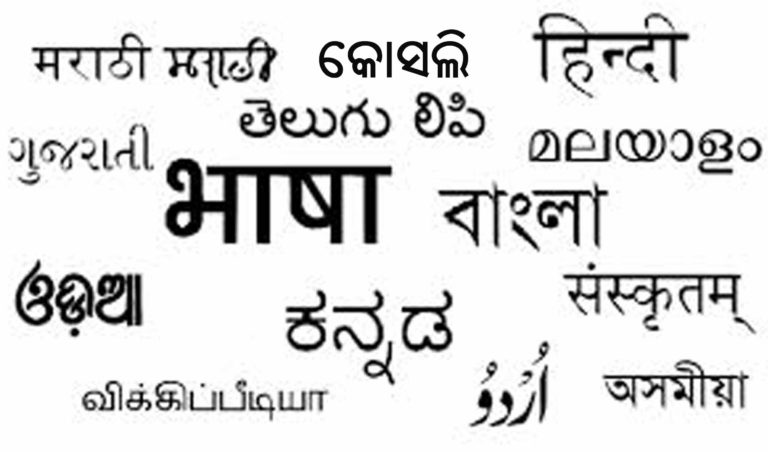
But “Right to Education for All” is grossly violated in Odisha. At present Odia is the medium of instructions in the elementary level in Western Odisha. But Odia is not the mother-tongue of children of western Odisha, it is Kosali. No education in Kosali for the children of western Odisha. No education in mother-tongue; education denied. Kosali children are deprived of their fundamental rights. And development from this region has been hijacked.

Literacy is a useful indicator of the relative development of a society. It is widely recognized that societies with a higher percentage of literates have higher levels of development. According to census 2011, literacy rate of India is 74.04% and literacy rate of Odisha is 73.5%, marginally lower to the national rate. But there is a huge gap between the literacy rate of districts of coastal Odisha and western Odisha. Districts of coastal Odisha are ahead of the aggregate literacy rate of Odisha but western districts are lagging behind. Literacy rate in western Odisha ranges from 42% to 70.65% while coastal districts literacy rate ranges from 70.56% to 79.59%.  This is because coastal districts students are getting education in their mother tongue while western Odisha students are instruct in Odia, which is not their mother tongue.

Kosali is used in the day-to-day life by two crore (2,00,00,000)  people of western Odisha out of the total 4.2 crore population of Odisha according to the census of 2011. Western Odisha encompasses ten contiguous districts forming a strong linguistic identity and cultural homogeneity. For the people of western Odisha it is not just a language but a way of life that propel progresses and harmony in the region.

Western Odisha contains 40 to 50 % of the state’s population. Odia language is not used in day-to-day communication in western Odisha. But medium of instruction is Odia in the schools that’s why dropout rate is very high in rural and Adivasi area. This is the main reason of low literacy rate in the region. Kosali is the dominant means of communication throughout western Odisha. Though there are a few tribal languages, but all tribal languages have functional capability in Kosali not in Odia. Odia medium instructions is throwing challenges for the students of western Odisha and blocking them in their progress like overall marks of students from western Odisha are lower than the students of coastal Odisha and students of western Odisha fail in both 10th and 10+2 examinations. Hence, education in Kosali language is the key to development of western Odisha.

On 30th July 2012 the then chief secretary of Odisha directed Odisha Primary Education Programme Authority (OPEPA) a body of the Government of Odisha to start mother-tongue based primary education in 10 languages; Munda, Santhali, Kissan, Oraon, Kui, Koya, Bonda, Juanga and Saura; of the state but there is no Kosali.

Further, OPEPA published an advertisement on dated 25/5/2014 in Sambad daily about recruitment of total 295 Sikshyaa Sahaayak/Sahaayikaa for different languages of different districts like Binjhal (Bargarh), Santhali & Ho(Balasore), Kui(Gajpati), Dibai(Malkangiri), Bhunjia(Nuapada), Pahadi Bhunjia & Kharia(Sundergarh), but again there is no Kosali.

People of western Odisha have been deprived of their basic cultural right, right of mother-tongue which connects them with their economy, socio-cultural system and political right. Perhaps this is the same mentality where Sudras were checked by Kshyatriyas and Brahmins from education and Sambhu was killed by Ramachandra while reading Veda. For the same reason, Dronacharya asked for the thumb of Ekalavya; fearing he may challenge the prince.

Saket Sreebhushan Sahu

saket.sahu@gmail.com

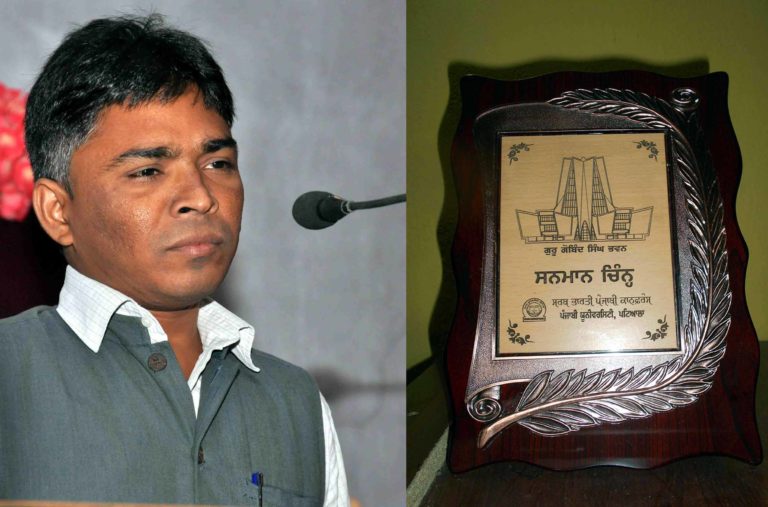
Saket felicitated by Punjabi University

0

Noted Kosali author and activist Saket Sreebhushan Sahu has been felicitated by Punjabi University Patiala at 4th Poorvi Bharat Punjabi Conference held at Hotel Pal Height, Bhubaneswar on 16th October. Saket has translated the book “International Opinion on Language Issues” authored by eminent Punjabi linguist Dr Joga Singh who is a Commonwealth Scholarship Awardee (1990-93), Professor & Former Head, Department of Linguistics & Punjabi Lexicography, Former Director, Centre for Diaspora Studies,  Punjabi University, Patiala.

The book was released by Shri Debi Prasad Mishra, Minister, Industries, School & Mass Education, Shri Bhupinder Singh Gill (Senior BJD leader), Odia linguist Dr Debiprasanna Pattnaik, Dr Joga Singh (Author of the book) and the translator Saket Sreebhushan Sahu in presence of other dignitaries on the dais.

book-release
Releasing of Kosali translation of International Opinion on Language Issues by Dr Joga Singh by Minister Debi Prasad Mishra, Saket Sahu, Dr Joga Singh, Dr Debiprasanna Pattnaik, and VC Punjabi University

Iron Ore Pelletisation Pilot Plant founded

0

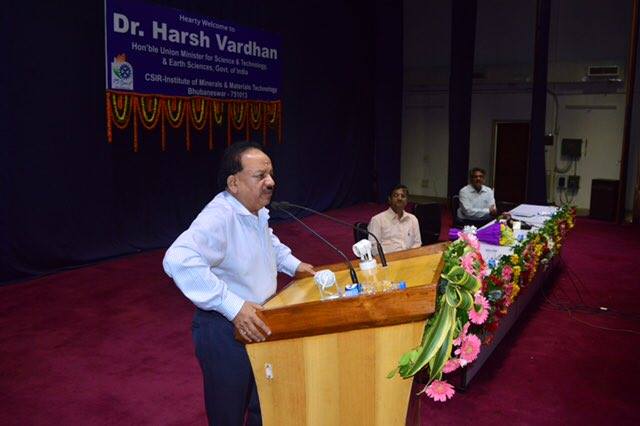
Dr. Harsh Vardhan, Union Minister for Science & Technology visited Institute of Minerals & Materials Technology, Bhubaneswar today. The Institute is for researching minerals, materials & other natural resources of India. He inspected ongoing work on ‘Mineral Processing’ & ‘Sea-Bed Minerals’ programmee. He also laid the foundation stone for Iron Ore Pelletisation Pilot Plant.

iimt
Dr Harsh Vardhan laying foundation stone

He emphasized the Need for S&T aid for the progress of the under-privileged and tribal areas. He said CSIR is boosting Skill Development, entrepreneurship and empowering young engineers & scientists find roles with #StartUpIndia #MakeInIndia

Are you dating anyone, a few tips for men

0

Dating is a common word among the youths. It has many meanings. The most frequent usage refers to two people exploring whether they are romantically and/or sexually compatible by participating in dates with the other. Dating also refer to two people who have already decided they share romantic and/or sexual feelings toward each other. With the use of modern technology, people can date via telephone or computer or meet in person.

Here are a few tips for men to help make that first date a success.

  1. Plan and fix the date for when and where first. Choose a location that is comfortable and helpful for conversation. Movie dates are not great for first dates. Choose an interactive date. Even if you have nothing in common, you can at least share about you together.
  2. She has already said yes and she wants to be there. Exhibit your confidence.
  3. Please don’t wear a suit and tie. Put on a shirt that looks fresh and jovial.
  4. Be Sincere and gracious if she is fashionably late.
  5. Pay attention to her. Listen carefully, smile and ask politely.
  6. If you initiated the date in the first place then pay the bill even if she offers.
  7. She is sure to make effort into her look for you. Offer her a compliment or two.
  8. While leaving the place, open the door for her. Be intentional about saying goodbye, and initiate one of the following: a handshake, hug, or kiss.

Patakhanda Jatra of Jarasingha_Dr. Chitrasen Pasayat

0

Jarasingha is a village situated on the bank of Sungad, which is a tributary of the river Tel. Sungad is a local stream, which takes it rise from the north-West belt of hills of the district Bolangir. Jarasingha is nearly 25 kilometers from Bolangir town. Deogaon is about 22 kilometers from Bolangir situated on the road between Bolangir and Titilagarh. From Deogaon the distance of Jarasingha is only three kilometers towards left. From Deogaon towards right Kudasingha is about nine kilometers. In olden days, Jarasingha was under the Patna kingdom. There was a Kandha Zamindar in Jarasingha.

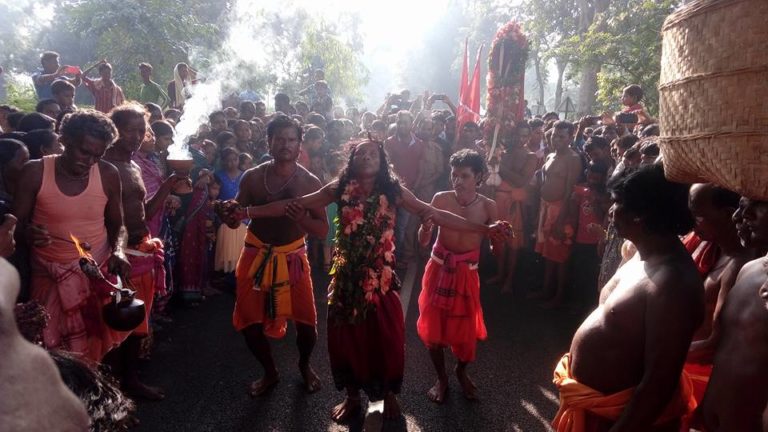
The reigning deity of this village is Budhi-Aai. Every year, a festival is organized in honor of the deity. Annually, it is celebrated on Asadha Sukla Purnima Tithi i.e. on full moon day in the Hindu month of Asadha (June-July). But, the festival celebrated in honor of Patakhanda Devta is very popular. The deity is believed to be very influential and powerful. So, it is obvious that, her festival ought to be a famous one. It is celebrated in the Hindu month of Aswina (September-October). It begins on Aswina Sukla Dwitiya Tithi i.e. on second day of bright fortnight in the month of Aswina and ends on Purnima Tithi i.e. on full moon day of Aswina. A system of communication between the human being and supernatural power plays an important role in Patakhanda Jatra. Common people have found a medium like Barua through which they are able to interact with the supernatural power like Patakhanda Devta. Thus, they spread the idea or the message of the existence of such power to others.

A large number of people assemble here particularly on Purnima Tithi i.e. on full moon day, which is the most important occasion of this festival. We may say that, Patakhanda deity is the symbol of unity and integration. It is so admired and popular that it creates a center of attention. It attracts people from the nearby villages and towns. It draws people even from the neighbouring state of Chhattisgarh. Patakhanda Jatra is an example of tribal-non-tribal interaction in this part of West Odisha. It is a case in point to establish and show the social interaction and social integration. Why it is so famous?

Common people believe that, Patakhanda deity cures the mentally retarded persons and blesses the issueless couples to have children. Thus, the deity is famous for the above-mentioned two reasons. It means that, the deity symbolizes “growth”. In the first case, it means growth of mind as well as intellect. In the second case, it denotes growth of society. The deity fulfills twin-objectives of the common people. It is open to the needy. This Jatra presents the message of “move forward”. It makes them realize that, the situation is not so hopeless and that, it is possible for them to perceive their lives in different perspective. Patakhanda Jatra fuels common man’s desires to be larger than life. It makes us dream; it offers us an escape route from our humdrum realities; it takes us into the world of ‘belief system’ with a hope of better life and healthier living.

During this time, one finds villagers walking down the serpentine roads leading to Jarasingh village. This clearly indicates the popularity of the deity. The reason is that, the deity creates a hope among the people. This hope is to be cured. This is beyond medical science. The twin-expectations of the people take them to Jarasingha during Patkhanda Jatra.

Oral Narrative and Appearance of Patakhanda Devta:

There is a beautiful myth regarding appearance of Patakhanda deity and origin of Patakhanda festival in Jarasingha village. Earlier, Jarasingha area was full of jungles and wild animals. It was a part of Patna kingdom. Pataneswari was the reigning deity of this kingdom. Patakhanda Devta served Pataneswari Devi and pleased her. Pataneswari Devi was satisfied to give him Bara i.e. boon. Patakhanda Devta requested a piece of jungle in Jarasingha to live. Also, he asked her Pata-Sindura, Sri-Pata. Pataneswari Devi fulfilled his demands. Since then, Sindura of the Pataneswari Devi of Patnagarh and Sri-Pata or Pata-Kana of Samaleswari Devi of Patnagarh are brought to Jarasingha village to mark the beginning of Jatra of Patakhanda Devta. This reveals how local traditions are blended with each other. In fact, the local rulers and religious leaders have brought these two local traditions of Patnagarh and Jarasingha together and united them which otherwise reflect the coexistence of two traditions and two communities in a larger society.

The above oral narrative reveals the traditional hierarchical structure of administration established in past days in these areas. This also reflects the strong sense of subordination prevalent among the subordinates in the strong administration of these areas. The subsidiary rulers like Gauntias and Zamindars in the villages were truthfully obliged to their master or king. It was required to maintain law and order in the state. It was essential to prevent outsiders and alien forces. Lacking of qualities like allegiance, faithfulness and loyalty among the lesser and minor ruling chiefs means disintegration of the kingdom. It may be mentioned that, there is a small village named Kudasingha between Patnagarh and Jarasingha. There is a Dangar (small hill) near this village. Budha-Dangar Devta is worshipped here. Perhaps the original name of the deity is Budharaja, who is a Kandha deity. Since he is worshipped on the top of Dangar, he is called Budha-Dangar. Subsequently, the name of this Dangar has also been known as Budha-Dangar. Kandul Jatra is the important festival of this religious shrine. It is observed annually after the Kandul crop on Chaitra Purnima Tithi i.e. on the full moon day in the Hindu month of Chaitra (February-March).

Whatever the case may be, Patakhanda Devta took Budha-Dangar with him and reached Jarasingha. He narrated the entire episode before her. Budhi-Aai listened to him and allowed him to stay at De-Jhar with her two other subordinate deities namely Birupani and Jena. Since then, Patakhanda Devta has been residing in the hole of a Mahul tree (Madhuca indica) in ‘De-Jhar’. The word ‘De-Jhar’ is derived from two words namely ‘De’ and ‘Jhar’. ‘De’ means deity and ‘Jhar’ refers to jungle. So, ‘De-Jhar’ denotes ‘jungle of deity’ or ‘the jungle where deities reside’. If the tree dies due to some reasons or other, then the deity is transferred to another Mahul tree. Significantly, Patakhanda Devta resides only in the Mahul tree.

Forest and Religion:

The question may arise here that, why Mahul tree is selected for Patakhanda Devta. Economically, Mahul tree is an important species. Its flowers are used for preparation of local made alcohol or wine, which is widely used during festive occasions in different tribal communities in West Odisha. Mahula is a good food for the tribal people. Besides, the tribal people collect Mahula from the jungles and sell it in the tribal hat i.e. market to earn some ready cash. From this point of view, generation and protection of Mahul tree is essential for the tribal people. The age old tradition of Patakhanda Jatra in Jarasingha has helped the concept and idea of ‘forest protection’ under socio-religious control. Apparently, tribal people create such rituals and festivals in order to protect their ecology, environment and forests which have provided them shelter, food, fruits, leaves, medicines, firewood etc. for their living. Thus, one can easily detect and recognize the symbiotic relationship between tribal people and their forests. This reminds us the fast depletion of forest cover on the earth with the temperature across the world getting warmer and warmer.

Oral Narrative and History:

There is another historical legend associated with the origin of Patakhanda Devta. It is connected with the historical battle between Patnagarh and Bastar. It is said that, the fort of Bastar was besieged by the soldiers of Patnagarh for several days. At that time, an old lady used to visit the camp of the soldiers daily. She was selling Mudhi (prepared from rice) to the soldiers. Everyday, some soldiers were dying after having that Mudhi. The king of Bastar was very surprised. He could not find the cause of the death of his soldiers. So, he invited two Gunias (Black Magicians) named Hira and Madan from Patnagarh. They came to Bastar and knew that an old lady was coming to the camp of soldiers every day to sell Mudhi. She was none else than Bastaren herself, who was the presiding deity of Bastar. She was coming in disguise to weaken the strength of Patna king. Hira and Madan suggested the king to win over the deity first if wanted to win over Bastar. They requested the king to worship Bastaren Devi and please her. Accordingly, Patna Raja worshipped the deity and satisfied her. He assured the deity that, after his victory over Bastar, he will make all arrangements for her Seva-puja all over his kingdom.

Since then, Bastaren Devi has been worshipped in each and every village of Patna kingdom. It is said that thereafter, the puja of Bastaren Devi has been prevalent in all village of Patna kingdom. Also, the king was pleased with the two Gunias for their timely suggestion. He built two big ponds in Patnagarh in their names. These are known as “Madan Gadia Bandha” and “Hira Sagar”. During this war, Patna Raja had requested Pataneswari Devi to bless him. The deity presented him a Khanda i.e. sword, which helped the king to win over Bastar kingdom. In this warfare, the Kandha Zamindars and his subjects of Jarasingha had extended their cooperation, which finally led to victory of Patnagarh. So, when the king returned from Bastar, he presented the Khanda to the Kandha Zamindar. Thereafter, Pataneswari Devi permitted the Kandha Zamindar to worship the Khanda. This is why the Patakhanda puja is also known as Bira-Puja to commemorate the victory of Patnagarh over Bastar.

Alexander Cunningham (1884:64) has also mentioned about such an anecdote as follows. “The states of Patna and Bastar being coterminous, their chiefs were on hostile terms. Balram Deo, one of the Patna chiefs, having laid siege to the fort of Bastar, found that he was unable to take it. In this dilemma the chief began to worship Mauli, the tutelary goddess of the fort, who became propitiated, and said to the Raja that she would ensure his success if he would take her to Patna and worship her. The Raja agreed, and shortly after took the fort. On his way home, he established images of the goddess at various places. As she was brought from Bastar, the goddess is now generally known in Patna by the name of Bastarin Mauli”. However, the war between Bastar and Patnagarh is a historical event.

Previously, Patnagarh was being administered by an oligarchy consisting of eight Malliks (Asta-Malliks). In all probability, they were tribal by origin. Or, they were tribal chieftains. These chieftains were the Lords of eight forts (Garhs) which were – (1) Patnagarh, (2) Kagaongarh, (3) Salebhattagarh, (4) Jarasinghagarh, (5) Sindhekelagarh, (6) Kholangarh, (7) Goragarh and (8) Kumnagarh. The third Chauhan Raja of Patnagarh was Vachharaj Dev. He is known to have fought with the chief of Bastar. He reduced the fort of Dantewada, the capital of Bastar, and forced the chief to sue for peace. The daughter of the king of Bastar was given in marriage to the son of Vachharaj Dev, who brought the goddess Bastaren to Patna most likely as an award of his victory. Maybe, the war took place during last part of 14th century. Vaijal Dev was the son of Raja Vachharaj Dev. Perhaps, Vaijal Dev flourished during the early part of the 15th century (Senapati and Sahu, 1968: 49-50).

During 19th century, Maharaja Ram Chandra Singh Deo (1765-1820) created Jarasingha as a Khorposhdari estate. The Maharaja had four Ranis. The son named Bhupal Singh Deo was born from his first Rani. The second and the fourth Ranis were issueless. The third Rani died just after giving birth to a son, Jugaraj Singh. This child was brought up by the second Rani. The Maharaja was very fond of the second Rani and at her demand and request he made over Jarasingha and some other villages for maintenance of Jugaraj Singh. At the time of the Settlement of 1937, Jarasingha estate consisted of 228 villages with an area of 242 square miles excluding reserved and protected forest (Senapati and Sahu, 1968: 485). However, in view of the above analysis, it may be said that Jarasingha since time immemorial has been an important place both from political as well as administrative point of view.

Patnagarh was the place where Ramai Dev defeated the eight Malliks and established Chauhan dynasty. He knew very well that, it would be difficult for him to administer the kingdom without the support and cooperation of local people and chiefs who were mostly tribal by origin. He was aware of the fact that communalism might destabilize his efforts to built a separate Chauhan state here. So, he adopted the tribal customs and traditions and identified himself with them. He took all possible measures to integrate the tribal people with the non-tribal Hindus. It was a diplomatic move, which was essential for the survival and continuation of his kingdom. In this backdrop, Patakhanda Jatra is an important festival towards tribal-non-tribal interaction and integration in this area.

Historically, the neighbouring two districts of Bolangir namely Boudh and Phulbani are Kandha dominated areas. Prior to 1993, these two districts had jointly formed one district called Kandhamal district. As per the tradition, tribal people dependent on jungle for their survival. Due to some reasons or other, some of them might have migrated to other areas like Sana-khemundi and Jarasingha and settled there. They built themselves as a dominant force in this area. In course of history, they had taken part in the state formation during Chauhan rule. Chauhan rulers had sought their help and cooperation during military campaigns. They were also faithful to the rulers. Though they had established themselves as a strong social force, they were placed on the lower rank in the social hierarchy conceptualized by the caste-Hindus. It is evident from the position of Kandha deities namely Budhi-Aai, Budha-Dangar, Patakhanda, Birupani and Jena Devi in comparison to Pataneswari Devi.

Universalisation of Oral Narrative:

It is pertinent to mention that, similar oral narrative is found associated with Samaleswari Devi and Pataneswari Devi of Sambalpur. During the demolition of idols of Hindu deities by Kalapahada, the Sevakas of Puri Jagannath temple escaped with the images of the deities. It is said that, they buried the images on the Mahanadi in Sonepur or Subarnapur, which is situated to the south of Sambalpur. Kalapahada and his army followed the priests and arrived at Sambalpur where Samlei Devi prevented them from proceeding further. Both the sisters Samaleswari and Pataneswari assumed the appearance of milkmaids and emerged before them. They sold milk and curd to the soldiers who were very thirsty at that moment. Straightaway the soldiers drank the milk and curd, which spread desolation among them. At that time, Raja Balabhadra Dev of Sambalpur drove back Kalapahada effectively (Pasayat, 2007: 76-77).

In case of Sambalpur, the deities were successful in driving out the enemies from their kingdom. But in case of Bastar, the deity could not protect her kingdom. Rather, she blessed the enemy king of Patnagarh. Whatever the case may be, such oral narratives are manufactured to create belief and faith among the common people on the deity. Before, ordinary people were unaware of written literature. The main reason was that, written materials were beyond the reach of the common people or not easily available to them. Hindu Pouranik literatures were only available in written form on palm leaf. So, literature of the common mass was handed down from mouth to mouth from one generation to other. Accordingly, it was transmitted from one place to other. In course of transmission, the original creator i.e. writer or poet of oral literature was lost in oblivion. In this process, addition or deletion in that piece of literature was easily done by any body who was handling it. Accordingly, it is intricate to find out the genuine author of this myth and actual place of its creation and accurate time of its creation. So, the main oral narrative with some modifications is found in case of Samaleswari Devi of Sambalpur and Bastaren Devi of Bastar as well. Most significant point is that, from historical point of view, the clash between Sambalpur and Kalapahada and the fight between Patnagarh and Bastar are true incidents.

Now three small pieces of iron plates are worshipped as Patakhanda Devta. If these three pieces are jointed together, it would not look like a Khanda i.e. sword. Rather, it will take the shape of a Pankhi, a locally made knife used for cutting vegetables and fishes etc. now, we come to the myth. As narrated earlier, Patakhanda Devta finally obtained the permission from Pataneswari Devi to be worshipped in the De-Jhar of Jarasingha. On that night, the deity appeared in the dream of the Zamindar and told him to make an image of the deity out of the Pankhi brought by the Sahukar as discussed earlier for his Seva-puja. In the morning, the Zamindar sent for the Luhura of his village and gave him the Pankhi to make an image of Patkhanda Devta to be worshipped by the villagers. Luhuras are a caste of iron workers, whose name is derived from Luha i.e. iron. Luhura took the Pankhi carefully to the workshop at his residence. When the he stroke his Hatudi i.e. hammer on the Pankhi, it was broken into three pieces. Despite his repeated efforts, he could not joint these three pieces. It frightened him. Out of fear, he surrendered before the Zamindar.

The Luhura narrated the whole thing in detail and requested the Zamindar to excuse him. But the incident frightened the Zamindar as well. He recalled Patakhanda deity and asked for pardon. That night, Patakhanda Devta appeared in the dream of the Zamindar and told him not to worry about the occurrence. He recommended him not to make his image hereafter. He advised the Zamindar to keep these three iron pieces in the hole of the biggest Mahul tree available in the De-Jhar. Thereafter, as per his direction, his special puja is performed in the month of Aswina. Sindura comes from Pataneswari temple of Patnagarh. Pata-Kana comes from Samaleswari temple of Patnagarh. Chhatar and Kalasa come from the temple of Budhi-Aai. Then only Patakhanda Jatra begins. When the deity appears through Barua or ascends in the body of Barua, he comes out with these three iron pieces with his hands.

It may be said that, Patakhanda Jatra in Jarasingha, besides providing entertainment, has been used to spread the message that the deity is capable to cure the mentally retarded person and cure the ‘Bandhya-dosa’ of woman i.e. capacity to bear a child. In this case, one vital lacuna is the absence of scientific attitude of people. The question may arise, what is scientific attitude? Such attitude develops out of scientific knowledge, which is scientifically valid and relevant. It improves rational attitude and practices. Cure of mentally retarded person and Bandhya-dosa by the deity seems to be irrational and unscientific, which have been the causes of many social ailments in our society, particularly in rural and tribal areas. But the simple answer is that, it is based on faith and belief, where medical science has nothing much to do.


REFERENCES

Barik, Sarmistha, “Patkhanda Jatra”, Orissa Review, Vol. LXVI, No.3, October, 2009.

Behera, Satya Narayan (1972), “Juhar Maa Patakhanda, Swarajya (Odia Daily), October 14, Monday.

Cunningham, Alexander (1884, reprint 2000), Report of a Tour in the Central Provinces and Lower Gangetic Doab in 1881-82, New Delhi: Archaeological Survey of India.

Panigrahi, K. R. (1988), Paschima Odisara Jatra Parampara – Patakhanda Jatra, Saptarshi, Vol. 17, No. 9, pp. 22-33.

Pasayat, C. (1996) “Paschimanchalara Patakhanda Jatra”, Esana, Vol. 33, December, pp. 1-18.

Pasayat, C. (2007), “State Formation and Cultural Assimilation in Medieval Orissa: The Case of a Tribal Deity in Sambalpur”, Utkal Historical Research Journal, Vol. XX, pp. 71-83.

Pasayat, C. (2009), “Patakhanda Jatra of Jarasingha in Bolangir district of Odisha”, Adivasi, Vol. 49, No.1, June, pp. 76-85.

Sahu, Baikuntha Nath, “Banda Patakhanda:, Utkal Prasanga, pp.46-47.

Senapati, N. and B. Mahanti (eds) (1971), Sambalpur District Gazetteer, Odisha Government Press, Cuttack.

Senapati, N. and N. K. Sahu (eds.) (1966), Koraput District Gazetteer, Odisha Government Press, Cuttack.

Senapati, N. and N. K. Sahu (eds) (1968), Balangir District Gazetteer, Odisha Government Press, Cuttack.


Ghusuri Puja at Kandhenbudhi_Dr Chitrasen Pasayat

0

Kandhen-budhi is a very popular deity of Kandha community. Kandhen-budhi means ‘an old woman belonging to Kandha community’.  She is believed to be the Ista-Devi or presiding deity of Kandha people. Annual Jatra is celebrated in the pithas of Kandhen-budhi in almost all the Kandha dominated villages. She is worshipped in the natural form of stone under the tree or on the side of the serpentine road of the village or on the bank of the river and pond. On the official record, Kandha is one of the officially recognized tribal communities in Odisha. Thus, Kandhen-budhi is a tribal deity widely worshipped by the Kandha people. But Ghusuri puja is a special ritual performance observed in Kantamal of Boudh district in honour of Kandhen-budhi. In this paper, we will discuss about this Ghusuri puja of Kantamal because this reminds us the meriah ritual once prevalent among the Kandha people of this area.

It may be noted that, Kandhen-budhi is worshipped not only in Kantamal but also in a number of Kandha dominated nearby villages namely, Bandh-pali, Sargi-pali, Ude-pur, Mali-kud, Lui-sing, Kani-simel, Kandh-pali, Budha-khol, Landan-pada, Lendri-mal, Ali-kud, Bari-gubha, Kuta-kheta, Anu-gubha, Kumbhe-keta, Guchha-gura, Deo-gaon, Lundru, Sindu-gura, San-kalrakata, Bad-kalrakata, Khemundi-para, Silet-para, Rekdol, Kurkupa, Bad-asur, Ringa-para, Gud-menda, San-asur, Uden, Regha-munda, Sama-danki, Tudi-bahali, Dhekal-munda, Dedhel-mal, Uma, Kan-kutra,, Bira-munda, Pinda-padar,, Balam-thumba, Rekdol, Dulabadi, Bargaon, Semli-kata, Chandnia-munda and San-jharmunda.

Kantamal is a Kandha dominated village of Boudh district. Today, Kantamal is no more a backward village. It is transformed into semi-urban area. One finds Block office, Tahasil office, Court building, Sub-Registrar Office, Sub-Treasury Office, Section Offices of R&B, PHD, RD and other Government offices in Kantamal. There are also a number of educational institutions like schools and college. Kantamal is well connected with Boudh and Sonepur by road. The other side of the river Tel is Sargaj, a village and Gram Panchayat under Tarva Block of Sonepur district. Tarva is just 11 kilometers from Kantamal by this road. On the way one has to cross the river Tel by ferry-boat. If a bridge is constructed here then the distance between Kantamal and Bolangir will be reduced to about 60 kilometers.

The village Gauntia is very much active in politics. Earlier, his father was a Member of Legislative Assembly (MLA) of Odisha. In such changed circumstances, people are surprised to see the prevalence of this tradition and superstitions. Many people raise questions as well. It is interesting how the elite of the society ridicule and demonize this tradition and value system, because it falls outside their acceptance parameters.

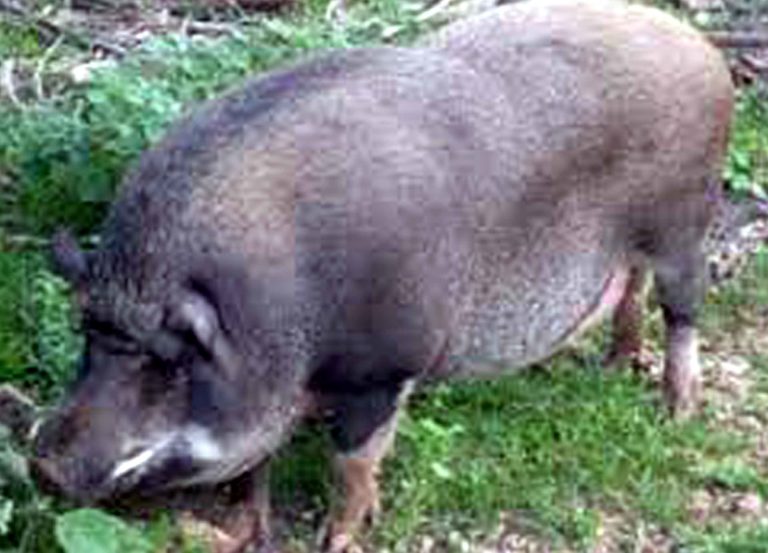
If the village passes through natural calamities frequently then the tribal Gauntia makes arrangement for a special puja of Kandhen-budhi. This special puja or jatra is organized on Baisakh purnima i.e. on the full moon day of Baisakh (April-May). This is called “Ghusuri puja jatra”. A small child pig (ghusuri) is arranged for sacrifice during this special ritual. Oil and haldi are applied properly on the body of the child pig. Then he is bathed. He is decorated with sindur and mandar flowers. A small piece is cut off from his ears and tail with a sharp knife. But he is not sacrificed that year.

After three years, the pig is ritually offered to the deity. However, on that day he was taken round the village. Villagers perform the ritual of Bandapana to the pig with haldi and vermilion. They apply oil and sindur on his body. It means that the pig meant for sacrifice is introduced to the villagers so that villagers will not harm him. Since then the pig is left scot-free in the village. He is regarded as the pratika (symbol) of Kandhen-budhi. Even people call him Kandhen-budhi. Even if the pig harms anybody, it is not taken seriously rather people ask him what fault they have committed. Villagers feed the pig properly. Jhankar takes precautionary measures through Mantra for the protection of the pig from evil influences of black magic by others. Thus, the pig is protected from all respects for three years.

After three years, before the special Puja, the Gauntia of the village invites the villagers. They sit together and discuss how to arrange and celebrate the Special Puja. Relatives and friends are invited from outside as usual to attend the special Puja. In addition, other deities of the village namely Chhidki-Mundi, Mauli, Bauti, Grampati and Panthei are invited on this occasion. These deities are traditionally tribal deities of Kandha people. If the monthly period of Jhankar’s wife coincides with the special puja, then other Jhankar is assigned the ritual duty. Thus, ritual purity is maintained. Everybody sends the ritual items called akta-patri to the house of the Gauntia.

In the morning of Ghusuri Puja, Jhankar prepares himself ritually pure, takes bath, wears new clothes, cleanse the place of worship. Various puja items like biri, kandul, mandia, mahu (honey), mada (liquor), mandar flowers, sindur, ahana, dipa (lamp), arua chaul, haldi (turmeric power) etc. are arranged. On the previous day, the invited Kandha, deheri, jhankar and other guests arrive in the village with their traditional musical instruments and weapons. On the day of puja, the pig is brought, treated with oil and haldi and bathed. Then the pig is decorated with the mandara flowers and sindur. They the ghusuri and visit round the village with dancing and singing from door to door. Every household performs the niti of bandapana to ghusuri. The female members of the household also remain in kastha (ritual purity) and perform puja to ghusuri with oil, haldi, sindur and arua chaul. People take liquor, sing traditional songs and dance on the village streets carelessly during procession.

Then the ghusuri is taken to the place of worship. The final ritual is sacrifice of ghusuri. Before sacrifice, the ghusuri is given charu-anna for eating. If the ghusuri eats the charu-anna gladly and with pleasure then it is believed to be a good sign for the village and villagers. The village is believed to be free from natural calamities and other tragedies. But if the ghusuri does not take charu-anna willingly, then it is considered that the deity is not eager and keen to accept Bali or sacrifice. It indicates that adversities and misfortunes are looming around the village. Obviously, it frightens and upset the villagers.

They call and request the deity to forgive them for their mistakes if any committed unknowingly. Subsequently, the ghusuri is sacrificed and offered to the deity. Above and beyond, other animals and birds are also sacrificed. Other invited deities on this occasion are also treated appropriately. The meat of Bali ghusuri is regarded as Prasad and distributed to one and all. Some celebrate it as feast. Those who do not eat meat, they take it to their house and cover under earth in their courtyards. By doing so, it is believed that no disaster can trouble their households; no calamity can bother them. Thus, the ghusuri puja is completed.

Sacrifice is as old as humankind. The essence and real meaning of sacrifice appears from the etymology of the word itself; Latin ‘sacer-facere’, meaning ‘to make sacred’. Through sacrifice, the sacrificing community believes that it is made sacred by the purging of sins and renewed relation with the Divine. What is sacrificed losses itself by being poured out, burnt or slain. The loss of the sacrificed victim is somehow seen as bringing gain to the community and sacrifices.

After the ghusuri puja, the guests, visitors and relatives return to their respective villages and houses, because, for the following seven days the villagers of Kantamal observe mourning as per the tradition. No pious and religious work is done. No one use oil and ghee in cooking. The house is not cleansed and washed. Hair cutting is forbidden, nail cutting is not allowed and cloth washing is prohibited. No one goes out of the village during this week-long period of mourning. People from other villages are also not permitted to enter into the village. In other words, people from the village do not go out of their village. In fact, people of Kantamal and its neighbouring villages are well aware of this practice. In case of any violation or deviation, people believe that misfortunes will arrive in the village. Though time has changed and some relaxations are observed still the villagers try to follow this ritual practice strictly.

The faith on the deity is the base of this jatra. Though ghusuri is worshiped and offered puja, in reality this ghusuri is sacrificed in honour of the deity. This tradition appears to be the transformed version of meriah sacrifice or human sacrifice prevalent among Kandhas of Boudh-Kondhmal district. It may be said that, once upon a time human sacrifice was prevalent during the Special Puja of Kandhen-budhi jatra in this Kandha dominated Kantamal village.

As per the meriah custom, the Kandhas never sacrificed a Kandha. They used to kidnap a non-Kandha boy from the plains. The boy lived in the Kandha village as a very respected and honoured guest. He used to get plenty of wine and whatever food he wanted. Moreover, he used to have the company of any Kandha girl he wanted. Obviously, he did not try to run away. On the day of the sacrifice he was completely drunk. He was so intoxicated that he was totally anesthetized. Portions of his body could be cut away without feeling any pain. Subsequently, instead of the meriah, as the sacrificial boy was called, they started sacrificing a ghusuri which they purchase from outside. This ghusuri is treated as meriah.

Thus, time has changed. In due course of time, severe form of blood sacrifice called meriah bali i.e. human sacrifice has been stopped and ghusuri sacrifice has been substituted. It may be said that this transformation has come during the British Raj when the practice of meriah sacrifice was ruthlessly suppressed and curbed by John Campbell during December 1837 and January 1842. In order to expedite the suppression of human sacrifice, the Governor General in Council also decided to establish a cohesive agency including all Kandha areas under an agent directly responsible to the Central Government. It was known as Meriah Agency, which was established in July 1845. Captain S. C. Macpherson was the first Agent for the Meriah Agency, who took over the charges in December 1845.

Though this is mainly a tribal festival of Kandha people, other villagers irrespective of their caste and creed participate in this annual jatra of Kandhen-budhi. So, this is regarded as the tihar jatra of the village. It is believed that this jatra is to appease Kandhen-budhi, who takes care of the village and think about its inhabitants. All the happenings throughout the year in the village are considered to be her wish and desire. On this occasion, the Jhankar performs the ritual of purity strictly. He wears new clothes and offers Puja with devotion.


REFERENCE


Pasayat, C. (2009), “Kandhenbudhi Yatra”, in Orissa Review, September.

Pasayat, C. (2010), “Kanhenbudhi Yatra of Kantamal area in Boudh district of Odisha”, in Banaja-2010 (Special issue on Tribal Myths and Legends), ATLC, Bhubaneswar, pp. 85-90.

Dr. Chitrasen Pasayat lives at 152-Vijay Vihar, Nuagaon Road, Sishupalgarh, Bhubaneswar, Odisha-751002.

E-mail: pasayatc@gmail.com

MoU signed between the Railway Ministry and the Govt of Odisha

0

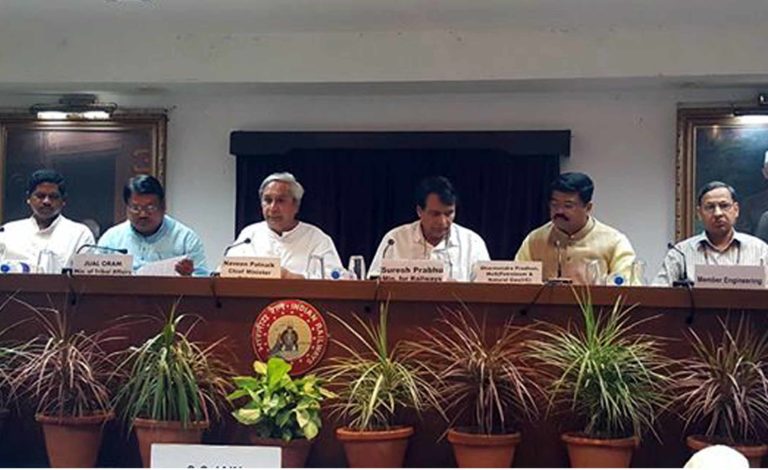
Today at Rail Bhawan, an MoU was signed between the Railway Ministry and the State Government of Odisha in presence of the Railway Minister Shri Suresh Prabhu, Odisha Chief Minister Shri Naveen Pattnaik, Union Tribal Affairs Minister Shri Jual Oram, Petroleum & Natural Gas Minister Shri Dharmendra Pradhan.

The MoU was regarding construction of railway line connecting Nowrangpur with Jaipur and Jaipur with Malkanagiri by joint venture between the Central Government and the State Government. According to the MoU the State Government would bear 25% of the construction cost along with land cost for Malkangiri line of 138 Km. and 50% land cost and construction cost for Nowrangpur line of 40 Km.
The Tribal Affairs Minister Shri Jual Oram in his address thanked the Hon’ble Prime Minister , the Railway Minister and the Chief Minister of Odisha for having shown special interest to introduce railway lines in the tribal dominated districts of Nowrangpur and Malkangiri in Odisha. This step will help in allaying the Maoist menace and open avenues of development in the tribal district, he added.

Besides these the Railway Minister announced joint venture between State Govt. and the Railway Ministery for modernisation of following Railway Stations.

1.Bhubaneswar, 2. Puri, 3. Bhadrak, 4. Berhampur, 5.Cuttack, 6.Jajpur-Keonjhar Road, 7. Khurda Road, 8. Rayagada, 9. Sambalpur, 10.Balasore, 11.Jharsuguda, 12. Rourkela.
The Railway Minister also announced the introduction of several New Train.
(A) Three pairs of Mail/Express Trains connecting Vishakhapatnam-Chennai, Paradip-Howrah, Paradip-Vishakhapatnam
(B) Four pairs of passengers service : Sambalpur-Bhawanipatna, Gunupur-Vishakhapatnam, Hatia-Rourkela, Sambalpur-Rourkela.
(C) New trains planned for Odisha : 1. One pair of Hum-Safar Train Bhubaneswar-Krishnarajpuram, 2. Howrah-Jashwantpur, 3.Kamakhya- Bangalore.
(D) Three pairs of Antodaya Trains : 1. Tatanagar-Lokamanya Tilak, 2.Santragachi-Chennai, 3. Howrah-Ernakulam

Manikeswari and Her Chhatar Jatra in Bhawanipatna_Dr. Chitrasen Pasayat

0

During British Raj in India Kalahandi was a princely state which after independence merged with the state of Odisha on 1st January 1948. Bhawanipatna is the headquarter town of Kalahandi district in Odisha. Situated on the National Highway it is located about 418/427 kilometers away from the state capital Bhubaneswar. Tribal dominated Kalahandi district is a land of goddesses like Dakeswari (Dukri), Lankeswari, Manikeswari and Raktambari.  Manikeswari is the presiding deity of Kalahandi. The mere mention of name Manikeswari invokes reverence and speaks about the Sakti or goddess worship in Kalahandi.

Bhawanipatna, Jugsaipatna and Thuamul-Rampur of Kalahandi district are famed for Manikeswari temples. In addition, she is also worshipped in other places like Kashipur, Paralakhemundi, Sankhemundi and Sonepur. However, the annual Chhatar Jatra of Manikeswari celebrated in the Hindu month of Aswina (September-October) in Bhawanipatna is very famous and popular. People of this area may be staying away from their home due to some reasons or other but they exhibit the same passion and display same emotions that their families, relatives and friends experience here during Chhatar Jatra of Manikeswari Devi. People are mad about Chhatar Jatra and eagerly wait for the celebration. What drives them so passionate? May be they get to see the deity and witness her procession with Bira-Badya Ghumura. May be they get to see many known faces. But the innocent faces of animals and birds, unaware of their imminent death, attracted me during my research trip to this place during Chhatar Jatra.

Historically, Kalahandi is a Kandha dominated area. It is said that, Kalahandi was once recognized as Karund and the rulers of this region were known as Karundadhipati as well. The meaning of Karunda or corundum is valuable gem stone and most probably, the word Kalahandi is derived from Karunda or corundum. In other words, Kalahandi is believed to be the treasure land of valuable stones like Ruby, which is locally known as Manikya. The name of its presiding deity Manikeswari is derived from Manikya. Undoubtedly, the name of the deity is justified.

Manikeswari temple of Bhawanipatna is located in the premises of the ex-ruler of Kalahandi. It is said that, Raja Ramachandra Deo had built a temple in Bhawanipatna and installed Manikeswari Devi therein. Reportedly, however, the present temple of the deity is constructed by Raja Brajamohan Deo in 1935.

It is said that, the sixth king of Naga dynasty in Kalahandi was Harichand Deo (1173-1201). His reign was full of misfortunes. He had to face all the disturbances and led a life of agony and pain. After his sad demise, the insecure queen fled to her father’s house at Gadapur in Phulbani district, traditionally a Kandha dominated area. Then she was pregnant. In such a condition, the queen’s father gave her shelter. There she gave birth to a son who was named Rama Chandra Deo. Ranee’s father belonged to Ganga family.

After the passing away of Raja Harichand Deo, Kalahandi remained in a state of anarchy for some time. Due to the political disorder, lawlessness and chaotic condition in the state, common people had to suffer a lot. It was a Kandha dominated area at that time. The people being insecure of their lives and property went to Gadapur in search of their queen. They became happy to see their queen and the young prince Rama Chandra Deo in Gadapur. They requested the queen and her son to return to their kingdom and rule over it. But the queen’s father refused to allow them to go back on security ground. On the other hand, the Kandhas and Umras promised them protection and help.

Rama Chandra Deo, though a minor at that time, thought it proper to reign over his own kingdom than stay at his maternal grandfather’s house. Finally, he returned with his mother to Kalahandi. He was crowned as king of Kalahandi at Jugsaipatna by a Kandha who is known as Pat-Majhi. This custom is still in vogue from that time. As per the tradition, all the kings of Kalahandi are crowned at Jugsaipatna by a Kandha who is called Pat-Majhi.

The Kandhas appointed Sarbanks as Dewan of newly Raja Rama Chandra Deo to assist the king in his state affairs. Thus, the queen and prince were brought by the Kandha Umras from Gadapur. While returning home, Ramachandra Deo brought Manikyaderi from his maternal uncle’s house (Senapati and Kuanr, 1980: 53). At that time, Jenabalipatna or Jugsaipatna was the capital of Kalahandi. So, Manikyadevi was first established there in the form of Manikeswari. Subsequently, the deity was installed by him at Bhandesir garh i.e. the present Bhawanipatna.

There is a controversy about the origin of Naga family of Kalahandi. A group of scholars claim Nagas of Kalahandi are successors from the Naga family of Chota Nagpur. But the renowned historian Jitamitra Prasad Singh Deo believes that, the Nagas of Kalahandi are direct descendants of the Nagas of Chakrakote (Singh Deo, 1987:267). Whatever might be the opinion of scholars on the origin of Naga-vamsi rulers of Kalahandi they are unanimous in accepting the ex-ruling house of Kalahandi which still exists as belonging to Naga house.

Sakti cult (Great Tradition) has influenced this Chhatra Jatra (Little Tradition). Every year, common people feel it a proud privilege to be associated with this historic tradition of Bhawanipatna. These days, this yearly Chhatar Jatra has not only established itself as a popular folk festival in its native land but also recognized as one of the captivating and enthralling festivals in the neighbouring areas including Chhattisgarh.

The Mulastami (Aswina Krushna Astami) is the beginning of Chhatar Jatra. The ex-ruler’s palace has an imposing look with a spacious park to its front. Traditionally, Ghumura dance competition is organized on this occasion. The winning group is allowed to participate during the Chhatar Jatra. The troupe leads the Jatra from Jenakhal to Manikeswari temple on early morning of Aswina Sukla Navami tithi.

The Mulastami day is marked with an important ritual before Manikeswari Devi. It is a gupta niti (secret ritual) known as Munda-basa. The word is derived from two words munda (head) and basa (to place). The meaning of the ritual is reflected in the word itself. At midnight the head of the Devi is removed and replaced by terracotta head studded with gems and ornaments. The old head is then immersed in the Purushottam tank adjacent to the temple. Thus, ceremonial replacement of the head of the deity takes place on Mulastami. This reminds us the annual Nabajaubana and Nabakalebara rituals of the deities in Shri Jagannath temple at Puri.

Manikeswari is also reasonably identified with Stambeswari or Khambeswari who represents pillar-worship for the reason that, apparently there is similarity between the iconography of Manikeswari and Khambeswari or Stambeswari. Further, annual ritual of change of structure of the deity (head) also reminds us the Khond ritual practice of renewal of pillar-worship. In view of this it appears acceptable that, Manikeswari has some linkages with the tribal tradition of this area.

Furthermore, it would not be out context to mention that, the earliest form of mother or Sakti worship in this part of Odisha is historically found to be Stambeswari. During fourth and fifth century AD, worship of Stambeswari was prevalent in Kalahandi. The earliest epigraphic evidence was found in a copper-plate grant of Tustikara Deva. This copper-plate grant is popularly known as Teresingha copper plate of Raja Tustikara, which attests this fact. It may be noted here that, there is a pillar of Stambeswari in Sonepur and another temple in Aska in Ganjam district. The Stambeswari is another form of Khambeswari, who is a very popular deity among the tribal people of Kalahandi in particular and West Odisha in general.

It seems appropriate to highlight the existential realities of the earliest settlers or indigenous population or tribal people of Kalahandi area, which they share despite their heterogeneity. Though the tribal people constitute about eight per cent of the total Indian population, they are found in substantial numbers in Kalahandi district of Odisha. They are overwhelmingly rural. Most of them live in forest and mountain areas. So, they are called Banabasi (forest dwellers) and Girijan (mountain dwellers). They are also called Adibasi, the literary meaning of which is ‘original settlers’. Since most of them still live in rural, forest and mountain areas this fact prove that, they have been living there from the beginning or from very ancient times. Because of their location and habitat a large majority of the tribal people were engaged in forest related occupation. This type of subsistence economy was not at all conducive to state formation.

In all probability, during his state formation in this part of Odisha during 4th-5th century AD, Raja Tustikara had adopted the tribal deity of this area as Stambeswari to appease the local inhabitants and to make it easier for the establishment of his kingdom. It is also possible that, the local tribal people of this area had been influenced by the “Raja-Dharma” or the Ista-Devi of Raja Tustikara and started pillar worship, which is still prevalent in their communities in one form or other. Significantly, Khambeswari is the tutelary deity of Dumals of West Odisha. It was essential to incorporate the tribal people in the mainstream of the society. Due to extension of political boundaries, the ruler was in need of settled agriculture to generate surplus for maintenance of his kingdom and officials. Thus, tribal people were engaged in agriculture with superior technology and took the leading role for its extension.

It may be a matter of surprise for many how the head of the deity is removed and replaced by terracotta head every year. It may be noted here that, Manikeswari Devi is headless. Consequently, she is identified with Chhinnamastha, who is a goddess of Dasa-mahavidya group. Her body is like a cylindrical structure, over which a clay head is fixed. Thereafter, the body is covered with clothes and ornaments. This is an annual gupta niti or secret ritual observed in the midnight of Mulastami tithi.

Another interesting ritual is observed before the deity Budharaja in the midnight of Mahastami (Aswina Sukla Astami) tithi. Budharaja is also known as Bhairaba. He is worshipped in a small temple situated in the northern side of the Manikeswari temple. Significantly, this temple is opened only once in a year on the occasion of Mahastami when offerings are made to Budharaja. The new rice is offered to Budharaja only on this day.

Though Nuakhai is observed generally on Bhadraba Sukla Panchami or Rushi Panchami tithi in West Odisha, Nuakhai of Budharaja is celebrated on Mahastami tithi because his temple is opened only once in a year on this day. So, as a matter of tradition, the royal family of Bhawanipatna takes Nua / Nabanna next day on Nabami tithi after Chhatar Jatra only after Nuakhai celebrated by Budharaja on Astami. After the annual offerings before Budharaja, the Chhatar of Manikeswari Devi leaves for Jenakhal.

Animal sacrifice is a very common practice prevalent in almost all the Sakti pithas in India in the month of Aswina. On Astami Tithi night, animal (Podh i.e. buffalo) is sacrificed before the deity Budharaja (Bhainro Baba / Bhairava) situated near the north gate of Maa Manikeswari temple. Notably, Budharaja is a tribal deity of Gonds, who are officially recognized as one of the 62 tribal communities in the state of Odisha. After this ritual, the Chhatar is carried to Jenakhal (Jena-Khal), which is located about three kilometers away towards west of the temple. Chhatar represents Maa Manikeswari. In other words, Chhatar symbolizes the deity. Some rituals along with animal sacrifice are performed there.

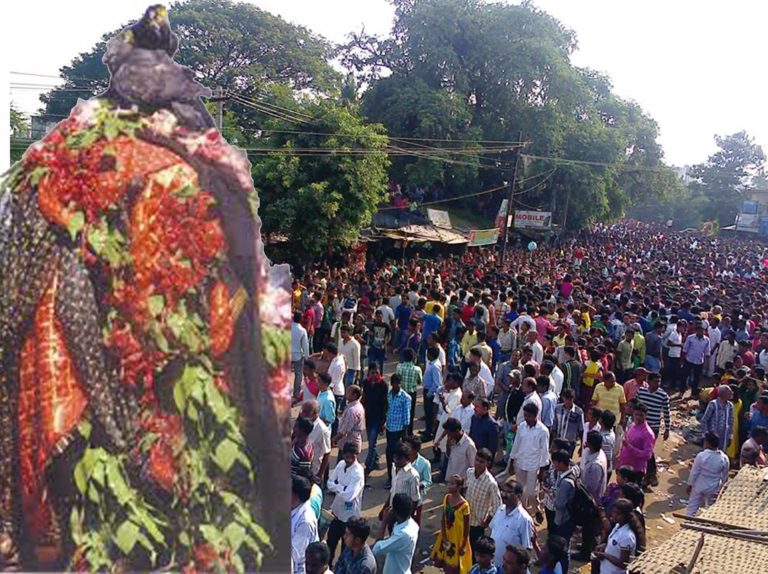
Thereafter, the deity in the appearance of Chhatar returns to her residence i.e. Manikeswari temple. The literary meaning of Jatra is traveling. Manikeswari in the form of Chhatar comes out of the temple once in a year and travels to Jenakhal and then travels back to her temple. For this reason, this annual festival is called Chhatar Jatra. Thus, the Chhatar makes its return journey from Jenakhal to the main temple of Manikeswari in the early hours of Mahanabami tithi. This is the most celebrated journey of the deity. It is accompanied by the beats of musical instruments like ghumura, nishan and ghanta. Traditionally, it is known as Jenabadya. The chorus creates a sensation among the observers. It creates a sense of fear among the onlookers as well.

It is not out of place to mention that Kandha people worship a deity called Chhatar Bauti. She is portrayed as a terrified deity. She is supposed to be the cause of child death in the Kandha community. Interestingly, if a child cries while the Chhatar is traveling then it is believed that the death of that child is looming around. In view of this, it may be said that Chhatar Jatra is influenced by the tribal culture and tradition in Kalahandi.

As it has been mentioned above, rituals are performed at Jenakhal. Animals are sacrificed there. Blood sacrifice is the integral part of this ritual. The literary meaning of Khal is hole. Jena-Khal represents female sex organ. As Linga represents Lord Siva in its uniconic form in various Saiva Pithas, Jena-Khal represents Sakti at this place. In other words, Sakti in this form is worshipped at Jena-Khal. It is pertinent to mention that, in Sindhekela of Titilagarh sub-division and Khariar the deity Duarseni is worshipped in such form i.e. hole. So, it may be said that, in some parts of West Odisha Sakti-worship in the form of Yoni-worship is prevalent.

As per the tradition, Ghumura dance is performed in front of the palace of Bhawanipatna on that night (Astami Tithi). In course of time, it has taken the shape of competition, which adds colour and glamour to Chhatar Jatra in Bhawanipatna. A number of Ghumura dance troupes participate in this competition. The winner of the competition leads the next year’s procession of Chhatar Jatra. It is an honor for the Ghumura dance band. Undeniably, Ghumura dance is an integral part of Chhatar Jatra, which helps in preserving and disseminating this ancient heritage and rich folk tradition of Kalahandi. Certainly, Ghumura dance is amazing and astonishing in its form and content. It has a class of its own. The media and modern technology have enlarged its scope and prospects. Professionalism in traditional performing art has become the trend of the day.

Hundreds of people assemble near the Bhawanipatna palace on the occasion of this competition and witness this rich folk dance form of Kalahandi. In view of this it may be said that, Ghumura is a major traditional dance form, which still holds ground in the cross section of the society in Kalahandi. In fact, the entire Kalahandi feels the vibration of Ghumura dance in this season. It is relevant to mention that. Ghumura in Kalahandi is not simply a dance form but the very way of life of Kalahandias. Here virtually every village has a Ghumura institution and every villager is a lover of Ghumura. The language of Ghumura is well known to every individual in this land. Since long, Ghumura has not only entertained the people of Kalahandi but also acted as an emotional bond of unity among them. It is an instrument of social harmony in Kalahandi. However, Kalahandi Ghumura has no longer remained confined to Kalahandi. It has traveled far and wide and created a name in the national as well as international market.

Early in the morning of Navami, Chhatar leaves JenaKhal for the temple with a grand procession amidst the high sounding beat of Ghumura, JenaBadya, Ghanta and the like. This return journey of Maa Manikeswari in its Chhatar form is the main Chhatar Jatra, which is attended by thousands of devotees. The distance between Jena-Khal and Manikeswari temple is about three kilometers. Thousands of animals like he-goats, chickens, pigeons, ducks and swans are sacrificed on the way during the return journey of Chhatar.

Animal sacrifice is as old as this festival. Significantly, there is no restriction and compulsion if the devotees want to offer their animals on their own. The essence of animal sacrifice emerges from the strong belief and faith that, it will bring gain to the sacrificers and their community. What is sacrificed losses itself by being slain. But, this loss of life is somehow seen as bringing benefits to them. This is the main reason why devotees themselves are found slaughtering animals on the path of Chhatar and offering the same to the deity on their own.

Thus, the common people have developed a cruel and heartless tradition of doing shoddy work in some fashion without visualizing the detail repercussion. Such an unkind ritual practice by the common people on the open street is hardly found in any other region. Some activists who are actively engaged in preaching the value of ‘non-violence’ opine that, it is very dangerous. Since the common people themselves frankly participate in this ritual killing of animals on open streets of Bhawanipatna, it has become very hard on the part of the District Administration and the social activists to discontinue and suspend this brutal and unkind traditional practice of animal sacrifice.

Some activists believe that, some people are mute observers to this inhuman ritual festival. Even the social organizations and Government agencies working against such ritual practice do not seem to bother. They think that conscious citizens must take up this issue and the organizers should know how they are hurting the sentiments of many as they ignore a major issue while communicating the value of violence through their activities in the name of tradition and blind faith. There are ways to celebrate Chhatar Jatra without harming anybody. All that we have to do is believe the eternal truth – importance of God gifted priceless ‘life’.

Undoubtedly, Chhatar Jatra is a cruel and inhuman tradition of animal sacrifice. It creates an atmosphere where people are emotionally engaged. It produces an environment wherein people are psychologically occupied. This Jatra helps people to discover their animal-like passion and anchor them to such passion. In other words, common people satisfy their animal-like or cruel passion through blood sacrifice during Chhatar Jatra. In this sense, they find value in this Jatra and identify them with this Jatra. Of course, it is not the same with everyone, but what is real is that everyone does it for certain reasons and for definite purposes.

Today, it is really a difficult time. People have to identify additional social responsibilities that they can shoulder. When asked a pretty old but beautiful woman, she replied, “You are not the driver of the vehicle. You see a lot happening on the streets and sometimes you just have to shut up and let things be even though you know what the right thing is”. This lady was both informative as well as interesting. So many aspects of this passionate festival came to light through her eyes only. It would not be out of context to mention that, there are good souls in and around who can provide the hope and strength to create a better tomorrow. This is the high time to recognize and honour the value of life, whether animal or human.

On Vijaya Dasami Tithi, Chhatar is carried to the nearby mango grove of Naktiguda, where the Chhatar is worshipped. One Boda i.e. he-goat is sacrificed before the deity. Then an earthen pot is fixed on the top of one tall mango tree. Shooters come to this ground to participate in the shooting competition. They aim at the earthen pot on the top of the tree. This is known as LakhBindha competition. This LakhBindha ground is considered to be the battle ground and the pot is regarded as the enemy. Earlier, the traditional weapons like bow and arrows were used on this occasion. In due course of time, bow and arrows have been replaced with guns. The winner of this competition participates in the Chhatar Jatra and leads the procession of the deity. It is considered to be a rare distinction and honour.

It is said that, once upon a time human sacrifice was prevalent at Jenakhal. It reminds us the famous Meriah sacrifice a long time ago prevalent among the Kandhas. Furthermore, it is said that Jenakhal is located on the way between Bhawanipatna and Junagarh. The previous name of Bhawanipatna was Manikyapatna. At that time, it was named after the deity Manikeswari. After the construction of BhawaniSankar temple near the Bhandeswar temple, the name of Manikyapatna became Bhawanipatna.

The literary meaning of the word Jena is Raja-Putra i.e. prince. In this sense, the meaning of Jenakhal is the hole or place or graveyard where Raja-Putras (princes) were sacrificed. As per the tradition, the Raja of Bhawanipatna used to offer human blood to the deity i.e. Chhatar on Durgastami at Jenakhal. Every year, the defeated Raja-Putras were sacrificed here during Chhatar Jatra. Time has changed. In due course of time, severe form of blood sacrifice i.e. human sacrifice has been stopped and animal sacrifice has been substituted.

It is believed that this transformation has come during the reign of Udit Pratap Deo (1853-1881). Once, he was returning from Delhi after attending the British Durbar in the year 1877. On his way back to Bhawanipatna, he spent one night at Kesinga which is situated on the bank of the river Tel, the border of his kingdom and Patnagarh. That night, Maa Manikeswari appeared in the dream of Raja Udit Pratap Deo. She expressed her displeasure over the blood sacrifice prevalent in his Pitha. She asked the Raja to start Satwika Puja i.e. vegetarian ritual in his temple. She also directed him to bring some good Brahmins from Sambalpur who would perform Satwik Puja in his Pitha. The king did not waste time and invited a Brahmin family from Sambalpur who started Satwik Puja in Manikeswari temple. It is relevant to mention that Raja Udit Pratap Deo married the princess Asha Kumari of Sambalpur. Asha Kumari was the only daughter of Raja Narayan Singh, who was the last king of Sambalpur kingdom.

The annual Chhatar Jatra of Manikeswari Devi is accompanied with the Lakhabindha (target-shooting) ceremony, which is celebrated with great pomp and show during the days of Durbar administration.

One of the great disasters of post independent India has been the absence of royal patronage to Chhatar Jatra as usual. However, there is no denying the fact that, common people extend their patronage and support this festival for its growth once a year. Unquestionably, the inheritance of celebrating Chhatar Jatra and making this festival more popular are the sacred responsibilities of the general people of Kalahandi at large. They have left no stone unturned to achieve this feet. They have been devoting themselves to keep this century long tradition alive. There is tremendous amount of enthusiasm within Kalahandi and outside also to witness this thrilling Jatra in the month of Aswina. Chhatar Jatra, once again, contributes to local tourism like no other institution. So, be it a disturbing emotionally due to its ‘animal sacrifice on the streets’, many people comes to explore a new lease of life on this occasion.

Manikeswari Devi is considered to be a unique blend of tribal and non-tribal culture in this part of Odisha. One finds close resemblance between the iconography of Stambeswari or pillar worship and the present Manikeswari Devi. Kandhas of this area consider Maniksairo as the sister of the deity Dharnipenu. In this context, Kar (2007:32) has given a narrative. The song of the Kandhas says: “Juhar Juhar Manikesari/ Maa Raije Maharani/ Sayabani Mahan Laybani/ Mahan Dharni San Baheni”. In view of this, it may be believed that Manikeswari in her present form and Manikesari of the Kandha people are interrelated and through the process of universalization, the present form of Tantra worship of the deity has evolved.


References

Kar, Uma Shankar (2007), “In the Land of Manikeswari”, Devi, Bhubaneswar: The New Indian Express.

Pasayat, C. (2007), “Bhawanipatanar Chhatar Jatra” (Oriya) in Souvenir, Lok Mahotsav-2007, Sambalpur: District Council of Culture, pp.10-15.

Pasayat, C. (2009), “Chhatar Yatra”, in Nuakhai Bhetghat-2009 Souvenir, Bhubaneswar.

Senapati, N. and D. C. Kuanr (Eds.), (1980), Kalahandi District Gazetteer, Bhubaneswar: Department of Revenue, Government of Odisha.

Singh Deo, J. P. (1987), Cultural Profile of South Kosala (From Early Period till the Rise of the Nagas and the Chauhans in 14th Century AD), Delhi: Gian Publishing House, p. 267.

Dr. Chitrasen Pasayat lives at 152-Vijay Vihar, Nuagaon Road, Sishupalgarh, Bhubaneswar, Odisha-751002. E-mail: pasayatc@gmail.com


DALKHAI_Dilip Kumar Padhi VU2DPI

0

In the month of Aswina, on the Mahaastami day of Durga Puja, people of Western Orissa celebrate Bhai Juntia. A total fasting is observed by young girls and women for the entire day and night to seek the blessings of Goddess Durga for amelioration and long life of their brothers. In villages young girls usually dance in small groups during this celebration which is known as Dalkhai dance. Dalkhai is a ritual-based folk dance which is accompanied by several musical instruments as well.

Dalkhai is basically a folk deity. Her abode is known as Dalkhai kuthi. The name Dalkhai is derived from the name of the deity as the dance is performed in her name. In the past, people worshipped the jungle deity to protect themselves from the wild animals and other dangers. Afterwards the deity became synonymous with Durga or Bana Durga. Usually through this dance they pray for the general happiness of the family and the village as a whole.

On the Durga Astami day young girls assemble on the bank of a river or a pond to take bath. One of them brings seven palm-full of sands and built a small platform for worship, they put four mango leaf and place burning wicks on them. This ritual is repeated seven times as seven girls bring palm-full of water and follow the same ritual. Thereafter prayers are offered to goddess Dalkhai for the well-being of their brothers. This is followed by songs and dances, where all the people – young or old – participate with equal enthusiasm. Earlier during the dance, young girls and boys join together in a question answer session.

In the afternoon, at Pantibela, all the girls assemble near the Dalkhai Kuthi with their baskets containing sand and other materials for worship. Some of them get dressed like Parvati and Iswara, while the rest of them carry umbrella, a stick and a water jug (Kalsi). In a procession they move to seven houses and come back to the Dalkhai Kuthi. Inside the Dalkhai Kuthi they perform several acts of the mythology. One of them acts as Bhima and some other act as Kubera. Bhima brings paddy from Kubera and sows it in the field. Songs and dances enacting various scenes from the mythology are essential part of Dalkhai.

Returning home the girls prepare for further rituals. They prepare leaf cups containing piece of sugarcane, yellow thread called ita?, 108 pieces of duba (evergreen grass), 108 pieces of unbroken rice; along with it small branches of Amla and Dahana (a sweet smelling leaf), puffed rice and dhup are placed. Separate leaf cups are arranged for each brother.

After taking bath in the river bank they prepare platform for worship. Fruits like ladies finger, frankincense (Kunduru) etc. are placed as offerings to the goddess Dalkhai. Then they change their clothes and carry their baskets and assemble near the Dalkhai Kuthi. They collect seven clay statues of Parvati, Iswara, Ganesha, Tortoise and Bull are placed inside the Dalkhai Kuthi. The ritual starts with Dhunkel and Bharni beat of the dhol. It is often seen that a person becomes possessed by a spirit of one of the deities. The villagers ask several questions regarding the wellbeing of the village. The ritual then comes to an end.

On the ninth day, all the girls again assemble near the Dalkhai Kuthi. After collecting all the articles used for the ritual on the previous day, they move in a procession accompanied by drumming of dhol and nissan to seven houses and then to the river bank to immerse all the articles. After taking bath they return home, and the 108 dub, 108 rice and yellow thread are offered to their brothers. Till the end of the tenth day of Dasahara, they are engrossed in Dalkhai dance. The entire village plunges into an energetic mood by the intoxicating effect of the melodious song and dance.

Dalkhai is performed as a ritual, whereas dance and song remains its principal interest. The dancers stand in a semi-circular formation during the dance. One after another they sing a couplet and at the end of it they dance in a particular way by bending at the waist level and move their feet rhythmically accompanied by musical instruments.

During the song dhol is played and subsequently other musical instruments like Nishan, Tasha, Jhanj and Muhari are accompanied.

The songs are composed from couplets to sixteen lines. The singer begins the song uttering “Dalkahi Re, Dalkahi Re” (twice) and finishes the lines with another pronouncement of “Dalkahi Re”. Mostly the songs are of romantic themes. At times one can find the description of nature, seasons, gods and goddesses; sometimes satire and teasing also. The singers have to depend entirely on their memory while rendering the songs – presence of mind comes handy.

During rendering Dalkhai usually Raserkeli, Mailajada, Jaiphul are also rendered. The lyrical depiction of Rasarkeli, MaelaJada and Jaiphula may look similar with Dalkhai. However, the song and rhythm of drums has different beats and style.

No road to Bangali Sahi, Bhadrak

Bangali sahi village of Basudevpur block under Bhadrak district has no road. Patient, kids and pregnant women are carried by people up to 1 km mud road. Now a very bad thing has been found in the village. Sabita Mandal wife of Surjyamani Mandal was carried on by a bamboo made carrier up to one kilo meter.  Then she was carried to Basudevpur hospital.

As the village is not having any proper road, 11 families are facing severe trouble. Kids of the villages cross that troublesome road to attend their Anganwari, and school. The village has no government road. The road used by the villagers belongs to a villager.  They are using this road since more than last 80 years.

The villagers are regularly appealing at the administrations but they are deprived and ignored.