Tuesday, April 28, 2026
Home Blog Page 50

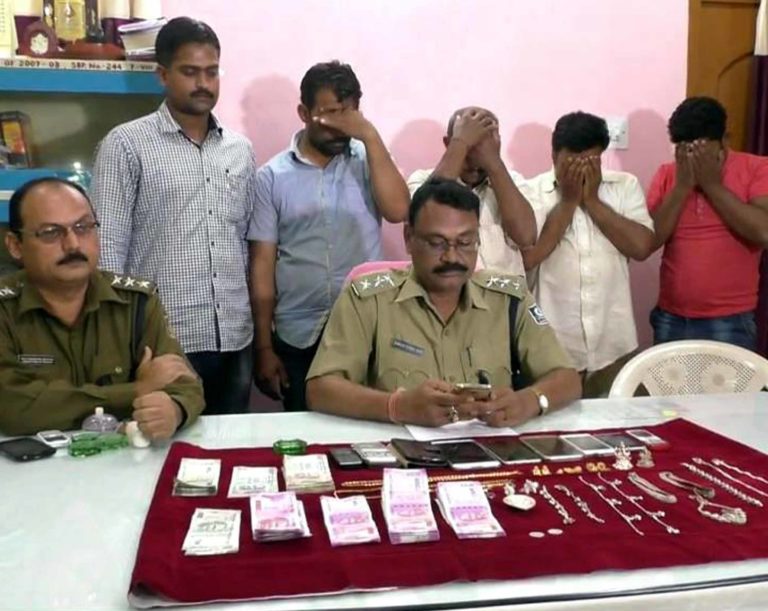
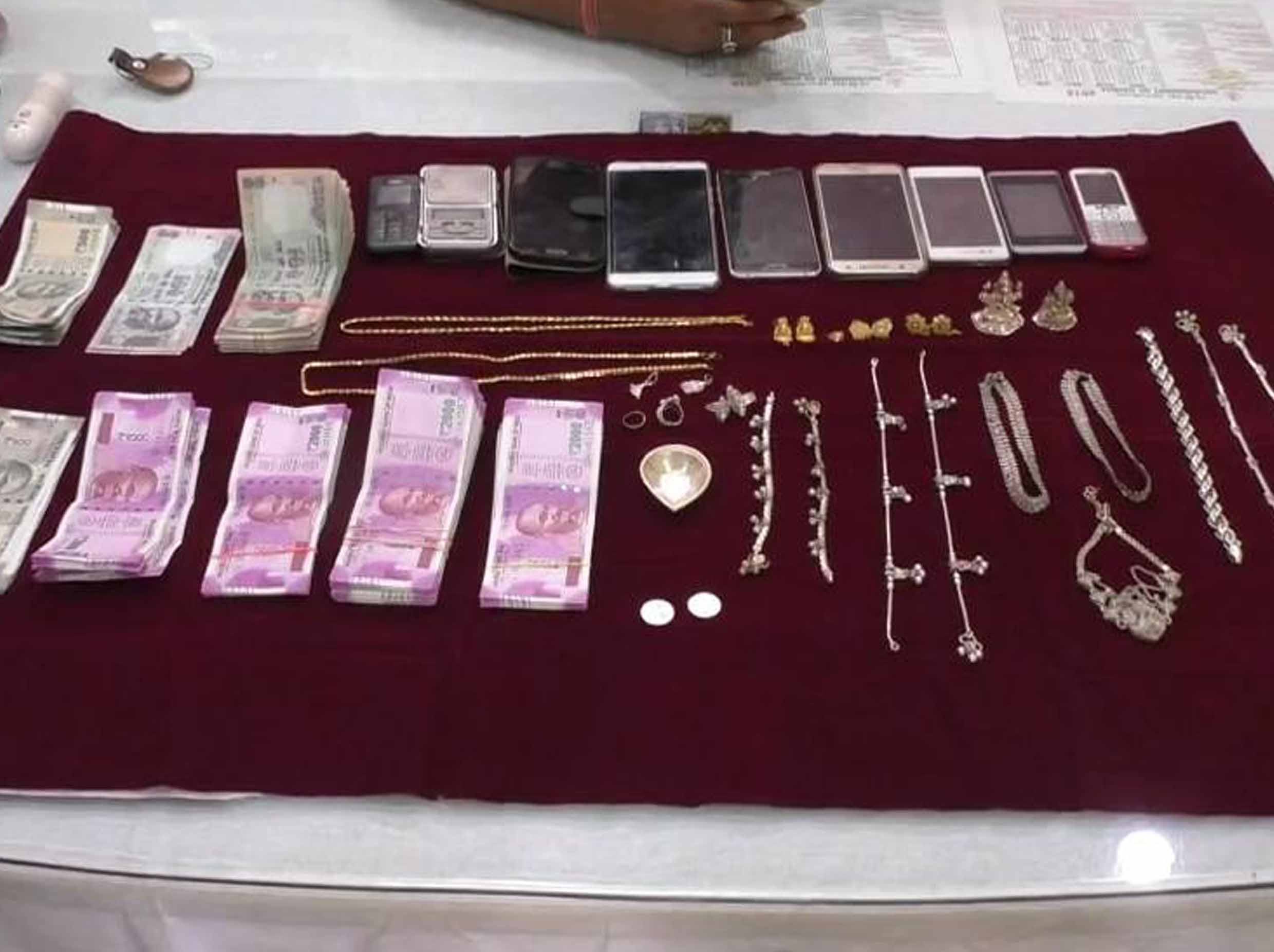
Bargarh police nabbed the gang of thieves

0

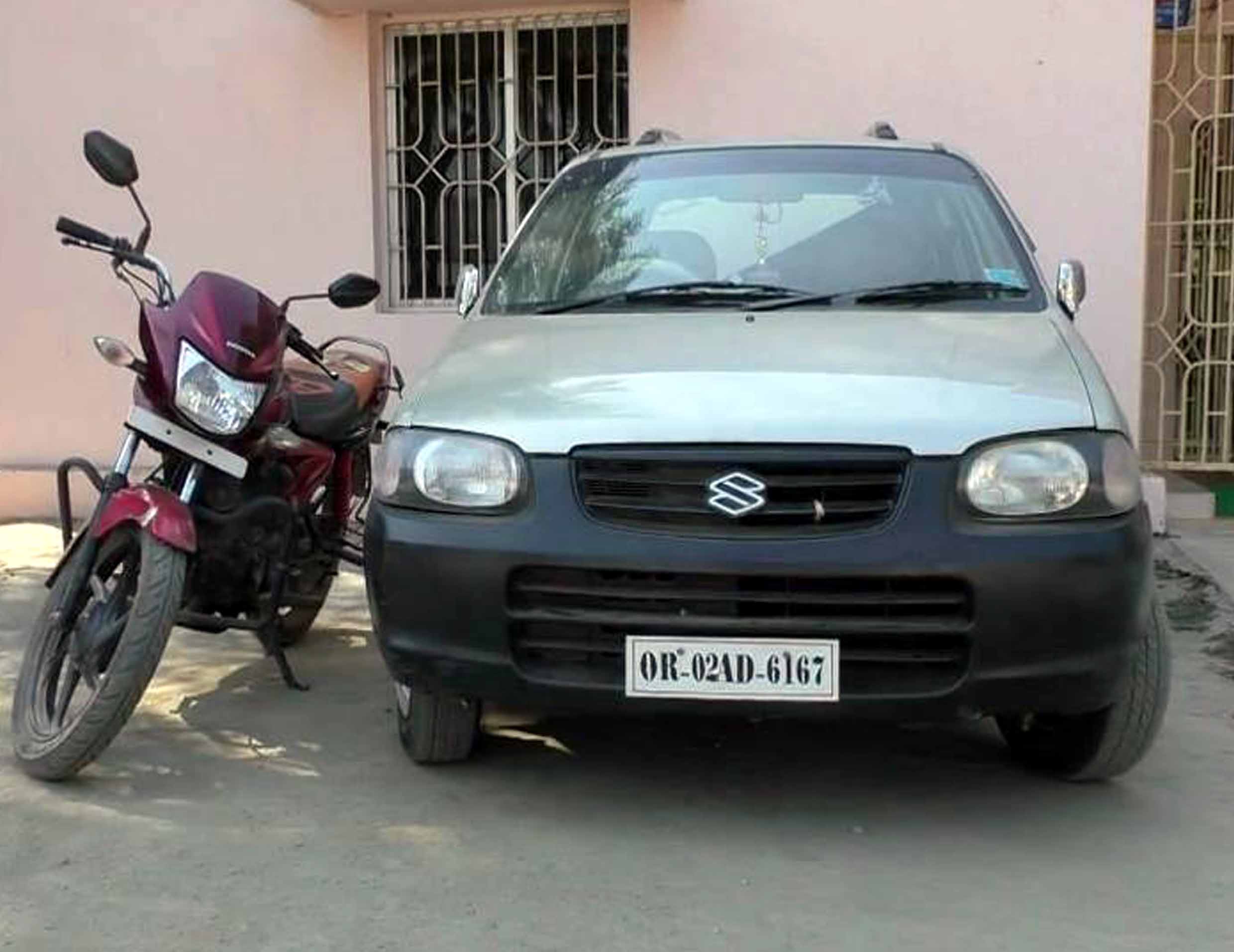
A team of Bargarh police led by SP B. Jugal Kishore has nabbed the gang of 4 thieves. The team has  seized 3 lakh 40 thousand cash, 8 mobiles, 1 Alto car, 1 motor bike and jewelry.

Odashtola: gets cut off 4 months in rainy season

0

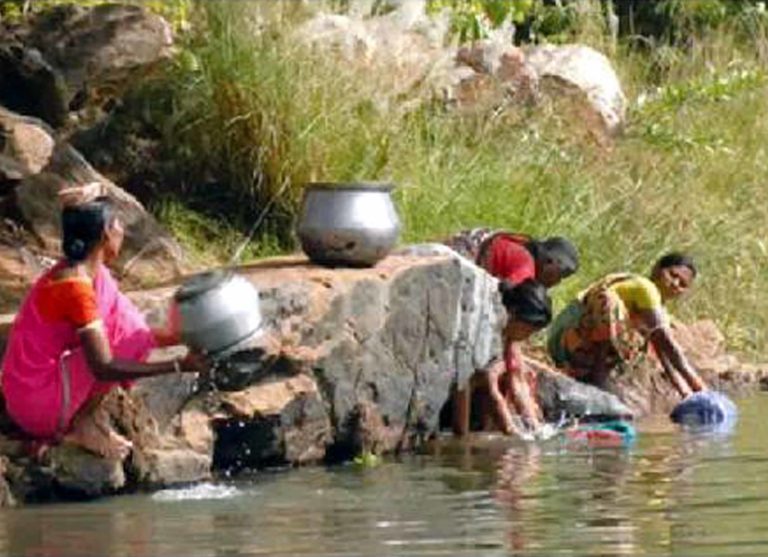
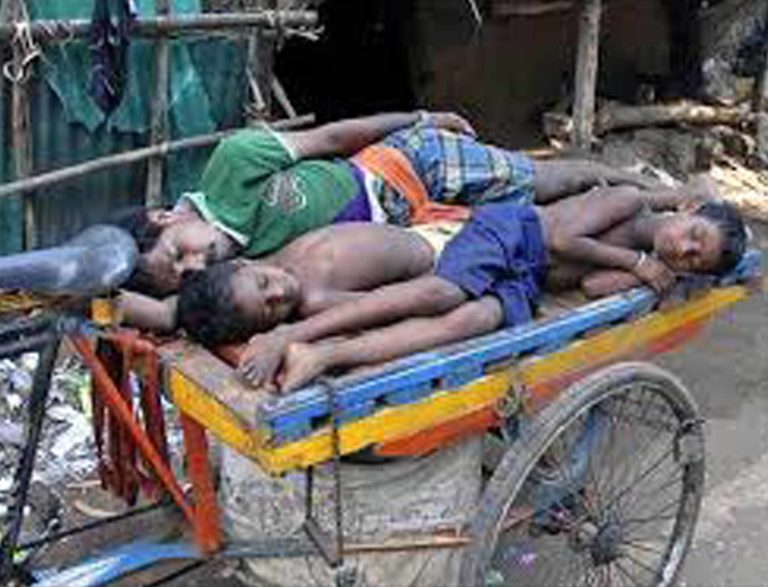
Many villages of Lanjigarh block of Kalahandi district are deprived of basic amenities. Odashtala village of Gunduri panchayat is cursed. Around 70 families reside in the village. All are adivasis.

For communication to the outer world they use a road full of path holes. Since many years this road has not been repaired.  Further the village gets cut off from the outer world in the rainy season; as there is no bridge on the Ret River.  Schools also gets closed in this period. Teachers are there, students are also there in the school but teacher cannot attend the school due to flood in the river.

Other major problem of the village is facing is shortage of drinking water; there is no bore well in the village.

The villagers get infected when use flood water of Ret River. Youths are migrating from the village as there is no job in the village.

Child missing from Melchamunda

0

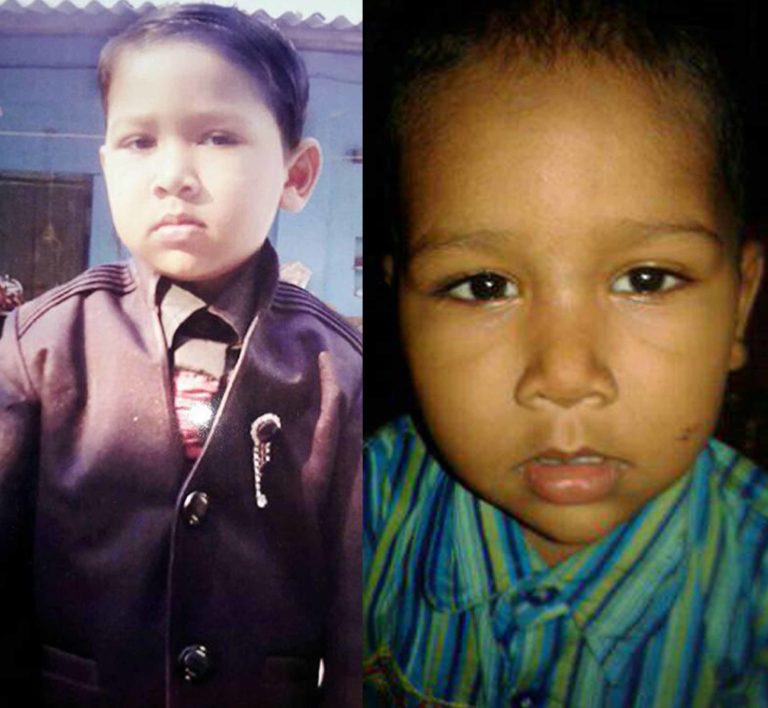
A child from Melchamunda village of Bargarh district is missing since today. The boy was playing in the street around 11 AM in the morning and since then he is missing.

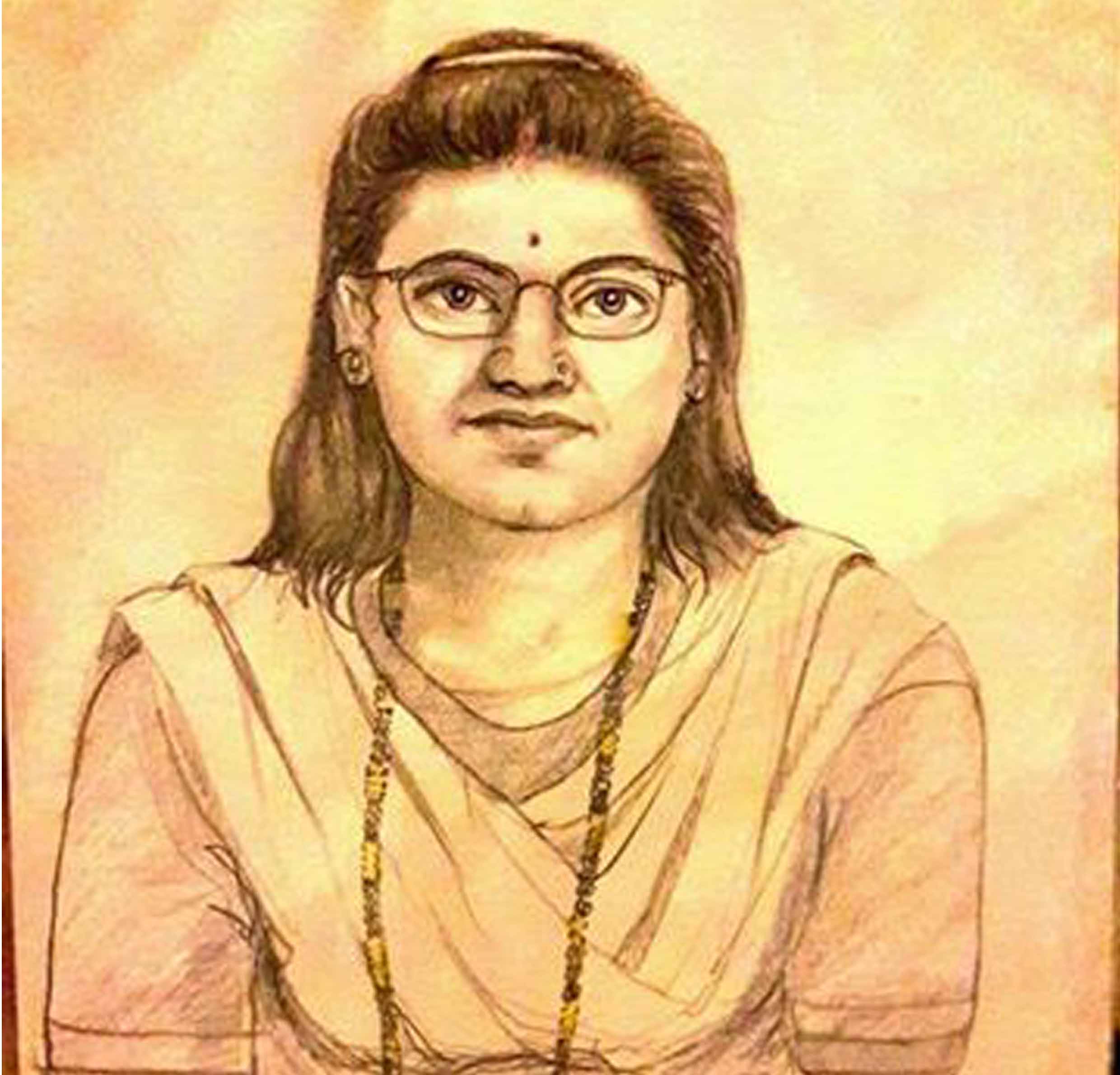
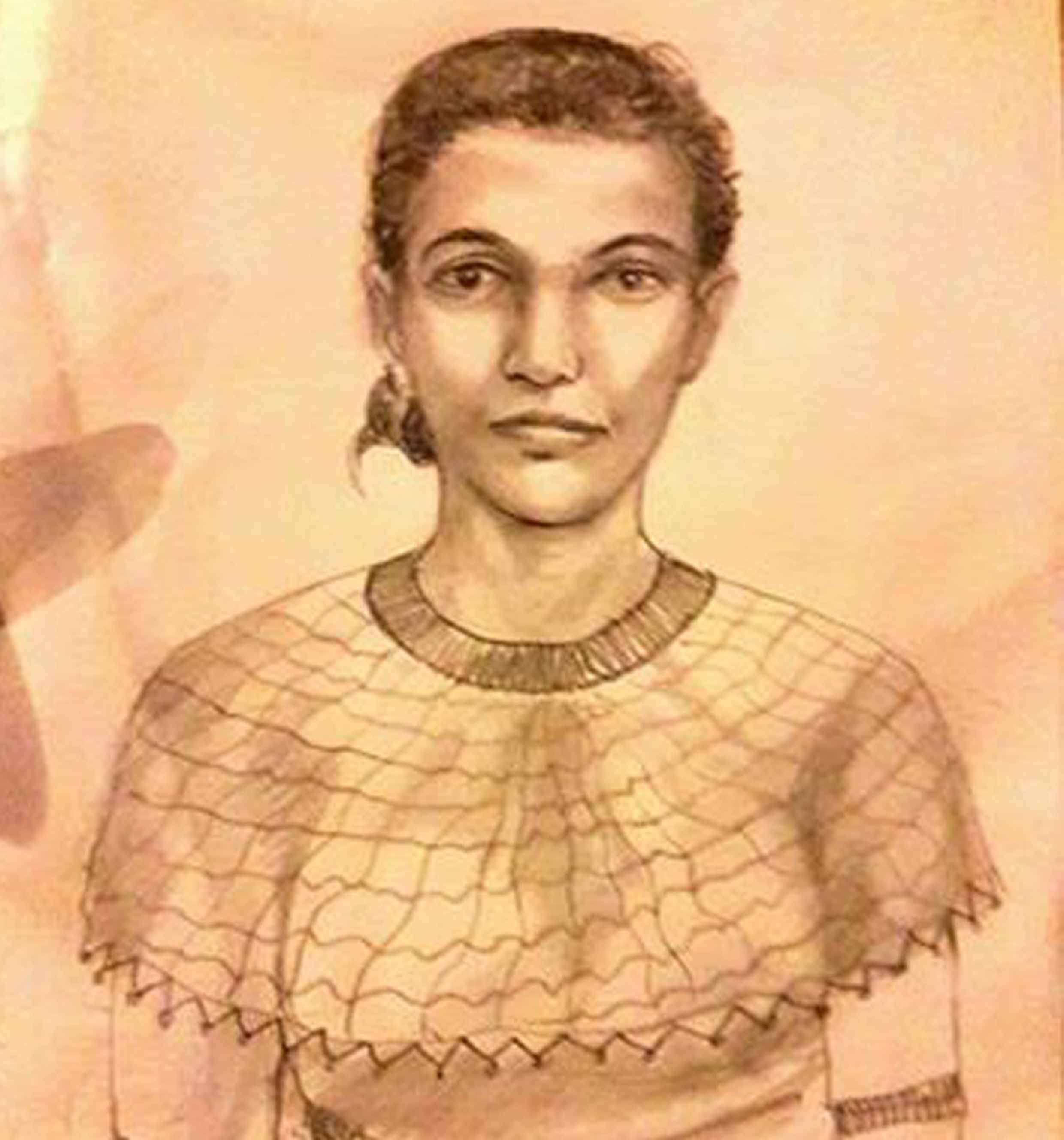
As per the report, child kidnappers are active in this area. Police has published the sketches of the lady kidnappers.

Suspected sketch of the kidnapper

Please inform the nearest police if you have any knowledge or contact 97772137450 for the missing child.

Open Letter to the Chief Minister for Quick Poverty Reduction in Odisha

Dear Sir,

Odisha is making progress in poverty reduction but slowly, slower than other states like Andhra Pradesh or Tamil Nadu. If Odisha continues to reduce its high poverty rate at the current pace, it will continue to be at the bottom among the poorest states.

I have done a lot of study on the topic of poverty reduction since 1996. I have published three books on the subject and a 4th one is under way. Based on my latest research, I have 4 recommendations for you to reduce the high poverty rate of Odisha to the Indian average in 3-5 years.

  1. Conditional Cash Transfer

Bolsa Familia (wikipedia.org/Bosalfamilia) is a welfare programmee of the Brazilian government to reduce short-term poverty by direct cash transfers and fight long-term poverty by increasing human capital. The programmee was the center piece of President Lula da Silva’s social policy. The programmee reduced Brazil’s poverty rate by 28% in five years. In this programmee the beneficiary receives 35 US Dollars per month. Only thing the family has to do is to send the children to school, keep them at school and get them immunized. Hence the name conditional cash transfer. A so-called Citizen Card (a debit card) is mail to each family each month. The money can be withdrawn at 14,000 locations. In 2006 the programmee cost the government 2.5% of the total goverment’s expenditure. The programmee was so successful that many of the Southern American counties and Turkey have adopted it. The World Bank recommends the programmee. The big advantage of this programmmee is that it bypasses the middle man.

Another approach of direct cash transfer is the Graduation Approach which has been successful in over 40 countries. In this approach the poor families are given money to buy a buffalo, cow, goat, pig, chicken or to start a micro business. They are also train to take care of them.

The Government of Odisha should implement Bolsa familia type of direct cash transfer program in Odisha as soon as possible. According to 2011 census Odisha had 13.6 million poor people. If we assume 4 persons living per household, the number of poor households will be (13.4/4 = 3.4) 3.4 millions. If the government gives a direct cash grant of Rs 15,000 per year per family the annual cost to the government will be about 5100 crores. The amount will be about 12% of Odisha’s 2016-17 budgets of 44,265 crores. The money seems to be a lot but it is quite doable. The government of Odisha can seek some special grant from the center and /or suspend some existing poverty reduction schemes to find the money. It will be not be the matter of finding the money but the will to implement it. As the direct cash transfer will eliminate the middle men, you will get resistance from your Babus. But you have the confidence of the people of Odisha and you should proceed.

  1. Facilitate Migration

Poverty overwhelming is a rural problem. It has always been throughout human history. Odisha with a population of 42 millions has 47530 villages compare to 1364 villages in Kerala with a population of 34 millions. Most people in an Odia village do not own the land but work off and on for a small land owner. Most of the time they are unemployed or underemployed. They continue to stay in their village and starve.

Education and migration are two of the oldest actions against poverty. Poor people, who are bold or desperate enough to leave their village to nearby town or city or to a far off place, escape from the grinding poverty of rural areas. Their children get an education and escape the poverty of their parents and grandparents.

Take the example of the state of Kerala. People from Kerala started migrating to other Indian states in 1960s and 1970s. In 1970s and 1980s, they started migrating to the Gulf States. In 2008 22 lakhs people from Kerala were working in the Gulf States, 29 per 100 households. Each worker sent an average of 52,000 rupees to his /her family per year. The total amount of remittance was 1.74 times the total revenue of Kerala. The remittance has played a major role in improving the living standard of the people. It has contributed to the highest Human Development Index (HDI) of Kerala among the Indian states.

Migration of Oriyas to other states is not new. Thousands of people from coastal areas have migrated to Kolkata over a long time. Their children got education and moved to middle class. Now educated Oriyas in large numbers are working in Bengalaru. Chennai, Hyderabad, Mumbai and Delhi. Large numbers of Oriya labourers from all parts of Odisha are migrating to other states for work. They are being taken advantage of by the dalal or the middlemen. Instead of denying that it is a problem, your government should do everything possible to facilitate migration of Oriyas from village to town, town to city, to other states and especially to the Gulf States. Migration in the long run is good for the people who migrate and their families who stay behind as they receive the remittance. To facilitate migration your government should adopt a pro-migration policy and take the following steps:

  • Open large number of recruiting centres
  • Give one time cash grant of Rs 15,000 or Rs 20,000 to each migrating family to defer the cost of migration so that the migrating Oriyas are not taken advantage of by the dalals,
  • Provide schooling for the children of the migrants.
  • Provide health insurance, disability and life insurance for them.
  • Help Oriyas to migrate to the Gulf States in large numbers.


  • Education

The most important investment Odisha can make is in her people. All experts agree that the long term return on education is quite high. The economic return on girls’ education is even higher. The benefits of girl’s education are many: decrease birth rate, increase productivity, gender equality in decision making and many more. Studies have shown that even one grade education can increase productivity by 10 to 15%. Steps Odisha government can take to improve education are:

  • Provide breakfast along with the midday meals to all children up to middle school.
  • Improve school’s infrastructures including toilets, play ground and hostels.
  • Hire more female teachers. They will act as role models for girls.
  • Improve the quality of education; decrease teachers absentee rate, students’ drop-out rate and increase the graduation rate.
  • Provide conditional cash transfer to mothers for their children’s school attendance and immunization.

4- Provision of Basic Healthcare

The relationship between health and poverty is well established. There is also a strong correlation between nutrition, health and learning. Odisha’s infant mortality rate, maternal mortality rate, malnutrition rate are quite high , one of the highest in India. Preventable diseases like malaria, diarrhea( occassional cholera), tuberculosis , filariasis, leprosy and worms infestations are still common. More than 60%of the pregnant women are anemic. Anemic and malnourished mothers give birth to low birth weight infants who can have long term problems. The government of Odisha can take the following steps to improve Odisha’s health indictors.

  • Put emphasis on preventive health care rather than acute care as it is being done now. Spend most of the health budget on preventive care.
  • Supply safe drinking water to all no matter where they reside remote village or in Bhubaneswar. Provide chlorine tablet, bottle waters or piped water but provide safe drinking water to all.
  • Immunize all children.
  • Provide health insurance to all Oriyas, free to BPL families and charge a graduated premium to others.
  • Create a cadre of village health workers as recommended by the World Health Organization.
  • Improve the infrastructures of all the government hospitals and then transfer their control to the local board of trustees to run them.

Sir, the present approach of multiple poverty alleviation schemes is not working well. Resources meant for the poor are being eaten of by the middlemen-politicians, government officials and contractors. People of Odisha have trusted you for 16 years. Please take a bold step and transfer money directly to the poor as has been successfully done in Brazil and many other countries. Please give it a try at least in the poorest districts of Odisha.

Sincerely,


Dr Saheb Sahu, OCI

(Former WODC Member and Former MD Kalinga Hospital)

Presently residing in USA

Belongs to: Mulbar, Block: Bhtali, District: Bargarh

E-mail: sahusaheb@yahoo.com

Bhartiya Bhasha Samooh formed for indigenous languages

0

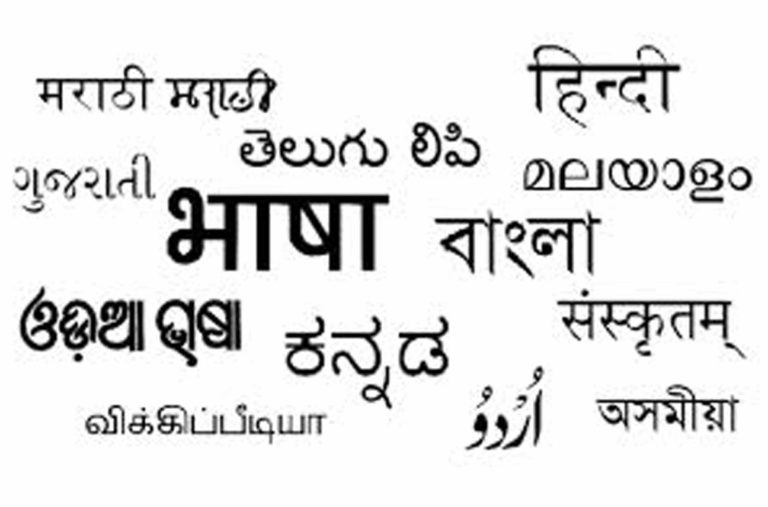
Representatives of different Indian languages recently came together in national capital to form an organization – Bhartiya Bhasha Samooh ( BBS)- to raise a collective voice for indigenous languages. The Samooh has demanded the government to constitute a commission for Indian languages with constitutional status.

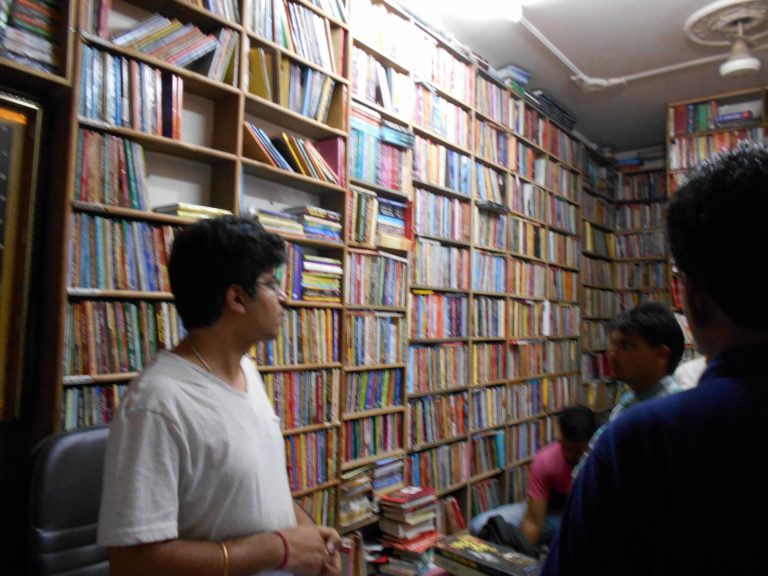
Presenting an analysis in its inaugural meeting, the Samooh underlined that at the seat of power in Delhi Indian languages have been deprived of its due share since independence in 1947. Indian languages have been displaced from various institutions of power including Indian parliament and Akashvani. Permanent appointment of translators has either been postponed or stopped in various organizations and Indian parliament and Akashvani are no exceptions. Visibility of books in Indian languages too has been gradually decreased in Delhi Public Library. Even in World Book Fair, the stalls of books in Indian languages have declined or gone missing.

The decision of teaching Urdu, Punjabi and Sanskrit as an optional seventh paper instead of sixth paper has posed a danger for these languages in the institutions of Delhi government. The Samooh has demanded that entrance examinations for medical courses should be conducted in all 22 languages, not in just six of them.

According to BB Samooh, dominance of English language has immensely increased making Indian languages miserable in Indian judiciary. In institutions like Union Public Service Commission (UPSC), presence of translators is mandatory during the interview of candidates opting Indian languages. But such candidates are never informed about this facility. The three languages formula is not being implemented at all.

Supremacy of English is expanding in government organizations at the expense of Indian languages. Big corporate houses, active in the country of late, are openly violating the language policy. In an e –mail sent to HDFC Bank, a member of the Samooh accused that the bank is pressurizing its customers to use English. Though bank’s cheque – book itself clearly confirms this accusation, the bank hasn’t replied yet to this complaint. Another member of the Samooh informed that ICICI Bank recently returned a cheque to him just because it was issued in Punjabi by the Punjabi University at Patiala. Later, he was forced to deposit this cheque in his account in Punjab & Sind Bank, a public sector bank.

In the interest of indigenous languages, Bhartiya Bhasha Samooh ( BBS) has decided to present a social audit of languages from time to time. The Samooh demanded the government to constitute a commission on Indian languages with constitutional status immediately so that Indian languages can be protected from unjustified onslaughts of foreign languages. The Samooh genuinely believes that interests of Indian languages can be safeguarded only through a common struggle.  Conveners: Deepak Dholakiya -9818848753 & Anil Chamadia :-9868456745

Onslaught increasing on publications and Indian languages in World Book Fair: A Study

0

A study is required to assess the presence of India in terms of indigenous languages at the World Book Fair. Though Hindi is claimed to be one of the biggest languages of the world reality is other way round.  The growing vulnerability of Hindi and Indian languages included in the Eighth Schedule of constitution demands a serious and detailed language discourse. Besides, failure of publications in catering the tastes of readers has virtually pushed the industry on a sticky wicket.

This is the reason why Media Studies Group (MSG) has come out with a comparative study of last four World Book Fairs held in Delhi. This study is going to appear in new issue of  Jan Media , a monthly Media research journal publishing since  April 2015 from New Delhi.

National Book Trust (NBT) was established in 1957 under the Higher Education Department of Govt. of India. Its one of main objectives was to work at various levels to encourage reading habit in indigenous languages among people. To fulfill this objective, NBT organises World  Book Fair every year.

Total no. of publications participation in World Book Fair –

2013 — 1098

2014 — 1027

2016 — 850

2017 — 789

( Based on FAIR DIRECTORIES published by N.B.T. Figure of 2015 is not mentioned because we could not get copy of Fair Directory of that year)

So far as language – wise total number of publishers participated in 2013 World Book Fair is concerned, of total 1098 stalls and stands, there were 03 Assamese, 05 Bangla, 643 English, 02 Gujarati, 323 Hindi, 01 Kashmiri, 01 Maithili, 12 Malayalam, 02 Marathi, 01 Oriya, 06 Punjabi, 18 Sanskrit, 05 Tamil, 02 Telugu,  44 Urdu and 30 foreign participants.

One can adjudge the condition of publications and publishers of books in Indian languages by counting the numbers of publishers in 2013 World Book Fair. In comparison to English, presence of Hindi publishers was just half.  But the actual condition of Hindi is even more miserable. The real number of Hindi publishers is very low. An interesting fact behind the number of Hindi publishers in the Fair is that many big Hindi publishers are running around a dozen publishing houses and stalls in the Fair are allotted in the names of publishing houses. However, presence in the Fair is not counted in the names of publishing houses. In this way, publishing houses are just tools of availing more and more space for a big publisher. In a study, Media Studies Group found that 11 Hindi publishers put 93 stalls altogether in 2013.  An interpretation of statistics of 2013 World Book Fair reveals that these 11 publishers put 30 per cent of the total Hindi stalls. In other words, just three per cent of the Hindi publishers possessed 30 per cent stalls!

Efforts for ensuring more and more presence of Indian languages publishers in World Book Fair have been left far behind. There are enough indications to substantiate this fact. This can be understood by analyzing the pattern of participation of Indian languages publishers in three successive World Book Fairs in comparison of 2013.  The tendency of grabbing of 30 per cent stalls by three per cent Hindi publishers is not included in such comparative study as it has already become a permanent trend. Facilities provided to Hindi stalls are usurped by big publishers in the name of their different publishing houses and it has become an accepted norm. That’s why, we present here the comparative study of declining participation of Indian languages and their publications only.

Of total 1027 publications participated in 2014 World Book Fair, there were 03 Assamese, 09 Bangla, 596 English, 323 Hindi, 09 Malayalam, 01 Marathi, 01 Oriya, 04 Punjabi, 05 Sanskrit, 01 Sindhi, 07 Tamil, 01 Telugu, 41 Urdu and 25 foreign participants. It is pertinent to note here that there are enough indications of not only declining participation of publishers, but even the absence of some of the Indian languages as well in the Book Fair. These indications appear more clear in successive years.

Of total 850 participant publications in 2016 World Book Fair, there were 01 Assamese, 04 Bangla, 483 English, 01 Gujarati, 289 Hindi, 06 Malayalam, 01 Marathi, 02 Oriya, 10 Punjabi, 01 Sindhi, 04 Tamil, 21 Urdu and 27 foreign participants.

In comparison of 2013, among Indian languages, the number of Assamese publications went down to one in 2016 World Book Fair. Similarly, presence of Bangla was limited to four while Gujarati and Marathi were restricted at one each. On the other hand, presence of Kashmiri, Maithili and Telugu came to naught. The number of Tamil publications also declined to four. An increase was visible in Punjabi only. Compared to 2013, the number of Urdu publications was less than half in 2016. Presence of Indian languages further declined in 2017 World Book Fair. Of total 789 publications, there were 07 Bangla, 448 English, 01 Gujarati, 272 Hindi, 06 Malayalam, 01 Marathi, 02 Oriya, 10 Punjabi, 03 Sanskrit, 03 Sindhi, 01 Tamil, 01 Telugu, 16 Urdu and 19 foreign participants.

Regarding Indian languages’ participation in World Book Fair, efforts were made to arrest the declining trend that came out in open in 2016. But impact of those efforts was not visible in 2017. Instead, the declining trend moved further. This year, Assamese joined the league of those Indian languages that have disappeared from World Book Fair. There is no improvement in the condition of Kashmiri and Maithili as such. Telugu just registered its presence only. Compared to last year, the number of Tamil was reduced to 25 per cent only. The number of Oriya reduced to one from two last year. There is a marginal improvement in the presence of Sindhi and Sanskrit. There was only one Sindhi publication in 2016. But this year, it increased upto three and leveled with the number of Sanskrit. Sanskrit was absent in 2016. Urdu is one of the languages whose presence is rapidly declining in World Book Fair. Compared to 2016, presence of Urdu publications further reduced this year. If compared with the statistics of 2013, its presence has been reduced by 70 per cent approx.

So, declining participation of publishers in successive World Book Fairs clearly indicates poor condition of publishers in Indian languages. With other languages India is not able to register its presence on world arena. Language wise, business of big publishers has grown further. But there is no significant improvement in the number of language publications. There is a dearth of publications that can trigger intellectual discourse through their original works and sadly this situation is expanding further. One shouldn’t be impressed with large number of Hindi stalls in the Book Fair. Instead, they should visit these stalls to know the exact number of shops dealing in books related to religion, superstition and porn etc. There is a wide gap between the stalls and stands in the Book Fair. Stands are treated as a shop on pavement. But the number of books that trigger intellectual discourse is growing fast on these stands.

Anil Chamadia

Chairman, Media Studies Group

Contact: 9868456745

CLEAR will celebrate mother tongue day on 21st Feb in New Delhi

In a joint press meet members of the organization, Mr. Anand G, (Karnataka) (Vice President), Dr. Deepak Pawar, (Maharastra), Dr. Garga Chatterjee, (West Bengal), Dr. Joga Singh, (Punjab) ( President), Dr. P Pavithran, (Keralam), Mr, Rawail Singh, (New Delhi) (Treasurer), Mr. Senthil Nathan, (Tamil Nadu) (Secretary), Mr. Saket Sreebushan Sahu, (Odisha), have informed that CLEAR, Campaign for Language Equality and Rights, a forum for language rights activists from around India is going to organize the celebration of International Mother Language Day on Feb 21, 2017 in New Delhi.  As the voices of various language communities in India have started to rise to the higher level, a coming together of language activists will help to move further in the desired direction to win the rights for our languages.

Formed on the sidelines of  Language Rights Conference held in Chennai in Sep 20, 2015, CLEAR has become a federation of language rights organizations and activists in different states and regions of the country. We have released a guiding document, named Chennai Declaration of Language Rights on the same day.

On Feb 21, 2016, last year, for the first time in the history of language rights movement in India, representatives of 40 languages had come together to issue the Delhi Demands of Language Rights in New Delhi. Most of the representatives were from the languages fighting for the official status.

For Feb 21, 2017, we are going to organize a meeting of language activists to discuss the strategy for winning language rights in India and specifically rights of Non-Scheduled Languages (38 languages recommended by Sitakanta Mohapatra Committee in 2004).

We would like to emphasize that the representatives of various language communities should share the platform.   The programmee is about showing of our solidarity to the public and government and equally an opportunity to identify the fellow travelers from all language communities.

CLEAR welcome to join the event and the organization, CLEAR as well, to represent your language community and share this information with the like-minded people from your language community or other communities.


Crossed 80 yet not getting old age pension

0

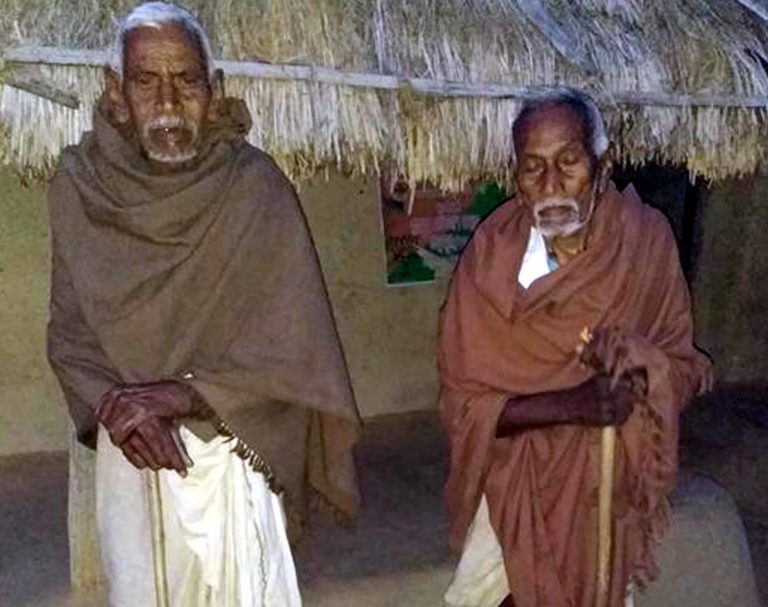
Jita Patra aged about 80 and Hala Patra aged about 90 of Patar Pali of Bargarh district are not getting old age pension. Though they have complaining repeatedly to the authority.

Nonviolent Protest Works _Dr Saheb Sahu

0

Nonviolent protest is the practice of achieving goal such as social change through symbolic protest, civil disobedience, economic and political non-cooperation, Satyagraha or other methods without using violence. According to Albert Einstein Institution, so far, there are at least 198 methods of nonviolent actions.

The modern form of non-violent protest was popularized by Mahatma Gandhi. Gandhi learned through philosophy of non-violence from American Henry David Thoreau (who spent a night in jail for refusing to pay tax for war) Russian writer, Leo Tolstoy and Hindu scriptures. Recent followers of Gandhi have been Marti Luther King Jr, Vaclav Havel, Andrei Sakharov, Lech Walesa, Gene Sharp, Anna Hazare, Otpor and protestor in Tahrir Square, Egypt.

From 1966 to 1999, nonviolent protest played critical role in 50 of 67 transitions from authoritarianism to non-authoritarianism government (sharp). Recently nonviolent protest led to the Rose Revolution in Georgia, the Orange Revolution in Ukaraine, Jeans Revolution in Belarus, Jasmine Revolution in Tunisia, The Tahrir Square Movement in Egypt and 2012Anti-Corruption Movement by Anna Hazare in India.

Erica Chenoweth and Maria Stephan in their book “Why Civil Resistance Works (2011)” analyzed the success rate of 323 violent and non-violent resistance campaigns around the world between 1900 and 2006.  Out of 323 campaigns 100 were violent campaign. Examining the first data set of 323 campaigns they found that non-violent movements worldwide were twice as likely to succeed as violent ones. Further Chenoweth and Stephan observed that over the previous fifty years, non-violent campaign had grown both more numerous and more successful, even under brutal authoritarian rule. Violent insurgencies, meanwhile, had grown increasingly rare and unsuccessful. In 2013, Foreign policy named Chenoweth, one of the year’s “top 100 Global thinkers” for as the magazine put it “Proving Gandhi Right”.

The 3.5% Rule

In their book they found a direct correlation between the success of a campaign and the popular involvement it managed to invite. Among the movement they studied the victorious one uniformly fostered broad based public sympathy. And yet Chenoweth found that the number of supporters who were actively engaged in successful movements could be quite small.

No campaign failed once they achieved the active and sustained participation of just 3.5 per cent of the population and lots of them succeeded with far less than that. Earlier researcher had shown that no government could survive if 5 per cent of its population mobilized against it. Chenoweth proved the earlier researchers wrong and found it to be less than 3.5 per cent rule. However spurring 3.5 per cent of a population to engage in any kind of campaign is not easy.

In a country of 100 million, it will take the active involvement of around 3 million people.

Active public support consists of several components. The first is showing up. A movement’s active supporters are people who take to the streets for marches. Attend teach-ins and staff phone bank. Without them, a movement’s rallies would be empty. Second, in societies that holds elections, active supporters vote with the movement. Third, active supporter persuade others to join. They express their opinion on social media and argue with friends and relatives and persuade them to join. Finally active supporters are the type of people who are moved to act independently to advance on issue with their social and professional spheres influence. This might mean lawyer taking on pro bono work (without payment) for a cause they believe in doctors providing free medical care, musicians holding free concerts.

Methods of non-violent Action

There are three general classes of nonviolent action:

Protest and persuasion: These methods include vigils, petitions, picketing, and walkout. They are largely symbolic in their effect and produce an awareness of the existence of dissent.

Non Cooperation: These methods include social boycotts, economic boycott, labour strikes, and many forms of political noncooperation, including boycotts of government positions, civil disobedience and mutiny.

Intervention: These methods include hunger strikes, sittings nonviolent obstruction, creation or strengthening of alternative institutions and parallel government. They posses some of the qualities of both previous groups.

198 METHODS OF NONVIOLENT ACTION

Practitioners of nonviolent struggle have an entire arsenal of “nonviolent weapons” at their disposal. Listed below are 198 of them, classified into three broad categories: nonviolent protest and persuasion, noncooperation (social, economic, and political), and nonviolent intervention. A description and historical examples of each can be found in volume two of The Politics of Nonviolent Action, by Gene Sharp.


THE METHODS OF NONVIOLENT PROTEST AND PERSUASION
Formal Statements
                    1. Public Speeches
                    2. Letters of opposition or support
                    3. Declarations by organizations and institutions
                    4. Signed public statements
                    5. Declarations of indictment and intention
                    6. Group or mass petitions

Communications with a Wider Audience
                    7. Slogans, caricatures, and symbols
                    8. Banners, posters, and displayed communications
                    9. Leaflets, pamphlets, and books
                    10. Newspapers and journals
                    11. Records, radio, and television
                    12. Skywriting and earthwriting

Group Representations
                    13. Deputations
                    14. Mock awards
                    15. Group lobbying
                    16. Picketing
                    17. Mock elections

Symbolic Public Acts
                    18. Displays of flags and symbolic colors
                    19. Wearing of symbols
                    20. Prayer and worship
                    21. Delivering symbolic objects
                    22. Protest disrobings
                    23. Destruction of own property
                    24. Symbolic lights
                    25. Displays of portraits
                    26. Paint as protest
                    27. New signs and names
                    28. Symbolic sounds
                    29. Symbolic reclamations
                    30. Rude gestures

Pressures on Individuals
                    31. “Haunting” officials
                    32. Taunting officials
                    33. Fraternization
                    34. Vigils

Drama and Music
                    35. Humorous skits and pranks
                    36. Performances of plays and music
                    37. Singing

Processions
                    38. Marches
                    39. Parades
                    40. Religious processions
                    41. Pilgrimages
                    42. Motorcades

Honoring the Dead
                    43. Political mourning
                    44. Mock funerals
                    45. Demonstrative funerals
                    46. Homage at burial places

Public Assemblies
                    47. Assemblies of protest or support
                    48. Protest meetings
                    49. Camouflaged meetings of protest
                    50. Teach-ins

Withdrawal and Renunciation
                    51. Walk-outs
                    52. Silence
                    53. Renouncing honors
                    54. Turning one’s back


THE METHODS OF SOCIAL NONCOOPERATION


Ostracism of Persons
                    55. Social boycott
                    56. Selective social boycott
                    57. Lysistratic nonaction
                    58. Excommunication
                    59. Interdict

Noncooperation with Social Events, Customs, and Institutions
                    60. Suspension of social and sports activities
                    61. Boycott of social affairs
                    62. Student strike
                    63. Social disobedience
                    64. Withdrawal from social institutions

Withdrawal from the Social System
                    65. Stay-at-home
                    66. Total personal noncooperation
                    67. “Flight” of workers
                    68. Sanctuary
                    69. Collective disappearance
                    70. Protest emigration (hijrat)


THE METHODS OF ECONOMIC NONCOOPERATION: ECONOMIC BOYCOTTS

 
Actions by Consumers
                    71. Consumers’ boycott
                    72. Nonconsumption of boycotted goods
                    73. Policy of austerity
                    74. Rent withholding
                    75. Refusal to rent
                    76. National consumers’ boycott
                    77. International consumers’ boycott

Action by Workers and Producers
                    78. Workmen’s boycott
                    79. Producers’ boycott

Action by Middlemen
                    80. Suppliers’ and handlers’ boycott

Action by Owners and Management
                    81. Traders’ boycott
                    82. Refusal to let or sell property
                    83. Lockout
                    84. Refusal of industrial assistance
                    85. Merchants’ “general strike”

Action by Holders of Financial Resources
                    86. Withdrawal of bank deposits
                    87. Refusal to pay fees, dues, and assessments
                    88. Refusal to pay debts or interest
                    89. Severance of funds and credit
                    90. Revenue refusal
                    91. Refusal of a government’s money

Action by Governments
                    92. Domestic embargo
                    93. Blacklisting of traders
                    94. International sellers’ embargo
                    95. International buyers’ embargo
                    96. International trade embargo


THE METHODS OF ECONOMIC NONCOOPERATION: THE STRIKE

 
Symbolic Strikes
                    97. Protest strike
                    98. Quickie walkout (lightning strike)

Agricultural Strikes
                    99. Peasant strike
                    100. Farm Workers’ strike

Strikes by Special Groups
                    101. Refusal of impressed labor
                    102. Prisoners’ strike
                    103. Craft strike
                    104. Professional strike

Ordinary Industrial Strikes
                    105. Establishment strike
                    106. Industry strike
                    107. Sympathetic strike

Restricted Strikes
                    108. Detailed strike
                    109. Bumper strike
                    110. Slowdown strike
                    111. Working-to-rule strike
                    112. Reporting “sick” (sick-in)
                    113. Strike by resignation
                    114. Limited strike
                    115. Selective strike

Multi-Industry Strikes

  1.                    Generalized strike
  2.                    General strike

Combination of Strikes and Economic Closures

  1.                    Hartal
  2.                    Economic shutdown


THE METHODS OF POLITICAL NONCOOPERATION

 
Rejection of Authority
                    120. Withholding or withdrawal of allegiance
                    121. Refusal of public support
                    122. Literature and speeches advocating resistance

Citizens’ Noncooperation with Government
                    123. Boycott of legislative bodies
                    124. Boycott of elections
                    125. Boycott of government employment and positions
                    126. Boycott of government depts., agencies, and other bodies
                    127. Withdrawal from government educational institutions
                    128. Boycott of government-supported organizations
                    129. Refusal of assistance to enforcement agents
                    130. Removal of own signs and placemarks
                    131. Refusal to accept appointed officials
                    132. Refusal to dissolve existing institutions

Citizens’ Alternatives to Obedience
                    133. Reluctant and slow compliance
                    134. Nonobedience in absence of direct supervision
                    135. Popular nonobedience
                    136. Disguised disobedience
                    137. Refusal of an assemblage or meeting to disperse
                    138. Sitdown
                    139. Noncooperation with conscription and deportation
                    140. Hiding, escape, and false identities
                    141. Civil disobedience of “illegitimate” laws

Action by Government Personnel
                    142. Selective refusal of assistance by government aides
                    143. Blocking of lines of command and information
                    144. Stalling and obstruction
                    145. General administrative noncooperation

  1.                    Judicial noncooperation
                      147. Deliberate inefficiency and selective noncooperation by enforcement agents
                        148. Mutiny
    Domestic Governmental Action
                        149. Quasi-legal evasions and delays
                        150. Noncooperation by constituent governmental units

International Governmental Action
                    151. Changes in diplomatic and other representations
                    152. Delay and cancellation of diplomatic events
                    153. Withholding of diplomatic recognition
                    154. Severance of diplomatic relations
                    155. Withdrawal from international organizations
                    156. Refusal of membership in international bodies
                    157. Expulsion from international organizations


THE METHODS OF NONVIOLENT INTERVENTION

 
Psychological Intervention
                    158. Self-exposure to the elements
                    159. The fast
                                        a) Fast of moral pressure
                                        b) Hunger strike
                                        c) Satyagrahic fast
                    160. Reverse trial
                    161. Nonviolent harassment

Physical Intervention
                    162. Sit-in
                    163. Stand-in
                    164. Ride-in
                    165. Wade-in
                    166. Mill-in
                    167. Pray-in
                    168. Nonviolent raids
                    169. Nonviolent air raids
                    170. Nonviolent invasion
                    171. Nonviolent interjection
                    172. Nonviolent obstruction
                    173. Nonviolent occupation

Social Intervention
                    174. Establishing new social patterns
                    175. Overloading of facilities
                    176. Stall-in
                    177. Speak-in
                    178. Guerrilla theater
                    179. Alternative social institutions
                    180. Alternative communication system

Economic Intervention
                    181. Reverse strike
                    182. Stay-in strike
                    183. Nonviolent land seizure
                    184. Defiance of blockades
                    185. Politically motivated counterfeiting
                    186. Preclusive purchasing
                    187. Seizure of assets
                    188. Dumping
                    189. Selective patronage
                    190. Alternative markets
                    191. Alternative transportation systems
                    192. Alternative economic institutions

Political Intervention
                    193. Overloading of administrative systems
                    194. Disclosing identities of secret agents
                    195. Seeking imprisonment
                    196. Civil disobedience of “neutral” laws
                    197. Work-on without collaboration
                    198. Dual sovereignty and parallel government

Gene Sharp, stressed that to sustain a long struggle activists cannot display just one tactic rather, they need to create a sequence of actions that builds over time. The goal is to “escalation of disorder without violence.” The track record of what escalation can accomplish is impressive and still is rarely attempted. When confronted with the possibility to escalate, groups (organizers) find too many reasons to play it safe.

Vigilance caught electricity JE

0

Kunjabihari Nayak of electricity department Barpali was caught red handed while taking bribe of Rs15000/- by the vigilance Bargarh on 3 /2/2017