Wednesday, April 29, 2026
Home Blog Page 36

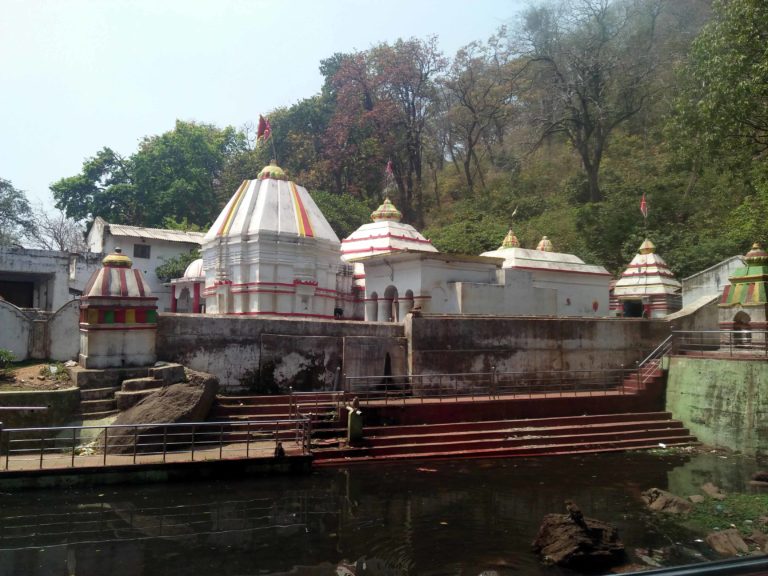
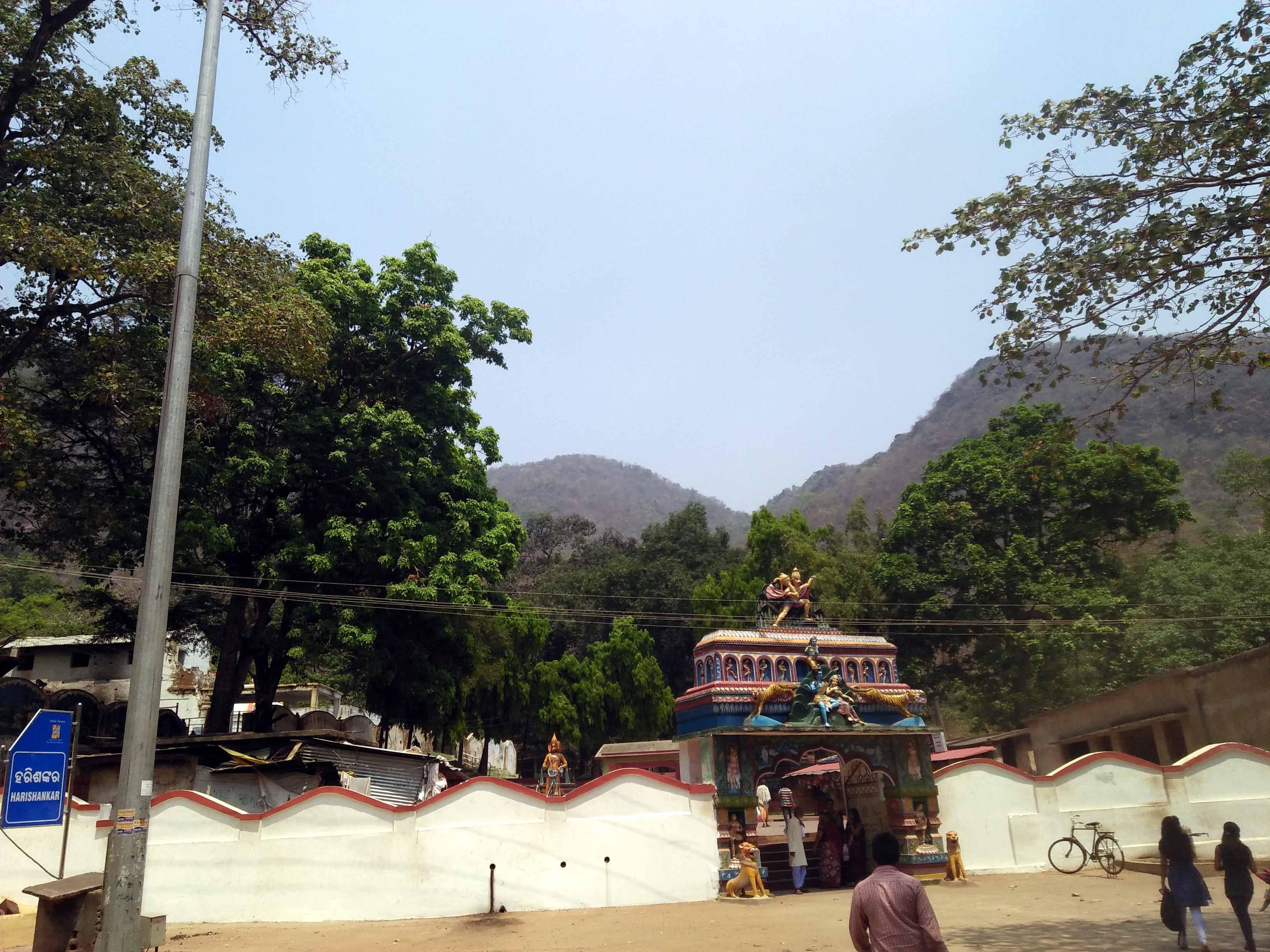
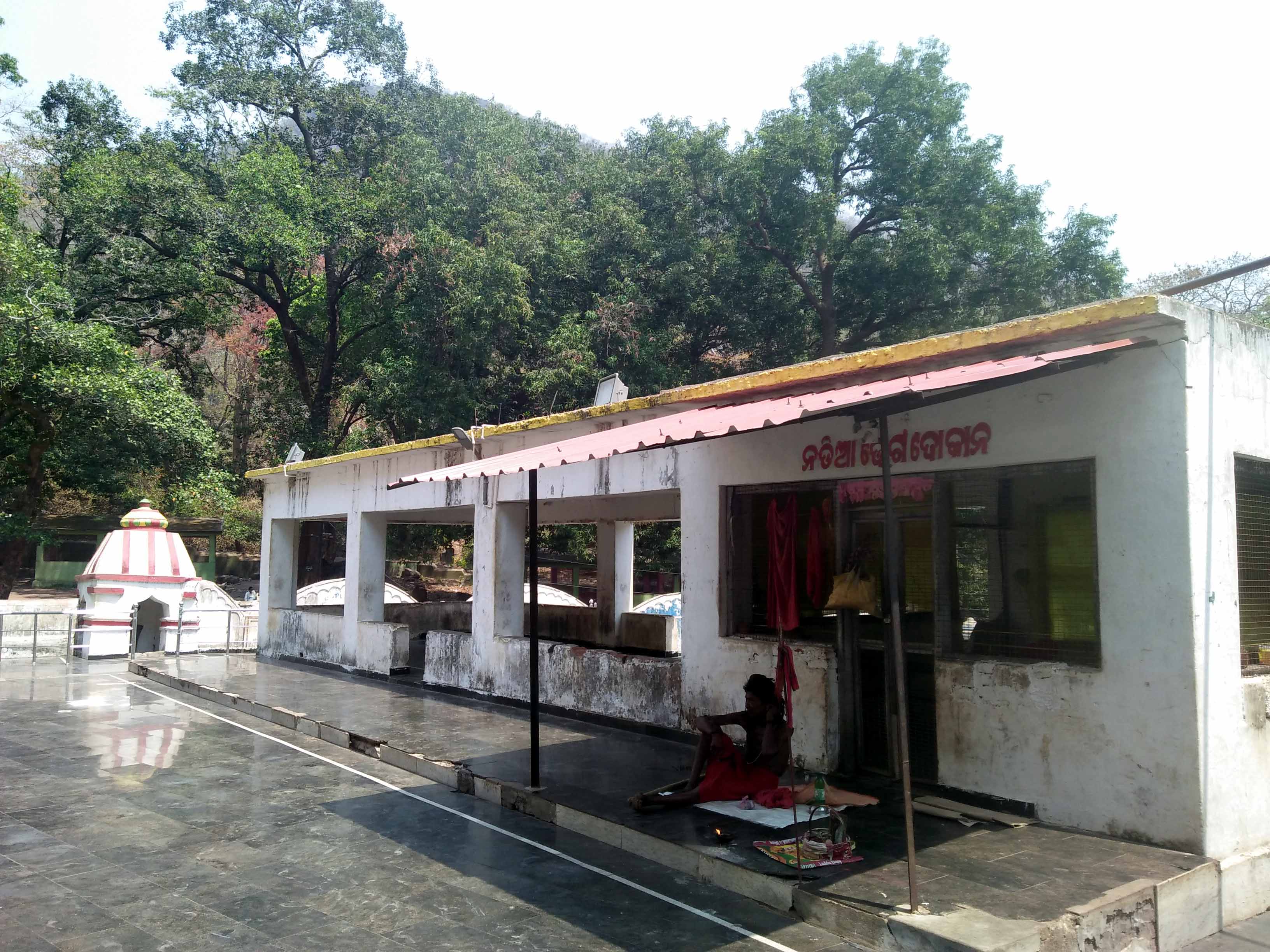
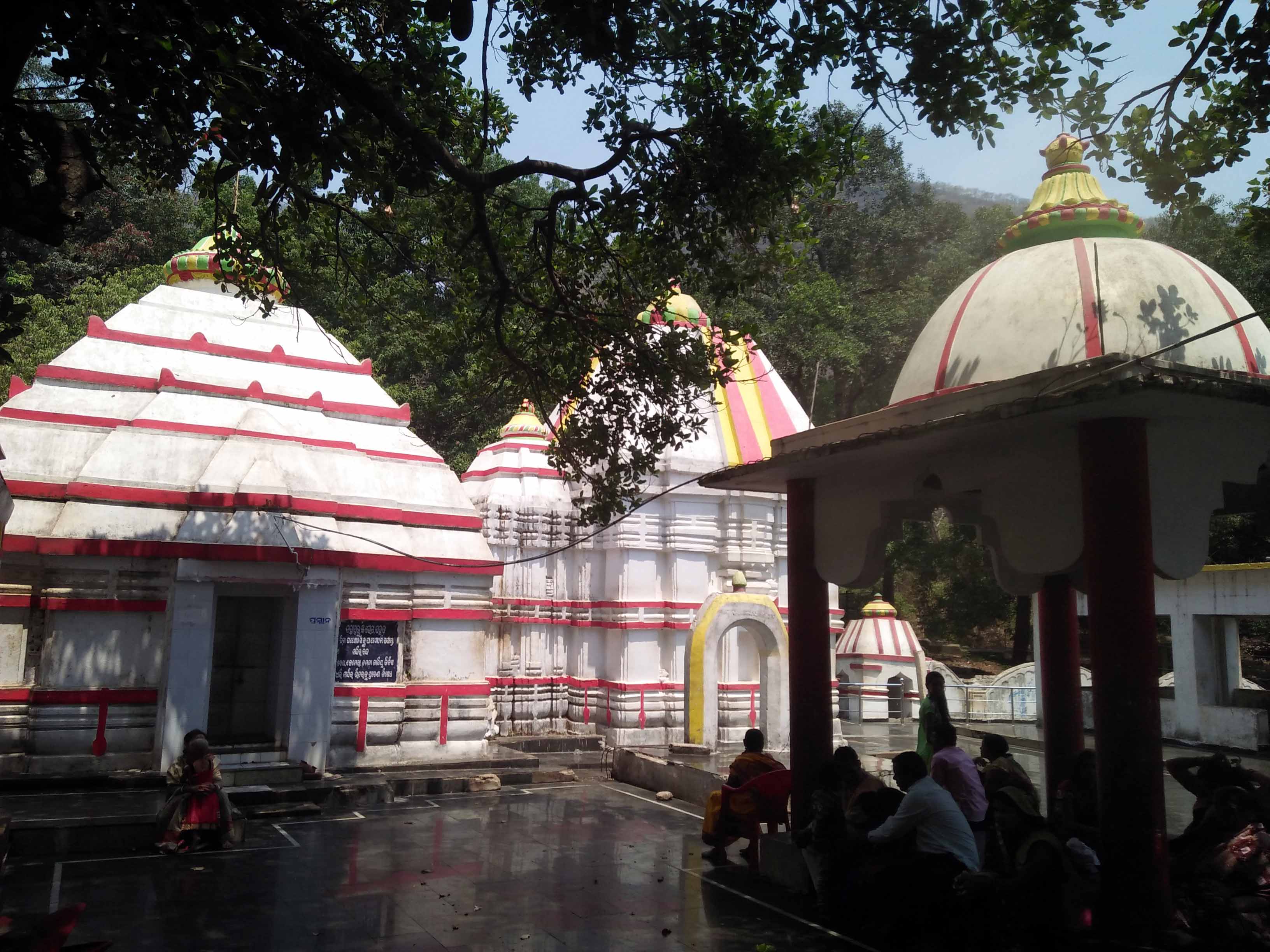
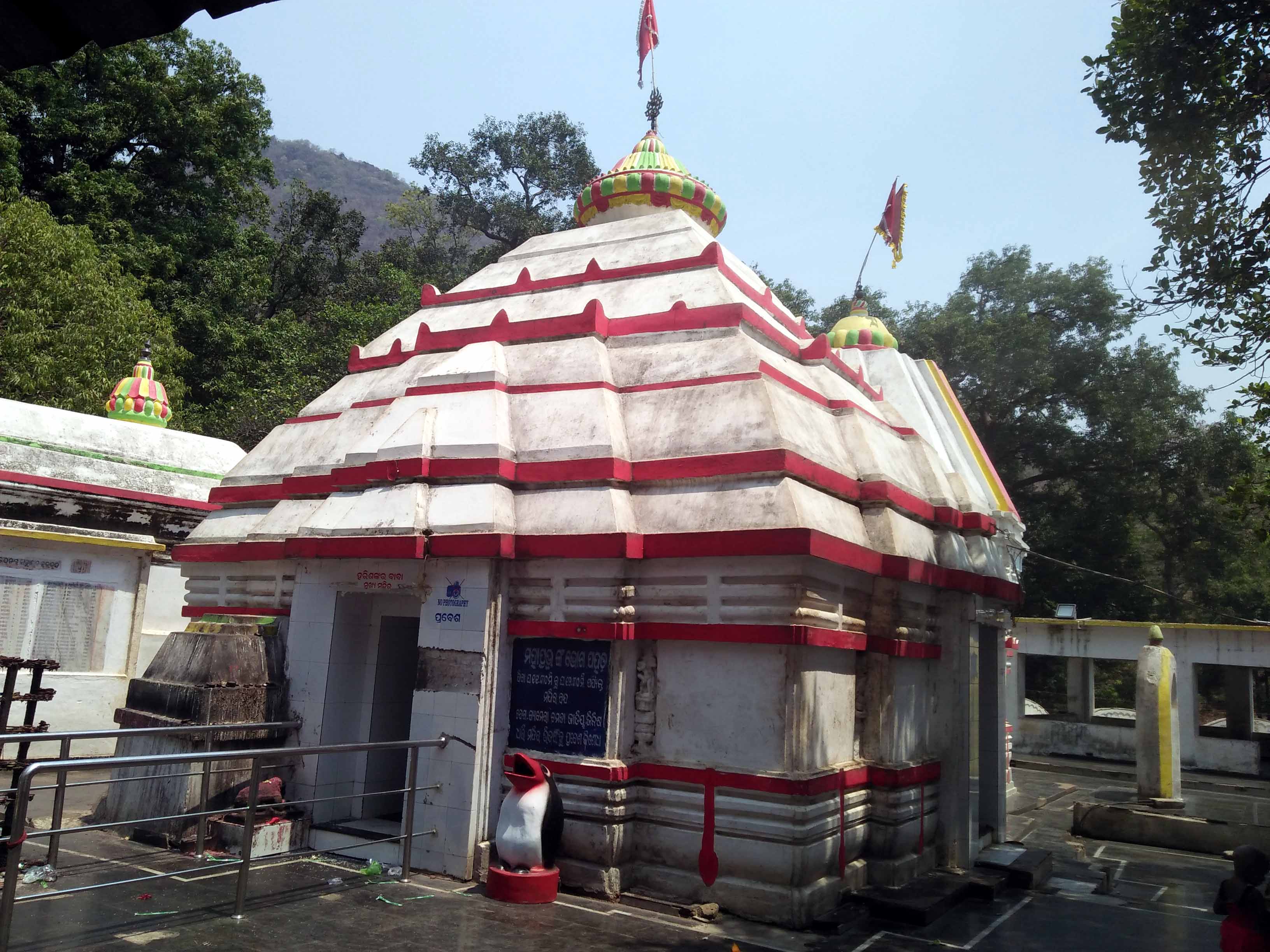
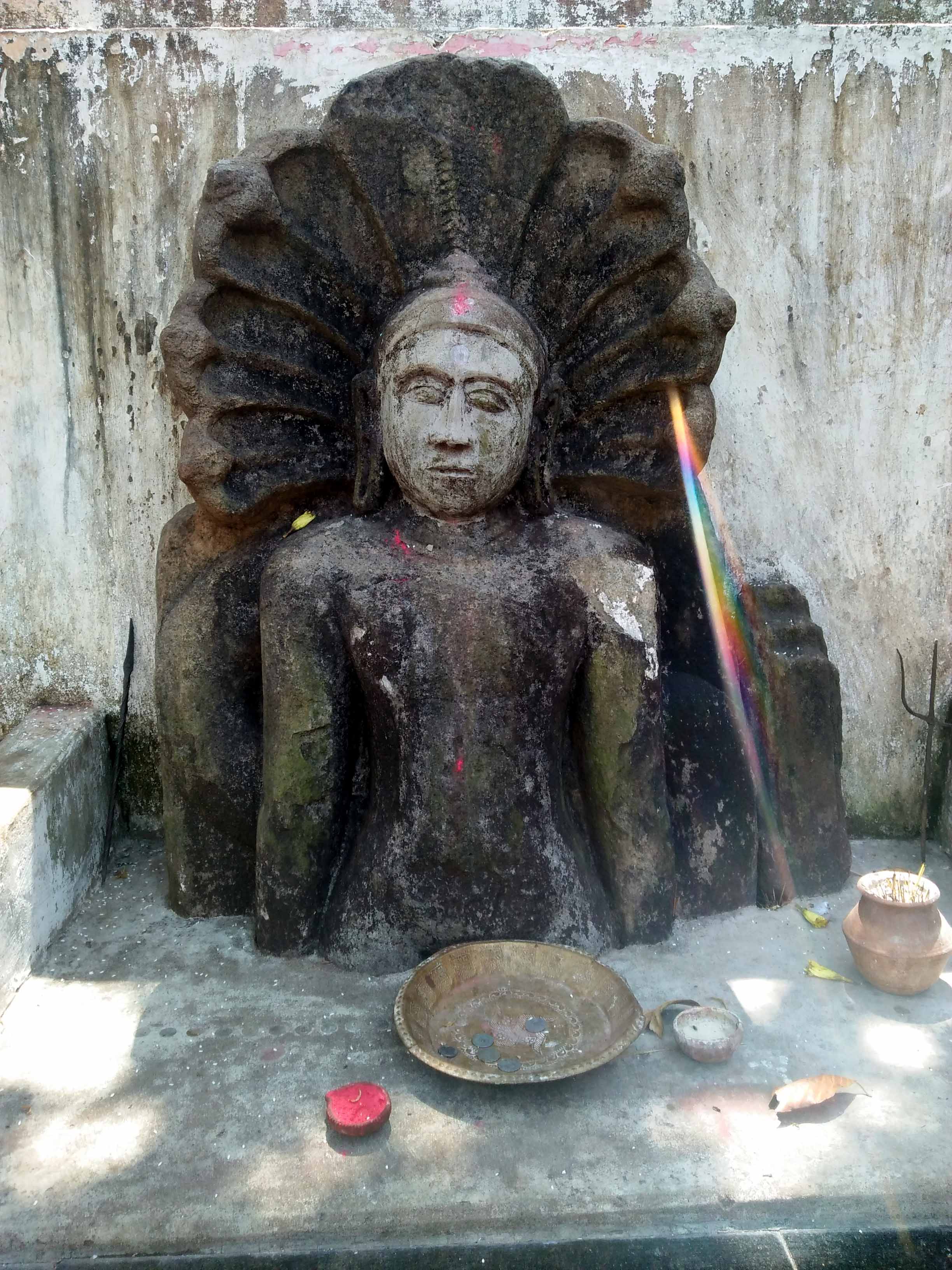
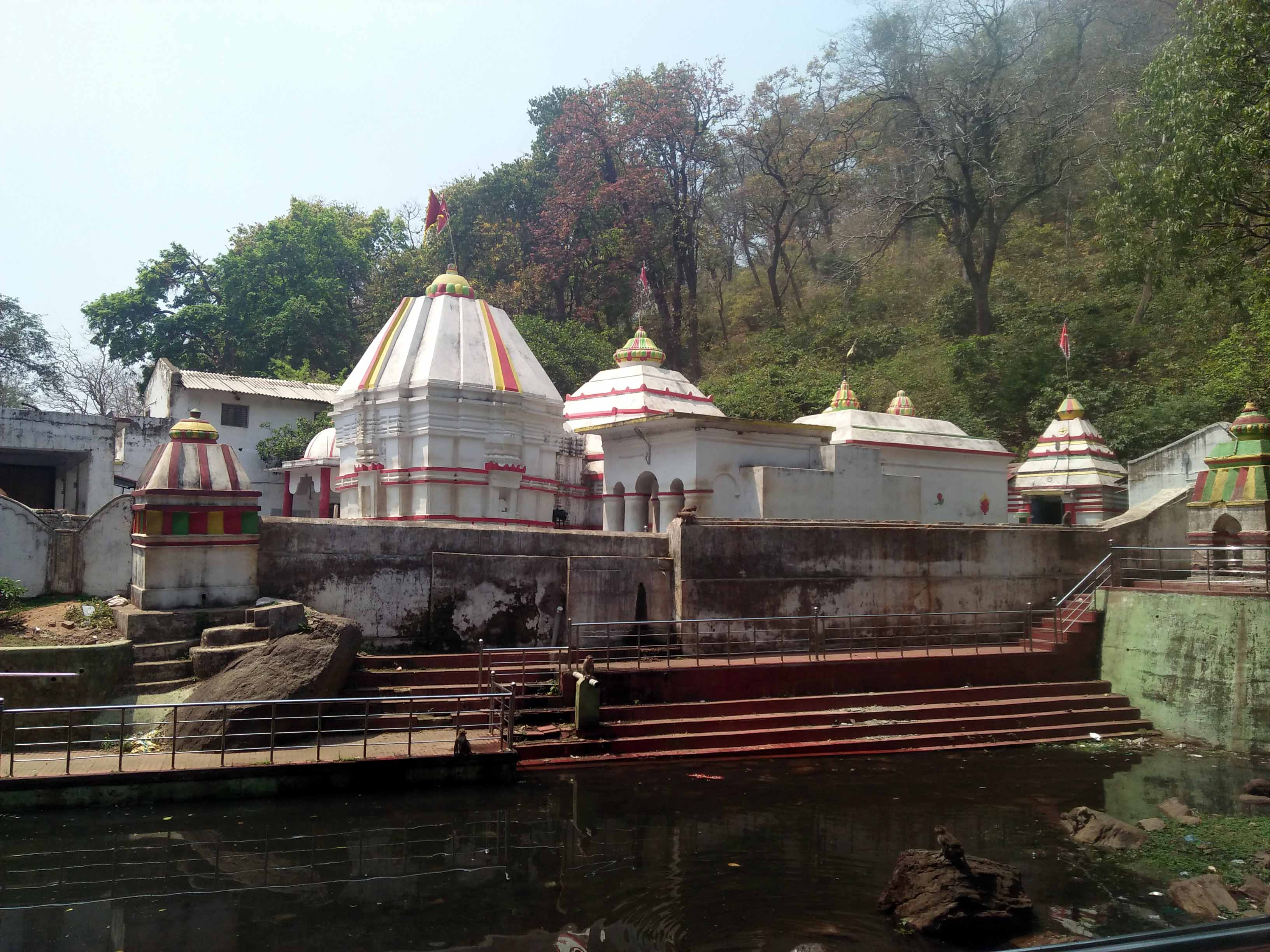
Harishankar in Photos

0

https://en.wikipedia.org/wiki/Harishankar_Temple

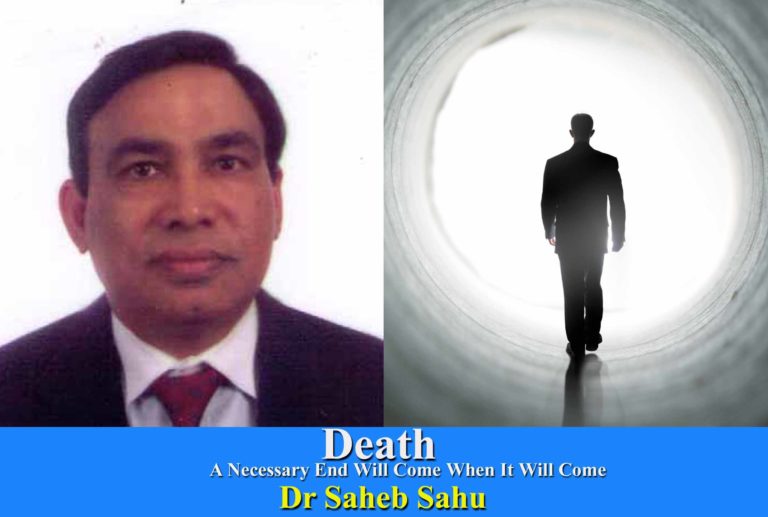
Death: A Necessary End Will Come When It Will Come_ Saheb Sahu

0

Chapter-1 

DEATH: A NECESSARY END


For dust you are,

And to dust you shall return.

                                                                   – Genesis 3:19. C. 800 B.C.


The word death comes from the Proto-Indo-European stern dheu-meaning the “Process, act, condition of dying.” Other socially accepted term for death are – expired, passed away, passed on or deceased. Deprived of life, the dead person is then referred as a corpse, a cadaver or a dead body. Death is the cessation of all biological function that sustains a living organism. Phenomena which bring about death include biological aging (Senescence), predation, starvation, disease, suicide, murder and accidents or trauma resulting in terminal injury.

Senescence 

Almost all animals who survive external hazards eventual die from biological aging, known in life sciences as “senescence”. One of the very few known possible exceptions is the jelly fish Turritopsis nutricula, thought to be, in effect, immortal. From all causes, roughly 150,000 people die around the world each day. Of these, two thirds die directly or indirectly due to senescence (old age). In the developed countries nearly nine out of ten (90%) of all deaths are related to old age. Cells are the basis of all life, from thousands of different bacteria to thousands upon thousands of different animals and plants. Most cells age and die. A few primitive organisms like hydra, exhibit very slow or negligible aging.

When does death begin? Perhaps at birth. Some two thousands years ago Marcus Aurelius, roman emperor – Philosopher wrote : “Make how fleeting and paltry is the estate of man – yesterday in embryo, tomorrow a mummy or ashes.” Life has no inherent claim to eternity.

Signs of Biological Death 

Signs of death or strong indications that a person is no longer alive are:

  • Cessation of breathing
  • Cardiac arrest (no pulse)
  • Pallar mortis, paleness which happens in the 15-120 minutes after death.
  • Livor mortis, a settling of blood in the lower (dependent) portion of the body.
  • Algor mortis, the reduction in body temperature following death.
  • Rigor mortis, the limbs of the corpse become stiff (Latin-rigor) and difficult to move or manipulate.
  • Decomposition, the reduction into simpler forms of matter, accompanied by a strong, unpleasant odor.

Defining Death

One of the challenges in defining death is in distinguishing it from life. This is because there is little consensus over how to define life.

It is possible to define life in terms of consciousness. When consciousness ceases, a living organism can be said to have died. But there are many organisms which are alive but not conscious, for example a single cell organism. Many religious traditions, hold that death does not or may not entail the end of consciousness. In certain cultures, death is a process than a single event. It implies a slow shift from one spiritual state to another.

Today, doctors and medical examiners usually turn to “brain death” or “biological death” to define a person being dead. People are considered dead when electrical activity in their brain ceases. An EEG (Electro Encephalo Gram) is used to differentiate between unconsciousness (coma) and complete lack of electrical activity of the brain (death). At present, the more conservative definition of death is – “irreversible cessation of electrical activity in the whole brain, as opposed to just the neo-cortex.” (Uniform Determination of Death Act in the United States).

There are many anecdotal references to people bring declared dead by physicians and then “coming back to life”. Writing in 1895, the physician J. C. Ouseley claimed that as many as 2,700 people were buried prematurely each year in England and Wales, although others estimate the figure to be closer to 800.

In cases of electric shock, cardiopulmonary resuscitation (CPR) for an hour or longer can allow stunned nerves to recover, allowing an apparently dead person to survive. People found unconscious under ice water may survive if their faces are kept continuously cold until they arrive at an emergency room. This “diving response” in which metabolic activity and oxygen requirements of the body are minimal, is something humans share with marine animals like – whales and dolphins called “mammalion diving reflex.”

As medical technologies advance, ideas about when death occurs may have be re-evaluated in light of the ability to restore a person to life after longer periods of apparent death.

The lack of electrical brain activity may not be enough to consider someone scientifically dead.

Causes of Death

Roughly 150,000 people die each day across the globe. The leading cause of death in developing countries is infectious diseases. Poor sanitation, unsafe drinking water, poor nutrition and lack of medical care makes death from infectious diseases more common in under developed than in developed countries. The leading causes of death in developed countries are heart disease and stroke, cancer and old age. Causes of death are different in different parts of the world. In high-income, middle-income countries, predominantly people die of chronic diseases. In low-income countries, people predominantly die of infectious diseases, and more than a third of all deaths are among children under 15 (World Health Organization).

Location of Death 

Before about 1930, most people in Western countries died in their homes, surrounded by family, and comforted by clergy, neighbors, and doctors making house calls. By the mid-20th century, half of all Americans died in a hospital. By the start of 21st century, only about 20 to 25% of people in developed countries died at home. The shift away from dying at home towards dying in a medical facility, has been termed the “Invisible Death”, as people no longer see somebody dying. In the poorer countries, most people still die at home, even though the percentage of people dying in a hospital is slowly increasing.

Death Tolls 

Estimated deaths with in estimated length of time.

5 seconds   ….        70,000 atomic bomb, Hiroshima, 1945

1 hour         ….        12,000, British army at Battle of the Somme, France, 1916.

7 hours       ….         230,000 Indian Ocean earth quake and tsunami, 2001

1 day           ….         10,000, Auschwitz gas chambers, daily average, May- July 1944

3 months    ….         800,000, Rowandan genocide, 1994

1 year          ….         30 million, influenza pandemic, World 1918-1919

4 years        ….          30 million, famine during Great Leap Forward China 1959-1962

5 years        ….         30 million, Black Death, Europe, 1347-51 Lapham’s Quaterly, Vol VI, Fall 2013 P. 32


Religious and Cultural Beliefs on Death 

Different religions and cultures greatly affect our perception and views about life and death. Death is the center of many cultures. Customs relating to death are a feature of every religion and every culture. Much of this evolves around the care of the dead, as well as after life and the disposal of the bodies after death.

Ancient Egypt

The Book of Dead, include the general body of religious texts which deal with the welfare of the dead and their new life in the world beyond the grave. They have existed and have been in use among the Egyptians from about 4000 B.C to the early centuries of the Christian era. The Egyptians believed that these texts had been composed by the god of Wisdom, Thoth.

The body, Egyptians believed was inhabited by a small replica of itself called the Ka, and also by a soul. All of these – body, Ka and soul – survived the appearance of death. They could escape mortality, if they came before god Osiris (the god of beneficent Nile) clean of all sin and would be permitted to live forever in the “Happy Field of Food”. Osiris could question the dead, weighing each candidate’s heart in the scale against a feather to test his truthfulness.

According to the priests there were clever ways of passing the tests. One was to fit up the tomb with food, drink and servants to nourish and help the dead. A still better way was to buy the Book of Dead, scrolls for which the priests had written prayers, formulas and charm calculated to appease, even to deceive, Osiris. Amulets and incantations were designed and sold by the clergy to cover multitude of sins. Mummification was common for the noble deeds.

According to the Hindus, the soul (atman) never dies. It is immortal. Like a worn out garment, it just changes the body.


Worn-out garments

Are shed by the body:

Worn-out bodies

Are shed by the dweller

Within the body

                           – Bhagavad Gita

Based on this transmigration concept of the soul, an individual is not really an individual, but a link in the chain of life. And if the soul is immortal, how could one short life determine its fate forever?

Most Hindus prefer that their terminally-ill loved one die at home. Family members sing, pray and read scriptures to help the dying individual focus on Brahman. The upper castes Hindus burn their dead in an open fire (cremation) and others usually bury it.

Buddhists like the Hindus believe in the Law of Karma and the concept of reincarnation. Japanese attitudes toward death is influenced by Zen Buddhism, Confucianism and Shinto. Chinese attitudes are influenced by Buddhism, Taoism and most of all Confucianism. All these religions discourage anxiety about death.

For them life and death are crucial partners: they make each other possible.

The Chinese, the Japanese and other south East Asians have great respect for their dead, honoring them regularly with offerings and prayers.

In Tibet, the dead body is dismembered and left outside away from the dwellings. The dead body provides sustenance to the birds of prey. It represents a perfect Buddhist act known as Jhator.

Middle East 

Like the Hindu’s god of death Yama, Jewish religious literatures (Midrash) mention the “Angel of Death”. “One may not escape the Angel of Death, nor say to him. “Wait until I put my affairs in order”, or “There is my son my slave: take him instead”. Where the Angel of Death appears, there is no remedy (Talmud, Ned 499). If one who has sinned has confessed his fault, the Angel of Death may not touch him (Midrash Tanhuna).

In Islam, Death is represented by Azrel, Malakal – Mawt (Angel of Death one of God’s archangels is an angel of highest rank). When Azarel comes to take the soul of a person he can appear in a good looking form for a good person or a terrifying form for an evil person.

Christianity and Western Culture 

Western Christians attitude towards death has been influenced by the Egyptians, the Greeks, the Romans and the Jews. Unlike Judaism, Christianity believes in after life, in Heaven or Hell depending on one’s conduct on earth and belief and disbelief in God. The believers are supposed to face ‘death’ without fear and gain eternal life in heaven. It is believed that the body itself is a gift from god. Hence taking one’s own life is considered a sin. Because the body is considered a gift from God, it should be celebrated and honored. Hence the funeral services are usually elaborate. Like the Jews and the Muslims, Christians bury their dead, following special rituals. Recently, cremation is becoming more popular.

Suicide 

Suicide in general is more acceptable in the Eastern Cultures than in the West. In Japan, for example, ending life with honor by Seppuku (-to cut one’s abdomen) is considered a desirable death. In Jainism and Hinduism, starving oneself to death is quite acceptable. In Judaism, Christianity and Islam, suicide is considered a sin.

Conclusion 

Our attitude towards death varies from culture to culture. They have also evolved over time. Our ancestors died from starvation, plague and pestilence, we die from diseases and old age. But we still die. I like the attitude of the first essayist Michel de Montaign (1573) toward death:

“All the time you live you steal from life; living is at life’s expense. The constant work of your life is to build death. You are in death while you are in life, for you are after death when you are no longer in life.

… The advantage of living is not measured by length but by use; some men have lived long and lived little; attend to it while you are in it.

… You have seen enough men who were better off for dying, thereby avoiding great miseries.” (Aquitaine, Living at Lie’s Expense, 1573)

Quotations on Death and Dying

“Let us eat and drink, for tomorrow we die! – Isaiah 22:13, (Bible 800 B.C)

Account no man happy till he dies – Euripides 415 B.C?

Nobody sir, dies willingly. – Antiphanes, 370 B.C

For one that is born death is certain and birth is certain for one that has died. Therefore, the thing being unavoidable thou should not mourn. – Bhagavad Gita, Hindu-Scripture

This body is decaying! A nest of diseases, a heap of corruption, bound to destruction, to dissolution. All life ends in death. – Dhammapada 11:148-Buddhist Scripture

The hour of departure has arrived, and we go our ways – I to die, and you to live. Which is better, only the god knows. -Socrates, 399 BC

Death is punishment to some, to some a gift, too many a favor. – Seneca 55 B.C – 40 A.D

All men are equal in the presence of death. -Publius Syrus, 1st Century A.D

Can we not live without pleasure; we cannot but with pleasure die? – Tertullian, C.215 A.D

Long life and short life are made all one by death. – Michel De Montaigne 1573 A.D

Why, he that cuts off twenty years of life cuts off so many years of fearing death. – William Shakespeare, 1599

There is a fullness of time when men should go, and not occupy too long the ground to which others have a right to advance.   -Thomas Jefferson’s letter to Dr. Benjamin Rush in 1811

Under the wide and starry sky,

Dig the grave and let me die.

– Robert Louis Stevenson, 1887

Death is a black camel that Kneels at every man’s gate. – Turkish Proverb

I am ready to meet my Maker. Whether my Maker is prepared for the ordeal of meeting me is another matter. – Winston Churchill on his 75th birthday

It’s not that I’m afraid to die; I just don’t want to be there when it happens. – Woody Allen

Benjamin Franklin’s Epitaph (1729)

The Body

of

Benjamin Franklin, Printer

(Like the cover of an old book,

It contents torn out,

And strip of its lettering and gilding,

Lies food for worms:

Yet the work itself shall not be lost,

For it will (as he believed) appear once more

In a new

And more beautiful edition,

Corrected and amended

By

The Author

Sources

  1. https://en.wikipedia.org/wiki/Death
  2. Lampham’s Quaterly, “Death”; American Agora Foundation, New York: Vol. VI, No. 4, Fall, 2013
  3. Durant Will, The Story of Civilization I. Our Oriental Heritage, New York: Simon and Schuster, 1951


Kosali/Sambalpuri neglected by both State and Centre Govt

Kosali/Sambalpuri, the lingua franca of 2 crore people of Western Odisha (Kosal region) is neglected by both state and union government. Though demands for the same are going on since last 2 decades to get the constitutional recognization.

As per the information, in 2003 Sitakanta Mohapatra Committee constituted by the Govt. of India has recommended a list of 38 languages to be included in the 8th Schedule of the Constitution of India which is under active consideration and Kosali/Sambalpuri is one of them.

In 2012 RNI (Registrar of Newspapers for India) an autonomous institution of central government enlisted Kosali in its language list. (http://rni.nic.in/rni_search_statelang.asp)

In 2013 The Ministry of Home Affairs has constituted an inter-ministerial committee to make an in-depth study of the entire gamut of the issue.

On 1/3/2014 the Chief Minister urged the Ministry of Home Affairs to include Kosali/Sambalpuri in the 8th Schedule vide letter No UM-5/2014 and reiterate in July 2015.

Further, the term of both State and Union governments are about to finish yet none have responded to the demand of the people of the western Odisha. Neither the state government is considering any demands to constitute a separate Sahitya Academy nor initiating schooling in primary level in the region. The union government has also unheard the demands and neither affiliating Kosali/Sambalpuri with Kendra Sahitya Academy nor including the language in the 8th Schedule.

Budget, Regional Disparity and Language Issue

At first glance, budget looks impressive and appears to be development oriented. But if one looks closely, most money goes to existing institutions, and since most of these exist in already developed area, these get fattened. TeliA mundare  tela . But even then, look at VMSR in Burla, the major health institution in Koshal area, the promised financial autonomy was not even mentioned. Look at the first page Sambad, Sambalpur edition. So where is attempt to reduce regional disparity? Unless serious attempts are made to distribute important institutions equitably all over Odisha, overall development of Odisha will remain as pipe dream. Do you think after locating IIM in Sambalpur, the trend towards locating other newly funded central institutions across other parts away from BBSR will happen? Nope. The old trend continues. No wonder BBSR has earned the reputation as one of the best cities, and simultaneously Odisha government asking the center to declare Odisha as a special case of under developed state deserving special assistance. BBSR has become an oasis in desert.

Next look at the language issue. Budget allocates 181.91 crores for Odia language, and so where is the promise to promote Koshali-Sambalpuri and other non-Odia languages of the province? What the heck they are going to use the vast sum of money except distributing it as prize money of one sort or another among the vocal Odia language activists?

Arjun Purohit, Former professor of Psychology in Canada

apurohit1934@gmail.com

From Bijepur: Answers of Few How and Why

Three questions arising after the Bijepur by-poll, how BJD won the election, why BJP lost and why Congress lost its deposit?

Let’s find out the answer, it is BJD who declared the name, Rita Sahu, on 25th September as its candidate though the election commission yet to notify. There was a small resistance from few corners of BJD members like Piku Mishra, Prasanna Acharya etc but BJD supremo Naveen Patnaik managed to diffuse its internal conflict.

Secondly, BJD managed to pull out many capable leaders from both BJP and Congress. Congress was almost finished after the joining of late MLA Subal Sahu’s family with BJD. Major chunk of Congress workers followed Rita Sahu. BJD also managed to pick many leaders from BJP, like District President Narayan Sahu. Apart from Narayan Sahu, many BJP workers joined BJD. BJP was literary weak. The internal conflict of BJP was higher. Though they show off themselves as a party man, many local leaders were opposing the candidature of Ashok Panigrahi, they supported BJD.

Third, since declaration of its candidate in September last week, BJD started working in the ground relentlessly. The ruling party declared many lucrative projects for Bijepur constituency wooing the voters. It organized SHG, women groups, religious groups, youth groups, and clubs and funded them. Every rural cricket field boundary was gheraoed with BJD flag, youth clubs were stick banner of BJD party and all temples in the constituency were newly whitewashed. BJD got enough time to organize its ground since September.

Fourth, the ruling party also worked day night to construct roads and many declared projects in Bijepur and Barpali block.

Fifth, though doing so hard work for the constituency, Congress’s flow was high till the 18th -19.  If Congress would have managed to take its traditional vote around 45-50,000 then BJD may be in trouble.   BJD toil hard, still they distributed heavy amount of money in the last 3-4 days ranging from Rs 400 / to Rs 5000/- per vote.

Come to BJP, BJP was not confident since the starting.  The party was marred with high internal conflicts. The list of aspirants for the party ticket was long and no one was supporting the joining of Ashok Panigrahi. Ashok Panigrahi as a person was also not acceptable by the people for his arrogance.

Many BJP leaders joined BJD and Congress and weaken the party. The ruling party in the centre had nothing to offer like the BJD except money to purchase votes and spread rumors against opposition. No special declaration for Western Odisha nor any core issues or demands of Western Odisha has been touched in the 4 years of Modi rule.

BJP was upbeat and calculating the 92,000 votes got in panchayat poll. But those who were involve in getting those 92,000 votes were been sidelined in the by-poll. In the by-poll hardly any local BJP cadre was involve actively. All the BJP propaganda was handled by outsiders from Chattisgarh, and other parts of Odisha.

In the last phase BJP purchased votes vesting crores of rupees. Nothing was there in the favour of the party or the candidate.

Congress candidate lost its deposit in its own bastion. There are many reasons which went against the Congress candidate to lose the election.

First, the Congress party is losing ground and its relevance slowly from Odisha politics due to in-fights.

Party delayed in decision making. The media created a perception of fight between BJD and BJP as Congress party was not visible in the ground and lagging behind. When Congress declared its candidate on 4th February, the candidate was not having enough time and fund to organize. Still around 20,000 workers throughout the constituency were assembled at the time of nomination filing to support him. If name would have been declared before few months the equation may have been different.

Further, many Congress leaders stagnant the campaign supporting BJP and BJD. In this scenario almost all Congress voters had shifted to BJD and BJP.

Further, there were no coordinated efforts from the party level in absence of which the candidate had to fight as an individual against two organizations.  Even the in-charge of the state and his assistant were mere visitors. In this scenario Congress candidate could not manage to fight with them and loosed it.

Saket Sreebhushan Sahu comments on culture and politics

saket.sahu@gmail.com

Upbeat BJD

In 2009 BJD broke alliance with BJP and went to poll on his own and formed the government. At that time the opposition was weak and Naveen Patnaik in his initial day had a better image than now. From time to time he has tactfully cut to size to his number of disparager from Pyarimohan Mohapatra to Jay Panda.

In the concluded Panchayat poll in 2017 BJP emerged as the opposition party in the state. Since then the enthusiastic BJP camp upped the ante claiming that Odisha mood for a change. But the result of Bijepur bypoll was a reality check for BJP. BJD was benefited with the decline of Congress. Major traditional vote of Congress went to BJD. Now there is no main opposition party in the state.

The internal in-fight of Congress has almost finished the party in the state. Many Congress leaders including standing MLAs are lining up to join BJD and BJP.

Since then the growth of BJP in Odisha, the triangular contest is now reduced to bi-party. Naveen Patnaik may be cautious that the growing opposition BJP is in power in the centre.

Saket Sreebhushan Sahu comments on politics and culture

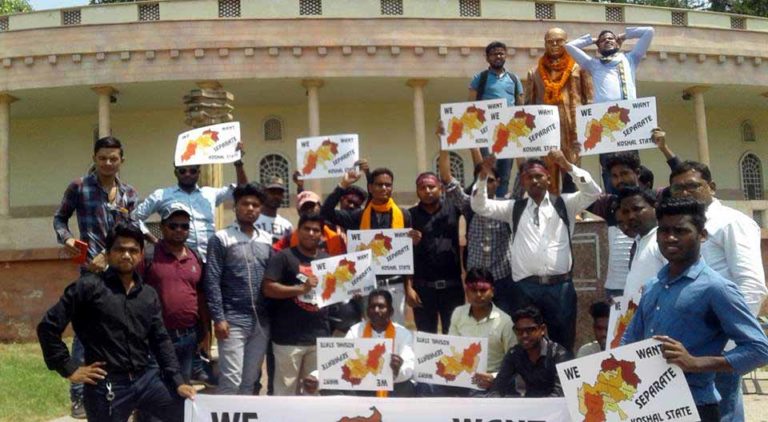
WHY KOSAL STATE IS NECESSARY ?

  1. The creation of Odisha province has seen greatest sacrifice made by the Kosali people to accept coastal dialect as the official language even though Kosli-Sambalpuri remains as the sole language of their daily existence. Many Kosali people like Gangadhar Meher, Bhima Bhoi had contributed significantly towards Oriya literature.
  1. The Kosali people had not only played a pivotal role in constructing the modern identity of Orissa state but also had made significant contribution towards the development and progress of the state.
  1. The Kosali population, according to Census 2001, account for about 39 percent of the Orissa population and the Kosala make-up about 59 percent of the total area of the Orissa state. They contribute nearly 45 percent of total workers and 48 percent of total cultivators in Orissa. Kosala is the source of about 76 percent of net value-added generated in the Orissa manufacturing. In terms of forest resources, it contributes the highest percentage of forestland in Orissa with 66 percent of the total Orissa forest area. Further, Kosal is the richest source of minerals comprising iron ore, manganese ore, base metals (copper ore and lead ore), bauxite, china clay, coal, fire clay, graphite, limestone, dolomite, and precious minerals including diamond in Orissa. In fact the share of Kosal in the total reserve of minerals is 99 percent in the case of bauxite; 100 percent each in the case of coal, dolomite, lead & zinc, and limestone; 30 percent in iron ore; and 28 percent in the case of manganese ore. Its share in the value of mineral exploited in Orissa ranges from 100 percent in the case of Coal as well bauxite to 27 percent in the case of iron ore to 22 percent in the case of manganese ore during 2001-2002. In the case of Orissa’s own tax revenue, Kosal contribute about 39 percent of total sales tax and excise duties each, 33 percent of entertainment tax and motor vehicle tax each, 32 percent of general cess and nistar cess, and 30 percent of land revenue.
  1. In the infamous backward districts of Kosal region of the KBK (Koraput, Bolangir and Kalahandi) about 68.8% persons live below the poverty line and even the Chief Minister of Orissa recognized the region to be the poorest region in India.
  1. Apart from manifesting in starvation deaths the acute level of poverty in Kosal shows its ugly face in the form of child-selling. Although the news of child-selling dates back to 1985 when Phanas Punji, a thirty year old woman shocked the nation by selling her fourteen year old sister- in-law Banita Punji to one Vidya Podh for Rs 40 to buy food for her children in the Kosli district of Bolangir.
  1. The apathy of Orissa government to the incidence of poverty in Kosal region has been most unfortunate in the last half a century. Whenever any news on starvation deaths appears in newspaper the first official reaction of the state government has been to simply deny such incident. The non-seriousness in the government response to the issue of poverty and starvation death in the Kosal had manifested in several cases of improper implementation of the projects sponsored by the central government meant for backward districts of Kosal as noted by the planning commission of India.
  1. Various poverty alleviation programmes in Orissa have failed due to rampant corruption, unawareness of schemes amongst beneficiaries and wrong targeting of the beneficiaries. In many cases, the poor people of Kosal even cannot buy subsidized rice supplied through the public distribution system (PDS) due to lack of purchasing power.
  1. The minimal developmental resources meant for Kosal region including poverty alleviation schemes has been systematically siphoned-off from the region to the coastal region through corruption.
  1. The News Channel, NDTV, reported the acknowledgement of a government official about the system of paying commissions to a whole lot of people including senior officials and politicians even from the funds meant for Food for Work schemes undertaken by the government of Orissa in the drought-affected districts of Kosal.
  1. The large-scale misappropriation of Central aid coming under various social security schemes can be seen from the famous September 22, 1999 report of the then deputy administrator (Hrushikesh Panda) of the KBK (undivided districts of Kalahandi, Bolangir, Koraput) that had elaborated upon the widespread misappropriation of funds given by the Centre under agreement with the International Fund for Agriculture Development (IFAD) and the role of the then district collector, two directors of the IFAD project, and many other government officials forcing Central government to withhold the aid to the poverty-ridden Kashipur block of Rayagada. The Hrushikesh Panda report noted that not a single plant claimed to have been planted under the programme can be traced, payments were made against non-existent works, roads were built from no where to no where, estimates of works were recklessly revised and only non-tribals were
    handpicked as contractors by the officials.

The corruption money going into the account of bureaucrats straightly shifted to the Coastal region as majority of them belongs to that region.

  1. This failure of the state government in checking corruption and properly addressing the grinding poverty in Kosal and the corrupted role played by government officials who invariably belong to the Coastal region has naturally fueled discontentment among general Kosli people that they have not received their right share of development even though they are contributing major chunk of resources towards the state. The then Prime Minister of India, Shri Atal Bihari Vajpayee summed up the developmental disparity in Orissa as follows:

    “After touring western Orissa and interacting with the people of the region, I have come to the firm conclusion that the development of this part of the State, although rich in natural resources like mineral deposits and forests, has been neglected. This has resulted in the impoverishment of the people of this region, which has been left way behind by the developed areas of the State… The stark reality of poverty, hunger, starvation, illiteracy and malnutrition that one witnesses in vast tracts of western Orissa is further highlighted by the fact that the bulk of the people who have been denied  share of the development cake are tribals… In a sense, western Orissa is the real face of India. It is a matter of shame that fifty years after Independence people should die of hunger; that parents should be forced to sell their children for a fistful of rice”.


  1. The migrants from the Coastal region are in general economically better-off and educated and they migrate to other states mainly in search of better employment opportunities, and not so much because of desperate search of livelihood in the face of drought or famine, like people in Kosal.
  2. Recently there has been a phenomenal increase in the number of women including pregnant one joining the flow of seasonal labour migration from the Kosal raising further issues of gender discrimination in wages, women facing increased health risks and threats of sexual exploitation. Several newspapers are reporting cases of sexual abuse of female workers and selling of child labour from Kosal in other parts of India.
  3. The Coastal-dominated state government is completely insensitive to our issues and failed to address the real issues faced by us.
  4. The poor performance of Kosal as compared to the Coastal region in the primary as well as higher stages of education may have resulted from various factors but the most important may have been the relatively low levels of government educational expenditure devoted towards the region as compared to the Coastal region.
  5. From the point of view of the access to university education through availability of educational institutions there has been a very strong sense of educational deprivation in Kosal. It has only one university, namely Sambalpur University, situated at Burla, Sambalpur district catering to the educational needs of 14.3 million Kosali people spread across a geographical area of 98, 034 square kilometers. The Coastal region, on the other hand, host to a total of seven universities with per university catering of 3.2 million Coastal people spreading over a geographical area of 63,507 square kilometers. In terms of number of sanctioned seats at post graduate level (MA/MSc etc. and MPhil) there is glaring regional disparity in Orissa. The two major university of Coastal Orissa together have 2081 seat strength with a seat-population ratio of 93 seats per million populations whereas the sole Kosali University, Sambalpur University, has only 723 seat strength with a seat-population ratio of 51 seats per million populations. Inclusion of other five universities to the list of Coastal region will further increase its seat-population ratio relative to that of Kosal.
  6. One engineering college in Kosal covered about 24 lakh population whereas it covered merely 9 lakh populations in the case of Coastal region.
  7. Kosal goes without specialized research institutions as Central Rice Research Institute (Cuttack), Institute Of Physics (Bhubaneswar), Homoeopathic Research Institute (Puri), Regional Leprosy Training & Research Institute (Ganjam), Nabakrushna Chaudhury Development Studies (Bhubaneswar) etc. are located in Coastal region.
  8. Kosal has seen relatively low level of quality of education even though it has the backlog of lowest literacy rate in Orissa as compared to Coastal region.

    Kosal has largest percentage of single teacher schools at primary, primary & upper primary, and primary & upper primary & secondary/higher secondary levels of school education as compared to Coastal region.

    In terms of the provision of school infrastructure over region mixed picture emerges. As far as the percentage of student enrolled in schools without building and without blackboard is concerned Kosal appears to be lagging behind Coastal but when considering student-class-room ratio (SRC) is concerned it is relatively better-off.

  9. The Kosali people really do not understand why their own state people located in the Costal Orissa have opposed the proposal for making Sambalpur University a central university when this only institution is serving the whole of the Kosal region whereas the Coastal Orissa cornered a total of seven universities. The power politics at state capital favour Utkal University to be made central university as a result of which the proposal to have a central university in Orissa has been lying in official document since long time. These un-helpful attitudes of the state government and Coastal people made Kosali people more aware that educational development of Kosal is not possible under the present Orissa state.
  10. Orissa government largely dominated by the Coastal leaders are ruthlessly insensitive to even the humanly issue like health and the natural solution for this discrimination is being sought in the formation of a new state.
  11. It is most unfortunate that the people in Kosal region lacked the most basic health facilities which the people in Coastal region are getting; the Orissa government continues to expand relatively more public health services in Coastal region.
  12. By 2002 the state government has added about 699 PHCs in the Coastal region compared with mere 467 PHCs in the Kosal region. Considering the population coverage per PHC and per doctor one may likely to conclude that this addition is justified as the Coastal region has got a higher figure than Kosal. However this conclusion is misleading as there are large-scale vacancies of sanctioned doctor posts in Kosal.

    In the name of public health services the Kosal has got hospitals from the government without doctors and infrastructures.

    One PHC in Kosal covered about an area of 165 square kilometers as compared to 81 square kilometers in the case of Coastal region.

    The Kosali people got a real shock when the government of Orissa decided to set-up the All India Institute of Medical Sciences (AIIMS) in Bhubaneswar with utter disregards to the public opinion in Kosal. When there is already 4-5 super-specialty medical hospitals are already there in Bhubaneswar and another 2-3 in Cuttack hardly 25 kilometers away from Bhubaneswar and also numerous hospitals with modern facilities in the capital city there was no justification for setting up the AIIMS in Bhubaneswar.

    Nowhere in the history of Modern Indian states, will one find such an example where a state deprived its 40 percent of population the spatial access to health services merely for the sake of keeping everything in one region.

    Kosal have got relatively low level of spatial coverage by roads as compared to the Coastal region. Road networks cover 164 kilometer of area in the Coastal region whereas it is 138 kilometer in the Kosal region, the shortfall in the coverage is amounting to be 26

  13. In Kosal only 34 post offices per 1000 square kilometers are available against 78 post offices in the case of Coastal region.
  14. While the number of banking branches in the Kosal region is 5.6 per lakh population and 8.7 per 1000 square kilometer of area it is 6.1 per lakh population and 21.5 per 1000 square kilometer of area in the Coastal region.

    The banking system has provided a per capita credit of Rs. 1255 to the developed parts of the Coastal region which is one and half times higher than the per capita credit given to the underdeveloped Kosal region (only Rs. 820). Malkangiri with Rs. 354, Nabarangapur with Rs. 398, Debagarh Rs. 421, and Sonepur with Rs. 419 represent the four most lowly per capita credit receiving districts.

  15. On an average, every 8 out of ten villages in the Coastal region are electrified whereas this is the case of about every 6 villages in the Kosal region. The number of electrified villages was not even 5 out of ten villages such as Rayagada, Malkangiri, Koraput, Kandhamal, and Debagarh. Only 19 percent of Kosali household have access to electricity as compared to 27 percent of Coastal Household.
  16. The Oriya Sahitya Akademi responsible for promoting Oriya language and literature has habitually favoured the Coastal dialect by various promotional schemes like providing cheap financing, publishing and instituting literary awards. The Akademi is bias against the Kosali/Sambalpuri language.

    In the history of modern Orissa one will not find a single piece of evidence where the Coastal people have contributed anything to the cause of the Kosali/Sambalpuri language.

  1. Contrary to the promotion, most of the video album- making companies like Samrat and Sarthak based in the Coastal region are loose large to bring out Sambalpuri video cds which are devastatingly filthy and distorted by copying Hindi songs and mixing them with Sambalpuri which undermines Sambalpuri as an independent language.
  1. In the case of dance, while Orissa government is continuously promoting Odissi dance in Orissa as well as outside the state, the Kosali dance received the least focus of the government.


Courtsey: http://jaikosal.blogspot.in/2014/09/why-kosal-state-is-necessary.html

Odisha BJP Is Inching But Not Enough To Clinch 2019

In the last general election BJP won 10 seats and got 18 % votes of the total vote registered which are 3,874,739 votes. BJP did better and got 4 additional seats.

In January 2016, Basant Panda become the State President replacing KV Singhdeo. Year 2017 was for organizing and activating booth level workers. The BJP, which had won just 36 seats in the 2012 panchayat polls, put up an impressive show by winning 297 seats in the 2017 polls.

Projection of Union Minister Dharmendra Pradhan as the chief ministerial candidate become clear and many factions in BJP too arises. Many senior leaders like Bijoy Mahapatra, Dillip Ray have been sidelined. Though Jual Oram’s group has been sidelined yet the group is showing itself intact. KV Singhdeo was also unhappy when he was replaced as the President of the state unit.

The popularity of Modi has increased with percentage of vote share of BJP in Odisha; particularly in youth voters. No doubt, Dharmendra Pradhan has command over the party unit and able to channelize his unit throughout the state yet not looking so strong enough to counter the internal conflict as well as BJD.


Saket Sreebhushan Sahu comments on Politics and Culture

saket.sahu@gmail.com

Major World Religions(XIII)_Dr Saheb Sahu

0

Conclusions

Religion is an organized system of beliefs and practices. The modern word religion comes from the Latin word religio. Religio was understood as an individual virtue of worship, never a doctrine or practice. The modern concept of “religion” as a set of beliefs or doctrine is a 17th century invention. It was in the 19th century the terms” Buddhism”, “Hinduism”, “Taoism” and “Confucianism” first emerged.

We do not usually choose our religion, we are born into it. We practice one religion or the other depending on the time and place of our births. We all like our own religion and believe that our God or gods, our Scriptures are only the true ones.

Most people believe that our religion gives us our morals and without religion there will be chaos. But scholars have found that morals have existed in earlier societies before the advent of religion. People treated each other in a mutually beneficial way. They did not kill each other without reasons. They helped their fellowmen in need. Religion helps but we do not need religion to live an ethical life. Religion supports morality mainly by myths and taboos. Myths and taboos of a society or culture tend to influence the behaviors of its members. The institution of government, marriage, property rights, dietary laws, rest in some measures upon religious sanctions.

The existence of Supreme Creator God has not been proven yet. Most scientists and many religious scholars believe that the universe was not created in six days and is billions of years old and not one thousand years old as the Bible says. The life on earth was not created by god but has evolved from one cell organism.

The concept of god is an invention of human being. God exists in our mind. Religion is based on faith and without faith there is no religion. There have been heretics (people who don’t believe in existing order) in all religions throughout history. Many of them have been persecuted and lost their lives. To Mughal Emperor Aurangzeb, all the Sikhs were heretics. Shias in general are seen as heretics by the Sunnis. There have been atheists (non-believers in god) from the beginning of religion. Atheistic school of philosophy ( Charvakas)) was there in India going back 600 BCE. Now, about 15 to 20% of population of some countries consider themselves to be atheists.

It is not that important whether you believe or not, in god, heaven, hell, after life. But it is important that you try to be a good person every day. A saying by Lao Tzu summarizes the core principle of a religion:

“The way of Heaven has no favorites;

It is always with good man”.


I will end with a story from the Jewish Talmud. Once a gentile (non-believer) came before the Jewish Rabbi and sage Hillel (110 BCE-10 CE) and said to him: “I will convert to Judaism on the condition that you teach me the whole Torah (Jewish Bible) while I stand on one foot”. Hillel converted him saying: That which is despicable to you, do not do to your fellow, this is the whole Torah, and the rest is commentary, go and learn it (Babylonian Talmud).


I whole heartedly agree with Hillel. Whether you believe in a God or a holy scripture is not that important just treat your fellow men right, as you like to be treated.

Sources

How Congress Lost the Bijepur by-poll

BJP emerged as the opposition party in the concluded Panchayat election to the ruling BJD in Odisha. But factually Congress is the main opposition party in the State Assembly. Since the Panchayat election the new PCC chief was silent and inactive. The party couldn’t revive itself from the in-fights neither able to set any challenge for the opposition. Bijepur bye-election was an opportunity to get back. The candidate was strong enough to stage a fight to the ruling parties in the centre and state. Name of Pranay Sahu was sent unanimously in October by the selection committee led by Nabakishore Das but again a committee was formed in January led by former CM Hemananda Biswal contradicting the former committee. The later committee recommended 2 names; Ripunath Seth and Pranay Sahu. The conflicting situation wasted a lot time of the party and the candidate. Finally Congress announced the name of the candidate on 4th February just 2 days left to file the nomination whereas BJD and BJP had declared their candidates much earlier.

After the demise of the Late MLA Subal Sahu, BJD and BJP immediately started organizing Bijepur constituency and prepared for the bypoll whereas the state and the Congress unit was inactive. The media created a perception of fight between BJD and BJP as Congress party was not visible in the ground and lagging behind.

When Congress declared its candidate on 4th February, the candidate was not having enough time and fund to organize. Still around 20,000 workers throughout the constituency were assembled at the time of nomination filing to support him. If name would have been declared before few months the candidate would have got time to organize but due to the lackadaisical attitude of the party, circumstances went against him and could not succeed to retain the seat.

Further, many Congress leaders were supporting BJD, BJP stagnating the campaign. In this scenario almost all Congress voters had shifted to BJD and BJP. Wind favouring the Congress candidate evaporated.

From close sources, leaders like Sri Naba Kishore Das, Sri Hemananda Biswal and Sri Ripunath Seth were completely working against the candidate and sabotage the campaign. Also the candidate did not receive the committed financial support from the state unit. They have received only 15 lakhs from the PCC for the election expenses.

Again, BJP and BJD used the government machineries and money power heftily. Hundreads of crore have been invested by both parties. They purchased each vote with up to 5000. In this scenario Congress candidate could not manage to fight with them and loosed it.

Further, there were no coordinated efforts from the party level in absence of which the candidate had to fight as an individual against two organizations.  Even the in-charge of the state and his assistant were mere visitors.

Saket Sreebhushan Sahu comments on culture and politics

saket.sahu@gmail.com