ପଦ୍ମପୁର(୧୯/୦୪/୨୦୧୮)-ଅକ୍ଷୟତୄତୀ
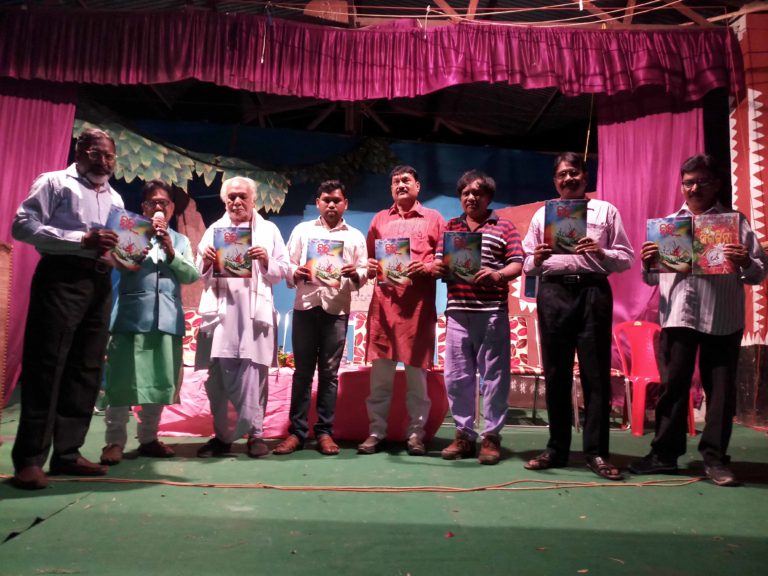
ବୁଢାସମ୍ବର ସାହିତ୍ୟ ଓ ସାଂସ୍କୃତିକ ଅନୁଷ୍ଠାନର ସିରଜିନା ଉଛ୍ଛବ ୨୦୧୮ ଅନୁଷ୍ଠିତ ହୋଇଛି
International Opinion on Language Policy: Dr Joga Singh (1)
- About this Document
Last month, the Government of India issued a notification which included retrograde provisions for Indian languages for central civil services examinations. The notification also added further weightage to English by proposing to include marks scored in the English compulsory paper to calculate merit. This has stirred up the linguistic debate once again. This document was written in response to the situation arising out of the Indian government’s issuing of the notification, a la ignorance par excellence.
The government withdrew the notification on the 15th of March due to a very stiff indictment by language experts and a strong opposition from various political circles. The discriminatory attitude of Indian elite towards Indian languages in India, however, is still worse even than their colonial siblings. The language question is inseparably tied with education, scientific development, knowledge in general, culture, heritage, and, very importantly, with the issue of the proper method of learning a foreign language. This document is an effort to provide a synopsis of professional international opinion on these matters.
Though the Indian languages have never been granted their rightful and essentially required status even after the British left, their plight has been further worsening at a faster pace for the past 30 years or so. The English language is pushing Indian languages out even as medium of education in schools. Though the real reason for this are the Indian elite’s misconceived vested interests, the following kind of false arguments are concoted in support of this irrationality:
- That English is the language of science and knowledge and the mastery of English, therefore, is essential to make progress in these fields;
- English is the language of international communication and business and no international exchange is possible without it.
The above kinds of arguments are a result of total ignorance about the relationship between language and science, education, knowledge in general, and about the international linguistic scene. The aim of this document is to pull the mask off this ignorance.
Joga Singh, Ph.D. (York, U.K.), Mobile: +91-9915709582; E-mail: jogasinghvirk@yahoo.co
Oral Narrative and Hindu Method of Assimilation: A Case of Marjarakesari in Narsinghnath (5)
It may be understood that Gandhagiri has been the seat of Buddhist activities since the early part of the Christian era and Buddhism continues to become the dominant form of religion in this region at least till the eighth century A.D. There was an ancient Vihara and it had the international reputation of being a Buddhist Pitha. Significantly, when Buddhism as a religious-cultural force began to decline in many parts of India, Gandhagiri still played a significant role and contributed to this faith in its new form i.e. Tantrik Buddhism. In all probability, Narsinghnath Pitha was once upon a time popularly known as the land of Tantrik Buddhism. Similarly, Lord Marjarakesari enshrined in the Narsinghnath temple may be identified with a Buddhist Tantrik deity who may have been worshipped by the aborigines since time immemorial. In other words, Buddhism had stronghold over this area and its people.
Buddhism had to experience a great set-back owing to the rise of Saivism and Vaisnavism in this region. It was possible but not probable earlier than ninth century. It seems probable that Vaisnavism has misplaced its identity and tried to compromise with Saivism during the reign of Somavamsis. Post-eighth century probably gave a Saivite twist to the Tantrik Buddhism in Narsinghnath site. The increasing popularity of Saivism after ninth century is apparent from the occurrence of Saiva images and Hari-Hara Pangat in the Narsinghnath Pitha.
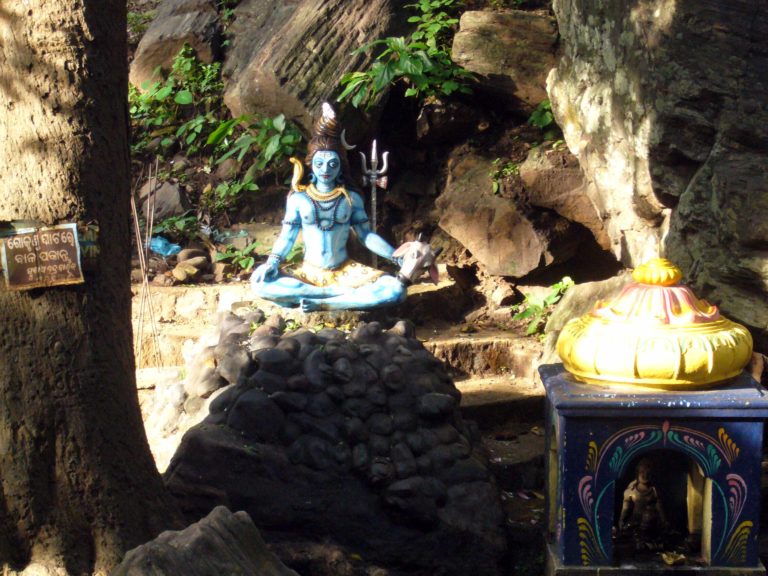
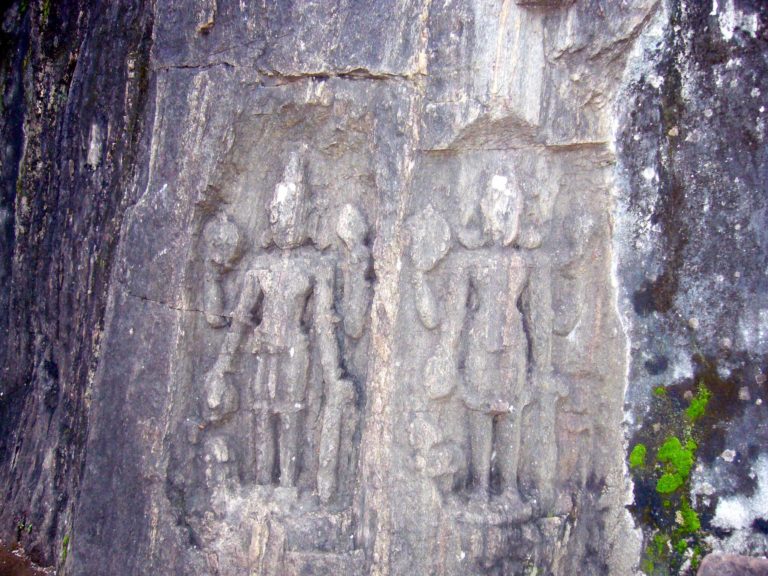
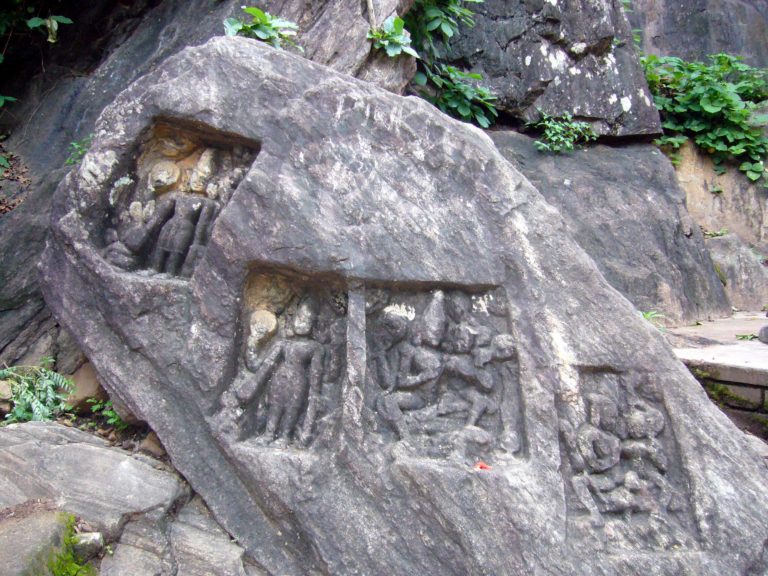
Most likely, during this period Tantrik Buddhism mingled with Saivism. Nevertheless, it is not possible to pronounce precisely when the Buddhist ideology or faith has come to an end allowing Saivism a space to prosper and dominate in Narsinghnath Pitha. However, Saivism left its imprints on this site, which is also substantiated by the rock-cut sculptures found in Narsinghnath. In the Pancha-Pandava-Ghat, there are rock-cut sculptures among which a big rock-cut profiled figure of standing bull Nandi is hewn with one bell hanging from its neck and Lord Siva sitting on its back. A male is positioned nearby with both his hands folded in obeisance. This rock-cut sculpture can be dated back to the 12th-13th century A.D. (Panda, 2004:81). In other words, this rock-cut sculpture represents the popularization of Saivism in this Pitha or site during this period. Under the patronage of Somavamsi rulers, Saiva ascetics might have influenced the common people a lot that facilitated in the spread and popularization of Saivism in the Gandhagiri area.
Chitrasen Pasayat is an OAS and comments on culture
Science and Mother Tongue Medium: Dr Joga Singh
An eye opening message from a science teacher Varun Kumar:
“I teach Physics and Mathematics. I have attended your lectures and have been teaching Physics to children through lecturing in Punjabi. I have seen very good results among children by this. By teaching science through mother tongue, I myself have started feeling like being a true being. Thank you very much. I teach Physics as a tutor in a government school in Ludhiana and teach Mathematics to M.Sc students at my coaching centre. The children who came to me were from government schools and because of not knowing English well. they used to consider themselves as incompetent. But I attended one of your lectures few years back at the school in Pakhoval village and since then my method of teaching have changed. I tell the children that English is not the only means to be a scientist; we can rather learn each science of the world without English. My students can tell a lot in Punjabi about any aspect of Physics and am in joy that I am producing learned scientists and learned doctors. My students won’t be the persons who are engaged in the rat race of speaking English. I teach Main Topology and Field Theory too in Punjabi and you would be glad to know that my M.Sc. students have continuously topped in the Punjab University for the years 2012, 2013 and 2014, because only those students are able to understand Topology who learn it in Punjabi. Joga ji, I have also taught Physics to Convent students. Truly, I have never seen children in such a bad shape. What are they to know about Physics, these English medium students don’t know even English better than us; I myself, though, have studied through Punjabi medium till 10th standard. I will become a true companion of you in your fight. I will devote my life to teach and make understand each science in Punjabi. Joga ji, my soul shivers when I see children going in an English medium school bus. I knew something was being wrong, but I discovered the right direction from your lecture when I listened to you in the Pakhovaal village school. Joga ji, you will surely be successful in your goal, because you are teaching people how to be real humans. By giving them their mother tongue, you are saving them from living orphaned lives. My sentiments also go to these Convent and English medium school children. Joga ji! Let us save them too!”
Dr. Joga Singh’s documents on language issues can be read from:
http://punjabiuniversity.academia.edu/JogaSingh/papers
One video in Hindi can be watched from: https://www.youtube.com/watch?v=tHUfdRS2MWE&feature=youtu.be
And three in Punjabi can be watched from:
http://www.youtube.com/watch?v=a8w6xNrCP88, http://www.youtube.com/watch?v=w4njNvR4UI0&feature=share and
http://www.youtube.com/watch?v=Ux8Bg95BSRg
Contact: Dr. Joga Singh- 09915709582, jogasinghvirk@yahoo.co.in Varun Kumar- 09876756466
ପଦ୍ମପୁରରେ ପ୍ରବାଦ ପୁରୁଷଙ୍କ ୨୧ତମ ଶ୍ରାଦ୍ଧ ବାର୍ଷିକୀ ପାଳିତ
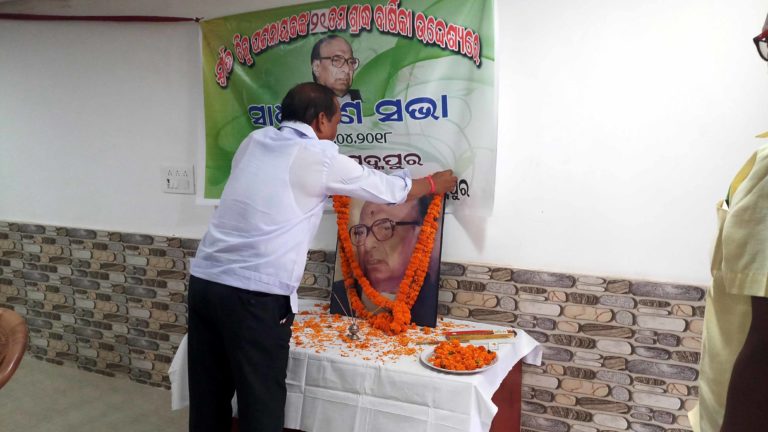
ପଦ୍ମପୁର(୧୭/୦୪/୨୦୧୮)- ପ୍ରବାଦ ପୁରୁଷ ତଥା ଆଧୁନିକ ଓଡ଼ିଶାର ନିର୍ମାତା ସ୍ବର୍ଗତ ବିଜୁ ପଟ୍ଟନାୟକଙ୍କ ୨୧ତମ ଶ୍ରାଦ୍ଧ ବାର୍ଷିକୀ ପଦ୍ମପୁର ବିଜୁ ଜନତା ଦଳ କାର୍ଯ୍ୟାଳୟ ପରିସରରେ ପୂର୍ବତନ ମନ୍ତ୍ରୀ ଶ୍ରୀଯୁକ୍ତ ବିଜୟ ରଞ୍ଜନ ସିଂ ବରିହାଙ୍କ ନେତୄତ୍ବରେ ପାଳିତ ହୋଇଯାଇଛି ।ଏହି ଅବସରରେ ପଦୁପୁର ଉପଖଣ୍ଡ ଚିକିତ୍ସାଳୟରେ ରୋଗୀମାନଙ୍କୁ ଫଳ ବଣ୍ଟନ କରାଯାଇଛି ।ଏହାପରେ ଏକ ସଭା ଅନୁଷ୍ଠିତ ହୋଇଥିଲା ।ଏହି ସଭାରେ ଶ୍ରୀଯୁକ୍ତ ବରିହା ସ୍ବର୍ଗତ ବିଜୁ ପଟ୍ଟନାୟକଙ୍କ ଫଟୋଚିତ୍ରରେ ପୁଷ୍ପମାଲ୍ୟ ଅର୍ପଣ କରିଥିଲେ ଏହା ସହିତ ତାଙ୍କ ଅଭିଭାଷଣରେ ପ୍ରବାଦ ପୁରୁଷଙ୍କ ଜୀବନୀ ଉପରେ ଆଲୋକପାତ କରିଥିଲେ ।ଏହି କାର୍ଯ୍ୟକ୍ରମରେ ଅନ୍ୟମାନଙ୍କ ମଧ୍ୟରେ ବିଜେଡି ନେତା ପ୍ରିତମ ମେହେର,ପ୍ରଶାନ୍ତ ମହାନ୍ତି, ନରେଶ ଅଗ୍ରୱାଲ, ରାଜେଶ ସାହୁ,ପଦ୍ମପୁର ଏନ.ଏ.ସି ଅଧ୍ୟକ୍ଷ ସିଦ୍ଧାର୍ଥ ସିଂ ବରିହା,ସନ୍ତୋଷ ସେଠ,ସଞ୍ଜୀବ ସାହୁ,ବିକାଶ ନାଏକ,ଗାଦି ନାରାୟଣ ପଟ୍ଟନାୟକ,ପ୍ରଶାନ୍ତ ବେହେରା,ଚୈତନ୍ୟ ମଲ୍ଲିକ, ମହେଶ୍ବର ପୁରୀ,ସୁକାନ୍ତ ବାଗ,ସୁକାନ୍ତ ମେହେର, କୁଞ୍ଜବିହାରୀ ଦଣ୍ଡସେନା,ମୋହନ ସାହୁ,ଘନଶ୍ୟାମ ସ୍ବାଇଁ, ଜଗବନ୍ଧୁ ବାଗ,ସୁରେଶ ଚାନ୍ଦ ତଥା ବିଜୁ ଜନତା ଦଳର ସମସ୍ତ କର୍ମୀ ଅଂଶ ଗ୍ରହଣ କରିଥିଲେ ।
Oral Narrative and Hindu Method of Assimilation: A Case of Marjarakesari in Narsinghnath (4)
According to the studies of Panda (2003:61-72), the sculptures are identified as Panduvamsi Raja Harshagupta and his Rani Vasata Devi on one of the previously mentioned four pillars. The sculpture depicts the picture of Rani Vasata Devi attending to her husband Raja Harshagupta in his deathbed in deep mourning. Conspicuously, Rani Vasata Devi is also believed to have built the original Narsinghnath temple for Lord Visnu. This attests the fact that the site of Narsinghnath bears the testimony of a place of Hindu worship and pilgrimage since at least the eighth century A.D.
In this context, mention may be made of one five feet high four-headed standing figure of Narasingha in Samabhanga posture found in a small temple of the Narsinghnath temple complex. Very unusually, the Sthanaka Yoga Narasingha image standing in Samabhanga posture is seen wearing shoes up to knee-level or high boot of the Iranian type, as seen in the legs of the Surya image of Konark, assigned to the thirteenth century A.D. (Panda, 1992:210; Panda, 2004:46-47).
It might be possible that the temple site of Narsinghnath was in the beginning a Buddhist one and the temple built over it by Rani Vasata Devi in eighth or ninth century A.D. was in a decaying state. This was repaired and renovated in eleventh century A.D. and was consequently repaired or renovated again by the first Chauhan Raja Ramai Dev in fourteenth century A.D. In the same way, it was in complete ruins in the fifteenth century and the fourth Chauhan Raja Vaijala Dev-I built a new temple on this site for the present Lord Narasingha Visnu.
Senapati and Sahu (1968:50) writes that possibly from the time of Raja Vaijala Dev-I and his Rani Durlabha Devi, the peaks containing the temples of Narasingha and Hari-Hara were correspondingly recognized as Narsinghnath and Harisankar. In view of this, Gandhagiri may be believed to be a foremost religious centre of Buddhism with international status between the second and eighth century A.D. For that reason, probably it was assimilated into Hindu fold i.e. Hinduism first through the stream of Tantrik Saivism and finally through the stream of Vaisnavism which will be dealt subsequently in our analysis (3).
Chitrasen Pasayat is an OAS comments on culture
ଦୁଷ୍କର୍ମ ପୀଡିତାକୁ ନ୍ୟାୟ ମିଳିବା ପାଇଁ କ୍ୟାଣ୍ଡେଲ ରାଲି
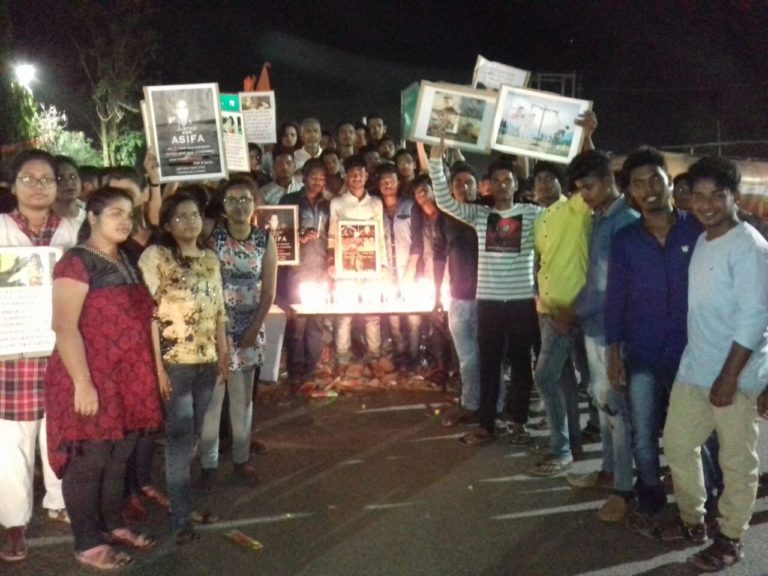
ପଦ୍ମପୁର(୧୬/୦୪/୨୦୧୮)- ରାଜ୍ୟ ତଥା ଦେଶର ଲଗାତାର ଭାବରେ ଦୁଷ୍କର୍ମ ଘଟଣା ବହୁଲ ଭାବରେ ବୄଦ୍ଧି ପାଇବାରେ ଲାଗିଛି ।ଏଇ ପରିପେକ୍ଷୀରେ ସଂପ୍ରତି କାଶ୍ମୀରର ଅସିଫାକୁ ଦୁଷ୍କର୍ମ କରିବା ସହିତ ହତ୍ୟା କରିବା ଘଟଣା ପରି ସଙ୍ଗୀନ ଓ ଲଜ୍ୟା ଜନକ ଅପରାଧିକ କାର୍ଯ୍ୟକଳାପ ସାରା ବିଶ୍ବରେ ଚହଳ ସୄଷ୍ଟି କରିଛି ।ଏଥି ସହିତ କୁନ୍ଦୁଳି, ନିଳଗିରୀ ଓ ଉତ୍ତର ପ୍ରଦେଶର ଉନୱ। ଠାରେ ସଙ୍ଘଠିତ ହୋଇଥିବା ଦୁଷ୍କର୍ମ ଓ ହତ୍ୟା ଘଟଣାକୁ ନେଇ ଆଜି ସନ୍ଧ୍ୟାରେ ଅଞ୍ଚଳ ମହାବିଦ୍ୟାଳୟ ଛାତ୍ର ସଂସଦର ଆହ୍ୱଆନରେ ଏକ କ୍ୟାଣ୍ଡେଲ ରାଲି ସାରା ସହର ପରିକ୍ରମା କରିଥିଲେ ।ଏହି ରାଲିକୁ ଛାତ୍ର ସଂସଦ ସଭାପତି ଶିଦ୍ଧେଶ୍ବର ମହାରଣା,ସମ୍ପାଦକ ପରେଶ ଧରୁଆ,ସମାଜସେବୀ ନିରୋଜ ଦୋରା, ହିତେଶ ଅଗ୍ରୱାଲ, ନୀଲାମ୍ବର ଦୀପ,ଉମାକାନ୍ତ ଭୋଇ,କୁନାଲ ସାହୁ,କବିର ସିଂ ଗୀଲ,ପ୍ରିୟମ ବାଗ,ରାଜିବ ବଗର୍ତ୍ତୀ,ନବ କିଶୋର ମେହେର,ଅଭିପ୍ରିତ ପଟ୍ଟନାୟକ, ପ୍ରଣତି ସୁଆର,ବର୍ଷାରାଣୀ ଭୋଇ,ଅନ୍ବେଷା ପାଢୀ,ଜୁଲି ମୁର୍ମୁ,ସ୍ନେହା ବେହେରା,ବିନିସ୍ମିତା ପଣ୍ଡା,ରିତୁ ମହାନନ୍ଦ ପ୍ରମୁଖ ପରିଚାଳନାରେ ସହଯୋଗ କରିଥିଲେ ।ଏହି ରାଲିରେ ଜିଷ୍ଟ,ଜେନିଥ ଓ ମହିଲା ମହାବିଦ୍ୟାଳୟ ଛାତ୍ରଛାତ୍ରୀ ମାନେ ବହୁ ସଙ୍ଖାରେ ଯୋଗଦାନ କରିଥିଲେ ।ରାଲି ପରେ ଏକ ସଭା ଅନୁଷ୍ଠିତ ହୋଇ ଦୁର୍ବୁତ ମାନଙ୍କୁ କଠୋର ଦଣ୍ଡ ପ୍ରଦାନ ପାଇଁ ଦାବୀ କରାଯାଇଥିଲା ।
“ତୋର୍ ପାର୍ କେ ମୋର୍ ପାହା” ନାଟକକୁ ୮ଟି ପୁରସ୍କାର
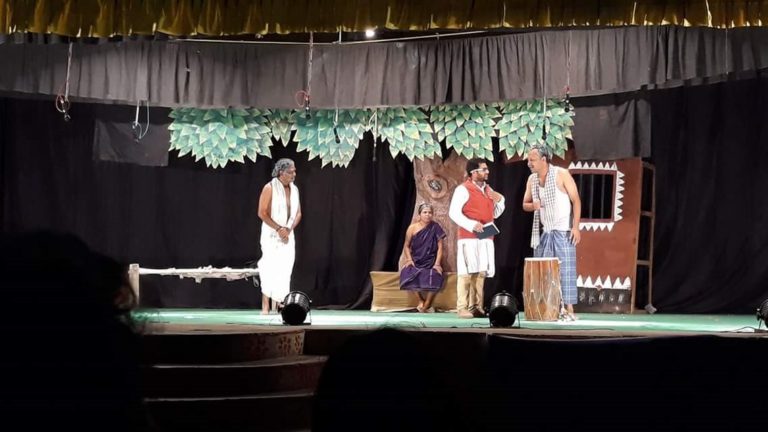
ପଦ୍ମପୁର(୧୬/୦୪/୨୦୧୮)-ଗତ ୧୩ରୁ୧୫ ତିନିଦିନ ବ୍ୟାପି ସୋନପୁରେ ଆୟୋଜିତ ‘ରାଷ୍ଟ୍ରୀୟ ନାଟ୍ୟ ମେଳା’ରେ ଅବର୍ଣ୍ଣିଗୁଂଡା ନାଟ୍ୟ ସଂସଦକୁ ବିଶେଷ ସଫଲତା ମିଲିଛି ।ଏହି ମେଲାରେ ରାଜ୍ୟ ତଥା ରାଜ୍ୟ ବାହାରୁ ଅନ୍ୟ ଭାଷାଭାଷୀ ନାଟ୍ୟ ଦଳମାନେ ଅଂଶଗ୍ରହଣ କରିଥିଲେ ।ସମ୍ବଲପୁରୀ-କୋଶଲୀ ଭାଷାର ନାଟକ “ତୋର୍ ପାର୍ କେ ମୋର୍ ପାହା” କୁ ଶ୍ରେଷ୍ଠ ପ୍ରଯୋଜନା,ଶ୍ରଷ୍ଠ ନାଟ୍ୟକାର,ଶ୍ରେଷ୍ଠ ନିର୍ଦ୍ଦେଶକ-ଅଶୋକ କୁମାର ବହିଦାର,ଶ୍ରେଷ୍ଠ ଅଭିନେତା-ବିଶ୍ରାମ ମେହେର,ଶ୍ରେଷ୍ଠ ଅଭିନେତ୍ରୀ-ମମତା ଦୀପ,ଦ୍ବିତୀୟ ଶ୍ରେଷ୍ଠ ସଙ୍ଗୀତ ନିର୍ଦ୍ଦେଶକ-ଡୋଳାମଣି ସାହୁ,ଶ୍ରେଷ୍ଠ ମଞ୍ଚ ସଜ୍ଜା ଓ ଶ୍ରେଷ୍ଠ ରୂପକାର-ଆଶିଷ ବୈକାରଙ୍କୁ ଏପରି ଆଠଟି ପୁରସ୍କାର ମିଲିଛି ।ଗତ ଡିସେମ୍ବର ମାସରେ ସମ୍ବଲପୁର ସ୍ଥିତ ବୀର ସୁରେନ୍ଦ୍ର ସାଏ ରାଜ୍ୟ ସ୍ତରୀୟ ସମ୍ବଲପୁରୀ ନାଟକ ପ୍ରତିଯୋଗିତାରେ ମଧ୍ୟ ଏହି ନାଟକକୁ ଛଅ ଗୋଟି ଶ୍ରେଷ୍ଠ ପୁରସ୍କାର ମିଲିଥିଲା ।ଏଇ ନାଟକ ପ୍ରତିଯୋଗିତାରେ ଡଃ ଦ୍ବାରିକା ନାଥ ନାଏକ,ପ୍ରଫେସର ସୁଧାଂଶୁ ମୋହନ ପଟ୍ଟନାୟକ ଓ ଶାଶ୍ବତ ବରୁ ବିଚାରକ ଭାବରେ ନାଟକ ଗୁଡିକୁ ମୁଲ୍ୟାୟନ କରିଥିଲେ ।
Pt Prayagdutta Joshi: Father of Kosali Movement
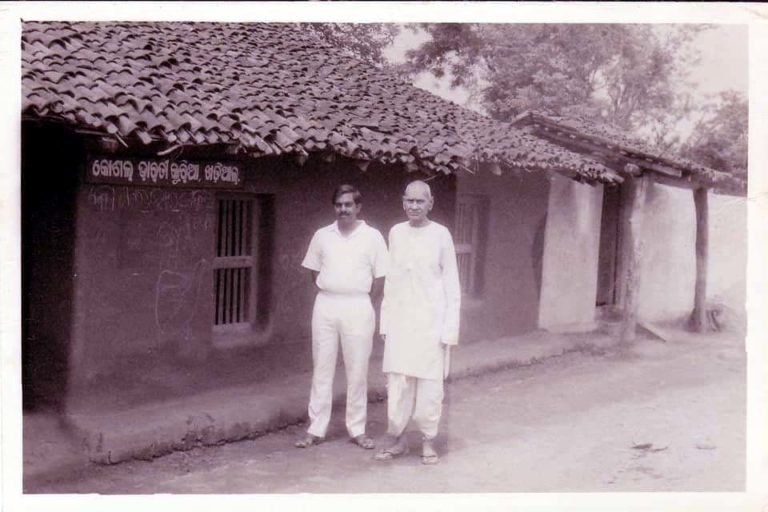
Kosali language movement kicked in the early 80s spearheaded by Pt Prayagdutt Joshi from Khadial and he was assisted by Dr Dolgobind Bishi from Titilagarh. Pt Joshi belongs to the royal priest family of Khadial, a Vaidya and scholar and Dr Bishi was then pursuing his PG in Utkal University. They met and exchanged letters. A movement was conceptualized.
In the early 80s Pt Joshi was invited to present a paper in a seminar organized by Odisha Lekhak Sammukhya, at Bhubaneswar. But when Pt Joshi was reading his paper a well known Odia writer present in the meeting stopped Pt Joshi from reading the paper and he leveled him as a separatist. The same paper was later on published as a book titling “Kosali Bhasara Samkhipta Parichay”. Pt Joshi has mentioned about the incident in the preface of the book too.
He returned back home with a bitter feeling from Bhubaneswar and then published the same paper in “Saptarshi”, journal of Sambalpur University in 1982.
Bargarh based linguist Prof. Hrudamani Pradhan in his book, “Amar Bhaasar Na” writes that “in 1982 an article of Pt. Prayagdutta Joshi titling “Swatantra Kosali Bhasa” published in Saptarshi created a huge uproar in literary and intellectual circle of western Odisha. Pt Joshi coined the name Kosali for the language of western Odisha. And it was opposed by Sambalpur based writer Dr Nilamadhab Panigrahi. The battle of Sambalpuri vs Kosali began. Dr Dolagobind Bishi wrote “Kosali Bhasa Sundari”(1984) and supported the name Kosali. He further edited a quarterly Kosali magazine “Koshal Sree” from 1988. Kosali Bhasa Sahitya Parishad the organization of Pt Joshi started publishing “Kosal Bharati”. But Dr Nilamadhab Panigrahi of Gulunda who is also famous for his epic “Mahabharat Katha” published “Nishan” magazine and its 4th issue was titled as “Paschim Odishar Bhasar Na Sambalpuri” and wrote an article “Samaleswari Banam Kosaleswari”. Finally to diffuse the conflict a meeting was held in Sambalpur on January 2nd and 3rd in 1993.”
We can examine the original paper which was later on published as book titling “Kosali Bhasara Samkhipta Parichaya” by Pt. Prayagdutta Joshi. Originally it was a paper written to present at a seminar organized by Odisha Lekhak Sammukhya, at Bhubaneswar. But when Pt Joshi was presenting his paper a well known Odia writer present in the meeting stopped Pt Joshi from reading the paper and he leveled him separatist.
In this book Pt Joshi has elaborately given accounts proving Kosali as an ancient, independent and rich language. He has proved it is not a dialect of Odia and also cited instances of how Odia lobby is continuously opposing Kosali as a separate language and even he has narrated about the helplessness of leaders of western Odisha.
Institution like Odisha Sahitya Akademi also commissioning to write and publish books like “Odia Upabhasa” by Satyanarayan Rajguru (1982), “Paschim Odishara Kathita Odia Bhasa” by Gopabandhu Rath (1988), “Sambalpuri Odia Sabdakosh” by Prafulla Tripathy etc which are trying to describe Kosali as a dialect of Odia.
The geographical condition of Kosal is responsible for the torture it is receiving many a times. With an unavoidable historical situation the western part of South Kosal accepted Hindi and the eastern part accepted Odia as their medium of culture and literature. The situation was worst. Even after the acquisition by Britishers this region like a football has been once in Bengal, once in Madhya Paradesh again with Bengal and then Bihar-Odisha and finally settled with Odisha. And in this transaction what this region has beard has known to all. This happened only because we could not keep the independency of our language. And till today it is going on.
When “Koshli Bhasa Sundri” a grammar book of Kosali language was written and published by Dr Dolagobind Bishi in 1984 exhibiting the independency of Kosali language, it was opposed by Odia Journal Jhankar:
“If they will try other than this, Sambalpuri language gets recognized as an independent language, then it is unreal and separatist mentality there is no doubt.” xxx xxx xxx “We cannot support the cause of Sambalpuri language as an independent language.” (Jhankar Editorial July 1985)
In his book Pt Joshi has demonstrated that Kosali is not a dialect of Odia rather it is an independent language.
Kosali is a direct derivative of Sanskrit. Each and every word is enriched with deep meaning and full of life. The soulful representation of its culture and environment is its insignia and represents its independency. For example, let discuss the origin of few Kosali words:
a) khaman means jungle. Khaman originates from Sanskrit word khaban. Khaban means sky touching jungle (AakAshaspaRshi baNa).
kh = AkAsh [sky]
According to the rule of Prakrit: Ba > Ma
Hence, Khaban = Khaman.
b) khglA is a traditional ornament put on around neck by ladies.
Kh = AakAsh (sky) = sunya (blanks) = round shaped
So, khglA is ‘kh’ (round shaped) around ‘galA’ (neck)
c) khpsA ( a kind of air breathing fish)
This fish is found moving up towards the sky through date tree so its name is derived or given from this unique feature. Please mark the formation of the word as below:
Kh = AakAsh (sky)
kasati gachhati iti > khakshh > khaksA (kas-kash gatou soutra dhatu)
The name of this fish in Odia is ‘gaDishA’ which means the fish which rolls. There is no such vast imagination as like as there it is found in Kosali language.
d) kulihA (Jackal)
This animal is fond of crab and it search crab from holes in crop fields so ‘kulihA’ word forms as below from this activity:
kulirNg hanti iti kulirahA > kulihA
e) karlA (Bitter Melon)
The formation of the word ‘karlA’ is a very strong example to prove that the claim of Odia scholars is vague that Kosali is not a dialect of Odia and words of Kosali are not formed simply by deforming Odia words rather it supports in favour of formations of Odia from Kosali.
Sanskrit > Prakrit > Hindi > Kosali > Odia
kArbell (Sanskrit) > kArell (Prakrit) > karelA (Hindi) > karlA (Kosali) > kaLarA (Odia)
Few more examples:
Sanskrit > Prakrit> Kosali
AtasI > AlasI > Alasi
AamRam >AmbNGa >Aam
AadRam > Aallam/AdhNGa > Ol, Uda
Genealogical analysis shows two different sources of origin of the two languages; Odia and Kosali. One is from the Magadhi Prakrit and another from Ardha-Magadhi Prakrit. So there are remarkable differences between the two in the sphere of phonology, morphology, semantics and syntax.
Saket Sreebhushan Sahu comments on culture and politics
Oral Narrative and Hindu Method of Assimilation: A Case of Marjarakesari in Narsinghnath(3)
Two Buddha’s images have been discovered in Ganiapali. The local people worship one such image with the hooded serpent as a deity (Senapati and Mahanti, 1971:524).
From the Buddhist text Vinayapitaka, it is recognized that the serpent king Muchalinda protected Lord Buddha by raising its hood over his head forming an umbrella during the second week following his enlightenment while Buddha was troubled by rain and storm. Such an image of Lord Buddha seated on the coils of the serpent king Muchalinda, which shaped a hooded canopy over the head of Lord Buddha, has been discovered in Ganiapali. The local people worship this image as Naga-Muni (the serpent sage).
The above-mentioned Muchalinda image of Ganiapali was located for the first time by the celebrated art historian Charles Fabri in 1961 during his exploration. Fabri has correctly remarked that Muchalinda Buddha images are very rarely found in India. He has dated this image to the 5th to 6th century A.D. The name of the village Melchhamunda might have been a local twist of Muchalinda (Fabri, 1974:31-36; Panda, 2004:27). When precisely this place was abandoned is difficult to substantiate due to paucity of facts. However, systematic exploration and excavation in this area will positively throw new light on the history and culture of this area.
On a stone-slab is carved a Yoni-Patta having an eight-angled design and a pair of footprints. It is found close to the Pancha-Pandava-Ghat in Narsinghnath. It is said that such footprints are found to be carved on stone slabs at Ghudar and Ranipur-Jharial in the district of Bolangir and at Samaleswari temple and nearby Rampad in Sambalpur. It is widely believed that worship of footprints of Siddhacharyas was very familiar to the Tantrik School (Panda, 1996:37; 2003:62). The footprint emblem noticed in the site of Ranipur-Jharial may corroborate this. It is believed to be the reminiscent of early Buddhist worship of anoconic diction (Patel, 2004:42). So, in the present state of our knowledge and information, this much can be remarked here that the Narsinghnath area bears the testimony of Buddhist site of pilgrimage, worship and learning with international reputation in between second and eighth century A.D. In view of this, it may be suggested that in ancient and medieval period, religion and learning were very intimately intermingled and each Tirtha or holy place was also a centre of learning and culture.
From the accounts of the eminent art historian Donaldson (1985:200- 201), it is known that the temple site of Narsinghnath is an ancient one and the survival of four pillars within the Jagamohana suggests that there was in the beginning a pillared Mandapa erected here. Stylistically, these four existing pillars appear to date from the ninth century and are probably the earliest extant examples in Orissa of this transplanted style. This original structure has undergone many changes, however, with two ornate doorframes being added in the eleventh century.
Chitrasen Pasayat is an OAS and comments on culture