Monday, April 27, 2026
Home Blog Page 26

ବୁଲାକିର ଡାଏରି ନୁ ମାନିକେସରି

0

କଲାହାଏଣ ଅଂଚଲର ତେଲ ଆର ଇଂଦ୍ରାବତି ନଦିର ବାହିନେ ସାକ୍ତ ପୁଜା, ସିରଜିନାର ମୁଲୁ ଚଲି ଆଉଛେ । ସମକିରର ନୁ ପହେଲା ସାକ୍ତ ପୁଜାର ରୁପଟା ସ୍ତମ୍ଭେସରି ଜେନଟାକି ୪ର୍ଥ ସଦିର ଆଡେ ରଜା ରୁସିକରର ତେରସିଂହା ପଟାଥି ଲେଖା ହେଇଛେ ।

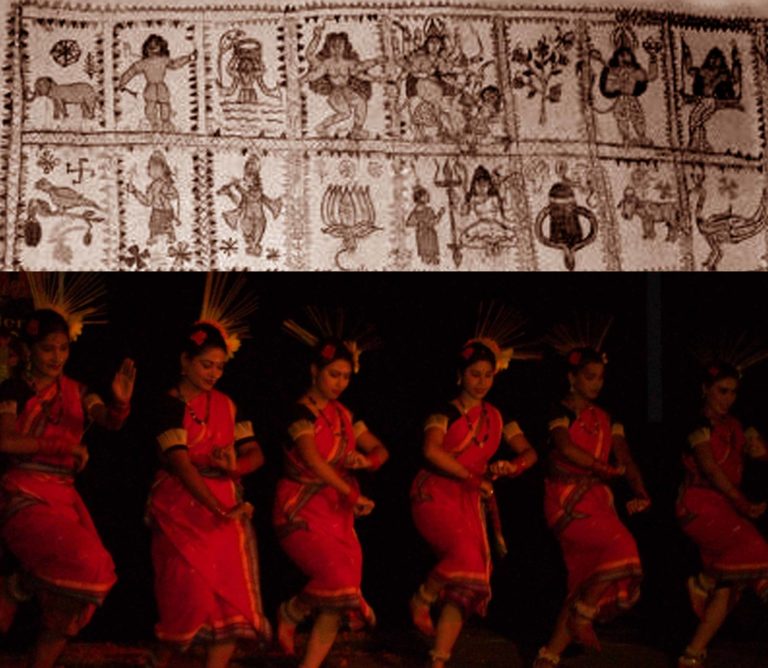
ବିସାସ କରାଜାଏସି ଜେ କଂଧମାନେ ଗଛର ଖମମାନକୁ ପୁଜା କରସନ, ହେ ଖମ ପୁଜାଟା ଧିରେ ଧିରେ ସ୍ତମ୍ଭେସରିର ରୁପଥି ବଦଲିଗଲା । କଲାହାଏଣ ଜହକରି ଆଦିବାସି ବହଲିଆ ଅଂଚଲ । ଜେନମାନେ କି ପ୍ରକୃତି ଆର ଦେବି ପୁଜା ଜହ କରସନ । ସେମାନେ ମରଡିନୁ ରଖ୍ୟା ପାଏବାର ଲାଗି ସାକମ୍ବରି, ଜୁଦ୍ଧ ବେଲକେ ତାକତ ଲାଗି ରକ୍ତାମ୍ଭରି, ଲଂକେସରି, ଡାକେସରି (ଡୁକରି) ଆର ମାନିକେସରି ଦେବିମାନକୁ ପୁଜା କରସନ ।

ମାଁ ମାନିକେସରି କଲାହାଁଣିର ଇସ୍ଟଦେବି । ମାନିକେସରି ନାଁ ଟା ମାଣିକ୍ୟ ସବ୍ଦ ନୁ ଆଇଛେ ବଲି ବିସାସ କରାହେସି । ଆଘୋନୁ କଲାହାଁଣିର ନାଁ କରୁଣ୍ଡ ଥିଲା ଆର ୧୮ ସତାବ୍ଦି ତକ କଲାହାଁଣିର ନାଗରଜା ମାନକୁ କରୁଣ୍ଡଧିପତି ବଲି କୁହା ହଉଥିଲା । ଏନସାଇକ୍ଲୋପେଡିଆ ବ୍ରିଟାନିକା ପୃ ୪୭୮, ୬, କୋରୁଣ୍ଡମ (ରୁବିର ମୁଖିଆ ଧାତୁ) ନାଁ ଟା ସେନୁ ଅନା ହେଇଛେ ଜେନ ଇଟା ବାହାରସି । ସଂଜୋଗକେ କୋରୁଂଡମ ର ସଂସ୍କୃତ ନାଁ ହଉଛେ କୋରୁଂଡ କି କୁରୁଂଡମ । ଇଟା ବିସାସ କରାଜାଏସି ଜେ କୁରୁଂଡମନୁ କଲାହାଁଣିର ପୁରନା ନାଁ କାରୁଂଡ ଅନାହେଇଛେ ଆର ସେନୁ କୋରୁଂଡମ ।

ବାରସ ତେରସ ସଦିର ଚିନ୍ଦାକନଗା ରଜାମାନେ ମାଣିକ୍ୟ ଦେବିର ମାନେ ମାଣିକେସରିର ପୁଜା କରୁଥିଲେ । ଜେନ ଟା କି ଜତନପାଲ, ଦନ୍ତେୱାଡା ଆର ଭେରମଗଡ ର ସିଲାଲେଖମାନକର ନୁ ଜନାପଡିଛେ । ପରେ ସେ ଗଂଗ ଆର ଇହାଦେ ନାଗ ରଜାମାନକର ଇସ୍ଟଦେବି ହେଇଗଲା । ଦସ ନୁ ତେର ସତାବ୍ଦିର ମଧ୍ୟ ଜୁଗଟା ତ୍ରିକଲିଂଗ ଆର ଦଖିଣ କୋସଲର ଉଥଲ ପୁଥଲର ସମିଆଁ ଥିଲା । ପରଂପରା କହେସି ଜେ ଗଂଗମାନେ ତାକର ସାଂଗ ଚିନ୍ଦାକନଗା ମାନକର ଇସ୍ଟଦେବି ମାଣିକ୍ୟ ଦେବିକେ ନିଜର ଇସ୍ଟଦେବି ମାନଲେ । ଇ ଗାଦି ଲାଗି ଲଢେଇର ସମିଆଁକେ ଇ ଅଂଚଲଟା ଗଂଗମାନକର ବିନା ମହତ୍ୱର ଗୁଟେ ଭାଗ ରାଏଜ ବନି ଜେଇଥିଲା । ଆର ଜେତେବେଲେ ଗଂଗ ସାସକମାନେ ଦୁର୍ବଲିଆ ହେଇଗଲେ ଆଂଚଲିକ ସକ୍ତି ଜେନ୍ତା ବଲାଂଗିରର ଚୁହାନ, କଲାହାଁଣିର ନାଗମାନେ ମୁଡ ଟେକି ବସଲେ । ନାଗ ସାସକମାନକର ଦରବାର ରେକର୍ଡ କହେସି ଜେ ନାଗବଂସର ସସ୍ଟ ରଜାର ମରନ ପରେ ବିଧବା ରାନି ଆର ତାର ନାବାଲକ ପୁଓ ରାମଚନ୍ଦ୍ର ଦେଓ ତାକର ମାମୁଁଘର ଗଦାପୁରେ ରହେଲେ । ଜିଏକି ଗଂଗ ଜମାର ଆନ । ପଛେକା ଉମରାସ କଂଧ ଆର କେତେ ଝନ ଭଦ୍ରଲୋକ ଗଦାପୁରୁ ରାନି ଆର ଛୁଆକେ ଆନଲେ । ସେନୁ ଆଏଲା ବେଲକେ ରାମଚନ୍ଦ୍ର ଦେଓ ମାମୁଁ ଘରୁ ମାଣିକ୍ୟ ଦେବିକେ ଆନିଥିଲେ ଆର ଆନିକରି ଜୁଗସେଇ ପାଟନା ନ ମାଣିକେସରି ହିସାବେ ଥାପନା କଲେ । ଇହାଦେ ବି ସେ ମନ୍ଦିରର ଖଣିଆଁ ଦିସସି ତାଏଲ । ପଛେକା ରାମଚନ୍ଦ୍ର ଦେଓ, ମାଣିକେସରି ଦେବିର ଥାପନା ଭଁଡେସିର ଗଡ (ଇହାଦେର ଭବାନିପାଟନା) ନ କରି କରି ଜେନାବଲି ପାଟନା (ଇହାଦେର ଜୁନାଗଡ) ନୁ ସ୍ଥାପନା କଲେ ।
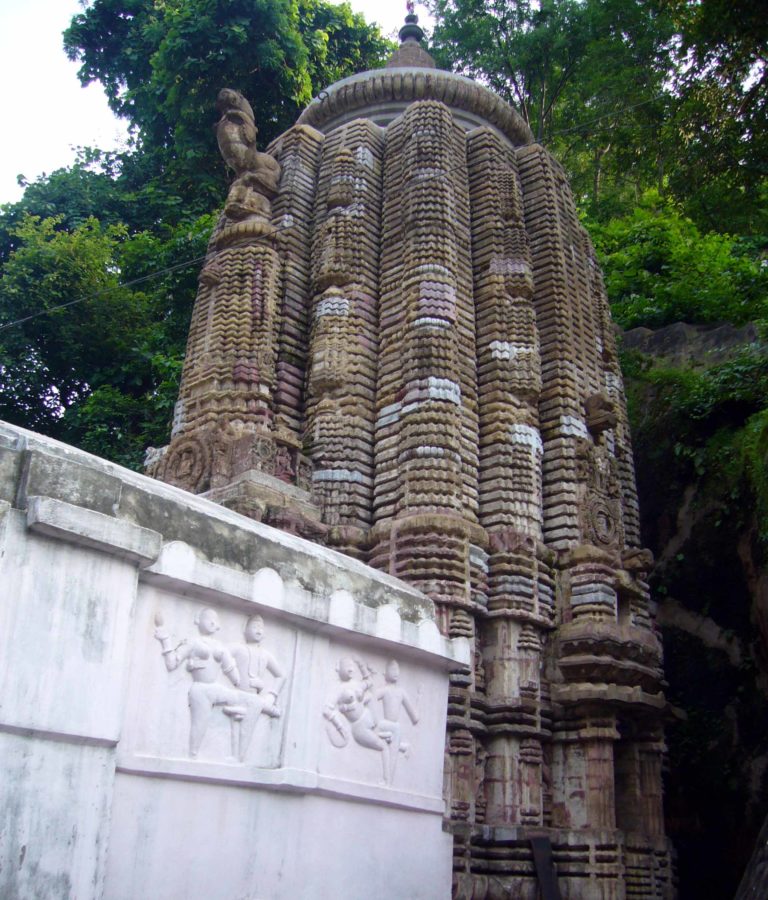
ନାଗ ବଁସର ୨୭ତମ ରଜା ଫତେନାରେନ ଦେଓର ସାସନ ବେଲକେ ରାଜଧାନି ନ ମାହମାରି ଫଏଲିଥିଲା । ଆର ତାକର ୨ୟ ପୁଓ ସେଥିର ସିକାର ହେଇଥିଲା ବେଲକେ ବଡଖା ପୁଓ ଉଦିତ ପ୍ରତାପ ଦେଓର ହାଲତ କେତନି ଖରାପ ଥିଲା । ବିସାସ କରାଜାଏସି ଜେ ରଜା ପରେ ଦେବି ନ ବଦିଆଁ କରଲେ କି ସେ ଠିକ ହେଇଗଲେ । ୧୮୫୦ରେ ରଜା ତାକର ରାଜଧାନି ଭଂଡେସିରପାଟନା (ଭବାନିପାଟନା) କେ ଉଠେଇ ନେଇଥିଲେ ଆର ୧୮୫୨ରେ ଫତେନାରେନ ଦେଓ ମାନିକେସରି ମନ୍ଦିର ବନେଇଥିଲେ । ଫେର ପଛେକା ୧୯୩୫ରେ ବ୍ରଜମୋହନ ଦେଓ ବଢେନି ବଢେ ମନ୍ଦିରଟେ ବନାଲେ ଜେନଟାକି ରଜାଘରର ଘରକେ ଲାଗିକରି ଅଛେ । ଇ ରେଖା ଦଉଲ ଢାଁଚାରେ ବନାଲା ମନ୍ଦିରର ଉଁଚା ୬୫ ଫୁଟ ଅଛେ । ସାଂଗେ ଗୁଟେ ମଣ୍ଡପ ଆର ପୁଜା ପାଟ କରବାର ଲାଗି ବାରଣ୍ଡାଟେ । ଖମାମାନକୁ ଉଠାଲା ମଣ୍ଡପନେ ଦସମହାବିଦ୍ୟ ଆର ପ୍ରକୃତିର ଚିତ୍ରରେ ସଜା ହେଇଥିଲା । ଇହାଦେ ସେ ସବୁ ନକସାନ ହେଇଗଲା ନ । ମଣ୍ଡପରେ ଛ ଧାଡିର ଖମା ଅଛେ ଆର ଧାଡିକ ଛ ଟା ଖମା ଅଛେ । ବୁଢାରଜାକେ ପାସ୍ୱର୍ ଦେବତା ହିସାବେ ମନ୍ଦିରର ଉତର ଦୁଆର ନ ପଦିସ୍ଟା କରା ହେଇଛେ । ଆର ତିନଟା ରେଖା ଦଉଲ ଅଛେ; ମନ୍ଦିରର ଉତର ଆଡକେ ବୈସ୍ନବି, ପସଚିମକେ ନରସିଂ ଆର ଦଖିଣକେ ବରାହି ।

ମାନିକେସରିର ଚିତ୍ର ପ୍ରତିକ ବିଗ୍ୟାନକେ ପଢଲେ ଜନା ଜାଏସି ଜେ ସେଟା ବିନ ମୁଡିଏନ ଆଏ ଆର କାଲିର ଏକାଖ୍ୟର ମଂତ୍ରଥି ପୁଜା କରାହେସି । ଭବାନିପାଟନା କେ ଛାଡିକରି ସାନ ଖେମୁଂଡି, ପାରଲା ଖେମୁଂଡି, ସୋନପୁର, କାସିପୁର, ଥୁଆମୁଲ ରାମପୁର, ଜୁଗସେଇ ପାଟନା ଆଦିନେ ମାଣିକେସରି ପୁଜା କରାହେସି ।
ମାନିକେସରି ଦେବି ଆଦିବାସି ଆର ଅନଆଦିବାସି ସଂସ୍କୃତିର ଗୁଟେ ମେଲ ଆଏ । ସ୍ତମ୍ଭେସରି କି ଖମପୁଜା ଆର ଇହାଦେର ମାନିକେସରି ଭିତରେ କେତନି ସମାନତା ଅଛେ । ମାନିକେସରି ଦେବିର ବି ମୁଡ ନେଇଁନ ଆର ଦିହଁଟା ଗୁଟେ ନଲି ଆକୃତି ତାର ଉପରେ ମୁଡଟେ ଖଂଜା ହେଇଛେ ଆର ଦିହଁଥି ଅଲଂକାର ଆର କପଡାରେ ଢଁପା ହେଇଥିସି ।

ଫି ବଛର ମୁଲାସ୍ଟମି ଦିନ ଦେବିର ମାଟିର ମୁଡ ବଦଲା ହେସି । ନୁଆଁ ମୁଡଥି ରତ୍ନ ଆର ଧାତୁ ଭରିକରି ଜୁହ୍ନା ମୁଡକେ ବଦଲାହେସି । ମନ୍ଦିର ଲାଗନୁ ଥିବାର ପୁରୁସୋତମ ସାଗରନେ ଅଧରାତି ଲୁକନ୍ୟା ପୁଜା ପାଟ କରି ଜୁହ୍ନା ମୁଡକେ ଉହଲେଇ ଦିଆହେସି ।

ଉତର ଦୁଆର ନ ଥିବାର ପାସ୍ୱର୍ ଦେବତା ବୁଢାରଜାର ମନ୍ଦିର ବି ବଛରକ ଥରେ ମହାଅସ୍ଟମି ଦିନ ଖୁଲାହେସି ଆର ପୁଜା କରାହେସି । ବୁଢାରଜା ନ ପୁଜା କଲା ପରେ ମାନିକେସରିର ଛତର ଜେନାଖେଲ ଲାଗି ଉଠସି ଆର ନମିଁ ର ସକାଲୁ ଛତର ଫିରସି ଜେନଟାକି ଛତର ଜାତରା ବଲି ନାଁ କରିଛେ । ବୁଢାରଜା ନ ଇ ଅସ୍ଟମି ଦିନେ ନୁଆଁ ଚରା ଲାଗସି ହେତିର ଲାଗି ରଜାଘରର ଲୁକେ ଛତର ଜାତରା ସରଲେ ନଁମି ଦିନ ନୁଆଁ ଖେସନ ।

କଂଧମାନେ ମାନିକେସରିକେ ତାକର ଦେବତା ଧରଣିପେନୁ ର ବୁହେନ ବଲି ମାନସନ । ସେଥିର ଲାଗି ସେମାନେ ଗାଏସନ:
ଜୁହାର ଜୁହାର ମାନିକେସରି ମାଁ ରାଏଜେ ମାହାରାନି
ସାୟବାନି ମାହାନ, ଲାୟବାନି ମାହାନ, ଧରଣି ସାନ ବହନି

ମାଁର ପୁଜା ଅସ୍ଟମି ନୁ ମୁଲ ହେଇକରି ଦସମିତକ ଚଲସି । ଅସ୍ଟମିର ସଂଧି ପୁଜା ସରଲା ପରେ ଛତର ଉଠସି । ଘୁମରା ନିସାନ ଆର ଘଁଟ ବଜା ସାଂଗେ ଦୁଲକି ଜଉଥିସି ଜାତରା ଠାନ । ଲାଖ ଲାଖ ଭକ୍ତ ନିଜର ମାନସିକ ଆର ବଦିଆଁମାନେ ଦେବାର ଲାଗି ଭିଡ ହେସନ ହେ ଦିନେ ।

ସାକେତ ଶ୍ରୀଭୁଷଣ ସାହୁ

ଦାଦନକେ ନେଇକରି ନାଟକ ଜେତେ: କେସରଂଜନ ପ୍ରଧାନ

0

ଭରତ ମୁନିଙ୍କର ଆଂଗିକ ବାଚିକ ସିନେ ବୁଝି ହଉଥିଲା, ସାର ଇ ସ୍ଟାନିସଲାଭାସ୍କି କଥା କହି ବସଲା ଉତାରୁଁ ସବ ଗଡ଼ବଡ଼ । କଳାକାର କେନ୍ତାକରି ଚରିତ୍ର ହେବା ତାର ବିସେଥିଁ ଚର୍ଚ୍ଚା ମୁଲ ହେଲେ କି ରିଏଲସେଲ ବି ବଏନ୍ଦ ।

କାଂଚନ ତ ଆଏଜକାଏଲ ହେଥିର ଲାଗିଁ ଡେରିଥିଁ ଅଉଛେ । ନାଟକ କରମା ଠିକ, ହେଲେଁ ଇ ସବୁ ଦିନ ଏନ୍ତା ଥିଓରି ପଢ଼ା କିଏ ପାରେ! ଇସ୍କୁଲଥିଁ ଛୁଆକର ଝିକଝିକ, ଘରେଁ ନାଟକ କରୁଛେ ବଲିଁ ଗାଲି ଝଗର, ସେଥିଁ ଫେର ସ୍ଟାନିସଲାଭାସ୍କି ।

କଳାକାର ଚରିତ୍ରଟେ ହେବାରଟା ଗହନ କଥା ପରେ । ପହେଲା ତ ଜଧର୍ପି -ଜଧର୍ପି ଥିଁ ଜାଦୁ ରହେଲା-ଜଧର୍ପି ତମେ ସେ ଚରିତ୍ର ହେଲ, ରଜା ହ କି ମନତିରି, ଲାଖପତି ହ କି ମଗତିରି –କାଣା ହେବା ତମର ଚାଲିଚଲନ, ରହନସହନ, ସେ କଥା ବୁଝ । ବେଲେଁ ସେ ଚରିତ୍ର ବିସେଥିଁ ପରେ ଜେତେ ପାର ସେତେ ଜାନବ । ତେତକର ପରେ ତାର ବାଗିର ବେଭାର କରବ, ଉଠବ, ବସବ, ଖାସବ ।

ଇନ ଫେର କଥାଟା ହେଲା- କଲାକାର ଚରିତ୍ର ଜେନ ହେବା, ଧର ଜେ ରଜା ହେବା, ତ ରଜାର ଲେଖେଁ ବେଭାର କରବା ପବଲିକ ସାମନେଁ, ହଜାର ଜୁଡ଼ା ଆଖିର ଆଗାଡ଼େ । ଗହଦି ଜିବା, ଗୋଡ଼ହାତ ଥରବା, ମୁଡ଼ ଭାଏଁ ଭାଏଁ କରବା । ତ କଲାକାର ନିଜର ଦିହିକେ, ମନକେ ନିଜର ଆଏତେଁ ରଖବାକେ ସାଧନା କରବା ।

କଲାକାର ତମେ ନିଜେ । ଆପନାର ଭିତରର ଲୋକ । ଚରିତ୍ର ତ ବାହାର ଲୋକ । ହଜାର କୋସ, ହଜାର ବଛର ଧୁରିଆ ଲୋକ । ସେ ମେସିଜିବା କଲାକାର ସହେତେଁ । କଲାକାର ନିଜର ଭିତରେଁ ଚରିତ୍ରର ଜିବନ୍ୟାସ ଦେବା । ତ ସେ ଚରିତ୍ର କି ସେନ୍ତେଇ ଚରିତ୍ର ଆଖେ ପାଖେ ମିଲିଗଲେ ବନେ । ନିଜର ସେନ୍ତା ଅନୁଭବ ଥିଲେ ତ ଆହୁରି ବଢ଼ିଆ ।

ଏସୁର ଦାଦନ ଉପରେଁ ଆମର ନାଟକ । ଦାଦନ ଗଲା କେନସି ଭୁଆସେନଟେ ସହେତେଁ କାଂଚନକେ ମେସବାକେ କୁହା ହେସି । ଆମର ଝନାଦୁ ରେଲେଁ ତ ଭାଇଜାଗ ତକ ଜାଏସନ ଗୁଟେ ପାଟି ସାଂଗେ । ଝନେ ତ ସରଦାରଟେ ସାଂଗେ ଦିନାଦୁ ବୁଲସି । ଆର ଝନେ ଇକନମିକ୍ସ ଆଜ୍ଞାଙ୍କରନୁ ଲେବର ମାଇଗ୍ରେସନ ଉପରେ ଦିନାଦୁ ଟ୍ୟୁସନ ନେସି । ବନିହାନ କେସ ହିସ୍ଟ୍ରି ଆମରନ ଇହାଦେ । ସାର ସ୍କ୍ରିପ୍ଟ ଲିଖସନ । ସାବିତ୍ରି ସତ୍ୟବାନ ।

ସାବିତ୍ରି ସତ୍ୟବାନ । ପୌରାଣିକ ନାଁ ସିନେ । ହେଲେଁ ଇ ସାବିତିରି, କୁସଲ ଦେସର କସି କୁଇଲି, ବୁପରି ଖଟି ଆଏସିକି ଦାଦନ ଖଟି ଜାଏସି । କାଂଚନକେ ସାବିତ୍ରି ଚରିତ୍ରକେ ଫୁଟାବାକେ କୁହା ହଇଛେ ।


ଦାଦନ ଉପରେଁ ନାଟକ କରବାର କାରଣଟା ଇହାଦେ ସିନେ ଜନା ପଡ଼ିଛେ । ଦିଲ୍ଲିର ନାଆଁକରା ଏନ.ଜି.ଓ. ଟେ ଦାଦନ ଉପରେଁ କାମ କରୁଛେ । ଆମର ଫାଲର କଥା ଆମର ଇନର କଲାକାରମାନେ ନାଟକଥିଁ ଦେଖାଲେଁ ବନେ ହେବା । ଗୁଟା ତିରସେ ସୋ ହେବା ଉଡ଼ିସାନ । ଦିଲ୍ଲି ଆର ମୁମ୍ବାଇନ ଗୁଟେ ଗୁଟେ ସୋ ହେବା । ପିଲାମାନେ ବନେ ମାତିଛନ । ଏତେ ବଢ଼ିଆ ଚାନ୍ସ ।

ଆଏଜ ଦିଲ୍ଲିବାଲା ଏନ.ଜି.ଓର ଡାଏରେକ୍ଟର କାଏଁ ମାଥୁରଟେ ଆସୁଛେ । ସେ ରେକୋମେଣ୍ଡ କରିଦେଲେଁ ହେଲା । ସହରର ଜେତେ ଭଲ ବେବେସ୍ତା ହଇପାରେ ସାର କରିଛନ । ଫେର ବି କିଏ ଜାନେ! ଆମକେ ନର୍ଭସ ନେଇଁ ହେବାକେ ଥରଦୁଏ କହେଲେ କି ଅ।।ମେ ଜାନଲୁଁ ମାଥୁରର ମର୍ଜି ଉପରେଁ ସବ ନିର୍ଭର କରୁଛେ ।
ତ, ମାଥୁର ପନ୍ଦର ମିନିଟ ଦେଖବା ଆର ଘଡ଼େ ଚରଚା କରବା । କେନସି ସିନଟେ ଦେଖେଇଦେଲେଁ ଚରଚା ବେଲକେ ସାର ଚଲାବେ ନ ।

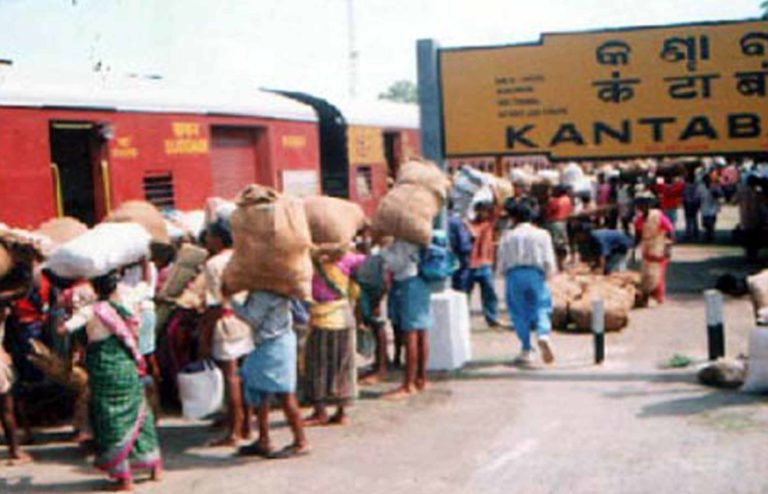
ହେନ୍ତା ଭି ବନେ ଗୁଡ଼ାଦୁ ସିନ ଆମରନ ରେଡ଼ି ଅଛେ । ଦାଦନ ଲାଗିଁ ପଏସା ଏଡ଼ଭାନ୍ସ, ରେଲ ଟେସନନ ଦଲାଲ ମାନକର ହରକତ, କେନ ନାଁ ନାଇଁ ଜାନଲା ଠାନେଁ କୁଟୁମ ବସିଆ ଜାଇକରି ରହେବାର ସିନ, ଇଟ ଗଢ଼ବାର ବେଲର କାଦୋ ଚିଖଲ, ଭାଟିର ଜୁଏଥିଁ ଜଲବାର ସିନ, କି ସେଠାନୁ ଫିରଲା ବେଲର ସିନ…
କ୍ଲାଇମେକ୍ସଟା ଦେଖାମା । ସାର କହେଲେ । ଡାଏଲଗ କମ ମ୍ୟୁଜିକ ଜାଦା ଅଛେ, ଏକସନ ଅଛେ, କାଂଚନର ରୋଲ ଉପରେ ସବୁ କଥା । ସାଂଗେ ସାଂଗ ସବ ଲାଗିଗଲେ । କାଂଚନ ସାଢ଼ି ପିନ୍ଧଲା । ପିଲାମାନେ ରେଲ ଟେସନର ଆଭାସ ଦେବାକେ ବ୍ଲକମାନକେ ସଜାଲେ । ପୁଜା ମୁଲ କଲେ ସାର । ନଡ଼ିଆ ପିଟଲେ ସମଲେଇର ନାଁଥିଁ ।
କଲାକାରର ମନ ପରେ ଏନ୍ତା ନଡ଼ିଆ ଲେଖେଁ । ବୁରୋ ଆଁଠି ନହେ । ବରକସ ଖରକସ । ଜାହିଁ ତାହିଁ ଜେନ୍ତା ତେନ୍ତା ଫିକି ଦିଅ । ଚିନ୍ତା ନି । ହେଲେଁ ଫଟେଇ ଦେବ କି ମଧୁର ଧାର, ସୁଆଦ ସସ ।


ଦିଲ୍ଲିବାଲା ମାଥୁର ଆଏସି କି କ୍ଲବ ଆଗାଡ଼େ ଛନେ ରହି ଜାଏସି । କେମରା ବାହାର କରସି । ଗୋଲ କରି ସଜା ହେଲା ଚପଲ ମାନକର ଫଟୁ ନେସି । କହେସି-ଚପଲକେ ଫୁଲ ଲେଖେଁ ସଜେଇ ପାରୁଛନ ଜେନ କଲାକାର ସେମାନକୁ ସଲାମ । ମାଥୁର ବସସି ତାକେ ଦିଆହେଲା କୁରସିଥିଁ । ବସସିକି ଠାଡ଼ ହେସି । କୁରସିର ଫଟୁ ନେସି । ସାର ବୁଝାସନ, ଫିକା ହେଲା ସ୍କୁଟର ଟାଏରଥିଁ ମଖମଲ କପଡ଼ା ଲଗେଇକରି ପିଲାମାନେ ବନେଇଛେ ଆସନ ସବୁ । ମାଥୁର କହେସି, ବାଃ..ବେସ୍ଟ ଫ୍ରମ ଦ ୱେସ୍ଟ ।

ମାଥୁର ରିଏଲସେଲ ଦେଖବାକେ ଆର ତ ନାଇଁ ଚାହୁଁଥେଇଁ, ସାର କହେଲେ, ପିଲାମାନେ ଚରିତ୍ର ଭିତରେଁ ଅଛନ । ଦେଖମା । ସିନ ମୁଲ ହେଲା । ରେଲ ଟେସନର ଏନାଉନସମେନ୍ଟ । ଦାଦନ ଏକ୍ସପ୍ରେସ ଆଉଛେ । ସାବିତ୍ରି ସତ୍ୟବାନ ଆଏସନ । କେନୁ ଆଇଛନ, କେନକେ ଜିବେ, ଜନା ନାଇଁ । ଠାଡ଼ ହଇଛନ ରେଲକେ ଟାକିକରି । ଚୁପଚାପ ଦୁହେ ଦୁହିକୁଁ ଦେଖୁଛନ । କ୍ଲାସିକାଲ ରାଗଥିଁ ଆଲାପ । ଢ଼ୁଲର ପାରଥିଁ ଆଉଛେ ରେଲ ।

କାଂଚନ ସାବିତ୍ରି ହଇଜାଇଛେ ଆର ଆମର ଜଗ ସତ୍ୟବାନ । କଲାକାର ଆର ନାଇଁ ନ । ଚରିତ୍ର ଖାଲି । ଚୁପଚାପ । ପଦେ ବି ଡାଏଲଗ ନାଇଁ । ଫେର ବି କେତେ ଦିନର ଦୁଖ ବାରି ହଉଛେ ତାକର ମୁହୁଁ । ମାଥୁର ଠାଡ଼ ହଇଗଲା । ଆଖିର ପାଏନ ତାର ଛଲଛଲ । ରେଲ ଅଉଛେ ଢ଼ୁଲର ପାରେଁ । ହେଲେଁ ବିଜଲି ଲେଖେଁ ମଲକି ଗଲା କାଣା । ସାବିତ୍ରି ସତ୍ୟବାନ ଚହଲି ଗଲେ । ନିଜର ଠାନେଁ ଇଆଡ଼ ସେଆଡ଼ ଦେଖଲେ । ନିଜର ଅଜାନତେ ଡରହେଁ ମରହେଁ ଦୁହେ ସରପଟି ଗଲେ ।

ଭାଗତା ହେ ସାଲେ ଲୋକ..ଘିଡ଼ଘିଡ଼ ସବଦ । କେତେ କାଣା ଗାଲି ଝଗର । ବଜାଥିଁ କେକୋଫୋନି । ଚାଏର ଝନ ଘେରିନେଲେ ଦୁହିକୁଁ । ଝନେ ସାବିତ୍ରିର ପାସକେ ପହଁଚିଲା କି ଝାନିଝୁନି ହେଲା ସତ୍ୟବାନ । ଝନକର ଢେଟୁଁକେ ଧଏଲାକି ତାର ହାତର ଚକୁ ଝଲମଲ କଲା । । ଆର ଝନକର ହାତେଁ ବନ୍ଧୁକ । ଚେନ, ଭୁଜାଲି । ଦିବ୍ୟର ବଜା, କେକୋଫୋନି ଆର ଢ଼ୁଲର ପାରେଁ ରେଲ ।

ଗଛ କାଟଲା ବାଗିର ସତ୍ୟବାନ ତଲେଁ ପଡ଼ିଛେ । ସାବିତ୍ରି ନର୍ଦିଲା ତାରନିକେ । ଭଉଁରି କାଟୁଛନ ଚାଏରଟା ଜମ ଦୁତ । ଚକୁ, ଭୁଜାଲି, ଚେନ,ବନ୍ଧୁକ କିନ୍ଦରୁଛେ ସାବିତ୍ରି ଆର ସତ୍ୟବାନର ଚାରହି ଆଡ଼େଁ । ସତ୍ୟବାନର ରକତଥିଁ ସାବିତ୍ରିର ହାତ ଲାଲ ଦିସସି । ଦୁଲଦୁଲି ବାଜସି । ଭରନି ପାର ।

ସାବିତ୍ରିର ଆଏଁଖଥିଁ ଜୁଏ ଚହଟି ଜାଏସି । ଠାଡ଼ ହେସି ମା ମହାମାୟି । ପାହା ପଡସି ତ ଧରତି ଦୁଲକି ଜାଏସି । କିକାନ ଦେସି ତ ସତୃର ରକତ ସୁଖି ଜାଏସି । କେନ ସକତିଧରି କରି ଉଭରସି ସାବିତ୍ରି ଜେ ଚାରହି ଜମଦୁତ ଫଟୁ ଲେଖେଁ ଠାଡ଼ ରହେସନ । ହଲଚଲ ନାଇଁ । ନାଚି ଦେସି ଜେ ଜମଦୁତମାନେ ଜିବନ ଆକୁଲେଁ ଗଦବଦ ହେଇ ଜାଏସନ । ସାବିତ୍ରି ସତ୍ୟବାନକେ ଫିରେଇ ଆନସି ।

କେନ ରଖିଥିସି କାଂଚନ ଏତେ ଏନର୍ଜି ଠାଡ଼ ହେଲେ କି ଦୁର୍ଗା ଲେଖେଁ ଦିସସି । ଚରିତ୍ରର ତାକତ କି କଲାକାରର ତାକତ କିଏ ଜାନେ, ସତର ତାକତ କି ଟେକନିକର ତାକତ କିଏ ଜାନେ, ଇ ସିନଥିଁ ବିଜଲି ଖେଲି ଜାଏସି ।

ମାଥୁର ଦିଲ୍ଲିବାଲା ତାଲି ମାଏଲା ଜେ ମାଏଲା ଜେ ଆମେ ଜାନଲୁ ଆମର କାମ ବନିଗଲା । ମାଥୁର ବେଗ ଭିତରୁ ପେକେଟ ଜୁଡ଼େ ବାହାର କଲା । କାଂଚନ ଆଗାଡ଼େ ଥୁଇଲା । ବଏଲା, ଥେଙ୍କ ୟୁ ବେଟି ।

କାଂଚନ ସାବିତ୍ରି ଚରିତ୍ରନୁ ନାଇଁ ବାହାରି ଥାଇଁ । ପେକେଟ ନାଇଁ ଛିଁଇଲା । କିଛି ନାଇଁ କହେଲା ।

ମାଥୁର ସାରଙ୍କୁ କହେଲା, ଓକେ । ବଏଜ । ଦିଲ୍ଲିନ ଦେଖା ହେବା ଫେର ।

ଆମେ ସବ ଗୋଲ ହେଇକରି ଠାଡ଼ ହେଲୁଁ । କାଂଚନ ତ ବି ବସିଥାଏ । ଜଗ ଉଠବାକେ ଇସାରା କଲା ତାକେ । ସାର ମନା କଲେ । ଆମେ ଜାନଲୁଁ, ଏବ ତକ କାଂଚନ ଚରିତ୍ର ଭିତରେଁ ରହେବାଟା ବି ଗୁଟେ ସ୍ପେସାଲ ଇଫେକ୍ଟ ।

ମାଥୁର ବଏଲା, ଦାଦନ ସମସ୍ୟାର ସମାଧାନ ଲାଗିଁ ଇ ନାଟକ ବନେ କାମ ଦେବା । ରୋଲ ଅଫ ଓମେନ ଇନ ଦାଦନ ଗୁଟେ ବଡ଼ କଥା ଇ ନାଟେଁ । ସାବିତ୍ରି ସତ୍ୟବାନ ମିଥ -ଫାନ୍ଟାସ୍ଟିକ । ସାରଙ୍କୁ କହେଲା, କିଛି ପେପର ସାଇନ କରବାର ଅଛେ । ହୋଟେଲକେ ଜିମା ।

ସାର ଆର ମାଥୁର ଜିବାର ଉତାରୁଁ ମୁଲ ହଇଗଲା ଆମର ରଡ଼ା କିର୍ଲା । ଝନେ କାଂଚନ ଠାନୁ ପେକେଟ ଆନଲା । ବଏଲା । ମିଠା ବୋ ।
କାଂଚନ ତ ବି ସାବିତ୍ରି ହଇଛେ । ଆମେ କହେଲୁଁ । ଚେଂଜ କରବୁ ତୋର ସାଢ଼ି କେଁ?
ଭକୁଆ ବାଗିର ଦେଖଲା ଖାଲି କାଂଚନ । ସବ ଫେର ଗୋଲ ହଇକରି ବସଲୁଁ ।
ଆନ ବୋ ମିଠା ଆନ । ନେ କାଂଚନ, ଖା ।
କାଂଚନ କହେଲା, ଦିଲ୍ଲିକା ଲଡ୍ଡୁ ତମେ ଖ ।
ଇ ବୁଆ ତୋର ଲାଗିଁ ତ ମିଲଲା ଇ ମିଠା । ଆଏଜ ଜେନ ଏକ୍ଟିଂ । ଆରେ.. କାଣା ହଇଛେ ତୋର । ସୋ ସଏଲା । ଏତକର ..
କାଂଚନ କହେଲା, ସୋ ସରିଥିବା । କଥାନି ନାଇଁ ସରି ।
ତୁଇଁ କଥାନି କହ ସିନେ, ଆମେ ମିଠା ଖାଉଛୁଁ ।
ସେମାନେ ମୋର ସାମନେ ମାରିଦେଲେ ମୋର ସତ୍ୟବାନକେ ।
ଆରେ ଇଟା ତ ସାବିତ୍ରିର କଥା । କାଂଚନ! ରିଏଲସେଲ ସଏଲାନ..
ମଲା ସତ୍ୟବାନକେ ରେଲେଁ ଧରିକରି ମୁଇଁ ଆଏଲିଁ ବଲାଂଗିର ।
କଲଜା ଟିକଟିକ ହଇଜାଇଛେ କାହାର…ମୁଇଁ .. କାଂଚନ । କାଣା କହୁଛୁ? ସାବିତ୍ରି ସିନେ..
ତେତକର ସୁନ..ଗାଁନ..କାମ କାରଜ ବେଲକେ କିଏ ଗୁଟେ ପେପରଥିଁ ବହରେଇଦେଲା ଇ କଥା । ନୁଆଁ କଲେକ୍ଟରଟେ ଆଇଥେଏ । ସେ ଲାଗିପାଗି କରି ସେ ରାକ୍ଷସମାନକର ପତା ଲଗାଲା । ଫଟୁ ଦେଖାଲେ ମତେ । ଚିହ୍ନଲି ସମକୁ । ପୁଲିସ ପକଡ଼ିଲା ସମକୁ ଗୋଟଗୋଟ କରିଁ ।
କଥାନି ସିମ୍ପଲ ଏ ବୋ.. ବଏଲା ଜଗ । ସେମାନକୁଁ ଜେଲ ହଇଥିବା ଆର କାଣା?
ଜେଲ ହଇଥିତା..ହେଲେଁ କୋଟ କଚରି ହେଲା ବେଲକେ ମୁଇଁ ଆର ନାଇଁ ପାରଲିଁ । ବୟାନ ବଦଲିଗଲା ମୋର । କହେଲିଁ ସତ୍ୟବାନକେ ମେଲେରିଆ ହଇଥିଲା । ଇମାନେ ଚାରହି ଝନ ଧରମକାରି ମତେ ହଜାରେ ହଜାରେ ଦେଲେ ଆର ରେଲେଁ ବସେଇ ଦେଲେ ।
କାଁଜେ ଏନ୍ତା କହେଲୁ?
କଲେକ୍ଟର ଭି ପଚରାଲା ମକେ, କାଁଜେ ଏନ୍ତା କହେଲୁ? ସେ ନାଇଁ ବୁଝଲା ସିନେ । ତମେ ମାନେ ଭି ନାଇଁ ବୁଝବାର କାଁଜେ ବଦଲିଗଲା ମୋର ବୟାନ ।
ଜିବନ ତ ନାଟକ ନହେ ଜେ ଭରନି ପାରେ ବାଜିଗଲେଁ ସାବିତ୍ରି ଦୁର୍ଗା ପାଲଟିଜିବା ଆର ଭୁଜାଲି ବନ୍ଧୁକ ସାଂଗେ ଲଢ଼ିଜିବା । ଜିବନ ସରଲ କି, ଇ ନାଟକର ହେ ସମାଧାନ ସରଲ?
ଏନ୍ତା ସରଲ ସମାଧାନଥିଁ ତାଲି । ଆର ତାଲି ମାରିନେଲେଁ ସାବିତ୍ରିର ଦାଦନ ଜିବାରଟା ବଏନ୍ଦ ହଇଜିବା ବଲିଁ ତମେ ଭାବୁଛ । ସାର ଆର ମାଥୁରମାନେ ଭାବୁଛନ!
ତାଲି ମାଏଲେଁ ପାଟି ଖାଲି ଦିଲ୍ଲି ଜିବା କାଏଁନ । ସବ ଚୁପ ।
କାଂଚନ କହେଲା, ପଚର, ତେତକର କାଣା ହେଲା?
କାଣା ହେଲା? ସାହସ କରି ପଚରାଲା ଆମର ଭିତରୁଁ କିଏ ଝନେ ।
ମୁଇଁ ମୋର ଦିଅରକେ ବିହା ହେଲିଁ ଆରେ ବଛରେଁ । …ଆରେ ପଚର ତେତକର କାଣା ହେଲା? ତମେ ଦିଲ୍ଲି ଜ.. ହେଲେ ଇଟା ତ ଜାନିକରି ଜ..
କାଣା?
ଆରେ ବଛରେଁ ନୁଆଁ ସତ୍ୟବାନକେ ନେଇକରି ମୁଇଁ ସାବିତ୍ରି ଫେର ଇଟ ଗଢ଼ବାକେ ଗଲିଁ ।

(୩୦.୭.୨୦୦୯ ଆକାସବାଣି ସମଲପୁରନୁ ସରଗତରାଥିଁ ପ୍ରଚାରିତ ।)
କଲେଜ ରୋଡ, ପଦମପୁର ବରଗଡ

ବୁଲାକିର ଡାଏରି ନୁ ନରସିଂନାଥ

0

ନରସିଂନାଥ ଜିବନରେ ମୁଇଁ ପାଁଚ ଥର ଖଣେ ଜେଇଛେଁ ହେଲେ ଆଘନୁ କେଭେ ହେ ପ୍ରକାର ଅନୁଭବ ନେଇଁ ହେଇ ଜେନ୍ତା ଆଏଜ ଲାଗୁଥିଲା । ଗୋକୁଂଡ ଘାଟ ସୁଖି ଗଲା ନ, ଚାଲଧାର ର ଆର ସେ ଡରଡରନିଆ ରୁପ ନି ଦିସବାର; ସବ ସଁକରି ସଁକରି ଜେଇଛନ ଜେନ୍ତା । ମଂଦିର ଲାଗନୁ ଡଂଗରର ପଖନକେ ଟାମଡି ଦେଖଲେ ଲହଁସି ଆସି କରି କାନେ କଲେ କଲେ ଫିସିର ଫିସିର କରି କେତେ ଦିନର ଦବେଇ ରଖଲା କଥାମାନେ କହୁଥିଲେ…

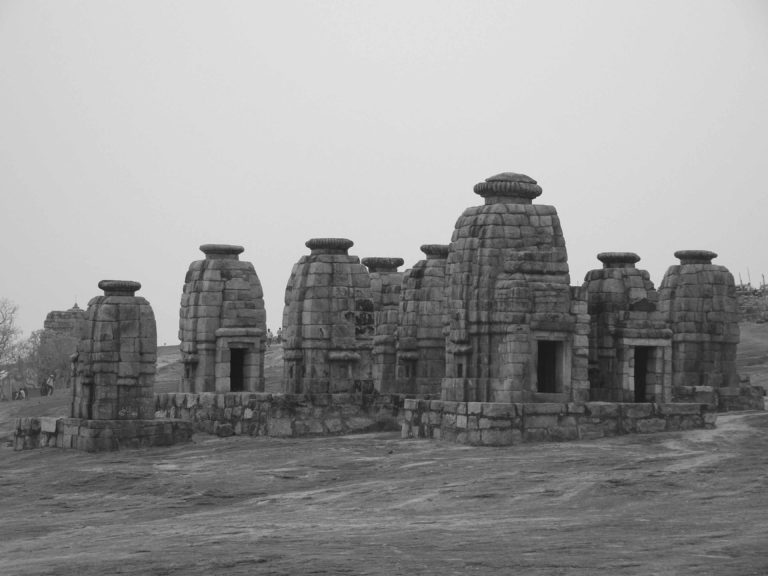
ନରସିଂନାଥ ହମିସା ଇତିହାସ, ପୁରାତତ୍ୱ ନୁ କଲା, ସଂସ୍କୃତି ର ଗବେସକ, ଚିନ୍ତକମାନକର ସାଂଗେ ଲାଖ ଲାଖ ଭକ୍ତ, ପ୍ରକୃତି ରସିଆମାନକୁ ବି ଘିଚୁଛେ । ନରସିଂଗନାଥ ପିଠକେ ଚାର୍ହିକୁତି ଘେରିଛେ ବହଲ ସାଗୁଆ ଝାର ଆର ଡଂଗର । ପଦମପୁର ସହରୁଁ ୩୨ କି.ମି. ଦୁରିଆ ଦଖିଣ-ପସଚିମକେ ଅଛେ ମାର୍ଜାର କେସରିର ପିଠ । ନରସିଂ ମାହାପୁରୁର ସାଂଗେ ଏକେ ନାଁ ‘ନରସିଂନାଥ ଡଂଗର’ ୨୦୦୦-୩୦୦୦ ଫୁଟ ଉଁଚା ତକ ଉଠି କରି ଅଛେ ପୁରାଣ ପ୍ରସିଦ୍ଧ ଗଂଧମାର୍ଦନ ପର୍ବତମାଲା ଭିତ୍ରେ; ତାର ପାହା ତଲେ ତଲେ ନରସିଂ ମାହାପୁରୁର ମଂଦିର । ନରସିଂନାଥ ମଂଦିର ନୁ ଡଂଗର ବାଟେ ବାଟେ ଗଂଧମାର୍ଦନ ପାହାଡମାଲା ଦେଇ ୧୮ କି.ମି ଗଲେ ପଡସି ହରିସଂକର । ସେ ବାଟେ ପଡସି ମନକେ, ଦିହିଁକେ କାଁକର କରିଦେବାର ଝରନମାନେ; ଚାଲ ଧାର, ଭିମ ଧାର, ପାଂଡବ ଧାର, କପିଲ ଧାର ।

ଇତିହାସ କହେସି ନରସିଂନାଥ ମଂଦିରକେ ବୈଜଲ ଦେବ – ୧(୧୪୧୦-୧୪୩୦) ସୁଭ ଦେଇଥିଲେ ୧୭/୩/୧୪୧୩ ରେ । ପଏଁଚାଲିସ ଫୁଟ ଉଁଚା ଅଛେ ମଂଦିର; ଇ କଥାର ପ୍ରମାଣ ଦେସି ୧୪୧୩ ର ଗୁଟେ ସିଲାଲେଖ । ମଂଦିରକେ ଦୁଇ ଭାଗ ଥି ବଁଟା ହେଇଚେ, ପହେଲା ଭାଗ ଥି ଅଛେ ମାହାପୁରୁର ଆସ୍ଥାନ ଆର ନବଗ୍ରହ ମୁର୍ତି । ସାଂଗେ ଅଛନ ଗଂଗା, ଜମୁନା, ନଂଦି, ଜୟ-ବିଜୟ, ବାମନ, ବରାହ, ସମହାର ନରସିଂ ମୁର୍ତି । ଆଟ ହତିଆ ଗଣେସ ଆର ସହଦେବ ଅଛନ ନବ ଦୁର୍ଗା ସାଂଗେ ଭଟା ନ । ବୈଜଲ ଦେବ ହଉଛନ ପାଟନାଗଡର ୪ର୍ଥ ଚୁହାନ ରଜା ଆର ତାକର ରାନି ବନେଇଛନ ହରିସଂକର ମଂଦିର । ନରସିଂନାଥ ନ ଭଗବାନ ବିସ୍ଟୁଁକେ ପୁଜା କଲାବେଲକେ ହରିସଂକର ନ ସିବ ମାହାପୁରୁ ପୁଜା ପାଏସନ । ଚତୁର୍ଥ ଚୌହାନ ରଜା ବୈଜଲ ଦେବ ଲୁହାସିଂଗା (ଇହାଦେର ଲୁଇସିଂଗା) ର ମାଲଗୁଜାରି ମଂଦିରର ଦେଖରେଖ ଲାଗି ଦଉଥିଲେ । ତାକର ପରେ ଭୋଜରାଜ ଦେବ (୧୪୩୦-୧୪୫୫) ନରସିଂନାଥ ପାଖେ ଗଂଧମାର୍ଦନ ପାହାଡ ଉପରେ ଗୁଟେ ମହଲ ବନାଲେ । ତାକର ନାଁ ଅନସାରେ ଲୋକ ସେଟାକେ ଭୋଜଗଡ ବଏଲେ ।

ହେଲେ ଇ ଅଂଚଲ’ର ଲୋକ କଥାନି ଥି ଇ ମଂଦିରମାନକୁ ପାଟନା ରାଏଜର ପ୍ରତିସ୍ଠାତା ରମାଇ ଦେବ ବନେଇଛନ ବଲି ସୁନବାରକେ ମିଲସି । କଥାନି ଅନସାରେ:
ଦିନେକା ଜମୁନା ବଲି ଗୁଟେ କଂଧ ଜାତିର ମାହେଜି କଂଦା କୁଡୁନ- କୁଡୁନ ଦେଖଲା ଜେ ସେନୁ ରକତ ବଜବଜଉଛେ । ଜମୁନା କଂଧେନ ଆର ତାର ମୁନୁସ ଡରହେ ସରମି ଗଲେ । ଜେତେବେଲେ ହୋସ ଆଏଲା କି ରଜା’ର ନିକେ ଜେଇ କରି ସବୁ କଥା ଗୁହାରଲେ । ରଜା ସେ ଠାନକେ ଜେଇକରି କୁଡାଲେ ଆର ମାହାପୁରୁ ମାର୍ଜାର-କେସରିର ମୁର୍ତିକେ ପାଏଲେ । ତେହରୁ ସେନ ଗୁଟେ ସୁଂଦର ମଂଦିର ବନେଇ ବଏଲେ ଆର ମାହାପୁରୁ ମାର୍ଜାର-କେସରିକେ ପୁଜା କଲେ ।

ହେଲେ ଗବେସକମାନେ କହୁଛନ ଗଂଧମାର୍ଦନ ଗୁଟେ ଧାର୍ମିକ ପିଠ ହିସାବେ ଗୁରଦୁ ପୁରନା; କମସେ କମ ଖ୍ରିସ୍ଟିଆନ ଜୁଗର ମୁଲ ଆଡର ହେବା ବଏଲେ ୨୦୦୦ ହଜାର ବଛର ପୁରନା । ବୌଦ୍ଧ ଧର୍ମ ଇ ଇଲାକା ନ ଖ୍ରି. ପୁ. ୨ୟ ସଦି ନୁ ୬ସ୍ଟ ସଦି ତକ ଜୋରସୋର ଫଏଲିଥିଲା । ସେ ସମିଆରେ ଦଖିଣ କୋସଲରେ ରଜା ଥିଲେ ସାତବାହାନ ବଂସି ଗୁତମିପୁତ୍ର ସାତକର୍ନି । ତାକର ଗୁଣି ବଂଧୁ ଥିଲେ ନାଗାର୍ଜୁନ, ମାହାଜାନ ବୌଧ ଧର୍ମର ମାଧ୍ୟମିକ ଧର୍ମନିତି ର ପ୍ରବକ୍ତା ଆର ପ୍ରଚାରକ । ସାତକର୍ନି ତାକର ବଂଧୁ ନାଗାର୍ଜୁନ ଲାଗି ପୋ-ଲୋ-ମୋ-ଲୋ-କି-ଲି (ପରିମଲଗିରି); ଜେନଟାକି ଇହାଦେର ଗଂଧମାର୍ଧନ; ଠାନେ ଗୁଟେ ଭବ୍ୟ ବିହାର ବନେଇଥିଲେ । ଇଟା ଜନା ପଡିଛେ ଚିନି ପରିବ୍ରାଜକ ହୁଏନସାଂ ଆର ଇସିଂ କର ଠାନୁ ।

ପଂଚୁ ପାଂଡବ ଘାଟ ପାଖେ ଗୁଟେ ପଖନେ ଆଟ ଖୁଟିଆ ଜୋନି-ପଟା ଆର ସାଂଗେ ସାରେ ପାହା କଟା ହେଇଛେ । ବୌଧ ଧର୍ମର ତାଂତ୍ରିକ ମତରେ ସିଦ୍ଧାଚାର୍ଜ୍ୟଂକର ପାହା ଚିହ୍ନା ପୁଜା ଚଲୁଥିଲା । ରାନିପୁର ଝରିଆଲ ନେ ବି ଇ କିସମର ପାହା ଚିହ୍ନା ଦେଖବାର’କେ ମିଲସି । ଇନୁ ବିସାସ କରାଜେଇପାରେ ଜେ ବଦ୍ଭସମକ୍ଟଦ୍ଭସମ ୟସମଗ୍ଧସକ୍ଟଦ୍ଭ ର ପୁଜା ଚଲୁଥିଲା । ଇହାଦେର ନରସିଂନାଥ ଇଲାକା ୨ୟ ନୁ ୮ମ ସଦି ଆଡକେ ଆର୍ନ୍ତଜାତିୟ ସ୍ଥରର ବୌଧ ଧର୍ମର ତିର୍ଥ, ପୁଜା ଆର ସିଖ୍ୟା ର ଠାନ ଥିଲା ।
ଇତିହାସକାର ଡୋନାଲ୍ଡସନ କର ହିସାବେ ଜଗମୋହନ ଭିତରେ ଜେନ ଚାଏରଟା ଖମ ଅଛେ ସେନୁ ଅନୁମାନ କରାଜେଇ ପାରେ ଜେ ମୁଲୁ ହେନ ଗୁଟେ ମଂଡପ ବନା ଥେଇପାରେ । ଇତିହାସକାର ପଂଡା ଇ ଖମମାନକୁ ପଢିକରି ଠାନେକେ ପାଂଡୁବଂସି ରଜା ହର୍ସଗୁପ୍ତ ଆର ରାନି ବସତା ଦେବି ବଲି ଚିହ୍ନୋଟ କରିଛନ । ସେ ଫଟୁ’ଥି ରାନି ବସତା ଦେବି ମଲା ରଜା ହର୍ସଗୁପ୍ତର ଖଟ ପାଖେ କାଂଦୁଛନ । ଆର ବି ଜନା ଜେଇଛେ ଜେ ବସତା ଦେବି ହିଁ ନରସିଂନାଥ ମଂଦିର ଭଗବାନ ବିସ୍ଟୁଁ ଲାଗି ବନେଇଛନ ବଲି । ଇନୁ ପ୍ରମାଣ ମିଲୁଛେ ଜେ ୮ମ ସତାବ୍ଦି ବେଲୁ ନରସିଂନାଥ ହିଂଦୁମାନକର ତିର୍ଥ ବନିଜେଇଥିଲା ।

ଇ ପରିପ୍ରେଖିରେ ୫ଫୁଟ ଉଁଚା ଚାଏର ମୁଡିଆ ସମଭାଗ ଭଂଗିନେ ଠିଆହେଲା ନରସିଂ ମୁର୍ତି ମିଲିଛେ ହେ ମଂଦିର ପାଖେ । ବଡା ବିରଲ ହିସାବେ ଦେଖବାରକେ ମିଲସି ସମଭାଗ ଭଂଗିନେ ଠିଆ ସ୍ଥନକ ଜୋଗ ନରସିଂଗ ମୁର୍ତି ଆଁଠୁ ତକ ଇରାନି ଜୁତା ପିଂଧି କରି । ଜେନଟାକି କୋଣାର୍କର ସୁର୍ଜ୍ୟ ମୁର୍ତିଥି ଦେଖବାରକେ ମିଲସିା

ଇଟା ବି ହେଇପାରେ ଜେ ମୁଲୁ ବୌଧ ଧର୍ମର ପିଠ ଥିଲା, ଆର ରାନି ବସତା ଦେବି ୮ କି ୯ମ ସଦିନେ ବନାଲା ମଂଦିର ଖପି ବସିଥିଲା ନ । ସେତାକେ ୧୧ସ ଆଡେ ସଜାବୁଜା କରାହେଇଥିଲା ଆର ଫେର ଘାଏ ୧୪ସ ଆଡେ ପହେଲା ଚୌହାନ ରଜା ରମାଇ ଦେବ ସଜାବୁଜା କରିଥେଇ ପାରନ । ଆର ୧୫ସ ଆଡେ ଏକଦମ ଖପି ଜେଇଥେଇ ପାରେ ଜେନଟାକେ ୪ର୍ଥ ଚୌହାନ ରଜା ବୈଜଲ ଦେବ-୧ ନୁଆଁଟି ସେ ଠାନେ ଆର ଗୁଟେ ମଂଦିର ବନେଇ ଥେଇ ପାରନ ।

ସବୁ ସଂଭାବନା ଭିତରେ ନରସିଂଗନାଥ ଦିନେକା ତାଂତ୍ରିକ-ବୌଧ ଧର୍ମର ପିଠ ଥିଲା । ସେନ୍ତା ମାହାପୁରୁ ମାର୍ଜାର-କେସରି ବି ହେଇଥେଇ ପାରନ ଗୁଟେ ତାଂତ୍ରିକ ବୁଦ୍ଧ ଦେବାଦେବିର ମୁର୍ତି ଜାହାକୁ କି ଇନର ଆଦିବାସିମାନେ ସିରଜିନାର ମୁଲୁଁ ପୁଜା କରି ଆସୁଛନ । ଇ ଖାସ ବିଲେଇ ବାଗିର ମୁଡ ଆର ସିହଁ ବାଗିର ଦିହିଁ ଥି ଗୁଟେ ଭୟାନକ ମୁର୍ତି ଦିସସି ଜେନଟା କି ତଂତ୍ର ପୁଜା ସାଂଗେ ଲେତାଗୁତା ଅଛେ ବଲି ଜନାସି । ଆର ହେନତେହି ଇ ଜାଗା ଦିନେ ତାଂତ୍ରିକ-ବୌଧ ଧର୍ମର ପିଠ ଥିଲା । ଇ ବିଲେଇ ବାଗିର ଦେବି ହିଂଦୁମାନକର ନୁହେଁ । ଇଟା କେନସି ବି ହିଂଦୁ/ଆର୍ଜ୍ୟ ଦେବାଦେବିକର ଚେହେରା ସାଂଗେ ମେଲ ନି ଖାଏ । ଫେର ଉଡିସାର ବି କେନସି ଦେବା ଦେବିକର ସାଂଗେ ମେଲ ନି ଖେ । ମାର୍ଜାର-କେସରି’ର ପୁଜା’କେ ବୈଦିକ ଜୁଗ ଆଡେ ବି ହଉଥିଲା ବଲି କହି ନି ହୁଏ; କି ବୈଦିକ ଜୁଗେ ପୁଜା ପଉଥିବାର ଦେବାଦେବିକର ଚେହେରା ସାଂଗେ ମେଲ ନି ଖେ । ‘ମାର୍ଜାର-କେସରି’ ହିଂଦୁ ଦେବତା ‘ନର-ସିଂହ’ ସାଂଗେ ସହଜେ ମେଲ ଖାଏସି । ସେଥିର ଲାଗି ମାଲତି, ମୁସିକ ଦୈତ୍ୟ, ରାବଣ, ରାମଚଂଦ୍ର ସମକୁ ମିସେଇ କରି ବୈସ୍ନବ ଧର୍ମର ପଦିସ୍ଟା ଲାଗି କଥାନିଟେ ବନା ହେଇଛେ ବାଗିର ଲାଗସି । ଜେନଟାକି ପଛେ ସମକୁ ପସନ ଆଏଲା ଆର ସବେ ବରିନେଲେ । ଦୁସରା ହିସାବେ କହେଲେ ବୌଧ ଧର୍ମ ଇ ଇଲାକାନେ ବନେ ଜୋର ଚେରେଇ ଥିିଲା ।

ଇଟା ବି ଜନା ଜାଏସି ଜେ ସୋମବଂସି ରଜାକର ବେଲକେ ବୈସ୍ନବ ଧର୍ମ ତାର ଚିହ୍ନା ହଜେଇ ବସିଥିଲା ନ ଆର ସୈବ ଧର୍ମ ସାଂଗେ ହାତ ମିଲେଇଥିଲା । ଆର ଅଠର ସ’ ପରେ ତାଂତ୍ରିକ-ବୌଦ୍ଧ ଧର୍ମ ବି ସୈବ ଧର୍ମ ସାଂଗେ ମିସରି ହେଇ ବସଲା । ‘ହରି-ହର ପଂଗତ’ ଆର ନରସିଂନାଥ ନ ସିବ ମୁର୍ତିମାନକର ନୁ ଉହାଟି ହଉଛେ ଜେ ଅନେଇସ ସ’ ସଦି ପରେ ସୈବ ଧର୍ମର ଆଦର ବଢି ବସିଥିଲା ନ । ବୋଧେ ଇ ସମିଆ ନ ତାଂତ୍ରିକ-ବୌଦ୍ଧ ଧର୍ମ ସୈବ ଧର୍ମ ସାଂଗେ ଗୁଲି ହେଇ ବସିଥିଲା ।
ଲୋକ କଥାନି କହେସି:

ଭଗବାନ ସିବ ଗୋ-ଦତ୍ୟକେ ମାରି କରି ତାର ପାପ ଧୁଇବାର ଲାଗି ଉଟୁସ ପୁଟୁସ ହଉଥିଲେ । ସେ ସମିଆଁକେ ବ୍ରହ୍ମା ତାହାକୁ ବତାଲେ ଜେ ଗଂଧମାର୍ଦନ ନ ଗଂଗା ଖଲ ଖଲ ଧାରଟେ ହେଇକରି ବୁହି ଜଉଛନ ଆର ସେନ ବୁଡଟେ ପକାଲେ ପାପ ଧୁଇ ହେସି । ବ୍ରହ୍ମାର କଥା ମାନିକରି ସିବ ସେନକେ ପଁହଚିଲେ ଆର ବୁଡ ପକାଲେ । ଆସରିଜ କଥା ଜେ ବୁଡ ପକଉନ ସାଏର କି ଦିହୁଁ ପାପ ଉତରି କରି ଉସାସ ଲାଗଲା ।

ଗଂଧମାର୍ଦନ ଇଲାକାର ମୁଲ ଅଧିବାସି; ବିଂଝାଲମାନେ ନରସିଂଗନାଥକେ ବିସେସ ମାଏନ ଦେସନ । ତାକର ମୁର୍ଦାରକେ ପୁଡେଇ ସାରି ଖାର ଆର ହାଡକେ ପଂଚୁ-ପାଂଡବ ଘାଟକେ ନେଇ ଉହଲେଇ ଦେସନ । ତାକର ବିସପାସ ଜେ ସେ ମଲା ଲୋକକେ ସରଗ ମିଲସି । ଖାଲି ବିଂଝାଲମାନେ ନେଇସେ ଆଖର ପାଖର ଛତିସଗଡନୁ ବି ଲୋକ ହେଇ ବିସପାସରେ ଆଏସନ ।

ବୈସାଖ ଚର୍ତୁଦସି ଦିନେ ମାହାପୁରୁର ଜନମ । ବୈସାଖ ଜାତ୍ରା ବଲିକରି ନାଁ’ କରିଛେ ଇ ଜାତ୍ରା । ଜନମ ଦିନ ମନାବାର ଲାଗି ମାହେଜି, ମୁନୁସ, ଛୁଆ ନୁ ବୁଢା ତକ ଚାଁଟିଧାର ବାଗିର ଲମି ଥିସନ ଲୋକ ନରସିଂନାଥ ନୁ ହରିସଂକର; ବାଟ ଦେଇ ନି ହୁଏ ହେତକି ଭିଡ । ପାଁଚ ଦିନ ଧରିକରି ଲାଗସି ‘ବୈସାଖ ଜାତ୍ରା’ ।

ନରସିଂଗନାଥ ନ ଦେଖବାର ଠାନ ମାନକର ଭିତରେ ଅଛେ ଭିମ ମଡୁଆ । ନରସିଂନାଥ ଆଡୁ ହରିସଂକରକେ ଗଲା ବାଟେ ମଂଦିର ନୁ ୧୦.୫ କିମି. ଗଲେ ପଡସି ଭିମ ମଡୁଆ । ଡେଢ ସ’ ଫୁଟ ଲମ, ପଚାସ ଫୁଟ ଉସାର ଆର ପଚିସ ଫୁଟ ଗୁହେରର ଇ ବଢେ ଜାବର ଢାଁଚା ଖାସ ବୌଧ ଗୁଂମ୍ଫାଟେ ବାଗିର ଲାଗସି ଆର ସୋର କରେଇଦେସି ହୁଏନସାଂକର ଲିଖିତ ବୌଧ ବିହାର କଥା । ଖାଲି ଜେ ଝାର, ଡଂଗର ଭରା ପ୍ରାକୃତିକ ସୁଂଦରତାକେ ଉପଭୋଗ କରବାର କି ଧାର୍ମିକ ପିଠ ନୁହେଁ ଇଟା ୫୦୦୦ ନୁ ଜହ କିସମର ଉସୋ-ଗଛ ମାନକର ବି ଘର ଆଏ । ଆର କେ’ ଜାନେ କେତେ କିସମର ଚେରେ ଚିରଗୁଁଲ, ଜିବଜଂତୁ ଅଛନ ଜେ ଅକଲନ । ସରକାର ଆର ପ୍ରସାସନ ଜେତକି ଧ୍ୟାନ ଦେବାର କଥା ସେତକି ଧ୍ୟାନ ନି ଦେବାର ବାଗିର ଲାଗସି ନେହେଲେ ଦୁଇ ହଜାର ବଛରର ପୁରନା ଏଡେ ବଡ ଧାର୍ମିକ, ସାଂସ୍କୃତିକ ଆର ପ୍ରାକୃତିକ ଧରୋହର ଜରୁର ତା’ର ପୁରନା ତେଜକେ ଫିରି ଦୁନିଆଁ ଭର ନାଁ’ କରତା । ସମୁଦ୍ରଖଏଣ ଆଡର ସରକାର ଖାଲି କେଭେ ବାଲକୋକେ କେଭେ ବେଦାନ୍ତକେ ବିକବାର ସଜବତର କରୁଛେ, ତାର ଭଣାରଘର ଭରବାର କେ ଚାହୁଁଛେ । ତାର ଝୁମରା ଭାଂଗୁ, ମାର୍ଜାର-କେସରି ନ ହେତକି ଗୁହାରି ।

ସାକେତ ଶ୍ରୀଭୂଷଣ ସାହୁ

ଡ. ଦୋଲଗୋବିନ୍ଦ ବିଶିଂକୁ କୋସଲି ବାଲ୍ମିକି ଇନ୍ଦ୍ରମଣି ସାହୁ ସୁରତା ସମ୍ମାନ

0

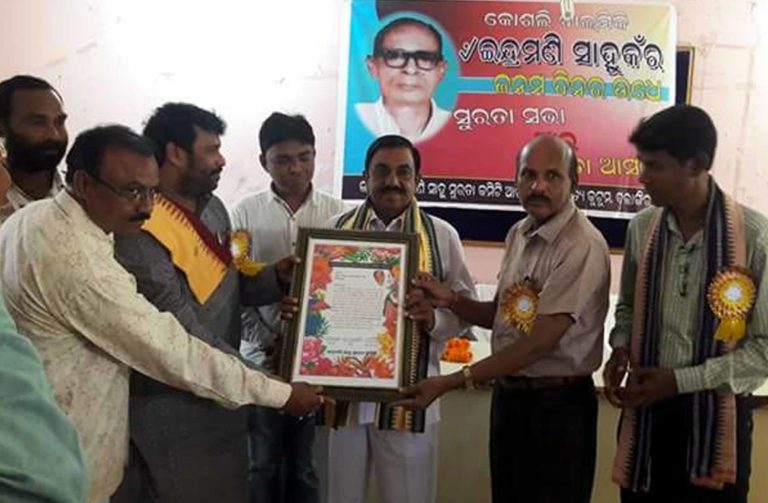
ବଲାଂଗିର ଅମଲା ଭବନ ଠାନେ କୋସଲି ବାଲ୍ମିକି ଇନ୍ଦ୍ରମଣି ସାହୁଂକର ସୁରତା ସଭା ଉଜୁକ ହେଇଯାଇଛେ । ଇ ସଭାକେ ତହଁକ କୁଟୁମ ଆର ଇନ୍ଦ୍ରମଣି ସାହୁ ସୁରତା କମିଟି ମିଶିକରି ଉଜୁକ କରିଛନ । ସାହିତ୍ୟିକ ଗୋପିନାଥ ଦଣ୍ଡସେନାଂକର ସଭାପତିତ୍ୱରେ ସଭା ଥି ମୁଖିଆ କୁନୁଆ ହିସାବେ କୋସଲି ଭାଷାବିତ ଆର ଗବେଷକ ଡ. ଦୋଳଗୋବିନ୍ଦ ବିଶି, ମୁଖିଆ କହନକାର ହିସାବେ ସାକେତ ଶ୍ରୀଭୁଷଣ ସାହୁ, ମାଏନତା କୁନୁଆ ହିସାବେ ବଲରାମ ସିଂ ୟାଦବ, ରସରାଜ ଅଚ୍ୟୁତ ପୁରୋହିତ, ‘କଢୋ’ର ସଂପାଦକ କ୍ଷୀରୋଦ୍ର ସାହୁ ମଚାନେ ଥିଲାବେଲକେ ସଭା ସଂଜୋଜନା କରୁଥିଲେ କବି ଆନନ୍ଦ ସାହୁ ।

କୋସଲି ବାଲ୍ମିକିଂକର ଫଟୁ ଥି ଫୁଲ ଚଢେଇକରି କୁନୁଆମାନେ ମାଏନ ଜନେଇଥିଲେ । ତାର ଉତାରୁ ଡ.ଦୋଲଗୋବିନ୍ଦ ବିଶିଂକୁ କୋସଲି ବାଲ୍ମିକି ଇନ୍ଦ୍ରମଣି ସାହୁ ସୁରତା ସମ୍ମାନ ଦିଆହେଲା । ସାକେତ ଶ୍ରୀଭୂଷଣ ସାହୁ କହେଲେ କୋସଲି ଭାଷା ଥି ଇନ୍ଦ୍ରମଣି ସାହୁ ରାମାୟଣ ବାଗିର ମହାକାବ୍ୟ ଲେଖିକରି ଭାଷା ଆର ସାହିତ୍ୟର ବରକସ ନିହି ପାଟିଛନ ଜେନଟା କି ଆଏବାର ପିଢି ତାର ଉପରେ ମଜବୁତ ଘର ବନେଇପାରବା । ଆମର ପୁରଖା ମାନେ ଆମର ଲାଗି ଯେନ ସଂସ୍କୃତି, ଧରୋହର ଆମର ରକ୍ତେ ବୁହେଇକରି ଯାଇଛନ ଆମକେ ସେ ରକତର ଲାଗ ଶୁଝବାର କେ ପଡବା । ଭିନେ ଭିନେ କାରଣ ନୁ ଦବି ଯେଇଥିବାର ଆମର ପରିଚୟ; ଭାଷା, ସାହିତ୍ୟ, ସଂସ୍କୃତି; ଆର ସେଥି ଲାଗିଥିବାର ଧୁଏଲ କେ ସାଫ କରବାରକେ ପଡବା । କୋସଲିମାନେ ଗୁଟେ ମହାନ ଜାତି ସେଟା ଫେର ଥରେ ପ୍ରମାଣ କରବାରକେ ପଡବା । ଡ. ଦୋଳଗୋବିନ୍ଦ ବିଶି ତାଂକର ସୁରତା କେ ଇଂଚରେଇକରି କହେଲେ କୋସଲି ବାଲ୍ମିକି ଇନ୍ଦ୍ରମଣି ସାହୁଂକର ରାମାୟଣ କେ ଛାପବାର ଲାଗି କେନ୍ତା ଅସବିଧା ଭିତରେ ବି ଛାପିଥିଲେ ଆର ଆମର ଭାଷାର ନାମକରଣ କେ ନେଇକରି ହଉଥିବାର ରାଜନିତି କେ ନିନ୍ଦା କଲେ । କୋସଲ ଆର କୋସଲି ର ଇତିହାସ କେ ସମକର ସାମନା ନ ରଖିଥିଲେ ଆର କେତେ ଜୁନହ୍ା ଯେ ବତେଇଥିଲେ ।

ସଭାର ଦୁସରା ଅଧିବେଶନ ଥି କୋସଲି କବିତା ଆସର ହେଇଥିଲା । ପ୍ରାୟ ୫୦ ଝନ କବି ନିଜର ନିଜର ଲେଖଲା କବିତା ପଢିଥିଲେ ।

ଦରଦ୍ : ଶଂକର ସାହୁ

0
ଗାନ୍ଧି ଛକ୍ ନ ସ୍କୁଟି ନୁ ପଡି କରି ସୁନଂଦାର୍ ଗୋଡ୍ ଭାଂଗିଗଲା l ଦରଦ୍ ତିଁ ସେ କାଂଦି ପକଉଥିଲା l ତାର୍ ଦୁଖ୍ ଦେଖି କରି ଛକ୍ ର ପାଁଚ୍ ଛ ଝନ୍ ଲୋକ୍ ଗାଡି ଟେ ଭଡା କରି ତାହାକେ ହସ୍ପିଟାଲ୍ ନେଲେ l
ହସ୍ପିଟାଲ୍ ନେଲା ବେଲେଁ ସୁନଂଦା କେ ଗୋଡ୍ ଭଂଗାନୁ ବି ଜହ ଦରଦ୍ ହଉଥିଲା, ଯେତେବେଲେଁ ସେ ଲୋକ୍ମାନେ ଯତ୍ନାବାର୍ ବାହାନା ତିଁ ତାର୍ ଦେହର୍ ଅଛିଆ ଜାଗାମାନକୁ ଛିଉଥିଲେ l
ଜେମାପାଲି,ବଲାଂଗିର

କୋସଲି ବାଲ୍ମିକି ଇନ୍ଦ୍ରମଣି ସାହୁ

0

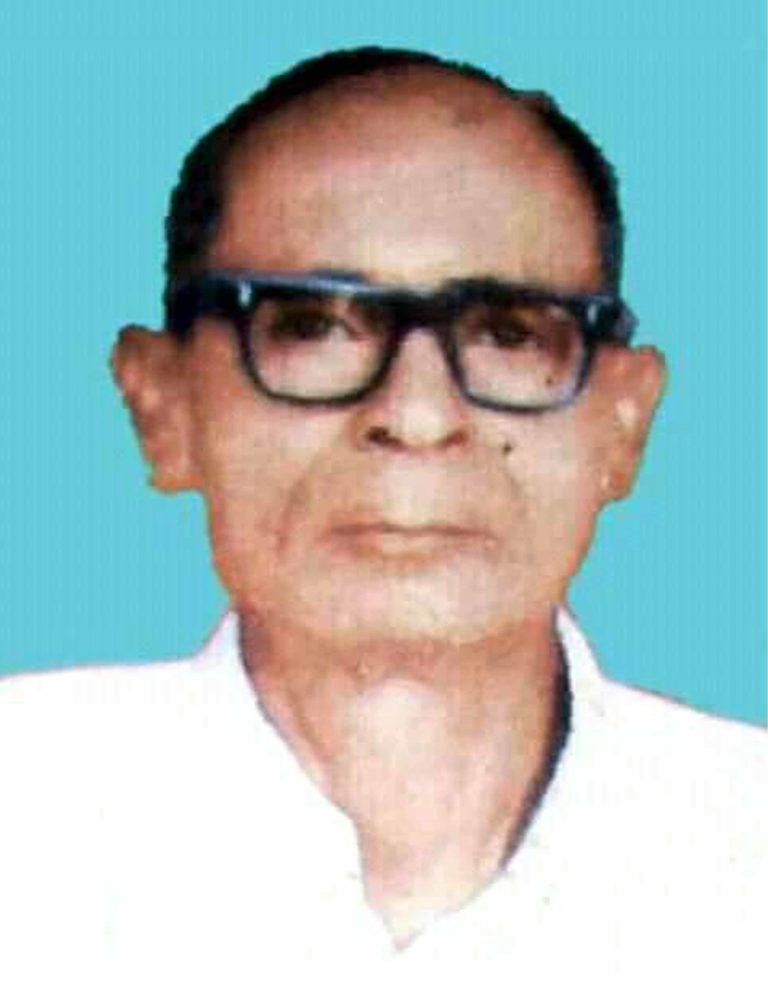
୧୯୪୫ ସାଲେ ବଲାଂଗିର ପୃଥିରାଜ ହାଇସ୍କୁଲ ଛାଡଲା ବାଦ ଆଘର ପାଟନା ସ୍ଟେଟ କସ୍ଟମ ଏ.ଏସ.ଆଇ କାମେ ଜୋଗ ଦେଇଥିଲେ । ହେଲେ ଦେସର ସ୍ୱାଧିନତା ସଂଗ୍ରାମ ଡାକ ଥି ନୌକରି ନୁ ଇସ୍ତଫା ଦେଇ କୃସକ ଦଲେ ମେସଲେ ଗୁରା ଆର ରଜାମାନକର ଅନିଏ ଅତ୍ୟାଚାର କଥା ଉପରେ ଗାଂଧିପାଲା ଲେଖି ଗାଁ ଗାଁ ପ୍ରଚାର କରଉଥିଲେ ।

୧୯୫୪ ନୁ ୫୮ ତକ ଜୋଗିମୁଣ୍ଡା ଗ୍ରା.ପ. ର ସରପଁଚ ଆର ୧୯୭୫ ରେ ପାଟଣାଗଡ ପଂଚାୟତ ସମିତି ଚେୟାରମେନ ଥିଲେ । ୧୯୭୨ ଭୋଟ ଥି ସ୍ୱାଧିନ ପ୍ରାର୍ଥି ହିସାବେ ଠିଆ ହେଇଥିଲେ । ୧୯୪୭ ମସିହା ନୁ ବଲାଂଗିର ଜିଲ୍ଲା କଂଗ୍ରେସ ଦଲ ଭିନେ ଭିନେ ପଦ ଥି ରହିଥିଲେ । ସେ ୧୯୪୯-୫୧ତକ କବିରାଜି ଟ୍ରେନିଂ କରଲେ ଆର କବିରାଜି କରୁଥିଲେ ।

୧୯୪୮-୫୦ ସାଲ ଭିତରେ ତାକର କବିତା ସଂକଲନ କୁରେଫୁଲ, ଝାରମଲି, ଆର ଚସାକର ଭରସା ବାହାରିଥିଲା । ତାକର ସବୁନୁ ଚର୍ଚିତ ସାହିତ୍ୟ କୃତି ହଉଛେ କୋସଲି ରାମାୟନ ଜେନଟା ତାହାକୁ ଅମର କରିଦେଲା । ଇତାର ବାହାରେ ସେ କୋସଲି ସବ୍ଦ ଠୁଲେଇଛନ । ସହ ସହ ଜଣାନ, ଭଜନ, ଡଁଡ, ବିହା ଆର ବାହାକ ଗିତ ବି ଲେଖିଛନ ।

ସମ୍ମାନ ଆର ସମ୍ମାନ ଦେଇଥିବାର ଅନୁସ୍ଟାନ
• ୧୯୮୨ ପାଟଣାଗଡ ସାଂସ୍କୃତିକ ପରିସଦ
• ୧୯୮୨ ଗଂଗାଧର ସାହିତ୍ୟ ସମିତି ର ବିସୁବ ମିଲନ
• ୧୯୯୫ ରେ ପାଟଣାଗଡ ଲାଏନ୍ସ କ୍ଲବ
• ୧୯୯୬ ରେ ରୁଦ୍ର ଆହ୍ୱାନ
• ୧୯୯୬ ରେ କୋସଲ ସାଂସ୍କୃତିକ ସଂଘ
• ୧୯୯୭ କୋସଲ ସ୍ରି ଉପାଧି
• ୧୯୯୭ ଅସୋକ ଚନ୍ଦନ ସ୍ମୁତି ସମିତି, ପାଟଣାଗଡ
• ସିନେ୍ଧକେଲା ନ କୋସଲ ବାଲ୍ମିକି ଉପାଧି
• ପସଚିମ ଉଡିସା ସାହିତ୍ୟ ସଂସ୍କୃତି ସମ୍ମାନ, ସମ୍ବଲପୁର ବିସ୍ୱବିଦ୍ୟାଲୟ
• ଓଡିସା ସାହିତ୍ୟ ଏକାଡେମି
• ଭୁବନେସ୍ୱର ନୁଆଁଖାଇ ଭେଟଘାଟ

ଜନମ – ୨୯/୯/୧୯୨୩
ଦେହାନ୍ତ – ୧୧/୯/୨୦୦୬
ବାପା – ମଂଗଲୁ ସାହୁ
ମାଁ – ବୈଦେହି ସାହୁ

ଅସ୍ଟମ ସୁଚି ନ କୋସଲି: ଡ. ଅର୍ଜ୍ଜୁନ ପୁରୋହିତ

ଏଭେ ଦିନାଦୁ ତଲେ କୋସଲି ଭାସା ଭାରତିୟ ସମ୍ବିଧାନ ର ଅସ୍ଟମ ସୁଚି ନ ସାମିଲ କରବାର ଲାଗି ସୁପାରିସ କରାହେଲା ନ କି ନେଇଁ କି କାଣା ତାର ଅବସ୍ଥା ବଲି ଜାନବାର ଲାଗି କିଛି ଭାସାପ୍ରେମି ଖୋଲତାଡ କରବାରକେ ଚେସ୍ଟା କରିଥିଲେ । ସେମାନେ ଜାନବାରକେ ପାଏଲେ ଜେ କୋସଲି ଭାସା ସାଂଗେ ଆର ୩୬ ଟା ଭାସା ଅସ୍ଟମ ସୁଚି ନ ସାମିଲ ହେବାର ଲାଗି ସଂସଦ ର ଦୁଆର ଠକଠକଉଛନ । ୨୦୦୯ ର ସେସ ଆଡକେ କେନ୍ଦ୍ରିୟ ମଂତ୍ରି ଅଜୟ ମାକେନ ଗୁଟେ ଲିଖିତ ପ୍ରସ୍ନ ର ଉତର ଦଉନ ଦଉନ କହିଥିଲେ ଇ କଥା । ସେ ଆର ବି କହିଥିଲେ କେନ କେନ ଭାସାକେ ସାମିଲ କରାହେବା ସେଟା ସିତାକାନ୍ତ ମହାପାତ୍ର କମିଟି ର ସୁପାରିସ ଅନସାରେ କରାହେବା । ଇ ସବୁ ତଥ୍ୟକେ ଧରି କରି ସେମାନେ ଡ. ସିତାକାନ୍ତ ମହାପାତ୍ର (ଭାସା କମିସନର) ଂକୁ ବ୍ୟକ୍ତିଗତ ହିସାବେ ପଚରେଇଥିଲେ, ସେ ସେ ପ୍ରସ୍ନର ଉତର “ନରେବା ଗୁଂଜରେ” ବାଗିର ଗୁଂଦଲାଲେ । ତାର କାରଣ ବି ଆପଣମାନକୁ ବୁଝବାରକେ ପଡବା ଜେ ସେ ସମୁଦ୍ରଖଏଣ ଆଡେ ରହେସନ ଆର ହେଲେ ନେହେଲେ ବି ସେ ଗୁଟେ ଉଡିଆ କବି ଆନ । କଥା ର ସମ୍ବେଦନସିଲତା କେ ସେ ବୁଝଲା ବାଗିର ସେ ସମିଆଁକେ ସଠିକ କଥାଟା କହେବାର କେ ଘୁଚପେଲ ହେଲେ । ହେଲେ ତାକର ହାବଭାବନୁ ଜନାପଡିଗଲା ଜେ ସେ କୋସଲି କେ ଅସ୍ଟମ ସୁଚିରେ ସାମିଲ କରବାର ଲାଗି ପ୍ରସ୍ତାବ ଦେଇସାରିଛନ । ଇ କଥା ଡ. ଅର୍ଜୁନ ପୁରୋହିତ (କାନାଡା) ଗୁଟେ ଇ-ଫୋରମ ( ORNET) ରେ ଉସତ ହେଇ ପ୍ରକାସିତ କଲେ । ତାର ପରେ ସେ ଖବର ଅଲଗା ଅଲଗା ଫୋରମ ମାନକୁ ବି ପଠେଇ ଦିଆହେଲା ଆର ମାତୃଭାସା ପ୍ରେମିମାନକୁ ଏସ.ଏମ.ଏସ. କରି କରି ବି ଜନେଇ ଦିଆହେଲା ଜେ “କୋସଲି କେ ଭାସା କମିସନର ଅସ୍ଟମ ସୁଚି ନ ସାମିଲ କରବାର ଲାଗି ସୁପାରିସ କରିଛନ” ।

ଇ କଥାରେ କୋସଲାଂଚଲ ନ ଉସତ ର ଲହରି ମାଡିଆଇଥିଲା ବେଲକେ ଉଡିସା ର ପୁର୍ବ ଆଡେ ବୁଦ୍ଧିଜିବି ମାହୋଲ ଚମକି ପଡିଥିଲେ । ସେମାନକର ଡର ଜେ ଭାସା ସ୍ୱିକୃତି ପାଇଗଲେ ରାଏଜ ଦୁଇଖଣ ହେଇଜିବା । ଆର ଇ କଥାଟା ବହୁତ ଦୁର ତକ ସତ ବି ଆଏ । ଭାରତେ ବହୁତଟେ ରାଏଜ ଭାସାକେ ଆଧାର କରି କରି ବନିଛେ ସେ ଭିତରୁ ଉଡିସା ବି ଗୁଟେ ଆଏ ।

ଡ. ଅର୍ଜୁନ ପୁରୋହିତଂକର ଦୁଇ ଧାଡିଆ ଲେଖାକେ ଜବାବ ଦେବାର ଲାଗି ପୁର୍ବ ଉଡିସା ଡ. ଦେବି ପ୍ରସନ୍ନ ପଟନାଏକ ବାଗିର ପୁରଖା ଭାସାବିତ ଆର ଅବସରପ୍ରାପ୍ତ ଆଇଏସ କେ ବାଛିଥିଲା । ଡ. ପଟନାଏକକଂର ସେ ଜବାବ ରେ ଜୁକ୍ତି କମଥିଲା ଭାବନା ଜହ ଥିଲା । ତାକର ଜବାବ ନୁ ପଦ ଦୁ କେ ନେଇକରି ଚିପି ଦେଖମା ଆସୁନ:

“ଏ ଖୁସି କଣ ପାଇଁ ? କୋଶଳୀ-ସମ୍ବଲପୁରୀକୁ ଏକାଠି ଜୋଡିବାର ସଫଳତା ପାଇଁ ? କୋଶଳୀ-ସମ୍ବଲପୁରୀକୁ ମାତୃଭାଷାର ସ୍ୱୀକୃତି ପାଇଁ ? ସ୍ୱତଂତ୍ର ଭାଷାର ସ୍ୱୀକୃତି ପାଇଲେ ସ୍ୱତଂତ୍ର ରାଜ୍ୟ ଗଠନର ସୁଜୋଗ ପାଇଁ ? ଅଲଗା ସାହିତ୍ୟ ପୁରସ୍କାର ପାଇଁ ?”

ପହେଲା ତ ଦେବି ବାବୁ ଜାନବାର କଥା ଜେ, ସମଲପୁରି ଆର କୋସଲି ଅଲଗା ଅଲଗା ଭାସା ନୁହେଁ; ଗୁଟେ ଭାସାର ଜୁଡେ ନାଁ । ମାତୃଭାସା ର ସ୍ୱିକୃତି କେନସି ସରକାର ନି ଦିଏ, ମାତୃଭାସା ସେଟାକେ କହେସନ ଜେନଟା ଗୁଟେ ମୁନୁସ ତାର ଛୁଆବେଲୁ ତାର ମାଁ ନୁ ତାର ଆସପାସ ପରିବେସ ନୁ ସିଖସି । କୋସଲି ବାଗିର ଗୁଟେ ସୁଂଦର ଆର ସଂବୃଦ୍ଧ ଭାସା ଆର ତାର ସାହିତ୍ୟକେ ମାନ୍ୟତା ମିଲବାର ଜରୁରି ଆଏ । ଗୁଟେ ଭାସା କେ ମାନ୍ୟତା ଦେଇଦେଲେ ଜରୁରି ନୁହେ ସେ ଜେ ସେ ଭାସା ର ଆଧାରରେ ଅଲଗ ରାଜ୍ୟ ଦାବି କରା ହେବା । ଆର ଗୁଟେ ସଂବୃଦ୍ଧ ସାହିତ୍ୟ କେ ହମିସା ଅନଦେଖା କରାଜାଇ ନି ପାରେ । କୋସଲି ଜେହେତୁ ଗୁଟେ ସ୍ୱତଂତ୍ର ଭାସା ଆଏ ସେଥିର ଲାଗି ତାର ବି ଅପନାର ସ୍ୱତଂତ୍ର ଏକାଡେମି ହେବାର କଥା । ତାର ସାହିତିକ ମାନେ ବି ସମ୍ମାନ ଆର ପୁରସ୍କାର ର ହକଦାର ଆନ । ଇଥି ଭାବୁକ ହେବାର ନେଇଁନ, ଝନେକର ହକ ପ୍ରତି ବିଚାର କରବାର ଅଛେ ।

ଡ. ପଟନାଏକ ତାକର ବଂଧୁ ବିନୟ ପ୍ରସାଦ ମହାପାତ୍ରଂକର ଗୁଟେ ଲେଖାକେ ବି ଉତରେଇଛନ ଆର ଉଦାହରଣ ଦେଇଛନ :

ବିଭିନ୍ନ କଲେଜ ଓ ୟୁନିଭର୍ସିଟି ର ଓଡିଆ ଭାଷା ଓ ସାହିତ୍ୟ ବିଭାଗମାନେ ଯେଉଁମାନେ ଓଡିଆ ଭାଷାର ଲୁଣ ଖାଉଛନ୍ତି ବା ସ୍ୱାର୍ଥାଧିକାରୀ, ଓଡିଆ ଲବି ଦେବା ପାଇଁ ପ୍ରଥମ ହକଦାର ଅଥଚ ସେମାନେ ବି ଓଡିଆ ଭାଷା ପାଇଁ ଲୁହ ଟୋପାଏ ଗଡାଉ ନାହାନ୍ତି ।

ଦେବି ବାବୁ ଆର ତାକର ବଂଧୁ ବିଜୟ ବାବୁଂକର ଅସହାୟତା ପ୍ରତି ସମବେଦନା ଜନଉଛେଁ । ବାକି ଦେବି ବାବୁ ଜହ ଭାବୁକ ନି ହେଇକରି ଜୁକ୍ତି ଜୁକ୍ତ କଥା ଆଲୋଚନା କଲେ ଭଲ । ଜଦି ଝନେ ପାଠ ପଢିକରି ଉଡିଆ ବିଭାଗଥି ଅଧ୍ୟାପକ ହେଲା ତ କାଣା ସେ ଉଡିଆମାନକର ନୁନ ଖାଏଲା (?) ବେଲେ ଜେନମାନେ ଇଂରାଜି ପଢଉଛନ ସେମାନେ କେନମାନକର ନୁନ ଖାଏଲେ? ଇଂରେଜମାନକର ? ଇ ଜୁକ୍ତିରେ ନାଇଁ ହଁସିକରି ରହି ନି ପାରବାର ।

“ଓଡିଆ ଭାଷା ପ୍ରତି ଭାଷାଭାଷିଂକର ମମତା ଜାଗ୍ରତ କରିବାକୁ ଗଲେ ପ୍ରଥମେ ସବୁ ଓଡିଆ ଏକ ସ୍ୱରରେ ନିଜକୁ ଓଡିଆ ଭାଷୀ ବୋଲି ପରିଚୟ ଦେବା ଉଚିତ ।”

ଉଡିଆଭାସି ମାନେ ସିନେ ନିଜେକ ଉଡିଆ ବଲବେ କୋସଲି ମାନେ ନିଜର ପରିଚୟ କେଁ ହେଲା ଜେ ଉଡିଆ ବଲତେ । ଜେତେବେଲେ ଦରକାର ହେସି ଆମେ ସବେ ନିଜକେ ଭାରତିୟ ବଲସୁଁ ହେଲେ ଉଡିଆ ବଲବାର ଥି ଫାଏଦା କାଣା ଅଛେ? କୋସଲି ଆମର ମାତୃଭାସା ବଏଲେ ଉଡିଆ ମାଁସି ଭାସା । କେତେ ଦିନ ତକ ମାଁକେ ଛାଡିକରି ମାଁସି ମାଁସି ହଉଥିମୁଁ?

ଦେବି ବାବୁଂକର ସମ୍ବାଦ ରେ ବାହାରଲା ଇ ଲେଖା ପଢଲେ କି ଡ. ଅର୍ଜୁନ ପୁରୋହିତ ତାର ଜବାବରେ ସପ୍ତାହେ ଧରି ଧାରାବାହିକ ହିସାବେ ୪ ଭାଗରେ ଲେଖିଥିଲେ । ସେ ଇଂରାଜି ର ଇ-ମେଲ ୩୫୩୫ ସବ୍ଦର ଆଏ । ମୁଟାମୁଟି ହିସାବେ ହେଲା:

ସାଁସେକେ ମୁଇଁ ସମ୍ମାନିତ, ଅପମାନିତ, ଆର ଦୁଖିତ ଆଏଁ । ମୁଇଁ ଡ. ପଟନାଏକକର ସାଂଗେ କୋସଲି ର ଭାସା ବିଗ୍ୟାନ ଦିଗ ର ଆଲୋଚନା କରିଥିତିଁ ଆର ତାକର ନୁ ସିଖିଥିତିଁ । ହେଲେ ଇ ପୁରା ରଚନାଟା ଭାବନା ର ଆଧାର ରେ ଲେଖିଛନ ବରଂ ଆରୋପ ଲଗାଲା ବାଗିର ଲେଖିଛନ ଜେ ଆମେ କାଏଁଜେ ଆସା ଆର ଇଚ୍ଛା କରୁଛୁଁ କୋସଲି କେ ଅସ୍ଟମ ସୁଚି ନ ସାମିଲ କରବାରକେ ଜେ । ବହୁତଟେ କୋସଲି, ମତେ ମିସେଇ କରି, ସବେ ଉଡିଆ ଆର ତାର ମହାନ ସାହିତ୍ୟ କେ ଭଲ ପାଏସୁଁ ହେଲେ ଆମେ ତାର ନୁ ଜହ କୋସଲି କେ ଭଲ ପାଏସୁଁ । ଖାଲି ଗୁଟେ ମଧୁର ଆର ଜିବନ୍ତ ଭାସା ବଲି ନୁହେଁ ବରଂ ଇ ଭାସା ରେ ଆମେ ଆମର ଗୁହେର ଭାବନା ସବୁକେ ପରିପ୍ରକାସ ଆର ସୁଚିତ କେନସି ଅଲଗା ଭାସାରେ ହେତକି କେଭେ ନାଇଁ କରି ପାରୁଁ ।

ଅସ୍ଟମ ସୁଚିଥି ଏଭେ ଏଭେ ନୁଆଁ କରି ୪ଟା ଭାସାକେ ମିସାହେଇଛେ, ମୈଥିଲି, ସାନ୍ତାଲି, ଡୋଗରି, ଆର ବୋଡୋ ଆର ବାକି ଭାସାମାନେ ଅନିସଚିତ ସମିଆଁ ଲାଗି ପଡି ରହିଛନ ।

ଆର ଆମେ ନେଇଁ ଜାନି କେନ ହିସାବେ ସମାନ ଜନସଂଖ୍ୟା ଥିବାର ମୈଥିଲି ଠାନ ପାଏଲା ଆର କୋସଲି ନୁ କମ ବେଭାର ହଉଥିବାର ଆର ୩ଟା ଭାସା ସାମିଲ ହେଲେ ଜେ । କୋସଲି ର ଅସ୍ଟମ ସୁଚି ନ ସାମିଲ ହେବାର ଜରୁରି ଆଏ । ତାର କାରଣ ମାନେ ହେଲା:

୧- କୋସଲି ଛୁଆମାନେ ତାକର କଁଲ ବୟସେ ତାକର ଅନଭାସି ବିସୟ ପାଠସବୁ ଉଡିଆ ଥି ପଢବେ । ଆର ନାଇଁ ଜାନଲେ ମାସ୍ଟର ନୁ ମାଡ ଖାଏବେ । ଜଦି ସେ ସବୁ ପାଠ କୋସଲି ରେ ପଢା ହେଲା ଛୁଆମାନେ ଧରି ପାରବେ । ଆର ଇଟା କହେବାର ବି ନି ପଡବାର ଜେ ହେଥିର ଲାଗି ହିଁ ଛୁଆମାନେ ପଢି ନି ଜିବାର ।
ତାର ଉପରେ ଫେର ପରିଖ୍ୟା ବି ଉଡିଆ ଥି ଦେବ । ଜେନମାନକର ଟିକେ ଭାସାଗ୍ୟାନ ଥିବା ତ ସମଲେହି ନେବେ । ଇଟା ଜହ ଲୋକର କାମକେ ନି ଆସେ । ପିଲାମାନେ ସେଥିର ଲାଗି ଜହ ମାର୍କା ନି ରଖନ । ଗୁରଦୁଟେ ମେଧାବି ପିଲାମାନେ ଉଁଚା ସ୍ରେଣିକେ ଗଲେ ଫେଲ ହେଇ ଜାଏସନ ଉଡିଆ ଲାଗି । ମୁଇଁ ଅନୁଭବ କରୁଛେଁ ଜେ ଆମର ବେଲ ନୁ ଇହାଦେ ର ଭାରତ ର ପାଠପଢା ସଂସ୍ଥା ନ ବହୁତ ପରିବର୍ତନ ଆସିଛେ ହେଲେ ଅସବିଧା ସେ ସମାନ ଆଏ । ଇ ପ୍ରକାର ସମସ୍ୟା ସବୁ ଅସ୍ଟମ ସୁଚି ଦ୍ୱାରା ଦୁର କରି ହେବା ।

୨- ସେ ସମାନ ଅବସ୍ଥା ବାହାରସି ସିଭିଲ ସର୍ଭେନ୍ଟମାନକୁ ଦାଖିଲା କଲାବେଲକେ; ଉଡିଆ ଥି ପାଣ୍ଡିତ୍ୟ ଜରୁରି । କେତେଟା କାରଣ ନୁ ଇଟା ବି ଗୁଟେ କାରଣ ଆଏ ଜେନଥି ର କି କୋସଲ ର ସବୁ ଆଡେ ଛୋଟ ଛୋଟ ସିଭିଲ ସର୍ଭେନ୍ଟ ହେଲେ କୋସଲ ବାହାରେ ସେତକି କୋସଲି ନାଇଁ ପାଇ ପାରନ । ଇତାର ଦ୍ୱାରା ସାମାଜିକ ତାଲ ମେଲ ର ଅଭାବ ଦିସସି ।

୩- ଅସ୍ଟମ ସୁଚି ର ଆର ଗୁଟେ ସୁବିଧା ହଉଛେ ଭାସାର ଉନ୍ନତି ଲାଗି ସରକାର ନୁ ଆର୍ଥିକ ସହଜୋଗ ମିଲି ପାରବା । ବୋଧେ ଆମର ଅନକୋସଲି ଭାଇମାନେ ନାଇଁ ଜାନି ଜେ କୋସଲିମାନେ ଭାସାକେ ସଂବୃଦ୍ଧ କରବାର ଲାଗି ଲାଗିଛନ । ରାମାୟଣ, ମାହାଭାରତ ଆର ଗିତା ବାଗିର କ୍ଲାସିକମାନେ ବଜାରେ ମିଲୁଛେ ଆର ଅଧା ଲେଖା ଚାଲିଛେ । ଇ ସବୁ ରାଜ୍ୟ ସରକାର ର ବିନା ସାହାଜ୍ୟ ରେ କରା ହେଇଛେ । କାରଣ କୋସଲି ଅସ୍ଟମ ସୁଚି ରେ ନେଇଁନ । ମୋର ଜାହା ସୋର ହେସି ସାନ୍ତାଲି ଅସ୍ଟମ ସୁଚିରେ ସାମିଲ ହେଲା କି ରାଜ୍ୟ ସରକାର ଆର୍ଥିକ ସହାୟତା ଦେବାରକେ ରାଜି ହେଲା । ହେଲେ କୋସଲି ଲାଗି? କିଛି ନେଇଁ ।

୪- କୋସଲି ଅସ୍ଟମ ସୁଚି ଥି ସାମିଲ ହେଲେ ସରକାରି କାମ କବାର ବି କୋସଲି ଭାସା ରେ ହେଇ ପାରବା । ଗାଁମାନକୁ ଉଡିଆ ରେ ନୋଟିସମାନେ ପଠାହେସି, ଲୋକ ପଢିକରି ତାର ଅର୍ଥ ବୁଝି ନି ପାରନ । ଅନକୋସଲି ଅଂଚଲ ର ସରକାରି ଅଫିସରମାନେ ଜେନମାନକର କି ସାଧାରଣ କୋସଲି ଗ୍ୟାନ ନେଇଁ ଥାଏ ସେମାନେ ଲୋକର ସାଂଗେ କଥାବାର୍ତା ହେଇ ନି ପାରନ । ଭାରତ ର ୨୮ଟା ରାଜ୍ୟ ଭିତରୁ ୧୫ଟା ରାଜ୍ୟ ଗୁଟେ ନୁ ଅଏଧକା ସରକାରି ଭାସା ରଖିଛନ । ଗୁଟେ ଗଣତଂତ୍ର ରେ ଭାବନା ର ପରିପ୍ରକାସ କରବାରଟା ଗୁଟେ ମୌଲିକ ଅଧିକାର ଏ । ଭଲ ସାସନ ଲାଗି ସରକାର ଆର ସାଧାରଣ ଲୋକ ଭିତରେ ସଠିକ ସଂପର୍କ ରହେବାର କଥା । ଇଟା ବିଡମ୍ବନା ଜେ ଉଡିସା ର ମୁଖ୍ୟମଂତ୍ରି ଉଡିଆ ରେ କଥା କହି ନି ଜାନନ । ସେ ଉଡିସା ସରକାର ର ଭାସା ସମସ୍ୟା ର ଦୁଇ ମୁହାଁ ନିତି ର ପ୍ରତିକ ଆନ ।

୫- ଡ. ପଟନାଏକ ଠିକ କହିଛନ ଜେ ଭାସା ର କେନସି ସିମା ନେଇଁ ଥାଏ । ଜେତେବେଲେ କୋସଲି ଭାସାଭାସି ଅଂଚଲ ର ଲୋକକୁ ଉଡିସା ସାଂଗେ ସାମିଲ କରାହେଲା ୬ଟା କୋସଲି ଭାସାଭାସି ଜିଲା ର ଲୋକ ଛତିସଗଡ ନ ରହିଗଲେ । ଇହାଦେ ଉଡିସା ନ ଜେନ୍ତା କୋସଲିମାନେ ଅସବିଧା ଭୋଗୁଛନ, ଛତିସଗଡ ନ ବି ସେମାନେ ହେନ୍ତା ଅସବିଧା ଭୋଗ କରୁଛନ । କୋସଲି ଅସ୍ଟମ ସୁଚି ରେ ସାମିଲ ହେଲେ ଦୁହି ରାଏଜେ ସରକାରି କାମ କାଜ ଲାଗି ସୁବିଧା ହେବା ।
୨୦୧୧ ର ଜନଗଣନା ସରକାରି ରିପୋଟ ଅନସାରେ ସାରା ଉଡିସା ରେ ଭାସାକେ ଗୁଟେ ସାରା ଉଡିସା ରେ ଭାସାକେ ଗୁଟେ କରି ଦିଆ ହେଇଛେ । ଆମେ ଇଟା ବି ନେଇଁ ଜାନି ଜେ ଉଡିଆ ଆର କୋସଲି ର ସଂଖ୍ୟା କେତେ ?

ଅନେଇସ ସଦିର ସେସ ଭାଗ ଆଡେ ଉଡିଆମାନେ ଉଡିଆ କେ ଗୁଟେ ଭାସା ହିସାବେ ବଁଚାବାର ଲାଗି ମଜବୁତ ବଂଗାଲି ଲବି ସାଂଗେ ଏନ୍ତା ମାର ଲାଗୁଥିଲେ । ମାର୍ଚ ୧୨, ୧୮୬୯ରେ ରାଜେନ୍ଦ୍ର ଲାଲ ମିତ୍ର, ଝନେ ଇତିହାସକାର କଟକ ଆସିଥିଲେ ଆର ଗୁଟେ ସଭା ନ କହିଥିଲେ ଜେତେଦିନ ତକ ଉଡିଆ କେ ଗୁଟେ ଭାସା ହିସାବେ ଅଲଗା ନି ହେଇଛେ ସେତେଦିନ ତକ ଉଡିସା ର ବିକାସ ସଂଭବ ନେଇଁ ହୁଏ । ସେ ବେଲର ସ୍କୁଲମାନକର ଇନିସପେକ୍ଟର ଉମାଚରଣ ହଲଧର ବଏଲେ ଜଦି ଉଡିଆ କେ ବଂଗାଲି ଲିପି ଥି ଲେଖା ହେବା ବେଲେ ଉଡିଆମାନେ ଲାଭ ପାଏବେ । ୧୮୭୦ ରେ କାନ୍ତିଲାଲ ବୋସ ବାଲେସର ର ହେଡମାସ୍ଟର ଗୁଟେ ବହି ବାହାର କଲେ “ଉଡିଆ ଏକଟା ସ୍ୱତଂତ୍ର ଭାସା ନଏ” ବଲି ଆର ସ୍କୁଲ ଇନିସପେକ୍ଟର ଆର.ଏଲ. ମାର୍ଟିନ ନିକେ ପଠାଲେ । ସେ ବେଲକେ ଗୁଟେ ଦସ୍ତଖତ ଅଭିଜାନ ଚଲାଲେ ସିବଦାସ ଭଟାଚାର୍ଜ୍ୟ ଜେ ସ୍କୁଲ ରେ ବଂଗାଲି ଥି ପଢାହଉ ବଲି । ଜଦି ବି ବହୁତ ବଂଗାଲି ଇ ସପଖ୍ୟ ରେ ଥିଲେ ବି କିଛି ବଂଗାଲି ତାକର ଉଡିଆ ଭାଇମାନକୁ ସହଜୋଗ କଲେ ଉଡିଆ କେ ପାଠ ପଢାବାର ମାଧ୍ୟମ କରାହଉ ବଲି । ସେମାନକର ଭିତରୁ ବୈକୁଣ୍ଠନାଥ ଦେ, ଗୌରିସଂକର ରେ, ରାଧାନାଥ ରାୟ ମୁଖିଆ ଆନ । ଇ ବାବଦେ ଜହ ଜାନବାର ଲାଗି ପଢୁନ: The Raj: Nationalist and Reforms Land Law and Government, Orissa: 1912-1939 by Amal Kumar Mishra

କାଣା ସେ ଆଂଦୋଲନ ଟା କୋସଲି ଆର ଉଡିଆ ଭିତରେ ସମାନ ନି ଲାଗବାର । ଇହାଦେ ଉଡିଆ ପଣ୍ଡିତମାନେ ସେ ସମାନ ମୁର୍ଖାମି ନିତି କୋସଲି ବିରୋଧ ରେ ଧରିଛନ । ବୋଧେ ସେମାନେ ଡରିଗଲେ ନ ଜେ କୋସଲି ମାନ୍ୟତା ପାଏଲେ ଉଡିଆ ର ସଂଭାବନା କେ ତଲକେ ଘିଚିନେବା । ଇତିହାସ ଏନ୍ତା ଡରକେ ସାହାପକ ନି ହୁଏ । ବଂଗଲା ସଂବୃଦ୍ଧ ହେତେଲ ଜେଇଛେ ଆର ଉଡିସା କେ ଦେଖ ଉଡିଆ ବି ଫୁଟି ଉଠିଛେ । ଭବିସ୍ୟତ କହେବା କୋସଲି କେନ୍ତା କରବା ଆଏବା ଦିନକେ ଜେ ।

ଡ. ପଟନାଏକ କୋସଲି କେ ମାନ୍ୟତା ଦେବାର ସଂପର୍କ ରେ ନି ଡରବାର କଥା । ଉଡିଆ ର ସଂବୃଦ୍ଧି ଉଡିଆ ଲେଖକମାନକର ହାତେ ଅଛେ । ଆର ତାକର ଉଡିଆ ପ୍ରେମି ବଂଧୁମାନେ ସେଥି ଧ୍ୟାନ ଦେବାର କଥା ନାଁ କି କୋସଲି କେ ମାନ୍ୟତା ପାଏବାର ଲାଗି ଛେଁକବାର କଥା । ଜଦି ଉଡିଆ କେ ବିପଦ ଅଛେ ବଏଲେ ସେଟା ଉଡିଆ ଲେଖକମାନକର ଠାନେ ଅଛେ । ଟିକେ ନିଜର ଘର ପଛାଡକେ ଦେଖି ଦେଖୁନ ଉଡିଆ ଛୁଆମାନେ ଉଡିଆ ଇସକୁଲ ହୁଦା ହୁଦା ହେଇ ଛାଡୁଛନ ।

ମୁଇଁ ସଂବାଦ ରେ ବାହାରିଥିବାର ଲେଖାକେ ନେଇଁ କରି ଟିକେ ସଂଦେହ ରେ ଅଛେଁ । ବୋଧେ ଡ. ପଟନାଏକ ହେନ୍ତା ସୋରରେ କହେବାର ଲାଗି ନାଇଁ ଚାହିଁଥିବେ ହେଲେ ବୁଆର ମନୁ ଉଭରି ଆଇଛେ । ଜେନ୍ତା କୋସଲିମାନେ ନିଜର ମାତୃଭାସା ଜେନଟା କି ନିଜର ମାଁ ର କୁଲେ ଥାଇ ସିଖିଛୁଁ, ର ମାନ୍ୟତା ଦାବି କରି କରି ଉଡିଆକେ ବିରୋଧ କରୁଛୁଁ ବଲି ଭାବୁଛନ, ହେନ୍ତା କିଛି ନୁହେଁ । ସେ ବିନମ୍ରତା ର ସହିତ ସ୍ୱିକାର କରିଛନ କେତେଟା କୋସଲିକର ଉଡିଆ ସାହିତ୍ୟ କେ ଦାନ । ଆର ଆସା କରୁଛେଁ ମୁଇଁ ଆର ଡରଜନେ ନାଁ କହି ପାରମିଁ । ମୁଇଁ ଆସା କରୁଛେଁ କୋସଲିମାନେ ଇ ସହଜୋଗ ଜାରି ରଖବେ । ବଏଲେ ଆମକୁ ଭାସଣ ଦରକାର ନେଇଁନ ଦୁଇ ପଖିଆ କଥାବାର୍ତା ଦରକାର । ବାପପନିଆ ଦରକାର ନେଇଁନ ସମାନ ଭାଗ ଦରକାର ଆର ଉପେଖ୍ୟା କି ବିରୋଧ ନେଇଁ ବଂଧୁତା ଦରକାର । ଇ ହିସାବେ କୋସଲି ଆର ଉଡିଆ ଦୁହେଁ ଜିତି ପାରବେ ।

ଡ. ପଟନାଏକ କେ ମୋର ଅନୁରୋଧ ସେ ନୈତିକ ଦାଇତ୍ୱ ଲାଗି ଉପରକେ ଆସୁନ ଆର ଅସ୍ଟମ ସୁଚି ଲାଗି ଆମର ବାଟ ଖୁଲବାର କେ ସହଜୋଗ କରୁନ । ଭାଇ ଲାଗି ଭାଇମାନେ ଏନ୍ତା ହିଁ ସହଜୋଗ କରସନ । ଜେତେ ଦିନ ଇ ଗତିରୋଧ ବଢବା ସଂପର୍କ ସେତକି ତିକ୍ତ ହେତେଲ ଜିବା । ଇଟାକେ ଆମେ ଆର ବିକାସ ରାସ୍ତା ରେ ଆର ଗୁଟେ ଛେଁକେନ ବଲି କହେମୁଁ । ଜଦି ଏନ୍ତା ନାଇଁ ହେଲା ବେଲେ କୋସଲିମାନକର ଲାଗି ଇଟା ଗୁଟେ ସିଖ୍ୟା ହେବା । ଭୁବନେସର କେ ବାଦ ଦେଇ ଦିଅ । ଦିଲ୍ଲି ନ ଅଭିଜାନ ମୁଲ କର । କାରଣ ଉଡିଆମାନେ ସେ ଖେଲ ଖେଲୁଛନ ଜେନଟା ବଂଗାଲି ମାନେ ୧୯ ସଦି ନ ଉଡିଆ ସାଂଗେ ଖେଲୁଥିଲେ । ଗୁଟେ ଜାରଜ ଛୁଆ ଜାରଜ ବା ହିଁ ହେସି ।
ଡ. ପଟନାଏକ ଭାସା ର ଜେନ ଜୋର ଲଗେଇଛନ କୋସଲି ର ବିପଖ୍ୟ ରେ ସେଟା ଦରକାର ନେଇଁ ଥେଇ କାରଣ ଆମେ ଦୁହେଁ ସିଖ୍ୟା ଖେତ୍ରରେ ଜାନିଛୁଁ ଜେ ଛୁଆମାନକୁ ତାକର ମାତୃଭାସା ଥି ପଢାଲେ ବିସେସ କରି ତାକର କଁଲ ବୟସେ ପଢବାରକେ ସୁଜୋଗ ଦେବା । ତ କାଁଜେ ଇ ପ୍ରକାର ମନା କରା ହଉଛେ । ଇତାର ସମ୍ଭାବ୍ୟ ବ୍ୟାଖ୍ୟା ମିଲିପାରେ ଜେନ ହିସାବେ ଆମର ଇତିହାସ ବହି ଲେଖା ହେଇଛେ । ଉଦାହରଣ ହିସାବେ, ଡ. ହରେକୃସ୍ନ ମହତାବ ଜାହାକୁ କି ତାକର ରାଜନୈତିକ ନେତୃତ୍ୱ ଲାଗି ଆର ତାକର ଉଡିସା ଇତିହାସ କେ ଦାନ ଲାଗି ସିଂହ ସାଂଗେ ତୁଲନା କରାହେସି, ସେ ତାକର ‘ଓଡିଶା ଇତିହାସ’ (୧୯୪୮) ବହି ର ପହେଲା ଧାଡି ଲେଖସନ, “ଆଏଜ ଜେନଟାକେ ଆମେ ଓଡିସା ବଲି ବୁଝୁଛୁଁ ସେଟା ତିନଟା ପୁରାତନ ରାଜ୍ୟ ଉଡ୍ର, ଓଡ୍ର ବା ଔଡ୍ର, ଉକ୍ରଲ ଆର କଲିଂଗ କେ ନେଇଁକରି ବନା ହେଇଛେ ।” ସତେ ? କୋସଲ ନେଇଁ ନ ? ବଏଲେ କୋସଲ ର ପରିସ୍ଥିତି କାଣା ଆଏ ସେ ? କାଣା ଇଟା ଉଡିସା ର ଗୁଟେ ଉପନିବେସ ଆଏ ? କି ଗୁଟେ ଅଦର୍ବା ଅଂଗ ? ଉଡିସା ର ଇ ପରିଭାସା ଥି ଆମର ଚେହେରା ନି ଦିସବାର । ଆମେ ଅବର୍ଣ୍ଣିର ଗୁଁଡା ଅଉଁ, ଜାହାକେ କି ଉଡିସା ର ନାଗରିକ ହିସାବେ ସମାନ ଅଧିକାର ପାଏବାର ହକ ନେଇଁ ନ । ଆମର ଭାସା ଆର ବିରାସତ ର କିଛି ମାନେ ନେଇଁ ନ । କାଣା ଇଟା ଗୁଟେ ସୋଜ ଚୁକ ଆଏ? ମହତାବଂକର ଇ ବହି ଜୁଗ ଜୁଗ ଧରି ସ୍କୁଲ କଲେଜ ମାନକୁ ପାଠ ବହି ହିସାବେ ପଢା ହେଇ ଏଇଛେ । ଇଟା ଗୁଟେ ଫ୍ରଏଡିଏନ ସ୍ଲିପ ନୁ ଅଏତକା କଥା ଏ, କାରଣ ଇ ଭାବନା ଟା ଉଡିସା ସରକାର ର ବେଭାର ହଉଥିବାର ସବୁ ଅସଲ ନିତି ଆର ପ୍ରକ୍ରିୟା ଥି ପସି କରି କୋସଲ ନ ଅରାଜକତା ର ପରିଣାମ ବନିଛେ । ସେ ସମାନ ମନୋଭାବ ଡ.ପଟନାଏକଂର ରଚନା ରେ ଦିସୁଛେ ।

ଆମେ ଜାହା ଅଉଁ ସେଟାକେ କାଁଜେ ଏଡକି କାଏଡ ହଉଛେ ଗ୍ରହଣ କରବାର ଲାଗି ? ଡ. ପଟନାଏକ ବୋଧେ ଭାବୁଛନ, ଭାସା ର ମାନ୍ୟତା ଲାଗି ଦାବି କରବାରଟା ଗୁଟେ ଅଲଗ ରାଏଜ ର ଆସ ଦେଖେଇପାରେ ? କୋସଲି କେ ଅସ୍ଟମ ସୁଚି ନ ସାମିଲ କରବାର କଥା ଟା ତାର ମେରିଟ ହିସାବେ ବିଚାର କରବାର କଥା; କୋସଲ ଅଲଗ ରାଏଜ ହଉ କି ନେଇଁ ହଉ । ତାହାବଲି କାଣା ଆମେ କୋସଲି ଛୁଆମାନକୁ ପାଠ ପଢବାର ନୁ ମନା କରମାଁ କେଁ ଜେ ସେମାନେ ବି ଭବିସ୍ୟତ ରେ ଭାଏଲ ଉଡିଆ ଛୁଆମାନକର ସାଂଗେ ସମାନ ଅଧିକାର ର ମାଂଗ କରବେ ଆର ଭାଏଲ ଅଲଗ ରାଏଜ ର କଥା ଉଠାବେ ? ଇ କଥାଟା ସେ ସମାନ ଚିନ୍ତାଧାରା ଜେନ ନ କି ବାହମନ ଆର ଖ୍ୟତ୍ରିୟମାନେ ସୁଦ୍ରମାନକୁ ପାଠ ପଢବାର ନୁ ବାଧା ଦଉଥିଲେ । ହେଥିର ଲାଗି ରାମ ସଂଭୁକ କେ ବେଦ ପଢଲା ବେଲେ ମାରିଦେଲେ । ଆର ହେ ସମାନ କାରଣ ରୁ ଏକଲବ୍ୟ ର ମୁଲା ଆଂଗୁଟ ମାଗଲେ ଦ୍ରୋଣ, ଭାଏଲ ଦିନେ କୌରବ ଆର ପାଂଡବ ରାଜକୁମାରମାନକୁ ଚୁନୌତି ଦେବା । ଇ କିଛି ଦସନ୍ଧି ଆଘୋନୁ ଟୁକେଲମାନକୁ ଇସକୁଲ କେ ଜିବାର କେ ମନା କରୁଥିଲେ କାରଣ ଭବିସ୍ୟତ ରେ ସେମାନେ ଆଦର୍ସ ପତ୍ନି ନି ବନିପାରନ ବଲି । ଆଫଗାନିସ୍ତାନ ର ମାହେଜିମାନେ ନିହାତି ଭାବେ ବୁର୍ଖା ଭିତ୍ରେ ହିଁ ରହେବେ ହମିସା; ତପତ ପାଗେ ବି କାରଣ ସେମାନେ ପ୍ରେମାତୁର ହିସାବେ କେନସି ମୁନୁସ ପିଲା ର ନଜର ନି ପଡବା । ଜୁକ୍ତରାସ୍ଟ୍ର ଆମେରିକା ନ ନୌକରମାନକୁ ପଢି ନି ଦଉଥେଇ କାରଣ ସେମାନେ ତାକର ମାଲିକ ନୁ ଜହ ଚାଲାକ ନି ବନିଜଉନ ।

ଡ. ପଟନାଏକ କୋସଲି ଆର ଦଖିଣ ଉଡିସା ପ୍ରତି ଉପକୁଲ ଉଡିସା ର ଇ ଘୃନ୍ୟ ମନୋଭାବ କେ ସ୍ୱିକାର କରିଛନ ଜାର ପରିଣାମ ହିସାବେ କୋସଲ ଆର ଦଖିଣ ଉଡିସା କେ ଭୁଗବାର କେ ପଡିଛେ ଆର୍ଥିକ ଅସବିଧା । ହେଇ କାରଣ ରୁ ହିଁ ଦୁହେଁ ଅଲଗ ହେବାର କେ ଚାହୁଁଛନ । କୋସଲି କେ ଅସ୍ଟମ ସୁଚି ନ ସାମିଲ କରବାର ଦାବି ମୁଖ୍ୟ କାରଣ ହଉଛେ ଅସ୍ଟମ ସୁଚି ନୁ ମିଲୁଥିବାର ଆର୍ଥିକ ସହଜୋଗ ରେ ଛୁଆମାନକୁ ପଢବାର କେ ମୌକାଦେବାର, ଆମର ଭାସା ଆର ସାହିତ୍ୟ କେ ସଂବୃଦ୍ଧ କରବାର ।
ଅଲଗ ରାଜ୍ୟ ବାନାବାର ଲାଗି ଭାସା ଗୁଟେ ନିର୍ଣ୍ଣାୟକ ଭୁମିକା ନି ନେବାର ନ । ଉଡିସା ର ଖେତ୍ରରେ ଝନେ ଦେଖିପାରେ ବିସ୍ୱାସ ଧିରେ ଧିରେ ପଝରି ଜଉଛେ । ନକ୍ସଲ ମାନକର ବଢବାର ଲାଗି ସାସନ ଧସକି ବସଲା ନ । ଆର ଏନ୍ତା କେତନି ସମସ୍ୟା ଅଛେ ଜେନଟା କି ରାଜ୍ୟକେ ଭାଗ କରବାର ଦିଗକେ ନଉଛେ ।

ଡ. ପଟନାଏକ ପଚରଉଥିଲେ କାଣା ଇ ସବୁ ଅଲଗ ପୁରସ୍କାର ଲାଗି କରାହଉଛେ ? ସାହିତ୍ୟ, ଚିତ୍ର ଆର ସଂଗିତ ର ମହାନ କୃତିମାନେ କାଁଭାଁ ବାହାର୍ନିଆ ପୁରସ୍କାର ଲାଗି କରସନ । ଇ ସବୁ କଲାକାର ର କଲାତ୍ମକ ପରିପ୍ରକାସ ଆଦିମ କଲାତ୍ମକ ଭୋକ ଏ ଆର ପୁରସ୍କାର ସ୍ୱାଭାବିକ । ହେଲେ ଝନେକେ ଅଭିବ୍ୟକ୍ତ କରି ନି ଦେଲେ କଲାକାର ଆର ଜନତା ଦୁହେଁ ହଜାବେ । ମହାନ ସାହିତ୍ୟ ର ସୃସ୍ଟି ଆଦିମ ଭାସା ନୁ ଆର ବୋଲଚାଲ ଭାସା ନୁ ବି ହେଇପାରେ । ପୋଲାଣ୍ଡ ଆର ହଂଗରି ର ଜିଉ ମାନକର ଅଂଚଲଥି କହୁଥିବାର ଗୁଟେ ଉପଭାସା, ୟଦିସ ଥି ଲେଖିକରି ଆଇଜାକ ବେସେଭିସ ସିଂଗର ସାହିତ୍ୟ ଲାଗି ନୋବେଲ ପୁରସ୍କାର ପାଇଛନ । କିିହେ ବି କହିପାରବା ଜେ ଉଡିସା ର ଚାଏର ଭାଗୁ ଭାଗେ ଥିବାର ଆଦିବାସି ମାନକର ଭିତରେ ଜିନିଅସମାନେ ଲୁକିଜଉଛନ ଆର ସଂଘର୍ସ କରି କରି ଜିବନ ହାରୁଛନ । ଉଡିସା ନ ୬୦ ଖଁଡେ କିସମ ର ଆଦିବାସି ଜାତି-ଜନଜାତି ଅଛନ । ସେମାନକର ଅଲଗ ଅଲଗ ଅଭିବ୍ୟକ୍ତି ଗୁଟେ ଅନୋଖା କଲାତ୍ମକ ଖୁଦାନ ବନବା ଜେନଟାକି ଏବତକ ଖୁଦା ହୁଏ ତାଏଲ ।

କୋସଲ ଆର ଉଡିସା ର ଇହାଦେ ଏକୁସ ସଦି ଲାଗି ନିଜକେ ତିଆର କରବାର କଥା । ବିନା ମାନବ ସମ୍ବଲ ର ବିକାସ ରେ ଉଡିସା ଆର କୋସଲ ଦୁହିକର ବିକାସ ସଂଭବ ନେଇଁସେ । ଇ ସବୁ ଥି ଭାସାର ଭୁମିକା ଗୁରୁତ୍ୱପୁର୍ଣ୍ଣ ଏ । ଇ ସବୁ ଆଦିବାସି ଅଂଚଲ ରେ କେନସି ପ୍ରକାର ଟ୍ରେନିଂ କି ସିଖ୍ୟା ଲାଗି ସେ ଅଂଚଲ ର ଭାସା ବେଭାର କଲେ ଲୋକକୁ ବୁଝାବାର ରେ ସହଜ ହେସି । ଇ ସବୁଥି ର ଲାଗି କୋସଲି କେ ଅସ୍ଟମ ସୁଚି ନ ସାମିଲ କଲେ ସିଖ୍ୟାର ସହଜ ପ୍ରଚାର ପ୍ରସାର ଆର ଆଦିବାସି ଛୁଆମାନେ ସଉକ କରବେ ତହଁକ ରେ ପଢବାରକେ ।

(ଡ. ଦେବୀ ପ୍ରସନ୍ନ ପଟ୍ଟନାଏକକର ସମ୍ବାଦରେ ବାହାରଲା କୋସଲିର ବିରୋଧରେ ଲେଖାକେ ଜବାବ ଦେବାରକେ ଜାଇ ୨୦୧୨ ରେ ଲେଖିଥିଲେ)
ସଁକଲିଛନ – ସାକେତ ସ୍ରିଭୁସଣ ସାହୁ

GUIDE TO NUTRITION EXERCISE AND HEALTH

0

Chapter – 16

Summary 

There are six components of wellness: proper weight and diet, proper exercise, breaking the smoking habit, control of alcohol, stress management and periodic exams.           -Dr. Kenneth Cooper

This chapter is a brief summation of the proceeding 15 chapters.  If you don’t have time to read the preceding 15, at least read this one.

Preventive health care (preventive medicines) consists of measures taken for disease prevention as opposed to disease treatments.  Health includes a variety of physical and mental state.  Like health, disease and disability, are affected by a multiple of factors – genetic, environment, disease agents and lifestyle choices.  Health, disease and disability are dynamic process.  Everyday our knowledge about them is changing mostly for the better.

Each year millions of people die from preventable causes. Smoking is the leading cause of preventable death.  Smoking leads to disease and disability and harms nearly every organ in the body. The leading causes of death in 2015 worldwide were heart disease, stroke, lower respiratory diseases, and diabetes, Alzheimer, tuberculosis and road injuries. Indoor and outdoor air pollution, unsafe drinking water and poor sanitation, smoking and drinking, obesity, lack of physical activity, under nutrition and lack of proper vaccination are major contributing factors for most of these diseases.

Chronic diseases like heart disease, diabetes and cancer are responsible for large number of deaths worldwide.  Many of these deaths can be prevented by lifestyle changes, early screening and early treatment.  Eating healthy, exercising regularly, avoiding tobacco and alcohol, getting vaccination, getting cancer screening are just a few examples of ways people can stay healthy.  The right preventive care at any stage of life helps us to stay healthy, delay or avoid the onset of disease and disability.  Followings are a brief summary of steps you can take to stay healthy.

Nutrition:

  • Follow a healthy eating pattern from childhood to old age.
  • Limit your calories from added sugar, saturated fats and Trans fats.
  • Eat a variety of vegetables – dark green, red, orange, legumes (beans and peas), starchy and others.
  • Eat a variety of fruits – especially whole fruits.
  • Eat whole grains –brown rice, whole wheat flour.
  • Eat fat – free or low – fat diary, including milk, yogurt, cheese and / or fortified soy drinks.
  • Eat variety of protein foods, including fish, poultry, eggs, lean meat, legumes (beans and peas), nuts, seeds and soy –products.
  • Limit saturated fats, Trans fats, added sugar and salt.
  • Don’t smoke or drink.

EXERCISE

Any form of physical activity can improve health, including daily activities that wouldn’t be called exercise – walking, gardening, and dancing.  Physical activity provides health benefits for every part of the body.  Exercise reduces the risk of developing heart disease, high blood pressure, stroke, type-2 diabetes, depression and some cancers.

There are 3 main types of exercises – Aerobic – Activity, Muscle-strengthening and Bone-Strengthening.  Do some exercise from each group.

Children and Adolescents (6-17 years old)

Children and adolescents should get 60 minutes of physical activity daily.

Aerobic Activity – Get 60 minutes of moderate to vigorous physical activity – daily.  As a part of the 60 minutes a day-should include muscle – strength activities like – using playground equipment, climbing, and weight lifting or jumping ropes at least 3 days a week.

Adults (18-64 years old)

  • 150 minutes (2 ½ hours) of moderate – intensity each week or
  • 75 minutes of vigorous physical activity each week.
  • For even greater health benefits you can increase the moderate – intensity physical activity to 300 minutes a week or vigorous – intensity physical activity to 150 minutes a week.
  • Include muscle – strengthening and bone-strengthening activities at least 3 times a week (like-lifting weight, resistance bands, push-ups, pull-ups).

Older Adults (Age 65 and Older)

  • For older adults who are fit and have no limiting chronic diseases, the guidelines are same as those for all adults (18-64).

Guideline Just for Older Adults

  • Be as active as possible.
  • Do some activities to improve your balance – walks on heels or toes, walk forward and backward, stand on one leg.
  • Do some activities to improve your flexibility – stretching exercises.

Ideal Body Weight

                                    BMI                                                    Status

Below 18.5                                        Under weight

18.5 to 24.5                            Normal weights

25 to 29.9                                          Overweight

30 or higher                                      Obese


Newer studies show that normal BMI for Asians is up to 23 instead of 24.5.  Know your BMI.

Waist Circumference (WC)

Excessive abdominal fat (belly fat), in spite of being of normal weight puts a person at greater risk for developing type -2 diabetes, high blood pressure and heart disease.  The normal waist circumference for an Indian man is less than 78 cm and Indian women is less than 72 cm.  (For Americans men less than 40 inches women less than 35”).  Overweight and obese people are at higher risk of developing – type-2 diabetes, high blood pressure, stroke, heart disease, arthritis, gallstone, mental illness and some cancer.

Losing Weight

To lose weight, you must use up more calories than you take.  To lose one pound (.45Kg), you have to reduce your caloric intake by 3,500 calories or use 3,500 calories more.  1 gram of carbohydrate and protein has 4 calories each and 1 gram of fat has 9 calories.  Reduce your caloric intake by 600 – 1000 calories a day to lose about 1 to 2 pounds (.45 Kg to 0.9 Kg) a week.

Losing weight is not easy, and it takes commitment.  Even modest weight loss has big health benefits. 

Tips For Losing Weight

  • Eat a healthy meal.
  • Eat slowly
  • Use smaller plates
  • Don’t skip meal – eat 3-4 small means a day. East low caloric snacks.
  • Eat more fiber.
  • Get at least 30 minutes – 60 minutes of exercise a day.

Preventing Infections

There are many different kinds of infection – bacterial, viral, fungal and parasites.  The steps you need to take to prevent an infection depend on how the infection is spread.

Food Borne Illnesses

  • Drink safe water,
  • Wash your hands with soap and water before handling food
  • Drink only pasteurized milk and juices.
  • Wash fruits and vegetables well before cooking. Avoid raw vegetables.
  • Cook all the foods well – special meat and poultry.
  • Refrigerate leftover food promptly.

Common Cold and Flu

  • Wash your hands often with soap and water or sanitizer.
  • Avoid getting close to people with cold and flu.
  • Cover your mouth and nose when coughing and sneezing and wash your hands.
  • Take flu vaccine every year.

Malaria

  • Spray indoor and outdoor with insecticide.
  • Use insecticide treated mosquito nets.
  • If you are travelling to a malaria endemic area take prophylactic medicine.

Sexually Transmitted Diseases and HIV/AIDS/Hepatitis-B

  • Don’t have multiple sex-partners.
  • Use condom (male & females from start to finish of sexual act.
  • Don’t have sex with IV drug users.
  • Don’t share contaminated needles. If in doubt get tested for STDs and HIV, Hepatitis – B treatment will save your life.
  • Get vaccinated for hepatitis-B and hepatitis-A.

Preventing Children Sickness and Death

In 2015, 5.9 million children under the age 5 died from preventable diseases (WHO) worldwide.  About 45% of all children’s death are somewhat related to malnutrition.  A child’s risk of dying is highest in the first month of life.  Under-5 children deaths can be reduced by-

  • Safe and clean delivery of all babies.
  • Breast feeding of all babies.
  • Providing adequate nutrition to all children.
  • Providing safe drinking water.
  • Providing adequate sanitation and hygiene.
  • Use of mosquito nets by all families in malaria endemic area.
  • Provision of Oral Rehydration Solution (ORS) for diarrhea.
  • Vaccination of children for multiple diseases.

Preventing Maternal Deaths

Every day, 830 women die worldwide from child birth and pregnancy related causes.  Most of these deaths are preventable.  Here are some steps women can take before, during and after pregnancy.

  • Eat a healthy diet with whole grains, cereals, fruits, vegetables, fish and poultry and milk products legumes and beans.
  • Take 400 microgram of folic acid and extra iron (a prenatal Vitamin tablet) during pregnancy.
  • Stop smoking and drinking during pregnancy.
  • Get regular prenatal care.
  • Deliver your baby in a hospital or clinic.

Children Health

Some of the steps you can take to keep your children healthy are:

  • Like adults children should eat a variety of nutritious foods. Their diet should include whole grain cereals, vegetables, fruits, milk products, legumes, eggs, fish, poultry and meal. A protein rich vegetarian diet is also appropriate.  Avoid junk foods.
  • Exercise or play 60-90 minutes a day.
  • Limit screen time (TV, Computer, Cell phone) to 2 hours or less a day.
  • All children should get a good night sleep.
  • Immunize them against all the infections for which there is a vaccine available.
  • Discourage them strongly not to smoke, or drink alcohol or do drugs. Set an example yourself.
  • Involve them with extra-curricular activities – sports, music, dance etc.
  • Use mosquito nets – in mosquito prone areas.

Adolescents

Adolescence is a time of raid change – both physical and mental.  This is when adolescents experiment with smoking, alcohol, drugs and sex.  Teenage pregnancy is a main health issue.  Self-injuries are a main health issue.  Self-injuries and suicides are also problem at this age.

  • Watch for signs of depression.
  • Pay attention to their friends.
  • Listen to your child. Find time.
  • Strongly discourage tobacco, marijuana, alcohol and drug use.
  • Set clear limits and enforce them.
  • Be a role model.

High Blood Pressure, Stroke, Heart Disease and Diabetes (Type-2)

These four chronic diseases are interrelated.  Their risks and preventive measures are similar.  They are also the most common cause of death and disability worldwide.

Risk Factors

  • Family history – parents, brothers and sisters with the diseases.
  • Age – above 45
  • Smoking
  • Overweight and obesity
  • Lack of physical activity
  • Excess alcohol use

Prevention

  • Stop smoking
  • Loss weight if overweight or obese.
  • Get regular exercise
  • Eat a healthy diet – vegetables, fruits, whole grain, legumes low fat diary product, fish and poultry.
  • Get regular checkup.
  • Control your blood pressure, blood sugar (if diabetic) and blood cholesterol.
  • Get appropriate immunization for your age.

Cancer

Cancer can start almost anywhere in the human body.  All cancers are not fatal.  Early diagnosis is the key.  Most common killer cancers are – lung, colon and rectum, breast, prostate, pancreas and non-Hodgkin lymphoma, leukemia, ovarian and stomach.

Risk Factors Are

  • Cigarette smoking and tobacco use in any form.
  • Infections
  • Radiation
  • Immune suppressive drugs

Tobacco use is strongly linked to lung, bladder, kidney, and pancreas and stomach cancer.  Chewing tobacco products of all kinds are strongly linked to mouth cancer.  30% of all cancer deaths are related to tobacco.

Preventing Cancer

You can reduce (not eliminate), your risk of getting cancer by making healthy choices.

  • Do not smoke
  • Don’t use tobacco products of any kind.
  • Protect your skin from UV rays of the sun – cover your skin with clothe and hat use sun block, sunglasses.
  • Avoid alcohol (excessive)
  • Get hepatitis B, hepatitis – C and HPV (Human Papilloma Virus) vaccinations.
  • Get age – appropriate cancer screening- mammogram, colonoscopy, and Hepatitis screening and genetic tests.

Chronic Obstructive Pulmonary Disease (COPD)

Risk Factors:

  • Tobacco smoke.
  • Indoor and outdoor air pollution – especially cooking smoke.
  • Occupational dust – coal, sand, chemicals.

Prevention

  • Do not smoke. If you are a smoker quit – now.
  • Cook near a open window.
  • Use face mask – if your work involves dust particles.
  • If you are breathless, get it checked.

Bones and Joints Health

  • Osteoporosis

Risk Factors

  • Being female, of Asian origin.
  • Being older than 50.
  • Being thin.
  • Being a smoker or drinker
  • Being inactive.

Prevention

  • Eat a well-balanced diet.
  • Use Vitamin and Calcium supplement.
  • Be physically active.
  • Avoid smoking and drinking alcohol.
  • Get screen for osteoporosis.
  • Osteoarthritis (Joint Disease)

Osteoarthritis is also known as degenerative arthritis – where there is wear and tear of joints.

Risk Factors

  • Obesity
  • On the job over – use
  • Hereditary
  • Older age
  • Weak muscles
  • Sort injuries

Prevention:

  • Keep your weight down
  • Perform strength – training exercises
  • Work smart – especially heavy lifting.

Health Aging

People can often control the age – related disability by certain lifestyle changes.

  • Eat healthy diet, with extra calcium and Vitamin – D.
  • Stay Active.
  • Pay attention to our weight.
  • Get regular health screening.
  • Get age – appropriate vaccination – flu, herpes, zoster, pneumonia.

Oral Health

Oral health is essential to general health.

Prevention tooth loss and gum disease

  • Brush your teeth twice daily and floss at least once a day.
  • Use fluorinated water and tooth paste.
  • Get your teeth and gum checked by a dentist at least twice a year.
  • Do not smoke.
  • Do not use smokeless tobacco products of any kind.

There are some evidence to suggest that gum disease may be contributing to heart disease and stroke.  Oral health is beneficial to your overall health and for a good smile.

 

GUIDE TO NUTRITION EXERCISE AND HEALTH

0

Chapter-15

Oral Health

You don’t have to brush your teeth – just the ones you want to keep. -Unknown

Oral health is essential to general health and quality of life.  It is a state of being free from mouth infections, tooth decay and tooth loss, gum disease, mouth and throat cancers.

The most common oral diseases are cavities of the teeth, gum disease (periodontal disease) oral cancer, infections of and injuries to the mouth.

Teeth are living tissue.  The pulp that makes up the center of each tooth contains blood vessels that nourish the tooth, along with nerves that sense heat, cold, pressure and pain.  A tough durable substance called dentin surrounds the pulp, and a hard material called enamel covers the dentin.  Healthy gum tissue fits snugly around each tooth and the roots reach deep into a socket in the jaw bone.

Although tooth enamel is the hardest substance in the body, acids formed during the break down of sugar (Carbohydrate) in food can erode the enamel and cause tooth decay.  Failing to brush and floss your teeth every day leads to tooth decay and gum disease.  In gum disease pockets are formed between the gums and teeth, where infections material can collect.  Left untreated, gum disease ultimately leads to tooth loss.

Tooth Decay (Dental Cavities) and Tooth loss

Worldwide, 60-90% of children and nearly 100% of adults have dental cavities, often leading to pain and discomfort.  Dental cavities and gum disease (periodontal) are major causes of tooth loss.  Complete loss of natural teeth is widespread in older people of developing countries.  With proper dental care, most of those teeth could have been saved.

Prevention of Dental Cavities And Tooth Loss

  • Begin to clean your children teeth as soon as they come out.
  • Never let your baby sleep with a bottle of formula, milk or sweet drink.
  • Teach your older children tooth hygiene.
  • Use fluoridated drinking water, salt, milk and toothpaste. Long-term exposure to an optimal level of fluoride results in fewer dental cavities in both children and adults.

Gum Disease

Your mouth is full of bacteria.  These bacteria, along with mucus and other particles, form a sticky, colorless substance called plaque on teeth.  Brushing and flossing help to eliminate plaque.  Plaque that is not removed can hardened and form bacteria-harboring tartar that brushing cannot clean away.  Only a professional cleaning by a dentist or dental hygienist can remove tartar.

The longer the plaque and tartar stay on the teeth, the more harmful they become.  The bacteria cause inflammation of the gums (gingivitis).  The gums become red and swollen, and can bleed easily.  If your gums bleed when you brush your teeth, you probably have gingivitis.  Gingivitis can be prevented by flossing and regular dental checkup and cleanings. But when it goes untreated, gingivitis can advance to periodontitis (which is inflammation around the teeth).  Periodontitis causes the gums to pull away from the teeth and form pockets of infectious material.  If not treated, gums, teeth and bones can be destroyed.  The teeth eventually become loose and fall out or need to be removed.

Health Effects of Gum Disease

Researchers have uncovered some possible health effects of gum disease that go beyond the mouth.  Here are some possible connections:

  • Heart Disease And Stroke:

A number of studies have suggested that people with gum disease are at increased risk for heart disease and stroke.  There are possible links through the activation of inflammation from gum disease that could help to damage arteries.

  • Poor Blood Sugar Control In Diabetes

Gum disease in diabetic people leads to poor blood sugar control.

Risk Factors for Gum Disease

  • Smoking – is one of the most important risk factor for gum disease.
  • Use of smokeless tobacco

Using snuff and chewing tobacco products can increase the risk of developing gum disease.

  • Diabetes: The more poorly controlled the diabetes, the more severe the gum disease.
  • Hormonal changes: A women’s changing hormone levels during puberty, the menstrual cycle, pregnancy and menopause can make the gums more sensitive and more susceptible to gingivitis.

How to keep your teeth and gums healthy?

  • Brush your teeth thoroughly for at least two minutes, at least twice a day, and every day.
  • Floss your teeth every day. For best results, floss before you brush your teeth, at least once a day, before bed time.
  • Cut back on sweets, candy. Eat a healthy diet with enough calcium.
  • See your dentist at least twice a year for checkup and cleaning.
  • Don’t smoke, and don’t use smokeless tobacco products of any kind.

Oral Cancer (Mouth Caner)

Most oral cancers begin in the tongue and in the floor of the mouth. Anyone can get mouth cancer, but the risk is higher, if you are over 40, use tobacco products of any kind. (Chewing tobacco, pan-masala etc.), smoke cigarette, bidi or pipes, or use alcohol and have history of head and neck cancer. 

Symptoms of oral cancer

  • White or red patches in the mouth.
  • A mouth sore that won’t heal.
  • Bleeding in your mouth.
  • Loose teeth.
  • Problems or pain with swallowing
  • A lump in your neck.
  • An earache.

Early diagnosis is important for treatment or cure.  If in doubt see your dentist or doctor.  The oral cancer treatment may include surgery, radiation and / or chemotherapy.  The five-year survival rate with proper treatment is only 50%.  The treatments are disfiguring.

It is important that you take care of your teeth and gums.  Brush and floss your teeth at least twice daily.  See your dentist 1-2 times a year and get your teeth and gum cleaned.  Don’t use tobacco products in any form.  There are some evidence to suggest that gum disease may be contributing to heart disease and stroke.  Oral hygiene is beneficial to your overall health.  Don’t neglect it.  It will also give you a bright smile.


Rethinking Kosli Identity: Language, Literature and Culture of Western Odisha

Introduction:

‘Western Odisha’ once upon a time, formed a part of the ancient Koshal kingdom having its distinctive history, culture and unique salient features. The proponents of the separate Koshal state movement which is going on in the western part of Odisha have been mobilizing people and spearheading their movement along such a historic path so as to bring back their golden past and to preserve, protect and promote their   rich cultural heritage. The people of western Odisha living in as many as eleven different districts not only ascertain their common ancestry but also share their common fate of being backward and underdeveloped due to “internal colonialism” including state apathy and “coastal conspiracy”. Nevertheless, they are struggling and mobilizing forcefully to deconstruct their stigmatized identity and asserting today a unique “Kosli identity”, which is increasingly being recognized world over. And it is this “Kosli identity”— which the leaders of the Koshal movement are using to garner people’s support and galvanize Kosli consciousness and “Kosli nationalism” — the emblematic chord of the demand for a separate Kosal state. It is, therefore, that we discuss in the present article, some of the significant markers of what constitute Kosli identity in terms of a) Kosli language and literature and b) Kosli culture.

Kosli – Sambalpuri Language and Literature:

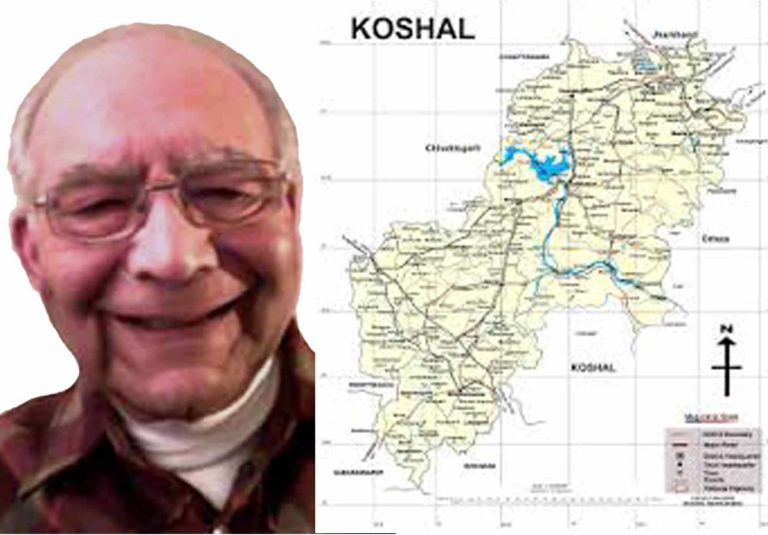
            The language spoken by people in the western part of Odisha is known to be Kosli or Sambalpuri as against the Kataki, which is meant for the dominant standardized and official version of Odia. This language is spoken and used in day to day life by people in the ten districts of western Odisha and Athamallik Sub-Division of Angul District numbering about 1 crore spread about more than 50,000 sq. K.M.[1] ‘Western Odisha’, in common parlance, refers to the four undivided districts     of Kalahandi, Bolangir, Sambalpur and Sundargarh. Recognizing their common culture and common fate of being poor, backward and underdeveloped, the Government of Orissa constituted a special agency for their “accelerated development and advancement” which is known as ‘Western Odisha Development Council’ (WODC).[2] The four (4) Districts comprising the area of the Council, as a consequence of  reorganization of Districts in Orissa in 1993  now consist of Kalahandi, Nuapada, Bolangir, Subarnapur, Sambalpur, Bargarh, Deogarh, Jharsuguda and Sundargarh districts.[3] However, after people from Boudh and Athamallik Sub-Division of Angul District appealed and demanded for their inclusion in the special programme, the jurisdiction of “Western Odisha”   has been extended to eleven (11) areas/zones[4]. Nevertheless, the whole of this Western Odisha region is found to subscribe to a common socio-cultural milieu. “Culture” seen as a broad term, comprises of tradition, rituals, festivals, language, life-style, food pattern etc. Or more suitably to bring in the classic definition of E. B Tylor, the celebrated cultural anthropologist, “culture… is that complex whole which includes knowledge, beliefs, arts, morals, law, customs, and any other capabilities and habits acquired by a human as a member of society”.[5] It is, therefore, that an understanding and appreciation of the culture of a particular region warrants a proper analysis of its historical geography and the changes that take place across time and over space.  Needless to mention here that as regards Odisha or for that matter Western Odisha, we have not  come across any detailed study of the ‘culture-complex’[6] i.e., a group of cultural traits all interrelated to each other which constitutes a representative culture of a particular people, community, nation and region, particularly with regard to its historical geography.  The language and literature has not been studied properly until recently. This is due to the misunderstanding that the language of this region has been considered to be a mere ‘dialect’ of Odia language spoken and written by the dominant people of coastal Odisha including the state capital. Although during the Odia Language Movement and the state formation of Orissa province, much has been contributed by the people of the region, their contributions have neither been recognized nor have been written about as a part of standard Odishan history. It is only very recently that somehow their significant contributions have come to our knowledge and limelight due to efforts made by some researchers, historians and activists of the Koshal movement.[7] Needless to mention that among the many districts forming part of the Central Provinces during the British period, only the    District of Sambalpur was an Oriya-speaking tract which had lost its independence in 1849 after the sad demise of the last Chauhan King Raja Narayan Singh.[8]  It is noteworthy to mention here that all the lowest personnel of the British government were mostly Hindi-speaking non-Oriyas. The British rulers did not understand any language other than Hindi and they also instructed the lower personnels not to pay any importance to Oriya language. And it was in 1895 that the then Chief Commissioner of Central Provinces, Sir John Woodburne passed an Order directing that Hindi shall be the language of Courts and Government Offices in Sambalpur.[9] In sharp reaction to this Order, people in the region under the leadership of Dharanidhar Mishra  mobilized themselves and in a meeting held on 13th June 1895 passed a resolution opposing such an imposition of Hindi language in the area.[10] They not only submitted a Memorandum to the then Vice Roy Lord Elgin, but spearheaded the movement for its resolution. Appeals were made to people all over the Oriya speaking tract and nationalist writings were written in and published by several dedicated intellectuals of the region in the pages of Sambalpur Hiteisini  and  Hirakhand.[11] The intellectuals of the region rather galvanized their movement further following the census of 1901. In a well-documented Odia book entitled Simla Yatra i.e., Journey to Simla,[12] we come to know that five eminent persons of the region namely Mahant Behari Das, Balabhadra Suar, Braja Mohan Pattanaik, Madan Mohan Mishra and Sripati Mishra had decided to proceed to Simla so as to meet the Viceroy Lord Curzon in September 1901 and to apprise of their demand that Oriya language shuld not only be introduced in the region but also that an area in which a particular  language like Oriya was the medium of instruction, should be placed under one homogeneous administration. It is further reported that although the delegation from the region could not meet the Viceroy in Simla, later on, the Chief Commissioner of Central Provinces Sir Andrew Fraser, came to Sambalpur and finally from 1903 onwards Oriya was introduced as the official language in the Courts and government offices in the region. Another crusader of the movement from the region was   the well-known poet Ganga Dhar Meher[13], who not only spread consciousness among Oriya-speaking people to wake up and get united to claim their mother tongue as against Hindi or Bengali which were imposed upon the Oriyas, but also liaisoned with the British authorities to consider such a genuine cause.  When Oriya language was in crisis, it was Meher who proved to be one of the stalwarts who had the courage to herald a renaissance in Oriya language and literature. In fact, Meher was so passionate and spirited and determined to promote the Oriya language movement of his time and reinstate the glory of his language, literature and culture that he went to the extent of suggesting that one who does not love and respect one’s motherland and one’s mother tongue can never ever be considered as an educated person. This can be best summed up in his very famous and most popular poem.[14] Not only this, but there were numerous others who put their head and heart and struggled tooth and nail for Oriya language and an independent province of Orissa. It may also be recalled here that from the very first conference of Utkal Union or Utkala Sammilani  in 1903 till the formation of the State of Orissa the people of the region contributed significantly. [15] However, once the state was finally formed in 1936, the leaders and intellectuals-scholars of Orissa forgot their contributions and rather looked down upon those who spoke languages other than the dominant Odia language.[16] In fact, almost every person I talked to during my field work who were exposed to friends, relatives or officials or even by chance encounter to people from coastal Odisha, they had bitter experience of having been laughed at or joked at for their language, literature and culture. This has been polarizing day by day. And the result has given birth to such a situation, to which linguists call “diglossia”, i.e., when people of this region speak their language/dialect as a vernacular in their everyday life, but they have to turn to “standard/official” Odia language as a medium of education in schools and colleges and for any other public-official purposes. The irony of the situation is that the vocabulary of Kosli-Sambalpuri language consists of numerous words and phrases which are unintelligible to people in the coastal region. It is, therefore, argued that there is an intrinsic – fundamental difference between Kosli-Sambalpuri language vis-à-vis language used by people from coastal Odisha.[17] As a matter of fact, people from western Odisha have already submitted a number of memoranda over the period, to the Government of India so as to include Kosli language in the 8th Schedule of Indian Constitution, which lists the government recognized official languages.[18] Although initially the inclusion of a language in the Schedule meant that the language would be one of the bases that would be drawn upon to enrich Hindi, today, the list has acquired more significance.  The Government of India is now under an obligation to take suitable measures for the development of these languages, such that they grow rapidly in richness and become effective means of communicating modern knowledge. In addition, a candidate appearing in an examination conducted by the Public Service Commission is entitled to use any of these languages as the medium in which he or she answers the paper. Thus, inclusion of a particular language in the Schedule provides certain specific advantages to its speakers which will be denied to them if it is not included in the Schedule.  As regards Kosli/Sambalpuri language, the Chief Minister of Odisha Mr. Naveen Patnaik has already recommended the case and requested the Centre to include in the Schedule. However, it is needless to mention here that there are certain people especially belonging to coastal Odisha who are protesting and resisting such a move tooth and nail. One of the staunch critiques of the proposal has been Dr. Debi Prasanna Pattanayak, who has been a Professor and a well-known linguist and the Founder-Director of the Central Institute of Indian Languages (CIIL), Mysore. It also needs to be underlined that it was Dr. Pattanayak, who was awarded the Padma Shri in 1987 for his contribution to formalizing and adding Bodo as a language in the Eighth Schedule of the Indian Constitution and who was instrumental in getting classical language status for Odia but is now so vehemently opposing for inclusion of Kosli/Sambalpuri language in the Schedule.[19] He looks down upon the advantages to the people of the region if it is included in the Schedule. Rather than appreciating such a move by the marginalized and stigmatized millions, his main apprehension has been that once the language is included in the Schedule, it will subsequently result in bifurcation of the state—on the basis of linguistic division.

It may be noted here that the literature in Kosli-Sambalpuri language has been flourishing day by day. There are already volumes of literature available in almost every literary genre such as poetry, prose, essay, critiques, auto/biographies, on historical as well as contemporary problems, and enriching the literature every day. Although no literature is said to have been written in Kosli/Sambalpuri language till the late 19th century, we find the oldest sample of Kosli words, phrases and morphological features in ancient Charyapadas,[20] which are considered to be the oldest form of Oriya, Bengali and Maithili. Nevertheless, the first writing in the language is said to have been penned in 1891 in the first weekly magazine of the region called Sambalpur Hiteisini,[21] which was published under the patronage of Bamanda King Raja Sudhala Dev and edited by Pandit Nilamani Vidyaratna. It was titled ‘Sambalpur Anchalar Prachin Kabita’ written by Madhusudan.[22] Since then, the list  of Kosli writings did not  stop. For   the period   from 1891 to India’s independence in 1947, Panda has collected a total of 64 poems written by 35 poets.[23] In terms of  the evolution and development of Kosli language and literature, the period up to 1891 is said to be the ‘dark age’, from 1891 to 1970 can be termed as the ‘infant age’, as there were literature written but they could not withstand their counterparts and did not bring about an assertion of their unique identity. It was only after the 1970s that the writings were not only prominent but the writers realized themselves of their unique position coming from a region which had rich cultural heritage but had been marginalized and stigmatized by the powerful coastal Odias. Some of them even gave up writing in Odia language as a protest and wrote in Kosli language, their own mother tongue, till their last breathe.  Since long, there have been volumes written about the distinctive nature of the language and its unique identity and status as a language with its own grammar, syntax, phonetics etc. Almost all the classic epics such as the Ramayana, the Mahabharata, Upanishada etc. have already been translated into Kosli-Sambalpuri language.  And by now, there are already a few Dictionaries of Kosli-Sambalpuri words to Odia words[24], which shows how unique and distinct both are from each other.[25]

Here it might be useful to list some of the pioneers of Kosli language and literature and their contributions which have been enlightening the leaders and activists of the Kosal movement over the period. They are:

Satyanarayan Bohidar (1913-1980): He is regarded as the father of Kosli-Sambalpuri literature. He established and fortified the identity of Kosli/Sambalpuri language and literature. His poetic excellence lies in his use of pure Kosli/Sambalpuri words which create a magical feeling in the heart of the readers. His major works have been Sripanchami, Ghubukudu, Jikcharana. Although he was a Sanskrit teacher by profession, he dedicated himself to the service of his mother tongue. He also wrote a small booklet on Sambalpuri grammar, which was the first attempt of its kind. The total collection of his writings have been brought out in a single volume Satyanarayan Granthavali published in 2001.

Khageswar Seth (1906-1987): Seth did not have any formal education but learnt his lessons of life from his home and the life around him. He was a born poet and his vision of the world was self-determined. Due to degradation of society around him, he raised his voice against intolerance and inequality in his writings. His notable works were Parchha Sati, Vote Vichar, Papar Maa Baap etc.

Prayag Dutta Joshi   (1913-1996): A well-known name in Kosli language, literature and movement, he was the first serious scholar who attempted a linguistic study of Kosli language. In fact, it was Joshi, who so emphatically announced that the language of the region was not Odia, but Kosli. Till his death he was not only producing seminal essays on uniqueness of Kosli Bhasa and literature but also promoted many amateur Kosli writers and poets. He was also among those who for the first time in 1986, submitted a memorandum to the President of India to include Kosli under Eighth Schedule. His small booklet Koshali Bhasar Samkhipta Parichay is considered as a sacred text by Kosli writers as well as leaders of the Kosal movement.

Nilamadhab Panigrahi (1919-2012) A dedicated scholar, critic and poet in Kosli/Sambalpuri language aas well as a prominent and established Odia writer. He devoted wholeheartedly to the cause of Sambalpuri language and literature and is said to have brought about               literary revolution in the region. He is best known for his monumental  work Mahabharata Katha  in six volumes as translations of original Sanskrit verse of Vyasadeva.

Hema Chandra Acharya (1923-2009) A major poet and short story writer, he used to write equally in Kosli/Sambalpuri as well as in Odia. He used pure folk language and   gave sincere tone to his creations. His works revolved around rural world in around his own village. He is known for his Kosli Ramayan and is known as Kosli Valmiki.

Mangulu Charan Biswal (1935-) Since 1950s, he has been writing both in Odia and in Kosli/Sambalpuri . He is  a well-established poet, story writer, playwright, and lyricist. He is very unique in his word order simple but very effective and heart touching. Though he wrote many plays such as Udla patar Budla Danga, Bhutiar Hatiar, Ulgulan and Sundar Sai,  his drama Bhukha (The Hungry Man) which was also made out to a movie, brought his name and fame internationally.

Haladhar Nag (1950-)    Born and brought up as an orphan in his maternal uncle’s village, he  is hardly a literate to be called as such. Despite his poverty, hardships and sufferings, he has produced volumes of poems which are very popular, powerful and heart touching. He is a born poet, who came to the limelight only during 1990s with his first poem Dhodo Bargachh i.e., the giant banyan tree of the village. A collected volume of his poems have already been published as Lokakabi Haladhar Granthabali (2014) and also a bi-lingual (Kosli along with its English translation) volume of his poems have been available by now entitled Kavyanjali (2016). His poems directly come from his heart and he can recite his poems for hours without even a single word written in paper. Today his voice is considered to be the voice of the entire region. He has been recognized all over the country and several researchers have already been awarded with degrees for their theses on such a unique poet our time.

Dola Gobind Bishi (1960 -) is perhaps the most prominent name today as was in yesteryears, when we look at the movement with regard to promotion and protection of Kosli languagage, literature and culture. Dr. Bishi, in fact, represents the first generation of writers, activists  and researchers of Kosli language, literature and culture as well as the bridge to so many generations of writers, poets and researchers on these issues. He was among the first, along with Kosal Ratna Pandit Prayag Dutta Joshi, to announce and to initiate a public discourse on the distinction between languages spoken by the people of coastal Odisha and that of western Odisha, sometime in the late seventies of the last century. During our interview, he was so spirited about sharing some of the historic moments of launching Kosli language movement as a young college going student amidst some old octogenarian leaders such as Kosal Ratna Pandit Prayag Dutta Joshi. He was too realistic to say how the language taught at schools and colleges was so different from the language spoken at home and had hardly any correspondence with each other.  And it was with such a realization that he jumped into the fray in searching for the way out of such a conundrum. And no sooner his radical writings on the issue opened up debates and discussions not only in the region but also got extreme reactions from people from coastal Odisha including threat to his life. Nevertheless, he dedicated himself to the cause of his Mother land and Mother tongue, which continues even today. Since 1978, even as a student, he published, perhaps the first Kosli magazine Kosal Shree and urged for recognition of Kosli as a distinct language in itself and not as an appendage of Odia language, which had been neglected, marginalized and stigmatized till then. In 1984 he published a full fledged book on unique grammar of Kosli language Kosli Bhasa Sundri and fought tooth and nail to assert distinctive identity of Kosli people and their language. And to get official recognition of the same, he led a delegation to the President of India in 1986 for inclusion of Kosli language in the Eighth Schedule of India’s Constitution. Not only this, he established a Kosli Sahitya Academy called Kosalayana so as to promote research and  publication on Kosli language and culture. And  with his initiative such historic books were published and came to our limelight such as Pandit Prayag Dutta Joshi’s Kosli Bhasar  Samkhipta Parichaya,  which is treated as the nerve of Kosal movement today and Indra Mani Sahu’s Kosli Ramayan. His writings on the language, literature  and culture of western Odisha goes into thousands. But some of his historic contributions are: Kosalara Aitihasika Prusthabhumi, which analyzes the historical mooring of western Odisha from the ancient times and gives the historical background                                         of today’s Kosal movement. The other one is Prachina Bharatara Mahajanapada Kosal, which tries to map out  the historical location of western Odisha from the ancient period and ascertains that the present day western Odisha, along with parts of present day Chhattisgarh constituted, once upon a time the Kosal state, which has been listed among the sixteen (16) Mahajanapadas of ancient India.[26]  In addition to his incisive writings, he has been a source of inspiration to so many generations of researchers and activists dealing with problems of western Odisha in general and Kosli history, language, literature, culture and movement in particular.                                 

Saket Sreebhusan Sahu (1978-) is a very young, energetic and vibrant Kosli poet, writer, playwright, editor, organizer and activist of Kosli language, literature and culture. He is one of the most active leaders of Kosli language movement in recent time. The literary career of Sahu[27] is said to have started when he was in class seventh when he wrote a poem ‘Chasi Bhai’ for the wall magazine of his school and which was also being published in Hirakhand, a premier daily of the region. From his school days, he started participating in Kosli plays and also wrote stories as well as directed Kosli plays such as Bhanga Darpan, Sapan R Samadhi, Akasar Dak,  etc. Later on due to his love for his land, language and culture, he actively subscribed to e-groups such as Kosal Discussion and Development Forum (KDDF) and contributed significantly by writing very forcefully on various issues related to Kosli language, literature, culture including the movement for a separate Kosal state. Since January 2010, he has been regularly publishing  Beni, a monthly Kosli magazine. Moreover, he has also published a volume on the history of Kosli language and literature titled Kosli Sahityar Itihas (2017) from his own publication house Beni. Not only this, but he has been in the forefront of leading delegations for submitting memorandum to concerned authorities both in the state as well as in the Centre for inclusion of Kosli-Sambalpuri language in the Eighth Schedule of the Constitution and has been mobilizing individuals and institutions all over the country with regard to officially recognizing such neglected and marginalized languages. Mention may here be made of, for instance, the Chennai Declaration, which was declared on the sidelines of ‘Language Rights Conference’ held in Chennai on 20th September 2015, and the Campaign for Language Equality and Rights (CLEAR) which has been demanding for promotion of linguistic Rights and Equality and celebration of Mother Tongue Day on 21st February following International Mother Language Day. As a consequence, we can see that for the last couple of years there have been celebrations of ‘Kosli Matrubhasa Divas’ i.e., Kosli Mother Tongue                                                            Day, where debates, discussions, essay competitions, poetry recitations are organized so as to bring out Kosli consciousness among the people of the region. Needless to mention that it is due to his initiative that a dedicated school called Haladhar Abasik Banavidyalaya was opened in Kudopali, wherein teaching and learning is done purely in Kosli language. For this, he has also written a few introductory Kosli books for children such as ‘Asa Kosli Sikhma’ and Asare Pile Kathani Kahema’  and believes that if education is not imparted in one’s mother tongue, it is nothing less than a crime of denying these children their  education.     

There are several other poets, writers, playwrights, dramatists who are contributing in their unique ways to feed in Kosli literature and Kosal movement. During my field work and also while talking to leaders, activists and scholars of Kosal language and  literature I came to know more than hundred magazines, journals, weeklies etc. which have been published over the period for promotion of Kosli language, literature as well as the movement.[28] However, pity to note that hardly they come out regularly and many of them have already become history by themselves. Some are still struggling and reviving gradually.  However, what I came to see during my discussion with people in the street that these literatures are not easily available. Neither is any arrangement to record and document these historical write-ups which may uncover the layers that constitute history of the Kosal language, literature and movement. There is also an apprehension about learning and teaching Kosli language and literature, given that outside their private lives, it has hardly any market value. Despite this, however, I came to know that Sambalpur University has been offering a Diploma Certificate course in Sambalpuri-Kosli language and literature for some years by now.

As it stands today, there is both resistance to such a claim as well as recognizing the true essence of the logic of considering Kosli-Sambalpuri as an independent language in itself. It is, therefore, no strange to see that  linguists and literary leaders from coastal Odisha are fighting tooth and nail to stop the government from including                   Kosli-Sambalpuri  as a part of the 8th schedule, whereas no wonder to see that there are organizations , institutions and forums   to discuss and spread the language and literature of the region. The Government of Odisha has also recognized the value of such a language and literature and already awarding the writers and poets coming from this language. In fact, one of the most popular and prominent writers of this language is Haldhar Nag[29] is very noteworthy who has been recognized for his writings and has already been awarded by Odisha Sahitya Akademi in 2014 and Padma Shri, one of the highest civilian award of the country, by the President of India for the year 2016. And as a consequence of such a popularity of Mr. Nag, the Chief Minister Naveen Patnaik not only invited him to felicitate for his recognition but went a step further and has already announced for establishing a Kosli Language and Literature Research Centre at Bargarh to be named after him so as to promote his language and literature.[30]

Kosli Culture and Kosli Identity

            As regards culture and cultural identity of western Odisha is concerned, it still remains to be well-recorded and documented, although the region inhabits a heterogenous population comprising many dozens of castes, tribes and other socio-cultural communities. Given the diversities of its population dominated as it is by tribals, Dalits and several peasant and marginalized communities, the cultural ethos of the region is also a conglomeration of several strands of cultural patterns and traditions.  Some of them are considered to be part of great traditions, some of little tradition while some others may be considered tribal tradition or peasant tradition. However, despite these diversities, the people of the region have been known for having come together as a unique cultural community vis-à-vis  their coastal ‘others’ and as a consequence they come together as a collective and forge their solidarity, while celebrating their lives. Thus, in the following few pages, we attempt to discuss some major forms of cultural pattern, which are reflected in the festivals, songs, music, dances, rituals, beliefs, their food pattern, traditional artifacts, folk games, folk performances etc., which represent their collective identity as being and belonging to a distinctive region, which the leaders of the Koshal movement are trying to anchor upon and mobilize people along  cultural questions such that  they  are now feeling proud of their culture and promoting it                     not only  in the region but exhibiting all  over the country and also outside. This seems to be watershed in the cultural history of the region, given that their culture was once looked down upon, stigmatized and laughed at for being underdeveloped, backward and uncivilized by their coastal counterparts.

We highlight some of the major festivals of western Odisha.  Of all the festivals celebrated by people in western Odisha, Nuakhai stands out for wherever one might be, it is during this festival that everybody comes to one’s native place and celebrate with one’s kith and kin. Usually it is on the 5th day of Bhudo (August-September) that this festival is celebrated. Villagers and also people in towns and cities always look forward to this day. It is, by and large, a peasant festival celebrating the first harvesting of paddy which is offered to the deities and then accepted by all as the blessings of goddess Lakshmi. Earlier, Nuakhai was celebrated by people in different dates. However, today we see a common date being fixed for the celebration as a matter of their unity and to conform to their solidarity. In fact, the leaders of Koshal movement and their activists and supporters all over the world—from Delhi, Mumbai, Chennai, Kolkata, Bhopal, Hyderabad,  and Ahmedabad to Los Angeles, California and Dubai– have been using this festival to mobilize people and showcase their strength by celebrating Nuakhai Bhetghats. They call themselves Juhar parivar belonging to a common family despite all their differences. So today, wherever one goes from western Odisha, one can be a part of these  parivars and celebrate one’s culture in a homely manner far from one’s home.

The second most popular festival of the region is Puspuni. It is observed through out western Odisha on the full moon day of the month of Pausa (December-January). This is the time when harvesting is completed and hence, people enjoy themselves by meeting each other and celebrating together. Various kinds of food including special kinds of cakes are prepared in every household which is exchanged with one’s friends and relatives.

Rath Jatra is observed on the second day of the bright fortnight in the month of Asadh  (June-July) throughout western part of Odisha as that of coastal Odisha. However, they claim that it is their own god which had its origin in their part of Odisha, which was later on took away by the rulers of coastal Odisha. Even in the remotest of villages, people—old and children, men and women look forward eagerly to celebrate it by pulling the chariots of three idols of Jagannath, Balabhadra and Subhadra. It is the time to refurnish all their homes and get new clothes for all and with sweet food.

Dasra, Buel Jatra and Chhatar Jatra: The festival of Dasra which starts with the first day of the bright fortnight of Ashwin (September-October) celebrates goddess Durga. But more than anything, it is the Buel jatra and Chhatar  jatra, which is unique to western Odisha. Buel jatra is a festival of tantra, which has been said to be the greatest contribution of the region to Indian culture.[31]  On that day, amid magical chanting the transmigration of the divine soul of goddess is practiced on a man. This man, so possessed, moves round the village from door to door and people worship him as a symbol of the goddess.  Chhatar Jatra is observed particularly at Bhawanipatana’s Manikeswari temple. The holy umbrella of the goddess moves from one place to another where thousands of devotees assemble to witness the procession. The large-scale sacrifice of animals to propitiate the goddess, however, creates an unusual scene.

Mention should also be made of Khandabasa festival, which is observed on the eighth day of the dark fortnight of Dasara, especially in the villages where Shakti cult is prevalent. Particularly, in the temple of Lankeshwari of Junagarh, Kalahandi district, a grand festival is observed during which the King of Kalahandi brings the sword of the deity with all her ornaments and attire from his palace in Bhawanipatna. It is also from this festival day onwards that the well-known performance of Ghumura starts and is played all over the region, moving from one village to another.

Dhanu Jatra of Bargarh is based on the story of Lord Krishna and the killing of demon king Kansa. During Dhanu jatra  the whole of Bargarh town  becomes an open theatre where lilas or activities of Lord Krishna beginning from his childhood to his slaying of Kansa are  enacted by real life characters for about a fortnight during Pausa (December-January). Finally, on the last day, the demon king is killed by Krishna representing the victory of good over bad. The jatra also includes various exhibitions, road shows, local music, dances and performances and also gives some relevant social messages on each day of the jatra.

Like Dhanu jatra, people in Sundargarh district celebrate Chaitra Jatra based on the life of Lord Ram. It begins with the day of Ram Navami, when Lord Ram was born and continues for more than a week and ends with Lord Ram ascending the throne of Ayodhya after killing Ravan. It also shows the victory of good over bad which is celebrated with local music, dances, fairs etc.

Lok Mahotsavs: For quite so many years, what we have come across is organization of Lok Mahotsavs  by almost all the districts in the region. These Mahotsavs are an occasion to showcase the rich culture and unique tradition of the concerned district. They are well-planned, well in advance. Many local traditions which were almost neglected or on the verge of dying are now given a new lease of life. Seminars, workshops, poetry recitations, various competitions are organized during the Mahotsav. It is also in these Mahotsavs that leaders and activists of koshal movement are seen to be more prominent and trying to mobilize people so as to actively participate in the movement for the sake of their culture and their Mother land.

There are many more festivals which are celebrated throughout the nook and corner of the region full of its sacred calendar. What is interesting to note is that the activists and leaders of Koshal movement are using many of these festivals to awaken consciousness among the masses about their rich culture and how it should be promoted and protected by them. They argue that it would not be sensible any more to look down upon their culture which the people of coastal Odisha had treated them in a very humiliating manner for so long and that it is time to appreciate one’s own culture and tradition.

Given this, it is akin to say that the mobilization on the part of leaders and activists of the Koshal movement    is complementary to the development and growth of Kosli language, literature and culture and viceversa.  While mapping the historical landmarks, archaeological antiquities and sacred sites in the region, we come across a rich stock of various strands, some even dating back to pre-historic times in traces, ruins and extant in different stages of preservation.  Mention may be made of Paleolithic rock art of Gudahandi cave and Neolithic ones of Yogimath and Dumerbahal in Kalahandi and Nuapada districts and Vikramkhol rock paintings in Jharsuguda.[32]  However, no proper study has yet been done to decipher them and they are gradually getting destroyed due to natural calamities as well as man-made disasters.  There is a vast corpus of materials including inscriptions on stones and copper plates, coins etc. of different ruling dynasties,[33] and their proper studies may throw new light on the detailed history of the region. While doing my field work especially in Kansil,[34] Ranipur-Jharial[35], and Kosaleswar temple Baidyanath,[36] what we came across is a serious neglect of various historical heritage of the region such that either the State Archaeological Department is not recognizing their historical value or even if it has taken over them, they are not taking proper preservation and security of these monuments. In fact, there have been appeals by people at large and history lovers in particular, to apprise of the sorry state of affairs in this regard to respectable authorities. And many voice in unison that this is nothing but due to ‘step-motherly attitude’[37] on the part of the concerned government authorities, who generally come from coastal Odisha.   History of Koshala region is seen to have been wrapped in obscurity.  And it is to such a rich cultural past that the proponents of the Koshal Movement, asking for a separate state of their own, are anchoring to and striving to preserve, protect and promote their golden past.  It is, rather becoming very obvious to see the people of this region increasingly forging their “nationality” and imagining themselves as a “political community”—the citizens of an alternative Koshal state.[38] And today one can see volumes of works being written in Kosli-Sambalpuri language and if one tries to map out the range of folk songs, folk dances, folk dramas, contributions from the region is quite noteworthy. Not only this, but these cultural uniqueness of the region is appreciated not only by the people from western Odisha but, gradually gaining recognition by coastal Odias as well as the wider world. Researchers, activists of the movement and  litterateurs and folklorists in general are attempting at their own levels to see a new avatar of western Odisha, which was until recently, stigmatized for its poverty, backwardness and underdevelopment. Thus, it’s time to see how different markers of Kosli identity such as literary, linguistic and cultural representations are increasingly being used by the leaders of the Koshal movement to garner people’s support and to bring all the people of the region to a common platform in the guise of pan-Kosli identity despite their internal differences.

Notes and References

  1. Dash, Ashok Kumar, 2009, “Sambalpuri (Koshali) Language and Literature at a Glance” in Guru, Giridhari Prasad (ed), West Orissa: Past and Present, Western Odisha Development Council (WODC), Bhubaneswar: 120.
  2. See ORISSA ACT – 10 OF 2000 “THE WESTERN ORISSA DEVELOPMENT COUNCIL” ACT, 2000, as notified by the Law Department, Government of Orissa, dated 5th December 2000 having been assented to by the Governor of the state on the 27th November 2000. Also see, “WODC at a Glance” vide http://www.wodcodisha.nic.in/frmglance.aspx.
  3. The original 13 districts of Orissa at the time of States reorganization and the merger of the princely states have been reorganized further due to increased developmental work and to make the administrative machinery more effective and also due to persistent demand by the people in three successive phases. The first phase which was implemented with effect from October 1992 on Gandhi Jayanti Day as per the election manifesto of the then ruling Janata Dal which effected Koraput and Ganjam districts. Koraput was divided into four new districts i.e., Koraput, Rayagada, Malkangiri and Nabarangpur while Ganjam was divided into Ganjam and Gajapati districts. The second and third phases of reorganization which became effective from April 1993 and January 1994 respectively,  affected eight  districts (without any change, till date, in three districts such as Sundargarh, Keonjhar and Mayurbhanj), thus giving birth finally to as many as 30 new districts in Orissa. Kalahandi district was subdivided with Nuapada as a new district, Balangir gave birth to Subarnapur/Sonepur district, Sambalpur was divided further into Sambalpur, Bargarh, Deogarh, and Jharsuguda, Baleshwar was divided into Baleshwar and Bhadrak districts, Cuttack was divided into Cuttack, Jajpur, Kendrapada and Jagatsinghpur, Puri was divided into Puri, Khurda and Nayagarh districts, Dhenkanal gave birth to Dhenkanal and Angul,  and Phulbani was divided into Boudh and Kandhamal as new districts. For details, see Sinha, B.N., 1999, Geography of Orissa, , New Delhi: National Book Trust, third revised edition: 5-10. Also see Kumar, Hemanshu and Rohini Somanathan, 2015, State and District Boundary Changes in India: 1961-2001, Working Paper No. 248, Centre for Development Economics, Delhi School of Economics, November,2005.
  4. See official website of Western Odisha Development Council (WODC) http://www.wodcodisha.nic.in/frmglance.aspx and also their Annual Activity Reports of various years such as 2012-13 and 2013-14.
  5. See Tylor, E. B., 1871, Primitive Culture London: John Murray,   I: 1.
  6. The concept of the ‘cultural complex’ is grounded in the theory of analytical psychology, which originates with Carl G. Jung’s early work on complex theory, as in The Theory of Psycho-Analysis, 1913/1967. Such an idea emerges as a way of understanding the collective psyche, as it expresses itself in group behaviour and individual psychological experience. Common characteristics of ‘cultural complexes include their unconscious, their resistance to consciousness, their autonomous functioning, their repetitive occurrence in a group ‘s experience from generation to generation, and  their tendency to  accumulate historical experiences and memory that validate their point of view. For detail elaboration, reference may be made to Singer, Thomas and Samuel Kimbles (eds) 2004, The cultural complex: Contemporary Jungian perspectives on Psyche and Society, London:Brunner-Routledge.
  7. For the contributions by individuals and institutions of western Odisha during the Odia Language movement and formation of Orissa province, reference may be made to  Supakar, Sraddhakar,  ‘The Contribution of Sambalpur in the Formation of a separate state of Orissa,’ translated by Satyanarayan Mohapatra, Orissa Review, Information and Public Relations Department, Govt. of Orissa, Bhubaneswar, April 2005, pp. 82-85, Barik, Pabitra Mohan, ‘A Movement for Restoration of Oriya Language,’ Orissa Review, Information and Public Relations Department, Govt. of Orissa, Bhubaneswar,  April 2006, pp. 5-6, Acharya, Snigdha, ‘Linguistic Movement of Odisha: A Brief Survey of Historiography’ Odisha Review, Information and Public Relations Department, Govt. of Odisha,  Bhubaneswar, April 2016, pp. 27-33, and Pasayat, Chitrasen, ‘1895-1905: A Golden Decade in the History of Odia Language Movement in Sambalpur,’ Odisha Review, Information and Public Relations Department, Govt. of Orissa,  Bhubaneswar, April 2012, pp. 39-42.
  8. See  Supakar, Sraddhakar,  cit.: 82 and Pasayat, Chitrasen, ibid.: 39.
  9. See Supakar, Sraddhakar, op. cit.: 82.
  10. : 82
  11. As cited in Supakar, Sraddhakar, : 83, Gangadhar Meher’s ‘Appeal of Utkal Bharati’ published in Samablpur Hiteisini of 5th March 1895 is worth noting. Meher lamented: “The mother is fated to remain in exile. We are also fated to become motherless. Whatever is going to happen is fated to happen. But we should not become cowards and keep up with our struggle.” Also, Supakar points out a report from Hirakhand, another monthly journal from the region, how during the census of 1901, one Baikunth Nath Pujhari, who was then working as an Assistant Commissioner, was engaged in government work but during the evening hours and all through the night travelled from village to village and explained to the people how to answer various questions asked to them and particularly to say and write ‘Oriya’ as their mother tongue so that it will pave the way for introduction of Oriya language in the region once again.     
  1. See Mishra, Sripati, 1918, Simla Yatra (Odia), Cuttack: Utkal Sahitya For details refer Mohanty, Bishnu Charan, 2006, Smrutibasi: Biographical Sketches of Illustrious Sons of Western Odisha (Odia), Bhubaneswar: Western Odisha Development Council (WODC), especially ch: 2, pp. 16-18. Also see Supakar, Sraddhakar, op. cit.: 83-84 and Pasayat, Chitrasen, op. cit.: 41-42.
  1. Gangadhar Meher (9thAugust 1862-4thApril 1924) was a renowned Odia poet of the 19th century, also known as Swabhab Kavi, the Natural Poet, was said to be a literary Midas, who transformed everything into gold by the alchemic touch of his genius. His major works have been Tapaswini, Indumati, Rasa-Ratnakara, Pranaya Ballari etc.  A collected volume of his writings has been published as Gangadhara Granthabali, edited by Nagendra Nath Pradhan,    1996, Alisha Bazar, Cuttack: Dharma Grantha Store.  He was a born poet of delicate charm and was a prominent leader of the Oriya Language Movement, which subsequently resulted in the formation of Orissa as a separate province.
  2. Matrubhumi matrubhashare mamata ,          Ja hrude janami nahi

         Taku jadi gyani ganare ganib                  Agyani rahibe kahin?

  1. Utkal Union or Utkala Sammilani was established in 1903 by Madhu Sudan Das (1848-1934), who is known as one of the founding fathers of modern Orissa. Its aims and aspirations were to bring all of the Oriya-speaking people into one common platform and to awaken Oriya consciousness and articulate a collective Oriya identity. The efforts made by Madhu Babu and members of the Utkal Union were historic in not only assertion of an autonomous identity but also bringing all Oriya-speaking people under one administration in the form of Orissa province. And it is well documented that about three dozens of people from western Odisha were actively participating in the deliberations of the Union from its very inception, including Gangadhar Meher, Ram Narayan Mishra and many others.
  1. In fact, many people during my field work brought about a parallel between what is pathetically referred to as the ‘Bangla domination over Odia language, literature and culture’ and what is going on in terms of ‘coastal conspiracy, hegemony and domination’. It may be recalled that during the British period, the Oriya speaking people were divided in three different administrative units such as Bengal, Madras and the Central Provinces as a consequence, the Oriyas became virtually appendages to these administrative divisions and their language Oriya became linguistic minorities in these provinces. As regards the Bengal dominion, the Bengalis occupied many official positions in Orissa as they were educationally advanced people. They not only looked down upon the Oriyas, their language, literature and culture but some Bengali Officers even tried to abolish Oriya language and replace it by Bengli medium of instructions in the schools of Orissa. Especially, one Bengali teacher from Balasore Zilla School named Kantilal Bhattacharya published in 1870 a booklet which was sarcastically titled as Odiya Ekta Swatantra Bhasa noy. He strongly described that Oriya was merely a dialect of Bengali language. Likewise, another notable Bengali scholar Rajendra Lal Mitra despised and insulted Oriyas and their culture. And it is this Oriya-Bangla language debate which subsequently acted as a catalyst for the intellectual movement among the Oriyas and was later on very instrumental in the rise of Oriya nationalism and ultimately a state of their own called Orissa. The people of western Odisha also complain that the people belonging to coastal Odisha look down upon and stigmatize their language, literature and culture. Needless to mention that despite that there are fundamental differences in spoken forms of coastal and western Odisha and despite there being distinctive grammar, syntax, pronunciation etc., the language spoken by about ten million people is denied its language status and merely designated as a dialect of Odia language.
  2. Efforts have been made by writers and linguists of western Odisha for quite some time to interrogate the question of fundamental difference between Kosli-Sambalpuri language vis-à-vis Odia language. It was Kosal Ratna Pandit Prayag Dutta Joshi, who for the first time, declared the language of western Odisha as  being different from that of coastal Odisha and named it as ‘Kosli’ in many his writings since the late 1970s and 1980s which sowed the seed of a literary renaissance in the region by the 1990s and inspired many generations of writers, poets and linguists which continues till date. Reference may be made to Joshi, Prayag Dutta, ‘Utkala sahitya ku Khadial ra abadana’, Asanta Kali, February 1978, ‘Kosali Bhasa’, Girijhara, November 1981, ‘Kosli Bhasa’, Agni Sikha, 1981, ‘Khadial Anchalar Loka Bhasa’, Saptarshi, June 1981, ‘Upabhasa Nuhen’, Dainik Kosal, 17th October 1981, ‘Swatantra Kosli Bhasa’ Dainik Hirakhand, 15th, 17th, 19th and 20th September 1983, ‘Swatantra Kosli Bhasa’, Saptarshi, November 1983 & September 1984, ‘Paschim Odishar Bhasa Kosli’, Hirakhand, Bishuba Milana Smaranika, January 1985, ‘Swatantra Kosli Bhasa’ Saptarshi, March 1988, March-April 1990 and his full fledged book on the issue Kosli Bhasara Samkhipta Parichaya, edited by Dr. Dola Gobinda Bishi and published by Rabi Kiran Swain on behalf of Kosalayana, Kosal Sahitya Academy, Titilagarh, 1991.  A very detailed analysis of the issue was also brought to public discourse by Gobinda Chandra Udgata with his article ‘Bhasa Prasanga- Odia and Sambalpuri’, Saptarshi, March 1997. The contributions of Dr. Dola Gobind Bishi is also noteworthy who  has  been writing as well as speaking on the issue so forcefully in various media and has already brought out a unique grammar book on Kosli language titled Kosli Bhasa Sundari, 1984 and  is preparing a multi-volume Thesarus of Kosli words, phrases and idioms. Also there are  seminal additions to such a discourse by several others such as Ashok Kumar Das,  ‘Sambalpuri (Koshali) Language and Literature at a Glance’, in Guru, Giridhari Prasad (ed), West Orissa: Past and Present, Western Orissa Development Council (WODC), Bhubaneswar, 2009, pp. 120-138, Ashok Kumar Das, ‘Peculiarities of Sambalpuri/Koshali Language in its Morphology’ Surata, souvenir of  Nuakhai Bhetghat, Juhar Parivar, New Delhi, 2009, Patel, Kunjaban, A Sambalpuri Phonetic Reader, Menaka Prakashani, Gole Bazar, Sambalpur, undated,  Sahu, Saket Sree Bhusan, ‘Kosli: A Distinct Language’, September 17, 2011 available online vide his blog Kosli Sahitya https://koslisahitya.wordpress.com/2011/09/17/kosli-a-distinct-language/, Karmee, Sanjib Kumar, ‘Kosli Language: A Perspective on its Origin, Evolution and Distinction’, available online vide http://www.orissadiary.com/ShowOriyaColumn.asp?id=31000 dated 25th May 2012.
  3. The Constitutional provisions relating to the Eighth Schedule occur in Articles 344 (1) and 351 of the Constitution.  344(1) provides for the constitution of a Commission by the President on expiration of five years from the commencement of the Constitution and thereafter at the expiration of ten years from such commencement, which shall consist of a Chairman and other members representing the different languages specified in the Eighth Schedule to make recommendations to the President for the progressive use of Hindi for official purposes of the Union. Art. 351 provides that it shall be the duty of the Union to promote the spread of Hindi language to develop it so that it may serve as a medium of expression for all the elements of the composite culture of India….Initially there were only 14 languages included in the Eighth Schedule of the Constitution. Sindhi language was added in 1967. Thereafter, three more languages Konkani, Manipuri and Nepali were included in 1992.  In 2004 four more languages such as Bodo, Dogri, Maithili and Santhali were added to the list totaling as of today to be 22 languages under the Eighth Schedule. However, it is to be noted that there have been demands for inclusion of 38 more languages in the Schedule which also include the Sambalpuri/Kosali language spoken by the people of western Odisha, which is under consideration by a Committee under the Chairmanship of Shri Sitakant Mohapatra and the Ministry of Home Affairs. During my field work and while interviewing Dr. Dola Gobind Bishi, Lecturer in Odia, D.A.V college Titilagarh, I came to know that it was way back in 1986 that Dr. Bishi along with Koshal Ratna Sri Prayag Dutta Joshi from Khariar had submitted  the first memorandum to the President  of India to include Kosli language in the Eighth Schedule. Over the period, there have been many more memoranda submitted by various individuals and institutions from the region for this. Although initially inclusion of a language in the Schedule meant that the language would be one of the bases that would be drawn upon to enrich Hindi, today, the list has acquired more significance.
  4. See Pattanayak, Debi Prasanna,  ‘Govt’s Eight Schedule move reflects immature vision’, The Telegraph,  Calcutta, 6th March 2014. He originally wrote his reactionary piece called ‘ Matrubhasha O Manaka Bhasha’ on 22nd July 2011  in Sambad, an Odia daily.  Following this, there were several rejoinders and reactionary debates between the champions of Kosli language and literature vis-à-vis coastal Odias who saw it as divisive, parochial and suicidal. Some of the outstanding contributions in this context were, for instance, by Sanjib Karmee, Saket Sreebhusan Sahu, Narendra Kumar Mohanty, Arjun Purohit , Sapan Mishra and many others. For details as well as comments, see Kosal Discussion and Development Forum, ‘The Sambad (Odia daily) on our discussion of Kosli language vide https://kddfonline.com/2011/07/22/the-sambad-odia-daily-on -our-discussion-of-kosli-language.
  1. Charyapadas are a collection mystical poems belonging to the period 8th-12th century with regard to the Vajrayana Buddhism and the tantric tradition in eastern India. For details see Sahu, Saket Sreebhusan, 2017, Kosali Sahityara Itihas, Beni Publications: 4-7.
  1. The Sambalpur Hiteisini alias the Sumbulpur Patriot is said to be the oldest weekly of not only Sambalpur district, but also of the entire  western Odisha region. It is said to have been published  by the king of Bamra State since 30th May 1887  so as to  bring out consciousness among the  Odia-speaking people and to draw the  attention of the British administration regarding the problems of Hindi language which was imposed upon them and to introduce Odia as the official language in Sambalpur. However, it was only in the 1891 issue of the weekly that one comes across the writing in Sambalpuri-Kosli language for the first time.
  2. See Panda, Sasanka Sekhar, 2003,  Jhulpul, Cuttack: Chitrotpala publications: 7.
  3. Ibid: 1-2.
  4. Tripathy, Prafulla Kumar’s compiled book Samalpuri Oriya Shabdakosha (1987), i.e., a Sambalpuri to Oriya Dictionary, and Guru, Narasingha Prasad, 2016, Koshali-Odia Abhidhan Tikarpada, Balangir: Binapani Prakashan. Also, during my interview with Dr. Dola Gobind Bishi, a well-known writer and researcher of Kosli language, literature and culture in Titilagarh pointed out that he is preparing a multi-volume series on Kosli Thesarus, which would not only collate unique  Kosli words, phrases and idioms but will also illustrate their historical roots, contemporary usages and their comparative analysis vis-à-vis  Odia terms.
  5. The uniqueness and distinctive identity of Kosli and Odia languages are debated throughout the history  although it is said to have been unnecessarily stretched too far. Some researchers, activists and proponents of the Kosal movement have been trying to go to the root of these languages and suggesting that Kosli is an ancient, rich and sweet language. It belongs to Indo-Aryan family of languages. Legend is that the original Shouraseni Prakrit was travelling towards East and before becoming Magadhi, it stopped in Kosal region and evolved a form. As it evolved on the way to Magadh, it is also known as Ardha-Magadhi. On the other hand, Odia language is said to have come from Odra-Magadhi Prakrut although it also belongs to Indo-Aryan family of languages.  For detailssee Sahu, Saket Sreebhusan, ‘Kosali Language: A Reflection of Regional Disparity in Odisha’, vide http://odishawatch.in/kosali-language-reflection-disparity-odisha/. Also see Joshi, Prayag Dutta, Kosali Bhasara Samkhipta Itihas, edited by Dolagobind Bishi, Beni publications, second edition, 2013: 24.
  6. Mahajanapada literally means a great country. The political division of ancient India during 6th to 4th century BC mentions Sodasha Mahajanapadase., sixteen (16) great kingdoms such as Anga, Assaka, Avanti, Chedi, Gandhara, Kashi, Kamboja, Kuru, Kosala, Magadha, Malla, Matsya, Panchala, Surasena, Vriji and Vatsa.
  1.  Refer ‘The Profile of a good Young Writer Saket Sreebhusan Sahu’, available online vide http://eodisha.org/the-profile-of-a-good-young-kosli-language-writer-saket-sreebhusan-sahu/ dated 11th December 2012.
  2. A list of Kosli  language magazines have been available online compiled by Sapan Mishra, Sambalpur  University which has been approved and produced by Kosal Discussion and Development Forum (KDDF). Arranged alphabetically, it lists in total seventy seven     (77) Kosli magazines.   For details, see ‘A Complete List of     Kosli Language Magazines’ vide http://kddfonline.com/.  However, while I was doing my fieldwork in the region and was looking for these magazines, I could hardly collect any of these magazines. I also came across a few more new magazines which were not in the list. While talking to some of the editors of these magazines and journals, we came to realize that the major problem in the production and marketing of such magazines are due to the problem of readership and due to lack of financial viability. Dola Gobind Bishi, for instance, was one of the earliest to publish a magazine called Kosal Shree during his student days in 1978. However, he complained during our interview that there is hardly any profit that they got in return even to publish the second issue.  Such endeavours, he lamented, were carried on by the spirited persons and activists with good intention, but without any capitalistic market oriented calculations. As a result, whatever is published is privately circulated like charity and it is pity to note that after sometime even the writers, publishers and printers would be unable to find a copy of the same for themselves.
  3. Haldhar Nag  was born on 31st March 1950 in  Ghens, Bargarh District,  his maternal uncle’s village. He grew as an orphan from his very childhood, who survived by washing plates in a hotel, selling peanuts on the street and is hardly literate. But today he represents a powerful voice of the entire western Odisha and its identity.  He has been bestowed with the Kosal Ratna award, recognizing him as a jewel of the region. His poems are true reflection of the everyday life of the common men and women of the region. He is considered as the messiah of the toiling millions for he fights for the oppressed and the marginalized through his poems. He is also popularly known as Lok Kabi., People’s Poet and Kosli kuili i.e., koel or cuckoo bird for his enchanting poetries.  People consider him as the second Ganga Dhar Meher, and by now, about half-a-dozen researchers have already done M. Phil / Ph. D theses on him and many more are still researching on him and his writings.  See especially Mohan, E. Kiran, ‘Poet Haldhar Nag: An Agent of Social Reform’, Orissadiary.com,  17th November, 2015, Guru, Sudeep Kumar, ‘Poetry makes him known as new Gangadhar Meher, Peanut seller Haladhar Nag carves niche for himself as poet of Kosli language’, The Telegraph, Calcutta, 25th September, 2010 and Krishnan, Madhuvanti S., ‘Poetic Crusader’, The Hindu, 13th April, 2016.
  4. See Sanjib Karmee, ‘Naveen Babu announces a Kosli Language and Literature Research Centre at Bargarh’, Kosal Discussion and Development Forum (KDDF) vide https://kddfonline.com/2016/04/07.
  5. See for details, Deo, J.P.S, 2010, ‘Yogini cult is the gift of Bolangir district  to Indian culture’, in Udgata, Srinivas et.al (eds), Cultural Legacy of Western Odisha: A Commemorative volume in Honour of Late  C Rath, published by Koshal Nagar, Bolangir: P. C Rath Memorial Trust: 71-82.
  6. For details, see Mishra, Dadhi Baman, 2009, “Archaeological Heritage of West Orissa”, in Guru, Giridhari Prasad (ed), West Orissa: Past and Present Bhubaneswar: Western Orissa Development Council: 26.
  7. Ibid: 27
  8. Kansil is a small village of about 1500 population living in 325 houses (according to 2011 census) in Bangomunda Block of Balangir District. This village has been supposedly once the capital city of Kosal King Kusha named ‘Kushasthali’ or ‘Kushawati’.  I came across the name of the village in some vernacular writings and also writings by some  noted historians such as  Ramachandra Mallick (1867-1936), perhaps the earliest historian of the region  with his Sankhipta Koshal-Patana Itihas (1931: 46-48, 62), wherein he emphatically proves that this village along with its neighbouring villages such as Ranipur, Jharial, Bahabal and Balkhamar constituted five units of the ancient Koshal Nagar with specialized tasks such as Queen’s Palace, Bathing Ghats, Reserved Force and Storage of wealth and property respectively.    Purna Chandra Rath (1909-1952),  is another noted historian  from the region, who devoted one full chapter on the village called  “Kansil’ (2014: 108-111)  with details of  historical and archaeological sites in and around the village and ascertains without any doubt, how this village, once upon a time, was a well-developed  town / nagari, and that the present-day name of the village Kansil is nothing but a corrupted version of the ancient Kosal Nagar or Kushasthali.    Sadananda Agrawal (1952-2017), whose contributions in analyzing, interpreting and popularizing Koshal history is quite noteworthy and especially his  Koshala Itihas (2013: 21) establishes with archaeological evidences that the village and the entire region especially the historic Ranipur-Jharial temples represents a very unique architectural style which is possible only in the case of a highly developed kingdom and civilization. Also, while talking to some prominent leaders of the Koshal movement such as Nataraj Mahapatra, Khariar during my field work, I could realize the significance of the village for uncovering the history of the entire Koshal region and therefore, went to the village in March 2017 and saw by myself some ruined structures at several places in and around the village, which are yet to be studied properly. However, while talking to people in the village we saw a common voice by almost all the villagers-old or young, educated or uneducated, men or women—that they are, indeed, so proud of their history as they belong to ‘Kosal Nagar’ or ‘Kausalya Nagar’, once the capital city of Kosala kingdom. They were also very enthusiastic about the prospect of the ‘Koshal Movement’, which they said, will bring back their glorious past. However, they also put forth before me  the neglect on the part of the government as regards these historical monuments and requested me if I can do anything in this regard.
  1. Ranipur and Jharial are twin villages under Titilagarh Sub-Division in Balangir District and bear strong traces of their ancient heritage. The archaeological sites in and around these two villages is known as “Soma Tirtha” in various scriptures pertaining to the reign of Somavamsi kings dating back to 8th-9th There are more than hundred small, medium and large temple structures in different stages of decay and preservation. The unique Hypethral temple of 64 Yoginis is one of the four remaining such shrines such as Hirapur near Bhubaneswar, Khajuraho and Bhedaghat near Jabalpur. It also shows a confluence of Saivism, Vaisnavism, Buddhism and Tantrism. Although this place has already been taken over by the State Archaeology Department and also has been declared as “Monuments of National Importance”, the state of the affair as regards its protection and preservation is far from satisfactory. There is no security guard as such and as a result, many of the structures from the 64 Yogini shrine are already lost.  I could even see by myself, some historical rock structures far from the site, probably being taken by someone gradually. The villagers as well as lovers of history of the region lament that had it been situated in the coastal part of Orissa such as Puri or Bhubaneswar, the situation could have been very different and the place could have been developed properly and not as it is today.
  1. The Kosaleswar temple at Baidyanath is on the bank of river Tel, situated about 15 Kilo Meters to the South-East of Sonpur in Subarnapur District. Historian N. K. Sahu has been of the opinion that the temple was constructed during the reign of Telugu-Chodas in the last part of 11th or 12th century A.D.  There is also a reference in one copper plate record that Baidyanath urf Kosaleswar was the tutelary deity of the Telugu-Choda ruling family. There are some who on the basis of the architecture, sculptures and especially the specimens of plastic art, date it back to 7th century AD or even earlier. Charles Fabri (1899-1968), the English curator and Buddhist doctor opines that it was originally a Buddhist structure which has been refurnished later on by the Hindus as per their need.  Sadananda Agrawal (1952-2017), a crusader of Koshala history suggests it to be of around 9th century A.D and has also appealed several times to the concerned archaeological Department of the state for its protection and preservation. When I visited the temple in March 2017, I was aghast to see the sorry state of affair of such a historical monument of the region. The main temple was supposedly under repairing and all the statues of varying gods and goddesses were  found  to be scattered  all over and were  left unattended and unprotected lying outside the temple in a far corner. While talking to the villagers, came to know that originally, there were three temples in the precincts but today there exist only two temples because one temple on the bank of the river was taken away by the flood water in 1967, and only a few stones stand there today.
  1. Such a phrase or idiom is popularly used throughout India and also outside so as to refer to the problem of   neglect, disregard or inattention. It also underlines the ill treatment meted out by one’s literal relatives—the  step/foster father or mother,  who  are not real biological parents and are stereotyped of being bad  father or mother, who do not take care of their foster children at par with their ‘own’ biological children.
  2. For the discourse on “nation” as an “imagined political community”, see Anderson, Benedict (1983), Imagined Communities: Reflections on the Origin and Spread of Nationalism, London: Verso, revised edition: 5-7.

Author’s Details

Tila Kumar, Assistant Professor, Department of Sociology, Delhi School of Economics, University of Delhi.  E-mail: tilasocio@yahoo.com. This article has been published in  SOCIAL TRENDS, Journal of the Department of Sociology of North Bengal University, Vol. 5, 31 March 2018; ISSN: 2348-6538, pp. 37-63.