Wednesday, April 29, 2026
Home Blog Page 30

Death of My Brother: Dr Saheb Sahu

0

Will

Khajuria”s Nana died today the 13th Dec 2006. With her death, all of my father’s generations are gone. It is now the turn of the generation next. How I wish, Rushi should have allowed me to lead the journey.

Lord, grant me a natural death and courage to welcome it when it comes. I wish my dead body should be cremated where I die. Rites should be simple, oriented towards welfare of “Daridra Narayan” and no observance of Jayanti or Death Anniversary.

Manaswi Sahoo, 13th Dec, 2006.

Will

I further wish that if I become invalid/unconscious or incapable to make decision about my treatment for any reason whatsoever, I shall not be shifted to any hospital or nursing home for treatment. I do not wish to survive for a moment with life support system in a hospital. I wish to die at home. My family members, relatives and friends should not suffer from any guilty conscience for not taking me to a hospital; they have bestowed upon me enough love, respect and care during my life time.

ManaswiSahoo, 8th May 2015

Ranjit- You will please ensure that my wishes are respected by all in the family including your mother.

ManaswiSahoo, 8th May 2015

Ps- Khajuria’s Nana was our father’s youngest sister.Rushi was my middle brother who died in 2004 from an incurable neuromuscular disease (ALS).Ranjit is my brother’s eldest son whose familystayed with my brother and Bhabi and took care of them. All my other nephews and niece live outside Sambalpur, our home town.

My eldest brother Sri ManaswiSahoo died on 11th, January 2018 after a brief illness. He was 83. I was there when he died. We were three brothers from a farmer family from Western Odisha.My brother had started as a clerk and retired as a superintendent of Indian Postal Service. He had financed my education from the 4th grade to all the way to my graduation from medical college. We were very close. He was my mentor.

After graduating from AIIMS, New Delhi in 1969, I moved to the United States for further training. I became a child specialist and specialist of the premature and sick newborns. Before retiring I practiced for 38 years in USA. Even though most sick babies survive,as a director of a large neonatal intensive care unit (NICU) I have seen hundreds of newborn babies die under our care. I have cried with many parents and attended many funerals. I have taught medical students, doctors and nurses about death and dying for more than 40 years. I have also written two books on the subject. I was also the managing director of a super specialty hospital in Bhubaneswar, India with a large number of adult intensive care beds. In my capacity as the managing director, I met many families who came to see me for concession on their hospital bills as they were unable to pay. During my hospital rounds I also met many families who were unwilling to discontinue futile care of their loved-one in spite of advice from their treating doctors.

A Brief History

As early as 2006(he was 72), my brother had accepted death and had made up his mind to die at home and not in a hospital or nursing home. In 2015, headded the second paragraph (we had talked about life support in January 2015 during my visit home from USA) to his will further clarifying his desire not to be placed on life support. He has told his wife, his sons, his close friends and me (the only doctor in the family) that he would like to die at home and not in a hospital.

My brother was 83 and had no chronic illnesses except for arthritis and loss of hearing in his left ear. He had no diabetes, heart disease, and chronic lung disease or kidney failure. His mind was sharp until about 2 weeks before his death. He was meeting people and doing the work of our family trust which he had done for more than 30 years.

My brother developed bluish discoloration in many parts of his skin and frequent nose bleedsaround 15th of Nov 2017. He was admitted to a hospital in Sambalpur (our home town) and was given multiple transfusions because of low hemoglobin and low platelets. He came home after three days of hospital stay. He was readmitted on 30th of December for high fever.His doctors suspected blood infection and on their advice, he was transferred to a specialty hospital in Bhubaneswar on the night of 31st. At the request of the family he was not admitted to the Intensive Care Unit but was given as private room (I was once the managing director of the hospital and my niece works there). He was conscious and received appropriate treatments. A bone marrow biopsy done on 3rd of January showed that he had blood cancer (chronic lymphocytic leukemia-a blood cancer of old people). He became semiconscious and delirious on 3rd of December. My wife and I reached Bhubaneswar from USA on 4th night and went straight to the hospital from the airport (our visit was planned since Nov). He did not recognize us. Next day we had a family conference with the doctors (cancer specialist, internist and neurosurgeon) and with their consent decided to bring my brother home to Sambalpur. After giving him one dose of the newest cancer medicine (we had planned to give him two more required doses at Sambalpur) we brought him home on 6th of January. Before his death, our immediate family members and relatives, neighbors, many of his friends and co-workers, many school teachers and students (our family trust has established many schools and hostels for girls near our birth village) and countless community members had an opportunity to say goodbye to him. He did not regain his consciousness and died on 11th afternoon in his own bed surrounded by his family. He was cremated the same night. Even though we all miss him very much, I feel that he had a good life and a good death. He was such a caring and nice person that I consider myself lucky to have been his brother.

What is a good death?

It is hard to define what a good death is. Each person must come to his or her own definition. Such definition is highly individual and changeable over one’s life time and over the course of an illness. Some of the attributes of a good death which most people agree are: being in control of one’s bodily functions including brain functions, being comfortable without significant pain, having a sense of closure about one’s life, being valued as a person, leaving a legacy and being cared for by family and if possible a quick death. In real life, most people are not that lucky to have a good death. Some people would say that there is no such thing as a “good death”- all deaths, are unnecessary, unwanted and unwelcome. But we cannot escape death. It will surely come.

How to prepare for death if you are getting old?

  • Remember that we are all mortal. To accept that death is inevitable is the first step towards a good death.
  • Consider “Old Age “as a chronic disease. Common causes of death in old age are- congestive heart failure from heart disease, stroke, cancer, diabetes and its complications and chronic obstructive lung disease (COPD) and pneumonia. Think about the level of medical intervention you want if you get sick.
  • Remember, aggressive treatments to the very end results in expensive, painful and futile therapies. Risk of many treatments also increases with age. If you are sick, have a frank discussion with your doctors about your disease outcome, including your chance of dying from the disease. Encourage him to be frank. Many doctors try to sugar-coat the information in the mistaken belief that truth may hurt the patient. Don’t avoid discussing the cost of treatment as it may save your family some money.
  • Pain can be control with proper medicines, but too much of it will make you drowsy and even unconscious.
  • Consider palliative or comfort care or hospice care if you are suffering from a terminal illness. They are just different names for the same kind of comfort care. They are less expensive and most of the time you will be able to die at home, usually pain free or with bearable pain. Your doctor and hospital will be able to arrange for you if choose palliative care.
  • Refusing to eat and drink is a practical, ethical and legal way to hasten death. Most studies show that two thirds of the fasting patients have no complaints of hunger at all. Only one third experience thirst which can be satisfied by using moist towels or moist swabs to wipe the lips and the mouth. Death by starvation is painless. If you decide to drink but not eat it will take you longer to die. Starving oneself to death is acceptable by most religions and most cultures. In 297BCE, Chandragupta Maurya gave up his throne to his son, became a Jain monk and starved himself to death.
  • Most important of all, communicate your goals and wishes, to your immediate family members, doctors and friends. Put it in writing if you can. Designate a person you trust to be your health-care proxy, so that he/she will have legal power tomake decisions about your medical care in case you are unable to do so. If you have designated a health-care proxy in writing, his/her decisions about your medical care will be binding on the hospital and the doctors. Give a copy of your health-care proxy or will to the designated person and to your doctor.

Conclusion

To everything there is a season.

A time for every purpose under heaven;

A time to be born,

A time to die;

The Old Testament, Ecclesiastes 3:2

Death is certain for the born, Birth is certain for the dead,

You should not grieve for

What is unavoidable?

The Bhagavad-Gita


In our mind, we all know that one day we are all going to die. But most of us don’t want to think about it, talk about it or have anything to do with it, let alone plan for it. Dying can be much undignified- with soiled bed clothes with bodily fluids and foul languages- all not uncommon during the course of dying. Many times the outcome of medical treatment is uncertain. The survival can be short but the suffering can be great. Expense is another major problem for most people. It is important that you, the person who is old or someone who is suffering from serious illness, make your end-of –life care wishes known to your family, friends and doctors. Execute a health-care proxy and designate somebody you trust to make healthcare decisions on your behalf if for some reason you are unable to do so. Make peace with yourself and your family members. Say good bye.

Death rituals are important for the living not for the dead, even though we perform them in his/her name. They help us in our grieving.

My brother had left a very clear will but had not shown it to his son before he got sick. We found it on the 6th day after his death on the top drawer, on the first page of the top file. By that time my nephews had taken his ashes to Allahabad to be immersed in the Ganges. The invitations for the Ganga Bhoj were already sent. After reading his will I cried. It was so precise and so well written. In America I had executed a health- care proxy few years ago spending thousands of dollars in legal fee. My brother had done it in two short paragraphs. As the invitations were already sent we could not cancel the Ganga Bhoj but we trimmed the menu. We fed the poor after the death rituals were over.

In my opinion my brother had planned his death well. I am guessing that he was not thinking that he would die so soon, hence did not tell his sons about the location of his “Will”. He was looking forward to our visit in january2018. I feel that he had a good death by my definition. As for myself, I have put my financial affairs in order. I have executed a health-care proxy. I have given a copy to my eldest son who is the proxy holder. I personally believe that when one is ready to die, starving (both food and water) to death is a good way to die. It is legal everywhere. There are no complications and it is free. It is also painless. It may take some time based on your nutritional status but you will have a painless death.

I do not believe in the existence of a soul, after- life, heaven or hell or reincarnation. My body is like a turn garment (Gita).From the dust we come and to the dust we shall return (Bible). I have directed that my dead body  be donated to the nearest medical school for students to dissect. I was fortunate to dissect somebody’s dead body during my medical training and I would like to return that favor.

I like what Churchill said “I am ready to meet my Maker. Whether my Maker is prepared for the ordeal of meeting me is another matter.”


The End

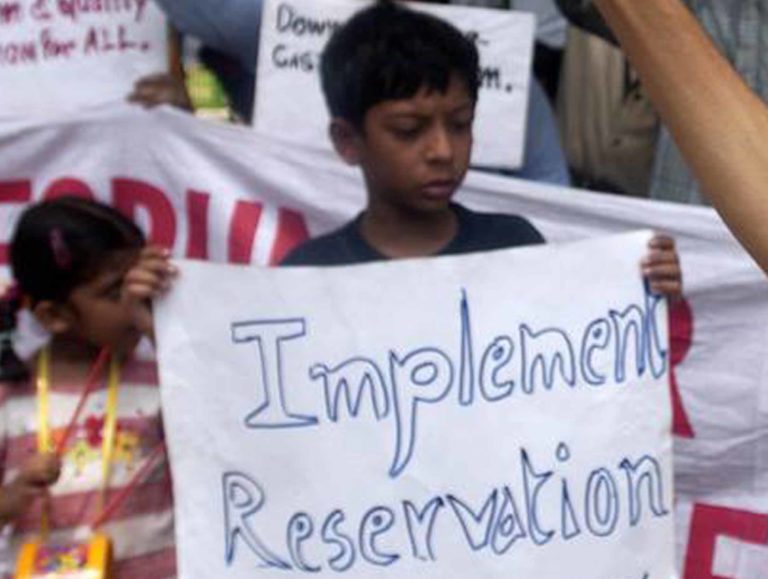
Ramchandi Sena urges to avail 27% reservation to SEBC’s of Odisha

On behalf of Ramchandi Sena, Saket Sreebhushan Sahu  has written a letter to Chief Minister Naveen Patnaik demanding to avail 27% reservation to SEBC’s of Odisha.

The letter explains details that as per the reservation policy of the Union Government many states in India are providing 27% reservation to OBC/SEBC category in their education and employment but Government of Odisha is providing only 11.25 % to SEBC/OBC category.

According to recent socio-economic census, SEBC (Socially and Educationally Backward Class) comprises 54% of the total population of Odisha. But the OBC’s are getting only 11.25% of reservation in government employments/services/jobs etc.

Health Care For All (Universal Healthcare): Dr Saheb Sahu

0

By many measures the world has never been in better health. Since 2000 the number of children who die before they are five has fallen by almost half, to 5.6 million. Life expectancy has reached 71, again of five years. More children than ever are vaccinated. Death from Malaria, TB, HIV/AIDs are much lower.

But medicine can do much better. According to the World Health Organization (WHO), half the world is without access to essential health services including antenatal (before birth) care, insecticide- treated mosquito nets, screening for common cancers, and vaccination against diphtheria, tetanus and whooping cough. Safe basic surgery is out of reach for 5 billion people. Those who can see a doctor pay a high price (out of pocket cost) relative to their income. Millions of them go into debt to pay for their medical care. Most Indians fall into the half described by WHO.

What is universal health care?

Universal health care is a health care system that provides health care and financial protection to all citizens of a country. United Nations member states including India, have agreed to work toward worldwide universal health care coverage by 2030.

Universal healthcare does not imply coverage for all people for every sickness. It can be determined by three critical dimensions: who is covered, what services are covered, and how much of the cost is covered.

Brief History

The first move towards a national health insurance system was launched in Germany in 1883 with the Sickness Insurance Law. The former Soviet Union established fully public health care in 1920 .Following the World War 11, universal health care system began to be set up around the world: New Zealand in 1941, United Kingdom’s National Health Service in 1948, Western European Countries in 1960s, Japan in 1961, Canada in 1968, South Korea in 1989, and Thailand in 2001. More than 110 countries now have some form of health insurance schemes.

Case for universal health care

The prestigious British Magazine “The Economist” in its April 28, 2018 issue has the cover story: Within reach: universal healthcare, worldwide. It has described all the reasons why all counties including the poor ones should go for universal health coverage.

Universal basic health care (like basic education) is sensible- because its yields benefits to society as well to individuals. Good health is something everyone wants in order to realize their full potential.

Most people think that universal health care is only for the rich countries. However,” countries need not wait to be rich to provide basic healthcare to all”says the Economist. There is already a lot of spending on health in poor countries –by individual, government and businesses. In India for example, more than 60% of health spending is through out of pocket payment, even though government claims to provide free health care. More services could be provided if all the money – and the risk of falling ill – were pooled.

Small amount of money can go a long way if spent in a proper way. Health economist Dean Jamison has identified 200 effective medical and public health interventions on which to spend the limited amount of the money in poor countries. Around half of that money will go to primary health centers and not to city hospitals. Chile and Costa Rica spend about one eighth of what America does per person and have similar life expectancies. Thailand has been providing universal health care since 2002. In 2008, 98% of the population had access to safe drinking water and 98% had access to improve sanitation. The life expectancy in Thailand is 71 for males and 78 for females.

Present status of health care in India

India has a mixed system of health care – government (central, state, municipal), corporate and private. The system is broken. They do not coordinate with one another. The care in the government and municipal hospital is supposed to be free but they are not. Patients pay for the tests, medicines, operations and also bribes to the hospital staff. Patients are going into debt to pay for medical care, especially for surgeries. The health care expenditure by the government is very low by international standard. India is spending only 1.58% of its GDP on health care. Western European Countries, United Kingdom and Canada spend around 10 to 12%. United States spends 18%. Thailand is spending 4.5%.

There is no social security system or health insurance paying for the health care cost for vast majority of Indians. Out of pocket health care spending is quite high as percentage of family income.  Millions of families are getting into serious debt because of unexpected health care expenditure. There is no quality health care in the rural areas. Patients have to travel far.

Fortunately, India’s present government is keen to introduce universal health insurance and increase the health care spending. The government’sbudget presented in February 2018 shows strong desire to improve the health services in India. The NITI Aayog is expected to introduce a three –year action plan soon.

How should government of India Proceed?

1-Go for universal health care

The goal of the central government should be to provide universal health care over next 3-5 years to all Indians – children and adults, rich or poor, residing in rural, urban or tribal areas.

2-Single payer system

The government should adopt a single payer system as it is done in United Kingdom and Canada to control cost. Without a single payer system it will be impossible to control cost as it is happening in the United States of America.

3-Emphasizepublic health measures

Emphasize public health measures like provision of safe drinking water, sanitation, reduction of air pollution, reduction in the use of alcohol and tobacco products (pan, bidi, cigarettes, and chewing tobacco), immunizations and nutrition for pregnant mothers and young children. Public health measures are very cost effective in preventing diseases and saving lives.

4-Primary health care

Good primary health care is an essential for decent health care system, especially in a poor country like India, with poor infrastructures and inadequate health care workers. In rural India, one study shows that 66% of the population does not have access to simple preventive medicines and 33% of rural population must travel more than 30km to get treatment. India had started the primary health centers in 1960s but they have not done the job of providing primary care to all Indians.

5-Basic surgery

According to an article published in the British Medical Journal “Lancet” (2015) nine in ten people living in the developing countries including India, do not have access to “safe and affordable” surgical care. Lack of emergency obstetric (pregnancy) care like emergency cesarean section is a case in point.

Surgeries are expensive in all countries. Surgery is also more likely than other forms of medical care to have severe financial consequences. Studies have shown that 15 to 20% of patients with acute surgical care, ended up in poverty.

Surgery is seen as an expensive luxury and “neglected step child” of global health. But many surgeries like- hernia repair, cataract, cesarean section, repair of simple fractures (broken bones) and wound care can be done at sub divisional and district level hospitals at reasonable cost.

It is important that low cost surgeries should be made a core part of the universal healthcare.

Conclusion

More than 110 countries now have some sort of health insurance schemes. Yet most are patchy, so users have to supplement with out-of-pocket payments or private insurance. But if all the money which now being spent on health care in India (government, private, business), can be pooled, all the people in India can be provided with universal healthcare with little bit of more spending. The present central government is thinking in these lines. It is time it should implement it. It is not a question of money (even though that is what the politicians will say) but it is question of will.  Thailand and China have already done it. It is time for India to provide universal health care to all.


DrSaheb Sahu is a graduate of AIIMS (New Delhi) and a pediatrician in USA. He has also been the Managing Director Kalinga Hospital, Bhubaneswar, Odisha, for 4 years. He has funded a charitable rural clinic in Western Odisha for more than 20 years.

Death: a Necessary End Will Come When It Will Come: Dr Saheb Sahu (14)

0

Chapter-14

Grief and Bereavement 

Bereavement is a darkness impenetrable to the imagination of the unbereaved.

– Irish Murdoch, writer, 1974

Grief is a multifaceted response to loss, particularly to the loss of someone or something to which a bond was formed. While the terms are often used interchangeably, bereavement is the period of sadness after losing loved one through death. Mourning is the expression of sorrow for a person who has died. Death, grief and mourning are normal life events. They occur in all placed and all cultures. Different cultures, however, have different myths and mysteries about death that affect the attitudes, believes, and practices of the bereaved. The ways in which people of all cultures feel grief personally are similar. This has been found to be true even though different cultures have different mourning ceremonies and traditions to express grief. All cultures have practices that best meet their needs for dealing with it.

Grief is a natural response to loss. It is the emotional suffering one feels when something or someone the individual loves is taken away. Grief is also a reaction to any loss. Individuals grieve in connection with a variety of losses throughout their lives, such as – ill health, the end of a relationship or loss of a job or loss of a pet. The loss can be categorized as physical or abstract. The physical relates to something the individual can touch or measure. The abstract loss relates to a person’s social interaction which is hard to measure.

Common grief reactions include the following:

  • Feeling emotionally numb.
  • Feeling unable to believe the loss occurred.
  • Feeling of anxiety from the distress of being separated from the loved one.
  • Mourning along with depression.
  • A feeling of acceptance.

Grief is a physiological response 

“No one ever told me that grief felt like fear,” C.S. Lewi wrote in “A Grief Observed,” months after the death of his wife. Scientists have found that grief, like fear, is a stress reaction, attended by a deep physiological changes in the body. Levels of stress hormones like cortisol increase. Sleep patterns are disturbed. The immune system is weakened. Studies of MRI (brain blood flow scan) scans of women with grief, showed local inflammatory response in the brain. Similar brain response was also activated by thinking about grief and grief related words. This suggests that grief can cause stress and this reaction is linked to the emotional processing parts of the frontal lobe of the brain. Previously it was believed that grief was only a human emotion, but studies have shown that other animals-also grieve.

Types of Grief Reactions 

There are three types of grief reactions: anticipatory grief, normal grief, and complicated grief. 

Anticipatory Grief

Anticipatory grief occurs when a death is expected, but before it happens. It may be felt by the families of people who are dying and by the person dying. It can be a time to take care of unfinished business with the dying person, such as saying “I love you” or “I forgive you.” Like grief that occurs after the death of a loved one, anticipatory grief involves mental, emotional, cultural, and social responses.

Symptom of anticipatory grief includes the following:

  • Depression.
  • Feeling a greater than usual concern for the dying person.
  • Imagining what the loved one’s death will be like.
  • Getting ready emotionally for what will happen after the death.

Anticipatory grief helps family members cope with what is to come. For the dying person it may be too much to handle and may cause him to withdraw from others. Some researchers report that anticipatory grief is rare.

Normal Grief 

Normal or common grief begins soon after a loss and most symptom go away overtime. During normal grief, the bereaved person moves toward accepting the loss and is able to continue normal day-to-day life even though it is hard to do. Common grief reactions include:

  • Emotional numbness, shock, disbelief, or denial. These often occur right after the death, especially if the death was not expected.
  • Anxiety over being separated from the loved one. The bereaved may wish to bring the person back and become lost in the thoughts of the deceased. Images of death may occur often in the person’s everyday thoughts.
  • Distress that leads to crying; sighing, having dreams, illusions, and hallucinations of the deceased; and looking for places or things that were shared with the deceased.
  • Anger.
  • Periods of sadness, loss of sleep, loss of appetite, extreme tiredness, quiet, and loss of interest in life. Day-to-day living may be affected.

In normal grief, symptoms will occur less often and will feel less severe as time passes. Recovery does not happen in a set period of time as was thought before.

For most bereaved people having normal grief symptoms lesson between 6 months and 2 years after the loss.

Many bereaved people will have grief bursts or pangs. Grief bursts or pangs are short period (20-30 minutes) of very intense distress. Sometimes these bursts are caused by reminders of the deceased person. At other times they seem to happen for no reason.

Grief is sometimes described as a process that has stages. Dr. Elisabeth Kubler – Ross’s book “On Death and Dying” came out in 1969 and became a best seller. Dr. Kubler-Ross, a psychiatrist, interviewed 200 terminally ill patients at Billings Hospital in Chicago. Based on her interviews she proposed a five-stage theory of grieving: (1) denial, (2) anger, (3) bargaining, (4) depression, and (5) acceptance. It was a empirical study and not a scientifically controlled study. Her theory was also based on interviews of people who were dying and not the people who experience the death of a loved one. In spite of these flaws, Dr. Kubler-Ross stage-theory became quite popular and caught on quickly with lay people and grief-counsellors.

Dr. George Bonanno, a professor of clinical psychology, at Columbia University, New York, has conducted more than two decades of international studies on grief and trauma. He studied several thousands people who have suffered losses through war, terrorism, deaths of children, premature deaths of spouses, and childhood diagnosis of AIDS. He concluded that people do not necessarily go though the stages as described by Dr. Kubler-Ross, but natural resilience is the main component of grief and trauma reaction. In other hands, most people cope well with loss of a loved one.

There are several theories about how the normal grief process works. Experts have described different types and numbers of stages that people go through as they cope with loss. At this time, there is not enough information to prove that one of these theories is more correct than the others.

Although many bereaved people have similar responses as they cope with their losses, there is no typical grief response. The grief process is personal – unique to each individual.

Complicated Grief

There is no right or wrong way to grieve, but studies have shown that there are patterns of grief that are different from the most common. This has been called the complicated grief. Complicated grief reactions that have been seen in studies include:

  • Minimal grief reaction: A grief pattern in which the person has no, or only a few signs of distress or problems that occur with other type of grief.
  • Chronic grief: A grief pattern in which the symptoms of common grief last for a much longer time than usual. These symptoms are lot like ones that occur with major depression, anxiety, or post traumatic stress.

In general, younger bereaved people have more problems after a loss than older bereaved people, but they may recover more quickly than older people. Lack of social support increases the chance of having problems coping with a loss. Social support includes the person’s family, friends, neighbors, and community members who can give psychological, physical, and financial help. After the death of close family members, many people have a number of related losses. The death of a spouse, for example, may cause a loss of income and change in lifestyle and day-to-day living. These are all related to social support.

Treatment of Grief 

Most bereaved people work through grief and recover within the first 6 months to 2 years. They do not need treatment. Researchers are studying whether bereaved people experiencing normal grief would be helped by formal treatment. They are also studying whether treatment might prevent complicated grief in people who are likely to have it.

Complicated grief may be treated with different types of psychotherapy (talk therapy). Cognitive behavior therapy (CBT) for complicated grief has been found to be helpful in clinical trials. Depression related to grief can sometimes be treated with anti-depressant medications. However many healthcare professionals think depression is a normal part of grief and does not need to be treated.

Children and Grief 

A child’s grief process is different from an adult’s. These are some of the ways children’s grief is different:

  • Children may seem to show grief only once in a while and for short times. A grieving child may be sad one minute and playful the next. Often families think the child doesn’t really understand the loss or has gotten over it quickly. Usually neither is true.
  • Grieving children may not show their feelings as openly as adults. Grieving children may throw themselves into activities instead of with drawing or showing grief.
  • Children may have trouble putting their feelings into words. Strong feelings of anger and fears of death or being left alone may show up in the behavior (acting out) of grieving children.
  • Children may ask confusing questions. For example, a child may ask, “I know grandpa died, but when will he come home?”

Although grief is different for each child, several factors can affect the grief process of a child:

  • The child’s age and stage of development.
  • The child’s previous experience with death.
  • The child’s relationship with the deceased.
  • The cause and the process of dying.
  • Whether the child is given the chance to share and express feeling and memories.
  • How the parents cope with the death.
  • How stable the family life is after the loss.

Children at different stages of development have different understandings of death and the events near death.

Age 2- 3- years 

Children at this age confuse death with sleep and may feel anxiety as early as age 3. They may stop talking and appear to feel overall distress. 

Age 3 – 6 years 

At this age a child cannot fully separate death from life and may see death as a kind of sleep. Children may think that the person is still living, even though he or she might have been buried. The child may think that he might have caused the death.

Grieving children under 6 may have trouble eating, sleeping, and controlling the bladder and bowel.

Age 6 – 9 years

Children at this age are often very curious about death, and may ask questions about what happens to the body when it dies. They may see death as final and scary but as something that happens mostly to old people and not to themselves. Grieving children can be afraid of school, have learning problems, show antisocial or aggressive behavior. They may also either withdraw from adults or become too clingy. They may also feel abandoned, especially if a parent has died.

Age 9 and Older

Children aged 9 and older usually know that death cannot be avoided, and do not see it as a punishment. By the time the child is 12 years old, death is seen as a final and something that happens to everyone.

Grieving children at this age range may have strong-emotions, guilt, anger and shame. They feel guilty about being alive, especially if there is a death of a brother, sister or a friend. They may have increased anxiety over their own death.

They may have eating and sleeping problem and lose interest in outside activities. Most children who have had a loss have three common worries about death. They have three important questions- (1) Did I make the death happen? (2) Is it going to happen to me? (3) Who is going to take care of me?

Talking honestly and openly about the death and including the child in rituals (funeral, burial services etc.) may help the grieving child. When talking about death with children, describe it simply and tell the truth. Answer questions in language the child can understand. Use correct words, such as “cancer”, “died” and “death”. Avoid words and phrases like “he passed away”, “he is sleeping”, “we lost him”, “gone to be with god” and “gone to heaven”. Children should be included in the planning and attending memorial or funeral services. Before a child attends a funeral, wake, or memorial services, give the child a full explanation of what to expect. Children often worry that they will also die, or their surving parent will go away. They need to be told that they will be safe and taken care of.

Death of a Child

Death of a child can take the form of a loss in infancy such as miscarriage or still birth, or neonatal death (death under 28 days of life), or the death of an older child. In most cases, parents find the grief unbearably devastating. This loss also bears a lifelong process: one does not get “over” the death but instead must live with it.

Feeling of quiet, whether legitimate or not, are pervasive. Parents who suffer miscarriage or coerced abortion may experience resentment towards other who experience successful pregnancies. Some studies have shown that the chances of divorce are high following the death of a child.

Suicide is a worldwide problem among the teenagers. When a parent lose their child through suicide it is traumatic, sudden and affects all loved ones impacted by this child. Suicide leaves many unanswered questions and leaves most parents feeling hurt, angry and deeply saddened by such a loss. Parents feel they can’t openly discuss their grief and feel their emotions because how their child died and how people around them perceive the situation. There is a wall of silence that goes up around them and how people interact towards them. One of the best ways to grieve and move on from this type of loss is to find ways to keep that child as an active part of their lives. It might be privately at first but as parents move away from the silence they can move into a more proactive healing time.

Death of a spouse

The death of a spouse is usually a particularly powerful loss. A spouse often becomes part of the other in a unique way: many widows and widowers describe losing ‘half’ of themselves. The days, months and years after the death of a spouse will never be the same and learning to live without them may be harder than one would expect. After a long marriage, at older ages, the elderly may find it a very difficult to begin a new relationship.

The survivor of a spouse who died of illness has a different experience of such loss than survivor of a spouse who died of an accident. The grief, in all events, however, can always be of most profound to the widow or widower. Emotional unsteadiness, bouts of crying, helplessness and hopelessness are some of the common symptoms. Depression and loneliness are very common. Feeling bitter and resentful are normal feelings for spouse who is “left behind.” Social isolation may also become imminent. Widows of many cultures, for instance wear black or white (Hindus) for the rest of their lives to signify the loss of their husband and their continued grief.  

Death of a Parent 

For a child, the death of a parent, may result in long-term psychological harm. This is more likely if the surving parent is struggling with his or her own grief and is psychologically unaviable for the child. The role of the surving parent or other close caregiver in helping children adapt to a parent’s death is critical. Studies have shown that losing a parent at a young age did not just lead to negative outcomes; there are some positive effects. Some children had an increased maturity, better coping skills and improved communication.

When an adult child loses a parent in later adulthood, it is considered to be “timely” and to be a normative life course event. This allows the adult children to feel a permitted level of grief. For adult surving children, it is a major lifeevent, bringing about the fear of one’s own mortality.

Death of a sibling 

The loss of a sibling is a devastating life event. The sibling relationship is a unique one, as they share a special bond and a common history from birth. The sibling relationship tends to be the longest significant relationship of one’s life. With the death of one sibling comes the loss of that part of the survivor’s identity. Adult siblings expect the loss of aging parents first and don’t expect to lose their siblings early. Hence when a sibling dies, the surviving sibling may experience a longer period of grief. If siblings were not on good terms or close with each other, then intense feeling of guilt may ensure on the part of the surving sibling. The guilt may be not being able to prevent the death, having argued with the sibling or not being there for him or her.

Living with grief 

Coping with death of a loved one is vital to our mental health. It is only natural to experience grief when a loved one dies. There is nothing abnormal about it. Followings are some ways one can cope with grief:

  • Seek out caring people

Find relative and friends who can understand your feelings of loss. Join support groups with others who are or have experienced similar losses.

  • Postpone major life changes

Try to hold off on making any major changes such moving, selling the house, remarrying, having another child, or changing your job. You should give yourself time to adjust to your loss.

  • Take care of your health

Eat, exercise and socialize, maintain regular contact with your physician. Don’t drown your sorrow in alcohol and drug, because of danger of addiction.

  • Accept that life is for living

It takes effort to begin to live again in the present and not dwell in the past.

Don’t isolate yourself.

  • Be patient

There is no right way to grieve or no time limit on grieving. Every situation is unique. It takes months or even years to absorb a major loss and accept your changed life.

  • Seek professional help

Grief can result in depression, alcohol and drug abuse. It can also be severe enough to impact daily living. If your grief seems like too much to bear, and paralyzes you and you are unable to function, please seek professional help. Professional can use multiple modalities to help someone cope with grief. Remember, with support, and patience, you will survive grief. Someday the pain will lessen, leaving with the cherished memories of your loved one.

Sources: 

  1. National Cancer Institute (USA): www.cancer.gov/cancertopics/pdq/supportiave care/Bereavement 2/12/2014
  2. Wikipedia.org/grief-2/4/2014
  3. Mental Health America: www.nmha.org/grief-and-bereavement. 2/8/2014
  4. Ross, Elisabeth Kubler M.D., “On Death and Dying.” New York: Scribner, 1969
  5. Konigberg Ruth Davis, “Relief from Grief. Time, January 24, 2011, P-42

Death: A Necessary End Will Come When It Will Come: Dr Saheb Sahu (13)

0

Chaptr-13

Funeral 

The care of funeral, the manner of burial the pomp of obsequies, are rather a consolation to the living than any service to the dead.

– St. Augustine of Hippo

A funeral is a ceremony for celebrating, respecting, sanctifying, or remembering the life of a person who has died. The word funeral comes from Latin funus, which had a variety of meanings including the corpse and the funerary rites themselves. Funerary rites are as old as the human culture itself, predating modern homo sapiens, to at least 300,00 years ago.

Religious Funerals 

Hindu Funeral 

Hindu funeral rites, sometimes referred as Antim Sanskar (last rites), is an important sacrament of Hindu society. Hindus believe in reincarnation and view death as the soul moving from one body to the next on its path to reach Nirvana. Death is a sad occasion but a funeral for an old person is as much a celebration as a remembrance service.

Traditionally, a Hindu dies at home. Nowadays many, especially the richer class, are dying in the hospitals. Knowing the merits of dying at home among the loved ones, Hindus bring the ill home. When death is imminent, kindred are notified. Family member keep vigil until the great departure, singing hymns, praying and reading scripture.

After death, the corpse is bathed and dressed in white, signifying purity. The body is decorated in sandal wood paste, flowers and garlands. Most upper castes Hindus cremate their dead, believing that burning of a dead body signifies the release of the spirit. The chief mourner, usually the eldest son, will light some kindling and circle the body, praying for the well being of the departing soul. After about 12 hours after the cremation members of the family return to the cremation ground to collect the ashes. Ashes are usually thrown into the Holy River like the Ganges or into a local holy river or the ocean.

The usual mourning period lasts for 13 days. During this period friends will visit and offer condolence. On 3rd, 5th, 7th or 9th day, relatives gather for a meal of the deceased’s favorite foods. On the 11th day a memorial service is held at home. The house is thoroughly washed and cleaned. A priest purifies the home. At the yearly anniversary of the death, a priest conducts the Shradha (rites for the deceased), rites. Shrada is a ritual performed for one’s deceased ancestors, especially parents. This ceremony is performed yearly as long as the son of the deceased are alive or for a specific period. 

Buddhist Funeral 

Among Buddhists death is regarded as an occasion of major religious significance both for the deceased and for the survivors. For the deceased it marks the moment when the transition begins to a new mode of existence within the round of rebirths. For the living ceremonies marking another’s death are reminder of life’s impermanenance, a fundamental aspect of Buddha’s teaching. In Mahayana traditions cremation is the common practice, with occasional mummification. In Tibetan traditions, the Tibetan Book of the Dead is read to the dying person. Great masters are often cremated, and their ashes stored as relics in stupas. In Tibet, firewood was scarce, and the ground often not suitable for burial, so the unusual practice of feeding the body to vultures or other animals developed. Known in Tibetan as jhatar (meaning “Alms to the Birds”), this practice is known as the ‘sky burial”. One can see this also as an offering to these birds, a last act of generosity and detachment to one’s own body.

Western Funerals 

Ancient Greece 

The Greek word for funeral (Kedeia)-derives from the verb, Kedomai, that means attend to, to take care of someone. The ancient Greek funeral since the time of Homer included the prosthesis, the ekphora, the burial and perideipnon. Prothesis is the deposition of the body of the deceased on the funeral bed. Today, the body is placed in the casket. The casket is always open in Greek funerals. An important part of the Greek tradition is the epicedium, the mournful songs that are sung by the family along with professional mourners (who are extinct in modern era). The deceased was watched over by his family the entire night before the burial, which is maintained still.

Ekphora is the process of transport of the mortal remains of the deceased from his house to the church. The procession in the ancient times, according to the law, should have passed silently through the streets of the city. After the ceremony, the mourners return to the house of the deceased for the peridepnon, the dinner after the burial.

Two days after the burial, a ceremony called the thirds; would take place, while eight days after the burial a ceremony called “the ninth” would take place. During “the third” and “the ninth” the relatives and the friends of the deceased would assembled at the burial spot. This custom is maintained until today. In addition to this, in the modern era, memorial services take place 40 days, 3 months, 6 months, 9 months, 1 year after the death and from then on every year on the anniversary of the death.

In ancient Greece, burial was common from 3000 B.C – 100 B.C. The cremation of the dead that appeared around 11th century BC was probably an influence from the East. 

Ancient Rome 

Funerals of the socially prominent were usually undertaken by professional undertakers called Libitinari. The funeral rites usually included a public procession to the tomb or pyre where the body was to be cremated. The most noteworthy thing about the procession was that the survivors wore masks bearing the images of the family deceased ancestors. Mimes (a performance without words), dancers, and musicians, and professional female mourners, took part in these procession.

Nine days after the disposal of the body, by burial or cremation, a feast was given and wine poured over the grave or the ashes. During this nine-day period, the house was considered to be tainted. At the end of the period, the house was swept out symbolically purge it of the taint of death.

Several Roman holidays commemorated a family’s dead ancestors, including the Parentalia held February 13 through 21, to honor the family ancestors.

The Romans commonly built tombs for themselves during their lifetime. The tombs of the rich were usually constructed of marble, the ground enclosed with walls and plated with trees.

Jewish Funeral 

The Jewish funeral consists of a burial, also known as interment. Cremation is not acceptable. Burial is considered to allow the body to decompose naturally (dust to dust): therefore embalming is forbidden. Prior to burial the dead body is washed, ritually purified and dressed. Burial takes place in as short an interval of time after death as possible. This traditions practice may have originated from the fact that Israel was, and is, a country with hot climate. In Biblical times, there were few ways of keeping the dead body from decomposing. Allowing the dead of any person to decompose would be showing that person great disrespect. Thus, it became customary to bury the dead as soon as possible. There is no viewing of the body (unlike Christian) and no open casket at the funeral. In Israel, the Jewish funeral service usually starts at the burial ground. In the United States and Canada, the service begins either at a funeral home, synagogue (Jewish temple) or at a cemetery.

A hesped is a eulogy, and it is common for several people to speak at the funeral ceremony. When the funeral service has ended, the mourners come forward to fill the grave.

The first stage of the mourning lasts for seven days and is called Shiva (Hebrewseven). During this period, mourners traditionally gather in one house and receive visitors. The mourning family will often avoid any cooking and cleaning during the shiva period. Those responsibilities become those of visitors. The thirty-day period following burial is known as Shlohim (Hebrew-thirty). During Sholohim, a mourner is forbidden to marry, or attend religious festivals or shave. Those mourning a parent additionally observe a twelve-month period, counted from the day of death. During this period, most activity returns to normal, although the mourners continue to recite the mournier’s Kaddish (Jewish prayer praising God) as a part of synagogue services for eleven months.

Traditional Western Christian Funerals 

Within the United States, Canada, and Western European countries, the funeral rituals can be divided into three parts: visitation, funeral and the burial service. 

Visitation

At the visitation (also called a “Viewing”, “Wake” or “Calling hours”), in Christian or secular Western custom, the body of the deceased person is placed on display in the casket (also called a coffin). The viewing of the body takes place on one or two evenings before the funeral. The body may or may not be embalmed (prepared for preservation with chemical and spices), depending on the wishes of the family. The viewing is either “open casket” or “closed casket”. In cases when the coffin is closed, a picture of the deceased is placed atop the casket. The viewing typically, now-a- days takes place at a funeral home. The viewing may end with a prayer service.

Funeral 

A memorial service, often called a funeral, is often officiated by a clergy. A funeral may take place at either a funeral home, church, crematorium or cemetery chapel. The date of the funeral is chosen by the family. Funeral services commonly include prayers, reading from a sacred text (Bible), hymns and words of comfort by the clergy. Frequently, a relative or close friend(s) will be asked to give an eulogy, which details happy memories and achievements. The common open casket service allows mourners to have one last opportunity to view the deceased and say goodbye.

Burial Service 

A burial service is conducted at the site of the grave or cremation. Sometimes, the burial service will immediately follow the funeral. The funeral procession travels from the site of the memorial service to the burial site. According to most religions, coffins are kept close during the burial ceremony.

In many traditions, a meal often follows the burial or the funeral service, at deceased’s home, or church or at a reception hall.

Memorial Services 

The memorial service is a service given for the deceased when the body is not present. The service takes place after burial at sea, after donation of the body to an academic or research institution, or after the cremated remains have been scattered, or when the body is not recoverable. These services often take place at a funeral home, school, work place, or other location of some significance. A memorial service may include speeches (eulogies), prayers, poems, or songs to commemorate the deceased. Public memorial services are often held for deceased important public officials or persons.

Islamic Funerals 

Funerals in Islam (called Janazah in Arabic) follow fairly specific rites, though they are subject to regional interpretation and variation in custom. In all cases, however, sharia (Islamic religious law) calls for the burial of the body, preceded by a simple ritual involving bathing and shrouding of the body (wrap the body in a white cotton sheet), followed by prayer (Salat). Cremation of the body is forbidden.

Burial rituals should normally take place as soon as possible and include:

  • Bathing the dead body.
  • Enshrouding dead body in a white cotton or linen cloth.
  • Funeral prayer.
  • Burial of the body in a grave.
  • Positioning the deceased so that the head is faced towards Mecca (Makah Al-Mukarramah).

Cremation 

People are increasingly choosing cremation as a method of disposition of the dead body. Cremation can take place after traditional funeral services are held or the body can be cremated immediately in a direct cremation, with memorial service held afterward. Cremation can be a less expensive alternative to a traditional burial because some charges associated with traditional burial can be eliminated (embalming, flowers, purchase of grave site).

Entombent 

The process of entombing a dead person is much the same as for earth burial, except that the remains are held in an above-ground depository, called mausoleum or tomb. Entombment was common in Ancient Rome. The mausoleum can be very simple or as grand as the Taj Mahal.

Anatomical Gift 

A way of avoiding some of the rituals and costs of a traditional funeral is for the decedent to donate some or all of her/his body to a medical school for the purpose of anatomical dissection and teaching. Medical students and surgical residents study anatomy by dissecting donated cadavers. All medical schools rely on the generosity of “anatomical donor” for the teaching of anatomy and surgery.

Typically the remains are cremated once the dissection is done. Most medical schools now hold a memorial service at the time of cremation and invite the families. Making an anatomical donation is a separate transaction from being an organ donor. It needs little more paper works.

Summary 

Funerals vary from religion to religion and culture to culture but the similarities are striking. However, all funerals follow certain rituals that allow people to express their feeling of loss. Rituals are important because they give a formal outlet for our emotions. Many people who are in mourning feel comforted by having rituals that they can count on to pay tribute to their loved ones. As St. Augustine said, funeral is rather a consolation for the living than any service to the dead.

Sources: 

  1. Wikipedia.org/Funerals 1/3/2014
  2. Wikipedia.org/Funeral-Buddhism 1/9/2014
  3. Wikipedia.org/Bereavement-in-Judaism 1/14/2014
  4. Long, Thomas and Lynch, Thomas, “The Good Funeral, Death, Grief, and Community of Care”. Louisville, KY. Westminister John Knox Press, 2013

Death: A Necessary End Will Come When It Will Come(12): Dr Saheb Sahu

0

Chapter-12

When a Child is Dying

Your children are not your children.

They are the sons and daughters of

Life’s longing for itself.

They come through you but not from you,

and though they are with you,

yet they belong not to you.

                          – Kahlil Gibran in “The Prophet”

In 2012, 6-6 million children under-five died worldwide (UNICEF). The leading causes of deaths were: pneumonia, premature birth, complications during birth, diarrhea and malaria. In developed countries, the leading causes of death under five are premature birth, congenital diseases and birth defects. Older children die from illnesses, injuries and suicides.

In poorer countries childrens’ deaths are common. They die in large number from preventable diseases like – pneumonia, measles, diarrhea and malaria. Co-existing malnutrition contributes to their deaths.

The loss of any young life is tragic, a disruption of natural order of things. Parents are supposed to die first, not children. The effects on families after a child’s death are often tragic. The death of a child alters the life and health of others immediately and for the rest of their lives. Parents never “get over” the loss of a child, but rather learn to adjust. Still, the death of a child remains one of the most stressful life events imaginable.

One-fourth to one-third of parents who lose a child report that their marriage suffers strains that sometimes proves irreparable. More than a third of surviving siblings develop adjustment problems at home and at school. And the parents face a higher than normal risk of an earlier death from both natural and unnatural causes.

Children Need Comfort Care

A child is not simply a small adult. Children and their families have needs that differ from those adults who are facing the end of life. Currently, for fewer percentages of children receive comfort care as compared to adults. American Academy of Pediatrics guidelines for caring for children with life-threatening and terminals illness says: “the goal should be to add life to the child’s years not simply years to the child’s life.

Despite the improved survival rates among children with cancer, congenital heart disease, and the effects of premature birth, the death of a child always cannot be averted. Recognition that death is inevitable often lags behind the reality of the medical condition, leading to inappropriate aggressive treatments. In other words, parents and doctors often don’t know when to stop tormenting the dying child. Studies have shown that parental recognition that a child will not survive lags well behind that of the child’s doctors, although there are doctors, too, who never want to stop treatment.

Sometimes, it is up to parents to stand back, face the reality of the situation, assess how much suffering a child can and should withstand, and say to the child’s doctor. “Wait a minute. What are we doing here? Have we lost sight of the big picture? Is there likely to be a good out come at the end of all this?” Sometimes it is up to parents to recognize that “doing everything” is not doing anyone any good, and especially not their child. Sometimes it is up to the parents to say, “Enough already. We can’t stand to see how much pain and suffering our child is going through. Let’s make our child comfortable. Give us time together to share the rest of our child’s life as best we can.” (Brody)

Many times the dying children know better than their parents and doctors. They make the decision to give up what to them is a futile battle for survival. They become tired of being sick, being poked, subjected to another round of therapy (especially cancer patients), and getting sick over and over again.

Parents are responsible for all medical decisions involving children under eighteen. While such children may tell their parents just what they do and do not want in the way of treatments, these requests are not legally binding. If the child is a minor, the parents, word prevails even if it is counter to what the child wants or does not want. But when such disagreements arise, parents might be wise to step back and ask themselves if perhaps the child’s choice is the correct one.

Problems also arise when parents request continued therapy that their child’s doctors consider futile, such as continued respiratory support (respirator) for a child who has been diagnosed as brain dead. It is important that doctors and parents decide together keeping in mind “what is best” for the child, not what is best for the parents or the hospital or the insurance company.

Caring for a dying child is very stressful on the entire family-parents and siblings. Most parents need what is called “respite care” – a chance to remove themselves briefly from the emotionally and physically draining situation. Family members and friends – should be available to stay with the child for brief periods so that parents can get away to recharge their batteries. Parents also often need family members and friends to step in and help with ordinary household tasks-cooking, cleaning, taking care of the other children.

What Parents Want from Doctors

A study published in 2006 from children’s Hospital Boston and the Harvard Medical School (Pediatrics, March,2006) identified following priorities of parents whose children were under doing end of life care treatments in the hospital:

  1. Keep us informed

First and foremost, parents said that they want honest and complete information: “Answer all questions. Give all information – we can handle it. If something is wrong tell us.”

  1. Access to staff

Parents want ready access to the hospital staff. Parents felt hospital staff members were too often in a hurry and reluctant to meet with them. The inability to stay in contact with the attending physicians or nurses caring for their children resulted in considerable stress for parents.

  1. Co-ordinate care and communicate

When there were too many doctors with differing opinions, parents often developed a nagging, anxiety of “not knowing what is going on”. Some parents preferred to have a single physician to serve as the spoke person for the medical team and to coordinate all cares.

  1. Compassion and support

Parents need to know that those caring for their child are really caring and “not just doing their jobs.” Parents greatly appreciated it when hospital staff were honest, did not provide false hope and listened to the parents and shared their grief.

Parents also want the opportunity to be physically close and to care for their child, especially during the final days and hours of the child’s life. They do not want to be rushed or intruded upon during these special moments – the time in which they “say good-bye” to their child – before and after the child has died.” (Brody)

Needs of a Dying Child

Adults know that death is a permanent affair, at least with regard to life on earth. But young children do not necessarily share that understanding. Depending on the age and maturity of the child, the concept of death has different meanings, and sometime no meaning at all.

Age 0 to 2 

Infants and toddlers possess no concept of death. Their needs at the end of life are for love, attention from familiar persons, maximum physical comfort, consistency, and having their favorite toys. 

Age 2 to 6 

At this stage, magical thinking comes into play. Young children regard death as temporary and reversible, like sleep. They may believe that death is a punishment for bad behavior. Child psychologists suggest the use of precise language – using the words death and dying – when speaking to children under six. Give the example of death of a pet or known animal. Avoid euphemism like gone to sleep or gone to be with god.

Age 6 to 12 

Older children develop an adult concept of death as permanent and irreversible. They need to be told the truth. Most children see through lies and euphemism. If children request detailed information about their disease or prognosis (outlook of the disease), it should be given. They should be allowed to participate in decisions about their care. They need to be reassured that no matter what happens, they will not be abandoned or forgotten and will always be loved. They need to maintain contact with their friends and siblings for as long as they are able. 

Teenagers 

Adolescents are ready to explore the spiritual meaning of death and examine the meaning of life. Terminally ill teenagers should be allowed to participate in treatment decisions. They should have ready access to their friends. They should be encouraged and allowed to express strong feelings – even rant and rave against the unfairness of it all. Truthfulness is critical – they always know when you are lying.

At any age, children who are dying should be allowed to grieve. They grieve for their declining physical abilities, inability to interact normally with their friends and their inability to participate in school and play. They also worry about their family. Who will take their place in the family? It is important for parents to remember that however hard it is to lose a child; a dying child is also losing everyone and everything that is precious to him or her.

Easing the End of a Child’s Life 

Many children suffer unduly because parents – and sometimes physicians – are reluctant to withdraw treatments like feeding tube or respirator, that are sustaining life, of a dying child. Some people assume incorrectly that once a life prolonging measure is in use it cannot legally be withdrawn. But this is not the case when the patient is near death with no chance of recovery. It is perfectly natural for parents to regard feeding a sick child as loving, nurturing act. But as with an adult, a child approaching the end of life cannot make good use of the food, which can sometimes cause more harm than good. In fact, according to doctors, feeding may prolong the dying near the end of life. It can also cause congestions, excessive bodily secretions, and discomfort. Pain management often presents another dilemma for the parents and doctors. Doctors are afraid of giving too much pain medicines, out of fear of hastening the child’s death. However, pediatric palliative care doctors believe that, “such fear is misplaced on clinical, ethical and legal grounds.” Studies have shown that “patients who receive effective pain relief may actually live longer than patients whose pain is untreated.”

In other words, neither parents nor physicians should hesitate to provide however much pain medication dying children may need to make their last days as comfortable as possible. Indeed, failure to adequately control a child’s pain is the leading cause of intense parental distress and contributes to extreme and prolonged grief reaction after the child dies.

When a Child Dies Suddenly 

As difficult as it can be to have a child die from a incurable illness, at least parents have a chance to gradually come to grips with the inevitable outcome and say their good-byes. However a sudden death of a child – either from a sudden illness or injury or poisoning or suicide – can be emotionally catastrophic for the parents.

Often, parental feelings are intensified by guilt: why did I leave those pills around where the baby could find them? Why didn’t I walk my son to school? Why didn’t I realize how sick she was instead of waiting so long to take her to see the doctor? And so forth.

When a child dies suddenly, the family typically has had no prior relationship with the hospital emergency room. Too often, parents perceive the hospital emergency room physicians and staff as “uncaring” or “detached” or “unemotional.” But what many parents don’t realize that doctors, nurses are taught to be professional and not to be emotional while doing their duties. However these days medical students and doctors are being taught to loosen up and show empathy and emotion. Medical and nursing staffs often have to work for hours or days to try to save a child. When the child dies, it is also emotionally very hard for them.

Care after a child Dies 

Care of the child – or the family – does not stop after the child has died. In fact, when a fatally injured child has been declared brain dead, parents may demand that treatment with life-supporting measures be continued for a time. Although there are no legal grounds on which to base such treatment, continuing with it for a while can give families time to absorb the devastating news and help them come to grips with the tragic reality.

After a child dies, family should be provided the opportunity to spend time alone with their child and to say good-bye. Family members often want to hold and rock the child, and bath and dress the child. Also helpful to families is to obtain such keepsakes as a lock of child’s hair or an imprint of child’s hands or feet.

These acts have proved to be highly beneficial to grieving families. Family members also may benefit greatly from meeting with non-medical personnel – a chaplain, social worker, or psychologists. Their services should be extended not only to the parents but also to grandparent’s siblings, friends, and classmates of the dead child. (Brody)

Children’s Hospice 

Children’s hospice is a hospice specifically designed to improving the quality of life of children and young people who are not expected to live to reach adulthood and their families. They provide flexible, practical support at home and in the hospice to the entire family, often over many years and at any stage of the child’s illness. When the end of a child’s life approaches, children’s hospice services are there to provide end-of-life care to the dying child. They also provide support to the family.

A typical children’s hospice service offers:

  • Specialist children’s palliative care, respite care, emergency, and terminal care. This may be at the hospice or within the child’s home.
  • Information, advice and practical assistance 24 hours a day.
  • Physiotherapy and many complementary therapies like music and play therapy.
  • Bereavement counseling and support to the family and siblings.

Conclusion 

6.6 million children under-five die every year worldwide. The numbers are huge. Most of these deaths are preventable-by proper nutrition, sanitation, immunization, and timely medical care. Many older children die from illnesses, accidents, poisoning and suicides. The death of a child is very traumatic event for the whole family, including the surving siblings. Like adults, dying children and their family care do need palliative care.

Sources: 

  1. Wikipedia.org./Children-hospice 2/5/2014
  2. Ryan House.www.ryanhouse.org
  3. Brody Jane, “Jane Brody’s Guide to the Great Beyond, “New York: Random House, 2009 (has an excellent chapter on “When a child dies”)
  4. Sirois, Maria, “Every Day Counts. Lessons in Love, Faith, and Resilience from Children Facing Illness” New York: Walker and Company, 2006


Death: A Necessary End Will Come When It Will Come(11): Dr Saheb Sahu

0

Chapter-11

PALLIATIVE CARE
(Comfort Care)

Death is an inevitable aspect of the
human condition. Dying badly is not.
– Hasting Center Report 2003- “Access to Hospice Care”

Palliative Care (from Latin palliare, to cloak) or comfort care is an area of healthcare that focuses on preventing and relieving the suffering of patients. Unlike hospice care, palliative care is appropriate for patients in all disease states, including those undergoing treatment for curable illnesses, as well as patients who are nearing the end of life.

A World Health Organization (WHO) statement describes palliative care as “an approach that improves the quality of life of patients and their families facing the problems associated with life-threatening illness, through the prevention and relief of suffering by means of early identification and impeccable assessment and treatment of pain and other problems, physical, psychological and spiritual.”

More generally, however, the term palliative care” may refer to any care that alleviates symptoms.

Palliative Care:
• provides relief from pain, shortness of breath, nausea and other distressing symptoms;
• affirms life and regards dying as a normal process;
• intends neither to hasten nor postpone death;
• integrates the psychological and spiritual aspects of patient care;
• Uses a team approach to address the needs of the patients and their families;
• Enhances the quality of life at the end-of-life.

While palliative care seems to offer a broad range of service, the goals of palliative treatment are concrete: relief from pain and suffering, psychological and spiritual care, a support system to help the individual.

Comparison With Hospice Care

In the United States, a distinction may be made between palliative care and hospice care. Hospice services and palliative care programs share similar goals of providing symptoms relief and pain management. Palliative care services can be offered to any patient without restriction to disease or prognosis (outlook of the disease), and appropriate for any illness. Hospice care under the Medicare Hospice Benefit (in USA), however requires that two physicians certify that a patient has less than six months to live if the disease follows it usual course. Outside the United States there is no such division of terminology or funding between palliative care and hospice care.

History

Palliative care began in the hospice movement and is now widely used outside of traditional hospice care. Hospices were originally places of rest for travelers in the 4th century. In the 19th century a religious order established hospices for the dying in Ireland and London. The modern hospice is a relatively recent concept that originated and gained momentum in the United Kingdom after the founding of St. Christopher Hospice in 1967. It was founded by Dame Cicely Saunders, widely regarded as the founder of the modern hospice movement.

The hospice movement has grown dramatically in the United Kingdom, Europe and in the United States in the recent years. In India, Mother Teresa and her organization Missionary of Charity – are well known worldwide for their hospice care. Hospice or Palliative care is now a worldwide movement. Hospital palliative care programs today care for non-terminal as well as terminal patients. Palliative care may be provided in the hospital, in the nursing home or at home. The most common venue – more than 90 percent – is the patient’s own home.

A recent study of 4500 terminally ill patients found that, on average, those who choose hospice care lived a month longer than those who did not. Yet hospice remains underutilized.

Assessment of Symptoms

One of the main aims of palliative care is to relieve symptoms-like pain, nausea, vomiting, shortness breath and fatigue. The goal is increasing comfort and lessening stress for the patient and the family.

One of the methods for assessment of symptoms is the Edmanton Symptoms Assessment Scale (ESAS). Eight symptoms: level of pain, activity, nausea, depression, anxiety, drowsiness, appetite and sensation of well-being are assessing on a scale of 0 to 10. On the scales, 0 means, the symptom is absent and 10 that it is of worst possible severity. The scale is completed by the patient alone, or with the assistance of a relative or a nurse.

Medications used for palliative care patients are used differently than standard medications, based on established practice. For example, in a regular patient, morphine which controls pain has to be used with great care as on overdose can lead to depression of respiration or even death. In a palliative care setting doctors are not worried about those side effects. Other examples include the use of antipsychotic medicines to treat nausea (the sensation of vomiting), convulsion controlling medicines to treat pain, and morphine to treat anxiety and difficulty in breathing (dyspnea).

Symptoms Control at the end-of-life

Some of the common symptoms at the end-of-life are – pain, breathing problem, digestive problem, fatigue, skin problem, temperature sensitivity and delirium.

A. Pain Control

Of the many symptoms experienced by those at the end-of-life, pain is one of the most common and most feared. However, this fear is unfounded as the majority of patients with terminal illness can get pain relief. Barrier to pain relief are numerous and pervasive. It is due to lack of education, misconception and attitudinal issues. The barriers are related to both physicians and patients.

Barrier Related to Physicians

• Inadequate knowledge of pain management.
• Fear of patient addiction.
• Low priority given to pain control.
• Poor assessment of degree of pain.
• Concern about regulation of controlled substances.

Barriers Related to Patients

• Reluctance to report pain.
• Reluctance to take pain medications.
• Fear of addiction or being thought of as an addict.
• Cost and availability of drugs.

Pain Assessment

Every person experiences pain differently. We cannot know when other persons experiencing pain unless they tell us. Self reporting is the only valid measure of pain. According pain specialists Dr. Mc Caffroy, and Dr. Pasero, “pain is whatever the person says it is, experienced whenever they say they are experiencing it.” At the end of life, many patients cannot communicate their pain due to dementia (forgetfulness), stroke, speech impairment, language barriers and other reasons. If the patient has any potential physical reason for discomfort (example – bed sores, operation even small one), they are considered to have pain until proven
otherwise. Pain can be assessed from 0 to 10 using the Edmonton Symptom Assessment Scale (ESAS) or Wong-Baker Scale. No pain is 0 and the worst is 10. According to WHO pain is considered mild if the score is between 1 to 3, moderate – 4-6 and severe if the score is between 7– 10. The World Health Organization (WHO) recommends a pain ladder for managing pain.

Mild Pain

Paracetamol (Acetaminophen) or a non steroidal anti-inflammatory drug (NSAID) such as ibuprofen.

Mild to Moderate Pain

Paracetamol, an NSAID and / or paracetamol in combination product with a weak opioid such as Hydrocodone, Percocet, Vicodin, or Norco.

Moderate to Severe Pain

Certain medicines may work better for acute pain, others for chronic pain, and some may work equally well for both.

Morphine is the gold standard to which all narcotics are compared. Fentanyl has fewer side effects. It can also be given via skin patch which is convenient for chronic pain management. It can also be injected. Oxycodone is used for serious chronic pain.

Opioids (related to opium) can provide a short, intermittent and long lasting pain relief depending upon the medication. Most opioids can be taken as tablet, capsule, liquid, skin patch, suppositories and injections. Commonly-used long acting opioids and their parent compound are: Oxycontin (Oxycodone), Exalgo (hydromorphon) Ompamaer (Oxymorphone), Methadone and combinations of Codeine+Acetaminophen, Hydrocodone + Ibuprofen and many more. Anti depressant and anti convulsant medications are also used for chronic pain. Chronic pain is one of the most commonly cited reasons for the use of medical marijuana Acupuncture, electrical nerve stimulation, cognitive behavior therapy, hypnosis and some other alternative therapy may help in pain relief but scientific evidence of their effectiveness is not conclusive.

Under treatment of pain is common. Now pain management is a new speciality in medicine. Pain can be managed using combination of drugs or interventional procedures (spinal block, nerve block etc.). In addition to medical doctors and nurses, a pain management team may often include clinical psychologists and occupational therapists. Physicians, nurses, and others working in a palliative care setting are usually well-versed in pain management.

The greatest gift physicians can give family members is to see that their loved one dies relatively pain free. If the physician is uncooperative in controlling pain, the patient himself/herself if still capable or the family, should insist on changing the doctor to one who will meet their needs.

B. Breathing problems

Shortness of breath or the feeling that breathing is difficult is a common experience at the end of life. The doctor might call this dyspnea (dis-NEE-uh). Raising the head of the bed, opening a window, using a vaporizer, or having fan circulating the air in the room may help. Sometimes, the doctor may suggest extra oxygen, given directly through the nose, to ease the breathing difficulty. People very near death might have noisy breathing called death rattle. This is caused by fluids collecting in the throat or by the throat muscles relaxing. But not all noisy breathing is death rattle. It might help to try turning the person to rest on one side. There is also medicine that can be given to help clear this up.

C. Digestive Problems

Nausea, vomiting, constipation and loss of appetite are common end-of-life problems. The causes and treatments for these symptoms are varied, but the doctors and nurses can help. There are medicines that can control nausea, vomiting, diarrhea and relieve constipation.

Losing one’s appetite is a common and normal part of dying. Going without food and/or water is generally not painful, and eating can add to discomfort. A conscious decision to give up food can be part of a person’s acceptance that death is near. Don’t force a person to eat.

D. Fatigue

It is common for people nearing the end of life to feel tired and have little or no energy. Keep activities simple. For example, a bedside commode can be used instead of walking to the bathroom. Instead of a shower, the person can be given a sponge bath.

Medical tests and treatments can be uncomfortable and can drain the strength of a person who is dying. Some tests may no longer be necessary and can be stopped after consulting the treating doctors. Expert suggests that moving someone to a different place, like a hospital, close to the time of death, should be avoided if possible. Without clear instructions from the family or advance directives hospitals are usually forced to provide unnecessary treatments and procedures like CPR, antibiotics and intravenous fluids.

E. Skin irritation

Skin problems can be very uncomfortable. With age, skin becomes drier and more fragile. If proper care is not taken, bedsores can be a big problem. A special mattress or cushion might help. All bed sores should be promptly treated. Gently applying alcohol-free lotion and frequent change of positions can minimize the risk of bedsores.

Dryness on parts of face, such as the lips and eyes, can be a common cause of discomfort near death. A lip balm could keep this from getting worse. A damp cloth placed over closed eyes might relieve dryness. If the inside of the mouth seems dry, giving ice chips, if the person is conscious, or wiping the inside of the mouth with a damp cloth, cotton ball, or wet swab might help.

F. Temperature sensitivity

People who are dying may not be able to tell you that they are too hot or too cold, so watch for clues. For example, someone who is too warm might repeatedly try to remove a blanket. If a person is pulling the covers up or even shivering – those could be signs of cold. Make sure there is no draft, raise the room temperature, and add another blanket. Avoid electric blanket because they can get too hot.

G. Delirium / Agitation / Confusion

Delirium, agitation and confusion are common symptoms near death. Some of the causes of delirium are drugs, electrolytes imbalances, low oxygen supply to the brain, kidney and liver failure and spread of cancer to the brain. Drugs which are not helping the dying person should be stopped. Massage, distraction therapy and other relaxation techniques may be helpful in reducing agitation.

Mental and Emotional Needs

Someone nearing the end of life who is alert might understandably feel depressed or anxious. Encouraging conversations about feelings might be beneficial. A dying person might also have some specific fears and concerns. He or she may fear the unknown or worry about those left behind. Some people are afraid of being alone at the very end. This feeling can be made worse by the under stable reactions of family, friends, and even the medical team. For example, when family and friends do not know how to help or what to say, sometimes they stop visiting and withdraw. Doctors may become discouraged because they can’t cure their patient and feel helpless. Some seem to avoid a dying patient. This can add to a dying person’s sense of isolation.

The simple act of physical contact – holding hands, a touch, or a gentle massage – can make a person connected to those he or she loves. It can also be very soothing. Try to set the kind of mood that is most comforting to the dying person. What has he always enjoyed? Some experts believe that music and soft lightening are soothing. Music might improve mood, help in relaxation, and lesson pain.

Spiritual Issues

Many people nearing the end of life may have spiritual needs as compelling as their physical concerns. Spiritual needs involve finding meaning in one’s life and ending disagreements with others, if possible. The dying person might find peace by resolving unsettled issues with family or friends. A counselor may be of some help.

Family and friends can talk to the dying person about the importance of their relationship. For example, adult children can share how their father has influenced the course of their lives. Grand Children can let their grandfather know how much he has meant to them. Family and friends who can’t be present could send a video or audio recording of what they would like to say or a letter to be read out loud. Sharing memories of good time is another way some people find peace near death.

Always talk to, not about, the person who is dying. When you come into the room, it is a good idea to identify yourself, saying something like “Hi, Bob. It is Mary, and I Sam, have come to see you”. Another good idea is to have someone write down some of the things said at the visiting time – both by and to the dying person. In time, these words might serve as a source of comfort to family and friends. There may come a time when a dying person who has been confused suddenly seems clear – thinking. Take advantage of these moments, but understand that they might be only temporary, not necessarily a sign of getting better.

Many people find solace in their faith. Praying, talking to someone from one’s religious community (such as a minister, priest, rabbi, or Muslim cleric), reading religious text, or listening to religious prayers and music may bring comfort.

Rights of the Dying Patients (The Patients’ Bill of Rights)

In order to plan for the best care at the end of life, it is important to understand your right as a patient. The majority of these rights are meant to ensure comfort and dignity at the end of life. These rights are based on common law. Some of these rights are:

• If you are no longer able to participate in medical decision making, you have right to have your proxy (agent) speak for you with the same authority that you yourself would have if you were still able to make decisions. The appointment of an agent (Durable Power of Medical Attorney or Health Care Proxy) ahead of time is essential if your wishes about end of life care are to be carried out.

• You have the right to have your pain relieved with sufficient medication and vigorous pain management.
• You have right to refuse all unwanted treatment.
• You have the right to refuse all nutrition and hydration.
• You have right to refuse and stop any unwanted treatment that has already begun. Legally there is no difference between discontinuing an already ongoing treatment and not having begun it in the first place.
• You have the right to refuse Cardiopulmonary resuscitation (CPR)
• You have the right to be fully informed of all treatment options available to you for end of life care.
• You have right to change doctors.

Although the above mentioned rights are well established and generally not controversial, they are often disregarded by doctors and hospitals, because patients and families do not realize what their rights are. (Wanzer) Dr. Jeanne Fitzpatrick and her lawyer sister, Ellen M. Fitzpatric, in their book “A Better Way of Dying” have written about protocol for compassionate care for the dying. I kind of like their two-page Contract for Compassionate. It is short, simple and covers most of the end of life legal decisional issues.

Imagination

However, something won’t change. People are going to grasp for treatments to keep from dying. Doctors are going to offer dying patients treatments to keep them stay alive, even if for only a little bit longer. The best solution to this ongoing problem is for the dying patients and their families to be well informed and well prepared (like advance directive). You should also know your rights as a patient. Don’t count on the medical establishment to protect your rights or read your mind.

Death: A Necessary End Will Come When It Will Come : Dr Saheb Sahu(10)

0

Chapter – 10 

PREPARING FOR DEATH 

Death is inevitable. No one is exempt.

                                                     – The Nine Contemplation of Atisha, 11th Century.

A Turkish proverb says “Death is a black camel that kneels at everyman’s gate.” There is only one certainty in life, and that is sooner or later it will end. No matter what of kind of genes we have inherited, what kind of food we eat, how much exercise we do, we will not live forever. Intellectually we all know that death is a fact of life. But most of us tend to avoid thinking about it, let along planning for it.

According to Jane Brody, the well-known columnist of The New York Times and the author of Jane Brody’s Guide to the Great Beyond, “Too many people wait until it is too late to determine how they wish to spend their final days”. Too many people have neither discussed nor recorded their end-of-life wishes with people most likely to have a say in the matter…. Too many people spend their dying days suffering needless with intractable pain or plagued by futile medical interventions…… Too many people assume incorrectly that having written a living will, they are protected from unwanted interventions when death is near.” Nobody can be fully prepared for death. But by taking certain steps, one can minimize the pain, suffering, mental agony, confusion and uncertainty of the death process. The time for planning is now, no matter whatever is your age.

Some of the measures you can take care:

  • To have a properly executed will and testament so that your heirs will know, how you wanted your assets distributed – that is called “estate planning.”
  • Most important of all, to assign guardians for your underage children, along with the means to support them, should they become orphans by the death of both parents. That is called “the designation of guardians.”
  • To officially designate someone you trust to speak for you when you cannot speak for yourself. It is called – “Healthcare Proxy.”
  • To let your family and physicians know your end-of-life care wishes. It is called – “Advance directive.”

Estate Planning

Estate planning is the process of anticipating and arranging for the disposal of an estate (-all that a person owns) during one’s lifetime. Guardians are also designated for minor children.

Estate planning involves the will, trusts, beneficiary designation, power of appointment, ownership, gift, and power of attorney, specially durable power of attorney and the durable medical power of attorney. Estate planning documents are legally binding documents, hence should be drafted and executed preferably with the help of qualified attorney and tax accountant.

(A) Will and Testament

A Will or Testament is a declaration by which a person, the testator, names one or more persons to manage his or her estate and provides for the distribution of his/her property at death.

Historically “will” was limited to real property (land, houses etc.) while “testament” applies only to disposition of personal property hence the name “Last Will and Testament.” There is no legal requirement that a “will” be drawn by a lawyer. Any person over the age of majority and of sound mind can draft his own will with or without aid of a lawyer. However, it is better to consult one. A will can be modified or revoked anytime by the person making the will (testator).

After the testator has died, a probate court determines the validity of the will or wills.

(B)Durable Power of Attorney (DOPA)

It is a legal document that allows someone to make legal and financial decisions on your behalf. However, the agent with DOPA cannot make healthcare decision for you. For that you need a health-care proxy. Appoint a back up agent and update the agents as your circumstance changes.

Advance Healthcare Planning

Advance health care planning can avoid the court entanglement in life-sustaining medical decision making. It can avoid some of the decisional crisis which doctors and family members can face when death is near. Advance healthcare planning includes two documents: (a) living will, (b) a healthcare proxy.

(A) Living will or Advance healthcare directive

A living will is also known as an advance healthcare directive or personal directive, or advance decision. A living will usually provides specific directives about the course of treatment that is to be followed by healthcare providers and other caregivers including the hospital. A living will can be very specific or very general. An example of a general living will be: “If I suffer an incurable, irreversible illness, disease or condition and my doctors decide that my condition is terminal, I direct that life-sustaining measures that would serve only to prolong my dying be withheld or discontinued.

More specific living will may include much more detail information regarding an individual’s desire for such services as pain relief, use of antibiotics, hydration, feeding, and the use of respirator (breathing machine) or Cardio Pulmonary Resuscitation (CPR). However, as living wills began to better recognized, key deficits were soon discovered. Most living wills tended to be limited in scope, and often failed to fully address presenting problems and needs. Further, many individuals wrote out wishes in ways that might conflict with quality of newer medical care. Ultimately it was determined by medical and legal experts that a living will alone might be insufficient to address many critical end-of-life healthcare decisions. This led to the development of “Second generation” of healthcare proxy or advance directives.

Healthcare Proxy or Durable Power of Attorney for Health Care Decisions or Durable Medical Power of Attorney.

Healthcare proxy, or Durable Medical Power of Attorney, allows an individual to appoint someone to make healthcare decisions in their behalf if they should ever be rendered incapable of making their wishes known. The appointed health care proxy has, in essence, the same rights to request or refuse treatment that the individual would have if still capable of making.

The main benefit of a health care proxy is, the appointed individual can make real-time decisions in actual circumstances, as opposed to advanced decisions framed in hypothetical situations, as recorded in a living will.

Eventually, however, deficiencies in “second-generation” advance directives were also noted. Studies found that most of what appointed proxies are told is too vague for meaningful interpretation. The continuing problem led to the development of what might be called “third generation” advance directive.

Perhaps the best known third generation of advance directive is the Five Wishes directive. This document was developed in collaboration with multiple experts with funding from the Robert Wood Johnson foundation. The most recent Third- Generation advance directive is the Life care Advance Directive. It has greater patient proxy decision-making accuracy and superior to existing similar documents. The primary criticism has been that it is very lengthy and tedious to complete.

Advance directive documents are available online. To make the best choice, individuals should consider reviewing several documents style to ensure that they complete the document that meets their personal needs. If you are in doubt or do not understand certain medical terminology, talk to your doctor and get it clarified.

Without a legally binding advance directive, families can face the gruesome decision to end or continue with life-support. Many times there is disagreement among family members, doctors and the hospital. The matter may end up in court, incurring great expense and untold anguish. But even with a living will, conflict can arise between families and treating physicians.

To minimize such conflicts, create a well-thought-out and fully spelled out living will. Waiting to complete a living will until you are hospitalized with a life threatening problem could be too late. The best time is now.

Once your living will is executed, give a copy to your emergency contact (spouse partner or adult child), your personal physician (discuss with him also), and to your healthcare proxy. Keep the original with your personal records along with your last will and testament and other estate papers.

Finally keep in mind that as your life circumstances changes you may want to revise your living will and other appropriate documents. You can do it at anytime as long as you are of sound mind. Be sure to send the changes to everyone who has the copy of the original.

As Jane Brody wrote – “You can – you must, for your own sake and the sake of those you love – help to change the culture of denial and avoidance to one of acceptance and preparation. You and your heirs will be glad you did.”


Death: A Necessary End Will Come When It Will Come: Dr Saheb Sahu (9)

0

Chapter – 9 

THE MOMENT OF DEATH 

He took one immensely long,

Gurgling breath, and died.

                                                         – Sherwin Nuland Becomes a Doctor.1953.

The physiological changes that occur at the time of death are usually straightforward to the doctors: the heart stops pumping blood and cells of the body no longer receive oxygen or nutrients, so they begin to die. What worries most people is not as much the moment the heart stops as the prospect of knowing when their own death is imminent. “It is not the moment that matters, but the moment before the moment,” says Dr. Nuland.

Physically, that fleeting moment is characterized by the appearance of physical struggle, although the dying person is not aware of the struggle. Without oxygen, cells die and organs die. The body’s ultimate response to the lack of oxygen is visible in what is called the “agonal moment,” immediately before the clinical death, (heart stoppage) occurs. The declining oxygen content in the blood may cause muscle spasm. Normal breathing may be replaced by gasps. A brief convulsion may wrack the body. Then it’s over. Some people go from relatively delirium state to sleepy to lethargic to obtunded to semi comatose to comatose and then death.

By the time the agonal moment arrives, even a person who has anticipating death for months is not likely to be aware of the quick struggle. Whether a person is at this moment aware of anything is unknown. The cause of death corresponds to the consciousness of death. Some people who die suddenly in accidents no doubt have no idea that their last conscious moment is their last. Those who experience a more prolonged death may indeed be aware of the moment is upon them.

Near Death Experience 

A near-death experience (NDE) refers to personal experiences associated with impending death, encompassing multiple possible sensations including detachment from the body, feeling of total serenity, security, warmth, the experience of absolute dissolution, and presence of light. These phenomena are usually reported after an individual has been pronounced clinically dead or has been close to death. With the recent improvement in cardiac resuscitation (CPR) techniques, the number of reported NDE has increased.

Characteristics of NDE

The traits of a classic NDE are as follows:

  • A sense of being dead.
  • A sense of peace, well-being and painlessness. Positive emotions. A sense of removal from the world.
  • An out-of-body experience. A perception of one’s body from an outside position. Sometimes observing doctors and nurses performing resuscitation.
  • A “funnel experience.” A sense of moving up, or through, a passage way or tunnel or staircase.
  • A rapid movement toward and or sudden immersion in a powerful light.
  • An intense feeling of un-conditional love.
  • Receiving knowledge about one’s life and the nature of the universe.
  • A sense of going across a bridge where the dead relatives are calling.

Harvesting of Organs for Transplant

As soon after the moment of death as possible, any organs (cornea, heart, lungs, kidneys etc.) destined for transplantation must be removed. The removal of organs for transplant is like routine surgical operation, known as “harvesting”. The removal implies all the abundance and nourishment of a literal harvest, for it offers the recipient life.

Surgeons carry out the procedure in a sterile operating room in which the donor is hooked to life-support machines to keep the heart beating. Because of the life-support system, the organs continue to receive oxygen through the blood. The sequence of the operation depends on the number of organs the deceased is donating. When multiple organs are being removed successive teams of surgeons from appropriate specialty, move in and harvest the organs separately.

At times, the recipient of the organ waits, prepped for surgery, in a nearby operating room. More often however, the organ must be packed up and transported as quickly as possible to the recipient hospital. The need for speedy transport means that most donated organs go to waiting recipients who live nearby. How long an organ remains viable for transplant depends on the organ.

A heart-lung combination must reach the recipient in four to five hours, while in kidney transplants the interval may extend as long as 48 to 72 hours. A heart alone may be transplanted six to eight hours later and lungs alone up to 12 hours later.

Tissue donation is equally important but less urgent process. A tissue may be removed after the physicians turn off the life-support system and kept for much longer before being transplanted. These include corneas, bones, skin, veins and heart valves.

Death, Disposal and Contagion 

Any tissues of the dead that will not be transplanted from a corpse into a living recipient must be disposed of in some manner. Such disposal and the manner in which it is carried out depend on cultural tradition. Although many cultures and religions view dead bodies as unclean, today’s dead posing no threat to the health of the living except in highly unusual circumstances like Ebola.

Although investigations have shown that some germs do survive in the body for sometimes after death, the chances that a person who has normal contact with the dead might be infected is extremely low. Corpses of those had been infected with deadly viruses like – Ebola, and HIV, pose no particular risk if handled with adequate protection – gloves, masks, and rigorous cleaning.

The Sequel to Death

Depending on the manner of its disposal and, if applicable, on how much time elapses between death and cremation or embalming, a dead body undergoes a number of distinct changes. Those that take place soon after birth are readily detectable by sight or with simple instruments. The dust-to-dust process that we call decomposition are initially invisible to the naked eye, but soon become very evident indeed. The first three signs that life has fled (beyond cessation of heart beat and breathing) are changes in body temperature, color and rigidity.

Algor Mortis (Temperature of Death)

Body temperature drops in a phenomenon called algor mortis or temperature of death. How quickly the body cools depends on how warm the living body was at death. Body temperature drops about one degree (Farenheight or 5/9C) per hour until it reaches that of the air surrounding it. For example, if a person died with a normal body temperature of 98.6F, the dead body would have a temperature of 96.6F two hours later. In case of abnormal circumstances – like drowning death in freezing water, or high fever before death, the medical examiner cannot accurately determine the exact time of death as the cadavor’s temperature is variable.

Liver Mortis (Color of Death)

Blood has two major components – red blood cells and plasma. When the heart stops, the mixing up of the red blood cells and plasma stops. As a result the red blood cells settle to the lowest part of the body, such as the back if the corpse is lying on its back. The process is called liver mortis or color of death. The rest of the skin grows correspondingly pale as the red blood cells sink. After about two hours, the settling becomes visible; the skin becomes reddish where the red cells are concentrated. Eight hours after death, the red cells break down and the color becomes permanent. The resulting reddish-purpose discoloration is known by morticians as postmortem stain.

Rigor Mortis (Rigidity of Death)

The word rigor mortis means the rigidity of death. Immediately after death, the body relaxes completely. The face loses expression as muscle stop controlling the skin, which then sags. In normal circumstances, rigor (stiffness) begins to set in about two hours after death, sooner in a cold environment. Rigor mortis occurs first in the face, then moves to the trunk, limbs and internal organs. The stiffness peaks after twelve hours before the body gradually become limp again as rigor fades, then vanishes entirely within 24 to 48 hours, depending on temperature and other variables. The cause of rigor mortis is uncertain. It may be the result of the coagulation of muscle protein or metabolic processes that continuous in some cells after death.

Decomposition 

At cellular level, autolysis (cell self-destruction) breaks the body down, if the body is not treated by chemicals of embalming. Embalming is the preservation of the corpse from decay by using spices and chemicals. The cells receive no nutrients after the heart stops beating and begin to die. They die in increment. Packs of destructive acids break loose within the cell and finish it off.

The first visible sign of rotting (putrefaction) appears two or three days after death. The gas produced by the intestinal bacteria, which contains sulphur, accounts for the rotten smell. The gas also gives a bloated appearance to the body. Most internal organs rupture and eventually liquefy within two to four weeks (depending on the environment). What essentially remains of a dead body is a skeleton with skin. In high altitude of cold and dry environment the dead body can be preserved for several hundred years.

Autopsy 

Autopsy or postmortem, is the dissection of the dead body to find the cause and  manner of death. Whether performed shortly after death or after decomposition has progressed-the autopsy is the most important tool for determining when, why and how a person died. It can also yield information that can save other lives. Observations made during autopsy have in some cases have saved thousands of lives or helped to characterize a new disease. Doctors and medical examiners learn a lot from autopsy.

The first systemic dissections of the human body to determine the cause of death began in University of Bologna, Italy, around the beginning of the 14th century. Since then it has been a teaching tool for the medical students and doctors. Even though many family members are unwilling to give consent for an autopsy, in many instances, autopsy can provide a measure of comfort to families by providing them the exact cause of the death of their loved one. Many times the diagnosis written on the death certificate immediately after death is not necessarily correct. Many times people die in mysterious circumstances without being outwardly being sick. There can also be discrepancies between the medical findings before death and autopsy findings. Hence, an autopsy is essential when the nature and modality of the death is uncertain.

These days pathologists doing the autopsy are quite sensitive to cosmetic issue. They do their best to preserve the outer appearance of the dead bodies. A limited autopsy excludes the head but includes the rest of the body. In a selective autopsy, the pathologist examines only the relevant areas. Medico legal autopsies are mandatory when death occurs under unexplained, suspicious or criminal circumstances. 

Conclusion

There is a passage in the Buddhist sutra on mindfulness called the Nine Cemetery Contemplations. Apprentice monks are instructed to meditate on a series of decomposing bodies in the burial ground, starting with a body “swollen and blue and festering,” progressing to one being eaten by …. Different kinds of worms, and moving on to the skeleton. The monks are told to keep meditating until they were calm and a smile appeared on their faces. The idea is to come to peace with the transient nature of our bodily existence, to overcome the revulsion and fear.

You are dust, and to dust you shall return.

– Book of Genesis, (Bible) 800 B.C


Death: A Necessary End Will Come When It Will Come:Dr Saheb Sahu (8)

0

Chapter – 8 

SUICIDE 

To be, or not to be; that is the question:

Whether ‘It is nobler in the mind to suffer.

The slings and arrows of outrageous fortune,

Or to take arms against a sea of trouble

And, by opposing, end them. To die, to sleep-

No more, and by a sleep to say we end.

The heartache and the thousand natural shocks.

That flesh is heir to – tis a consummation

Devoutedly to be wished. To die, to sleep.

                                                                                                  -William Shakespeare. “Hemlet”

There is only one serious philosophical of problem, and that is suicide

                                                                                                   -Albert Camus, French novelist

The thought of suicide us a great consolation: by means of it one gets successfully through many bad nights.

                                                                                                                  – Friedrich Nietzche

Suicide (Latin – suicidium, from Sui Cadere, “to kill oneself) is the act of causing one’s own death. Suicide is often committed out of despair, the cause of which is frequently attributed to a mental disorder, alcoholism, or drug abuse, health and relationship problems, and financial difficulties. Common methods include: hanging, pesticide poisoning and firearms. It is estimated that 10 to 20 million people worldwide attempt suicide every year. Around 1 million of them succeed.

Attempted suicide is self-injury with a desire to end one’s life that does not result in death. Assisted suicide is when one individual helps another bring about their own death indirectly via providing the means to the end. This is in contrast to euthanasia, where another person takes a more active role in bringing about a person’s death.

Risk Factors For Suicide

Factors that affect the risk of suicide include psychiatric disorders, drug misuse, psychological states, cultural, family and social situations, and genetics. Mental illness and drug abuse frequently co-exist. Other risk factors include having previous attempted suicide, the ready availability of a means to commit the act (example – pesticides, firearms), a family history of suicide, or the presence of traumatic brain injury. For example, suicide rates have been found to be greater in households with firearms than those without them. Social-economic factors such as unemployment, poverty, and discrimination may trigger suicidal thoughts. Genetics appears to account for between 38% and 50% of suicidal behaviors. Only 15-40% of people leave suicide note.

Rational Suicide 

Rational suicide is the reasoned taking of one’s own life, although some feel that suicide is never rational. The act of taking one’s life for the benefit of others is known as altruistic suicide. An example of this is an elder ending his or her life to leave greater amount of food for the younger people in the community. Suicide in some Eskimo cultures has been seen as an act of respect, courage or wisdom.

Some commit suicide as an act of political protest against injustice. Some suicide bombers are motivated by a desire to obtain martyrdoms (Kamikaze missions). Mass suicides are often performed under social pressure where members give up autonomy to a leader. In extenuating situations where continuing to live would be intolerable, some people use suicide as a means of escape. Some inmates of Nazi concentration camps are known to have killed themselves by deliberately touching the electric fences.

Methods 

The leading method of suicide varies between countries. The leading methods in different regions include hanging, pesticide poisoning, and firearms. These differences are believed to be in part due to availability of different methods. Hanging is the most common method in most countries, accounting for 53% of the male suicides and 39% of the female suicides. Worldwide 30% of suicide are from ingestion of pesticide. Males die three to four times more often by means of suicide than do females, although females attempt suicide four times more often.

Prevention 

Reducing access to certain methods such as firearms or toxins and pesticides reduces risk. Treatment of drug and alcohol addiction, depression, and those who have attempted suicide in the past may also be effective. In young adults who have recently thought about suicide, cognitive behavior therapy (a form of psychotherapy) appears to improve outcomes. Poverty reduction measures may be able to decrease suicide rates. Although suicide prevention crisis hot lines are common, there is little scientific evidence to support or refute their effectiveness.

Religious and Philosophical Thoughts on Suicide

Suicide has been a focus of religious and philosophical thoughts both in the East and in the West, since the sixth century B.C.

Hinduism 

Hinduism accepts a man’s right to end one’s life, through non-violent practice of fasting to death. Gandhi used this tactic against the British effectively during India’s struggle for independence. According to scholar Benjamin Walker, the author of Hindu World, “Suicide was once very commonly practiced in India by all classes of people. Those who took their lives were not regarded as having committed sin, but on the contrary as having performed a meritorious  act, and the record of their deed was often preserved in stone or metal…. Suicide by starvation was regarded as particularly meritorious by both Hindus and Jains.

Another method of suicide entailed going on endless pilgrimage, being constantly on the road, from one holy place to another, till one died of starvation and exhaustion. The reasons quoted in the ancient texts for committing suicide were many: old age, disease, incapacity and were oppressed with the purposelessness of living.”

Jainism 

Jainism is one of the most ancient of Indian religions. Mahavira (467BCE) is regarded as its historical founder. The Jains are strict believers of non-violence. The Jain must never kill or sacrifice or harm any life even an insect. The only life he may take his own. Jainism approves of suicide, especially by slow starvation towards the end of life; a jain will often transfer his worldly responsibilities and wealth to his children and starves himself to death. Even today, some Jains, in India, die this way. The practice of non-violent fasting to death by Jains is termed Santhava.

Buddhism 

A central tenet of Buddhism is captured in the word mujo meaning impermanence. Life is impermanence. Life is impermanence and full of suffering (dukha). According to mujo, cherry blossoms will fade, summer days will pass, golden autumn leaves will fall and blanket of snow will melt with morning sun light. So, too, will life fade to death. For Buddhists, since the first precept is to refrain from destruction of life (like the Jains), including one’s self, suicide is seen as a negative act. However, unlike Christianity, Buddhism does not condemn suicide. Buddhist traditions help to explain the acceptance of suicide in Japan. Under certain conditions Japanese people even glorify the act of suicide like; hara-kiri, Kamikaze acts. The Buddhists like the Hindus, also believe in reincarnation. The prospect of worldly life after death may make it easier for the Hindus and the Buddhists to treat death as just another phase of existence.

Ancient Greeks and Romans 

In the Greek world each philosophical school had its own positive on suicide. Pythagoreans opposed it, but the Epicureans and the stoics welcome it. Greek history is studded with famous suicides, both historical and semi-legendary. The reasons behind these suicides varied: Isocrates and Demothenes out of remorse, Democritus and Speusippus in order to avoid the decrepitude of old age and Sappho for love. Zeno, Diogenes and Epicurus committed philosophical suicide to show their scorn for life. Epicureans teach that one should commit suicide without fuss when life becomes intolerable.

Plato and Aristotle, the two giants of Greek Philosophy and thought, disagreed on suicide. Plato was generally against it except three exceptions: (1) condemnation by the state, (2) painful and incurable illness and (3) miseries of fate, which might cover a broad range of situations from poverty to shame. His student Aristotle, considered suicide counters to virtue and an act of cowardice in face of responsibilities. His work exerted tremendous influence on medieval philosophy through St. Aquinas and Averrois.

There was no legal or religious prohibition of suicide for free men in Rome. For obvious economic reasons suicide was forbidden among slaves and soldiers. Roman history offers many examples of famous suicides including Cicero, and Cato. Seneca justified suicide in the old age. Stoic emperor Marcus Aurelius (121-180 A.D) recommended suicide if one is unable to lead the life he desires (Minois).

Judaism 

The Old Testament offers a strictly neutral report of several voluntary deaths. After King Saul had lost a battle with the Philistines, he asked his armor-bearer to kill him and he refused. So “Saul took his own sword, and fell upon it.” (1-Sam 31.4). In A. D. 73, after a prolonged resistance to roman attack, 960-strong Jewish community at Masada collectively committed suicide. Among the Ten Commandments of Mosaic law obviously prohibits killing (Thou shalt not kill). However, it does not specify whether that prohibition applies also to taking one’s own life. Suicide is sometimes acceptable in Jewish law. Most authorities hold that it is not permissible to hasten death to avoid pain if one is dying, but the Talmnd is somewhat unclear on the matter. Thus the later Christian condemnation of suicide did not come from the Old Testament.

Christianity 

In the New Testament, there is no direct discussion of suicide. Was Jesus’s death a suicide? John quotes Jesus as saying “I lay my life for the sheep.” No one takes it from me, but I lay it down myself” (John 10:15 and 10:18). Jesus knew what waited him when he entered Jerusalem. The first generation of Christians willingly gave themselves over to martyrdoms (suffering death for faith). The example of Christ was followed by many willing martyrs, to the point that the church became concerned.

St. Augustine (354-430 A.D), the greatest of the Latin Church Fathers, in his monumental work “The City of God” considered suicide a sin and argued against it. The Roman Catholic Church adopted St. Augustine’s views and made suicide a sin, and prohibited it. Moralists and poets threw the weight of their talents onto the balance. Dante in Canto 13 of Inferno reserved a special place for suicide in the seventh circle of hell. Canon law, (12th Century) refused Christian burial to the excommunicated, to heretics, and to those who committed suicide. Civil laws added its vigor to those of Canon laws (religious laws). In many countries in Europe the properties of the persons who committed suicide were also confiscated by the Church/or the State.

Eastern orthodoxy, on the other hand, has never made any absolute statement about people who commit suicide. Orthodox Christians leave the fate of suicide victims up to God and avoid making judgments (Minois).

Islam 

Muslim teachings on suicide closely parallels Jewish and Roman Catholic thoughts. Islam views suicide as one of the greatest sins. A verse in Quran states; “And do not kill yourselves, surely God is most Merciful to you: – Quran, Sura 4 (An-Nisa), ayat29 Most Muslim scholars and clerics consider suicide forbidden, including suicide bombing.

Evolution of Attitude Toward Suicide

Around 15th century, the attitude towards suicide began to change. John Donne, an English poet, preacher and the Chaplain to the King of England wrote “Biathanatos” in 1610. In it he presented Biblical examples of Jesus, Samson and Saul and argued that suicide might not be a grave sin. During the enlightenment traditional religious attitudes toward suicide were questioned. David Hume denied that suicide was a crime. In his 17701 Essays on Suicide and Immortality of the Soul he rhetorically asked, “Why should I prolong a miserable existence, because of some frivolous advantage which the public may receive from me?” The Time of London, in 1786 initiated a spirited debate on the motion. Is suicide an act of courage?”

In Europe, by 19th century, the act of suicide had shifted from being viewed as caused by sin to being caused by insanity. By 1879, English law began to distinguish between suicide and homicide although suicide still resulted in forfeiture of estate. By mid 20th century, suicide had become legal in much of the western world.

In most Western countries, suicide is no longer a crime. Most of Muslim majority nations label it a criminal offense.

Euthanasia 

Euthanasia (from Greek – eu “weu” or good, thantos – ‘death’) or good death, refers to the practice of intentionally ending life in order to relieve pain and suffering. The word “euthanasia” was first used in a medical context by Francis Bacon in the 17th century, to refer to an easy, painless, happy death.

Euthanasia can be divided into passive and active. Passive euthanasia entails the withholding of common treatments, such as antibiotics or respirator (breathing mechanism necessary for the continuance of life). Active euthanasia entails the use of lethal substance (poison) to kill the person.

History of Euthanasia

Euthanasia was practiced in Ancient Greece and Rome. Hamlock, a poison was employed by the Greeks as a means of hastening death. Socrates died from drinking hemlock. Euthanasia was supported by Socrates, Plato and Seneca the elder (Roman) in the ancient world. Hippocrates, the Greek physician appears to have spoken against the practice, writing – “I will not prescribe a deadly drug to please someone, nor give advice that may cause death.” This has been incorporated as a part of “Hippocratic oath” modern physicians take upon graduation from medical school.

Euthanasia was strongly opposed in the Judeo – Christian tradition. Thomas Aquinas and many other Christian theologians and philosophers opposed it. However English theologian and clergy John Donne, wrote in favor of it. In the mid-1800, the use of morphine to treat “the pain of death” was recommended by John Warren (1848). The Voluntary Euthanasia Legalization Society was founded in Great Britain in 1935 and in 1938 in America. In United States Robert Ingersoll argued for euthanasia, stating in 1894 that where someone is suffering from a terminal illness, such as terminal cancer, they should have a right to end their pain through suicide.

Eugenics 

Eugenics (from Greek eu, meaning “good/well”, and – genes, meaning born) is the belief and practice of improving the genetic quality of human population. It is a social philosophy advocating the improvement of human genetic traits through the promotion of higher reproduction of people with desired traits, and reduced reproduction of people with less desired traits.

Francis Galton (1822-1911), English scientist, cousin of Charles Darwin, believed that desirable traits were hereditary based on biographical studies. In 1883, one year after Darwin’s death, Galton gave his research a name: “eugenics”.

Throughout its recent history, eugenics has remained a controversial concept. As a social movement, eugenic reached its greatest popularity in the early decades of 20th century. Many Western countries enacted various eugenic policies and programs. Some of the methods involved identifying individuals and families including poor, mentally ill, mentally retarded, homosexual and racial groups.

Compulsory sterilization, forced abortion, euthanasia and genocide (by Nazis) were carried out to eliminate these individuals and groups. Eugenics became an academic discipline at many colleges and universities. At its peak of popularity, eugenics was supported by a variety of prominent people, including Winston Churchill, George Bernard Sahw, John Maynard Keynes, Margaret Sanger, Theodore Roosevelt, and Nobel laureate American scientist Linus Pauling. It’s most infamous proponent and practitioner was, however Adolf Hitler and his Nazis. They killed more than 3 million so called “undesirable people,” including Jews to make their Aryan race purer.

Modern Euthanasia Movement 

Killing of large number of innocent and disable children and undesirable adults by the Nazis, in the name of mercy killing, gave euthanasia a bad odor from which it has not yet recovered. Advances in medicine and changes in society during the 1950s and 1960s made people think once more about euthanasia.

Elisabeth Kubler Ross’s book “On Death Dying” 1969, became a best seller (in America), and host of similar books and articles followed. In 1980, journalist, Derek Humphrey, founded the Hemlock society. The Hemlock Society’s purpose was to help people attain peaceful death by – “providing a climate of public opinion which is tolerant of the right of people who are terminally ill to end their lives in a planned manner.” There is now, a strong movement for euthanasia and physician – assisted suicide. Philosophers, ethicists, medical and legal experts and some politicians are paying attention to these issues.

Some governments around the world have legalized voluntary euthanasia. In the Netherlands, Belgium, Luxenburg and four states in America (Oregon, Washington State, Montana and Vermont) physician – assisted suicide is already legal. In 2009 study in the United Kingdom showed a 64% support for assisted dying in cases where a patient has an incurable and painful disease.

Now, there are multiple organizations around the world that educate people on assisted suicide. Some of them are: Compassion and Choice, Death With Dignity National Center, Dignitas, Euthanasia Research and Guidance Organization (ERGO), Final Exit Network, World Federation of Right to Die Societies and many more.

Physician – Assisted Death

Physician – assisted death is a controversial topic all over the world. Assisted suicide may be a new question for lawyers, ethicists and policy-makers but for doctors it goes back to antiquity. The Hippocratic Oath, taken by all doctors during their graduation ceremony, specifically forbids doctors to give patient fatal dose of medicine, even if requested. When Hadrin, a Roman emperor, asked his doctor to help him commit suicide, the doctor in distress, killed himself. However, later on, in the first century, it became more acceptable for doctors to help patients to end their lives. That tradition till continues all over the world. Doctors have always knowingly given patients overdose of medicine like morphine to alleviate pain and in the process patients have died. Studies show that physicians assist terminally ill to die, everyday and in every country, even though it is illegal to do so in most countries.

Pros and Cons 

Advocates of physician – assisted suicide believe that people have the right to control – and to choose to end their own lives. The right to ‘life’, “liberty” and “pursuit of happiness” is mentioned in the American Declaration of Independence, 1776. Other argue from a “quality of life” prospective: when a person’s life is no longer worth living, either because of extreme pain or because he or she can no longer do the things that have made her/his life meaningful. Still others believe it is permissible only when a person is nearly brain – dead and shows no possibility of recovery. Medical advances have made this scenario all too common. Patients in vegetative states or brain dead are being kept alive unnecessarily by medical life-support system.

Opponents of the right to die argue from a variety of positions. Some believe that killing is always wrong – “Though shalt not kill” – others citing the Hippocratic Oath, say that doctors in particular are professionally bound always to side with life, never death. Some worry about the abuses: Can depressed people with terminal illnesses be trusted to act in their best interests? There is also the “Slippery-Slope” argument. This argument encompasses the apprehension that once physician-assisted suicide is initiated for the terminally ill, it will progress to others vulnerable (disable) groups. However, recent studies from the Netherlands and the State of Oregon (USA) do not support the “Slippery Slope” argument. The evidence shows that legalization of physician –assisted suicide actually decreased the prevalence of involuntary euthanasia.

Some organizations opposed to assisted suicides are: United States Conference of Catholic Bishops, Euthanasia Prevention Coalition and Care Not Killing. The most important reasons for requesting assistance with suicide among patients were desire to control the circumstances of death, a desire to die at home, the belief that continuing to live was pointless and being ready to die. In a nurses study depression, lack of social support and concern about being a financial drain were found to be relatively unimportant.

Conclusion 

In his illuminating book “History of Suicide”, George Minois, addresses a wide range of question drawn from theology, law, literature, science and medicine. He concludes with comment on the most recent turn on this long and complex history – the emotional debate over euthanasia, assisted suicide and the right to die. He writes in the Epiloque : “Voluntary death continues to disturb us. Hamlet’s question – “To be or not to be” is ceaselessly reborn from its ashes. The humane sciences and medicine both search for an explanation of a behavior that bewilders us but also intrigues us. Suicide inspires horror, but it remains the supreme solution to life’s problems. It is within the reach of all, and no law, no power in the world, has proven strongly enough to prohibit it.”